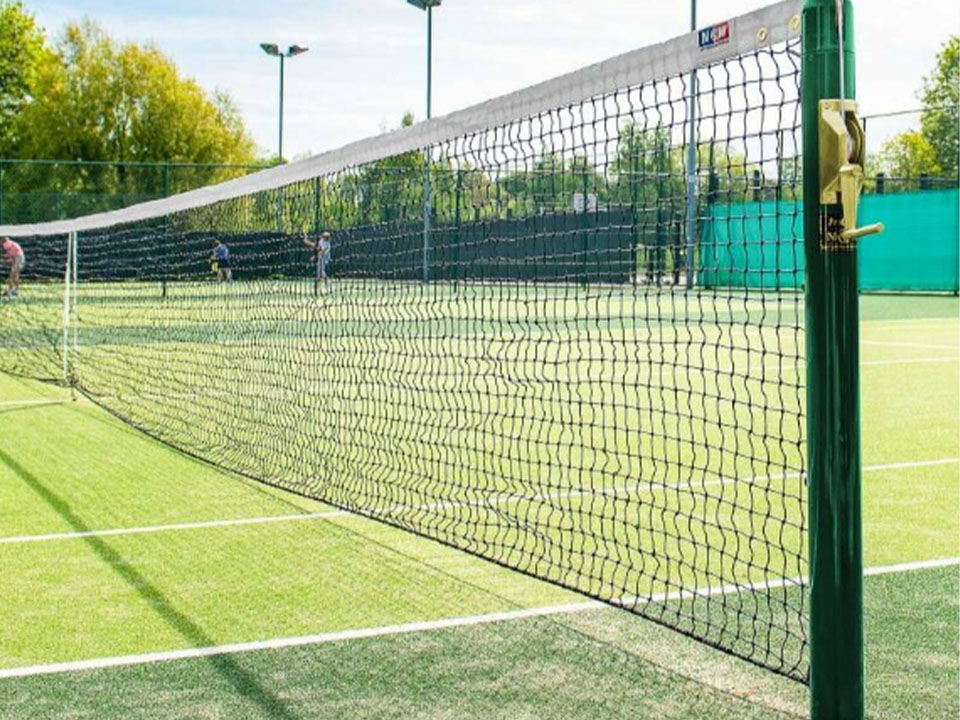
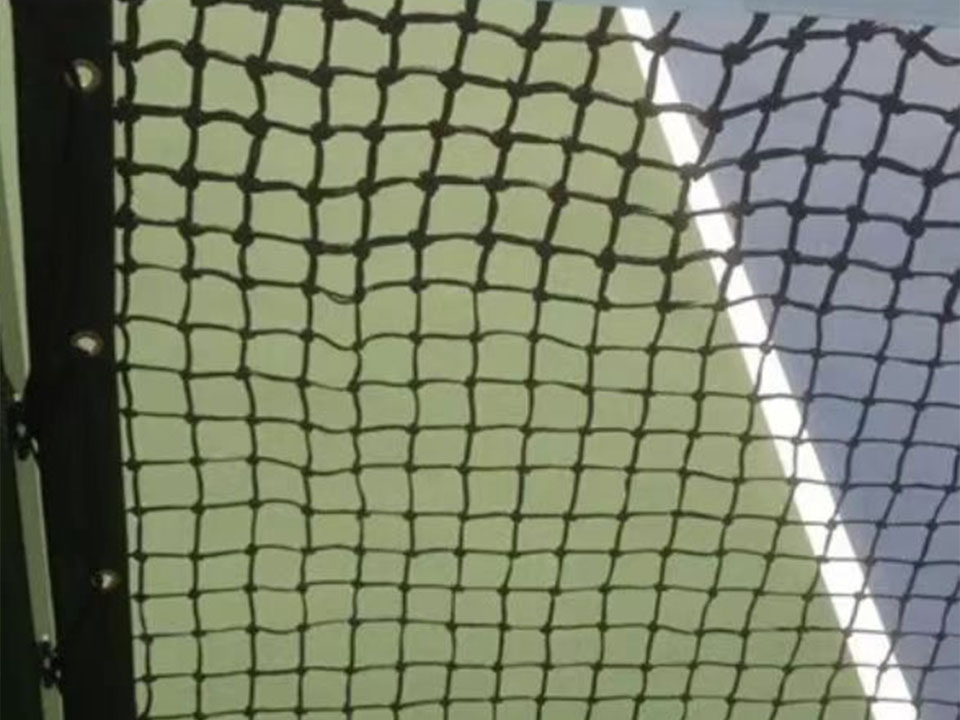
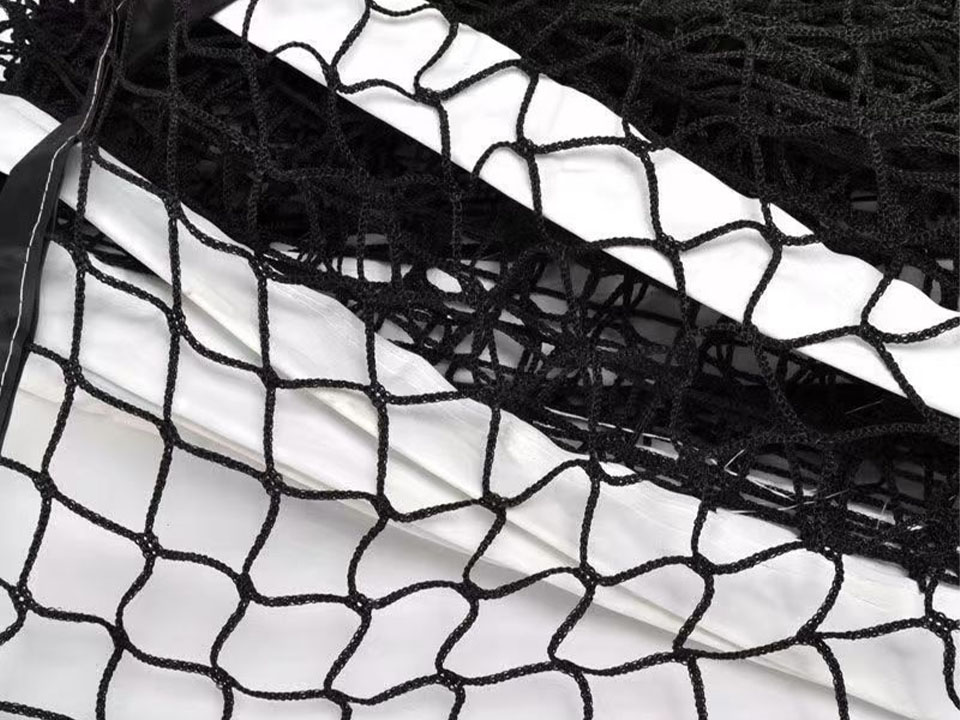
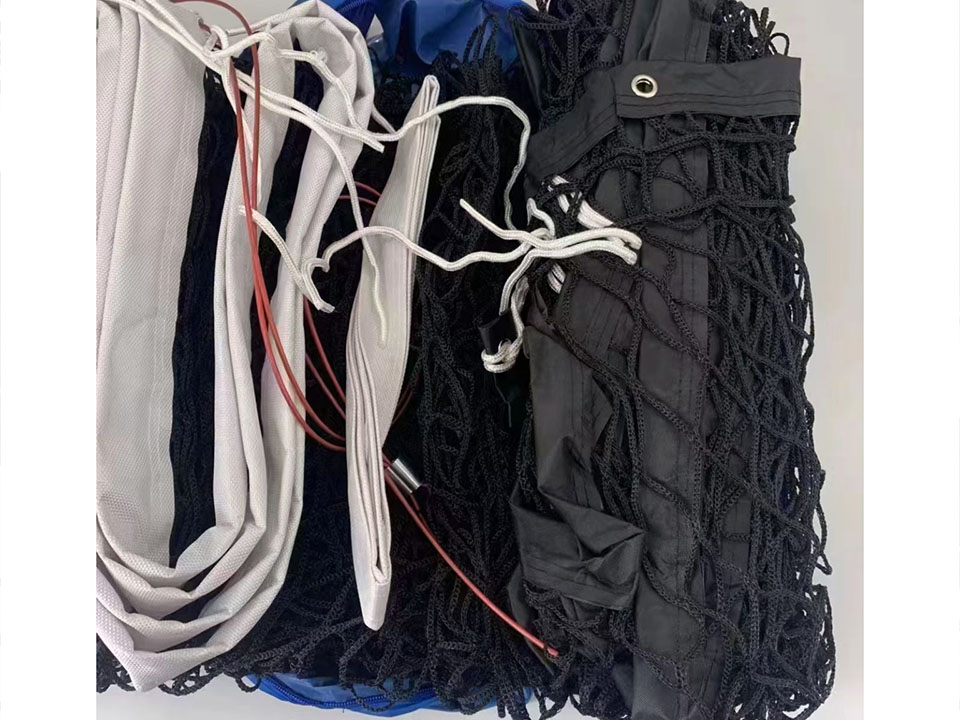
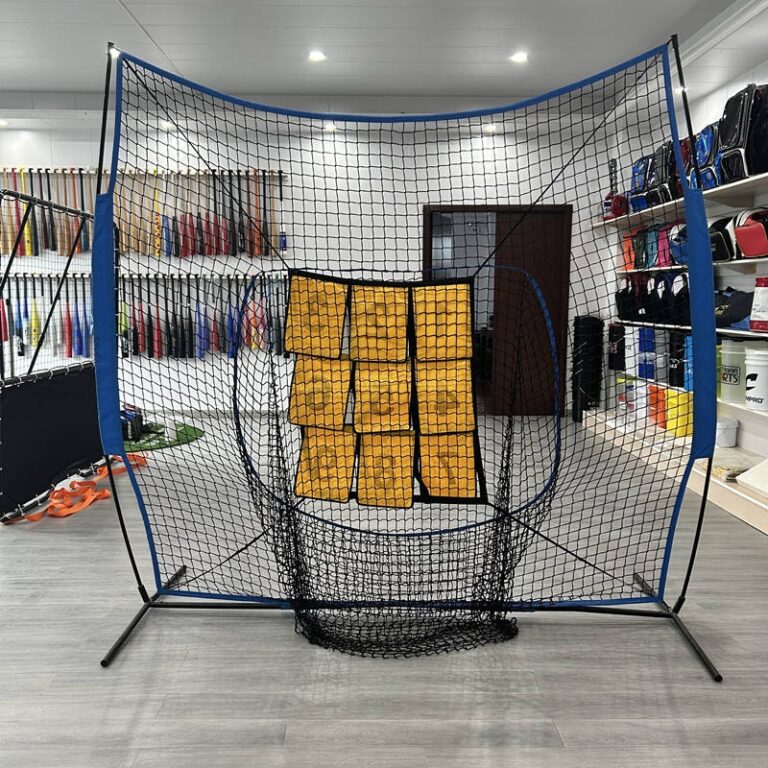
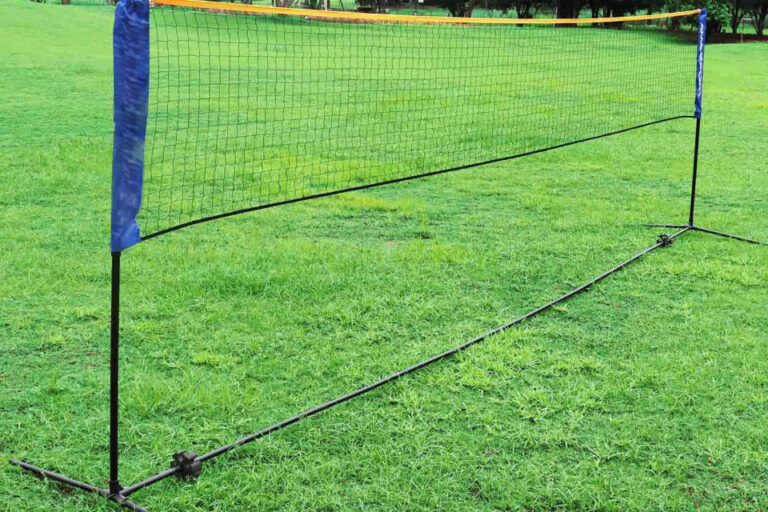
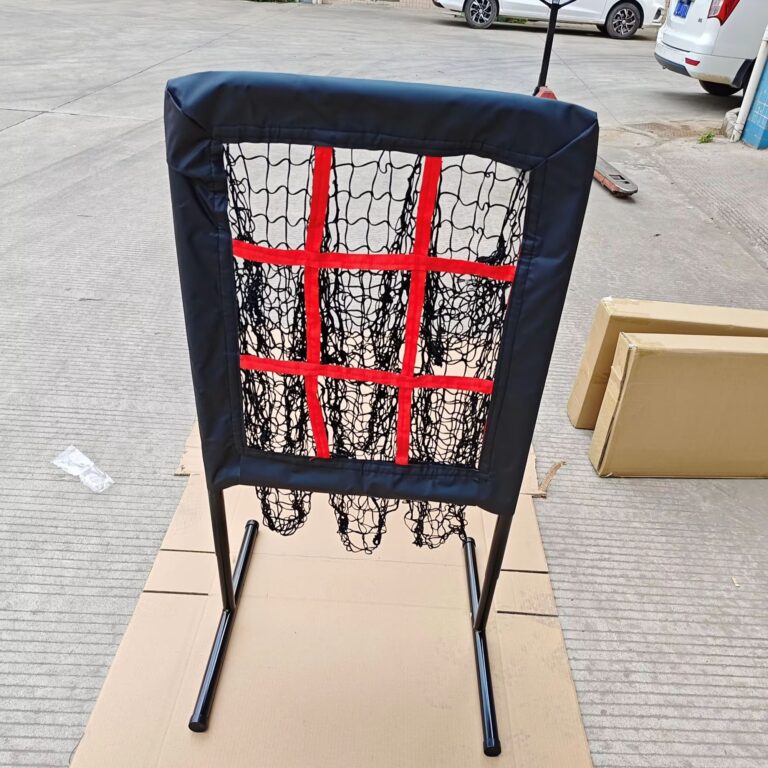
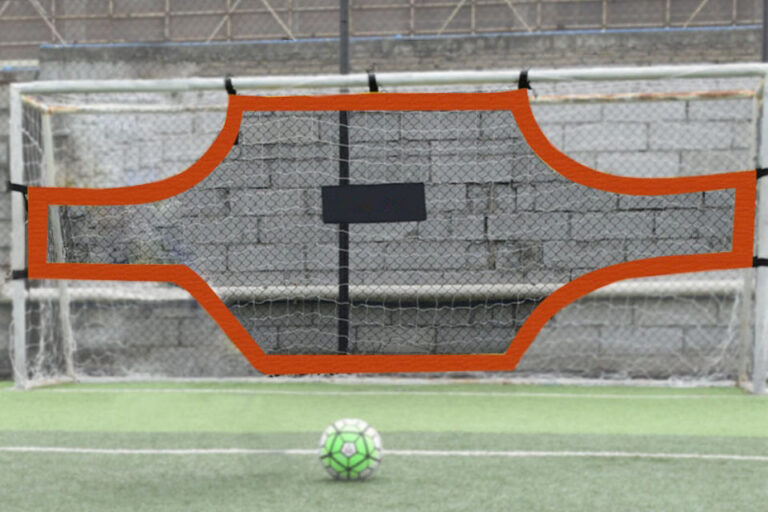
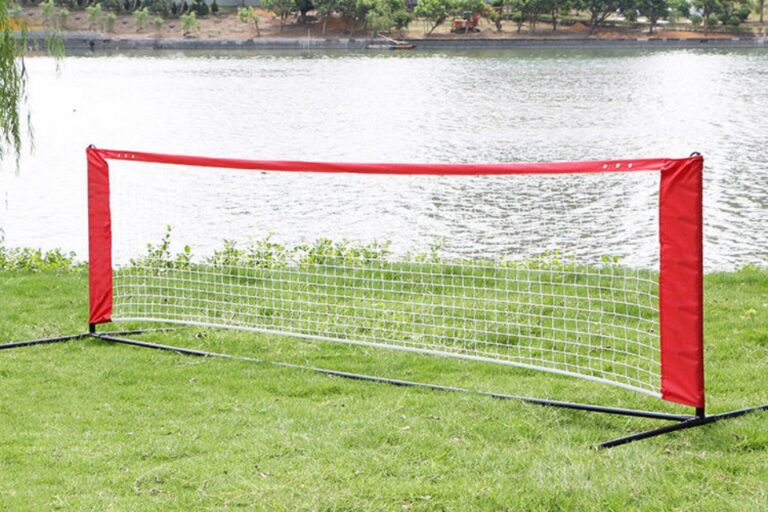
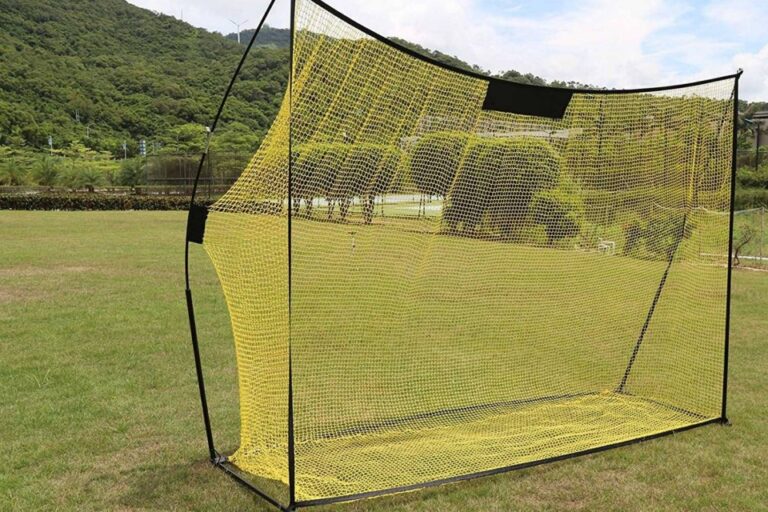
Tell us what you want to develop. FSPORTS supports OEM/ODM, private label, and custom sports netting projects based on your existing product, drawing, sample, photo, or application requirement.
Share the product type, dimensions, target quantity, destination, and any known mesh, material, frame, hardware, logo, or packaging requirements. If your specification is not complete yet, send what you have and we can review the remaining details before quotation.
Why Clubs Struggle With Multi Height Volleyball Needs
If you run a volleyball club, you already know the drill. One gym. A packed schedule. Teams stacked by age and gender. And somehow the net has to be “right” for everyone—every session, every court, every time.
On paper, it’s just a few height settings. In real life, it turns into an ops problem: changeovers eat practice time, staff gets burned out, and small setup mistakes turn into big headaches.
When clubs talk about “multi height needs,” they’re really talking about this: how do we stop net-height switching from becoming a daily tax on training quality and event flow?
Below are the core pain points (with the same argument headings you asked for), plus practical fixes and product-ready ideas you can use when you spec gear, order in bulk, or build a reseller lineup.
To keep this grounded, I’ll reference net system options on the FSPORTS site like the homepage, product catalog, and adjustable volleyball systems.
1) “Multiple teams = multiple net heights”, switching itself becomes the burden
Multi-height isn’t a “nice-to-have.” It’s the default.
A typical club week might look like:
Youth skills clinic right after school
Girls travel team right after that
Boys training late evening
Tournament on the weekend with back-to-back divisions
That’s not training. That’s court flip after court flip.
The problem isn’t only the height difference. It’s the frequency. Every adjustment adds friction:
someone has to do it
someone has to check it
someone has to re-tighten the net
everyone else waits
If you’re running portable setups, lean on systems built for fast changeovers, not “once in a while” adjustments. For example, an adjustable portable volleyball net with steel base frame makes more sense for clubs than a system that feels like a construction project every time you touch it.
2) Net height isn’t “close enough”, measurement rules demand accuracy
Most clubs don’t get burned by height issues during practice. They get burned on game day.
The usual story:
you’re behind schedule
you set it “about right”
a coach questions it
the ref measures it
now you’re reworking the whole court while teams stare at you
So the rule here is simple: build accuracy into the setup, not into someone’s memory.
What helps in the real world:
clear height markings that don’t rub off
quick locks that don’t slip
a repeatable process (same order, same checks, every time)
If you’re training multiple sports in the same space, a single frame that stays stable while you adjust height can reduce mistakes. That’s where an adjustable multi-sport net with rolling base and casters can earn its keep in shared gyms.
3) If a net system is hard to adjust or move, daily training turns into manual labor
Clubs don’t fail at volleyball. They fail at logistics.
If your net setup needs:
tools
two strong adults
a long reset time
or a “special person” who knows the trick
…then you’ve built a bottleneck.
This is where you see the hidden cost (not money—time and energy):
coaches stop changing heights and “make it work”
reps get worse because the net is wrong
sessions start late, end rushed
staff starts avoiding events that require lots of flips
4) Poor planning for multi-height needs creates extra work and compliance risk
Multi-height problems rarely show up alone. They stack with other club realities:
shared courts with basketball lines
limited storage
volunteer-based setup crews
inconsistent equipment across locations
That’s when you get SKU sprawl: different nets, different parts, different bags, different missing pieces.
Planning fixes that work:
standardize on fewer system types
keep parts interchangeable across courts
use labeled bags and spare kits
pick a vendor who can supply consistent batches, not random one-offs
If you’re building a consistent lineup for multiple sites, starting from the main catalog helps. Use the FSPORTS products page as your “one source” list, then narrow to the systems that match your program mix.
5) Loose net and unstable tension hurt training quality and match fairness
A net that sags changes everything:
hitters see a different window
setters lose reference points
blocking timing gets weird
“tape touch” calls turn into arguments
And tension problems get worse with frequent height changes because every adjustment is a chance to lose the sweet spot.
Coaches usually describe this as “the gym feels off today.” Ops people feel it as “we keep re-tightening.”
What to look for:
a tension system that stays consistent after multiple resets
net material that holds shape under repeated load
hardware that doesn’t creep loose during play
For clubs that do high-rep work (like hitter lines and serve receive), pairing a stable net system with strong netting spec matters. This is where a manufacturer mindset helps: you want materials that hold up under repetitive impact, not just “looks fine out of the box.”
6) Frequent adjustments increase safety risk, especially with worn or unstable systems
Safety issues don’t always look dramatic. They start small:
a base that rocks
a pole that leans a little more each week
a cable that frays
a lock that slips when someone brushes it
Then one day you’ve got a topple risk, a trip hazard, or a mid-rally height shift.
If you run youth sessions, this matters even more. Kids don’t avoid unsafe gear—they run straight into it.
8) Measurement and calibration workload is the most underestimated time sink
Clubs often budget time for warmups and drills, but not for:
measuring
centering
leveling
tightening
re-checking after a few rallies
That’s why height switching feels like it “steals” training time. It literally does.
The fix is process + gear:
gear that makes heights repeatable
a process that makes checks fast
fewer custom hacks (tape marks that fade, eyeballing, guessing)
If your club runs mixed programs (volleyball + badminton + tennis training blocks), a crossover option like an adjustable badminton / volleyball / tennis net system can simplify inventory and reduce the number of different frames staff must learn.
Quick reference table: common club net height switches
These are the most common “flip points” clubs deal with across programs. Exact requirements depend on your league, but the operational challenge stays the same.
Program type
Typical net height target
What usually breaks first
Youth starter groups
lower than adult regulation
markings, locks, patience
Women’s regulation
2.24 m
tension consistency
Men’s regulation
2.43 m
base stability, pole flex
Mixed-use gyms
frequent switching
staff time, missed checks
Table: ops pain points vs. gear features that reduce the “changeover tax”
Ops pain (what you feel)
Root cause
Feature that helps
What it unlocks for clubs/resellers
Sessions start late
slow height change
quick-adjust + clear marks
more reps, fewer complaints
One “setup person” becomes a bottleneck
complex assembly
simpler frame + fewer parts
easier staffing, less burnout
Net sags after resets
inconsistent tensioning
stable tension system
cleaner training feedback
Court feels unsafe
wobble/slip
heavier base / stable feet
fewer incidents, better trust
Inventory chaos
too many SKUs
standardized kits
scalable multi-site ops
Where FSPORTS fits in a club’s gear plan (and a reseller’s lineup)
If you buy for a club, you’re not just buying one net. You’re building a system that can survive:
repeated changeovers
constant handling
high-impact contact
storage and transport
FSPORTS positions itself as a premium sports netting manufacturer in China with UV-resistant, high-impact nets and standard plus made-to-order sizing. That matters if you’re:
a wholesaler/distributor building repeatable stock
an e-commerce retailer needing stable supply
an OEM/ODM buyer matching your own brand spec
a pro shop or facility group buying in bulk
Start with the FSPORTS homepage to frame the manufacturing + customization angle, then work inward to specific volleyball and multi-sport systems based on your program mix.
If you want, I can also take your target audience (club director, distributor, or Amazon/e-commerce seller) and rewrite this into a version that matches their search intent and conversion path, while keeping the same H2 argument structure and internal-link rules.