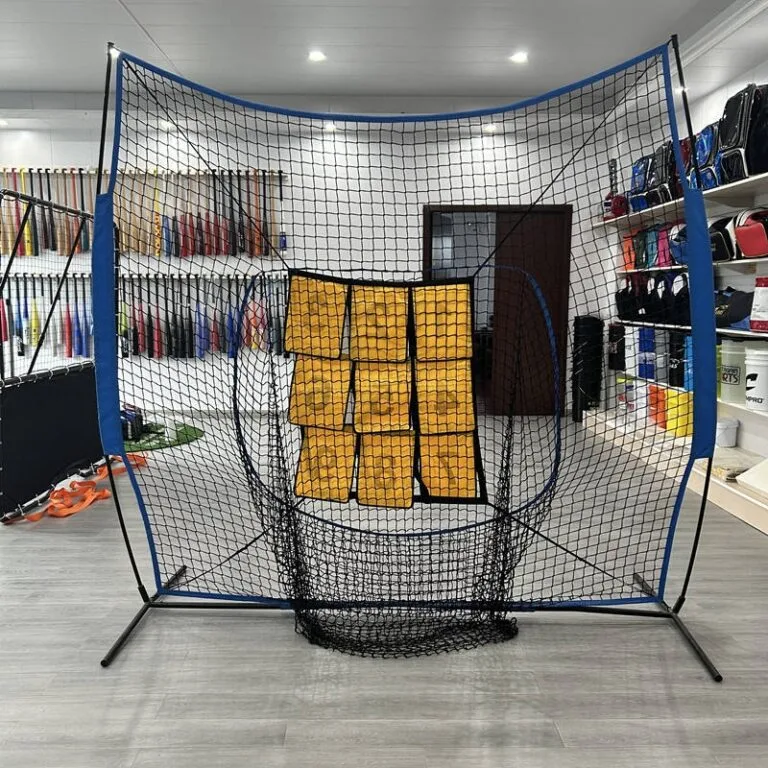
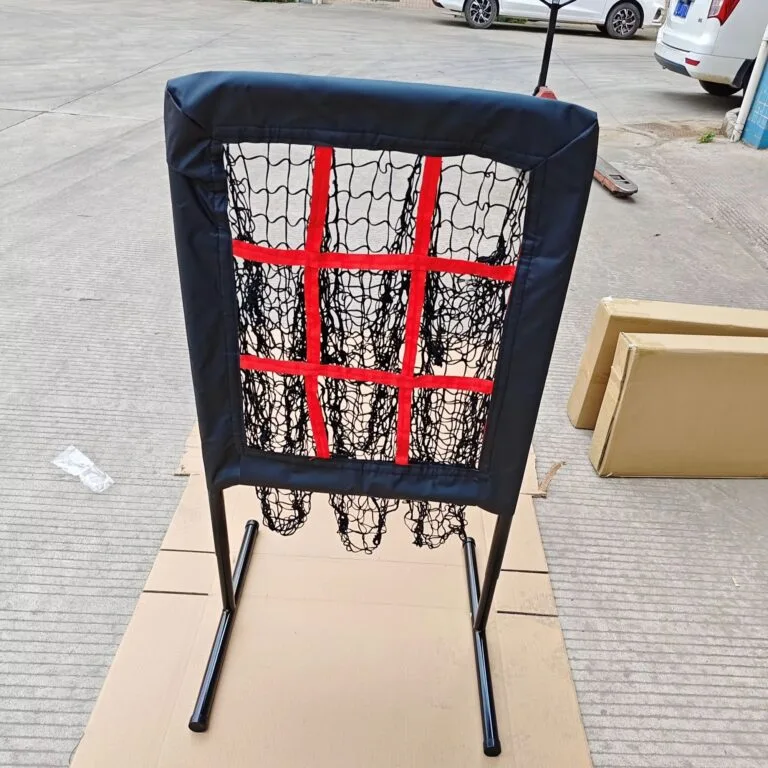
Tell us what you want to develop. FSPORTS supports OEM/ODM, private label, and custom sports netting projects based on your existing product, drawing, sample, photo, or application requirement.
Share the product type, dimensions, target quantity, destination, and any known mesh, material, frame, hardware, logo, or packaging requirements. If your specification is not complete yet, send what you have and we can review the remaining details before quotation.
ITF Tennis Net Regulations: Height, Dimensions & Official Standards
If you’ve ever walked onto a court and thought, “Why does this net feel weird today?” you’re not imagining it. A net that’s even slightly off spec changes ball clearance, rallies, and line calls. That’s why clubs, schools, contractors, and tournament crews lean on ITF tennis net regulations as their baseline.
This guide breaks down the official standards in plain English, then shows you how to check them fast in real-world setups like pop-up courts, seasonal outdoor installs, and high-traffic clubs. I’ll also point you to relevant net options from FSPORTS —a premium sports netting manufacturer in China focused on UV-resistant, high-impact nets for bulk orders, OEM/ODM, and wholesale buyers.
ITF tennis net height
Net height at the center: 3 ft (0.914 m)
Official standard: The net must measure 3 ft (0.914 m) at the exact center, held down by a center strap. Field tip: Don’t eyeball it. Use a tape measure and check right where the strap sits. If the middle is high, you’ll see more floaters turn into “safe” shots. If it’s low, you’ll get ugly tape dribblers and arguments.
Common scenario: After rain or heavy wind, tension changes and the center creeps. A quick mid-court check saves you from mid-match drama.
Net height at the posts: 3 ft 6 in (1.07 m)
Official standard: At each net post, the net height is 3 ft 6 in (1.07 m). Why it matters: This is the built-in “net dip” that makes tennis play like tennis. If your post height is wrong, the whole net profile goes sideways, even if the center looks fine.
Tennis net strap and net band dimensions
Center strap width: 2 in (5 cm) max
Official standard: The center strap can’t exceed 2 in (5 cm) in width. Why buyers care: Too-wide straps look sloppy, wear unevenly, and can snag on fast setups. For clubs that run tight turnarounds, this becomes a recurring maintenance headache.
Net band depth: 2–2.5 in (5–6.35 cm)
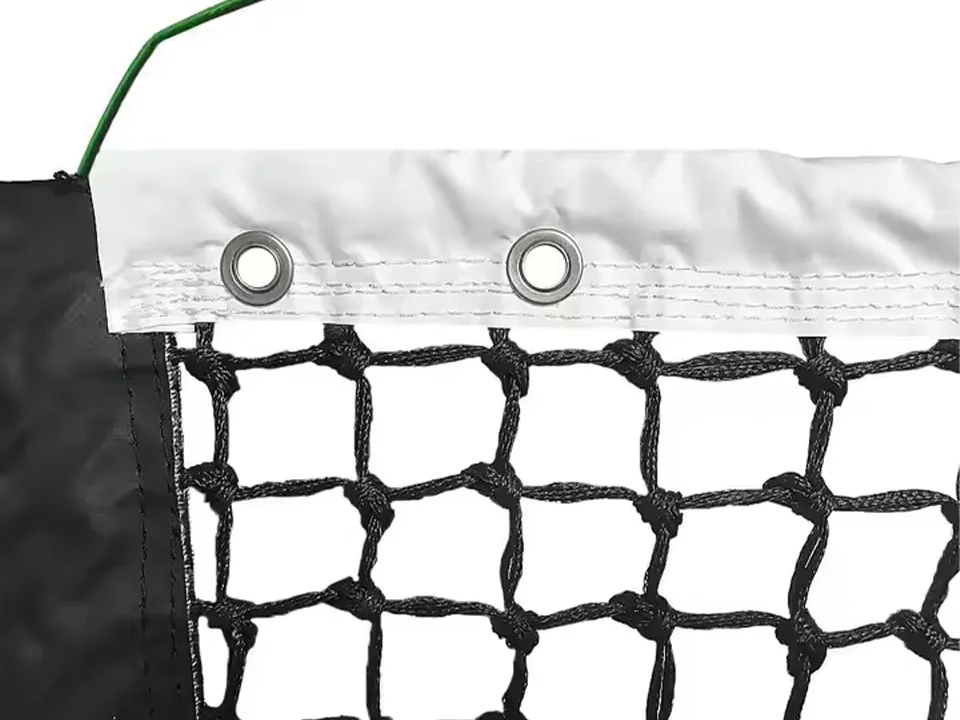
Official standard: The top white band must be 2–2.5 in (5–6.35 cm) deep. Practical angle: This band isn’t just decoration. It protects the top cable area and gives players a clean visual reference. If it’s too thin, it frays faster. If it’s too thick, it can distort how the net sits.
Strap and band color: completely white
Official standard: Both the strap and the top band should be fully white. Operations note: Consistent white helps with visibility under mixed lighting—especially in indoor facilities where shadows can mess with perception.
Tennis net cable diameter and mesh requirements
Cable diameter: 1/3 in (0.8 cm) max
Official standard: The head cable (or cord) must be no more than 1/3 in (0.8 cm) in diameter. Installer talk: Oversized cable sounds “strong,” but it can create tension hotspots, bulge the band, and make the net sit lumpy. That’s classic spec drift.
Mesh size: ball can’t pass through
Official standard: The mesh must be tight enough that the ball cannot pass through the openings. Real-world pain point: Cheap mesh stretches over time. One hard-hit ball through the mesh and you’re in refund territory if you’re a retailer, or in complaint territory if you run a facility.
Tennis net posts and singles sticks placement
Doubles net posts position: 3 ft (0.914 m) outside the doubles sideline
Official standard: Each doubles post sits 3 ft (0.914 m) outside the doubles sideline. Why this matters: It locks in the correct net span and keeps the side net height consistent.
Singles net posts position: 3 ft (0.914 m) outside the singles sideline
Official standard: For true singles posts, each post sits 3 ft (0.914 m) outside the singles sideline. Procurement note: If you’re bidding a school project, clarify whether they want dedicated singles posts or a doubles system plus sticks. It changes the hardware list and the install workflow.
Singles sticks: 3 ft 6 in (1.07 m) high at 3 ft outside the singles sideline
Official standard: When you use a doubles net for singles, you add two singles sticks:
height 3 ft 6 in (1.07 m)
positioned 3 ft (0.914 m) outside the singles sideline
Fast setup cue: If you see singles lines but no sticks, the court will play “wide” at the net. That’s a dead giveaway.
Net posts and singles sticks size limits: 6 in (15 cm) max and 3 in (7.5 cm) max
Official standard:
net posts: up to 6 in (15 cm) square/diameter
singles sticks: up to 3 in (7.5 cm) square/diameter
Why it matters: Oversized hardware can interfere with play, increase wear points, and make packing and storage a pain for mobile programs.
Post/stick height above the cable: 1 in (2.5 cm) max
Official standard: The top of posts/sticks should not extend more than 1 in (2.5 cm) above the net cable. Practical angle: This is one of those “small detail, big credibility” checks. Tournament staff notice it. Experienced players notice it too.
Advertising on the tennis net
Advertising restrictions on net, strap, posts
Rule of thumb from the ITF framework: Nets, straps, and posts typically stay clean for sanctioned play unless specific event rules allow branding. Why you should care: If you’re supplying to clubs or events, keep the “match-ready” version separate from promo versions. It avoids last-minute swaps that wreck your schedule.
ITF tennis net regulations cheat sheet
Spec item
Official standard
How to check on court
Why it matters
Source
Net height at the center
3 ft / 0.914 m
Tape measure at center strap
Fair ball clearance and consistent rallies
ITF Rules of Tennis, Rule 1
Net height at the posts
3 ft 6 in / 1.07 m
Tape measure near each post
Correct net profile (no “flat” net)
ITF Rules of Tennis, Rule 1
Center strap width
≤ 2 in / 5 cm
Measure strap width
Prevents sloppy fit and uneven wear
ITF Rules of Tennis, Rule 1
Net band depth
2–2.5 in / 5–6.35 cm
Measure top band
Durability + clean visual target
ITF Rules of Tennis, Rule 1
Strap and band color
Completely white
Visual check
Visibility + consistent appearance
ITF Rules of Tennis, Rule 1
Cable diameter
≤ 1/3 in / 0.8 cm
Caliper or spec sheet
Proper tension, fewer bulges
ITF Rules of Tennis, Rule 1
Mesh requirement
Ball can’t pass through
Visual + ball test
Safety and dispute prevention
ITF Rules of Tennis, Rule 1
Doubles post offset
3 ft / 0.914 m
Measure from doubles sideline
Correct net span
ITF Rules of Tennis, Rule 1
Singles sticks (when used)
3 ft 6 in high, placed 3 ft outside singles line
Measure height + placement
Keeps singles net width honest
ITF Rules of Tennis, Rule 1
Tennis net compliance checklist for clubs, schools, and contractors
Here’s a quick routine that works for both permanent courts and temporary builds:
Measure center height first (3 ft / 0.914 m).
Measure both post heights (3 ft 6 in / 1.07 m).
Confirm you’ve got the right format: singles posts vs doubles net + singles sticks.
Scan the top band and strap: correct size, clean white, no tears.
Check the cable run: even tension, no kinks, no oversized cord.
Do a mesh sanity check: no blown-out squares that a ball could sneak through.
If you’re buying nets for a program, you’ll want consistency across batches. That’s where a manufacturer that can hold specs across volume matters, especially for distributors and e-com sellers who hate returns and “not as described” claims.
Where FSPORTS fits for bulk tennis net projects
If you source nets for retail, club installs, or school bids, you usually need three things: stable specs, repeatable QC, and flexible production (custom sizes, packaging, labeling). Start from the sports netting catalog , then narrow down based on your use case:
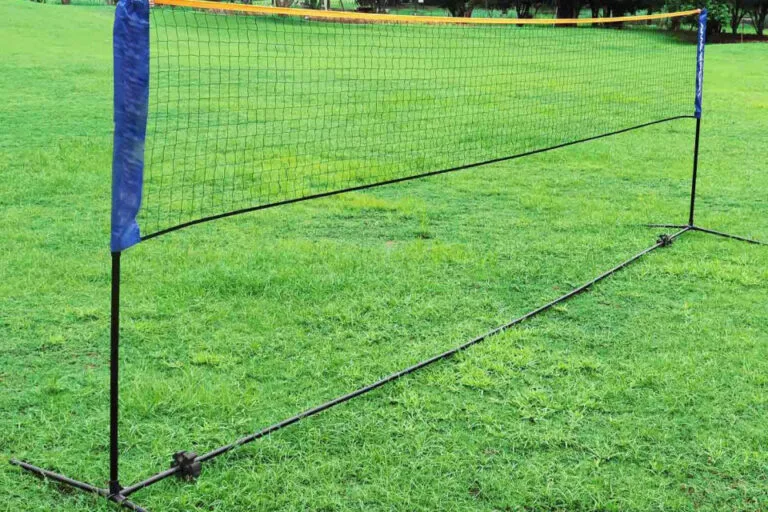
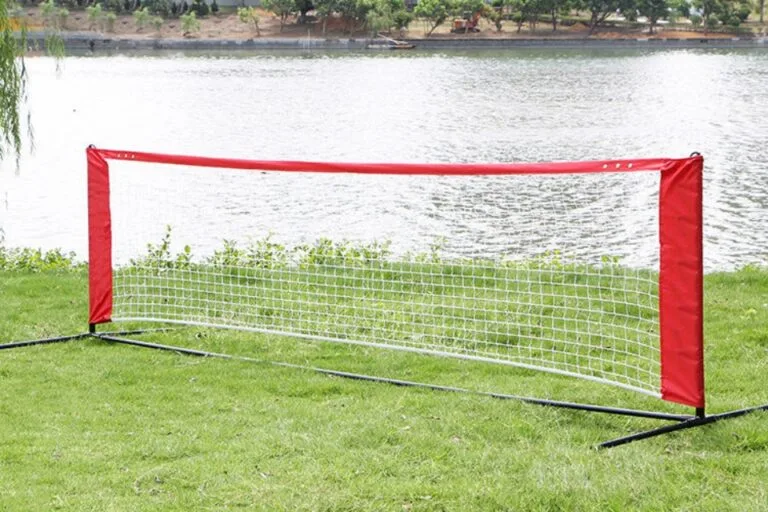
For facilities that run mixed programs, an adjustable-height multi-sport net helps you cover tennis, badminton, and more without stocking a dozen separate systems.
When you tie ITF tennis net regulations to your purchasing spec, you reduce chargebacks, cut back on install callbacks, and keep your customer reviews clean. That’s the boring stuff that quietly protects your margin—exactly what B2B buyers care about.