How we prevent spec substitution across repeat net orders
Table of Contents
Repeat orders should feel boring. Same SKU. Same mesh. Same rope. Same lead time. But netting is a spec-heavy product, and “almost the same” can still be wrong.
A buyer might reorder a golf cage net they launched last season. The PO gets copied. Someone swaps a material “to keep the line moving.” Now the next shipment fits the drawing, but it doesn’t match the field reality. That’s how spec substitution sneaks in.
At FSPORTS (Top 1 Premium Sports Netting Manufacturer in China), we build custom and bulk netting for B2B retailers, distributors, OEM customers, and ecom sellers. Our baseline is simple: lock the spec, control the exceptions, and keep an audit trail—especially when the order repeats.
If you want to browse our catalog first, start at the FSPORTS homepage.
Item substitution rules
If you don’t define substitution as a rule set, it becomes a “quick fix.” Quick fixes love repeat orders because copied POs hide details.
What we do instead:
- We treat every net as a spec package, not just a product name.
- We define what counts as an allowed swap, and we define what never swaps.
- We separate “nice-to-have” changes from “hard stops.”
Hard-stop spec fields often include: mesh size, yarn type, UV requirement, edge finishing, load rating targets, and hardware compatibility. When any of those change, we treat it like a new build, not a quiet replacement.
For buyers who carry lots of SKUs, the easiest way to reduce chaos is to funnel everything through a stable product library. Our Products page works well as a clean starting point for that catalog mindset.
Effective dates and priority
A substitute that was acceptable last quarter can be a bad call today. Maybe the venue upgraded safety requirements. Maybe your private label needs a tighter spec for reviews and returns. Either way, “we swapped it before” isn’t a rule.
So we manage substitutions with two gates:
- Effective dates: the swap is valid only inside a defined window.
- Priority: if multiple alternates exist, we pick the one that best matches the spec intent.
This matters a lot for seasonal demand. For example, golf range upgrades can surge. If you run a reorder program for training facilities, you don’t want a random mid-season material swap that changes feel, durability, or install behavior.
Original requested item
Repeat orders often come from a copy button. That’s where drift starts.
We keep the original requested configuration separate from any temporary substitute. That way, when you reorder, you still reorder the original intent.
Think of it like version control:
- Requested spec = what you approved
- Produced spec = what shipped this time
- Deviation record = why they differed (if they did)
This is especially useful when the product looks similar but behaves differently in the field.
Example: a buyer reorders a cage. They want the same impact performance and the same install pattern. The correct anchor point is the original configuration, not whatever got swapped during a supply crunch.
If you sell golf training setups, here’s a solid reference product type where spec lock matters (frame fit, safety, repeatable performance): Professional Golf Hitting Cage Net for Indoor/Outdoor Use.

Repeat orders
Here’s the trap: substitute the substitute.
A buyer orders Net A. Someone swaps to Net B. Next month, the reorder copies Net B and swaps again to Net C. After a few cycles, you’re nowhere near Net A. Nobody planned it. It just happened.
Our repeat-order rule is simple:
- When an order repeats, we re-check allowed substitutions against the original spec, not the most recent workaround.
- We stop multi-hop substitutions unless you explicitly approve them.
This keeps your SKU stable and your field performance predictable. It also protects your listings if you’re an ecom retailer or dropship partner. Customers notice when “the same product” feels different.
For barrier use cases where hardware and edge finishing matter, a controlled, spec-locked option looks like Durable Nylon Golf Barrier Net with Hooks and Bungee Cords.
Customer accept or reject
Some buyers allow functional equivalents. Others run strict compliance, venue safety rules, or brand standards.
So we don’t assume. We ask, and we log the answer.
In practice, that means:
- We flag any proposed change as a deviation.
- You get a clear “accept / reject” decision point.
- If you accept, we attach it to the order record so the next reorder doesn’t surprise you.
This works well for portable systems where buyers care about setup feel and stability.
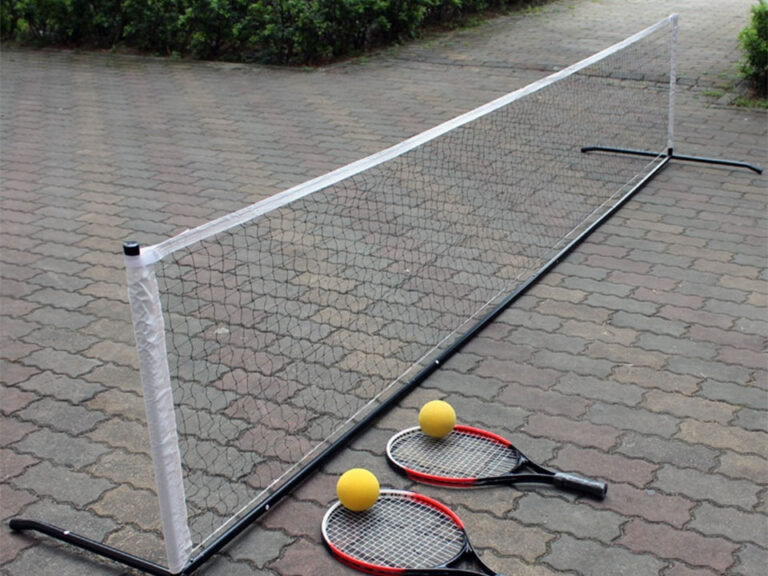
Example product family: Adjustable Indoor Pickleball Net System with Steel Frame.

Order promising
Order promising sounds like an ERP topic, but it hits netting hard.
If you promise based on “any net that fits,” you’ll ship on time and still disappoint the customer. If you promise based on the correct spec, your dates stay honest.
We align promising with the spec lock:
- If the exact spec is available, we confirm.
- If not, we offer approved alternates, and we wait for your decision.
- If you reject, we keep the spec and adjust the schedule.
That protects your brand and reduces churn in wholesale accounts.
Supersession vs substitution
Two changes can look identical on paper and act totally different in real life:
- Supersession: a newer revision replaces an older one (think “Rev B replaces Rev A”).
- Substitution: an alternate that is “usable,” but not necessarily a replacement.
We keep them separate because repeat orders love to blur them.
Supersession is usually planned. It follows revision control. Substitution is usually reactive. It needs explicit buyer approval.
If you run multi-sport programs or sell to institutions, this separation helps you keep a clean BOM and avoids support headaches.
A good example category is multi-sport frames where compatibility and repeatability matter: Adjustable Multi-Sport Net with Rolling Base and Casters.
Quality control and traceability
Even when a change is approved, you still want traceability. That’s what stops a one-time exception from turning into a permanent mismatch.
Our QC flow focuses on:
- Incoming material checks (yarn, twine, hardware)
- In-process checks (mesh consistency, edging, stitching/knots)
- Final inspection against the approved spec package
- Lot-level traceability for key materials
This is where wholesalers and OEM programs win. You can answer end-customer questions fast, and you can keep returns from turning into a fire drill.
For high-impact field use, backstop and training nets benefit from tight QC and stable specs, like Heavy Duty Lacrosse Backstop Net with Stable Steel Frame.
Contract language for “no substitutions without approval”
Sometimes the simplest control is a blunt one. If your channel sells to schools, stadiums, or installers, add a rule that makes accountability obvious:
- No substitutions without written approval.
- Any deviation must be documented on the order record.
- Any rework caused by unauthorized substitution sits with the party who changed it.
It’s not aggressive. It’s clarity. Clarity keeps relationships healthy.
The control matrix we use for repeat net orders
| Risk in repeat orders | What it looks like in real ops | Control we apply | What you gain |
|---|---|---|---|
| “Copy PO” spec drift | Old line item gets reused with missing spec detail | Store original requested spec + re-check from original | Stable SKUs across seasons |
| Substitute-of-substitute | A → B → C without anyone noticing | Block multi-hop swaps unless approved | Fewer surprises in the field |
| Quiet material swap | “Same net” but different yarn/finish | Hard-stop fields + deviation record | Fewer returns and complaints |
| Late-stage change panic | Production pushes a replacement to hit ship date | Approval workflow + spec-based promising | Clean communication with your buyers |
| OEM/private label inconsistency | Different batches feel different | Supersession vs substitution separation + QC traceability | Better reviews, fewer disputes |
Real-world scenarios
- Golf range replenishment: You need consistent impact behavior and repeat installs. A quiet swap changes performance and creates service calls. Explore: Portable Golf Hitting Net with Target Sheet and Return.
- Stadium and training backstops: Spec drift can turn into safety risk. Traceability matters when venues ask questions.
- Pickleball programs for retailers: Customers expect the same frame feel and tension behavior every reorder cycle.
- Distributors running mixed containers: You need clean BOM control so receiving, labeling, and listings stay aligned.
Why this matters to your business
If you buy in bulk, run OEM/ODM, or resell under your own label, you’re not just buying netting. You’re buying predictability.
When you keep specs stable across repeats, you get:
- fewer chargebacks and fewer returns
- cleaner listings and lower support load
- smoother reorders for your best accounts
- better long-term margins because you spend less time on exceptions
That’s the play. Keep repeat orders boring, keep the spec honest, and let your sales team focus on growth.
If you want to standardize your net lineup, start from FSPORTS Products and build a short list of “approved spec packages” for your channel.