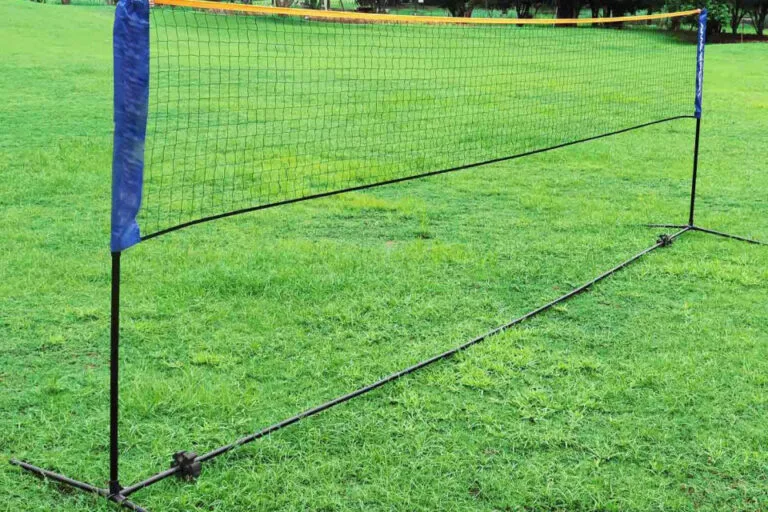
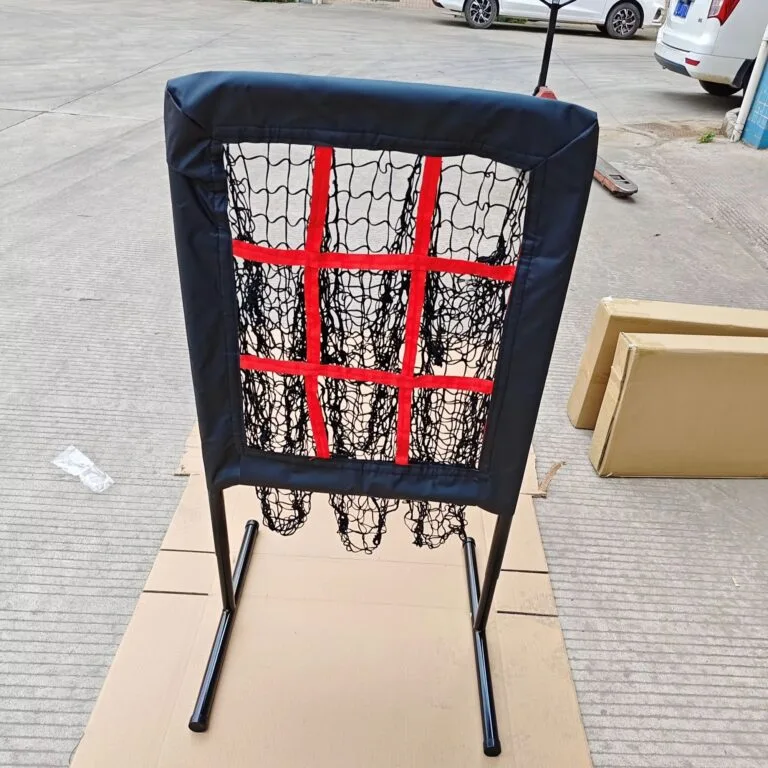
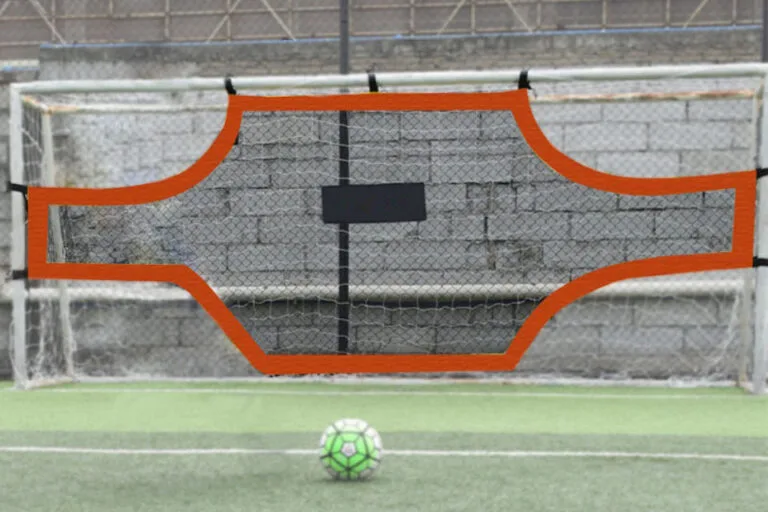
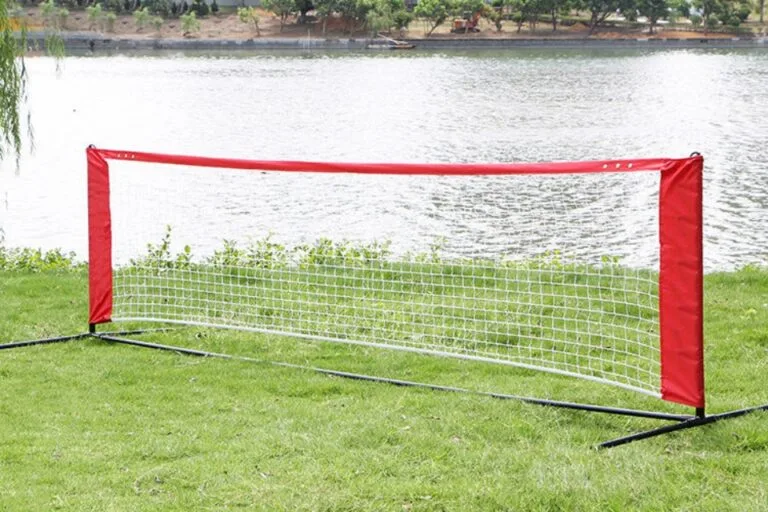
Tell us what you want to develop. FSPORTS supports OEM/ODM, private label, and custom sports netting projects based on your existing product, drawing, sample, photo, or application requirement.
Share the product type, dimensions, target quantity, destination, and any known mesh, material, frame, hardware, logo, or packaging requirements. If your specification is not complete yet, send what you have and we can review the remaining details before quotation.
What are typical lead times for custom net manufacturing?
If you buy sports netting in bulk, lead time isn’t a “nice-to-know.” It’s a risk lever. Miss your inbound window and you’ll feel it fast: stockouts, late installs, angry teams, and retailers pushing your PO to the next season.
Here’s the real-world answer most buyers need: custom net manufacturing lead time typically lands in the 7–15 business day range for standard sports nets, then moves up when you add heavy finishing, oversized panels, peak-season capacity pressure, or special packaging and labeling for retail and OEM programs.
FSPORTS builds UV-resistant, high-impact sports nets in standard and made-to-order sizes for wholesale, bulk purchase, and OEM/ODM buyers. If you want to skim our product categories first, start at the FSPORTS homepage and the sports netting product catalog.
Typical lead time ranges for custom net manufacturing
Most buyers think “lead time” equals “factory days.” In practice, you manage two clocks:
Production time: material prep → cutting → sewing/finishing → QC → packing
large panels, reinforced seams, higher defect risk
golf ranges, indoor training centers
Peak-season orders and high-volume POs
2–4+ weeks
production queue + capacity allocation
wholesalers, chain retailers, OEM programs
The table gives you a planning baseline. Your actual schedule depends on the “change drivers” below.
To picture these buckets with real products, compare a cage-style build like a professional golf hitting cage net versus a simpler barrier solution like a durable nylon golf barrier net. The labor content and QC load aren’t the same, so the lead time shouldn’t be either.
What changes the production lead time
Order size and quantity
Volume can speed you up or slow you down.
Speed up: repeat SKUs let the factory batch cut panels, standardize stitching lines, and run predictable QC.
Slow down: big POs may hit capacity limits, especially when you want multiple colors, mixed carton packs, or several mesh specs in one shipment.
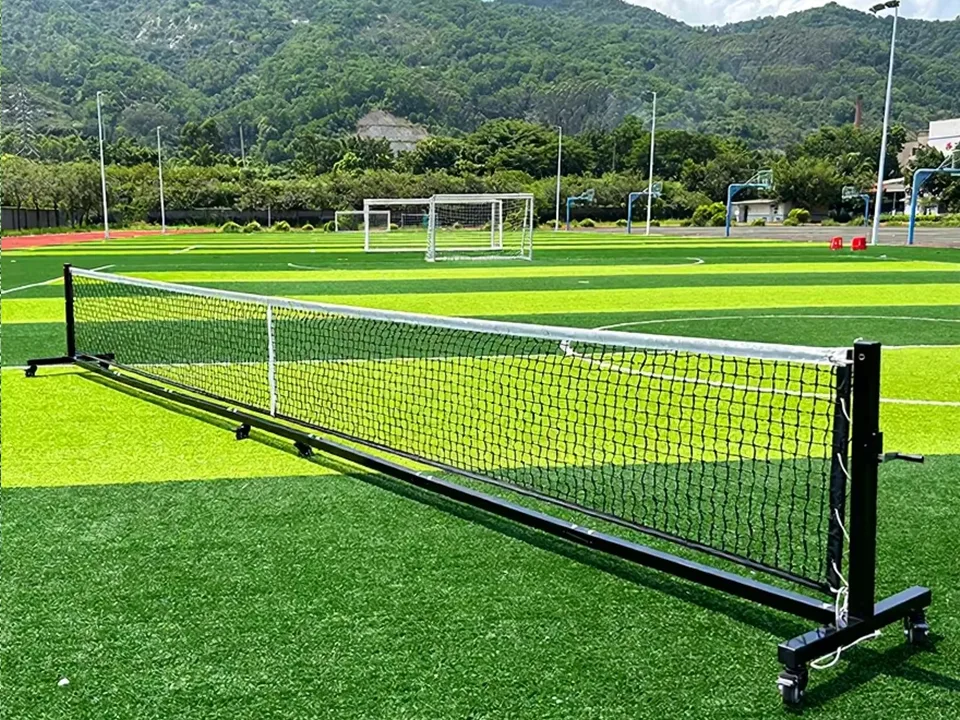
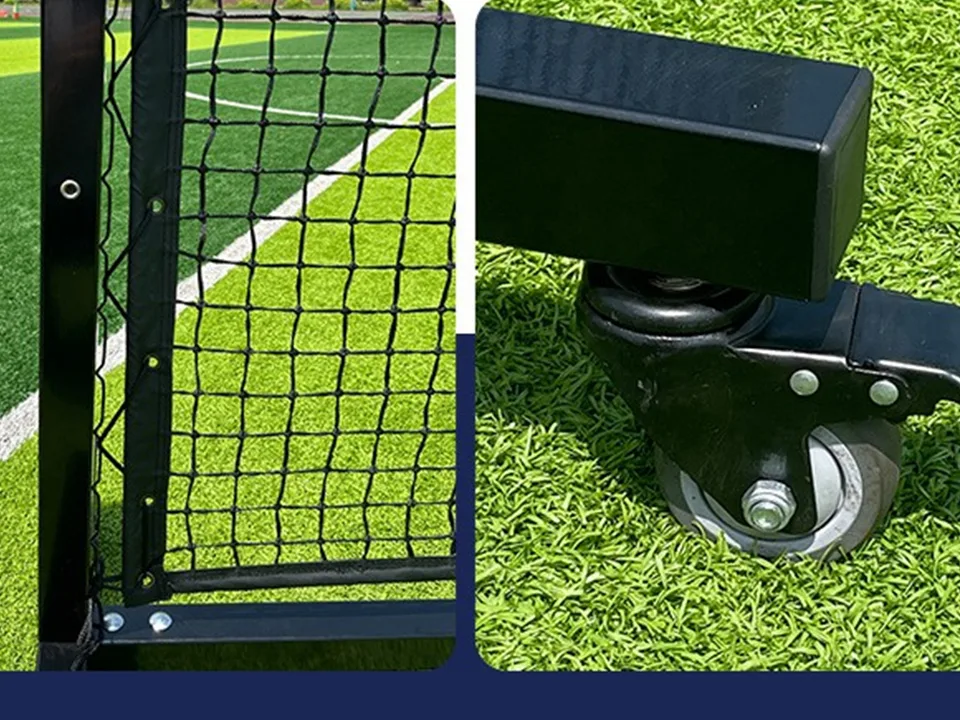
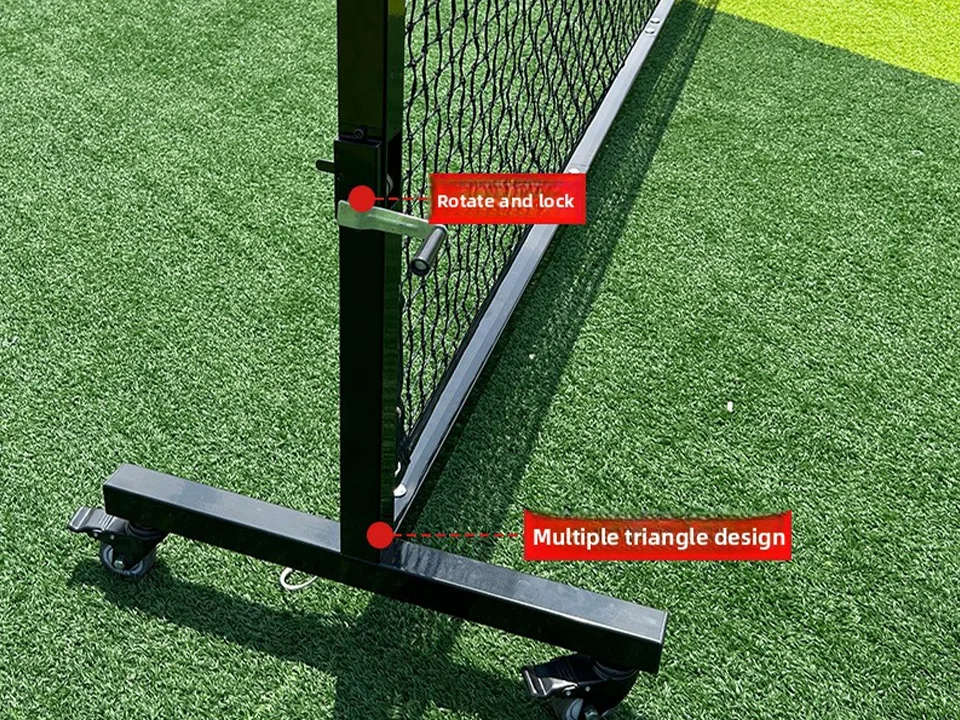
If you’re building a program across multiple sports, it helps to group items that share materials and finishing steps. For example, a multi-sport lineup might include an adjustable multi-sport net with rolling base plus a court system like a portable pickleball net with steel frame. Similar hardware and packaging standards can reduce changeovers.
Finishing and edge binding
Finishing is where lead time hides.
A net panel can be “done” once it’s cut, but buyers rarely want raw edges. Add any of the following and you add time:
Edge binding / webbing borders (more stitching, more inspection)
Reinforced seams for high-impact zones
Sleeves, hook points, bungees, straps, and anchor loops
Labeling and retail packaging (UPC labels, inserts, carton marks)
Sports purchasing has seasons. Golf ramps up ahead of warm weather. Schools order before term starts. Clubs refresh gear before league play.
That’s why two identical orders can get two different ETDs. The factory didn’t change. The queue did.
If you sell fast-turn items (say, portable court gear), consider keeping a “buffer SKU” ready to ship. A portable system like a portable regulation pickleball net system works well for this because it fits standard cartons and doesn’t require custom panel sewing.
Define production lead time vs shipping lead time
This is the most common buyer mistake: asking for “lead time” and getting a number that excludes shipping.
If you’re a retailer or distributor, you should ask for these separately:
Production lead time (ready-to-ship date)
ETD (estimated time of departure)
Transit time (port-to-port)
ETA (estimated time of arrival)
That one habit prevents a lot of “we thought it would arrive next week” surprises.
Typical lead time in real purchasing scenarios
B2B retail replenishment
You’re restocking best sellers and you need clean carton packing, consistent labeling, and low returns. In that case, you’re trading a little time for fewer headaches. Standard items often stay inside the 7–15 business day production window, but special packaging requests can push it out.
Distributor mixed-container orders
You’re combining golf, lacrosse, and court systems in one PO. The slowest line item sets the ship date. If you add bulky frames plus stitched nets, plan for more time.
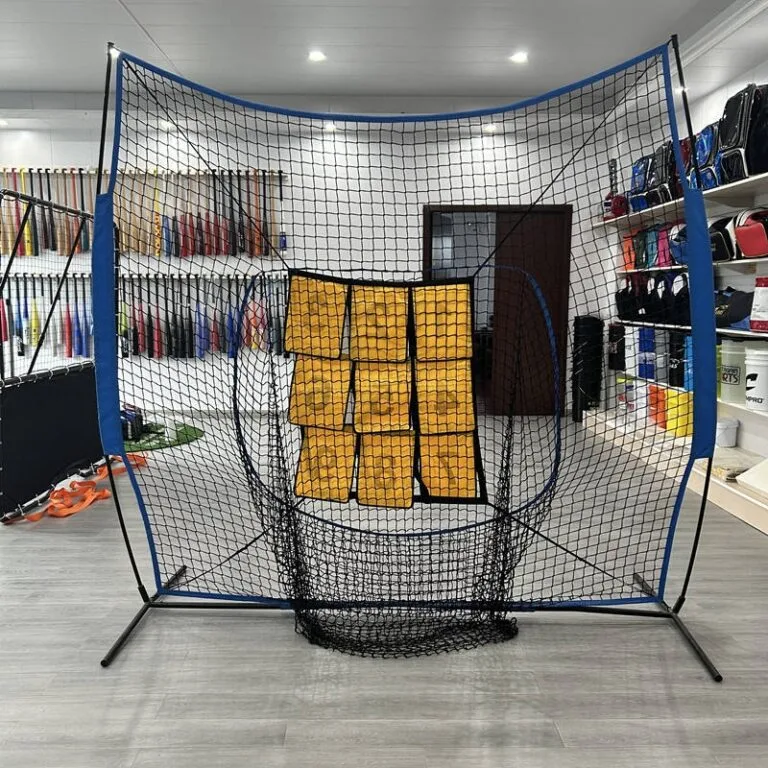
Golf simulators, batting cages, and backstops aren’t forgiving. If you miss the opening date, you don’t “catch up” next week. You lose revenue and credibility.
For enclosure-style needs, plan earlier and lock specs sooner. A build like a golf simulator enclosure impact screen setup involves more materials, more finishing, and more QC than a simple practice net.
How to reduce lead time without cutting corners
Here’s what works in the real supply chain, especially for OEM/ODM and bulk buyers.
Lock your specs early
Every spec change restarts work. The biggest time-killers are:
mesh size changes (affects BOM and cutting)
twine diameter changes (affects strength and sewing)
color changes (affects material sourcing)
packaging changes (affects packing line setup)
Send a clean spec sheet once, then freeze it.
Use “factory-friendly” packaging rules
If you want faster turns, keep packaging consistent across SKUs. Same carton sizes, same label placement, same inserts. Your warehouse will thank you too.
Plan your sampling path
For OEM programs, sampling can be the longest phase if you don’t run it like a project. Set a clear sample approval window, define pass/fail rules, and keep the feedback tight.
Build a reorder rhythm
If you reorder quarterly (or on a season cadence), the factory can allocate capacity, pre-stage materials, and reduce changeovers. That’s how you protect your ETD when everyone else is panicking.
Why wholesalers and OEM buyers use FSPORTS for lead time control
FSPORTS focuses on the things bulk buyers care about: repeatability, scalable output, and consistent QC. When you sell to pro shops, ecommerce storefronts, and distributors, you don’t just need a net that looks good in photos. You need a net that arrives on time, matches the last batch, and doesn’t blow up your returns rate.
If you’re planning your next PO, use the benchmarks above as your baseline. Then build your schedule around the four drivers: order quantity, finishing, seasonality, and the split between production time and shipping time. That’s how you turn “lead time” from a mystery into a controllable KPI.