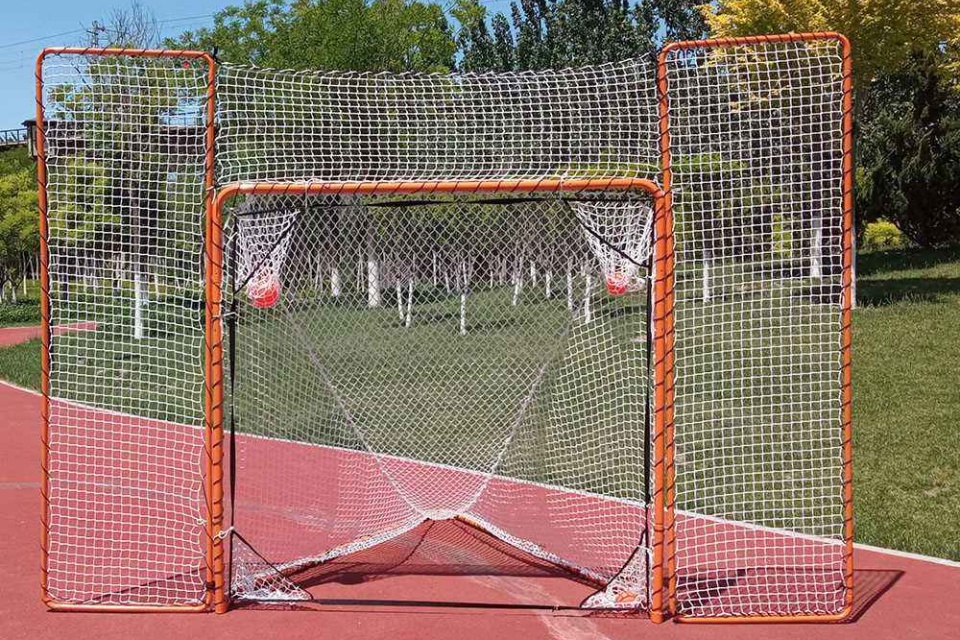
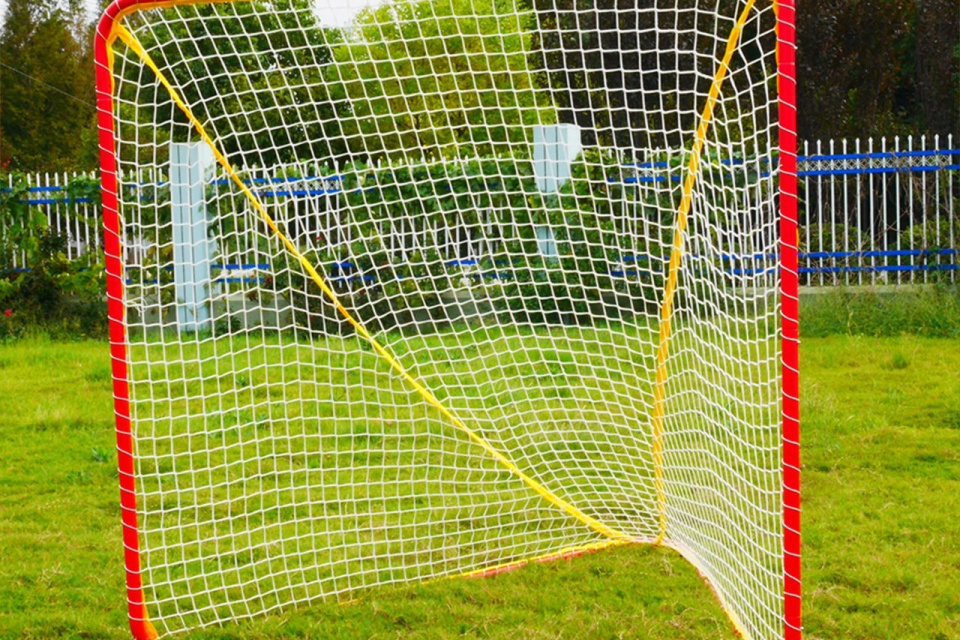
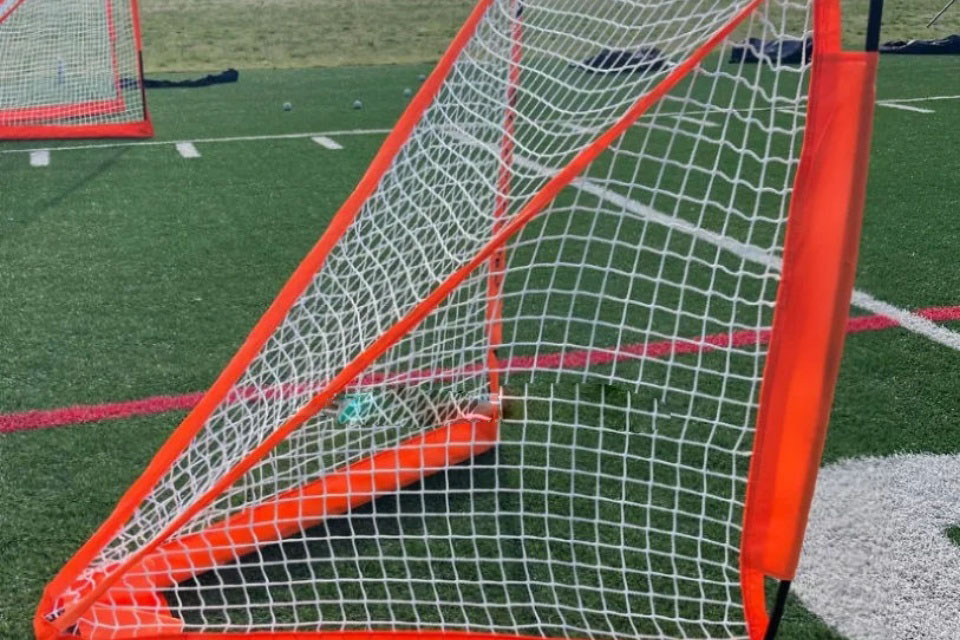
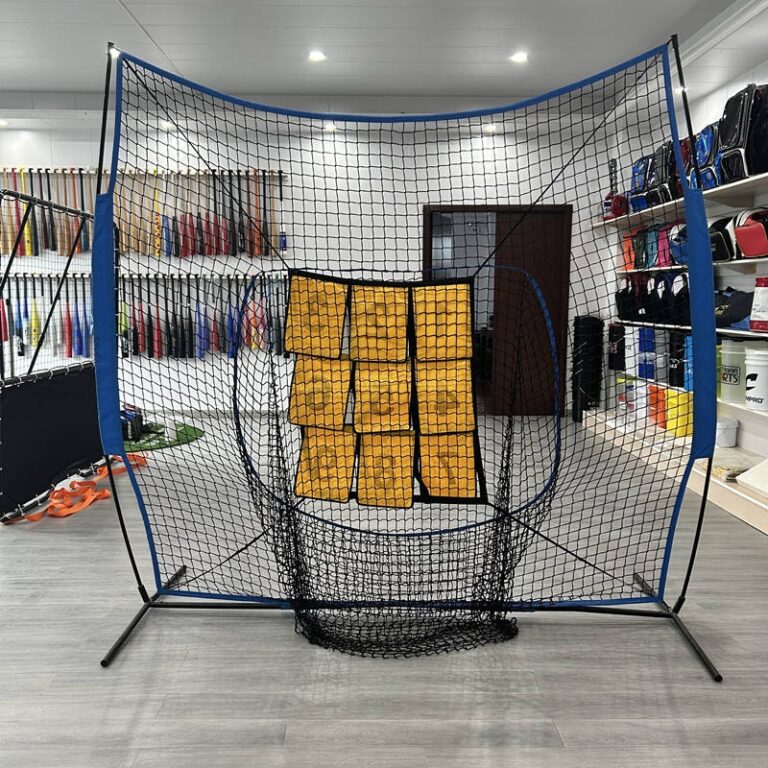
Tell us what you want to develop. FSPORTS supports OEM/ODM, private label, and custom sports netting projects based on your existing product, drawing, sample, photo, or application requirement.
Share the product type, dimensions, target quantity, destination, and any known mesh, material, frame, hardware, logo, or packaging requirements. If your specification is not complete yet, send what you have and we can review the remaining details before quotation.
Indoor Vs. Outdoor Sports Facilities: Which Model Fits Your Market
But I’ll tell you when this debate stops being “strategic” and starts being personal: when you’ve got a packed Saturday slate, you’ve sold the food truck slots, you’ve promised the sponsors foot traffic, and then the weather flips—rain, lightning hold, smoke day, whatever—and now you’re running a reschedule call center instead of a facility. Then winter arrives.
I’ve seen owners wave around a booking calendar like it’s proof of life, and I get it—green blocks feel like security—but when you overlay cancellations, dead-zone hours (Tuesday 2 p.m., Wednesday 11 a.m.), and the “city came by” downtime, you realize the calendar can lie harder than any sales rep. Ugly math.
So here’s the ugly truth, said out loud: indoor vs outdoor sports facilities isn’t a preference test, it’s a risk purchase. Indoors you buy fixed overhead + compliance drag (HVAC tonnage, dehu, demand charges, code). Outdoors you buy volatility (seasonality, weather, neighbors, surface wear). Demand density decides who survives.
And yes, people hate hearing that. Why? Because it means the “right” answer might be the one that bruises their ego.
The number that makes grown adults change the subject
Yet everyone starts with square footage and finishes with vibes.
I start with cost per playable hour. That’s the operator metric. Not cost per square foot. Not “utilization” as a vanity number. Playable hour—after cancellations, after changeovers, after the time you lose when balls keep leaving the field because you cheaped out on containment.
From my experience, the “best sports facility type for your market” is basically four questions (and if you don’t have clean answers, you’re guessing):
Demand density: Who fills weekday 9am–3pm—academies, PE contracts, PT/rehab groups, corporate rentals, offseason skills blocks? If your plan is “we’ll run ads,” you’re signing up for CAC pain.
Climate volatility: Are your weather hits scattered or clustered? Clustered downtime nukes entire programming blocks and turns refunds into a weekly ritual.
Permitting friction: How close are you to residential, and how active are your neighbors? Outdoor projects get smacked by photometrics, parking ratios, “noise” complaints, and hours restrictions that appear after one busy season.
CapEx reality: Patient capital, or pro forma hopium (“fully booked by month four”)? Be honest—your lender is.
Hybrid gets pitched like a magic fix. Sometimes it’s smart. Sometimes it’s a Frankenstein build that’s half-covered, half-useless, and fully expensive to staff.
Operational costs: indoor screams; outdoor whispers… then hits you
However, indoor operational costs aren’t subtle. They show up every month like rent with a temper.
Electricity pricing matters more than owners want to admit, because it turns “reliable year-round revenue” into “reliable year-round expenses.” EIA’s Electric Power Monthly shows average commercial electricity prices at 12.59¢/kWh (2023) and 12.85¢/kWh (2024). (eia.gov)
Here’s a simple scenario owners dodge because it feels rude: lights + HVAC average 150 kW for 12 hours/day, that’s 1,800 kWh/day, and at 12.85¢/kWh you’re at $231/day before demand charges, before winter heat, before the “demand ratchet” you didn’t model, before belts/filters and the one RTU that always trips at peak. Not optional.
Outdoor sports facility operational costs look calmer because they don’t land as one giant utility bill. They land as a thousand small invoices: drainage fixes after a soaker, grooming cycles, UV degradation, seam work, irrigation politics (try defending water use during a drought), and resurfacing timing that always—always—hits when you’re trying to scale tournaments.
And outdoor has a hidden tax: the schedule tax. It’s not just the lost slot. It’s the staff hours, the refunds, the angry coaches, and the customers who stop trusting your calendar.
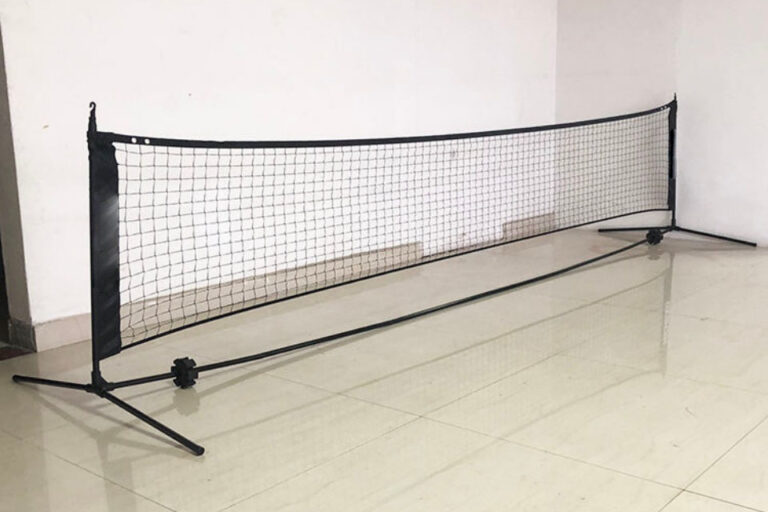
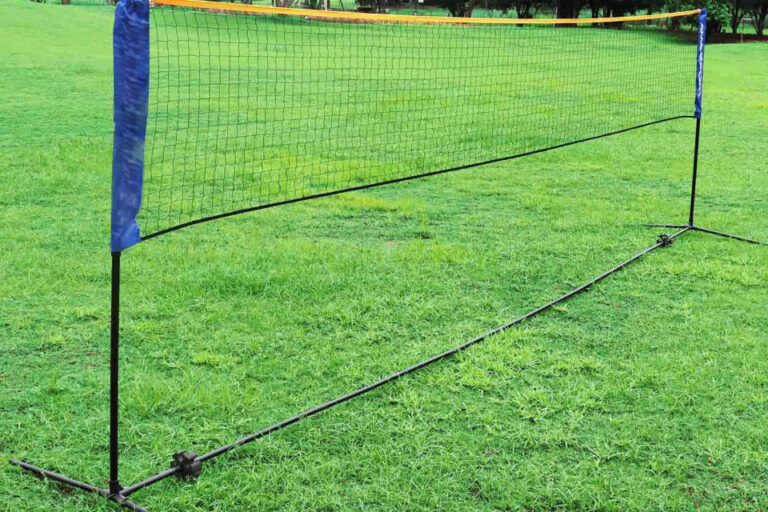
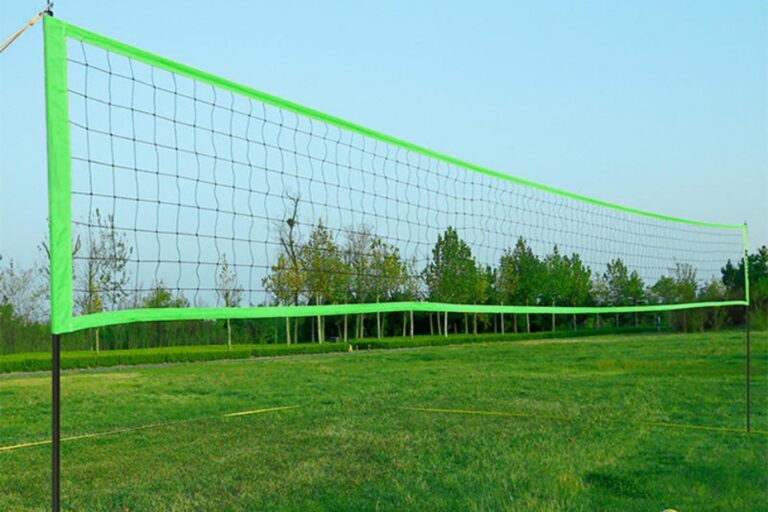
One operator move I actually respect: design for conversion. Don’t marry one sport’s trend line. Build space that can flip fast. Modular tools like multi-sports net systems aren’t glamorous, but they keep you from being stuck when your anchor sport cools off.
Climate and availability: the forecast is your co-founder
So… climate. The part everyone hand-waves until it wrecks prime time.
NASA’s 2024 analysis confirms 2023 as the warmest year on record, and the practical takeaway isn’t a debate prompt—it’s more heat days, more air-quality interruptions, and more “we’re moving to 7 a.m.” texts that customers hate. Read it straight: NASA analysis confirms 2023 as warmest year on record.
Indoors, you buy calendar control with tonnage and dehumidification (and those systems will humble you). Outdoors, you buy vibe and sunlight—then you get lightning protocols, heat-index policies, smoke alerts, and the slow erosion of trust when “year-round” becomes “mostly.”
I frankly believe a lot of indoor failures are baked in at design: leaky envelope, lazy zoning, bargain dehu, no real plan for ventilation loads. Then humidity creeps, CO₂ climbs, and suddenly your “premium facility” feels like a damp warehouse with a check-in desk. It’s common.
Permits, neighbors, and the “why is the city emailing me?” moment
But the friction isn’t symmetrical.
Outdoor sports complex design gets dragged into photometrics, parking counts, stormwater detention, and noise complaints—and the neighbor who decides your Saturday nights are their new civic mission. You can be compliant and still get squeezed on hours because politics doesn’t run on spreadsheets.
Indoor sports complex design gets dragged into codes, inspections, and (in some markets) emissions accounting that becomes real money. NYC is the loudest example, and other cities watch NYC like it’s a playbook: NYC’s DOB notes owners reporting exceedances can face civil penalties calculated as the difference multiplied by $268. Here: NYC DOB greenhouse gas emission reporting (Local Law 97).
Do I love this? Nope. Do financiers care? Also nope.
What customers really buy (not your brand story)
Yet customers are painfully consistent once you listen like a detective, not a marketer.
Indoor customers pay for certainty. Outdoor customers pay for feel. Both pay for safety—even if they never say “liability,” they definitely say “I don’t want chaos.”
Indoors, your revenue stack is a programming machine: leagues, clinics, birthdays, academies, PT/rehab partnerships, simulator time, strength add-ons. Outdoors, your stack leans event-heavy: tournaments, camps, sponsor days, the “we made a whole day of it” experience.
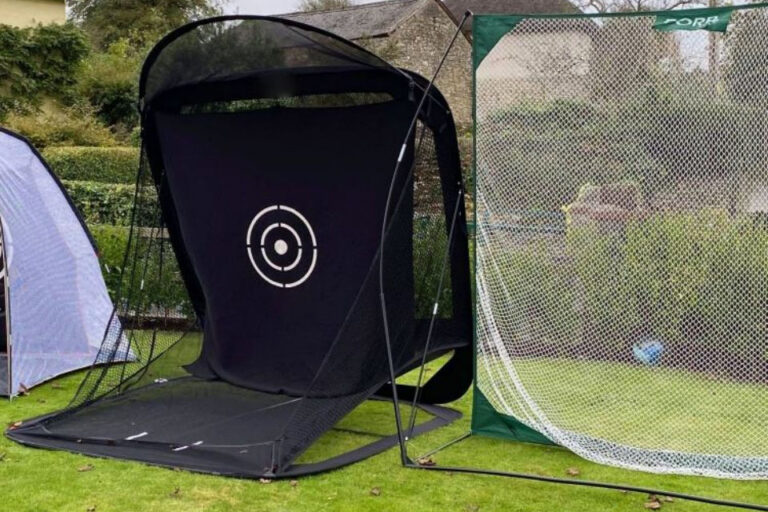
Here’s the insider detail: throughput and containment. If you can’t control ball travel, you can’t run dense sessions safely, and density is how you pay for staff, repairs, and debt service. For golf, that’s why a professional golf hitting cage net for indoor/outdoor use isn’t just “gear”—it’s a scheduling stabilizer.
Field sports? Same logic. Cheap goals get replaced. Again. Start with durable soccer goals and pair them with outdoor sports netting so sessions don’t turn into ball-chasing downtime (those minutes are money, even if nobody admits it).
The market-fit call (the part people want as a fortune cookie)
However, if you force me to be opinionated: indoor tends to win in dense markets with volatile weather because reliability sells at a premium, while outdoor tends to win in mild climates with cheap acreage and a tournament pipeline—until seasonality, cancellations, and neighbor pressure punch holes in the “year-round” story.
Hybrid is the adult compromise when budgets are tight and weather is messy. Cover the revenue hours. Keep the rest flexible. Phase the build. Prove demand before you pour more concrete.
One more hard truth: vendors matter more than owners admit. If you’re outfitting multiple sports and you want consistency, customization, and replacement parts that don’t turn into a scavenger hunt, go look at how stuff is actually made—start with the factory tour and judge process (materials, stitching, hardware, QC), not glossy photos.
FAQs
What is the difference between an indoor and outdoor sports facility business model? An indoor sports facility business model sells reservable court/field time inside a climate-controlled building, trading higher fixed costs (HVAC, power, staffing, insurance, debt) for predictable scheduling and fewer weather cancellations, while an outdoor model sells lower-cost playable space but accepts seasonality, weather disruption, and community limits as ongoing constraints. After that, it’s leverage: indoors you win by filling off-peak hours; outdoors you win by monetizing peaks and events.
How do indoor sports facility operational costs compare to outdoor? Indoor sports facility operational costs are the recurring expenses required to keep an enclosed complex usable—electricity, heating/cooling, ventilation, lighting, cleaning, staffing, and preventative maintenance—and because many are fixed or semi-fixed, break-even is driven by utility rates and building efficiency more than any single busy weekend. Outdoor costs lean variable (surfaces, drainage, irrigation, lighting repairs), but “variable” can still mean painful.
How does climate affect year-round sports facility availability? Climate considerations for sports facilities are the local weather and environmental factors—heat index days, freeze-thaw cycles, rainfall intensity, lightning, wind, and air quality—that determine when play is safe, how often cancellations happen, and what you spend on drainage and surfaces, which is why “year-round” outdoors is often marketing, not math. If cancellations cluster, your revenue does too.
What’s the best sports facility type for my market if my budget is limited? The best sports facility type for your market is the indoor, outdoor, or hybrid setup whose cost-per-playable-hour aligns with local demand density, climate disruption patterns, land pricing, and permitting friction, so you can keep utilization high without discounting yourself into misery or overbuilding capacity you can’t sell Monday through Thursday. Limited budget usually points to phased hybrid: cover the money hours first.
Should I build an indoor or outdoor sports facility? ‘Should I build an indoor or outdoor sports facility?’ is a capital-allocation decision between paying for reliability (indoor: higher fixed overhead, compliance, energy exposure) versus paying for lower initial build cost and higher volatility (outdoor: weather, seasonality, neighbors), and the right answer depends on weekday demand strength and local utility economics. If weekdays won’t fill, don’t overbuild indoors; if cancellations will crush you, don’t pretend outdoors is “fine.”
Conclusion
If you’re mapping your model right now, start with your playable-hour spreadsheet, then build your equipment plan around flexibility and safety. When you’re ready to spec nets, goals, and modular training gear that work indoors, outdoors, or both, talk to a human via FSportsNet contact—because the fastest way to blow a budget is buying the wrong infrastructure twice.