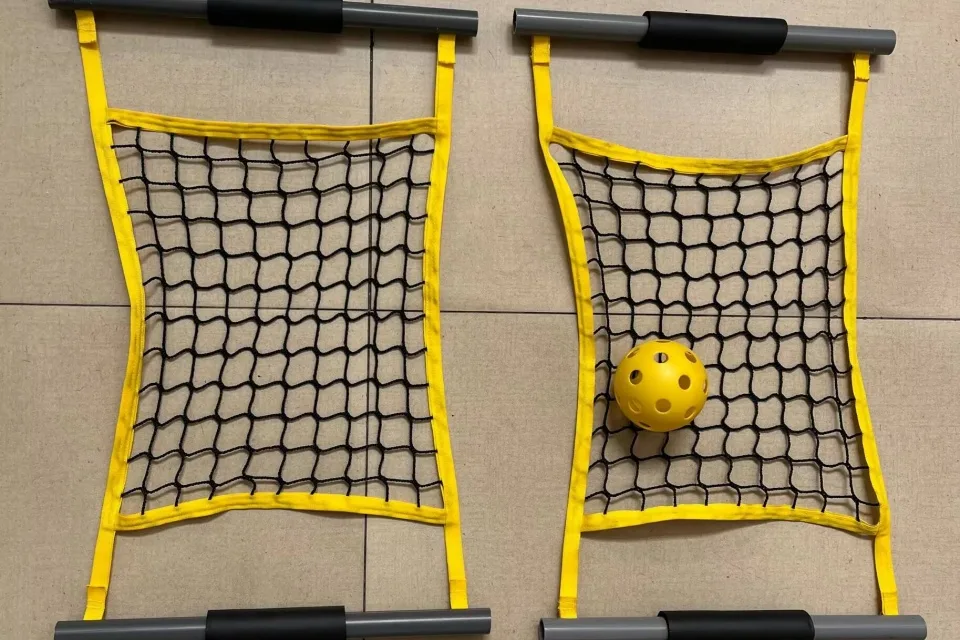
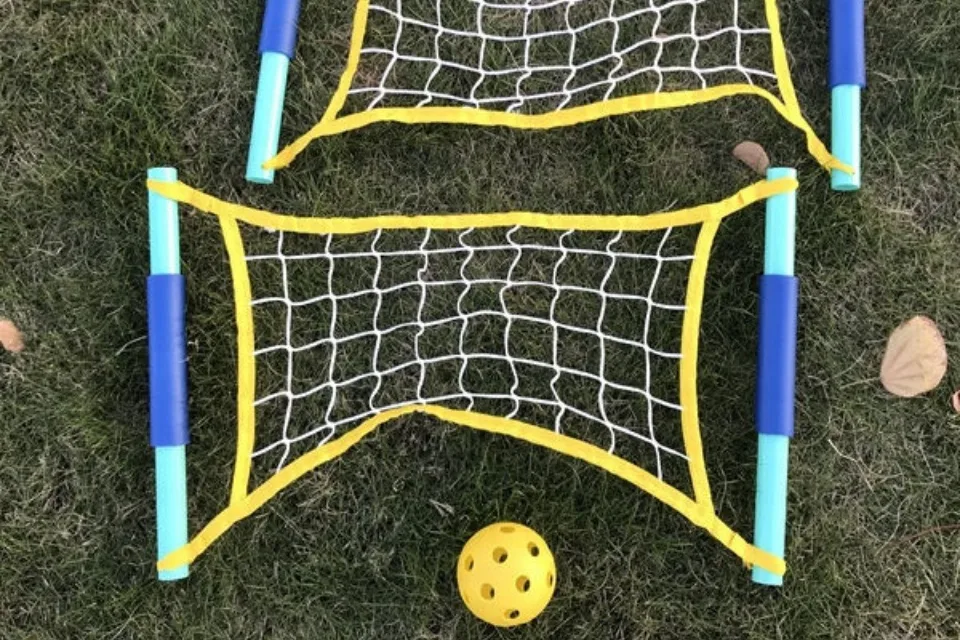
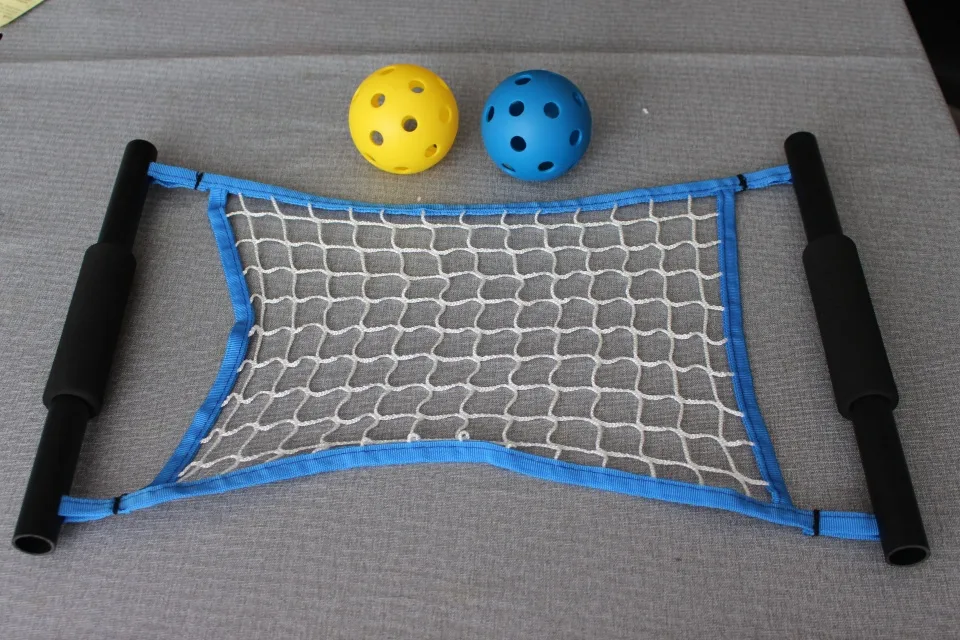
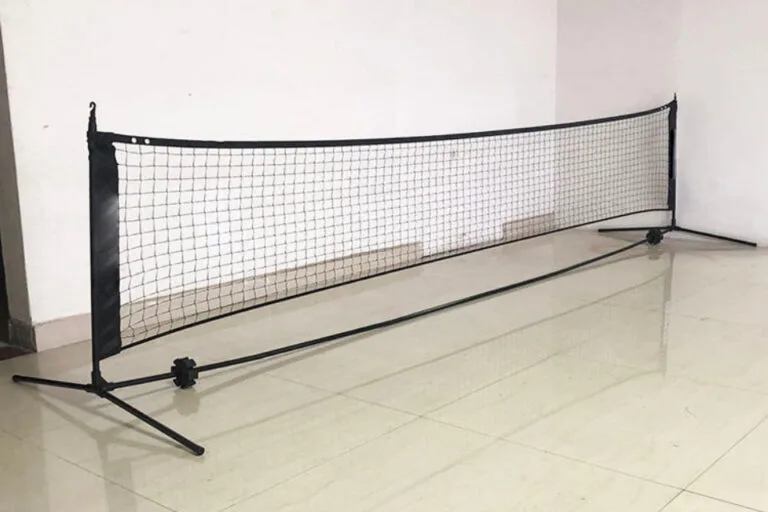
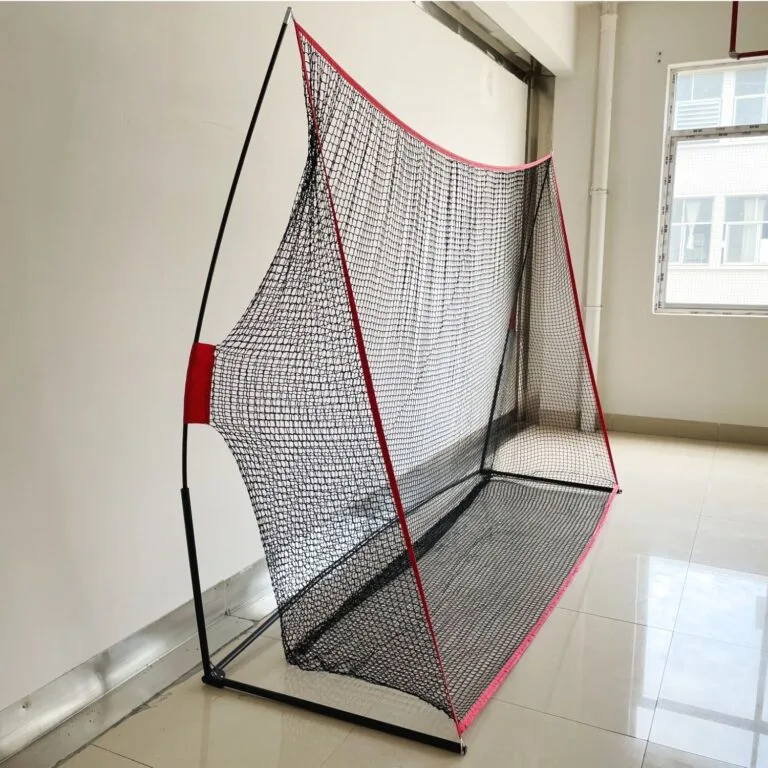
Tell us what you want to develop. FSPORTS supports OEM/ODM, private label, and custom sports netting projects based on your existing product, drawing, sample, photo, or application requirement.
Share the product type, dimensions, target quantity, destination, and any known mesh, material, frame, hardware, logo, or packaging requirements. If your specification is not complete yet, send what you have and we can review the remaining details before quotation.
Ce Marking Vs. Astm: Regional Compliance For Us & European Markets
But here’s how this usually starts: a buyer emails “Need CE + ASTM,” procurement wants it in two weeks, the factory says “no problem,” and then a container lands and somebody—customs, a marketplace team, a regulator, a plaintiff’s lawyer—asks for the one document you don’t have because everyone assumed “a test report” and “legal market access” are the same thing.
They’re not.
I’ve watched good products get kneecapped because teams treated compliance like a logo hunt—CE on the box, ASTM in the listing—when the real job is boring, brutal, and paper-heavy: controlling hazards, proving you controlled them, and keeping that proof aligned to the exact region you’re selling into (and yes, to the date the rule changed). It works. Usually.
Still want the shortcut?
The dirty secret: CE marking isn’t a product category, it’s a legal tripwire
However… the “Europe requires CE” meme survives because it’s convenient. It’s also how you end up building the wrong file.
CE marking only matters when your product is covered by EU harmonisation legislation that requires CE. A lot of sports gear—portable goals, training frames, barrier netting—winds up under general safety obligations instead of a CE directive. That doesn’t mean you get to relax. It means your problem shifts from “Which directive?” to “Can you defend your risk controls when something goes sideways?”
And the EU did a quiet but nasty reset: General Product Safety Regulation (EU) 2023/988 started applying on 13 December 2024. That’s not a trivia date; it’s the cut line for whether your traceability, online seller setup, incident handling, and documentation reads as “current” or “we copied a 2018 template and hoped.” The legal anchor is here: EUR-Lex: Regulation (EU) 2023/988.
So if you’re shipping something like outdoor sports netting or a multi-target rebounder net into the EU, and your plan is basically “print CE + done”… you might be studying for the wrong exam.
The U.S. twist: ASTM is “voluntary” right up until it becomes the yardstick that smashes you
Yet the U.S. doesn’t hand you a neat badge like CE. You get a patchwork: CPSC rules, retailer spec sheets, liability risk, and standards (ASTM, UL, you name it) that start as “optional” and end as “show me the evidence or enjoy your takedown.”
Here’s what professionals miss: ASTM isn’t a license. It’s a benchmark. Benchmarks are what people use to measure you when they’re angry.
And no, this isn’t theoretical. For toys, the system is literally wired into federal law: the CPSC points to ASTM F963-23 in the regulations, specifically ASTM F963-23 (approved Aug 1, 2023). That’s the regulatory text, not a trade blog: 16 CFR § 1250.2.
CPSC also spells out the compliance cutoff logic: manufacture date drives which version applies, and toys manufactured after April 20, 2024 must meet ASTM F963-23 per their own business guidance: CPSC Toy Safety Business Guidance.
Now, you’re thinking: “We don’t sell toys.” Fine. But if you market anything as kid-friendly, backyard, youth training, “ages 6+,” or it’s the kind of thing a kid can realistically use unsupervised, you’re walking into children’s product territory whether you like it or not. That’s when you see acronyms like CPC, GCC, third-party lab reports, tracking labels—fun stuff.
Case study (U.S., 2024): when regulators stop being polite
So, real talk: U.S. enforcement can go from quiet emails to public warning in one news cycle.
On December 19, 2024, CPSC issued a stop-use warning for Sport Nets 4×8 portable soccer goals due to an impalement hazard (exposed metal tip), tied to one death (fatal brain injury) from an April 2023 incident in Washington State, with pricing called out ($43–$150) and a note that the manufacturer refused a recall. That’s the kind of write-up that nukes listings, retailer confidence, and your “but we passed testing” story. The source is blunt: CPSC warning.
If you sell anything in this orbit—especially portable soccer goals and net systems—you should assume somebody will misuse it, fall into it, climb on it, drag it across concrete, and leave it outside until UV turns your polymer into crunchy spaghetti. That’s not pessimism. That’s “foreseeable use” in the real world.
Case study (EU, 2023): the volume tells you the enforcement temperature
But Europe doesn’t always “go viral” the way CPSC does. It grinds.
In 2023, Safety Gate (EU rapid alert system for dangerous non-food products) recorded 3,412 validated notifications—a record at the time and a pretty loud hint that market surveillance wasn’t sleeping. Here’s the official summary: Safety Gate 2023 results summary.
That stat isn’t “sports nets only.” It’s the enforcement weather report. When the system is validating thousands of alerts, the odds that your category gets a closer look—especially if you’re selling online—go up.
CE certification vs ASTM testing: the dumbest, most expensive confusion
I frankly believe this is where brands light money on fire.
CE isn’t “a test.” ASTM isn’t “a permission slip.” When people mash them together, they do two things wrong—every time:
First, they overbuy testing and underbuild documentation for the EU. The EU question (especially under GPSR) isn’t “Do you have one shiny lab report?” It’s “Show me the logic: risk assessment, design controls, warnings, traceability, and the paperwork trail that proves you’re in control.”
Second, they underthink claims in the U.S. “Meets ASTM” on a product page isn’t harmless fluff; it’s a promise you might have to defend when the product hurts someone. And when that happens, you don’t get to say “the supplier told us.” Nobody cares. (Least of all the people writing the report.)
EN standards vs ASTM standards: same goal, different rules of the street
However you slice it, EN and ASTM live in different ecosystems.
EN standards—especially harmonised ones—are how EU compliance often gets structured when CE marking is actually in scope, because they map to EU conformity mechanics and “presumption” logic.
ASTM standards are the U.S. street currency: buyers ask for them, labs quote them, lawyers weaponize them, and regulators sometimes bake them in (see toys). For sports training products like golf practice nets, rebound systems, and portable goals, the practical move is rarely “pick one.” It’s “design once, prove it twice, document like you’re going to be cross-examined.”
From my experience… the winners run a single hazard-based engineering plan, then layer region-specific evidence and labeling on top. The losers run two disconnected checklists and wonder why they’re paying twice.
Quick comparison table (what actually changes by region)
Issue
EU approach (CE / GPSR / EN)
US approach (ASTM / CPSC / market)
Primary mechanism
Legal access framework; CE only when required, GPSR for broad consumer safety
Regulatory patchwork + standards; no universal “US mark”
Unsupported “meets ASTM” claims, hazard designs, failure to report/act fast
Proof regulators expect
Technical documentation, EU declarations (where applicable), structured safety rationale
Test evidence, certificates for regulated categories, defensible safety claims
Enforcement flavor
Market surveillance + Safety Gate alerts at scale
CPSC warnings/recalls, retailer takedowns, and plaintiff lawyers
“Worst day” example
Rapid alert + withdrawal across multiple countries
Unilateral stop-use warning (e.g., Sport Nets 4×8) with prices and death publicly listed (cpsc.gov)
How to comply with CE and ASTM for exports (without paying twice)
Yet I keep seeing teams start with the wrong question: “Which standard do we need?” Nah. Start with “How does this thing hurt people?”
If you’re in sports nets/goals, your hazard list is weirdly consistent across SKUs: impalement points, entanglement, tip-over, rebound energy surprises, sharp edges on tubing, fastener pull-out, rope/cord snag, UV embrittlement, and (for coated fabrics) chemical constraints that vary by region. That’s the engineering core.
Then do this—messy but effective:
Build one master risk assessment (and yes, write it like a human thought about it, not like a PDF generator).
Choose EN or ASTM tests as evidence, not identity—use what maps to the hazard you’re controlling.
Treat labeling and listings as regulated statements. If you say “compliant,” you’re signing up for proof.
Don’t let the factory “handle it” unless they can show process and traceability that survives an audit.
If you need a partner who’s built for that kind of paper trail, I’d rather see transparency than slogans—things like a real factory tour and clearly defined custom compliance and OEM services that show how documentation and testing are actually handled.
FAQs
What is the difference between CE marking and ASTM?
CE marking is a legal EU conformity marking used only for product categories covered by specific EU harmonisation laws, backed by a technical file and (sometimes) a notified body, while ASTM is a U.S.-based voluntary consensus standards system that becomes practically mandatory when regulators incorporate it or when market expectations and liability pressure treat it as the safety baseline. (eur-lex.europa.eu)
Past that first definition: CE is “can I legally place this on the EU market (when in scope)?” ASTM is “can I defend my safety claims in the U.S. when someone asks hard questions?” Different pressures, different paperwork, same consequences if you wing it.
Does Europe always require CE marking for sports nets and goals?
Europe does not automatically require CE marking for every consumer product; CE applies only when a product falls under EU legislation that explicitly demands it, while many sports products instead rely on general product safety obligations that require risk assessment, traceability, and safe design without necessarily using a CE mark. (eur-lex.europa.eu)
Here’s the ugly truth: “No CE required” can still mean “your risk assessment better be airtight,” especially after GPSR started applying on 13 December 2024.
Is ASTM compliance mandatory in the United States?
ASTM standards are generally voluntary in the U.S., but they become mandatory when incorporated into federal rules or statutes, and they become functionally mandatory when regulators, retailers, and courts use them as the benchmark for acceptable safety—especially for products used by children or in public settings. (law.cornell.edu)
If you’ve ever been hit with a retailer compliance checklist, you already know how “voluntary” feels in practice: not voluntary at all.
What’s a real example of non-compliance blowing up in the U.S. sports gear space?
A CPSC stop-use warning is a formal public notice telling consumers to stop using a product immediately due to a serious hazard, and it can function like an enforcement megaphone even without a cooperative recall, damaging brands and triggering retailer takedowns overnight. (cpsc.gov)
The Sport Nets 4×8 portable soccer goal warning is the clean example: exposed metal tip, one death, refused recall, and a very public paper trail that lives online forever.
What changed in EU enforcement in 2023–2024 that exporters should care about?
EU product safety enforcement escalated through higher Safety Gate alert volumes and a legal reset via Regulation (EU) 2023/988, which started applying on 13 December 2024 and increases expectations around risk management, traceability, and online sales accountability for consumer products. (mpo.gov.cz)
If you sell cross-border online, don’t ignore that “online accountability” piece—marketplaces are getting spookier, faster.
Want me to rip through your current labeling + test evidence + documentation flow the way a regulator (or a plaintiff-side expert) would? Don’t overthink it: contact our compliance team.