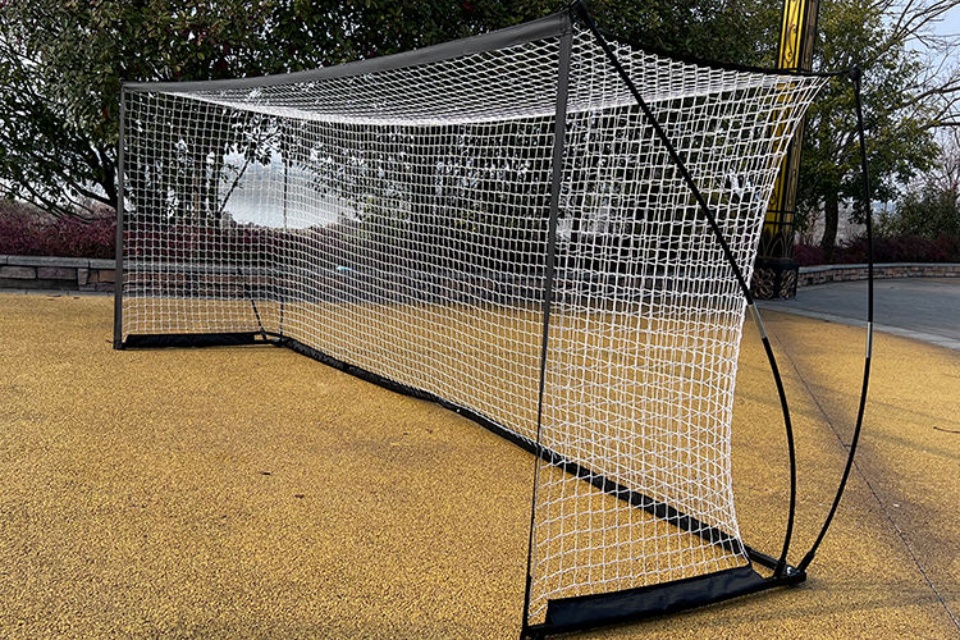
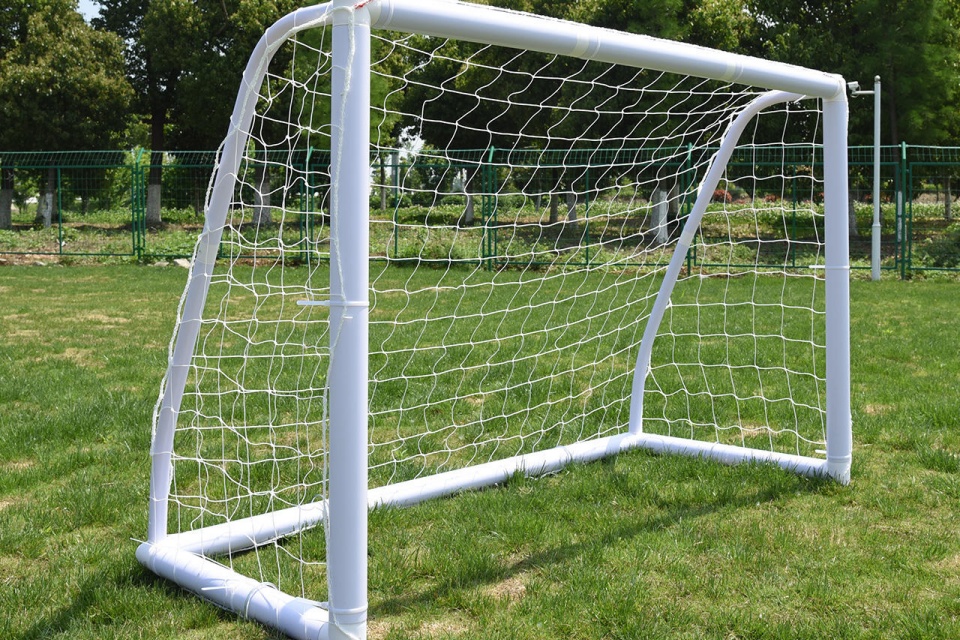
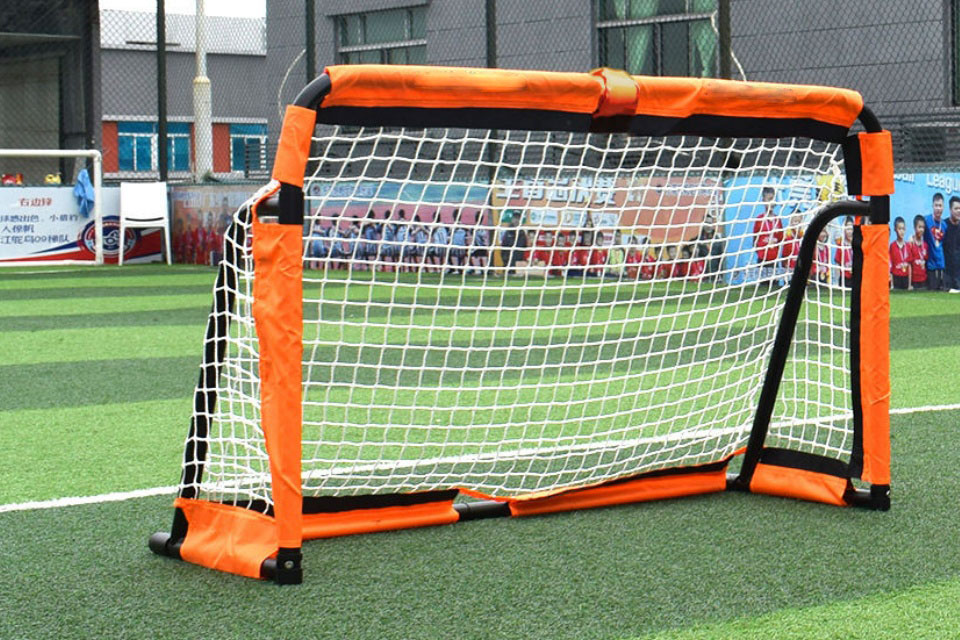
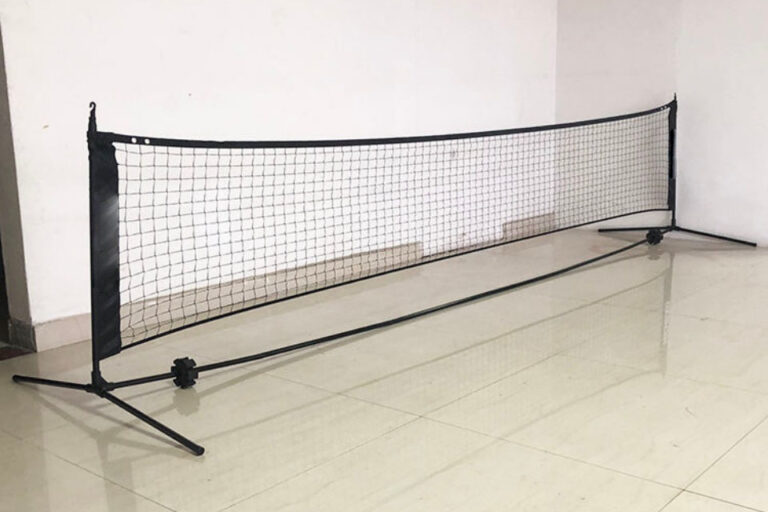
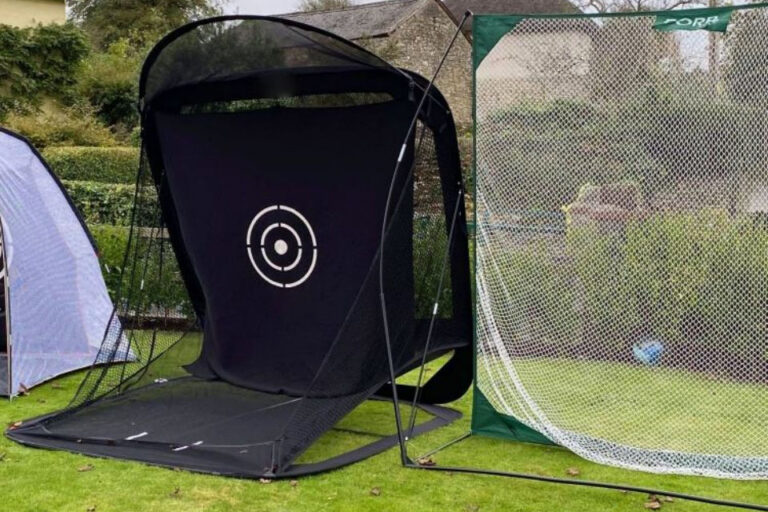
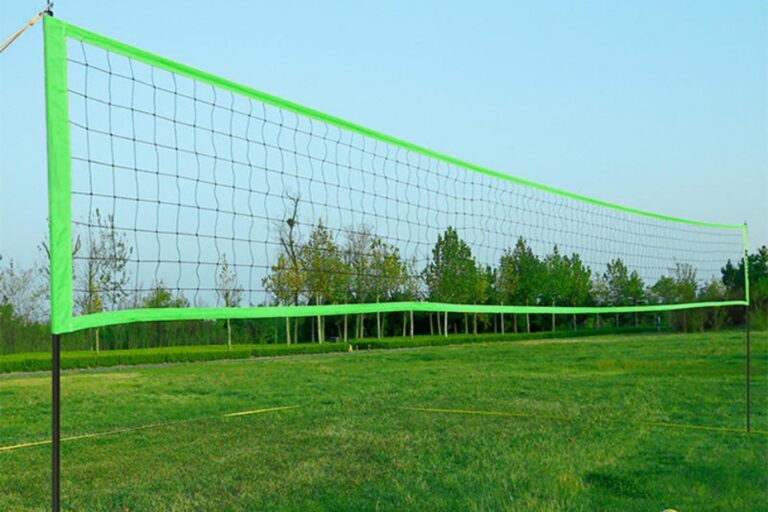
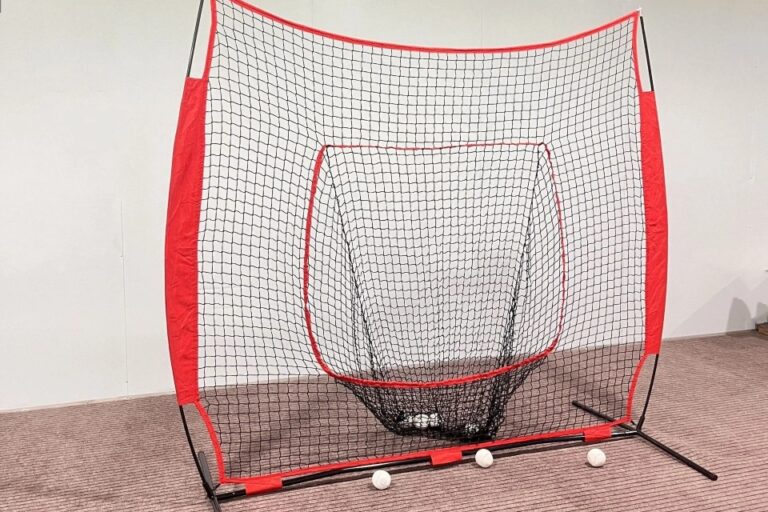
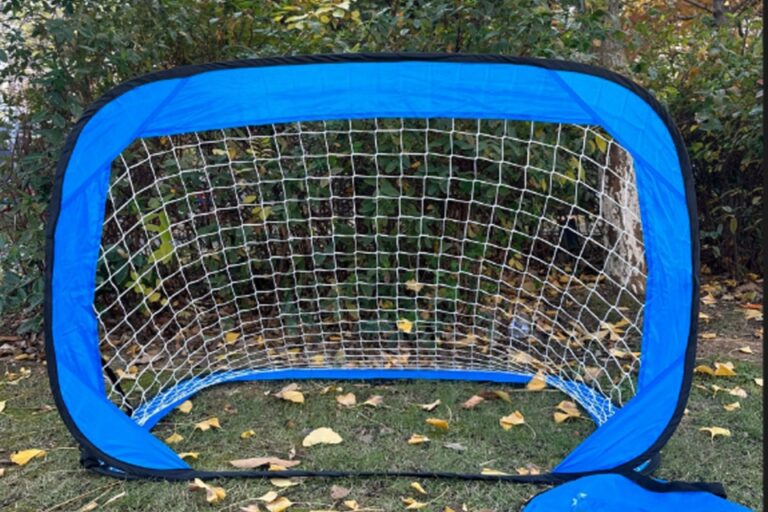
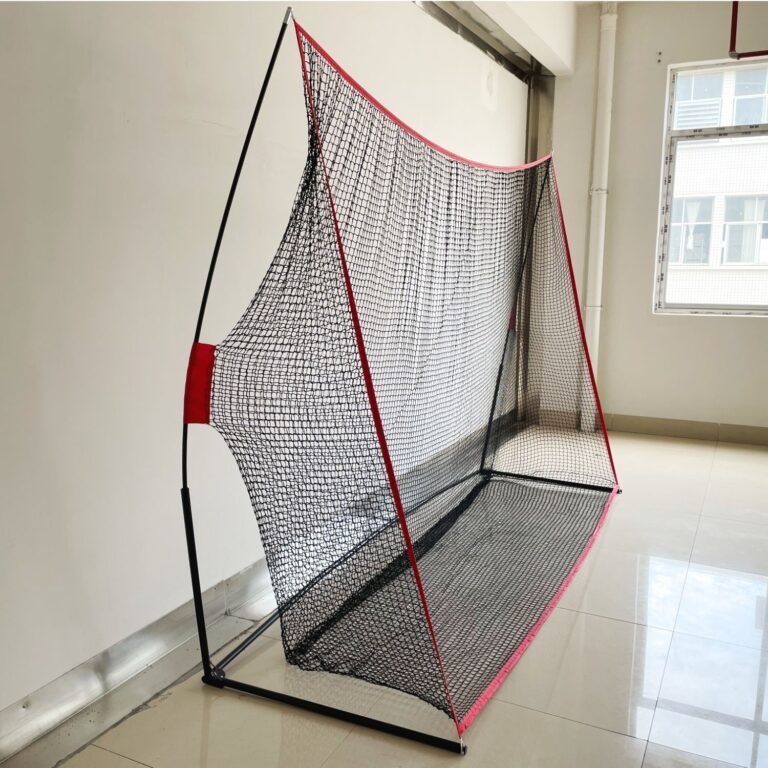
Tell us what you want to develop. FSPORTS supports OEM/ODM, private label, and custom sports netting projects based on your existing product, drawing, sample, photo, or application requirement.
Share the product type, dimensions, target quantity, destination, and any known mesh, material, frame, hardware, logo, or packaging requirements. If your specification is not complete yet, send what you have and we can review the remaining details before quotation.
2026 Tariff Impact Calculator: True Cost Of Imported Sports Equipment
The number on the quote is not the number that matters
Imports bite.
I’ve sat in enough sourcing calls to know how this usually goes: somebody waves around a neat factory quote, somebody else mutters that freight “looks fine,” and then—weeks later, after the entry gets filed and the container starts attracting every petty charge in the book—the margin quietly bleeds out in a way nobody wants to explain on the Monday numbers call.
It happens. Constantly.
And I frankly believe most buyers still underestimate why. They’re using a tariff calculator like it’s a toy. A duty widget. A glossy little estimate box. But that isn’t how imported sports equipment behaves in the real world, especially when you’re buying mixed-material goods, bundled kits, steel-frame training gear, or anything with enough accessories to make classification messy before the shipment even leaves origin.
So what’s the real problem?
It’s not just “the tariff.” It’s exposure. That word matters. A real tariff calculator has to force five questions onto the table, whether the buyer likes it or not: what the item actually is, how Customs is likely to classify it, where it was made, whether a Chapter 99 rider stacks on top of the base duty, and which non-duty costs start chewing through the PO after the cargo hits the terminal.
That’s the ugly truth.
If you’re sourcing pickleball net systems, golf practice nets, or soccer goal systems, you’re not dealing with abstract theory. You’re dealing with margin leakage, code risk, and whether your “cheap” buy is still cheap once the dray ticket, broker fee, and China-origin overlay show up.
The tariff calculator most importers actually need
Most calculators lie.
Not with numbers, exactly. With omission.
From my experience, the average import tariff calculator stops right where the headache begins. It shows a duty rate and calls it insight. That’s cute. But a buyer who only sees duty—and not the rest of the landed-cost stack—is basically pricing blind with a spreadsheet and a prayer.
What a real landed-cost model looks like
I use this formula because it reflects the mess buyers actually pay for:
And yes, I know some sourcing teams hate seeing financing carry or defect allowance in the model. They’ll say, “That’s operational, not tariff.” I don’t buy that separation anymore. Once a trade rule or customs delay stretches the cash cycle, the financing pain is part of the import cost whether the finance team wants to admit it or not.
Why the HTS code decides the whole argument
Here’s where people get sloppy.
They trust the supplier’s naming. “Golf net.” “Pickleball set.” “Football goal.” Fine for a product page. Useless for tariff classification. Customs doesn’t classify catalog copy; it classifies physical merchandise—materials, construction, function, packaging, and the legal notes hanging off the schedule like traps.
That distinction wrecks forecasts.
And when buyers miss it, the whole sourcing model goes crooked. Some Chapter 95 sporting goods lines show a general duty rate of Free; for example, search results for subheading 9506.99.20 cover football, soccer and polo articles and equipment, and 9506.99.30 covers lawn-tennis articles and equipment. On paper, that sounds friendly. Too friendly. But not every framed net, replacement net, accessory set, or steel-heavy training assembly fits neatly into Chapter 95, and even when it does, a Chapter 99 add-on may still sit on top of it. That’s why I keep the hts.usitc.gov chapter language in front of me when I’m auditing a model.
No shortcut here.
If your tariff calculator doesn’t start with the commodity code question, it isn’t doing the job. It’s performing. There’s a difference.
What the true cost of imported sports equipment actually includes
Let me say this badly, because that’s how it lands in real life: the duty rate is almost never the whole bruise.
A buyer importing sports equipment usually pays the base rate, then checks origin exposure, then gets nicked by the small stuff that somehow never stays small—Merchandise Processing Fee, Harbor Maintenance Fee, customs brokerage, demurrage if paperwork slips, exam charges if CBP wants a look, drayage, inland trucking, relabeling, repacking, and the quiet little quality allowance nobody budgets until a return batch starts snarling the warehouse.
It adds up fast.
And the worst part? Teams love to argue the factory price down by 2% while ignoring a duty stack or fee bundle that can move landed cost by 10%, 15%, 30%—sometimes more. I’ve seen that movie. It ends with somebody blaming freight, even when freight wasn’t the main problem.
A realistic calculator view for nets, cages, and goals
This is the kind of table I use when I want the room to stop talking in slogans and start talking in percentages.
Misclassified mixed-material product corrected after entry
$10,000
varies
varies
plus broker time, delays, possible corrections
margin damage first, explanations later
That last row is the one I worry about.
Why? Because a misclassification doesn’t just alter duty. It poisons the entire file. Forecasting gets distorted. Quote comparisons stop being apples-to-apples. The entry packet turns into a cleanup job. And then you’re burning time on post-entry corrections when you should’ve fixed the code logic before the PO ever got signed.
The 2025 tariff reality buyers still underestimated
People kept waiting for a policy fairy tale.
It didn’t come.
The USTR’s May 2024 exclusion notice said the quiet part out loud: the then-current 429 product-specific exclusions—made up of 352 previously reinstated exclusions and 77 COVID-related exclusions—were scheduled to expire on May 31, 2024; all were only given a short transition extension through June 14, 2024, while certain exclusions were extended through May 31, 2025. Read that again and you’ll see what I see—narrow relief, short runway, lots of room for lazy forecasting to blow up.
That matters.
If your 2025 tariff rates for sports equipment were built on the assumption that exclusions would keep floating around long enough to rescue bad sourcing decisions, that wasn’t strategy. That was wishcasting dressed up as procurement.
The legal precedent importers should stop ignoring
I’ve heard buyers talk about tariff litigation like it was a backup sourcing plan. That always makes me wince.
Courts don’t replace procurement discipline. They never did.
The Court of International Trade’s Slip Op. 23-35 upheld the challenged modifications in the Section 301 cases, and the record laid out the structure buyers still need to understand: List 3 moved to 25 percent, while List 4A was later reduced from 15 percent to 7.5 percent. That’s not trivia. That’s the difference between “annoying” and “margin killer” when you’re costing China-origin sporting goods with a Chapter 99 overlay.
It’s right there.
And yet plenty of teams still behave as if legal noise in the background somehow neutralizes the day-to-day cost reality on the ground. It doesn’t. Not in the spreadsheet. Not at the port. Not when the invoice hits.
The data says buyers changed suppliers for a reason
Trade flows don’t care about marketing spin.
The USITC’s 2023 report on the economic impact of Sections 232 and 301 found that for products classified under HTS reporting numbers subject to Section 301 when imported from China, imports from China fell from $345.4 billion in 2018 to $265.1 billion in 2021, while imports from all other sources rose from $1.669 trillion to $1.943 trillion over the same period. That’s not a mood swing. That’s buyers rerouting spend because tariff math changed the economics.
They moved. For a reason.
And the money involved wasn’t small. The Treasury’s FY2024 Combined Statement reports $77.0 billion in customs duties for fiscal 2024. So when somebody tells me tariffs are background noise, I tend to assume they haven’t had to defend a landed-cost forecast in front of people who actually read the numbers.
How I would use this calculator before approving a PO
I wouldn’t start with the quote. I’d start with the bones of the product.
Net only or full frame set? Steel tube or fiberglass pole? Spare part or complete sports article? Bundled with carry bag, targets, anchors, or training add-ons? Those questions sound boring—until you realize they’re often the difference between a clean classification and a messy one that drags extra exposure behind it.
That’s the real workflow.
I’d test the HTS logic first. Then country of origin. Then exclusion status. Then the landed-cost stack: freight, fees, defect risk, delay buffer, maybe even financing carry if lead times are ugly enough. Only after that would I compare suppliers. I know that sounds backward to sales teams. I don’t care. It saves money.
Why supplier quotes often mislead buyers
A supplier can look cheap on FOB and still be expensive in practice. Happens all the time.
Maybe the packaging is bloated, so cube kills the freight. Maybe the product description is fuzzy, so the entry data gets shaky. Maybe the carton marks don’t match the docs cleanly, so the broker wastes half a day chasing clarity. Maybe the product itself is fine, but the kit composition muddies the classification. None of that shows up in the initial quote. All of it shows up later.
Which is why I like seeing a real factory tour and clear OEM and sourcing services before I put much faith in a sports-equipment supplier’s cost sheet. Photos are easy. Process discipline is harder. That’s what I want to inspect.
Why every SKU needs its own tariff worksheet
And no—this part doesn’t get easier just because the catalog is tidy.
A framed rebounder, a steel hockey goal, a golf cage, a replacement net, and a bundled multi-sport set are not “the same kind of product” for customs purposes just because they live under one brand umbrella. If you’re reviewing sports net products across categories, each SKU needs its own tariff worksheet, its own origin check, and its own landed-cost build.
Otherwise you’re blending risk.
That’s how buyers end up averaging themselves into trouble. One easy SKU hides a complicated one. One clean classification makes everybody feel overconfident. Then the weird item—the one with the mixed materials, accessory pack, or odd framing—comes in and blows a hole in the model.
The calculator should tell you when to switch countries, not just how much duty to pay
This is where people get uncomfortable.
A tariff calculator isn’t just there to tell you what this supplier costs. It should tell you whether this supplier still makes sense at all. Those are different questions, and I don’t think enough procurement teams separate them.
Here’s my bias: if a China-origin item carries List 3-type exposure and a comparable product from another origin doesn’t, the conversation should get blunt, fast. Not emotional. Not patriotic. Just commercial. Why are we still buying it there? Habit? Relationship inertia? MOQ convenience? Because none of those reasons look especially smart once a 25% layer is sitting on the cost stack.
That’s the hard truth.
I’ve watched teams spend half a quarter clawing back three points on unit price while ignoring a tariff wall eight times larger. That isn’t strategic sourcing. That’s theater for internal slides.
What smart buyers compare side by side
When I’m serious about a decision, I compare three numbers—not one. Current landed cost. Landed cost under a different origin. Landed cost under a different product configuration. That’s when the answer starts showing itself.
Sometimes the move is country diversification. Sometimes it isn’t. Sometimes the better play is redesign—different materials, a cleaner bill of materials, simpler pack-out, fewer bundled accessories, less ambiguity in the classification logic. But you only see those options if your tariff calculator behaves like a real sourcing tool and not a duty lookup toy.
A tariff calculator is a sourcing model that estimates the full import tax burden on a product by combining the HTS code, country of origin, customs value, applicable trade remedies, and entry fees, so a buyer can see landed cost before placing an order. In plain English, it’s the tool that tells you whether the “cheap” price on the quote survives contact with customs reality, freight friction, and all the other charges waiting downstream.
How do I calculate tariffs on imported sports equipment?
Calculating tariffs on imported sports equipment means identifying the correct commodity code first, then applying the base duty rate, then checking whether country-specific actions such as Section 301 or other trade remedies add another layer on top of that base rate. After that, I build the actual landed cost—MPF, HMF where it applies, brokerage, inland freight, drayage, and a delay cushion—because that’s where the real math stops being theoretical.
Are 2025 tariff rates for sports equipment all the same?
No, 2025 tariff rates for sports equipment were not uniform because duty treatment depended on product classification, country of origin, exclusion status, and whether the item sat inside a tariff line affected by additional China-related measures or other trade rules. Two products can look almost identical in a sales sheet and still land very differently once one qualifies as a sporting article and the other gets pulled into a less forgiving classification path.
What is the difference between an HTS code tariff calculator and a landed cost calculator?
An HTS code tariff calculator estimates duty based on classification and origin, while a landed cost calculator goes further by adding freight, insurance, customs fees, domestic transport, and other operational charges that determine the real margin impact of an import purchase. I use both—but if I have to trust one more than the other, it’s the landed-cost model, because duty-only tools hide the stuff that actually wrecks purchasing decisions.
Why does commodity code tariff lookup matter so much for sports nets and goals?
Commodity code tariff lookup matters because sports nets, rebounders, cages, and framed goals are often mixed-material products whose classification can shift based on construction details, included accessories, and whether the shipment is a complete sporting article or only a component. That lookup decides more than duty; it can change the extra tariff exposure, alter the landed-cost forecast, and completely reshape whether the sourcing decision still makes commercial sense.
If you’re costing imported nets, cages, rebounders, or goals for 2026, don’t sign off on the supplier quote by itself. Review the sports equipment catalog, inspect the factory tour, and contact the team with the SKU list so the tariff calculator starts with the code, the origin, and the real landed-cost math—not guesswork, not hope, and definitely not spreadsheet cosplay.