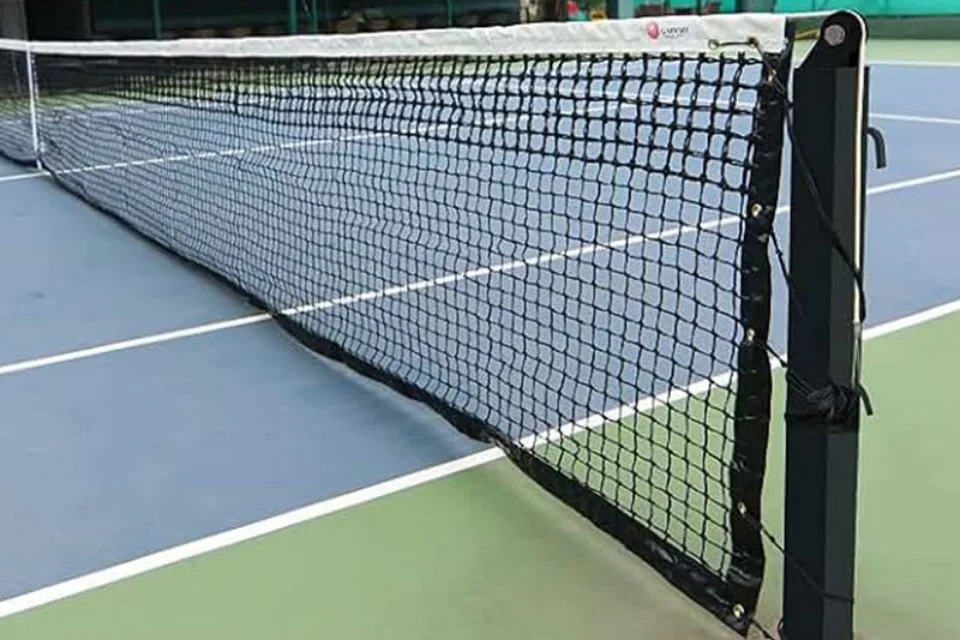
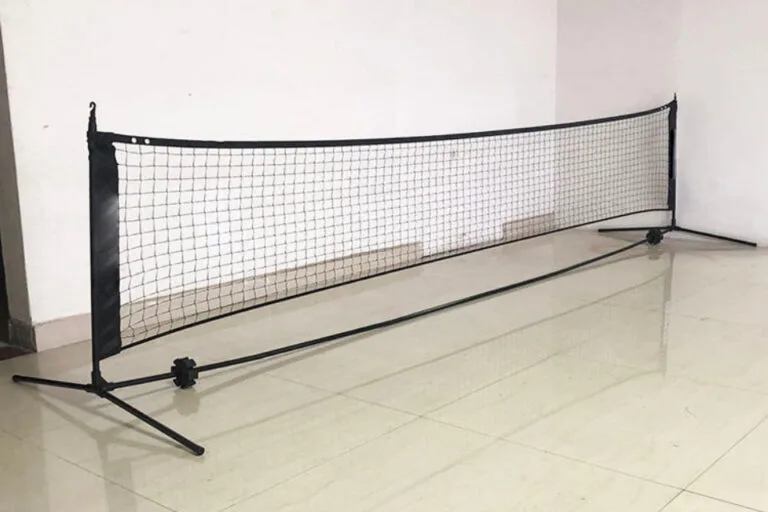
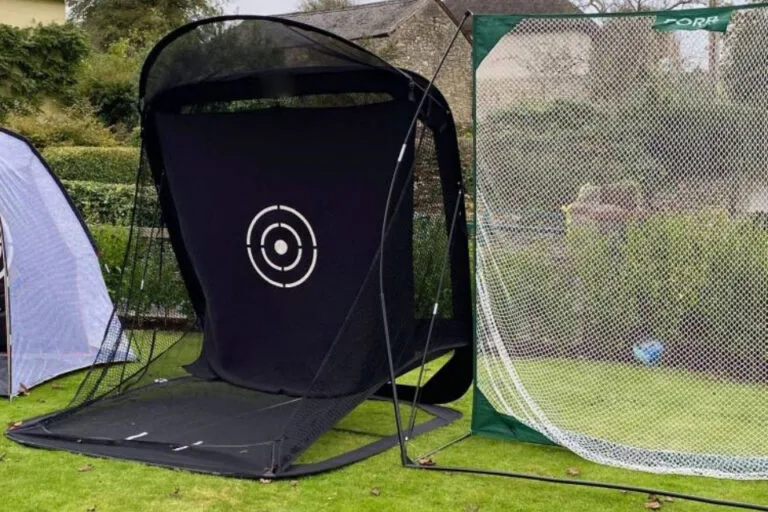
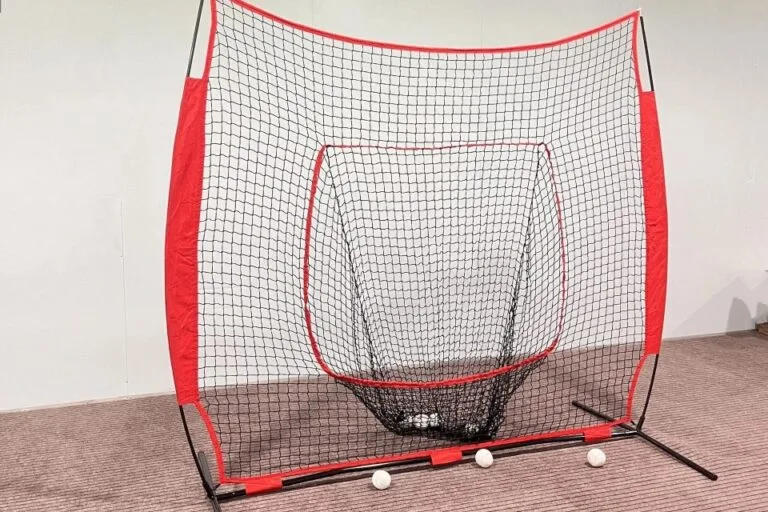
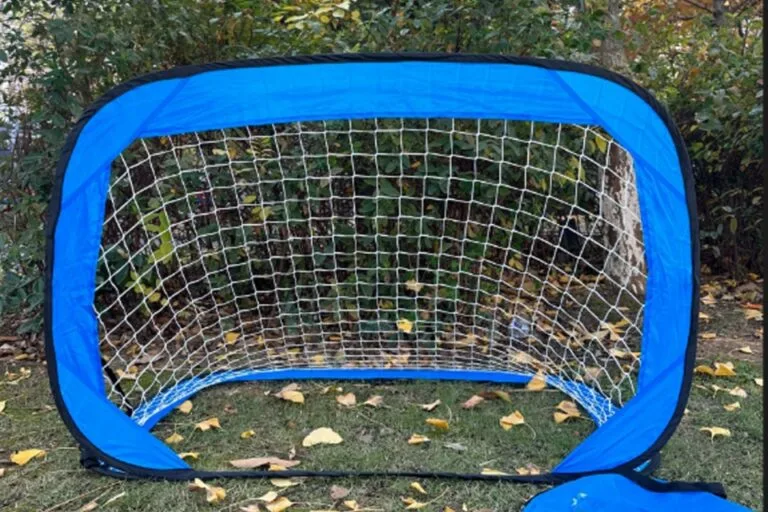
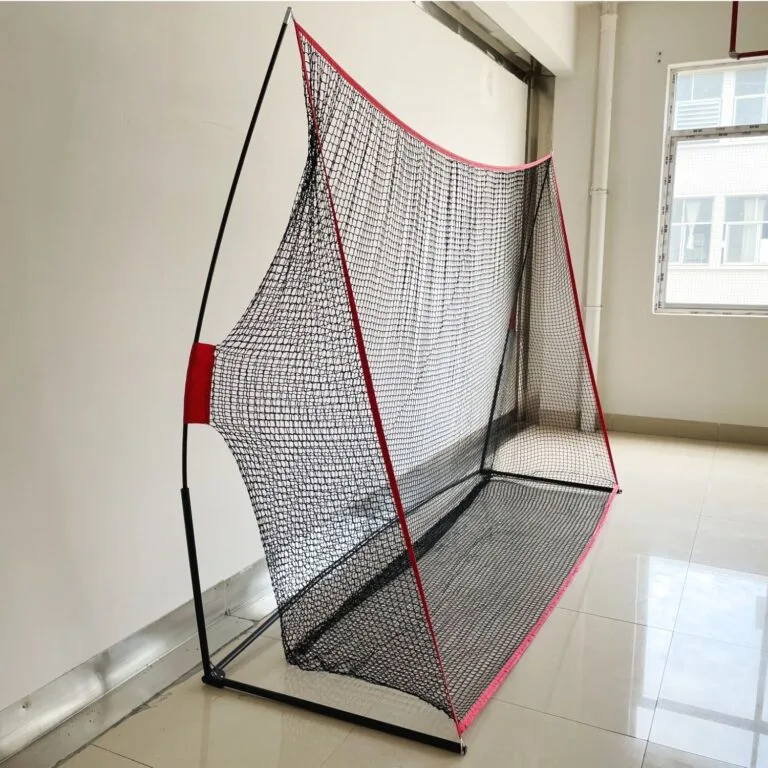
Tell us what you want to develop. FSPORTS supports OEM/ODM, private label, and custom sports netting projects based on your existing product, drawing, sample, photo, or application requirement.
Share the product type, dimensions, target quantity, destination, and any known mesh, material, frame, hardware, logo, or packaging requirements. If your specification is not complete yet, send what you have and we can review the remaining details before quotation.
Supplier Due Diligence: Samples, Audits & Certification Verification
I’ve seen this movie before: the buyer gets a beautiful pre-production sample, the sales rep is responsive at 11:43 p.m., the pricing feels “sharp,” the factory photos look clean enough to impress a private equity intern, and then—thirty-five days later—the landed product shows up with weak stitching, bent frames, mismatched cartons, or a compliance packet that suddenly becomes very hard to locate. It happens. Constantly.
Three words. False comfort everywhere.
But that’s the ugly truth about supplier due diligence: buyers say they want certainty, but a lot of them are really shopping for reassurance. Same thing? Not even close. Reassurance is a PDF and a smile. Certainty—well, closer to certainty—is ugly, repetitive, nosey work. Samples. Audit trails. Entity checks. Certificate scope checks. Awkward questions. A little paranoia helps.
And I frankly believe this is where most sourcing teams lose the plot.
Not on price. Not on freight. Not on Incoterms. On evidence.
A supplier can stage a lot. One polished sample? Easy. A neat audit day with tidy worktables and the good supervisor on the floor? Also easy. A certificate attached to an email chain with way too many exclamation points? Very easy. The problem is that buyers keep treating those fragments like proof of factory capability when they’re really just isolated artifacts—nice-looking fragments, sure, but fragments all the same.
So let’s call it straight. You are not verifying whether a supplier can make one nice unit for a camera. You are verifying whether they can make thousands of units, on spec, on time, without quietly swapping materials, subcontracting the annoying steps, or slipping weak process control under your nose.
That’s a different job.
A good sample proves less than most people want it to
I like samples. I don’t trust them.
There’s a difference.
A sample can tell me whether the factory understands the drawing, whether the finish looks right, whether the item feels stable, whether the assembly geometry is sane, whether somebody actually read the packaging brief. Useful stuff. But from my experience, the sample is also where factories put on their Sunday clothes. Best tech. Best materials. Extra attention. Hand-picked hardware. Maybe a slightly better bag. Maybe cleaner welds. Maybe tubing that won’t mysteriously thin out in mass production.
That’s why supplier sample evaluation has to be meaner than most buyers make it.
I want the golden sample, yes, but I also want the BOM, the tolerance sheet, material callouts, packaging spec, and a video of the unit being measured and tested—because a “looks good to me” approval is basically how you buy yourself a chargeback six weeks later. For sports net products, I want mesh size, twine diameter, resin type, whether it’s PE, PP, or nylon, UV treatment details, steel wall thickness, coating notes, connector construction, bag denier, and exactly how the thing packs down. Not vague. Exact.
And no, breadth of catalog doesn’t prove depth of control. A supplier can have a massive sports net product catalog and an equally broad golf net range, and still run sloppy line discipline in the background. That disconnect is everywhere. I’ve seen it in sporting goods, softlines, furniture, auto-adjacent components—you name it.
Say you’re evaluating a portable regulation pickleball net system. Fine. Don’t just approve the pretty sample. Check the weld points. Check the wheel fitment. Check the bag stitching. Check the frame gauge. Check the packed dimensions against the carton spec. Check the hardware count. Then ask the question buyers weirdly avoid: “Is this exact construction what ships in volume, or did your sample room build me the deluxe version?”
Silence gets loud there.
Audits are useful only when they create discomfort
Factory audit day. Everybody smiles. That’s not the part I care about.
Here’s the ugly truth: a lot of audits are half compliance ritual, half theater production. Floors get cleaned. Paperwork gets straightened. The right person escorts you around. The weak corners get skipped. The buyer goes home feeling “good about the visit.” Great. Feeling good is cheap.
What I want in a real factory audit for suppliers is friction. I want to see where the operation squeaks.
Show me incoming material inspection. Show me batch traceability. Show me the rework pile—not the line you want photographed for LinkedIn. Show me calibration stickers and the calibration log. Show me the CAPA register. Show me how defects are coded, how scrap is isolated, how operators know the current revision level, and whether line clearance is real or just something people say because ISO auditors like hearing it.
And yes, I’m suspicious of the clean summary score. You should be too.
Because a “pass” can hide a swamp of nonsense. If a factory claims AQL 2.5, I want the last three inspection reports. If they claim stable lead times, I want machine count, headcount, shift pattern, and current WIP. If they claim no subcontracting, I want that in writing, with named processes called out—powder coating, stitching, printing, bending, packaging, whatever. The minute somebody says “we do everything in-house,” my internal alarm goes off. Usually for good reason.
The real world has already handed out enough warnings here. In June 2024, Reuters reported that an Italian unit producing Dior handbags was placed under court administration after a probe alleged subcontracted suppliers mistreated workers; prosecutors argued the oversight failure looked systematic, not accidental. Different sector. Same buyer mistake: trusting the supplier story without verifying how the work actually moved through the chain. (reuters.com)
And then there’s aerospace—far from sports nets, yes, but the lesson is identical and nastier. In March 2024, Reuters reported that the FAA’s audit of Boeing’s 737 MAX production found non-compliance issues tied to manufacturing process control, parts handling and storage, and product control. That should sober anybody up. If process discipline cracks in a world this regulated, why would you assume your lower-profile factory is magically self-policing? (reuters.com)
So my supplier audit checklist is boring on purpose:
Legal entity, factory address, quote, and bank details all match.
The line you’re shown is the line that will actually run your SKU.
Materials can be traced from receipt to final pack.
IQC, IPQC, and FQC exist in records—not just in PowerPoint.
Any subcontracting is disclosed, named, and mapped.
Capacity claims survive basic arithmetic.
Corrective actions have dates, owners, and closure evidence.
It’s not glamorous. It works. Usually.
And when a supplier points you toward a shiny factory tour or a page on custom sports netting services, I’d actually use that—then push further. Which line makes my SKU? Which operations are offloaded? What’s the highest recent defect mode? What’s the bottleneck in peak season? If answers get mushy, that tells you something. Maybe everything.
Certification verification is where lazy sourcing goes to die
A PDF is not compliance. It’s a claim.
I’m amazed how often buyers still get played here. They receive an ISO certificate, maybe a test report, maybe a declaration, maybe something with a fancy logo at the top, and they mentally check the box. Done. Move on. Wire the deposit. That habit is expensive.
Supplier certification verification isn’t “Did they send a document?” It’s “Does this document belong to the right entity, the right site, the right scope, the right date, and the right product?” Five separate checks. Miss one and the whole stack gets wobbly.
I split this into two buckets because people keep mixing them up. System certificates—ISO 9001, ISO 14001, things like that—tell me something about the management framework. Fine. Helpful. Sometimes. But they do not prove that your exact product complies with the actual market requirement that matters. Product compliance lives elsewhere: test reports, declarations, standard-specific evidence, material disclosures, maybe labeling proofs, maybe chemical restrictions data. Different bucket. Different risk. Don’t mash them together.
And buyers absolutely get fooled by sloppy scope language.
In September 2024, Reuters reported that a Volkswagen audit of its Xinjiang plant failed to meet key aspects of the SA8000-based process it had referenced; the Financial Times reporting cited problems including live-streamed confidential worker interviews and questions about accreditation. I keep coming back to that one because it nails the point: the standard name sounds reassuring until you inspect how the audit was actually conducted and by whom. That’s where weak verification collapses. (reuters.com)
Meanwhile, the legal backdrop got harder, not softer. The EU’s Corporate Sustainability Due Diligence Directive, Directive 2024/1760, entered into force on July 25, 2024, and the European Commission says in-scope companies must identify and address adverse human-rights and environmental impacts across operations, subsidiaries, and relevant business partners. That’s not a vibe shift. That’s a compliance shift. (commission.europa.eu)
So when I do certification validation for suppliers, I check the issuer, the scope, the site, the entity, the expiry, the accreditation trail, and whether the product report really points to the SKU in front of me—not a cousin product, not a broad family, not some hand-wavy “similar construction.” Close enough is how customs problems start.
The pre-order verification sequence I’d run before sending real money
This part isn’t sexy. Good.
When people ask me how to verify a supplier before ordering, they usually want a neat little answer they can paste into a procurement SOP. I get it. But the real answer has to be annoyingly specific, or it’s useless.
First, lock the spec. And I mean lock it. Dimensions, tolerances, resin type, coating notes, frame thickness, packaging, label format, barcode placement, drop test requirement, replacement-part inclusion—whatever matters, write it down. Vague specs create fake alignment.
Second, approve the sample against that written spec, not against memory, hope, or the salesperson’s verbal assurance. Measure it. Photograph it. Record any deviation. Don’t wave small issues through because “we’ll tighten that in production.” Maybe they will. Maybe they won’t.
Third, audit before deposit. Not after. Once money moves, leverage gets soft around the edges.
Fourth, verify all certificates independently if possible. Not through the sales rep. Not through a forwarded screenshot. Directly through registries, issuing bodies, or accreditation channels.
Fifth, sanity-check capacity with math. If a supplier promises 12,000 units in 25 days, fine—show me the line speed, labor allocation, machine time, queue time, coating cure cycle, final pack throughput, and container loading plan. Capacity claims that don’t survive arithmetic are fantasy novels.
Sixth, tie pre-shipment inspection to the exact approved sample and exact PO revision. Same construction. Same packaging. Same pass/fail rules. No swapping targets midway.
Seventh, keep a walk-away trigger. If the sample story, audit story, and certificate story don’t line up, stop romanticizing the order. Pause it.
That’s what I’d call the best supplier due diligence process. Not elegant. Effective.
Verification Layer
What weak buyers accept
What disciplined buyers demand
Red flag
Sample check
One approved sample
Golden sample + BOM + tolerance sheet + test video
Sample differs from quoted construction
Factory audit
Summary score
Process walkthrough + records + raw-material traceability + CAPA
IQC/IPQC/FQC records + AQL standard + defect trend
No historical defect data
Subcontracting review
“We do everything in-house”
Written disclosure of any outsourced step
Evasive answers on coating, welding, packing
Commercial control
Deposit request
Spec-locked PO + inspection clause + rework/chargeback language
Push to pay before evidence closes
What experienced buyers catch that newer buyers miss
Tiny tells. Big consequences.
They notice when the factory address on the audit doesn’t quite match the certificate. They notice when the QC form looks fresh—too fresh. They notice when a sample bag zipper feels better than the bulk packing sample. They notice when an “in-house” steel frame somehow arrives from a completely different industrial park. They notice when the test report names a material family but dodges the exact SKU code. They notice when sales can talk for twenty minutes about lead time and price, but get foggy the moment you ask about wall thickness, UV package, powder-coat spec, knot consistency, or rework disposition.
That’s not paranoia. That’s pattern recognition.
And sports netting, by the way, is one of those categories people underestimate because the product looks deceptively simple. Big mistake. Nets fail in boring, technical ways: UV breakdown, resin downgrade, undersized tubing, weak stitching, bad weld penetration, flimsy anchor points, poor coatings, low-grade fasteners, unstable feet, or bags that split in transit because someone shaved cost in exactly the wrong place. The product can look fine in a sample room and still fold under real-world use.
I’ve watched buyers miss that because they were too busy admiring the prototype. Don’t do that.
FAQs
What is supplier due diligence?
Supplier due diligence is the pre-order process of proving that a factory can legally, technically, financially, and operationally make your product at the promised quality, volume, and lead time, using verifiable evidence such as samples, audit findings, certification records, ownership data, and production documents. In plain English, it’s the work you do before sending money so you’re not discovering reality through defects, delays, or a customs hold.
How do I verify a supplier before ordering?
Verifying a supplier before ordering means matching the sample, factory, certifications, legal entity, and production records to one coherent story, then testing that story through document checks, audit evidence, and product-level validation before any serious payment is released. I start with the company name and bank details, then hit the sample, the BOM, the audit evidence, and the certificate scope—because those pieces love to drift if nobody forces them to align.
Can a sample replace a factory audit?
A sample cannot replace a factory audit because a sample proves that one unit was made acceptably under one set of conditions, while an audit tests whether the supplier’s systems, equipment, labor, controls, and traceability can repeat that result at production scale without hidden subcontracting or quality drift. So, no. A sample is a signal. A factory audit is a stress test. You need both.
What should I check during supplier certification verification?
Supplier certification verification means confirming that each certificate is current, issued by a legitimate and preferably accredited body, tied to the correct company name and site address, and actually covers the system, product, or process the supplier claims it covers for your order. Then go one layer deeper—scope wording, expiry date, report number, SKU match, issuer credibility. That second layer is where the nonsense usually shows up.
What is the best supplier due diligence process for a $100K+ order?
The best supplier due diligence process for a $100K+ order is a staged evidence review that locks the specification first, validates the sample second, audits the factory third, verifies certifications fourth, and only then authorizes deposit, production, and pre-shipment release against the same controlled documentation set. That sequence matters. Once you scramble it, you’re basically paying to learn what you should’ve checked earlier.
If you’re sourcing sports netting, start with proof—not charm. Review the supplier’s factory tour, examine the custom sports netting services, compare the live sports net product catalog, and then contact the team with your actual spec, target quantity, compliance requirements, and ship window. The right supplier won’t get weird when you ask hard questions. The wrong one usually will.