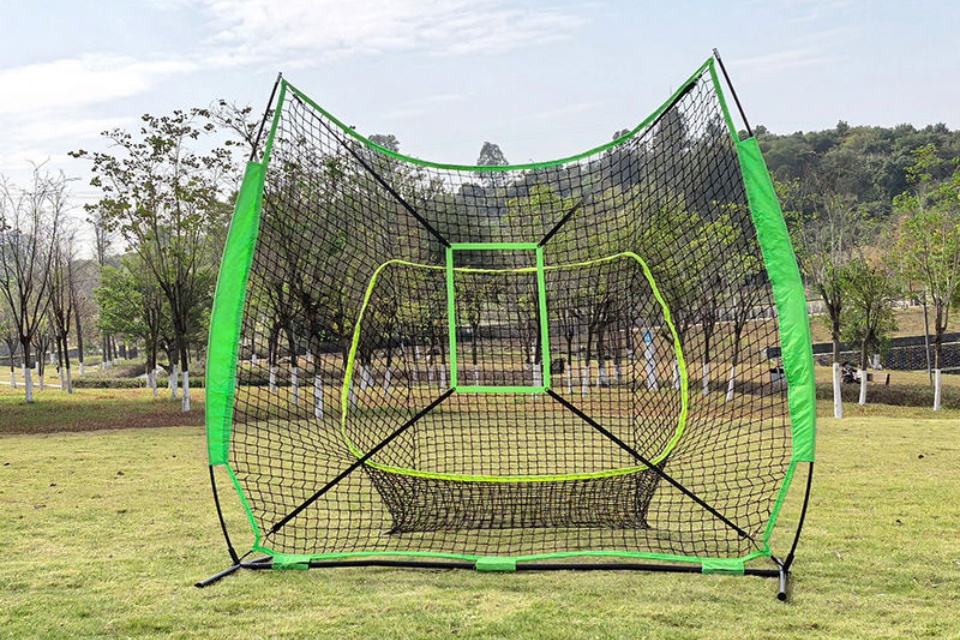
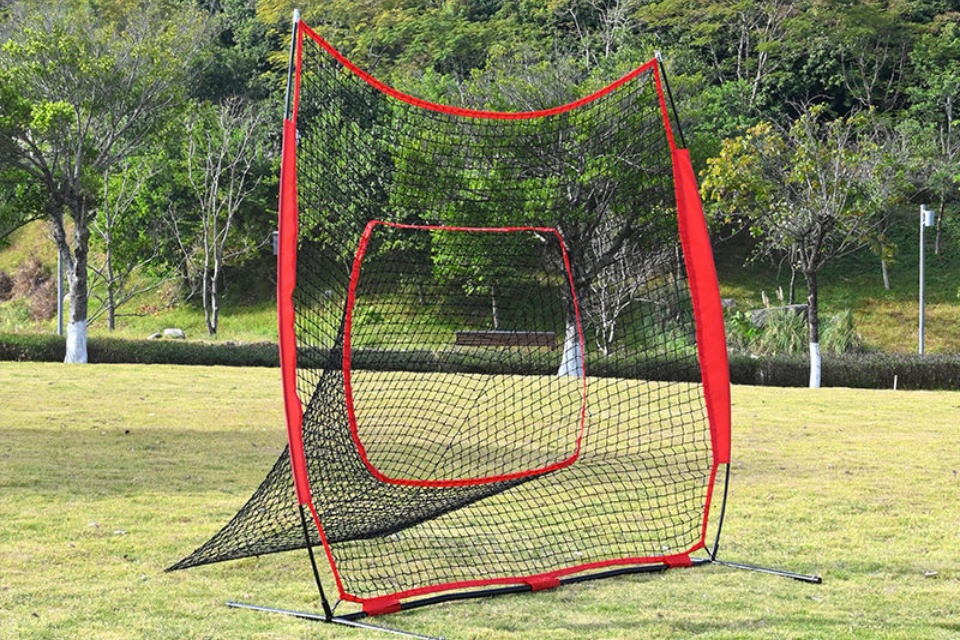
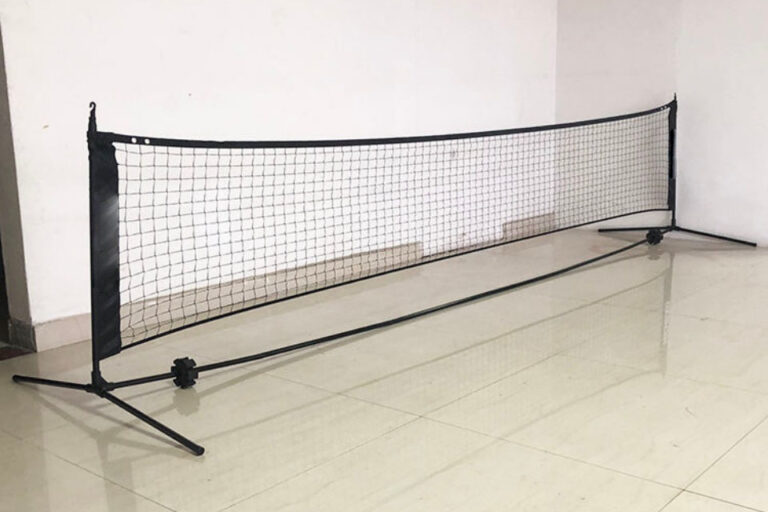
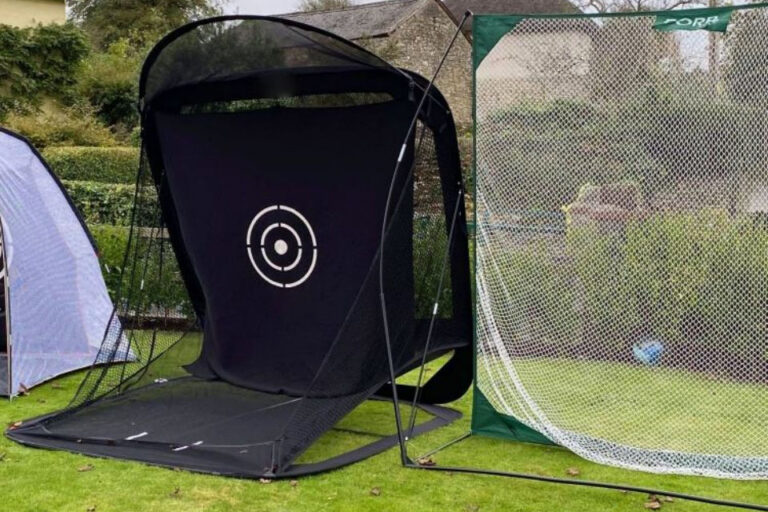
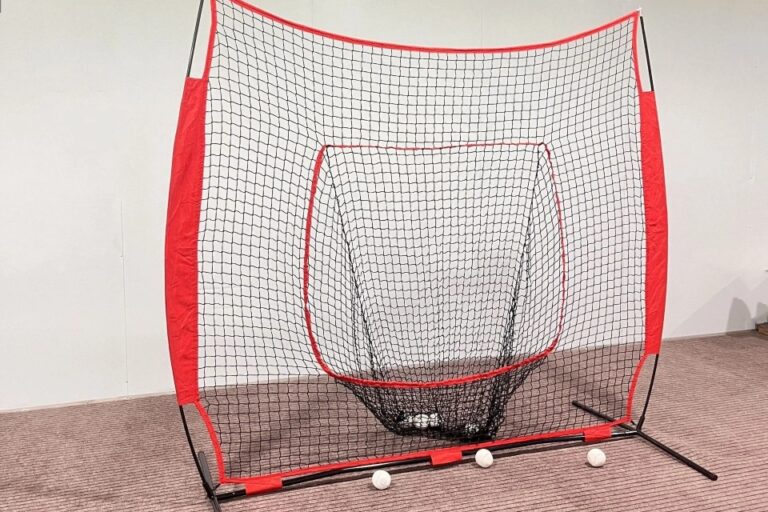
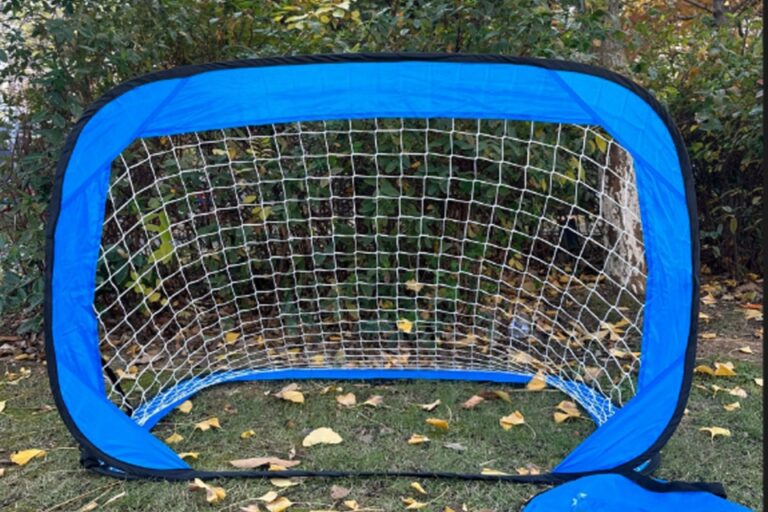
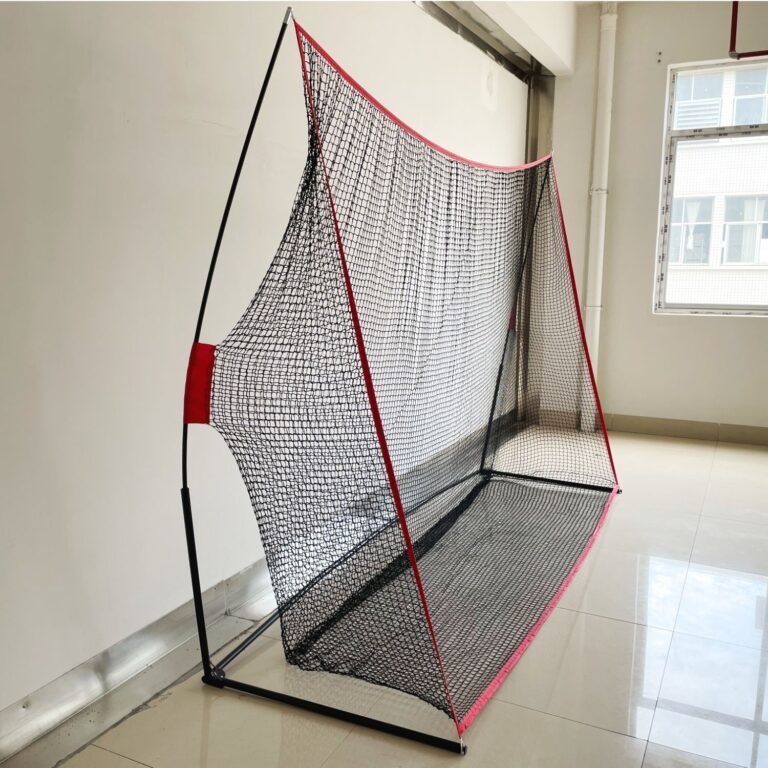
Tell us what you want to develop. FSPORTS supports OEM/ODM, private label, and custom sports netting projects based on your existing product, drawing, sample, photo, or application requirement.
Share the product type, dimensions, target quantity, destination, and any known mesh, material, frame, hardware, logo, or packaging requirements. If your specification is not complete yet, send what you have and we can review the remaining details before quotation.
I’ve seen import teams squeeze a factory for 2% on unit price, then quietly hand back double that at the border because the HS code was guessed off a vendor invoice, the USMCA backup was half-baked, and nobody built the drawback file before the export happened. It’s that common. Painfully.
And then they blame tariffs?
Here’s the ugly truth: most importers don’t have a tariff problem. They have a data-discipline problem. The scale alone should scare people straight. The U.S. imported $3.2956 trillion in goods in 2024, according to BEA’s annual 2024 trade data. Big number. Bigger room for repeat mistakes.
Correct HS Classification Comes First
But the first leak is usually classification. Always.
A sports-equipment importer knows this if they’re being honest. One SKU might include a steel frame, PE netting, a carry bag, stakes, hooks, target sheets, maybe wheels—and some teams still classify the thing by whichever component feels easiest. That’s how money gets burned. CBP, in CBP ruling on a soccer goal set, treated the complete article as soccer equipment, which is exactly why “it’s mostly netting” is not a strategy. It’s a guess.
And yes—Customs will come for lazy classification when the numbers are worth it. On March 11, 2024, DOJ said Ford agreed to pay $365 million over allegations tied to misclassifying Transit Connect cargo vans, allegedly dropping duty exposure from 25% to 2.5%. That’s not a paperwork scuffle. That’s a boardroom problem. Read the Justice Department case on Ford’s customs settlement.
Free Trade Agreements Help—If the File Is Real
Free trade agreements help. Usually.
But I frankly believe importers romanticize FTAs because “preferential duty treatment” sounds clean and automatic. It isn’t. It’s paperwork, origin analysis, supplier discipline, and a file that can survive daylight. If your supplier says, “It qualifies under USMCA,” my next question is simple: based on what—tariff shift, RVC, producer certification, component sourcing, or just optimism?
USMCA Usage Is Growing
The usage numbers show why this matters. U.S. imports under USMCA with Mexico on a consumption basis reached $248.712 billion in 2024, up from $236.466 billion in 2023, according to Census data on 2024 U.S. imports under USMCA with Mexico. Lots of claims. Lots of audit surface.
Post-Import Claims Have a Deadline
And don’t miss the recovery angle. CBP says post-import USMCA claims under 19 U.S.C. § 1520(d) generally have to be filed within one year of importation. One year sounds generous—until your BOM changed twice, your supplier changed resin sources, and nobody noticed. The rule is sitting there in the CBP page discussing post-importation claims.
Duty Drawback Is Valuable—But Not Easy Money
Then there’s duty drawback, which too many people talk about like it’s found money.
It’s not. It’s earned money.
CBP defines drawback on the CBP drawback page as a refund, in whole or in part, of duties, fees, and certain taxes on imported merchandise. True. But that definition hides the real fight: import/export matching, inventory controls, substitution rules, export proof, liquidation status, deadlines. Miss the sequence and the refund can die on the vine.
Timing Can Kill a Valid Claim
The court made that painfully clear in Court of International Trade drawback decision. In Performance Additives LLC v. United States, the court noted that a drawback claim tied to imports that had not liquidated and become final within the statutory one-year period became a nullity. That word should bother you. It bothers me.
USMCA Can Limit Drawback Recovery
And North American trade adds another trap. Under USMCA-related rules, drawback can be capped at the lesser of U.S. duties paid or duties owed in Canada or Mexico. That kills a lot of casual “we’ll export it later and claim it back” talk. See CBP ruling discussing USMCA drawback limits.
The Practical Tariff Reduction Playbook
So the real playbook is boring. Which is exactly why it works.
Lever
What it changes
Best evidence
Where teams blow it
Best use case
Correct HS classification
Base duty rate and program eligibility
BOM, specs, product photos, rulings
Treating a finished kit like one visible component
New SKUs, bundled systems, hybrid sports gear
FTA claim such as USMCA
Preferential duty rate at entry or post-entry
Origin analysis, supplier certifications, tariff-shift or RVC support
In October 2024, DOJ sued over allegations that imported Chinese solar panels were falsely classified as LED lights. The complaint sought almost $300,000 in duties and almost $800,000 in civil penalties. Same old story. Wrong code. Wrong duty treatment. Expensive aftermath. Here’s the DOJ complaint over solar panel misclassification.
Product Reality Must Match Customs Reality
If you’re importing custom sports gear, this isn’t abstract. Your customs file should match your production reality. That’s why a sports net factory tour and custom manufacturing services page aren’t just sales fluff—they should line up with what you’re actually declaring.
FAQs
What is duty drawback?
Duty drawback is a U.S. customs refund program that returns all or part of duties, fees, and certain taxes paid on imported goods when those goods, or qualifying substituted or manufactured articles, are later exported or destroyed under strict timing, documentation, and matching requirements. In plain English: no records, no refund. That’s the whole game.
How do HS codes reduce tariffs legally?
HS codes reduce tariffs legally by placing a product under the tariff heading that best fits its real composition, function, and commercial identity, which then determines the duty rate and whether special trade treatment may apply. Get the code right and you stop overpaying. Get it wrong and you may invite penalties.
Can I claim USMCA after importation?
Yes, a qualifying importer can often make a post-import USMCA claim within the statutory window if the goods were eligible at entry and the origin file actually supports the claim. That’s useful—but don’t build your process around cleanup work. It’s slower, messier, and riskier than getting it right the first time.
Can duty drawback and USMCA work together?
Sometimes, but not without limits, especially where Canada or Mexico is involved and drawback recovery can be capped under USMCA rules. This is where a lot of importer folklore falls apart. Exporting a product does not automatically mean you get your money back.
Get Help Before the Next Shipment Lands
If you want tariff savings that hold up under scrutiny, start with the product facts, not the invoice headline. Review the FSports product catalog, compare it to your sourcing and assembly records, and then contact the FSports team before your next container turns into an avoidable customs bill.