Are Your Baseball Backstop Nets Protecting Spectators
If you run a ballpark, school field, training complex, or community diamond, backstop netting isn’t just a “nice extra.” It’s part of your risk-control stack. Fans sit closer than ever, bats swing faster, and phones steal attention. A single hot foul ball can turn a fun Saturday into a crisis you’ll be explaining for months.
This is where smart net design, clean specs, and reliable supply matter. That’s also where FSPORTS fits in. As a premium sports netting manufacturer in China, we support bulk buyers, retailers, distributors, and OEM/ODM partners with UV-resistant, high-impact nets in standard and custom sizes.
Below is a practical, no-fluff breakdown of what good protection looks like today, where venues usually fall short, and how to fix it without wrecking sightlines or operations.
Table of Contents
Spectator injury risk from foul balls and broken bats
Backstop nets exist for one reason: spectator safety.
The highest-risk seats aren’t a mystery. Areas behind home plate and along the first- and third-base lines catch the nastiest foul-ball angles. Add the occasional broken-bat shard, and you’ve got a real exposure zone.
Relying on warning signs or “stay alert” announcements won’t cut it. That’s like putting a “drive carefully” sticker on a car with bad brakes. Netting is the physical control that reduces the chance of severe incidents.
Practical takeaway: If your current layout still leaves premium seats near the dugout edges or the lower corners of the bowl unprotected, your safety envelope is probably outdated.
MLB protective netting expansion trend
Pro ball has already signaled the direction of travel. Over the last several seasons, top-tier venues expanded protective netting coverage beyond the old-school home-plate-only approach.
You don’t need to copy a major-league blueprint bolt for bolt. But the trend gives you a clear message: the historic coverage footprint isn’t the modern benchmark.
For decision-makers, this becomes a strong internal argument:
- Your board wants fewer incidents.
- Your operations team wants fewer disruptions.
- Your brand team wants fewer viral injury clips.
That’s a rare alignment. Use it.
Minor League protective netting deadline
The ripple effect moved beyond the big stadiums. In recent years, the broader professional system pushed for more consistent protective standards across smaller venues too.
Even if your facility isn’t a pro venue, the logic transfers. Youth tournaments, college weekends, and community leagues now draw crowds that behave like pro audiences. They sit close, film everything, and expect the venue to handle safety basics.
Practical takeaway: Treat wider net coverage as a standard upgrade, not a “premium feature.”
Baseball Rule liability vs best practices
Some operators still lean on the old legal framing: fans assume certain risks at games.
That argument may exist in legal history, but it doesn’t mean it’s a wise operational strategy. Judges, insurers, and the public now look harder at whether venues adopted reasonable modern safeguards.
Think of netting as:
- Compliance hygiene
- Insurance posture
- Brand protection
- Staff stress relief
A safe venue is easier to run. It’s also easier to sell.
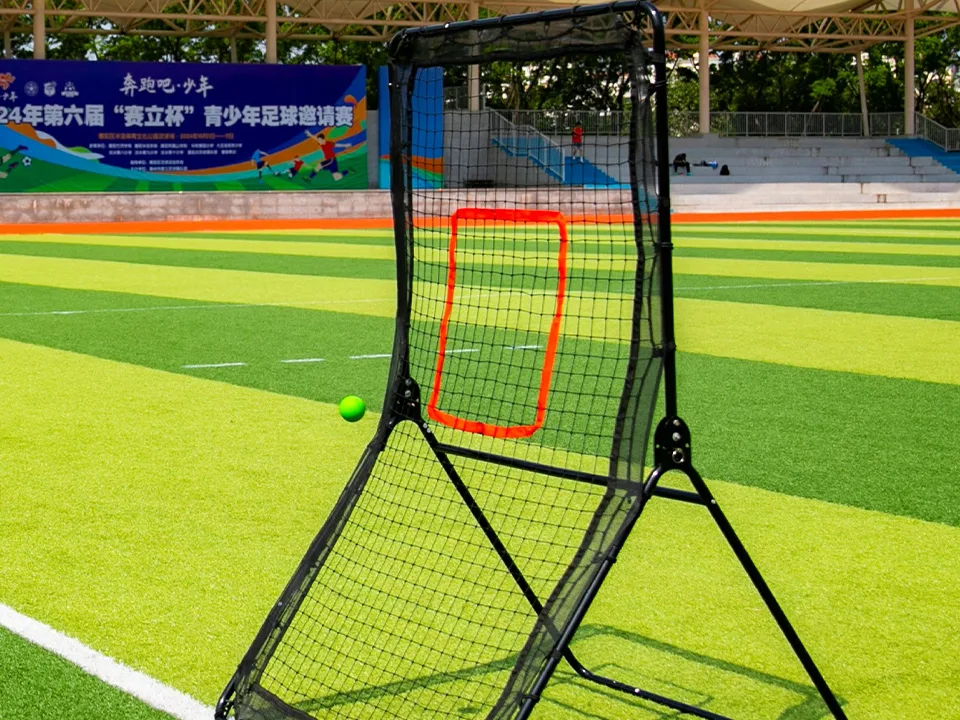
Net height and coverage design for baseball backstop netting
Here’s the part that separates “we installed a net” from “we solved the problem.”
Backstop net height
Height controls trajectory coverage. A too-short net only protects the obvious line drives. The high-arcing foul that drifts into the first few rows still slips over the top.
In real-world installs, you want to match height to:
- seat rake
- distance to plate
- typical foul-ball patterns at your level of play
- wind exposure for outdoor parks
This is where a supplier who can build to spec, not just ship a standard roll, saves you headaches.
Backstop net coverage width
Width is the bigger miss at many fields. Old layouts often stop near home plate, leaving the dugout-adjacent seats in a gray zone.
A smarter approach uses a risk map:
- highlight the high-velocity angles
- extend coverage to the seats most likely to get hit
- keep sightlines clean using modern mesh choices
If you’re writing an internal proposal, don’t frame this as “more net.” Frame it as targeted risk reduction.
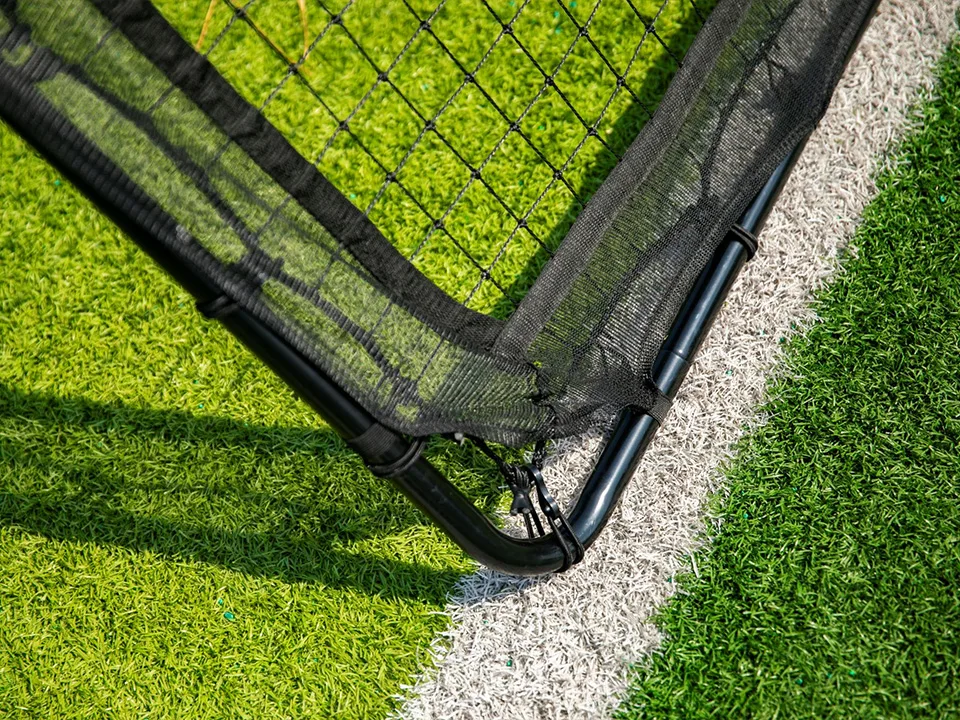
Net material performance: UV-resistant high-impact netting
Material is where buyers either win long-term or end up replacing nets earlier than planned.
For outdoor baseball backstop netting, you want:
- UV stabilization
- consistent tensile performance
- reliable knot or knotless construction options
- mesh that balances protection and visibility
If your procurement team is comparing vendors, ask for clear spec sheets on:
- yarn type
- denier or equivalent strength indicators
- UV treatment approach
- expected service conditions for your climate and usage rate
This is a B2B category. The goal is repeatable quality across batches, not a one-off “good sample.”
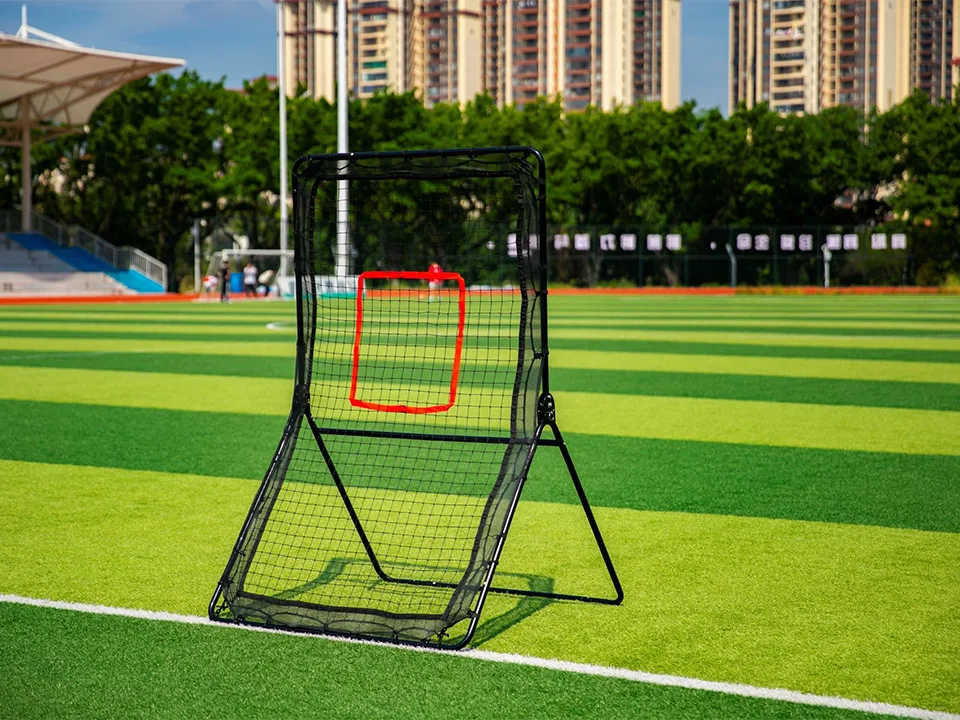
Backstop net inspection and maintenance
Even top-grade netting fails if you ignore routine checks.
Build a simple maintenance rhythm:
- pre-season walkdown
- mid-season spot checks in high-impact zones
- post-event inspections after tournaments or showcase weekends
Common red flags:
- frayed seams
- loose tie points
- abrasion at contact edges
- localized holes from repeated foul impacts
A tight maintenance loop reduces emergency repairs and keeps your venue audit-ready.
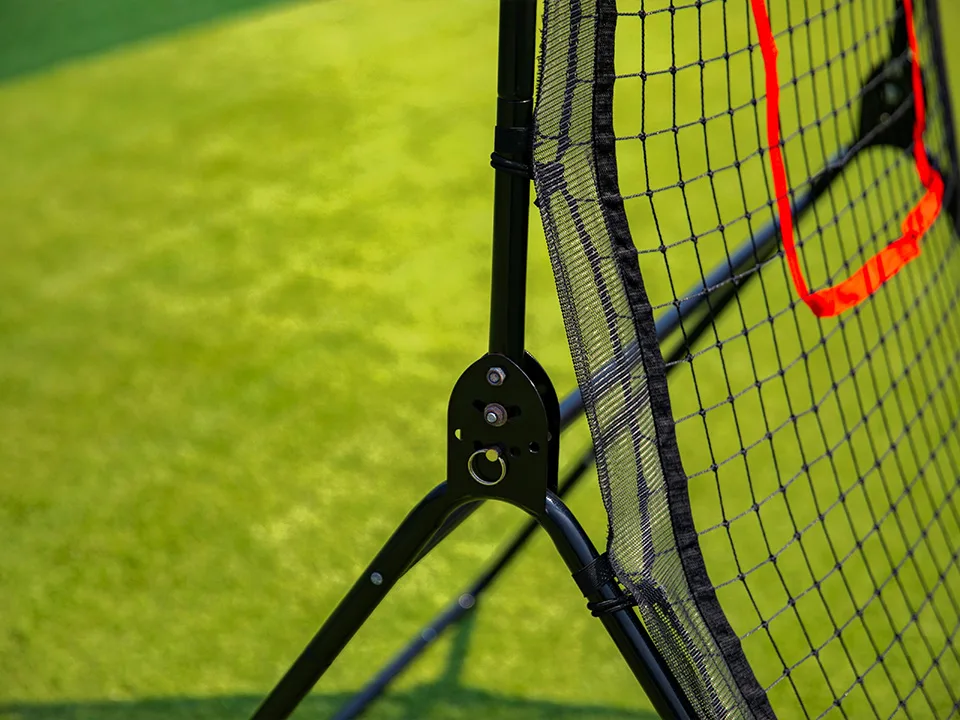
Real-world use cases for baseball facilities
This is how these upgrades usually play out on the ground.
High school and college fields
These venues often have the most awkward risk profile. You’ve got serious bat speed, family-heavy crowds, and limited capex.
A staged approach works well:
- expand the critical seating zones first
- refine height and attachment points in phase two
- add side barriers where foul patterns demand it
Tournament complexes
Weekend traffic is brutal on equipment. Your backstop is taking repetitive, high-volume impacts.
Here, durability and fast replacement logistics matter almost as much as coverage.
Training centers and indoor cages
The risk shifts from spectators to adjacent athletes, coaches, and walkways.
Barrier nets and modular panels can keep your footprint flexible while still controlling rebound and ricochet behavior.
If you’re already running batting lanes, pairing your venue-level protection with training SKUs can streamline vendor management.
Argument map for decision-makers
Use this table when you want quick buy-in from execs, ADs, facility managers, or procurement leads.
| Argument title | What it means in plain terms | Operational value | Typical proof point |
|---|---|---|---|
| Spectator injury risk from foul balls and broken bats | The danger is real and not limited to pro parks | Reduces incident reports and crisis response | Documented injury patterns across baseball levels |
| MLB protective netting expansion trend | The highest level is moving toward wider coverage | Provides a benchmark for “reasonable modern safety” | League-wide expansion direction |
| Minor League protective netting deadline | Broader systems expect consistent safety upgrades | Normalizes upgrades for smaller venues | System-wide standardization trend |
| Baseball Rule liability vs best practices | Legal history doesn’t replace modern safety expectations | Improves insurer confidence and public trust | Risk management best-practice framing |
| Net height and coverage design for baseball backstop netting | Height + width determine real protection | Prevents “we bought a net but still got hit” outcomes | Field-specific risk mapping |
| Net material performance: UV-resistant high-impact netting | Outdoor nets need durability, not just low price | Extends service life and reduces downtime | Spec-driven procurement |
| Backstop net inspection and maintenance | A great install still needs upkeep | Avoids sudden failures mid-season | Routine inspection SOPs |
Where FSPORTS fits into modern backstop upgrades
If you’re sourcing for resale, facility rollouts, or private label programs, consistency and customization often matter more than a flashy catalog.
You can start at the FSPORTS homepage for brand and capability context, including our positioning as a premium manufacturer with UV-resistant, high-impact netting options (FSPORTS). The site also centralizes broader categories via the product collection for multi-sport buyers who serve schools or complexes with mixed facility needs (sports netting products). These pages appear in our internal link index.
For baseball-specific sourcing and cross-sell bundles, these internal pages support common buyer paths:
- Training and facility buyers often pair venue protection with batting cage systems such as this baseball and softball batting cage net and frame.
- For high-volume practice setups, a one-piece option like heavy-duty PE batting cage netting helps simplify installation planning.
- Many schools add perimeter protection with modular barriers like the 12 ft x 9 ft sports barrier net.
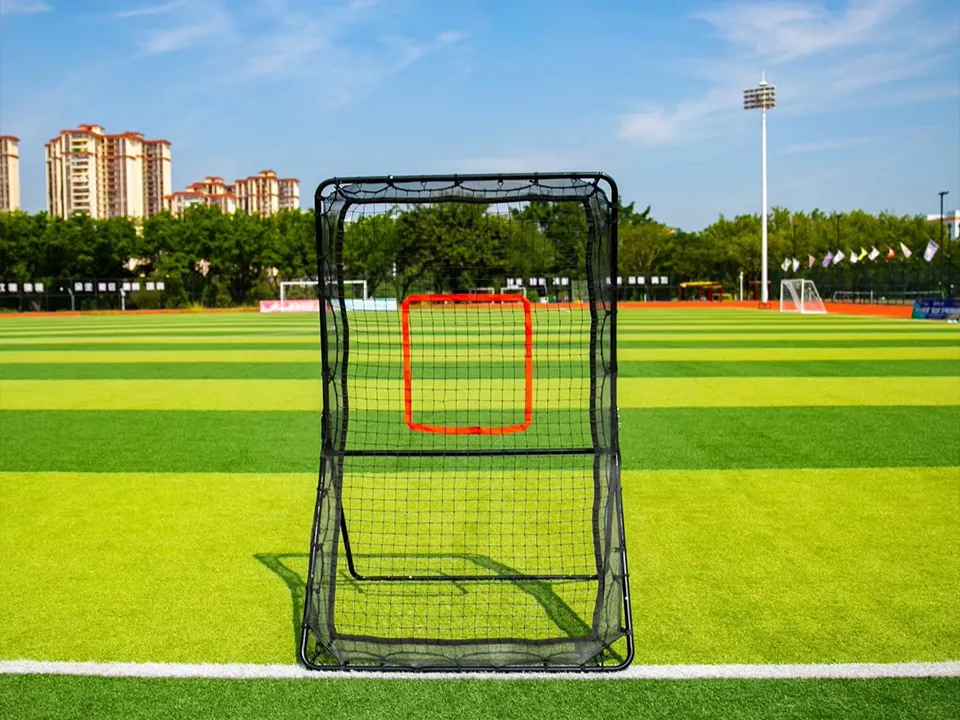
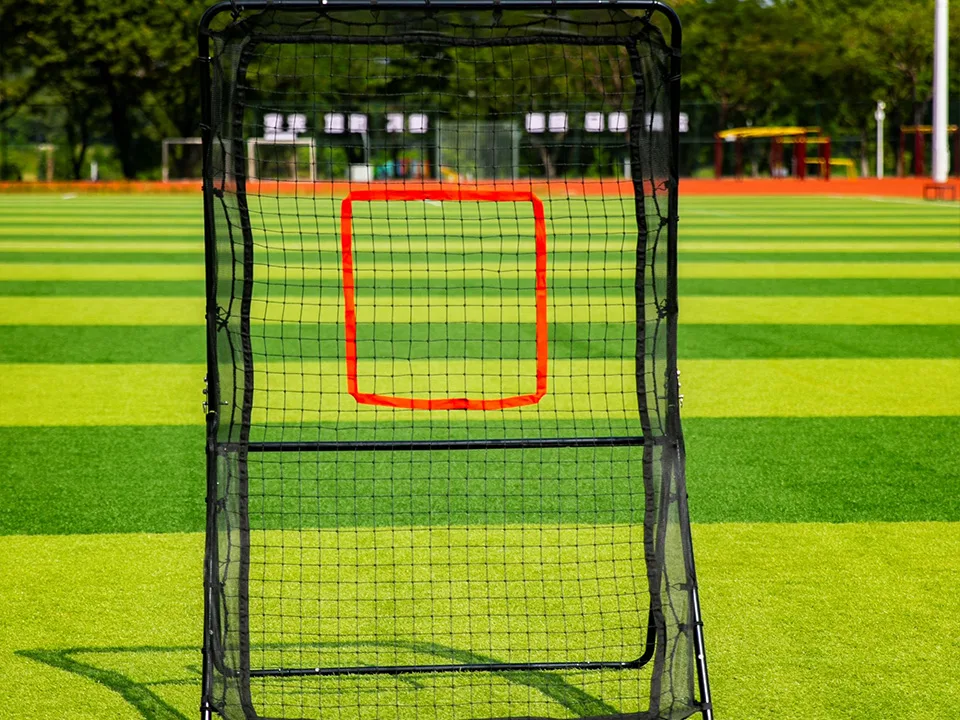
- For retail and e-commerce bundles, portable SKUs like the portable baseball practice net with target and carry bag help cover entry-level demand.
- A compact staple for multi-channel sellers is the 7×7 baseball practice hitting net.
That spread supports B2B portfolios across:
- retailers
- e-commerce drop-ship programs
- wholesalers and distributors
- OEM/ODM buyers building private label lines
- facility integrators who need reliable batch-to-batch specs
Baseball backstop netting checklist
If you want a fast internal audit, use this list:
- Does your backstop netting protect the highest-risk seating zones, not just the area behind the plate?
- Is your net height aligned with your field geometry and level of play?
- Are you using UV-resistant, high-impact material suited for outdoor service cycles?
- Do you have a simple inspection SOP that your staff can run without specialist tools?
- Can your supplier handle custom sizes, bulk wholesale, and repeatable OEM/ODM specs when you scale to more venues?
If you can’t answer “yes” to most of these, your nets may be doing less work than you think.
Backstop upgrades don’t have to be dramatic. They just need to be smart, targeted, and built around real field behavior. When you treat netting like a spec-driven safety system instead of a last-minute accessory, your venue gets safer, your operations get calmer, and your brand looks like it knows what it’s doing.