Are Your Lacrosse Nets Built For Elite Training Loads
Table of Contents
Elite reps don’t “kind of” break nets. They stress-test them—every day, in every weather swing, with shooters who miss high and rip corners anyway. If your net can’t hold up, you’ll feel it fast: more stoppages, more ball hunts, more patch jobs, and more “why is the cage down again?”
If you run a club, school program, academy, or a training facility, you’re not just buying a lacrosse net. You’re buying uptime, safety, and clean reps. That’s where FSPORTS fits in: we manufacture UV-resistant, high-impact netting in standard and made-to-order sizes, built for custom orders, bulk wholesale, and OEM/ODM buyers. You can start at the FSPORTS homepage and browse the full product catalog.
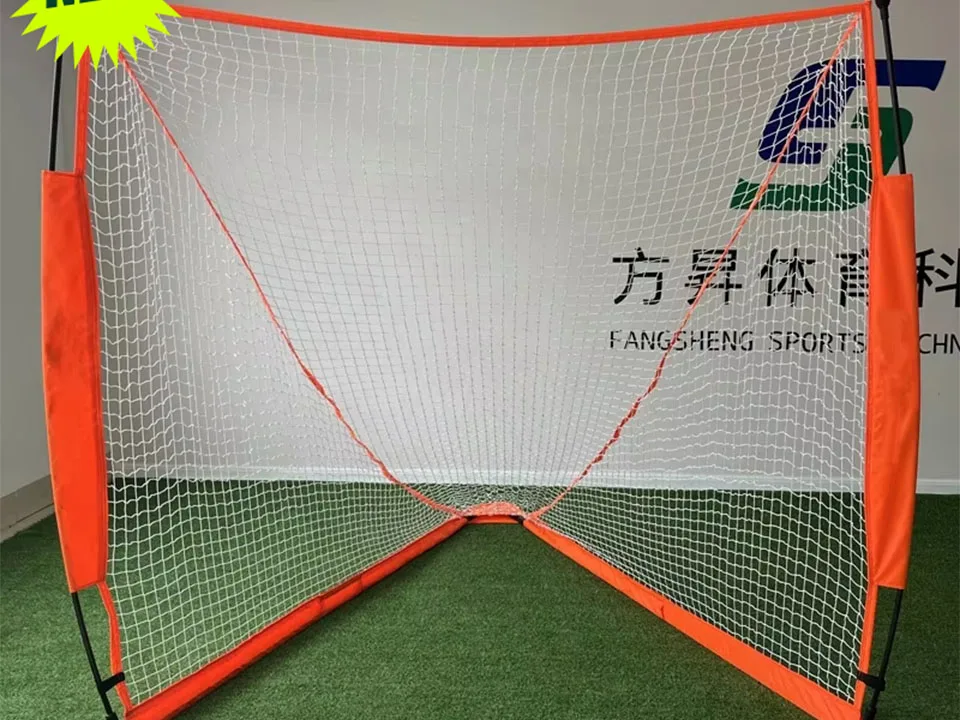
Elite training load comes from ball speed and shot volume
Here’s the reality: it’s not one highlight shot that kills a net. It’s shot volume + repeat impact. A single team session can turn into a mini stress lab—step-downs, on-the-run, bounce shots, and a dozen players hammering the same “hot spots” on the mesh.
Real-world scenarios that expose weak nets
- Box-style rapid fire: goalies want speed, shooters want rhythm, and your net takes the full beating.
- Small-sided reps: more touches per player means more shots per minute.
- Backyard-to-elite jump: a youth cage that was “fine” suddenly fails when varsity shooters show up.
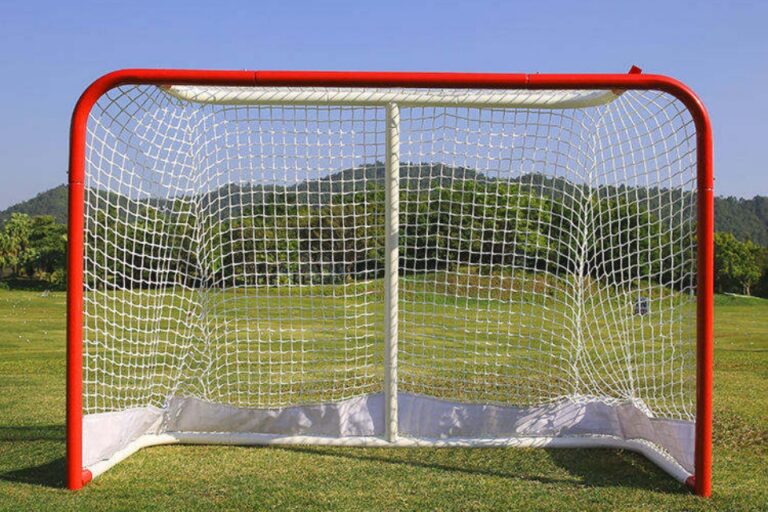
If your current setup is already popping ties, stretching out, or tearing at the corners, move from “recreational net thinking” to training-cycle durability. For a stable base, start with a full goal like the professional full-size lacrosse goal (red steel frame).
Twine thickness is a durability metric, not marketing fluff
Coaches don’t talk in millimeters during practice, but the net doesn’t care about vibes. Thicker twine usually handles repeated impact better and resists quick fraying in high-contact zones (corners, mid-high, and the lower off-stick area).
When thicker netting matters most
- High-rep shooting groups (especially when the same shooters always aim high pipe)
- Outdoor cages that sit exposed and don’t get stored after sessions
- Facility rentals where users won’t baby the equipment
If you need a setup that’s designed to stay put through heavy sessions, check a ready-to-train option like the professional 12x9ft lacrosse goal net with sandbags and frame. It’s the kind of build that helps when your program runs back-to-back blocks.
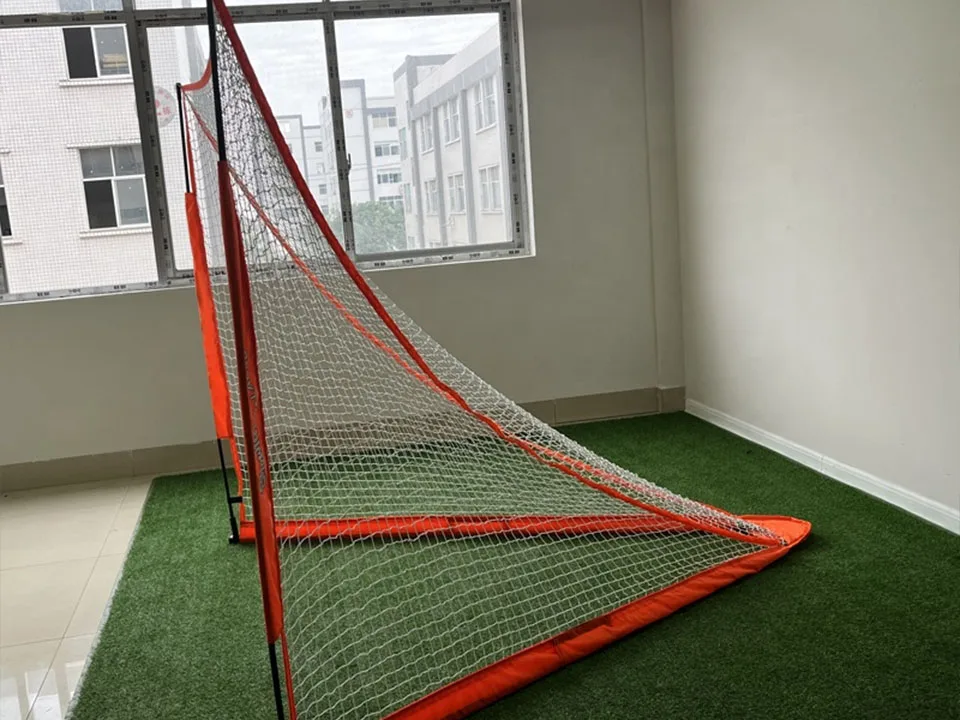
Knotless netting, coatings, and reinforced stitching reduce failures
Most “net deaths” don’t look dramatic. They start as small issues:
- abrasion at contact points
- stitching fatigue around the perimeter
- mesh stretch that changes the way the ball sits and rebounds
That’s why build details matter. When you spec nets for elite workloads, look for practical reinforcements: clean seam work, stronger edge construction, and weather-ready materials.
A simple way to think about it
- Better construction = fewer weak points
- Fewer weak points = fewer surprise breaks mid-session
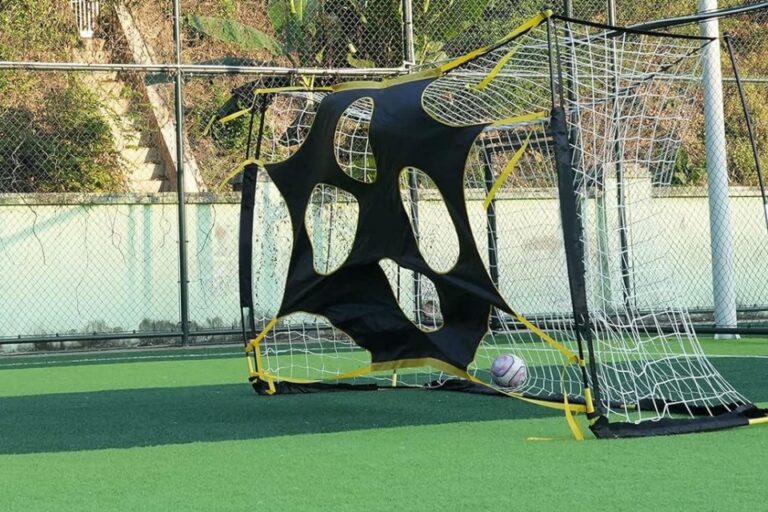
If your training includes target work (and it probably does), a product like the professional lacrosse goal with heavy-duty net and target sheet keeps the session focused on precision instead of constant resets.
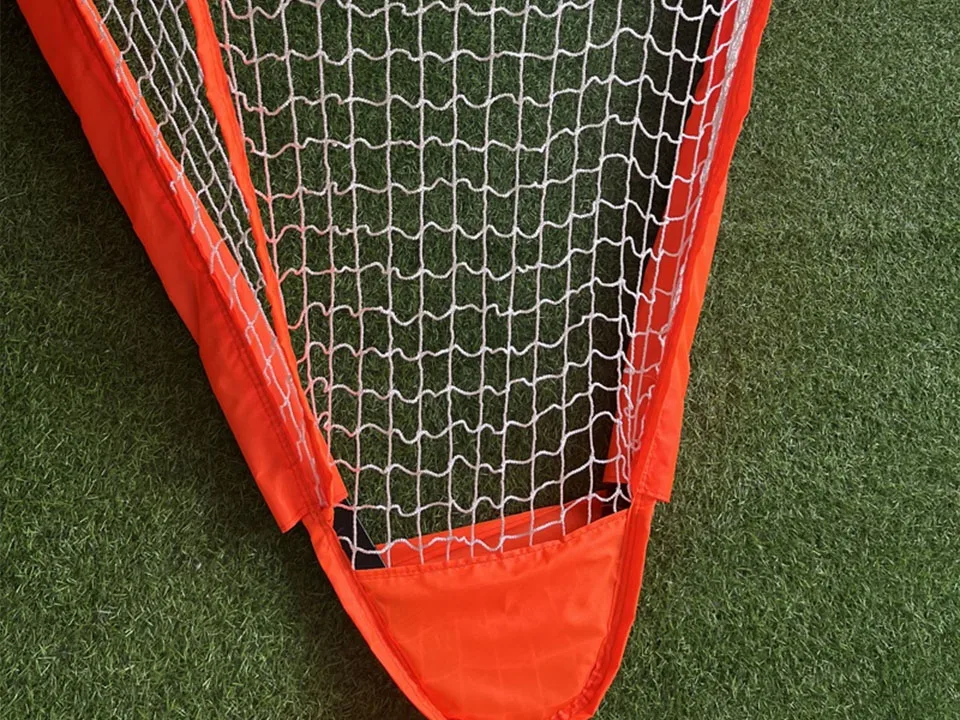
Heavy-duty nets improve safety and keep the ball inside the work zone
When nets fail, the ball doesn’t just “go out.” It can clear the lane, hit a passerby, tag a car, or smash a window. That risk climbs when you run:
- shared fields
- school campuses
- multi-sport facilities
- tight indoor footprints
So safety isn’t a bonus feature. It’s the baseline. The pro move is to design your setup like a facility operator: contain misses, control ricochets, and reduce chase time.
Two upgrades that instantly reduce chaos
- A reliable goal net that doesn’t let shots punch through
- A backstop that catches the misses your goal never will
If your field has traffic behind the cage, add a containment layer like the heavy-duty lacrosse backstop net with stable steel frame. It’s a clean fix for the “every miss becomes a cardio drill” problem.
Net attachment and tension affect rebound control and training realism
A loose net changes everything. It kills realism, messes with rebound behavior, and makes your reps feel off. Worse, sloppy attachment increases wear because the mesh moves and rubs harder at the frame points.
What “good tension” looks like in practice
- the net sits snug with consistent pull
- corners don’t sag
- the ball dies in the pocket instead of popping out unpredictably
If you run skills stations, you’ll feel the difference immediately with rebound-focused gear. A rebounder like the professional lacrosse rebounder net with target frame design helps you keep reps tight and repeatable, especially for quick-stick and catch-and-shoot timing.
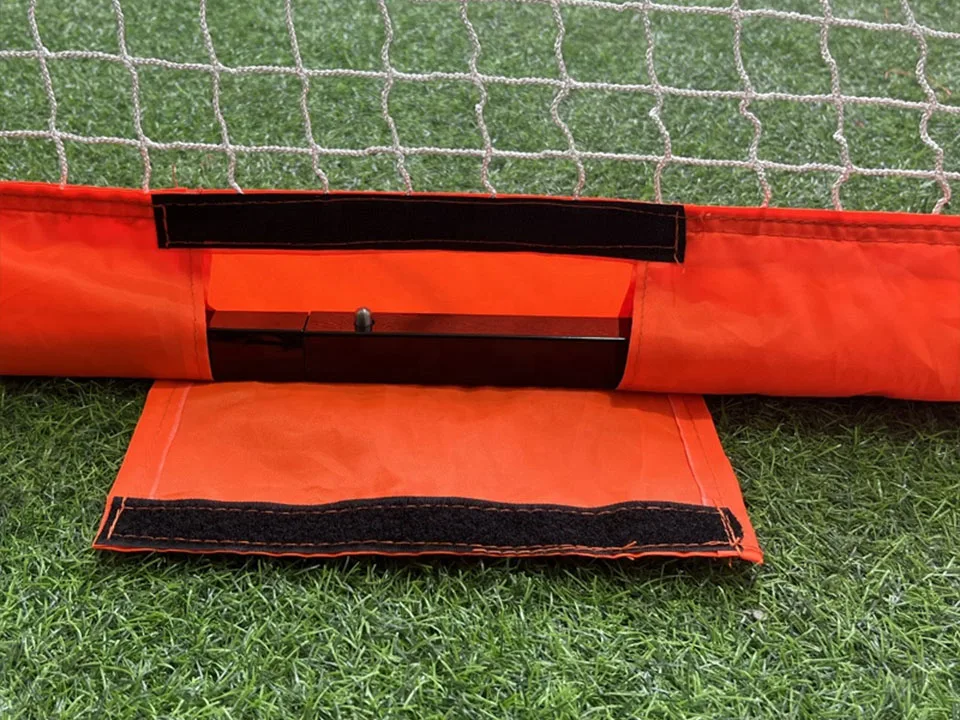
Total cost of ownership matters more than the price tag
Don’t think in “one purchase.” Think in season durability and training uptime. Cheap nets create hidden costs:
- lost practice minutes
- staff time fixing and re-tying
- more replacements
- more complaints from coaches and renters
For serious programs, the best buying habit is boring but effective: standardize the spec, then buy in bulk so every field and every cage performs the same.
This is also where FSPORTS is built to help: we support bulk wholesale, custom sizing, and OEM/ODM projects for retailers, distributors, and e-commerce sellers who need consistent quality at scale. (Your customers won’t forgive “random” mesh performance across batches.)
Evidence table: practical claims, what to look for, and where it comes from
| Argument headline | What you should look for (field-check) | Why it matters for elite workloads | Source of the point |
|---|---|---|---|
| Elite training load comes from ball speed and shot volume | Hot spots show wear first; repeated impact zones fray | Volume breaks nets faster than a single big shot | Training operations reality + equipment wear patterns |
| Twine thickness is a durability metric, not marketing fluff | Thicker twine, stronger edges, less quick fray | Better resistance to repeated impact and abrasion | Industry spec logic + facility maintenance patterns |
| Knotless netting, coatings, and reinforced stitching reduce failures | Clean seams, reinforced perimeter, weather-ready materials | Fewer weak points, fewer mid-session failures | Net construction best practices |
| Heavy-duty nets improve safety and keep the ball inside the work zone | Lower punch-through, better containment, fewer wild rebounds | Less injury risk, less property risk, less chaos | Facility risk control needs |
| Net attachment and tension affect rebound control and training realism | Even tension, tight corners, stable attachment | More realistic reps, less weird pop-outs, less abrasion | On-field performance and wear reduction |
| Total cost of ownership matters more than the price tag | Fewer repairs, fewer swaps, consistent batch quality | More uptime and smoother season planning | Procurement and ops planning |
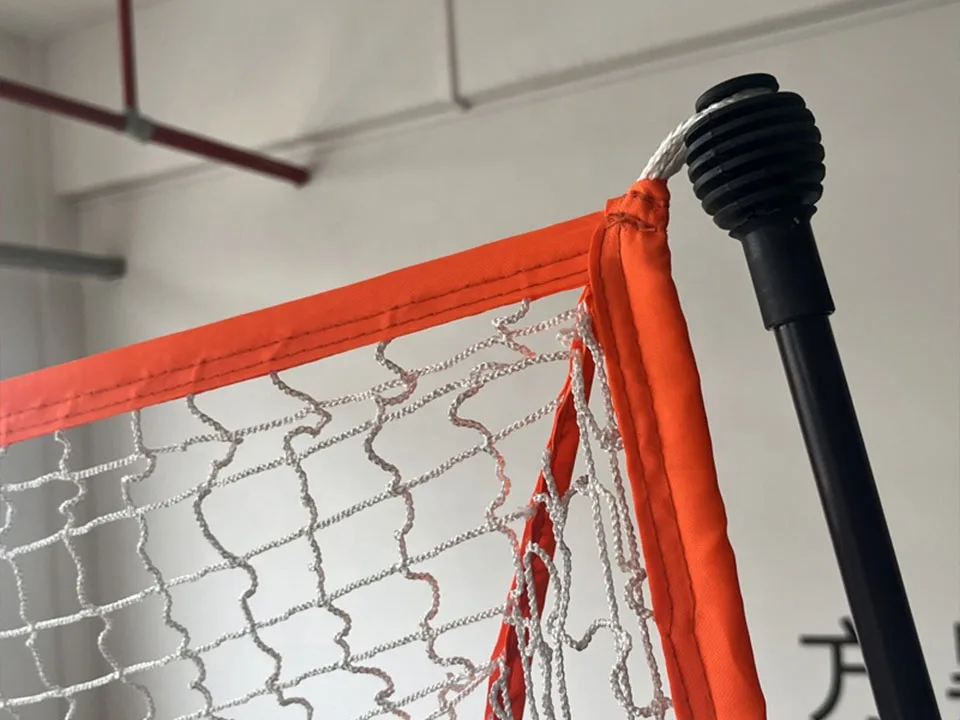
A fast gear map for real training setups
If you’re building a clean “elite load” station, here’s a simple way to stack it:
- Primary cage: a full goal like the professional full-size lacrosse goal for game-real shooting.
- Accuracy block: add a heavy-duty net + target sheet goal to keep shooters honest.
- Containment layer: protect the space with a lacrosse backstop net.
- Stick skills and tempo: build volume with a lacrosse rebounder net.
- Keep spares ready: don’t let a torn net cancel training—stock a replacement lacrosse goal net with bungee cords.
The quick gut-check
If you answer “yes” to any of these, you’re in elite-load territory:
- Your shooters rip high and miss high. A lot.
- Your cage lives outdoors most of the year.
- You run back-to-back sessions, rentals, or camps.
- Your staff is tired of fixing nets between blocks.
When you’re ready to spec a net package for real training load—custom size, bulk orders, or OEM/ODM—start at FSPORTS and pull options from the full Products list.