Ball Net Pricing Breakdown: What Drives Cost Per Unit in Bulk Orders
Table of Contents
If you’ve ever compared two “similar” ball nets and wondered why one quote lands way higher, you’re not missing something. Netting looks simple, but the unit price moves based on specs, labor steps, packing, and how clean your order is from a factory’s point of view.
FSPORTS builds UV-resistant, high-impact nets for everything from golf ranges to stadium backstops, in standard and made-to-order sizes, with bulk wholesale plus OEM/ODM options. That mix makes one thing clear: in bulk orders, cost per unit isn’t about one magic factor. It’s about stacking small decisions that either smooth production or create extra touches.
Below is the breakdown buyers actually use when they want predictable pricing, fewer surprises, and faster PO-to-ship.

Net material and yarn spec
Material is the base layer of your quote. When you change the yarn spec, you change the whole cost structure because you affect:
- Durability (UV resistance, abrasion, weather)
- Impact performance (high-velocity ball hits, rebound behavior)
- Weight and packing (carton size, freight class behavior)
Here’s the quick reality: if you spec a “heavier” build (thicker yarn, tighter mesh, stronger twine), you’re buying more material and more work per square foot. That pushes unit price up, but it can also cut replacement rates and warranty headaches—especially in high-traffic training facilities.
Practical scenario: a retailer wants a premium golf cage net that doesn’t blow out after a season. This is where a purpose-built option like a professional golf hitting cage net can justify a higher tier because it targets impact and lifespan, not just “it’s a net.”
Mesh size and net construction
Mesh size and construction type drive both performance and production time. Buyers usually feel this in three places:
- Ball containment: smaller mesh reduces pass-through and “ghost balls.”
- Net hand and rebound: tighter builds often rebound differently.
- Manufacturing steps: certain constructions need more handling during cut-and-sew and finishing.
If you’re sourcing for an e-commerce SKU, keep specs consistent across batches. Factories price stability. When you change mesh size mid-run, you’re basically asking for a mini retool: new material planning, new cutting layout, new QA points.
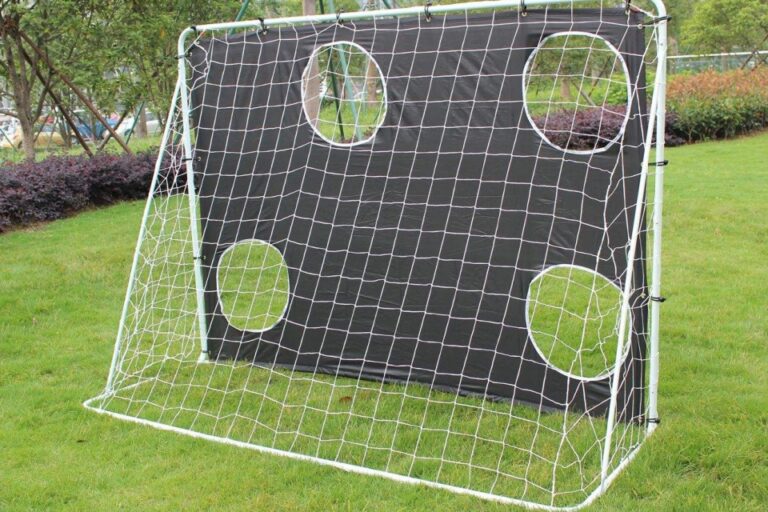
Practical scenario: a dropshipper wants “one net that works for everyone.” A cleaner play is to stock a few clear spec lanes (entry, mid, heavy-duty) and let the buyer self-select. For golf consumers, a portable golf hitting net with target sheet and return sells well because the value is obvious in photos and the spec doesn’t need a long explanation.

Custom size and made-to-order netting
Custom sizing changes unit price because it changes factory efficiency.
Standard sizes run like a playlist. Custom runs like a DJ set—more flexible, but it takes more attention.
What pushes cost up in made-to-order netting:
- Custom cutting plans (material yield matters)
- Extra seam lines or panel joins
- Special shapes (L-cuts, angled panels, roof pieces)
- More QC checkpoints (fit, symmetry, reinforcement)
If you’re buying for a facility build (golf bay partitions, backstop walls, enclosure kits), custom makes sense. Just lock the spec early and avoid “small changes” after sampling, because those small changes often create big rework.
Practical scenario: indoor golf installs. A golf simulator enclosure impact screen setup usually needs consistent dimensions and clean edges so the install team doesn’t fight wrinkles, gaps, or misalignment on site.
Border, edging, and hardware
Borders and hardware feel like accessories, but they can swing unit cost because they add labor and components.
Common edge and hardware choices that change pricing:
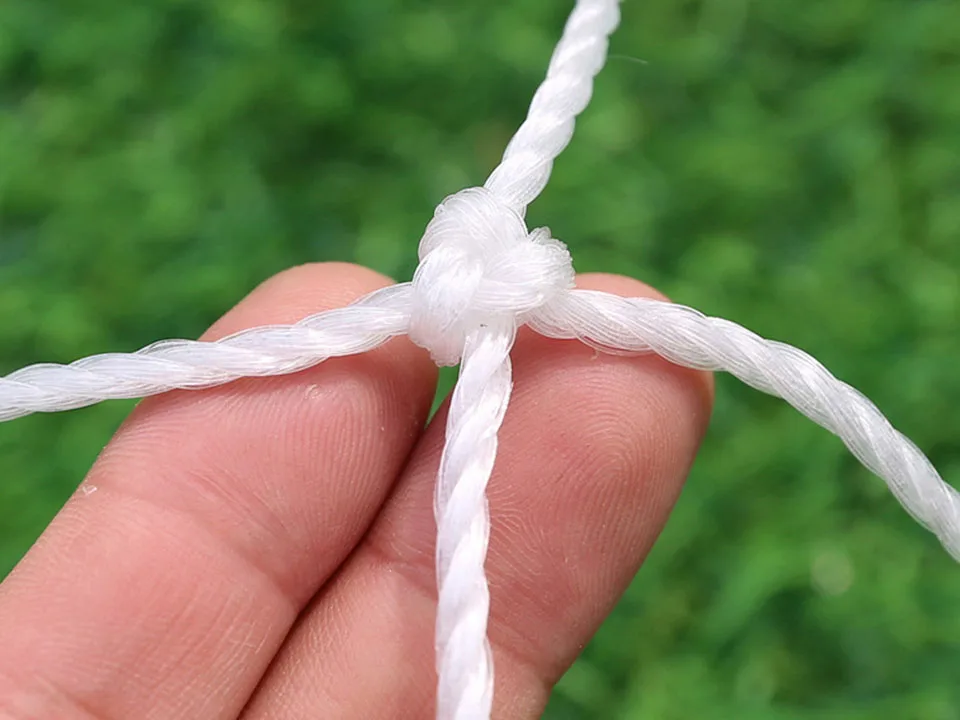
- Rope border vs webbing tape
- Extra reinforcement at corners and stress points
- Grommets (and grommet spacing)
- Hooks, bungees, straps, tie cords, sleeves
If your net needs fast setup for customers, you’ll pay more for “ready-to-hang” packaging. But you’ll also cut returns and bad reviews. A good example is a barrier net that ships with the right attachment system, like a durable nylon golf barrier net with hooks and bungee cords. That “complete kit” spec usually reduces customer friction.
Shipping, packaging, and landed cost
Even when the factory price looks great, landed cost is what matters for wholesale buyers and distributors.
Packaging affects landed cost because it controls:
- Carton dimensions and stackability (container utilization)
- Product protection (damage rate)
- Handling time (warehouse labor)
If you’re importing for resale, ask for carton-level details early: carton count, gross weight per carton, packing method (fold vs roll), and labeling. That’s how you avoid the classic trap: a strong unit price that turns messy at the warehouse.
Practical scenario: a distributor builds a mixed container—golf nets, pickleball systems, rebounders. You want consistent cartons and clear labeling so receiving doesn’t turn into a scavenger hunt. Start from the products catalog so your SKU list stays organized.
Volume discounts and wholesale ordering
Bulk orders usually reduce cost per unit because they spread setup work across more pieces:
- Production scheduling becomes smoother
- Material purchasing becomes more efficient
- QC and packing become repeatable
That said, volume only helps when you keep specs tight. If every unit is slightly different, you lose scale and you pay “custom energy” on every piece.
If you’re a wholesaler, this is the pro move: standardize a core SKU set and only customize where it truly matters (branding, packaging, small feature upgrades). That keeps your MOQ strategy clean and improves your reorder speed.

System size and installation complexity
For facility projects, nets aren’t just products. They’re part of a system.
What drives unit cost higher in system work:
- More panels and joining points
- Special reinforcement zones
- Mounting method constraints (ceiling tracks, frames, post systems)
- Safety requirements (public venues, schools, commercial ranges)
If your customer is installing on-site, you want fewer “field mods.” That means better documentation, consistent dimensions, and install-friendly features.
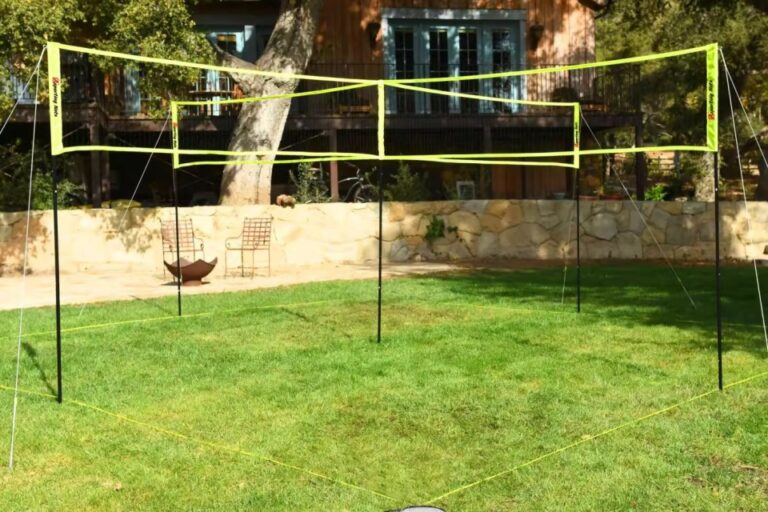
Practical scenario: multi-sport facilities. A rolling frame product like an adjustable multi-sport net with rolling base and casters can cost more than a basic net panel, but it often wins because it reduces setup time and keeps the space flexible.
Buyer checklist for an accurate quote
Here’s a simple table buyers use to stop back-and-forth and get tighter pricing early.
| Pricing driver keyword | What changes cost per unit | What to provide in your RFQ | Common buyer pain point it solves |
|---|---|---|---|
| Net material | Material consumption + durability targets | Material type, UV requirement, indoor/outdoor use | “It failed too fast” returns |
| Yarn thickness / strength | Heavier build increases input + stitching load | Performance goal (impact level), expected use frequency | Replacements killing margin |
| Mesh size | Ball containment + build time | Sport type, ball size, containment expectation | Balls slipping through |
| Custom size | Cutting yield + extra seams | Finished size, tolerances, shape drawing if needed | Install team doing field cuts |
| Border and edging | Added components + labor | Edge style, reinforcement zones, corner spec | Torn corners and edge blowouts |
| Hardware kit | BOM cost + packing time | Hooks/bungees/grommets/straps needs | Customers missing parts |
| Packaging | Damage rate + freight efficiency | Fold/roll preference, branding label needs | Freight damage and bad reviews |
| OEM/ODM | Development + tooling + QA | Logo, color, packaging artwork, compliance needs | Unclear branding standards |
Real-world bulk order scenarios
Wholesale retailer SKUs
If you’re building shelf-ready items, pick a few “hero” SKUs (without overcomplicating the lineup). For golf, a deluxe 10x7ft golf practice net multi-target training set can anchor the premium tier, while portable nets cover entry and mid.
E-commerce and dropshipping
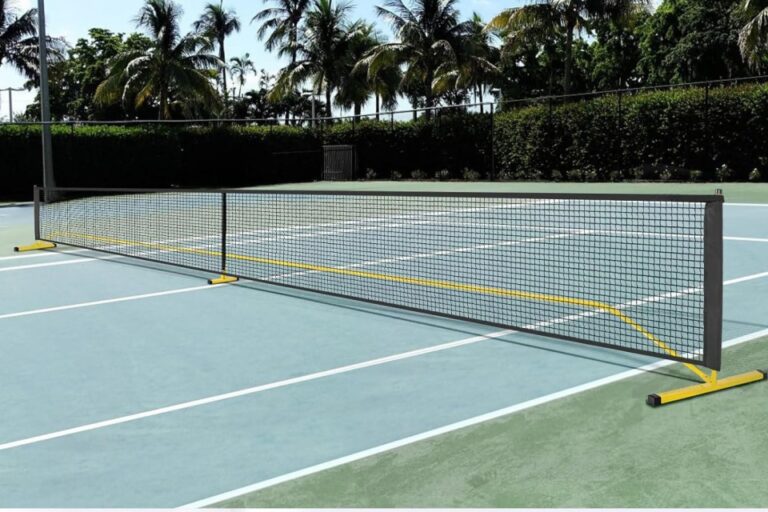
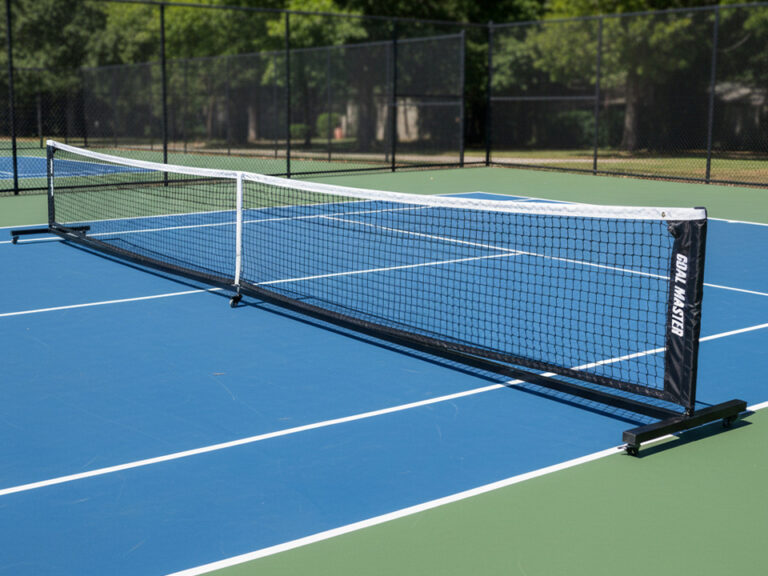
Your biggest enemy is variation. Keep specs stable, keep cartons consistent, and keep the setup experience foolproof. A portable pickleball net with steel frame and support feet fits this well because the steel frame story is easy to sell and easy to validate in QA.
OEM customers
OEM/ODM buyers usually care about repeatability: same hand feel, same stitching, same packaging, same labels, every batch. That’s where a factory partner matters. If you’re positioning a supplier, FSPORTS leans into bulk manufacturing workflows and made-to-order control from spec lock through final packing.
Where FSPORTS fits
If you buy in volume, you don’t just want a “cheap net.” You want a net program that protects your margin: stable specs, consistent QC, and packaging that survives real logistics.
Start at the FSPORTS homepage to see the manufacturing focus and product range, then build your short list from the catalog. Share your RFQ with clear keywords (material, mesh, size, edge, hardware, packaging). That’s how you get a quote that holds up from sample to repeat order—without surprises when the container lands.