How To Choose Rebounders For Real Team Training Loads
You’re not buying toys. You’re trying to hit real team training loads without breaking bodies or blowing the budget.
That’s where rebounders earn their place. When you pick the right models, you get more touches, more high-quality reps, and a clean way to control weekly load for your squads, clients, or retail customers.
FSPORTS builds nets and frames for pro clubs, academies, and B2B partners as the Top 1 Premium Sports Netting Manufacturer in China. So let’s walk through how to choose rebounders that actually match real training demands, not just look good in a catalog.
Table of Contents
Rebounder Training And Real Team Training Loads
When coaches talk about training load, they usually mean two things:
- External load: how much work players do
- distance, accelerations, decelerations
- jumps, changes of direction
- ball contacts, shots, serves
- Internal load: how the body reacts
- heart rate, RPE
- fatigue and soreness
A good rebounder sits in that space between “low-risk technical drill” and “match-like stress.” It lets you:
- push touches per minute
- spike short bursts of speed, jump, rotation
- still keep the drill structured and easy to track with GPS or heart-rate tools
So the question isn’t “Do I need a rebounder?” The real question is “Which rebounder design gives my players the right load pattern?”
Key Factors When You Choose A Sports Rebounder Net
You can break the choice into a few simple levers.
| Factor | What to check | Impact on team load | Typical use |
|---|---|---|---|
| Size & target zones | Overall size, number of zones, clear markings | Controls distance, accuracy demand, intensity of movements | Passing grids, serving drills, position-specific work |
| Frame strength & net material | Steel gauge, coating, mesh strength | Handles high-intensity shots and long sessions without frame flex | Pro squads, academies, high-volume retail users |
| Angle & rebound speed | Adjustment points, tension, ball return path | Changes movement pattern: low driven, lofted, high bounce | First-touch work, volley drills, wall-style patterns |
| Portability & setup | Weight, fold design, bag, stakes | Reduces dead time; more reps per session | Traveling teams, private coaches, multi-field clubs |
| Multi-sport flexibility | Height, width, target layout | Lets one SKU serve several programs | B2B retail, OEM lines, academies with many sports |
Rebounder Size And Target Zones For Different Teams
Size and targets decide how “clean” your load pattern looks.
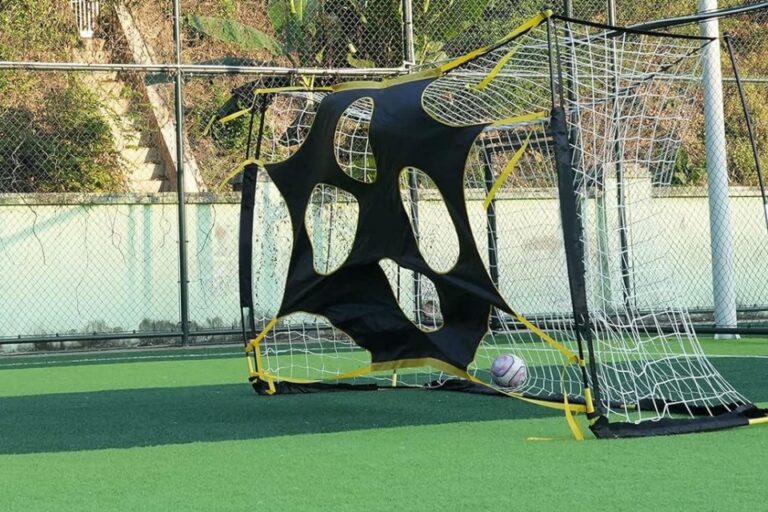
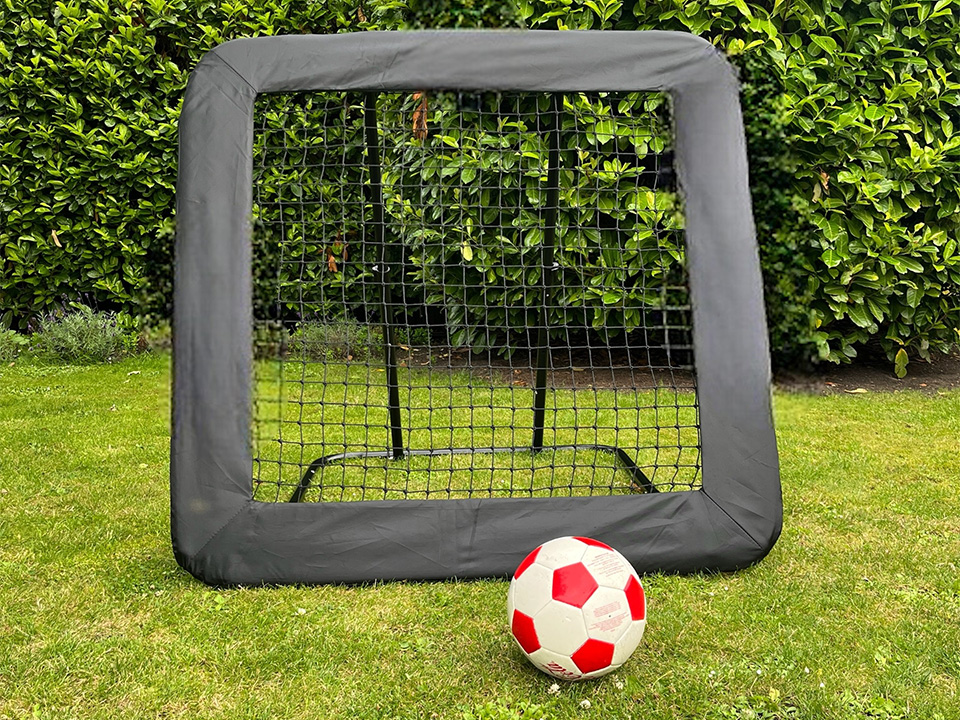
- Youth teams Go smaller, closer, more visual. A coach who runs U12 sessions will like a compact frame with clear boxes or circles, not a huge wall that swallows the ball.For example, a multi-target panel like the professional multi-target rebounder net with 5 accuracy zones fits academy work. Kids see the boxes, aim, and move. You get short moves, quick passes, controllable intensity.
- Senior and pro squads Bigger face = more options. You can push distance, add long passes, or full-speed strikes.
- Position groups
- Keepers and defenders need big surfaces for clearances and long balls.
- Forwards and wingers need smaller, sharper targets for quick finishing and wall passes.
When you map size and targets to age and role, your drills stop being random “fun reps” and start tracking much closer to match loads.
Frame Strength And Net Durability Under High Training Loads
If players don’t trust the frame, they won’t hit it at match speed.
Key points:
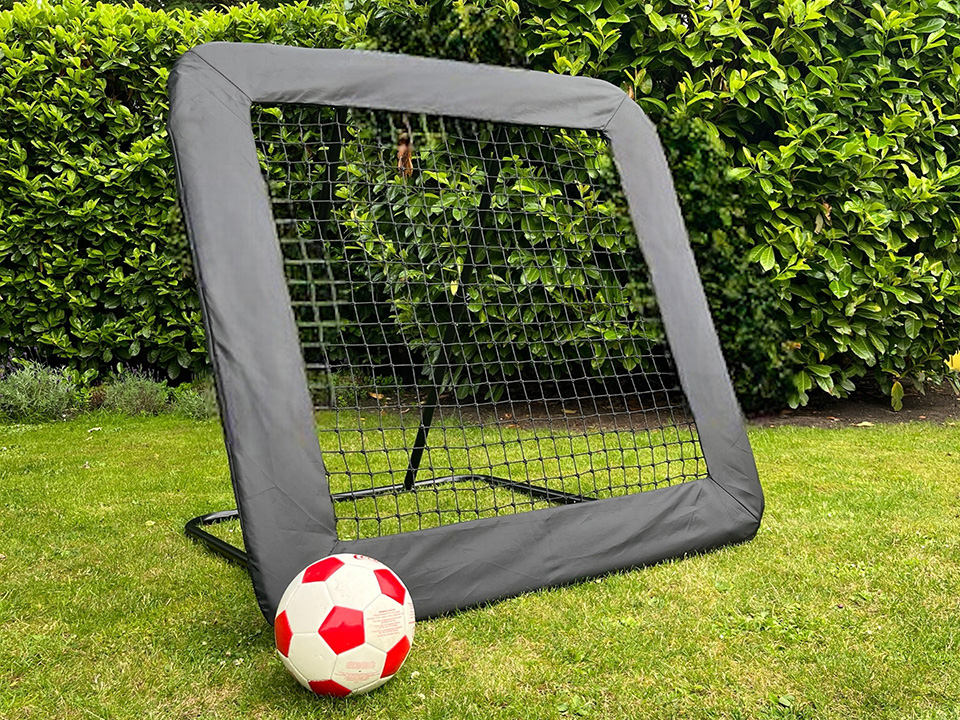
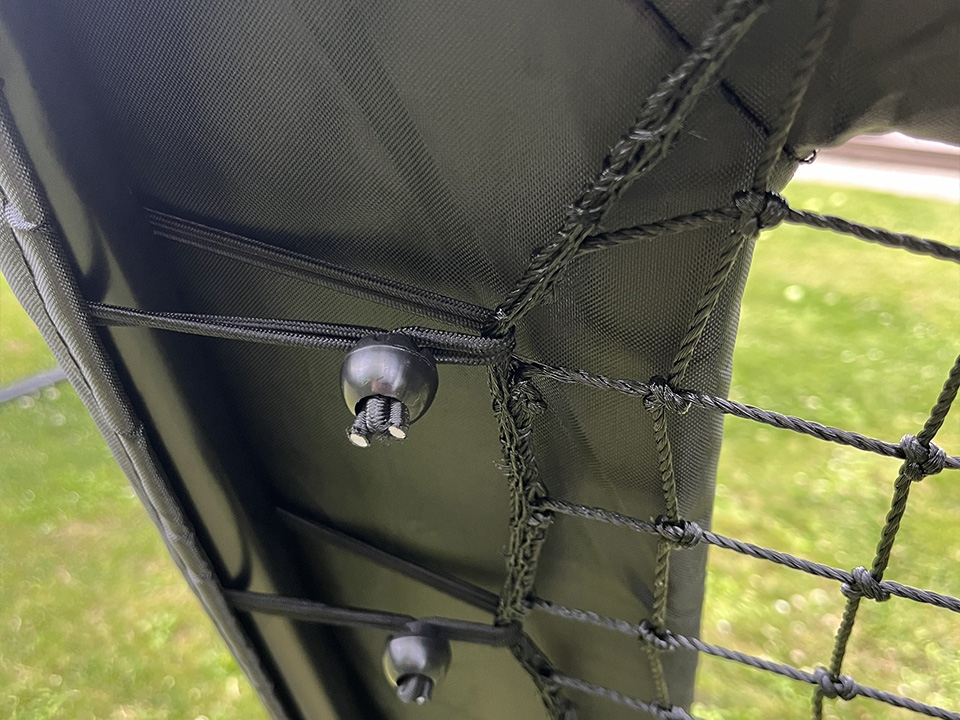
- heavy-duty steel frame
- weather-resistant coating
- tight, UV-resistant mesh
- solid ground stakes or weighted bases
Think about a full-time academy or club:
- multiple sessions per day
- keepers smashing balls
- outfield players hammering first-time strikes
That sort of environment suits a robust build like the portable soccer rebounder net for training with dual targets. Dual targets keep sessions sharp, and the steel frame deals with the abuse.
For B2B customers and OEM brands, frame strength is also about returns and complaints. A flimsy frame comes back fast. A reinforced one quietly survives season after season in schools, academies, and backyards.
Angle Adjustment And Ball Return Speed For Match-Like Rhythm
This is where you shift from “simple wall” to smart training tool.
Look for:
- multiple angle settings
- adjustable tension or mesh position
- clear change in ball path when you change angle
Real-world use:
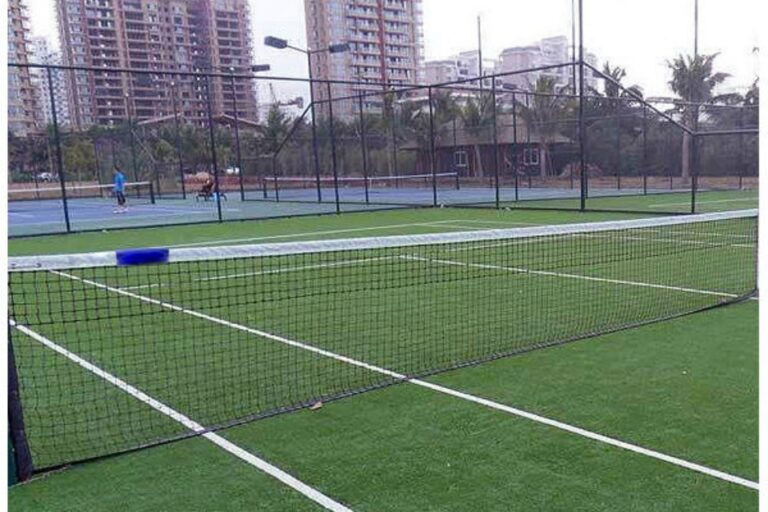
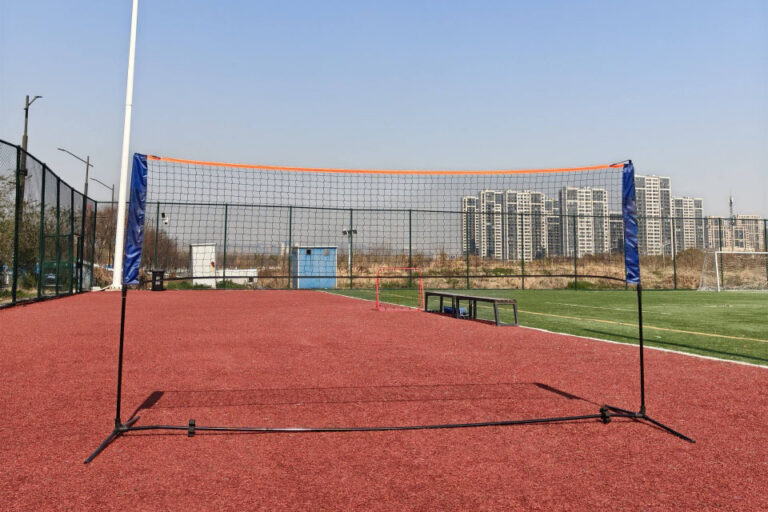
- A professional 12×6 tennis rebounder net with adjustable frame lets coaches dial in flat returns for baseline rhythm, then switch to higher angles to simulate heavy topspin.
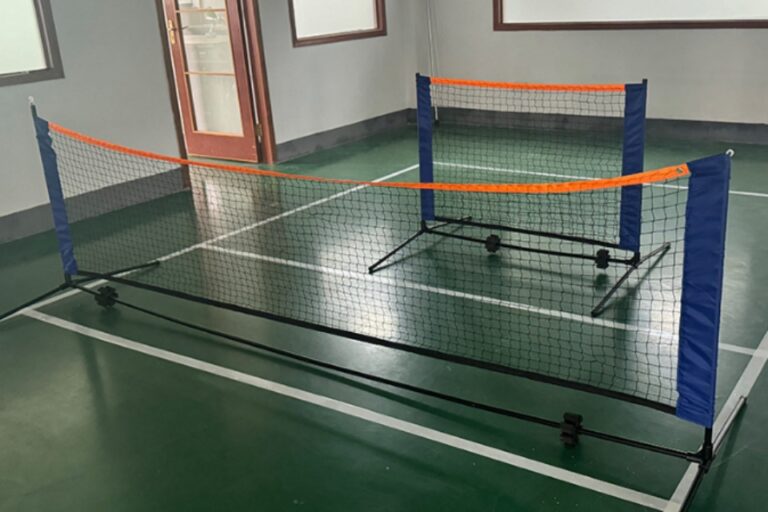
- An adjustable tennis rebounder net for indoor outdoor practice works both in clubs and driveways, so the same SKU fits pro drills and casual players.
For team loads, angle control lets you choose:
- low, quick returns for short, reactive footwork
- higher arcs for jump-heavy patterns
- mixed angles for “chaos” drills that still sit within a safe load bracket
Portability And Setup Time For Busy Training Schedules
If setup takes forever, the rebounder lives in the storage room.
You want:
- one-coach assembly
- clear parts, smart color coding
- slim folding profile and carry bag
A kit like the portable sports rebounder net kit with poles, stakes and bag drops straight into this use case. Private trainers, school coaches, and traveling clinics need to be in and out of a field fast.
For your weekly plan, fast setup means:
- more drill blocks in a single session
- smoother flow between stations
- easier load control when you shift from low to high intensity drills on the fly
How To Match Rebounder Drills With GPS And Training Load Data
You don’t need a sports science degree. A simple framework works.
- Tag each drill by load band
- Low: standing tech work, no big moves
- Medium: short shifts, light accelerations
- High: repeated changes of direction, jumps, sprints to and from the net
- Build a small “menu” of rebounder drills Example for soccer:
- Low: one-touch wall passing at walking pace
- Medium: two-touch passes then check away 3–4m
- High: pass, sprint around a cone, receive, volley, repeat
- Match to your weekly microcycle
- MD-3 / MD-4: more medium and high blocks
- MD-1: mainly low and short medium blocks
- Recovery day: low load, high touches, simple angles
- Use simple tracking Even if you only look at session RPE and total minutes in each drill, you’ll see patterns. Then you can tweak:
- fewer high-load sets on congested weeks
- more low/medium sets for technical rebuild phases
Practical Multi-Sport Rebounder Scenarios For Coaches
You don’t need one frame for every sport. A smart spec covers several programs.
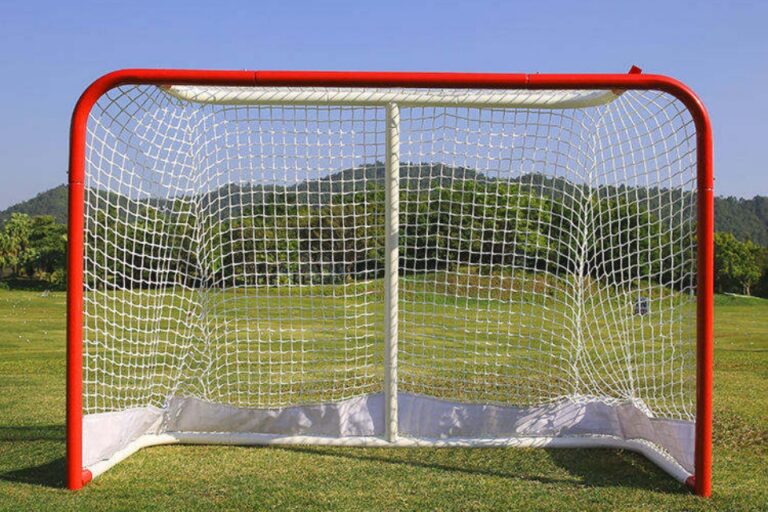
- Soccer squads Use the adjustable steel soccer rebounder net with target zone frame when you want long-term durability plus visual targets. Pair it with rondos or finishing ladders to bump first-touch quality while keeping loads honest.
- Tennis clubs and academies Mix the adjustable tennis rebounder net for indoor outdoor practice for junior groups and the professional 12×6 tennis rebounder net with adjustable frame for performance squads. Same brand, different load profile.
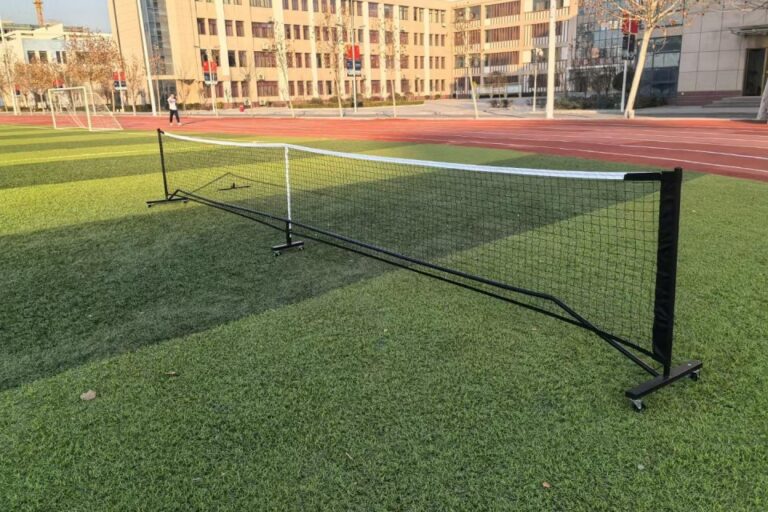
- Pickleball programs A unit like the adjustable pickleball rebounder net with 5 target zones gives coaches a clean way to work dinks, drives, and resets. Target zones help players focus without you shouting every rep.
- Lacrosse and stick sports The professional lacrosse rebounder net with target frame design and pro lacrosse rebounder training net with adjustable target zone hit both youth and elite programs. You push catch-and-shoot volume but keep footwork and contact pattern under control.
- Multi-sport schools and facilities Plug in a professional multi-target rebounder net with 5 accuracy zones as a “universal wall.” Soccer, handball, rugby passing, even PE classes can share the same piece of hardware.
For all these setups, the idea stays simple: use rebounders to create repeatable, trackable movement patterns that sit right where you want on the load spectrum.
Buying Rebounders In Bulk For Clubs, Retailers, And OEM Brands
If you’re not just a coach but also a buyer, distributor, or OEM brand, you care about more than one team’s workload.
When you look at a manufacturer like FSPORTS, focus on a few business levers:
- Custom spec and OEM/ODM
- custom sizes and steel gauge
- brand colors, logo prints, packaging
- sport-specific tweaks for soccer, tennis, pickleball, lacrosse
- Volume and consistency You want the first container and the fifth container to feel the same on field. That’s how you protect your brand and keep B2B clients happy.
- Netting expertise FSPORTS builds UV-resistant, high-impact nets for golf ranges, stadium backstops, and training grounds, not just small backyard toys. The same know-how flows into rebounders for pro environments.
- Lifetime and after-sales Spare nets, replacement parts, clear setup guides. That’s what keeps clubs, schools, and e-commerce customers coming back.
When you line up training-load thinking with smart hardware choices and a solid netting partner, rebounders stop being “nice to have.” They become a reliable tool for sharper sessions, safer squads, and better business.