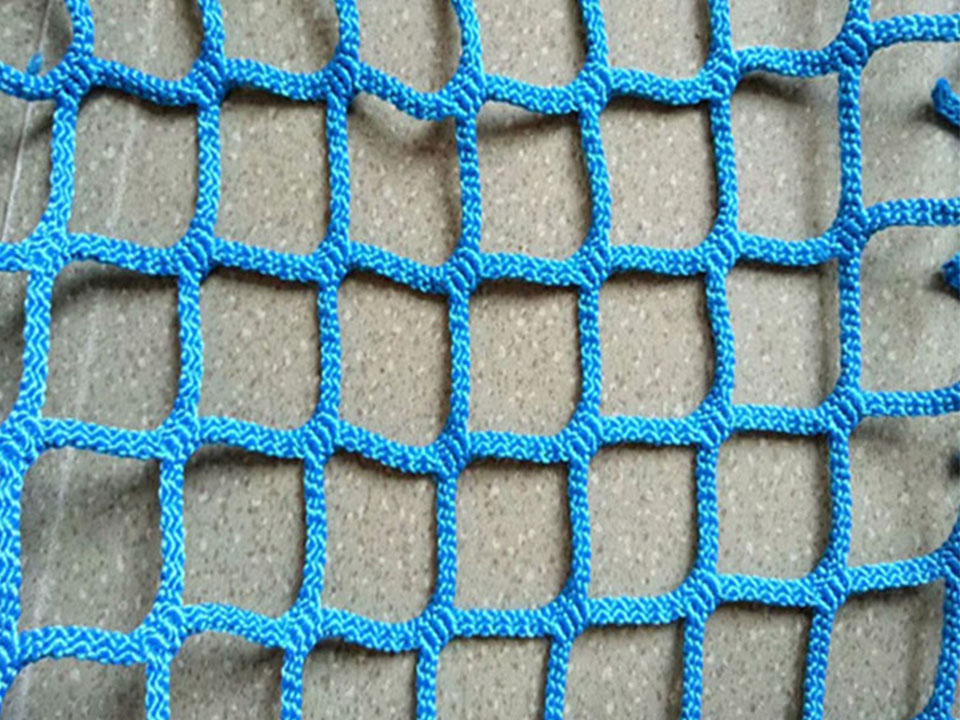
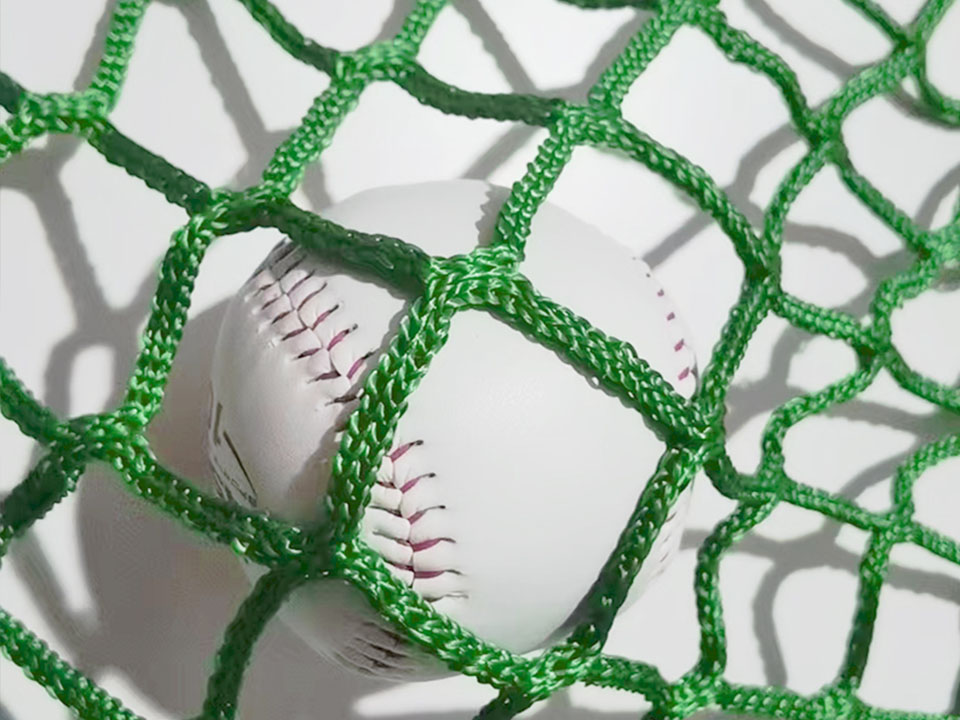
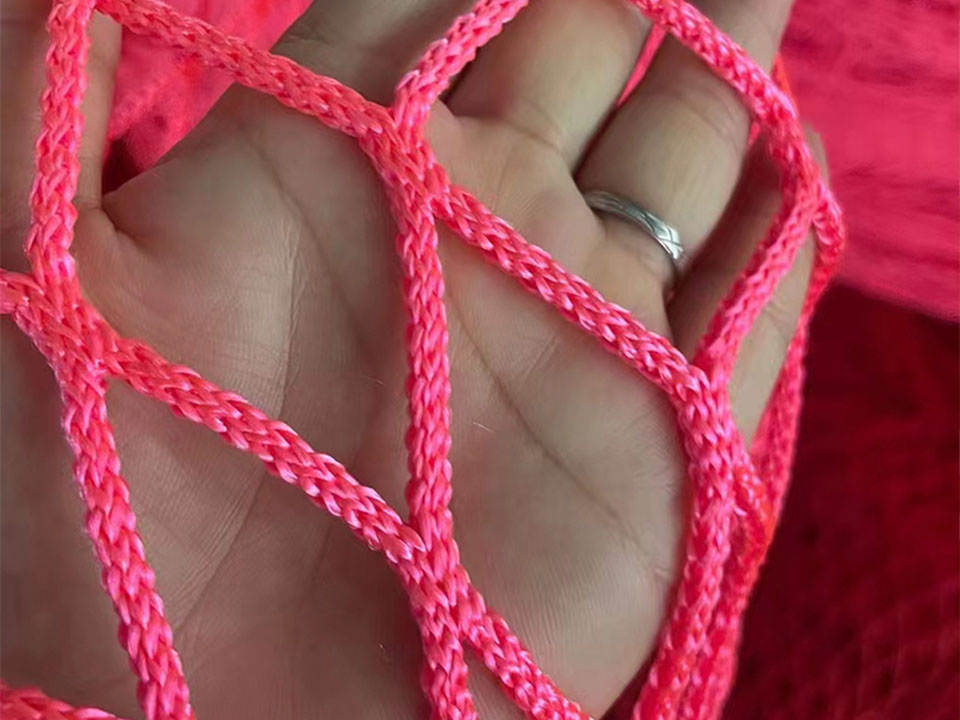
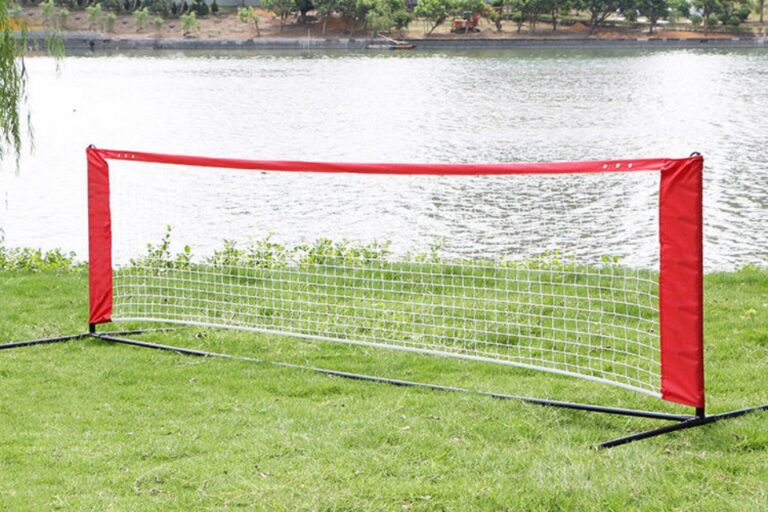
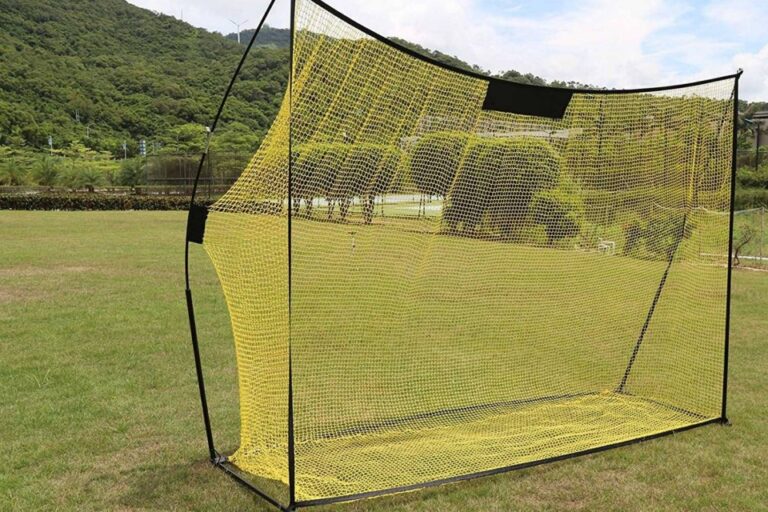
スポーツネットを大量に購入する場合、「1平方フィートあたりのコスト」は誰もが口にする言葉だ。ある見積書には “#42ナイロン、1-3/4インチ・メッシュ ”と書いてあり、別の見積書には “HDPE、2インチ・メッシュ、ノット ”と書いてある場合に、リンゴとリンゴを比較する方法だ。“
前置きが長くなった:私は 違う ここに正確な価格を記すつもりはない。ネット価格は仕様、数量、運賃、仕上げによって変動する。そのかわり、以下のようなクリーンな方法を手に入れることができる。 タイプ別ランクコスト, さらに、見積もりを上下させるスペック・レバーもある。.
FSPORTSは 中国の優れたスポーツの網の製造業者 中心 カスタム、バルク卸売、OEM / ODM. .小売業者、流通業者、あるいはプライベート・ブランドであれば、見積もりとのギャップ、ボールのメッシュの間違い、紫外線によるクレーム、取り付け時の頭痛の種など、バイヤーの悩みの種にお気づきでしょう。このガイドは、このような問題を回避するのに役立ちます。.
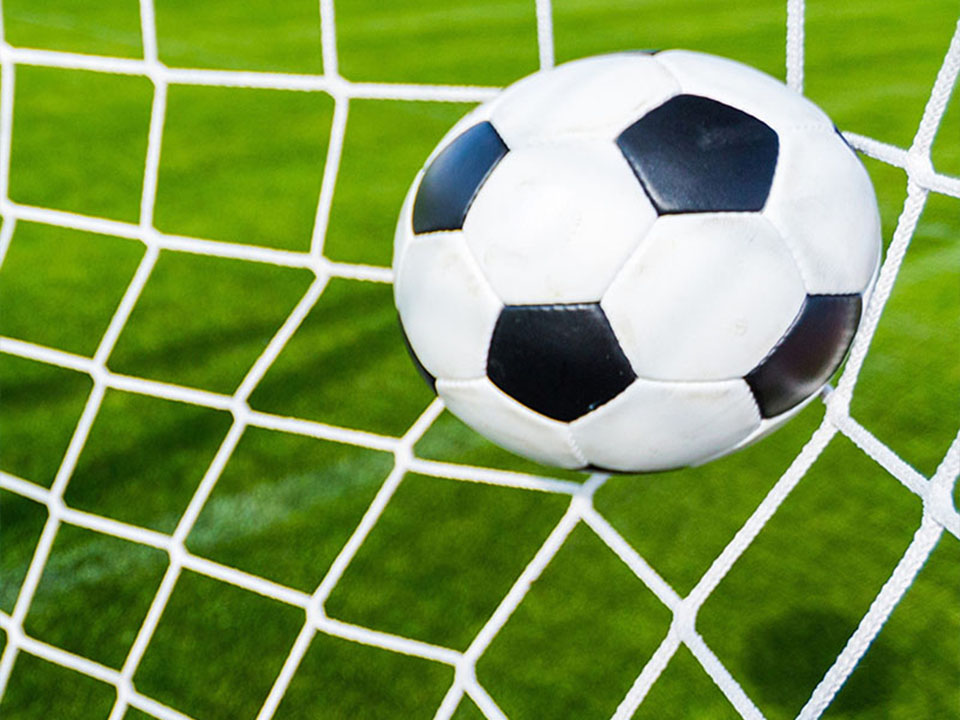
ナイロンは多くのトレーニングや封じ込めに使用されている。繰り返しの衝撃によく耐え、柔軟性を保つため、バイヤーに好まれています。ゴルフ・バリア・ネット、ケージ・パネル、マルチスポーツ・ディバイダーなどに使用されています。.
議論だ: 厚くて丈夫なナイロン製にステップアップすると、1平方フィートあたりの単価は上昇する。. なぜそうなるのか: より多くの糸、より高い破断強度、より重い仕上がり重量、そしてしばしばより高価な縁取り作業。.
出典はこちら: これは、公表されているサプライヤー価格表と、2025-2026年のネット見積もりで使用されたRFQパターンを照合した結果である。.
現実の世界で感じるところ:
- 気軽なバックヤードネットは寛容だ。.
- 高速ショットを一日中打ち続ける業務用ティーラインは、より高い安全係数を必要とし、材料費もそれに従う。.
顧客からきれいですぐに吊り下げられるキットを求められた場合、ナイロンはフック、バンジー、周囲ロープなどの金具とも相性がよい。ゴルフ・コンテインメント・セットアップには、以下のようなFSPORTSのオプションをご覧ください。 フックとバンジーコード付き耐久性ナイロン製ゴルフ用バリアネット

HDPEは丈夫で安定性があり、UV添加剤もよく効くため、屋外のあらゆる場所で使用されている。多くのバイヤーが、日差しや天候が最もダメージを与えるロングラン用にHDPEを選んでいる。.
HDPEは同様の強度でしばしばナイロン以下の価格
議論だ: 同程度の性能目標であれば、HDPEはナイロンよりも低コストの層に入ることが多い。. なぜそうなるのか: 材料の経済性と、HDPEが屋外バリア用として一般的にどのように指定されているか。.
出典はこちら: 公表されているサプライヤー価格表と一括見積もり比較に基づく(2025-2026年)。.
バイヤーの近道 仕事のほとんどが 日射、風荷重、長期暴露, HDPEはよりスマートな仕様と言える。仕事が 至近距離からの強烈な連射, しかし、ナイロンはフィーリングと耐疲労性ではまだ勝てる。.
メッシュの形状は見た目を変えるだけではない。ネットの伸び方、衝撃時の負荷のかかり方、そして製造方法が変わるのだ。.
正方形のメッシュは通常、同じスペックのダイヤモンド・メッシュより高い
議論だ: 同じ麻ひもとメッシュの開口部の場合、, 正方形メッシュ よりも高い。 ダイヤモンドメッシュ. なぜそうなるのか: 製造と仕上げの違い、さらに特定のスポーツにおける需要パターン。.
出典はこちら: 野球用ネットパネルと特注品(2025-2026年)の複数の業者の価格表から算出。.
代理店の顧客に何を伝えるべきか
- コストを抑えつつ性能の高いパネルが必要な場合は、ダイヤモンドメッシュが選ばれることが多い。.
- 特定の外観、アライメント、反発挙動を求めるのであれば、正方形のメッシュが割高であることを正当化できるかもしれない。.
ダイニーマ・タイプのファイバーは「プロ仕様」のレーンに位置する。バイヤーは通常、失敗が許されないハイリスク・ゾーン用にこのファイバーを確保する。.
ダイニーマ、プロ・バックストップ・ゾーンのプレミアム・ティアに座る
議論だ: ダイニーマのバックストップ・ネットは通常、標準的なナイロン/HDPEに比べて割高な部類に入る。. なぜそうなるのか: ファイバーコスト、パフォーマンスウェイトレシオ、そしてスタジアムスタイルで求められるスペック。.
出典はこちら: サプライヤーの「プログレードのバックストップ」価格ガイダンスとRFQ履歴(2025-2026年)に基づく。.
理にかなっているところ
- 常に高速の衝撃を受けるバックストップエリア
- 軽量で高性能なネットを求める施設
- 責任が厳しく、耐用年数が長いプロジェクト
メッシュの大きさは、バイヤーが火傷するところである。最初のボールがすり抜けるまで、見積もりは素晴らしく見える。.
メッシュの開口部が小さいとコストは上がるが、ボールが逃げるリスクは減る
議論だ: メッシュの開口部が小さいと、1平方フィートあたりのコストは高くなりがちだが、「ボールが逃げる」リスクを減らすことができる。. なぜそうなるのか: メッシュがきつくなると、通常、面積あたりの材料が多くなり、生産工程での作業量が増える。.
出典はこちら: 複数のサプライヤーによるメッシュベースの価格ラダーと、見積りに使用される典型的なネット計算機に基づいている。.
実践的なルール: ゾーン内の最小のボールにメッシュを指定する。推測は禁物だ。観客、車、ガラス、近隣住民を守るのであれば、「ほぼ正解」は高くつく。.
スポーツ・ネット・システム導入コスト要因
材料は一切れに過ぎない。正味コストだけに注目するバイヤーは、結局、インストール時にスコープクリープを起こすことになる。.
支柱、ケーブル・ラン、設置方法が、材料以外の総予算を押し上げる
議論だ: ポール、ケーブルの引き回し、アンカー、設置方法などは、通常、ネットそのものよりも実際のプロジェクトの予算を大きく左右する。. なぜそうなるのか: 高さ、スパンの長さ、金物、敷地へのアクセス、風荷重、労働の複雑さなど、すべてが急速に積み重なっていく。.
出典はこちら: 一般的な施工業者の見積もりフレームワークおよびスタジアム/バックストップシステムの予算ガイダンスに基づく。.
調達のヒント エッジロープ、グロメットの間隔、ヘッダーケーブル、テンションプラン、予備の補修パネルなど。そうすることで、「金具を忘れた」という揉め事を防ぐことができる。.
| ネットタイプ キーワード | 典型的なコスト・ティア | 一般的なユースケースのキーワード | 価格を動かすスペック・レバー | 論拠 |
|---|
| ナイロンスポーツネット | ミッド~プレミアム | バッティング・ケージ、ゴルフ・インパクト・ゾーン、トレーニング・ディバイダー | 撚り糸のサイズ、結び目なしと結び目ありの比較、エッジ・バインディング、UV加工 | サプライヤー価格表+RFQパターン |
| HDPEスポーツネット | 予算~中間 | 屋外バリアネット、長いフェンスライン封じ込め | UVパッケージ、ツインビルド、耐候性仕上げ | サプライヤー価格表+RFQパターン |
| 正方形メッシュネット | ミッド~プレミアム | 野球パネル、施設仕切り、特注ネット | メッシュ形状、パネル仕上げ、シーム加工 | ベンダー・パネル価格表 |
| ダイヤモンド・メッシュ・ネット | 予算~中間 | 野球封じ込め、マルチスポーツゾーン | メッシュ形状、標準化 | ベンダー・パネル価格表 |
| ダイニーマ・バックスタップ・ネット | プレミアム | スタジアム・バックスタンド、高速インパクトゾーン | ファイバーチョイス、強度目標、カスタムリギング | プログレード・ガイダンス |
| 小さな網 | ミッド~プレミアム | セーフティネット、スモールボール封じ | メッシュ開口部、仕上がり重量 | メッシュ・ラダーの比較 |
スポーツネットの使用例とスペック・ショートカット
ゴルフ・レンジ・バリア・ネット
ゴルフ練習場の見積もりをする場合、バイヤーは通常3つのことを気にする: 紫外線寿命, ウインドサグ, そして ショット封じ込め. .HDPEは長い外周を走るのに適している。.
すぐに設置できるキットや小売店向けのキットには、次のような製品スタイルのソリューションを紹介します。 プロ用ゴルフケージ・ネット(屋内・屋外用
ゴルフ・シミュレーター・エンクロージャーとインパクト・スクリーン
室内用には、反発のコントロール、騒音、狭いクリアランスといった新たな “難題 ”が加わる。バイヤーはしばしば、きれいな縫製ライン、安定したテンション、予測可能なストライクゾーンを求める。.
このシナリオの参考スタイルは プロ用ゴルフシミュレーター
野球のバッティングケージのネット
ここで、「ひもサイズ」と「メッシュ開口部」が理論的でなくなる。ケージがチーム施設に置かれている場合、ボールの摩耗、縫い目のストレス、フレームの擦れなど、常に酷使されている。.
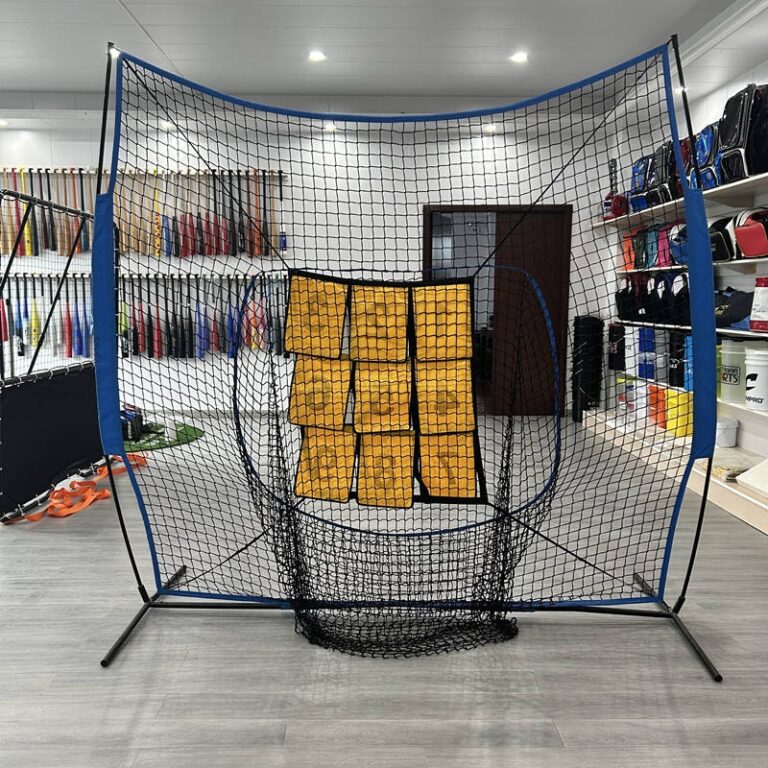
ケージに焦点を当てたSKUの例については、以下を参照のこと。 ソフトボールの野球のバッティング ケージのネットの頑丈な PE
ラクロス用バックネット
ラクロスのショットはスピードがあり、繰り返し衝撃を与えるため、多くのフィールドではゴール裏を広くカバーする必要があります。バイヤーはまた、安定したフレームときれいなアンカリングを求めている。.
シナリオマッチとは 頑丈なラクロス用バックストップネット。
レギュレーション・ネット・システムとコート・ディバイダー
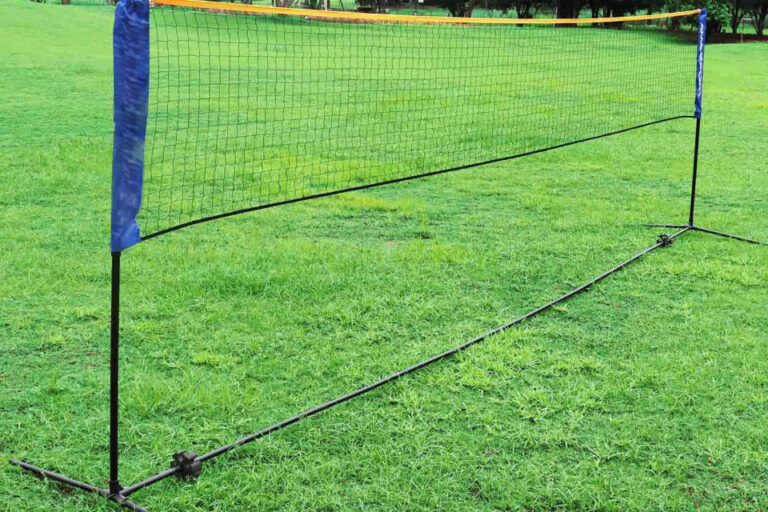
ピックルボールのバイヤーは、素早くセットアップができ、安定した支柱があり、常にいじくり回さなくてもラインのテンションが保たれるネットを求めることが多い。クラブやEコマース・チャンネルに販売する場合は、携帯性が重要です。.
規定サイズの例では 携帯用ピックルボールの網 22ft の規定のサイズのピックルボールの網
ジム・トレーニングセンター用マルチスポーツ仕切りネット
スポーツとスポーツの間を行き来する施設では、スペックの話題は可動性、耐久性、迅速な再構成に移る。バイヤーはまた、キャスター、ベースの安定性、素早いテンション調整にも注意を払う。.
関連する製品キーワードの一致は 調節可能なマルチスポーツネット、ローリングベースとキャスター付き
バルク卸売バイヤーのために網を張るOEM/ODMのスポーツ
小売、流通、プライベートブランド向けに調達する場合、「平方フィートあたり」の問題は第一段階に過ぎない。ロット間の一貫性も必要だ。.
- OEM/ODM仕様のロック: メッシュ開口部の許容誤差、撚り、ネットの深さ、シーム方法、ラベリング
- バルクに適したパッケージ: カートンの最適化、バーコードセット、インサートカード、ドロップシップ・セーフ・パッキング
- バイヤーが理解できるQC言語: UV耐性の期待値、衝撃性能の目標値、縫製の検査ポイント
から始める。 FSPORTSホームページ をブラウズする。 製品カタログ でSKU計画を作成する。そして、上記のスペック・レバーを中心にRFQを作成する。そうすることで、レビューや返品を台無しにする「同名異ネット」問題を避けることができる。.