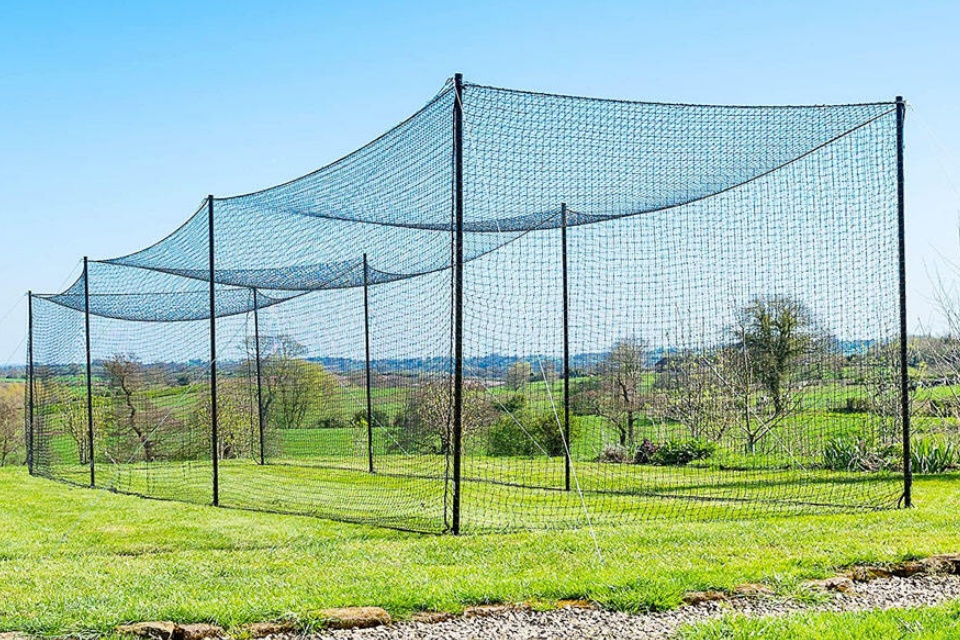
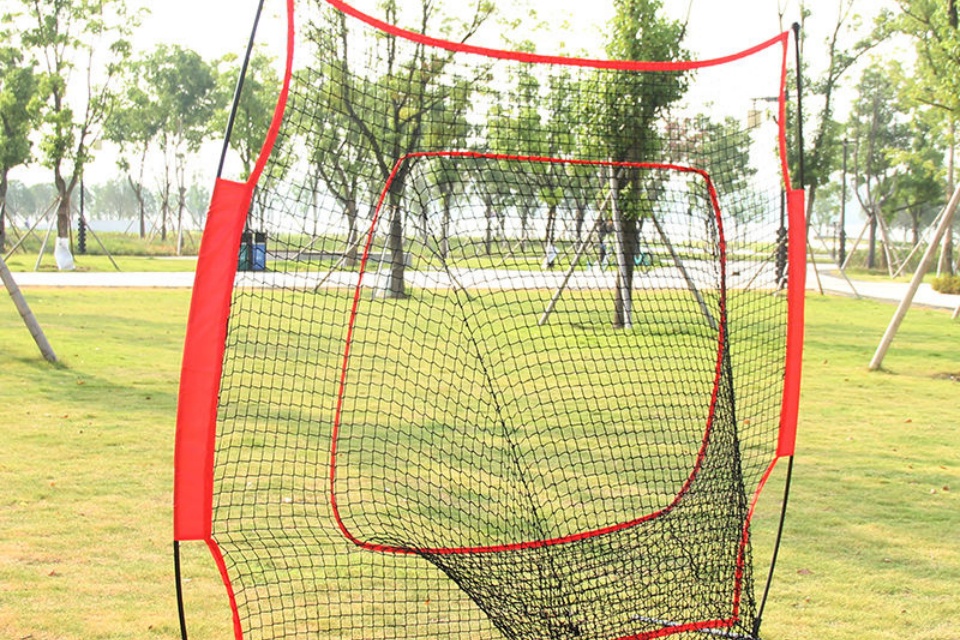
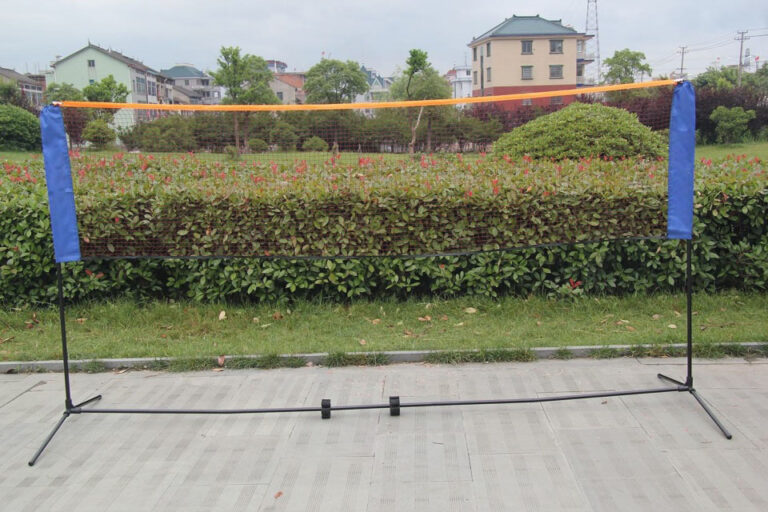
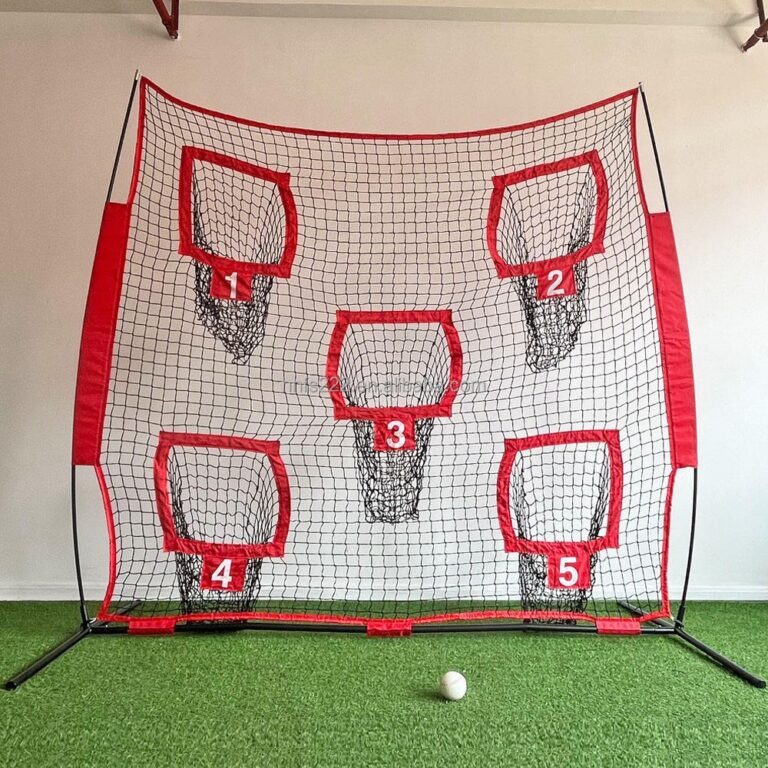
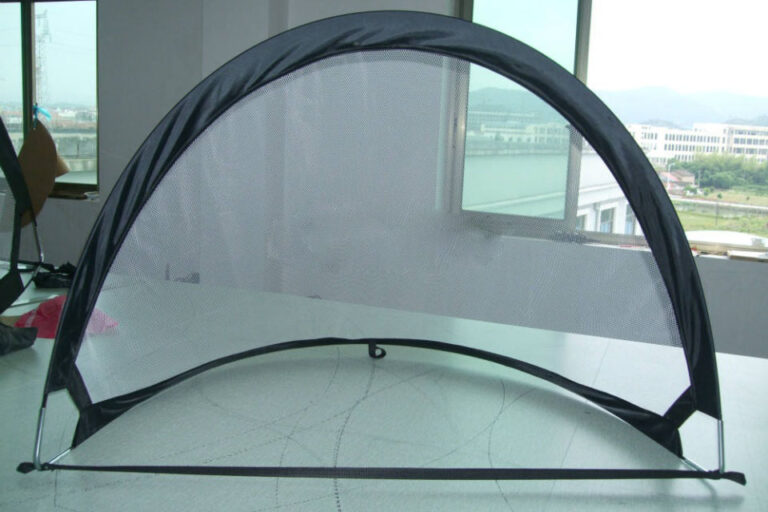
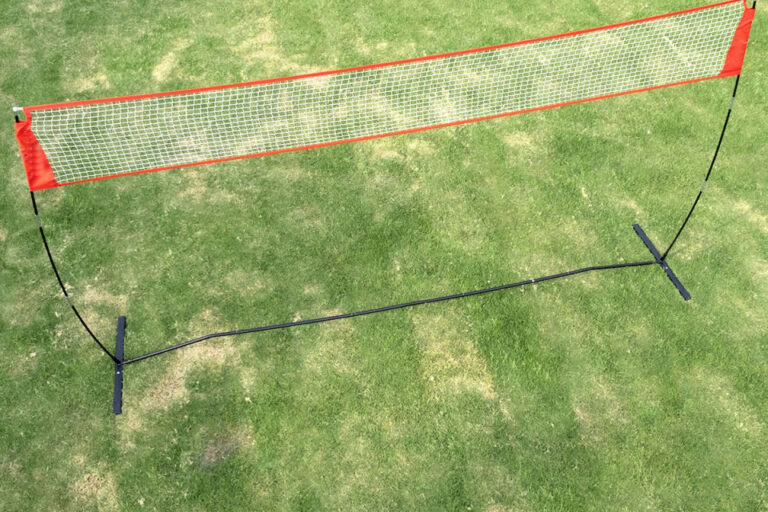
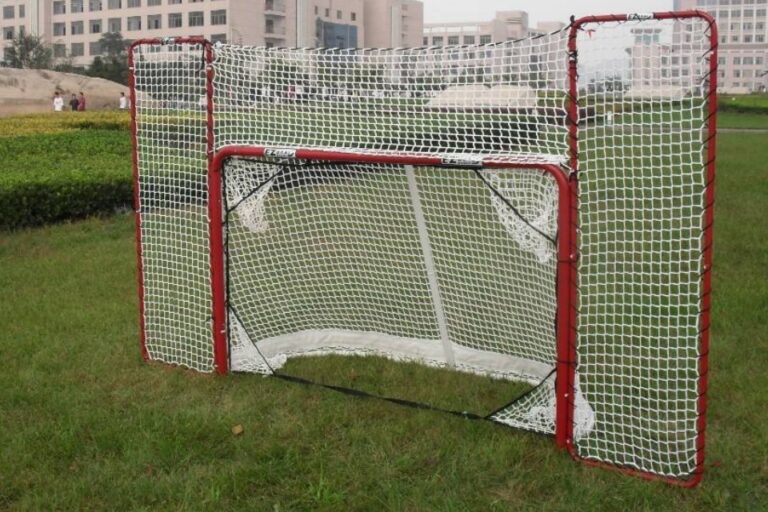
Tell us what you want to develop. FSPORTS supports OEM/ODM, private label, and custom sports netting projects based on your existing product, drawing, sample, photo, or application requirement.
Share the product type, dimensions, target quantity, destination, and any known mesh, material, frame, hardware, logo, or packaging requirements. If your specification is not complete yet, send what you have and we can review the remaining details before quotation.
That’s not theory, and it’s definitely not brochure copy; it’s what I keep seeing after the pretty install photos are forgotten, after the crew is gone, after the facility manager is standing under a sagging run with a clipboard, a frayed border rope, three snapped hog rings, and a repair budget nobody wanted to approve in the first place. Happens a lot.
But people still buy netting like they’re buying carpet.
I frankly believe that’s the original sin in this category. Buyers obsess over panel size, twine thickness, color, maybe even knot style if they’re feeling serious, and then they completely whiff on the thing that actually bites later: labor drag, shut-down windows, lift access, cable tension drift, UV cook-off, and whether one ugly damaged corner means a 20-minute swap or a half-day mess. That’s the real fight. Not the sample swatch.
So, yes, continuous mesh vs modular panels sounds neat and technical. It isn’t. It’s a maintenance argument wearing an installation hat.
Continuous Mesh Vs Modular Panels: The Real Trade-Off
Here’s the ugly truth: continuous mesh gives you cleaner sightlines, fewer seam-related weak points, and a more uniform pull across the span, which usually means the finished system looks tighter and behaves better under repeated loading, while modular panels give you repair logic—real repair logic—because when one impact zone gets chewed up, you don’t always have to drop the whole field of netting. Different pain. Different bill.
And the timing matters. A lot.
The demand side of this industry has gotten weirdly aggressive. According to the 2024 State of Pickleball Report, SFIA said pickleball participation grew 51.8% from 2022 to 2023 そして 223.5% over three years, which helps explain why parks, clubs, schools, and developers are rushing orders and asking design questions later—sometimes much later. That’s how bad specs happen. Fast money. Faster mistakes.
And when public buyers do take the spec seriously, the language gets a lot less fluffy. In a 2024 Ogden City sports netting RFP, the city required UV-protected engineered netting, stamped drawings for wind and snow loads, a 20-foot minimum height, 95% open mesh area, 1.2 mm 4-ply twine, そして 58,445 psi minimum breaking strength for the specified Dyneema® UHMWPE system. That’s not decorative language. That’s a risk memo in procurement form.
Which should tell you something.
This isn’t “netting.” It’s light structural safety infrastructure.
Installation Reality and Cost Misconceptions
From my experience, if the site is permanent, highly visible, difficult to access, and expected to look sharp year after year, I lean toward continuous mesh netting. Pretty hard. If the site is a municipal beater—public park, school, shared-use training zone, vandalism magnet, repeat impact area—modular is often the smarter adult choice even if it looks a little more pieced together. I know, I know. Not as sexy.
Still true.
A lot of people assume continuous mesh installation is automatically the pricey move, and sometimes it is, but that assumption is lazy because it ignores how cost actually leaks out in the field: more panel edges, more clip points, more lacing, more cable terminations, more alignment drift, more “close enough” adjustments, and more future service checks. That stuff doesn’t look expensive on a quote. Then it quietly fattens the invoice later.
And I’ve seen this movie before.
One-piece systems—especially over long, clean spans—often end up feeling less noisy in every sense: visually quieter, mechanically cleaner, easier to tension consistently, and less likely to advertise their own compromises. That matters more than people admit. If you’re comparing applications, I’d look at actual outdoor sports net systems beside sport-specific categories like golf barrier net products そして 野球ネットシステム, because a golf cage that sees repetitive ball strikes in predictable bays doesn’t age the same way a baseball barrier or multi-use perimeter net does. Not even close.
Weathering, UV Exposure, and Material Aging
Yet weather is where a lot of bad sales talk goes to die.
NOAA’s archive of the 2024 UNEP Environmental Effects Assessment Panel update states that solar UV radiation decreases the durability of plastic materials, which matters directly for outdoor PE, HDPE, nylon, and UHMWPE net assemblies exposed year-round to sun, moisture, and heat cycling. So when I hear a supplier brag about mesh count and breaking strength but go thin—suspiciously thin—on UV stabilization, coatings, or weathering performance, I start assuming the pretty sample won’t survive an honest summer.
That’s the part people skip.
They ask whether it’s knotless. They should be asking how it ages.
Single-Piece Mesh Vs Sectional Panels in Practice
So let’s stop pretending the single-piece mesh vs sectional panels question is abstract. It’s not. It’s brutally practical, and the answer usually shows up first in the service log, not on install day.
Continuous mesh gets you a cleaner field of view, fewer visible seams, more even load distribution when it’s fabricated correctly, and fewer seam/junction failure points begging for inspection. Modular panels get you smaller repair bites, easier staged replacements, better inventory logic when certain strike zones get hammered, and a much more forgiving response when one section takes abuse before the rest of the system does.
Neither option is magic.
And neither option is “best” without context, no matter how many times a sales sheet says otherwise. The best low-maintenance mesh panel system depends on where the punishment lands, how often someone actually inspects the install, how fast the operator needs repairs turned around, and whether downtime costs more than material. That’s it. That’s the whole trick.
The Hidden Maintenance Burden
I’ll say something people in this trade don’t love hearing: the cheapest net job isn’t the lowest number. It’s the least annoying number over time.
Because annoyance compounds. Fast.
If a facility manager can walk a continuous run, check tension, inspect the rope line, note abrasion at the hot spots, and move on, that’s manageable. If the same person has to babysit panel borders, tie-offs, clips, lacing junctions, and transition seams across a big installation, the maintenance calendar gets cluttered—and clutter is where repairs go to rot. Then a tiny seam issue becomes a full replacement issue. You know how that goes.
Liability and Safety Exposure
And yes, there’s a liability shadow hanging over all of this.
In a 2016 Reuters report on MLB netting litigation, a federal judge dismissed a suit seeking more extensive fan protection on standing grounds, but Reuters also reported that the judge said spectator injuries in the modern era can be more severe than in the past. That doesn’t settle every design question, obviously, but it does underline the obvious point some operators still duck: when a barrier system is part of your visible safety package, failure isn’t a cosmetic problem. It’s exposure. Legal, operational, reputational—all of it.
Continuous Mesh Vs Panel System Comparison Table
Here’s how I usually frame the continuous mesh vs panel system choice when the room is full of people who actually have to live with the result:
ファクター
Continuous Mesh
Modular Panels
Installation layout
Harder to handle on large spans, but fewer alignment decisions once rigging starts
Easier to stage in pieces, but more alignment, more connection points, more edge management
Aesthetics
Cleaner sightlines, fewer visible seams, more premium look
More visible seams and section lines, especially on large barriers
Tension behavior
More uniform across a well-designed span
Depends heavily on border strength, clips, and panel-to-panel consistency
Maintenance pattern
Fewer seam-related service points, but bigger repair events
More frequent small checks, but easier sectional replacement
Damage response
Bad when damage is isolated; replacing one damaged zone can be expensive
Strong option for repeated localized hits and vandalism
Downtime
Can be longer if a large section must come down
Usually shorter for targeted repairs
最良の使用例
Premium clubs, clean perimeter barriers, golf cages, large continuous backstops
Schools, parks, municipal sites, high-impact zones, phased replacements
Hidden cost risk
Higher when one small failure forces a large swap
Higher when connection hardware and seam labor accumulate over time
Modular Panel Replacement: What Most Buyers Miss
Now for the part almost nobody explains well: replacement of damaged modular panels only pays off when the panel map matches the abuse map. If your fabricator chopped the layout based on manufacturing convenience instead of strike frequency, rebound pattern, or likely vandalism zones, congrats—you’ve built a replacement system that replaces the wrong things. That’s not modular intelligence. That’s modular theater.
Smart modular design is more surgical than people think.
More planning, too.
Matching System Type to Facility Use
High-use, mixed-use facilities are where this shows up fast. A ポータブルピックルボールネットシステム has a completely different service rhythm than a permanent golf barrier or baseball containment install. Portable and semi-portable setups reward quick component swaps. Permanent perimeter systems usually reward fewer joints, better tension continuity, and less hardware clutter. Different jobs. Different logic.
“But modular is easier to install.”
Sure. Sometimes.
But not automatically, and definitely not universally. If the site has weird access, phased construction, column interruptions, or a crew that can’t safely stage a one-piece drop, modular can save the day. I won’t argue that. But on straightforward spans? I’ve seen modular create more nuisance than value—more borders, more clips, more measuring tolerance issues, more opportunities for the final product to look just a little off. And “a little off” is exactly how premium projects start looking cheap.
How to Think About Continuous Mesh Installation
That’s why I don’t like generic advice here.
Anyone searching how to install continuous mesh panels is usually asking the wrong thing in the wrong way. The real question is whether the installer can stage, hoist, tension, and anchor a full-span mesh with enough competence to account for wind load, sag control, edge reinforcement, support cable behavior, and future service access. If the answer is murky, your issue isn’t continuous mesh. Your issue is the install team.
Why Supplier Transparency Matters
That’s also why I pay attention to whether a supplier is willing to show its work. A company that lets buyers see how fabrication actually happens through a 工場見学 and lays out field support through its ネッティング・サービス page usually has more credibility, at least in my book, than the ones hiding behind polished product names and generic “heavy-duty” claims that could mean almost anything.
Which System Should You Actually Choose?
So which one should you buy?
Annoyingly, it depends. But not in the vague consultant way.
Choose continuous mesh when the project is permanent, highly visible, clean-lined, and difficult to service later; when you care about premium aesthetics; when seam reduction matters; and when localized damage is unlikely to dominate the wear pattern. Choose modular panels when impact is concentrated, damage is predictable, maintenance crews need sectional access, or future reconfiguration is likely. That’s the real fork in the road.
If I’m advising a school district, municipal operator, or high-abuse public-use site, I’ll often take a properly zoned modular layout over a beautiful one-piece span that becomes a budget fight the first time a single section gets wrecked. But if I’m looking at a premium club, long golf barrier, baseball perimeter system, or a visible multi-sport installation where appearance and tension continuity matter, I still think continuous mesh is usually the better call.
Because seams age.
And budgets remember.
よくある質問
What is the difference between continuous mesh and modular panels?
Continuous mesh is a single uninterrupted net span, while modular panels divide the same coverage area into smaller replaceable sections connected by borders, clips, or cable attachments; the first reduces seam-related weak points and improves sightlines, and the second improves repair flexibility when damage is isolated. Put more bluntly, continuous mesh is cleaner and quieter, while modular is easier to patch without turning one damaged spot into a whole-system headache.
Which option is easier to install: continuous mesh or modular panels?
Modular panels are usually easier to stage, transport, and lift into place because crews work in smaller sections, but continuous mesh can be faster overall on simple large spans because it reduces alignment steps, connection hardware, and seam-by-seam adjustment once the rigging plan is sound. On a messy site, modular often makes life easier. On a clean span, continuous can actually be less fussy.
Which system is cheaper to maintain over time?
Modular panels are generally cheaper to maintain when damage happens in predictable local areas, because operators can replace one section instead of removing an entire net field, while continuous mesh is cheaper to maintain when seam failures, connector checks, and frequent sectional repairs would otherwise dominate labor hours. Labor is the sneaky cost here. Not the fabric alone.
What is the best low-maintenance mesh panel system?
The best low-maintenance mesh panel system is the one whose failure points match the site’s real wear pattern, which usually means continuous mesh for premium long-span installations with low localized abuse, and modular panels for public or training-heavy sites where damage clusters in repeat impact zones. There isn’t a universal winner. There’s only the system that fits the abuse pattern you’re actually going to live with.
How do you replace damaged modular panels properly?
Replacing damaged modular panels means removing only the failed section, checking adjacent borders, connectors, clips, tension lines, and support cables for transferred stress, then installing a matching replacement panel with the same mesh size, twine specification, border construction, and tension profile so the repaired area does not become a new weak point. If you only swap the fabric and ignore the surrounding hardware, you’re not repairing the system—you’re just delaying the next callout.
結論
If you’re buying for a real-world install—not a showroom fantasy—start by comparing the right application types on the 製品 pages, then pressure-test the spec against service reality, and if you want someone to walk through the trade-offs before the wrong choice hardens into a purchase order, チームに連絡する.