Certification Timelines & Updates: Staying Current With Astm Standards
Paper kills deals.
I’ve seen a shipment look perfectly fine on the pallet, pass the eyeball test, satisfy the sales team, and still get jammed up because somebody in sourcing used the wrong ASTM edition, somebody in QA reused a stale report, and somebody else assumed the buyer would never notice the mismatch buried in the spec stack. They noticed. Fast.
And then? Silence. Expensive silence.
That’s the part people outside compliance never get. They think “ASTM certification” is one clean event—send sample, get report, move on. It isn’t. It’s a chain of custody problem with test methods, revision years, labeling language, BOM drift, and internal file control all rubbing against each other until something breaks. Usually at the worst time.
I frankly believe most compliance failures aren’t engineering failures first. They’re admin failures wearing steel-toe boots.
Also—small but important point—ASTM itself publishes standards. It does not magically certify your product for sale. Labs test. Buyers approve. Regulators enforce. Contracts weaponize the details. Miss that distinction and you’ll build your whole process on sand.
The real ASTM certification timeline is never just “send sample, get pass report”
Three weeks vanish.
Not in the lab, usually. In the handoffs. In the email loops. In the “Can you confirm which revision this report references?” message that lands at 6:12 p.m. on a Friday and suddenly turns your neat 6-week estimate into an 11-week slog with retests, redraws, and a buyer who’s starting to wonder whether you actually run a controlled process.
That’s how it goes.
When people search for ASTM certification timelines, what they’re really asking is this: how long until my product can move without somebody blocking the PO? From my experience, the answer lives in four buckets—edition check, gap review, sample prep, and testing—plus the part nobody budgets enough time for: corrective action after the first “almost pass.”
And that “almost” is poison.
Here’s the ugly truth: new certifications often do land in the 8–12 week zone, but only if the technical file is tight and nobody discovers halfway through that the RFQ cited one edition, the test request cited another, and the carton artwork was pulled from last year’s folder because “it should be basically the same.” It’s never basically the same.
| ステージ | What actually happens | Typical timeline | Where projects get stuck |
|---|---|---|---|
| Standards check | Confirm current ASTM edition, contract references, buyer-required clauses | 2–5 business days | Outdated internal spec sheets |
| Gap analysis | Compare design, materials, warnings, labeling, and test methods | 1–2 weeks | Engineering changes not reflected in documents |
| Sample prep | Build test samples, pre-check dimensions/materials/marking | 1–2 weeks | Wrong BOM, unapproved substitutions |
| Lab testing | Mechanical, material, safety, or performance testing | 2–4 weeks | Failed first test, lab backlog |
| Corrective action | Redesign, relabel, resubmit, retest | 1–3 weeks | Slow approvals, supplier delays |
| Buyer approval | Compliance file review and PO release | 1–2 weeks | Missing declarations, obsolete reports |
I don’t push teams to chase “fast” first. I push them to get their revision control house in order. Speed comes later. Maybe.

ASTM standards updates become painful when they stop being “voluntary”
This is where people get caught sleeping.
A standard sits quietly in committee work for months, maybe longer, and managers treat it like background noise—until that same standard gets pulled into mandatory requirements, buyer manuals, retail platform rules, or internal safety programs, and suddenly the old version in your file cabinet turns from harmless clutter into a live liability.
That happened in plain sight. In January 2024, the CPSC’s direct final rule allowed ASTM F963-23 to become the mandatory U.S. toy standard, effective April 20, 2024. That is not abstract committee chatter. That is a date on a calendar with teeth. (CPSC.GOV)
And the revisions don’t trickle in politely, either. In a 2024 CPSC briefing on button-cell battery hazards in toys, staff pointed out that ASTM F963 had already been revised five times since 2008 and argued that some toy provisions were still not strong enough for button-cell and coin-cell battery risk. That’s the nightmare scenario—passing yesterday’s version while tomorrow’s concern is already on paper. (CPSC.GOV)
Different sector, same movie: on EPA’s All Appropriate Inquiries page, the agency states that ASTM E1527-21 and E2247-23 are consistent with the final rule and can be used to satisfy statutory requirements for environmental site assessments tied to liability protection. That’s why edition years matter. Not because compliance people are pedantic—because legal exposure often rides on the exact version cited. (epa.gov)
And yes, I know what some teams say. “We already passed once.” Sure. Passed what, exactly?

The cost of obsolete ASTM specifications is usually hidden until it is expensive
The invoice comes later.
First you get confusion. Then rework. Then a buyer asks for the support pack and somebody realizes the report references an old method, the declaration references a newer one, and the packaging artwork still carries language from an earlier rev because no one bothered to reconcile the doc tree after engineering swapped a material or changed a component tolerance.
That’s not bad luck. That’s process debt.
I’ve seen this happen with surprisingly ordinary products. No sensational defect. No dramatic factory fire. Just stale specifications floating around different departments like bad ghosts—sales quoting one standard, QA using another, production building to a third. That’s how compliance drift really looks in the wild.
And regulators aren’t exactly getting softer. In FY 2024, CPSC staff completed 333 cooperative voluntary recalls. That number should sober up any team still treating revision tracking like back-office housekeeping. It isn’t housekeeping. It’s risk control. (CPSC.GOV)
Then there’s the marketplace angle. In July 2024, Reuters reported that the CPSC put responsibility on Amazon for hazardous third-party products sold through its platform, covering more than 400,000 items. I bring that up because the compliance net is widening—platforms, importers, sellers, factories, all of them are being pulled closer to the blast radius when hazardous goods stay live in commerce. Reuters’ report on the Amazon order makes the point pretty bluntly. (ロイター・ドット・コム)
So no, obsolete ASTM specifications aren’t a clerical issue. They’re margin leakage with paperwork attached.
What smart manufacturers do instead
They build discipline.
Not glamorous discipline, either. Boring discipline. The kind that keeps a live standards register, assigns one owner to track edition changes, freezes revision years into quotations and buyer specs, and forces every design tweak, label update, resin substitution, or hardware change through a fresh compliance check before the sample pack goes out the door.
That’s how grown-up operators work.
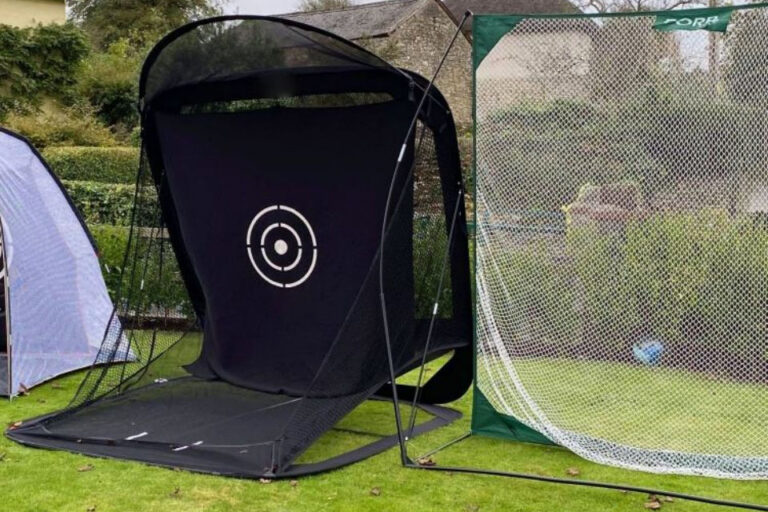
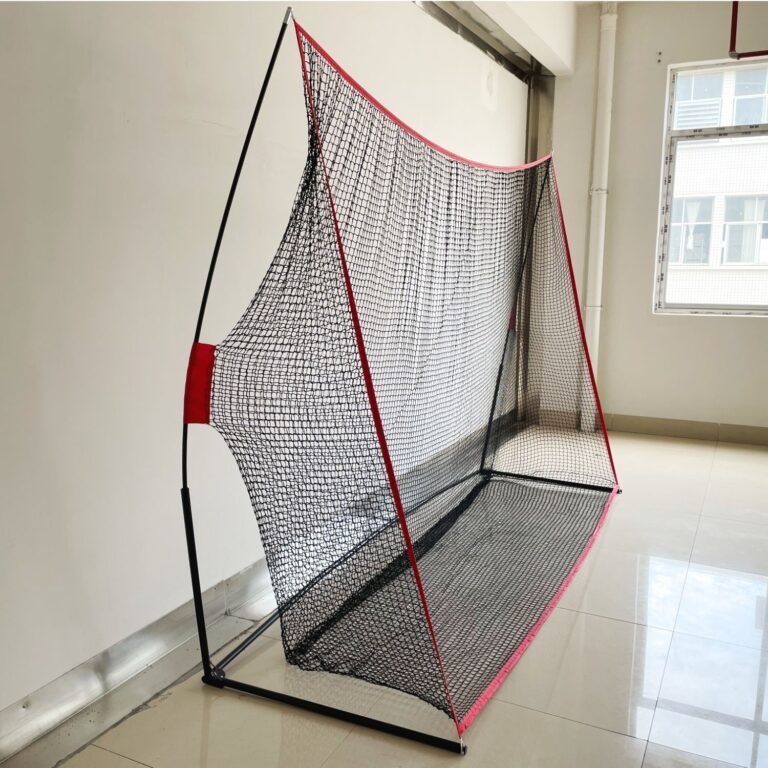
If you’re in sports equipment, the logic doesn’t change just because the SKU does. A company selling ネットシステム, サッカーゴール, あるいは マルチスポーツ用トレーニングネット still has the same back-end headache: spec control, test mapping, buyer requirement tracking, and preventing the technical file from turning into a junk drawer.
And buyers notice process. They do. More than many suppliers think.
That’s one reason pages like a 工場見学 そしてクリア OEM/ODM service capabilities actually matter. They’re not just marketing fluff (well, they shouldn’t be). They hint at whether the supplier can run ECNs, sample approvals, line changes, and document lock-down without turning every revision into a small internal emergency.
My rule is boring because it works: before pricing, lock the edition. Before testing, lock the BOM. Before shipping, make sure the report, label copy, buyer manual, and product build are all talking about the same thing. Same product. Same revision. Same evidence.
Simple. Rare.

よくある質問
What are ASTM standards?
ASTM standards are consensus-based technical documents that define how a material, product, component, or process should be designed, tested, labeled, inspected, or evaluated so buyers, labs, regulators, and manufacturers can work from the same measurable requirements instead of vague claims or outdated internal specifications.
That’s the clean definition. But in the trenches, they’re also the baseline language buyers use to screen risk, the framework labs use to run methods, and the fine print that can wreck a shipment when your internal docs are one revision behind and nobody caught it.
How long do ASTM certification timelines usually take?
ASTM certification timelines are the combined period needed to confirm the current standard edition, run a technical gap review, prepare compliant samples, complete laboratory testing or validation, correct any failures, and secure customer or regulatory acceptance, which in real projects often stretches far beyond the lab’s quoted turnaround time.
In real factory life, 8–12 weeks is a sensible planning range, sometimes longer if you hit queue delays, labeling fixes, failed pre-compliance checks, or the dreaded doc mismatch between the PO packet and the lab request. It’s not usually one giant problem. It’s five smaller ones stacked together.
How do I stay current with ASTM standards?
Staying current with ASTM standards means maintaining a live register of applicable standards by product line, assigning ownership for revision tracking, checking every new RFQ and purchase order against the latest edition, and revalidating any design, material, warning, or packaging change before it enters production or testing.
Honestly, don’t leave this to shared memory and old email chains. Put one person on point, timestamp every revision decision, and build a habit of checking standard editions before quotes go out—not after a customer asks why the report says one thing and the carton says another.
What happens when a company uses obsolete ASTM specifications?
Obsolete ASTM specifications are superseded or no-longer-recognized editions that remain in internal files, reports, labels, contracts, or product literature after a newer applicable version or regulatory reference has taken effect, creating a mismatch between what the company claims, what it tested, and what the market currently expects.
And when that mismatch surfaces, it usually doesn’t stay small. You can end up with retesting, held shipments, rejected lots, awkward customer calls, recall exposure, and a legal position that looks weaker by the minute because your paperwork proves you were working off old assumptions.
Ready to tighten your standards workflow?
If your team sells sports equipment and you’d rather catch compliance drift before a buyer or regulator does, start by reviewing the active spec stack tied to each SKU, then compare it against your live production setup and support documents. After that, audit the weak spots through your full product range, study the manufacturing process in the 工場見学, そして チームに連絡する before the next ASTM standards update turns into a preventable mess.