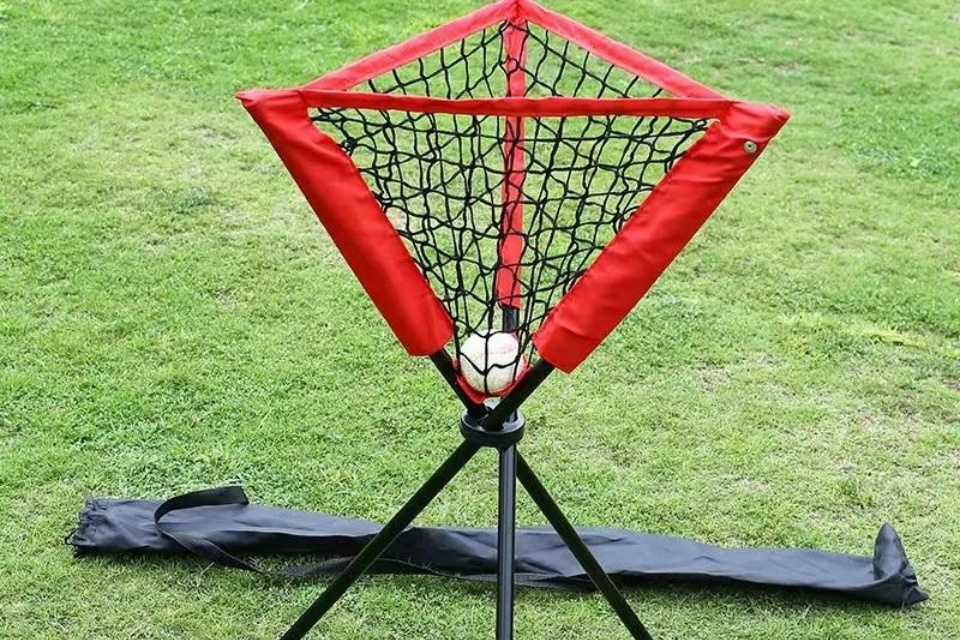
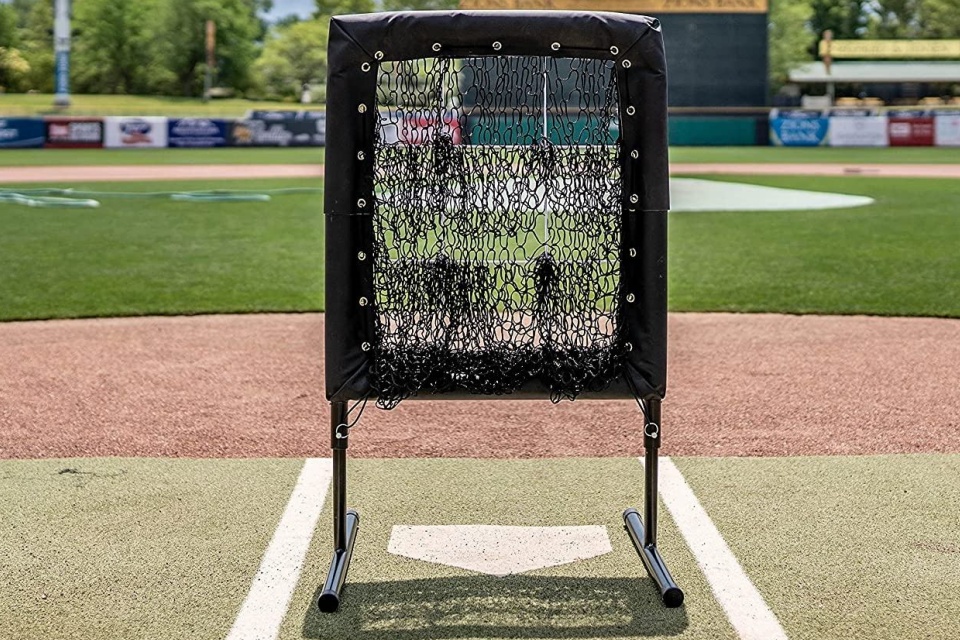
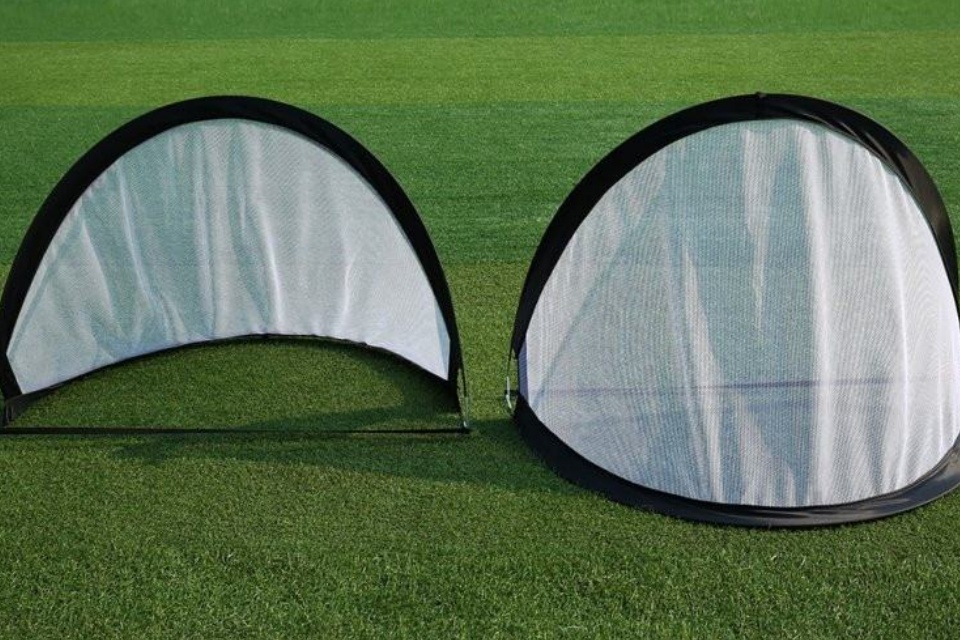
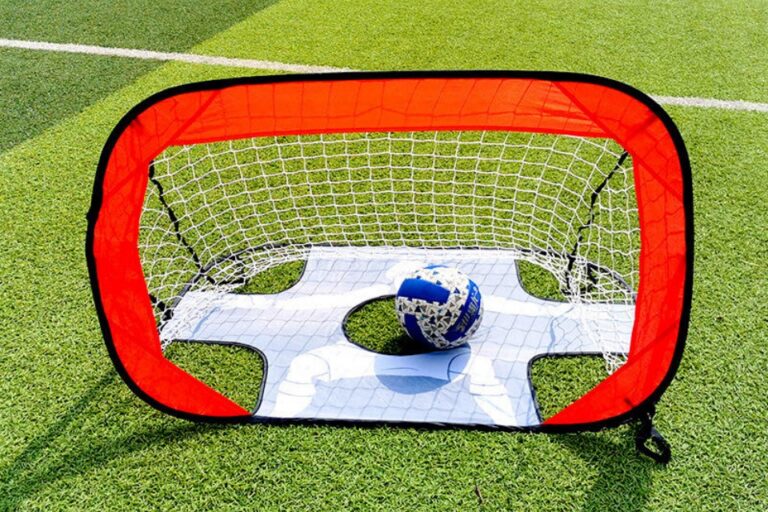
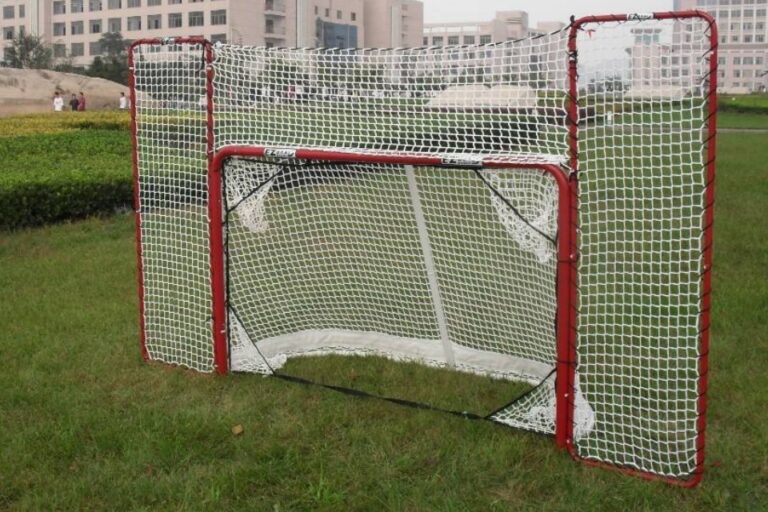
I’ve seen sports netting procurement documents that looked polished on the surface and were rotten underneath: “heavy-duty net,” “weather-resistant,” “professional quality,” “suitable for outdoor sports.” Fine words. Useless words. They give the athletic field netting supplier room to quote cheaper yarn, thinner twine, weak edge rope, vague UV treatment, and hardware that looks acceptable in a PDF but fails on a field after one winter.
So here’s the hard truth: a sports netting RFQ is not a shopping list. It is a risk-transfer document.
And if you’re buying for a school district in Ohio, a football training center in Texas, a municipal multi-sport cage in France, or a commercial golf practice facility in Germany, the RFQ has to do more than ask for a price. It has to force the supplier to disclose performance.
The Safety Problem Behind Loose Specifications
Why so aggressive? Because product safety failures are not theoretical. In December 2024, the U.S. Consumer Product Safety Commission warned consumers to stop using certain 4×8 portable soccer goals after one reported death tied to an exposed metal tip; the products had sold online for roughly $43 to $150, according to the CPSC notice. (CPSC.GOV) That is not a “cheap sports product” problem. It is a specification problem, a supplier-control problem, and a procurement problem.
For US projects, I would start with one assumption: the buyer may later need to prove that the RFQ was technically reasonable. OSHA’s own public data says there were 5,283 fatal work injuries in 2023, and OSHA listed fall protection, hazard communication, ladders, scaffolding, and eye and face protection among its top-cited FY2024 standards. (osha.gov) Sports netting is not OSHA fall protection by default, but installation crews, elevated work, tensioned cables, forklifts, posts, anchors, and public-use equipment all live near those safety categories. Ignore that and you’re writing a bid package with a blindfold on.
Why EU Product Safety Language Needs More Precision
For EU projects, the trap is different. Buyers often throw “CE compliant” into an RFQ as if those two words solve everything. They don’t. The EU’s General Product Safety Regulation, Regulation (EU) 2023/988, became applicable on December 13, 2024, and the European Commission says it applies to consumer products, with stronger risk assessment and economic-operator accountability requirements. (trade.ec.europa.eu) If a sports netting system can reach schools, clubs, municipalities, or public recreation users, the RFQ needs traceability, warnings, product identification, installation instructions, and a responsible party. Not decoration. Evidence.
Start With Use-Case Classification
The RFQ should begin with use-case classification. A baseball backstop or batting cage net has different impact assumptions than a ゴルフ打撃ケージネット, and neither should be copied blindly into a マルチスポーツ用ネットシステム. A baseball RFQ should talk about ball velocity, abrasion, square vs diamond mesh orientation, ceiling overlap, and panel replacement. A golf RFQ should talk about impact panels, projectile containment, shank side protection, and indoor fire/smoke questions. A multi-sport RFQ should talk about mixed ball sizes, supervised vs unsupervised use, and whether the system is temporary, portable, or permanently installed.
That distinction matters in Europe because CEN says sports and recreational equipment standards address safety, performance, marking, user information, and maintenance, with CEN/TC 136 covering sports, playground, and recreational facilities and equipment. (cencenelec.eu) EN 15312:2026, for example, covers free-access multi-sports equipment and includes installations that may incorporate ball stop screens for sports such as football, basketball, hockey, tennis, volleyball, and badminton. (intertekinform.com) So if your project is a public outdoor court, don’t let the supplier quote it like a backyard practice net.
The RFQ Sentence More Buyers Should Use
Here’s the procurement sentence I wish more buyers used:
“The supplier shall state the exact netting material, yarn construction, twine diameter, mesh size, edge reinforcement, UV stabilization method, breaking strength test method, installation hardware grade, design life assumption, replacement panel method, and applicable US/EU safety or equipment standards.”
Not pretty. Very useful.
Specify the Net Body Before You Talk Price
A serious professional sports netting specifications package should include the net body first: HDPE, PP, polyester, nylon PA6 or PA66, or blended construction. HDPE is common outdoors because it resists moisture and can be UV-stabilized. Nylon can be strong and elastic but absorbs more moisture. Polyester sits in the middle and often behaves well under abrasion. I don’t care what the brochure says; I care what the test report says.
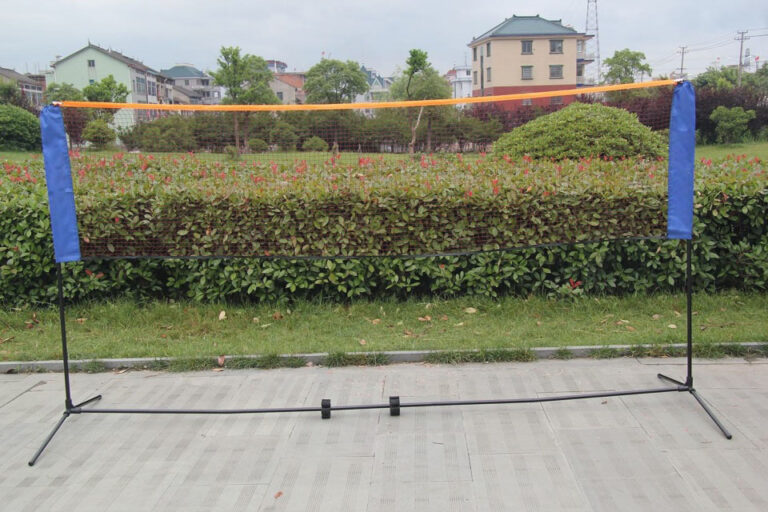
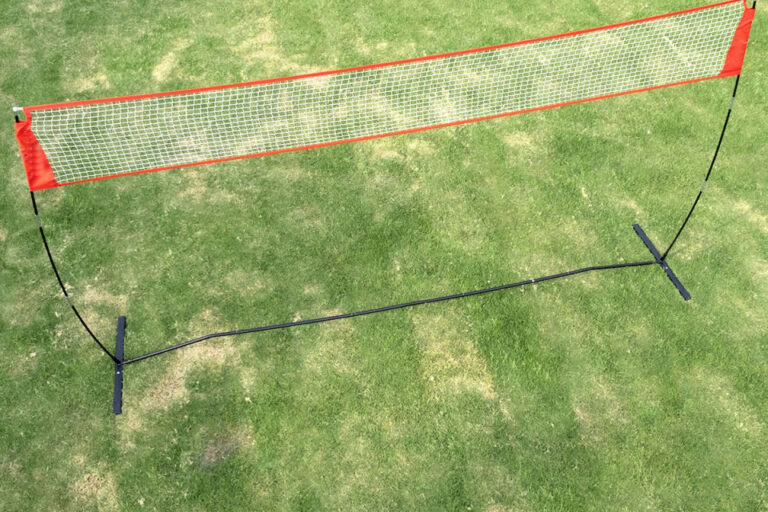
Then ask for the mesh. Not just “small mesh.” Write the opening size in mm or inches, orientation, knot type, and tolerance. If the buyer needs baseball containment, golf impact absorption, pickleball court separation, or soccer rebound control, the mesh size has to match the projectile and the user risk. For portable court systems, compare the use case against the product family, such as ポータブルピックルボールネットシステム または adjustable tennis net sets, before freezing the RFQ language.
Mesh Matters, But Edges Fail First
But mesh alone is overrated. The edge fails first.
A good RFQ asks for border rope diameter, sewing pattern, grommet spacing, webbing width, cable compatibility, snap hook material, corrosion rating, and whether the supplier has tested the complete assembly, not only the raw net panel. I have a strong opinion here: raw net breaking strength without edge data is procurement theater. The field doesn’t pull on a lab coupon. It pulls on corners, seams, hog rings, rope borders, clamps, and posts.
Treat Soccer Goals as Systems, Not Nets
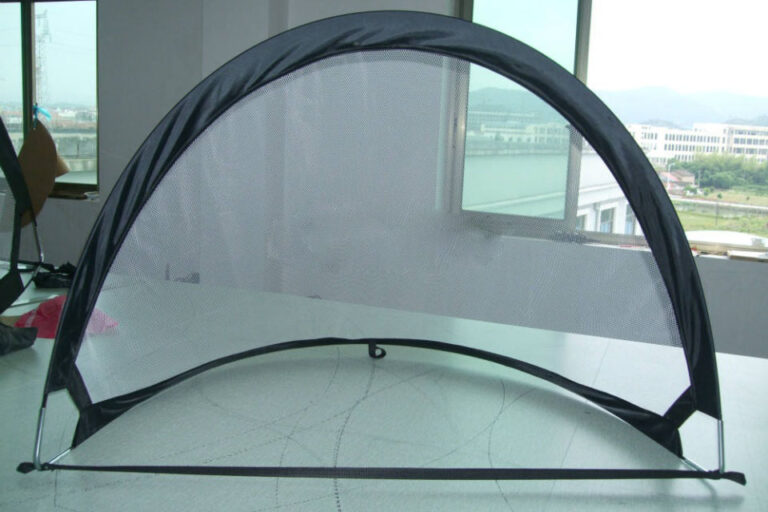
For soccer goals, don’t pretend the net is the whole product. ASTM F2950-14(2021) applies to soccer goals over 40 lb and is aimed at reducing injuries and fatalities through safety and performance requirements. (store.astm.org) That means a soccer goal RFQ should include anchoring, counterweighting, tip-over resistance, frame finish, hardware retention, warning labels, and storage instructions. The net is only one part of the risk chain.
Demand Documents Before Comparing Prices
The supplier section should be almost rude. Ask for documents before price comparison:
ASTM, CEN/EN, local building, product safety, project-specific specs
Reduces legal and acceptance risk
Generic “CE” claim
トレーサビリティ
Batch number, production date, QC report, warranty terms
Supports recalls and replacement
No batch-level records
Define the System, Not Just the Net
Now the pricing part.
A cheap quote is not always dishonest. Sometimes the supplier is quoting exactly what you asked for — and what you asked for was too vague. If an RFQ says “supply outdoor sports netting, 10m x 30m, black, UV-resistant,” the bidder can legally come back with a minimal construction unless you define the net as a system. That means net panel, edge finish, connectors, frame interface, installation instructions, spare parts, packing, labels, and inspection schedule.
Split the Package by Sport and Risk Level
For a complex facility, I’d split the package by sport and risk level. Buy lacrosse goals and rebounder nets under a different technical schedule than golf cages. Treat バレーボールネット differently from barrier netting. Don’t let one master SKU swallow the details.
Handle US and EU Compliance Separately
US RFQs should also name the Authority Having Jurisdiction when installation touches building, fire, school, municipal, or public-access rules. In indoor facilities, netting may affect sprinkler coverage, smoke development concerns, egress sightlines, ceiling classification, and maintenance access. The supplier may not be the code consultant. Fine. Say so in the RFQ: supplier must provide material data, but the buyer or installer must verify local code acceptance.
EU RFQs need sharper documentation language. Ask for the EU-based responsible economic operator when needed, Declaration of Conformity where applicable, Safety Gate recall history checks, language-specific warnings, installation manuals, maintenance intervals, and product identification. If the supplier claims compliance with EN 748, EN 749, EN 750, EN 1270, EN 1510, EN 1509, EN 16579, EN 16664, or EN 15312, demand the edition year and test evidence. A logo is not a test report.
Verify the Factory, Then Verify the Sample
Should you demand factory evidence? Yes.
For serious sports netting procurement, I’d include factory audit rights, pre-shipment inspection, random sample testing, and photo/video confirmation of packaging, labels, and hardware kits. A buyer can also review manufacturing capability through pages like a supplier’s 工場見学 and then verify with documents instead of relying on marketing copy. Trust the factory less than the paperwork. Trust the paperwork less than the sample.
Sample Approval Clause
Here is a practical RFQ clause buyers can paste:
“Bidder shall provide one production sample or approved equivalent before mass production. Sample shall include final mesh, border rope/webbing, labels, installation hardware, and packaging. Buyer approval of sample shall not release bidder from compliance with stated performance requirements.”
That clause saves arguments later.
Require Replacement Panels for High-Impact Areas
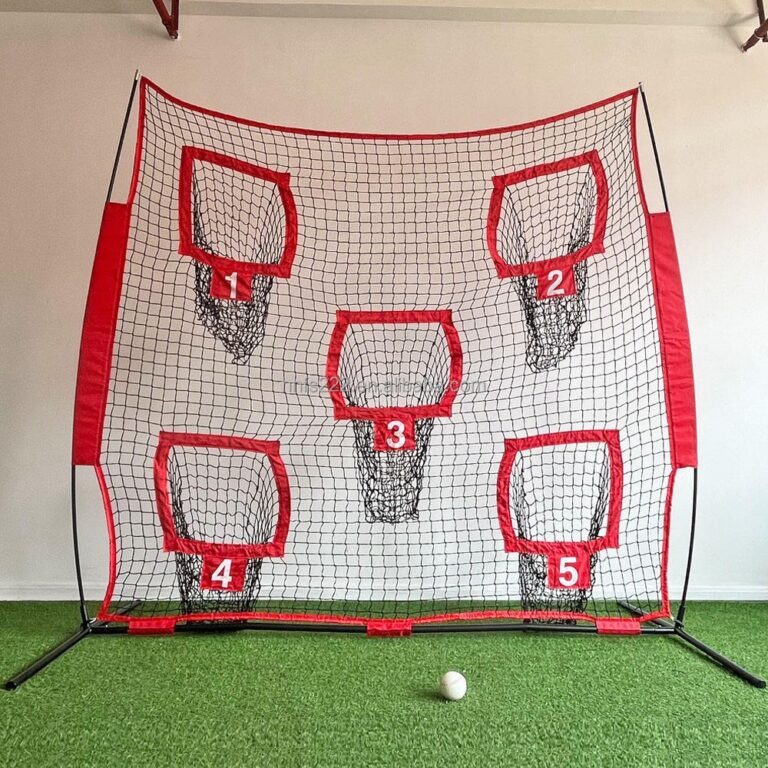
For high-impact areas — baseball, golf, lacrosse, football throwing targets — add a replacement-panel requirement. I like modularity. A 30m barrier with one damaged impact zone should not require full replacement. That is how cheap RFQs become expensive operations. Ask for panel IDs, spare panels, repair kits, and lead times. For training products such as football passing target nets, the RFQ should also define pocket reinforcement, target-panel attachment, and frame stress points.
Write Warranty Terms That Actually Mean Something
Now let’s talk about warranties, because this is where buyers get seduced.
“Five-year warranty” means little unless it says what fails, what is excluded, and who pays freight. UV degradation? Seam failure? Rust? Hardware bending? Color fading? Wind damage? Vandalism? Improper installation? If the project is in Florida, Arizona, coastal Spain, Ireland, or northern Germany, the warranty assumptions are not the same. Put the climate into the RFQ: UV exposure, salt air, snow load exposure, wind exposure, indoor humidity, and cleaning method.
Better Warranty Clause
A better warranty clause says:
“Warranty shall separately identify coverage for net body, edge reinforcement, stitching/webbing, frame, coating, hardware, and accessories. Warranty shall state exclusions and required maintenance actions.”
Blunt. Good.
Do Not Ignore Packaging and Receiving
And yes, include packaging. I know that sounds small. It isn’t. If a municipal project receives thirty unlabeled net bundles, two missing hardware kits, and no panel map, the installer burns money sorting chaos. Ask for carton labels, panel tags, installation drawings, QR manuals, batch numbers, and packing lists. The cleaner the receiving process, the lower the dispute rate.
Weight Technical Compliance Before Price
The final RFQ evaluation should weight technical compliance before price. I’d use 60% technical, 25% commercial, 15% delivery/service for public or institutional work. For simple consumer-style portable products, maybe price can carry more. But for professional sports netting across US and EU projects, a low bid without test data is not a bargain. It is an invoice with a delayed risk attached.
RFQ Checklist for Professional Sports Netting
Section
Minimum Requirement
より良い要件
Project use
Name sport and facility type
Include user age, supervision level, public/private access
A sports netting RFQ should define the sport, facility type, material, mesh size, twine diameter, edge reinforcement, hardware, testing method, installation requirements, safety labels, warranty terms, delivery scope, and applicable US or EU standards so suppliers quote the same performance level instead of competing on vague descriptions. After that, add sample approval, batch traceability, spare panels, and inspection documents before purchase order release.
How do US and EU sports netting standards differ?
US sports netting RFQs usually lean on ASTM standards, OSHA-related installation safety, state or municipal requirements, and project engineer approval, while EU RFQs often need EN/CEN references, GPSR product-safety duties, language-specific user information, traceability, and responsible economic-operator documentation. The buyer should not write “US/EU compliant” without naming the exact standard, edition year, product scope, and proof required.
What is the best material for professional sports netting?
The best material for professional sports netting depends on impact load, outdoor exposure, moisture, abrasion, elasticity, and replacement cost, with HDPE often used outdoors, nylon selected for strength and elasticity, and polyester chosen where abrasion resistance and dimensional stability matter. The RFQ should force the supplier to state polymer type, UV stabilization, breaking strength, and test method.
How should buyers verify an athletic field netting supplier?
Buyers should verify an athletic field netting supplier by checking test reports, batch traceability, material declarations, factory capability, sample quality, installation manuals, warranty exclusions, recall history, and whether the supplier can provide sport-specific specifications rather than one generic net for every application. A supplier that avoids test methods or edition-year standards should not survive technical evaluation.
What RFQ mistakes cause sports netting projects to go over budget?
Sports netting RFQs go over budget when buyers omit edge reinforcement, hardware grade, installation scope, panel mapping, replacement panels, UV performance, corrosion resistance, indoor code review, and acceptance testing, because these missing details reappear later as change orders. The cheapest bid often wins only because the RFQ failed to define the real system.
結論
The short version: specify the system, not the net.
For US and EU projects, write the RFQ like a skeptical inspector will read it after a failure. Material. Mesh. Strength. Hardware. Standards. Labels. Installation. Traceability. Warranty. Replacement. No fog.
Request a Technical RFQ Review
Need help turning a project into a quote-ready specification? Start with the full sports netting product range or send the drawings and use the コンタクトページ to request a technical RFQ review before comparing bids.