目次
バッティングケージのネットを買ったことがある人なら、2つの仕様がいつも混同されているのを見たことがあるだろう: メッシュ開口部 そして 縒りゲージ. .間違ったものを選ぶと、すぐにそれを感じることになる。ボールがすり抜けたり、ネットが “しなり ”すぎたり、予定よりも早くパネルを交換することになったり。.
このガイドでは、シンプルに、実際のセットアップシナリオを示し、その理由を説明します。 #36ゲージ 結局、ほとんどのケージではデフォルトの選択となる。.
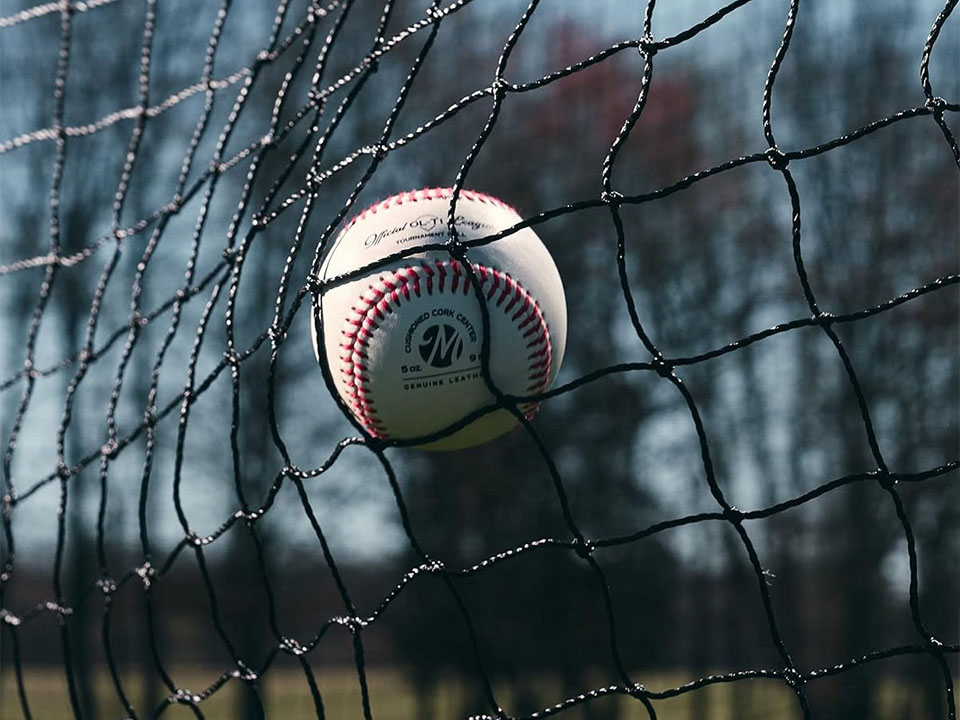
バッティングケージのメッシュ開口部と麻ひものゲージ
バッティングケージのネットの開口部のサイズ
メッシュの開口部は 穴の大きさ をネットに入れる。開口部を小さくすることで、「ブロースルー」(ボールがネットを突き破ること)を減らし、狭いトンネル内での奇妙な跳ね返りを減らすことができる。.
わかりやすく言うと、メッシュの開口部をコントロールする 封じ込め.
トワインゲージ番号(#36ゲージ、#42ゲージ、#60ゲージ)
ゲージは約 撚りの太さ. .より太い麻ひもは、より高い衝撃、より多くの毎日のレップ、ハングポイントでのより多くの摩耗に対応します。.
わかりやすく言うと、ゲージのコントロール 耐久性.
簡単なメンタルモデル
- メッシュの開き=“ボールをクリーンに止められるか?”
- ゲージ=“いつまでそうし続けるのか?”
#36ゲージのバッティングケージ用ネットが標準である理由
#36ゲージが「スタンダード」となったのは、その中間を完璧に演じているからだ。ほとんどの打者にとって十分タフだが、一般的な使用法ではオーバーキルとなるような、より重く、より吊りにくいネットを強要することはない。.
#36は、現実の世界では通常こうなる:
- バランスのとれた耐摩耗性:繰り返しの接触にも耐える。.
- よりクリーンなハングとたるみの少ないドラマ:ケーブル・システムの方が張りやすい。.
- 取り付け時の痛みが少ない:ネットを所定の位置に取り付けるだけなら、フルクルーは必要ない。.
- 混合グループにより適している:ユースチーム、高校のケージ、週末戦士、一日中稼働していないトレーニング施設。.
いい意味で)忘れてしまいたいケージを作るなら、#36はほとんどのバイヤーが選ぶスペックだ。.

選手レベル別推奨バッティングケージネット
すべてのケージを “MAXスペック ”にする必要はない。打者と仕事量にゲージを合わせる。.
少年野球・ソフトボール用バッティング・ケージ・ネット
ユースの選手は通常、純粋な力でネットを千切ることはない。ここでネットを破るのは テンション不良, コンクリート引きずり, そして フレームの鋭角.
ソリッドな#36のセットアップは、追加したときにうまく機能する:
- ネットが鋼鉄をこすらないよう、適切なスタンドオフ
- きれいなハングポイント(バリがない)
- 衝撃を跳ね返さず、吸収するのに十分なたるみ
高校のバッティング・ケージのネット
これが#36のスイートスポット。高校生のレップは早く積み重なる。より高い出口速度、ピッチングマシン、寒い季節のより重いボールを見ることができるだろう。.
最も重要なこと
- すぐに毛羽立たない麻ひも
- 皺にならない縫い目
- しっかりと固定された外周ロープ
大学・施設用バッティング・ケージ・ネット
もし、一日中チームやプライベートレッスン、公共のケージで使用するような大量練習をするのであれば、#36を使い切るかもしれません。また、マシンワークが増え、ミスヒットも増えるでしょう。その時こそ、より厚いゲージが意味を持ち始めるのです。.
シンプルなルール:ケージが基本的に “常時オン ”であれば、より重いひもを計画すること。.

#36ゲージネットの実際の設置シナリオ
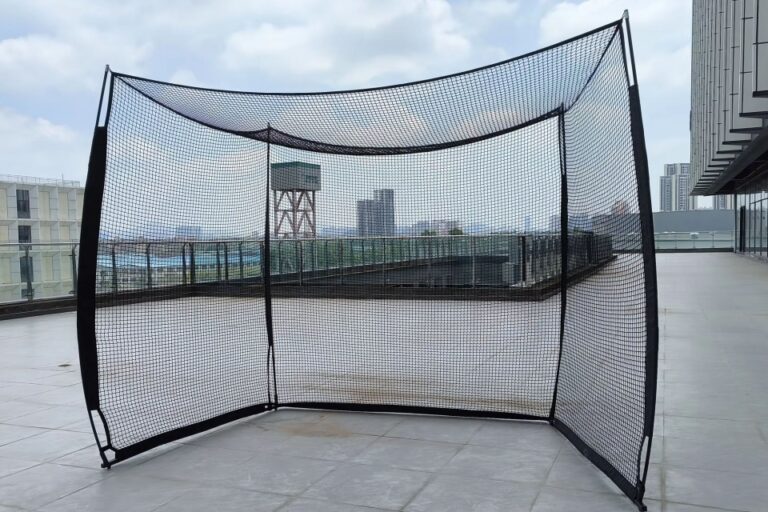
裏庭のバッティング・ケージのネットは狭いスペースに設置可能
バックヤードのケージは罰せられる:
- フェンスのバウンスバック
- 近距離ラインドライブ
- ウインド・スラップ (ネットのバタつきと金具のこすれ)
#36は、ケージをレンガの壁にすることなく衝撃を吸収してくれるからだ。また、車道用の持ち運び可能なトレーニング用具が必要な場合は、小さめの練習用ネットが車や窓からボールを守るのに役立ちます。初心者にお勧めなのは ポータブル野球練習ネット セットアップを行う。.
このように、コンテンツの中で自然にリンクさせることができる:
- を試してみよう。 ポータブル野球練習ネット フルケージに入りたくないときのクイックレップ用。.
学校トンネル用バッティング・ケージ・ネット(毎日使用可能
チームの練習、バッティンググループ、オフシーズンのトレーニングなど、学校のトンネルは地道な作業に追われる。#36は、よくある2つの問題を解決すれば、持ちこたえることができる:
- インパクト時の鞭:適度なたるみを持たせ、ネットを硬い壁から離す。.
- ハングポイント摩耗:ネットがケーブルにかかる部分には、滑らかなカラビナ、シンブル、保護スリーブを使用する。.
フルケージパッケージを作る場合、フレームとネットをバンドルすることで、取り付けを簡単にし、パーツ間のミスマッチを減らすことができる。.
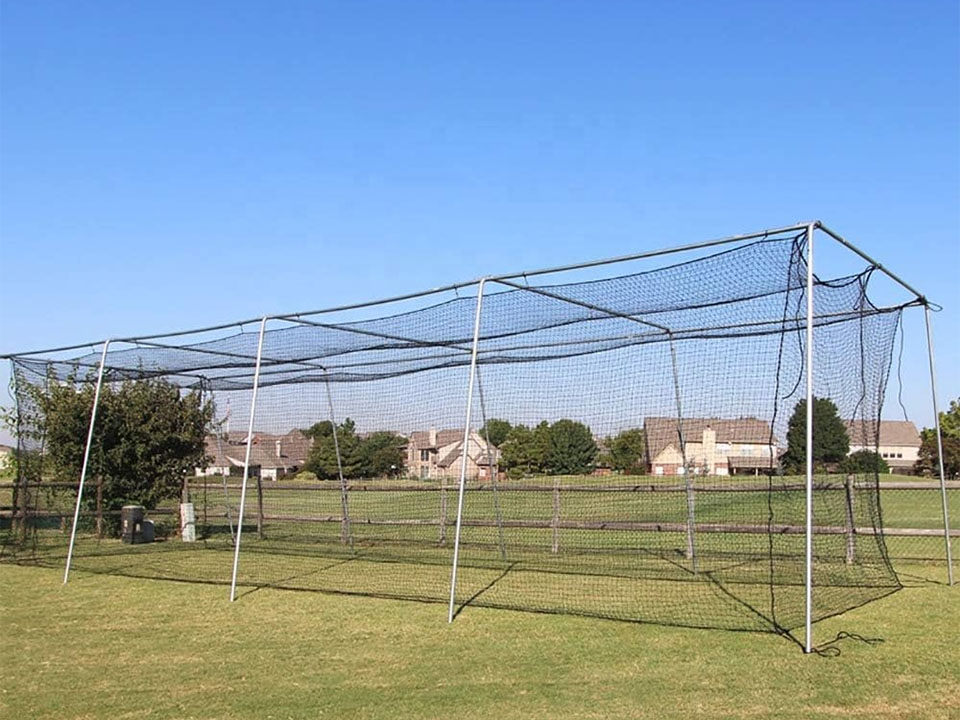
- を考えてみよう。 バッティングケージのネットとフレーム よりクリーンな “ワンスペック ”ビルドを望む場合。.
ケーブル・システムによる開閉式バッティング・ケージ・ネット
スライド式ケージは便利だが、ネットへのストレスが違う。引っ張られるたびに、トップラインとコーナーに摩擦が生じる。.
#36は、引きずったり、束縛したり、引っ込めるのが面倒になるほど重くなく丈夫なので、ここで役立っている。それでも、細部を無視してはいけない:
- 適切なトップケーブルとスムーズなトロリーリングを使用する。
- 角を丸く保つ(鋭い角は麻ひもを噛む)
- 駐車時にネットがコンクリートをこすらないように。
屋内バッティングケージのネットとピッチャー保護
屋内スペースでは、しばしばケージネットが組み合わされる。 投手プロテクション. .それがLスクリーンの存在意義なのだ。.
- 追加 ピッチングスクリーン(LスクリーンまたはIスクリーン) 機械作業中の跳ね返りリスクを軽減する。.
#36ゲージからより重いネットへのアップグレード時期
アップグレードするのは、派手さを感じるからではない。アップグレードするのは、あなたのケージの中にこれらの現実があるからです:
高い出口速度とマシンピッチング
マシンボールの打球は違う。一貫性があり、硬く、何度も同じホットスポットを見つける。もし、あなたのケージがマシンの連打を受け続けるのであれば、より重い麻ひもを使用することで寿命を延ばすことができる。.
公共の檻と絶え間ない往来
複数のグループが毎日ケージを使用する場合、摩耗の原因はそこにある:
- ボールインパクト
- ネットを引っ張る手
- 底板を引きずるクリートおよび機器
- 紫外線と汚れが繊維に入り込む
それは仕事量の問題であって、“選手レベル ”の問題ではない。.
屋外の風荷重と紫外線暴露
屋外のケージは風の影響を受けやすい。ケージが露出している場合は、ネットが早期に劣化しないよう、紫外線に強い素材ときれいな仕上げが必要です。また、バリアネットを追加するのも、安全性と近隣の安寧のために有効です。.
バリアネットは、ケージの後ろにある第二のキャッチゾーンとして機能する。.
- を使用する。 スポーツバリアネット 歩道、駐車場、隣接する畑を保護するため。.
表#36ゲージバッティングケージネットの決定ポイントとソース
この表は、「なぜ」の根拠を保ち、ソーシング中にスペックを確認できる場所を示している。.
| 決定点(具体的な主張) | 仕様書やサンプルのチェックポイント | ケージで重要な理由 | あなたがコントロールするソース |
|---|---|---|---|
| メッシュの開口部がボールの通過を阻止 | 開口部を測定し、ボールサイズに合っていることを確認してから使用する。 | ブロースルーや変なリバウンドを防ぐ | 出荷前サンプルとQC写真のリクエスト |
| 耐久性と操作性をバランスさせた#36ゲージ | 麻ひもゲージ、麻ひもの作り方、縫い方の確認 | 取り付けが簡単で、ほとんどのケージで使用可能。 | FSPORTSにPIのゲージと構造を確認してもらう。 |
| 施設でのノンストップ作業に対応する重めのゲージ | より太い麻ひもオプションと補強ボーダーを確認 | ホットスポットでの早期摩耗を低減 | 2つのサンプルを比較:#36とヘビーゲージの比較 |
| ケーブルシステムのケージは摩耗対策が必要 | トップラインの仕上げ、コーナー補強をチェック | ハングポイントの “ノコギリ ”摩耗を止める | 本番前のハング・ハードウェア・プランの見直し |
| 屋外用ケージにはUVカットネットが必要 | UV添加剤/屋外用素材の確認 | 日焼けのダメージを遅らせ、強さを長持ちさせる | 気候や風雨に合わせた素材の選択 |
購入者に商品ページを信頼してもらいたいなら、このような表をスクリーンショットしてインストーラーと共有することだ。.
バイヤー、小売業者、OEMブランド向けバッティングケージネット仕様チェックリスト
メッシュの開口部、ゲージ、素材、仕上げ
流通業者やeコマース販売業者にとって、曖昧な仕様による返品は最大の頭痛の種です。これらの問題を解決しましょう:
- メッシュ開口部
- ゲージ (#36ベースライン、アップグレードオプション対応)
- 屋内用と屋外用の素材選択
- ボーダーとコーナー補強
外周ロープ、縫い目、吊り金具
ケージネットはストレスのかかるところで失敗する:
- コーナー
- ドア開口部
- ケーブル・システムのトップライン
- 鋼鉄をこするあらゆる場所
補強されたコーナーときれいな縫い目を求めてください。設置の日に「フィールド・エンジニア」にならないよう、ハング・キットは早めに計画しましょう。.
OEM/ODMおよび大量購入
自社ブランドで販売するなら、何よりも一貫性が必要だ:
- 反復可能な生産
- 明確なカートンのパッキング
- プライベート・ラベル・オプション
- 安定した再入荷のリードタイム
そこで役立つのが、工場に特化したサプライヤーとの連携だ。FSPORTSは自らを中国のプレミアム・スポーツ・ネット・メーカーと位置づけており、B2Bバイヤーのために標準サイズに加えてオーダーメイドにも対応している。.
FSPORTSのバッティングケージとトレーニングネットのオプション
製品ページ群を構築している場合、これらの内部リンクは読者をサイト外に送ることなく自然にフィットする:
- 開始点は FSPORTSホームページ
- 全ページを見る 製品カタログ
- シンプルなケージネットのオプションについては ソフトボール/野球バッティングケージ用ネット
- ガレージやコンパクトなセットアップについては プロガレージソフトボールバッティングケージネット
- パッケージビルドの場合は バッティングケージのネットとフレーム
- 短時間のトレーニングには ポータブル野球練習ネット
- より安全なピッチングを行うために ピッチャー保護スクリーン
- オーバーフローの安全のために スポーツバリアネット
結論:#36ゲージがデフォルトなのには理由がある
もしあなたが、きれいに設置でき、実際のレップが可能で、常にお守りを必要としないバッティングケージネットをお望みなら、, #36ゲージ というのが、ほとんどの人が最初に選ぶべきスペックだ。そして、仕事量や天候、トレーニング強度によってアップグレードせざるを得ない場合にのみアップグレードする。.
ご希望であれば、同じキーワードで安全なH2/H3構造を使い、小売店向け(短く、パンチの効いた)と、販売店/OEM顧客向け(スペック重視、コンバージョン重視)の2つのバージョンに書き換えることも可能です。.