Customization & Color: Custom Dyes, Black, White & Visual Options
Why Color Choices Matter More Than Buyers Think
Color matters.
But in this business, color is rarely just color; it is procurement risk, visual hierarchy, replacement pain, UV behavior, school politics, and sometimes a quiet legal asset if the shade becomes part of how buyers identify your brand rather than just your product. Cornell’s summary of Qualitex Co. v. Jacobson Products is still the cleanest reminder that color can matter enough to become protectable when it signals source and is not merely functional. (law.cornell.edu)
So what is the hard truth?
Most buyers say they want custom dye colors. Most of them actually want three different things mixed together: a clean visual finish, stronger brand recognition, and something that does not blow up the quote sheet. Those are not always compatible. I think too many vendors pretend they are. They are not.
Black wins often. White wins selectively. True custom color options win only when the color is doing a job that plain black or white cannot do.
That is the whole argument.
目次
Black, White, and Custom Colors: What Actually Works
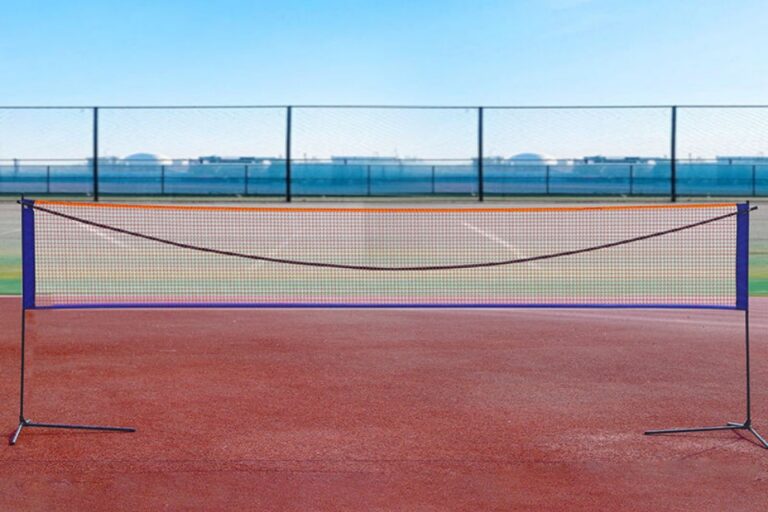
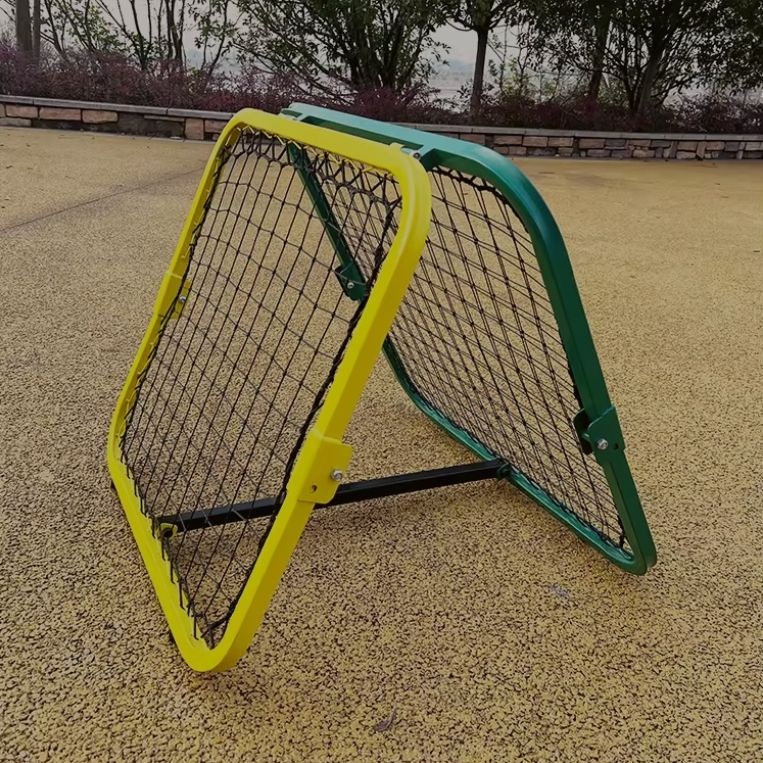
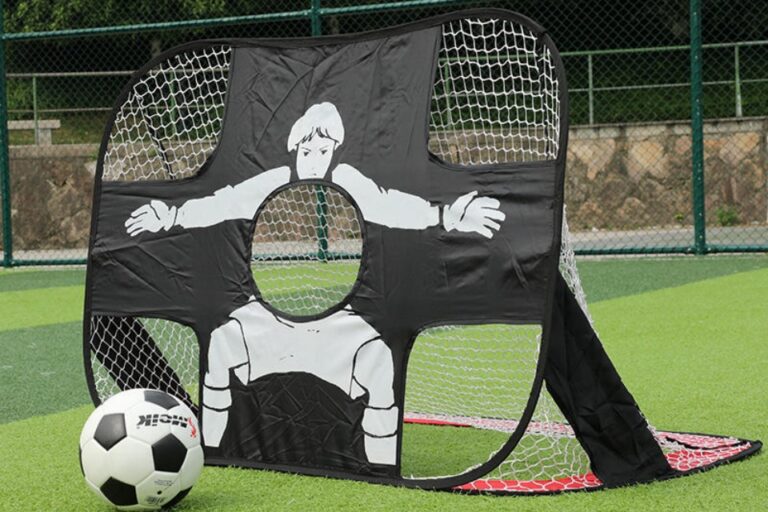
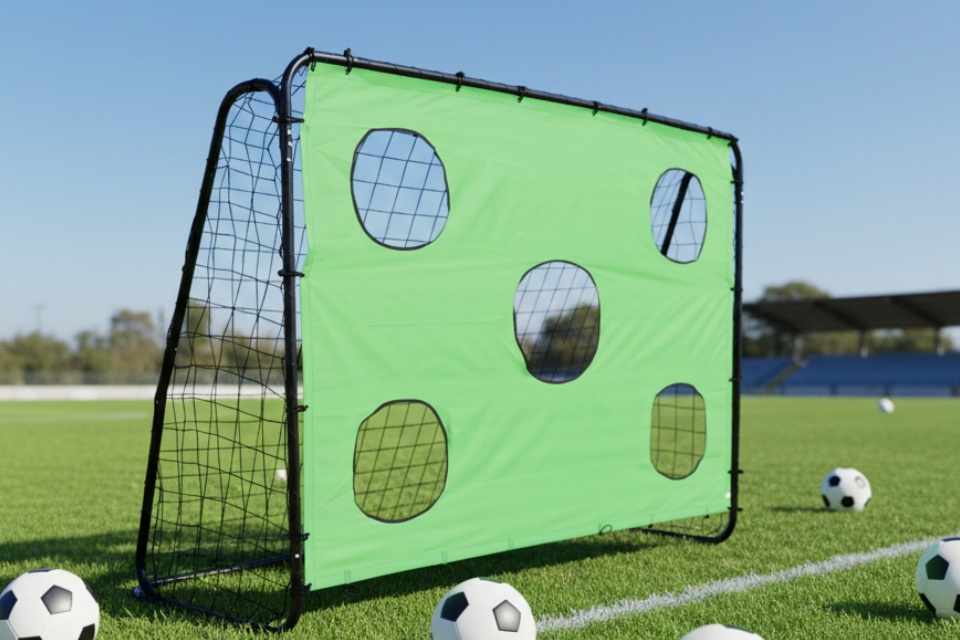
If you are buying for a school, club, academy, municipal facility, or branded sports complex, the first mistake is putting color in the wrong place. Full-net coloration sounds impressive in a meeting, but in practice the smarter move is often to keep the core net black or white and move the branded color into the frame powder coat, the top tape, sleeves, target sheets, printed logos, carrying bags, or accessory panels. That is where visual customization options create identity without sabotaging visibility, serviceability, or reorder consistency. If you are evaluating a supplier’s custom net manufacturing services or checking production discipline through a 工場見学, this is one of the first things I would ask about.
Why Black Keeps Winning
Here is why black keeps surviving every trend cycle. Black netting visually recedes. It usually photographs cleaner, hides grime better, and feels less intrusive in golf cages, divider systems, and barrier environments. On a practical level, it is also the safer replacement color because later batch variation is less obvious. For buyers comparing categories like ゴルフネットシステム or a broader multi-sports net lineup, black is often the color that creates the least friction over the life of the product.
Where White Still Makes Sense
White is different.
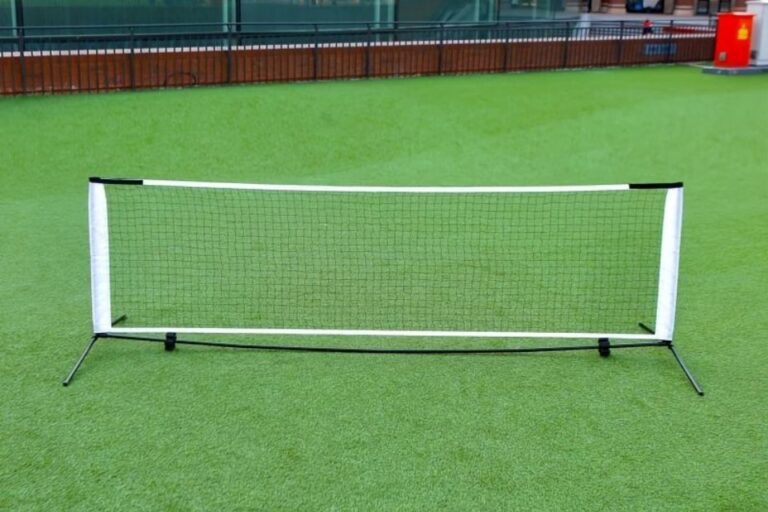
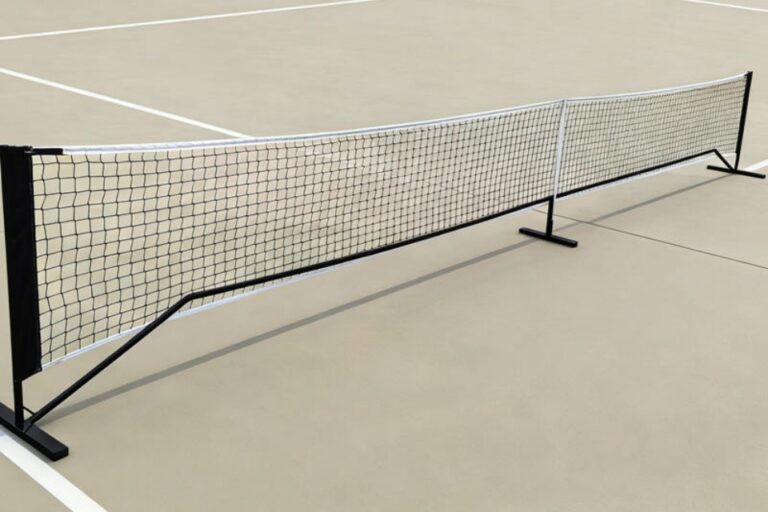
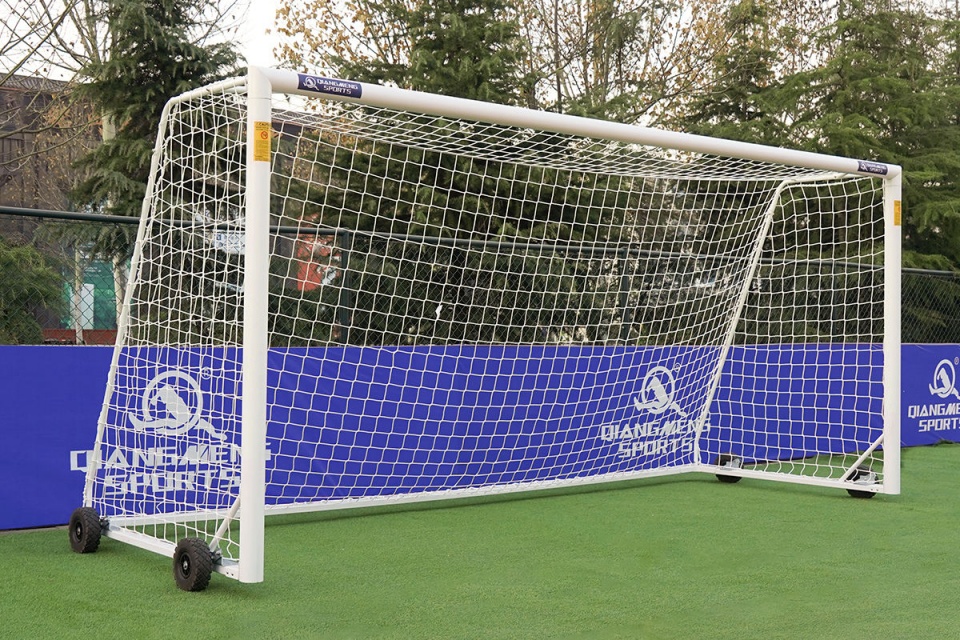
White is not subtle, and that is exactly why it stays relevant. It reads as “official.” It pops in goal-mouth photography. It works well where the product should be seen rather than disappear: soccer goals, lacrosse goals, volleyball headers, tennis net bands, and many pickleball setups. But white also shows dirt, oxidation, and scuffing faster. Anyone promising otherwise is selling mood, not material science.
When Custom Colors Are Worth It
Custom colors for branding are where the conversation gets interesting. They can absolutely sharpen facility presentation, especially when a venue is trying to look intentional instead of pieced together from mixed vendors and leftover stock. And this is not theory. In Florida State’s 2024 Sport Clubs brand guidelines, the palette is tightly controlled across primary, secondary, and accent colors, with Garnet, Gold, White, and a defined black variant all named rather than improvised. That is how serious institutions behave when brand consistency actually matters. (campusrec.fsu.edu) Northland College’s 2024 brand guide makes the point from the opposite angle: when embroidery or production limitations make exact matching difficult, it advises using black and white rather than inventing a new off-brand substitute. That is smart, boring, grown-up procurement. (my.northland.edu)
The Manufacturing Reality Behind Custom Dye Colors
And this is where buyers need to stop thinking like consumers.
You are not picking a T-shirt off a shelf. You are specifying a manufactured product built from different substrates, and those substrates do not all accept color the same way. Nylon, polyester, PE netting, PVC sleeves, Oxford carry bags, webbing, foam wraps, and powder-coated steel frames do not behave like one unified color surface. Give a factory Pantone 186 C and expect a perfect single-look match across 2.5 mm knotless PE mesh, 420D polyester trim, and a steel base with powder coating? That is how good projects turn into email chains.
My rule is simple. Decide where color needs to perform.
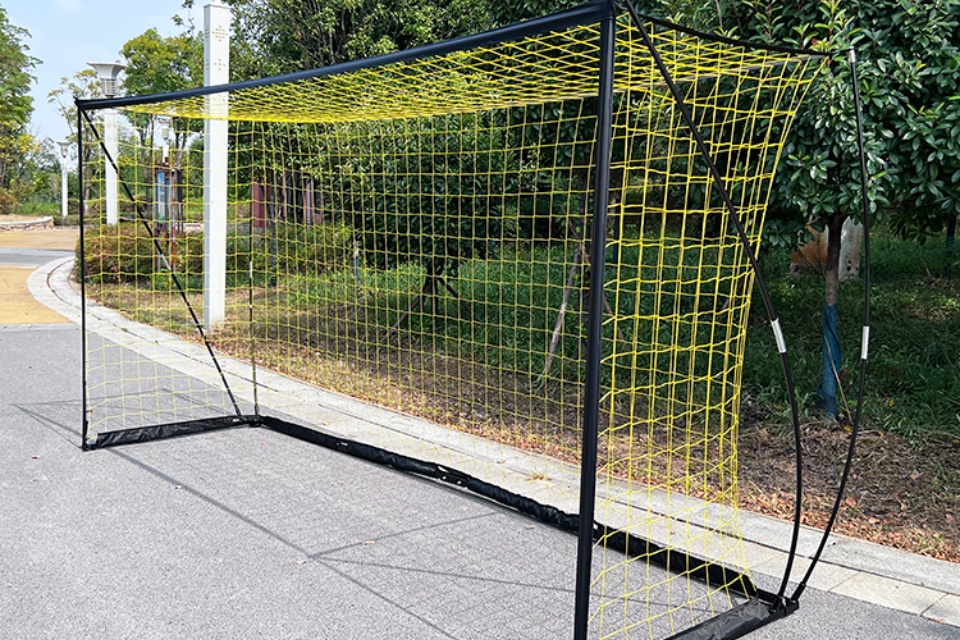
If the job is brand recognition from 20 meters away, color on the frame, tape, target panel, or logo patch usually beats coloring the entire net body. If the job is visibility for play, white or high-contrast trim may matter more than full custom dye. If the job is premium presentation in a training bay or academy, a restrained black structure with one branded accent often looks more expensive than a rainbow build.
Cost and Lead Time: The Part No One Likes Talking About
What Drives Color Customization Cost
Cost comes next. And this is where optimism usually dies.
A practical working budget for color customization cost is this: standard black or white is baseline; nonstandard net color often adds a modest premium; branded trim, sleeves, or printed panels are often the most efficient visual spend; and true multi-component custom matching can push both cost and rejection risk sharply upward. My advice to buyers is to assume roughly a small-single-digit to low-double-digit percentage premium for nonstandard color work until a factory proves otherwise with a real BOM-based quote. Not because color itself is magical, but because custom color can trigger smaller batch runs, separate sourcing, more QC points, and occasionally more waste.
Why Custom Color Lead Times Slip
Lead time is the part people underestimate. Badly.
In July 2024, Reuters reported that Maersk said Red Sea disruption had expanded beyond Far East–Europe routes to its entire global network. A month later, Reuters also reported that U.S. retailers were rushing imports amid strike fears and shipping disruption, while ocean shipping handles about 80% of global trade. That matters here because custom color lead times are rarely delayed by “the net” alone; they are delayed by yarn, dye lots, accessory trim, hardware finishes, and shipping windows stacking on top of each other. (ロイター・ドット・コム)
So when someone asks me how to choose custom colors, I do not start with aesthetics. I start with tolerance for delay. If the install date is fixed, black and white color options are safer. If the launch date is flexible and the facility is brand-sensitive, then custom colors may be worth the trouble. That is the adult sequence.
The Hard Truth About Reorders and Brand Consistency
There is another hard truth I wish more buyers heard earlier: reorder discipline matters more than launch drama. A custom cobalt, neon lime, or school-specific maroon may look sharp on day one. But if replacement panels, add-on goals, or new bays arrive 11 months later and the shade drifts, the “premium” project suddenly looks cheap. That is why standard colors survive. They are not boring by accident. They are boring because repeatability is a feature.
You can see that logic across categories. A buyer shopping ネットシステム may want a branded frame or colored tape for event visibility, while a golf training facility may prefer quiet black structures that keep the visual field clean. And when the objective is spectacle rather than restraint, products like the colorful LED volleyball net show that “visual options” can go far beyond dye. Sometimes the best custom color option is not dye at all. It is lighting, print, or contrast placement.
A Smarter Planning Framework for Buyers
Here is the planning version I would actually hand to a buyer before they approve artwork.
| Option | 最良の使用例 | Visual effect | Dirt / wear behavior | Working cost impact | Working lead-time risk | My verdict |
|---|---|---|---|---|---|---|
| Standard Black | Golf cages, barrier nets, training bays, premium low-visibility installs | Recedes visually, photographs cleanly | Hides dirt best | Baseline | 最低 | Default for serious operators |
| Standard White | Goals, headers, visible court products, official-looking installs | High contrast, highly visible | Shows dirt fastest | Baseline to slight premium | 低い | Best when the product should be seen |
| Custom Net Color | Brand-heavy installs, themed academies, event builds | Strong identity, mixed visibility results | Depends on fiber and finish | Moderate premium | Medium to high | Use selectively, not reflexively |
| Custom Trim / Tape / Sleeves | Schools, clubs, branded facilities | Strong identity with less technical risk | Easier to replace than full net | Efficient spend | ミディアム | Usually the smartest branding move |
| Custom Powder-Coated Frame | Premium permanent installs | High-end look, strong brand signal | Good durability if finish is done well | Moderate premium | ミディアム | Excellent when structure is visible |
| LED / Graphic Visual Add-ons | Activations, retail-facing venues, promotional setups | Highest spectacle | Variable | 最高 | Medium to high | Good for event drama, not every facility |
Those are planning assumptions, not a quote sheet. But they are closer to real purchasing behavior than the usual “anything is possible” pitch.
Best Custom Color Options for Branding
The best custom color options for branding usually share four traits. They are easy to recognize, easy to repeat, appropriate for the sport environment, and limited enough to stay tasteful. One primary brand color. One neutral. One optional accent. That is usually enough. Once buyers start demanding five-color coordination across net body, binding, frame, and accessory kit, the project stops looking premium and starts looking like a compromise nobody wanted to admit was a compromise.
And yes, black and white still dominate for a reason. Not because factories lack imagination. Because operations people hate surprises.
よくある質問
What are custom color options for sports nets?
Custom color options for sports nets are factory-specified choices for net yarn, binding, sleeves, frame powder coat, target panels, printed logos, and accessories, delivered as standard black or white or as brand-matched alternatives when the material, quantity, and production method can support acceptable consistency. After that baseline, the real question is where color should live so it improves the product instead of complicating it.
Are black and white color options better than custom colors?
Black and white color options are usually better for repeat orders, faster production, easier replacement, and lower mismatch risk, while custom colors are better only when the product must carry brand identity, improve facility presentation, or create a deliberate visual cue that standard colors cannot deliver cleanly. That is why so many mature buyers default to black or white and add color only where it pays back.
How much does color customization cost?
Color customization cost is the added manufacturing and sourcing expense created by nonstandard yarn, dyed trim, custom coatings, extra QC, and smaller production runs, which means the price increase depends less on “color” itself and more on how many components must be matched and reordered later. In plain English: custom trim is usually affordable, full-system color matching is where quotes get ugly.
Why do custom color lead times get longer?
Custom color lead times get longer because color often introduces additional sourcing, approvals, sample checks, production sequencing, and shipping dependencies across yarn, fabric, powder coat, hardware, and packaging, so one nonstandard component can hold the entire order even when the main frame or net body is already scheduled. Buyers who ignore that end up blaming the factory for a problem they wrote into the spec.
How should I choose the best custom color options for branding?
The best custom color options for branding are the ones that reinforce recognition, stay legible in the actual sports environment, match repeatably across materials, and can be replaced later without obvious shade drift, which usually means limiting the palette and placing color on visible but controllable components. My advice is blunt: brand the frame, trim, and graphics first; color the whole net only when there is a very good reason.
結論
If you are planning a branded sports install, do not start by asking what colors are possible. Start by asking what colors are smart. Then review the product range, narrow the sport category, and チームに連絡する with your target quantity, brand colors, install date, and the exact components you want customized. That is how you get a quote that survives reality.