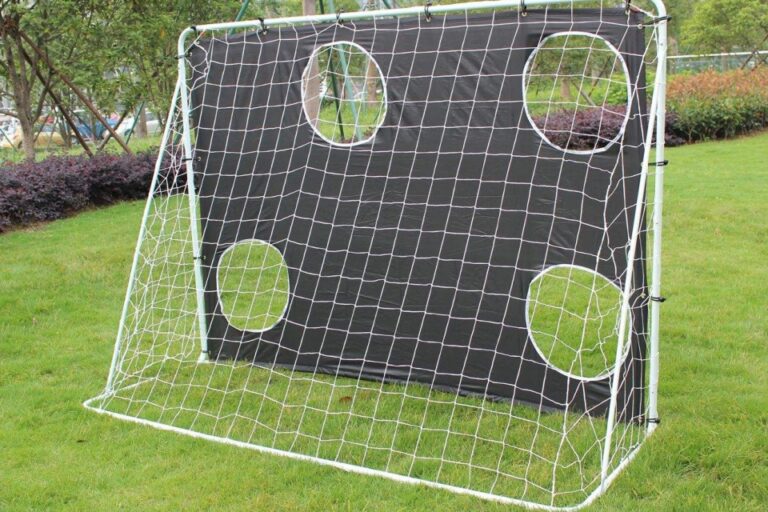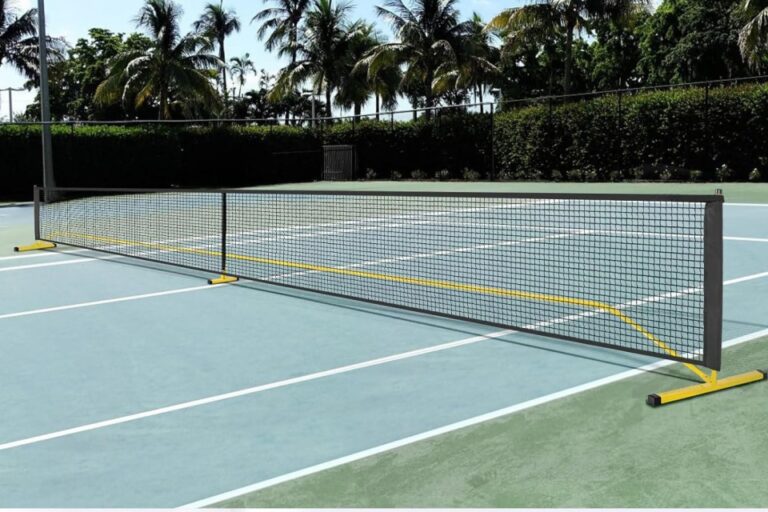
What Are The Risks Of Sourcing Sports Nets From China Vs. Europe?
Why This Debate Misleads So Many Buyers
Cheap can be expensive.
I’ve watched buyers obsess over ex-works price, shave forty cents off a net, feel clever for about three days, and then get flattened by carton failures, mystery polymer swaps, weak bungee cords, or a customs delay that burns an entire seasonal launch window. It happens. A lot.
And that’s the part people don’t like hearing. The China-versus-Europe debate is usually framed like a morality play—China equals low cost and danger, Europe equals high cost and safety. I frankly believe that framing is lazy. Worse, it’s expensive. Real sourcing risk isn’t stamped on the map. It hides in the BOM, in the welds, in the twine denier, in the coating thickness, in whether the “factory” is actually a trader with a rented meeting room and a nice set of sample photos.
I’ve seen both sides. A Chinese plant with brutal process discipline, proper in-line QC, and better packaging engineering than suppliers charging 30% more in Europe. And, yes, I’ve seen European vendors sell the romance of “local manufacturing” while quietly leaning on offshore upstream production for netting, steel components, or cut-and-sew work. Pretty brochure. Murky chain.
So when someone asks me whether sourcing sports nets from China is riskier than sourcing sports nets from Europe, my answer is annoying but honest: sometimes, yes; sometimes, no; almost always, the real risk is buying from a supplier you haven’t stress-tested.
目次
Freight and Logistics Risk
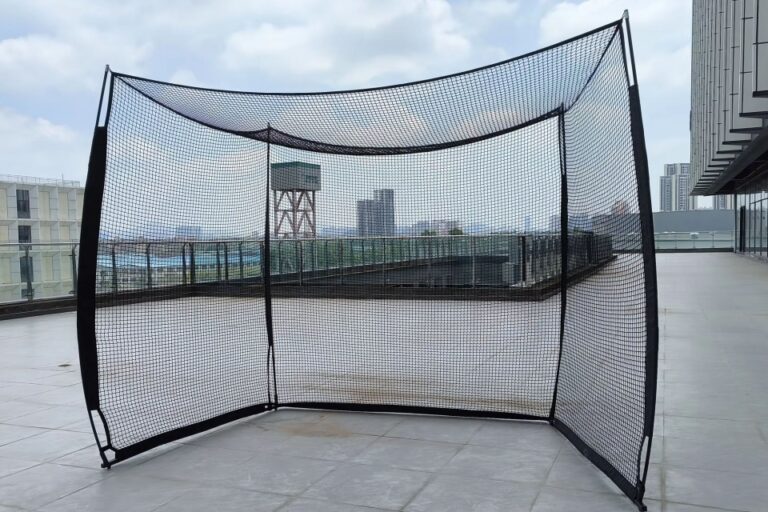
Freight alone can wreck the spreadsheet. In 2024, ロイター通信が伝えた。 that container rates jumped from about $1,200 in 2023 to a January 2024 peak of $3,400, then rebounded to roughly $4,500 in late June, while Maersk told Reuters that Red Sea disruption could cut Asia-Europe capacity by 15% to 20% and add 40% to fuel costs on affected routes. That doesn’t just hurt margin—it mangles replenishment logic for bulky goods like golf cages, soccer goals, baseball screens, rebounders, and regulation-size frame systems. One delay, one missed booking, one rolled container, and your tidy landed-cost model turns into fiction.
Hidden Manufacturing Problems Buyers Miss
Material Substitution and Production Drift
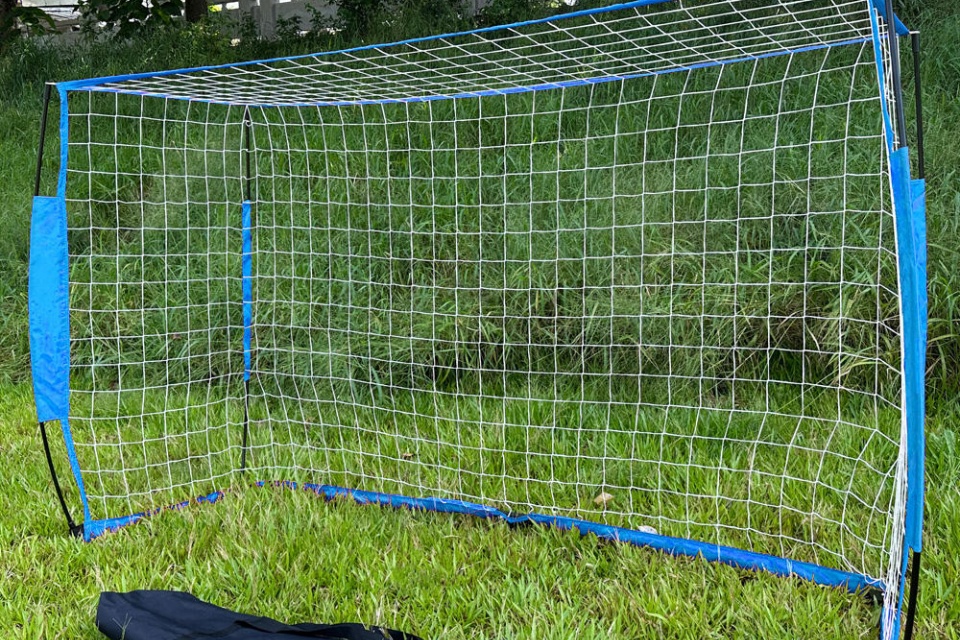
Then comes the stuff buyers don’t see. Material substitution. That’s the old trick. A sample comes in with a respectable mesh feel and decent UV resistance, then full production sneaks in cheaper resin, lower-grade nylon, thinner wall steel, or softer powder coating at the weld zones where stress loves to show up first. Nobody says a word. Why would they?
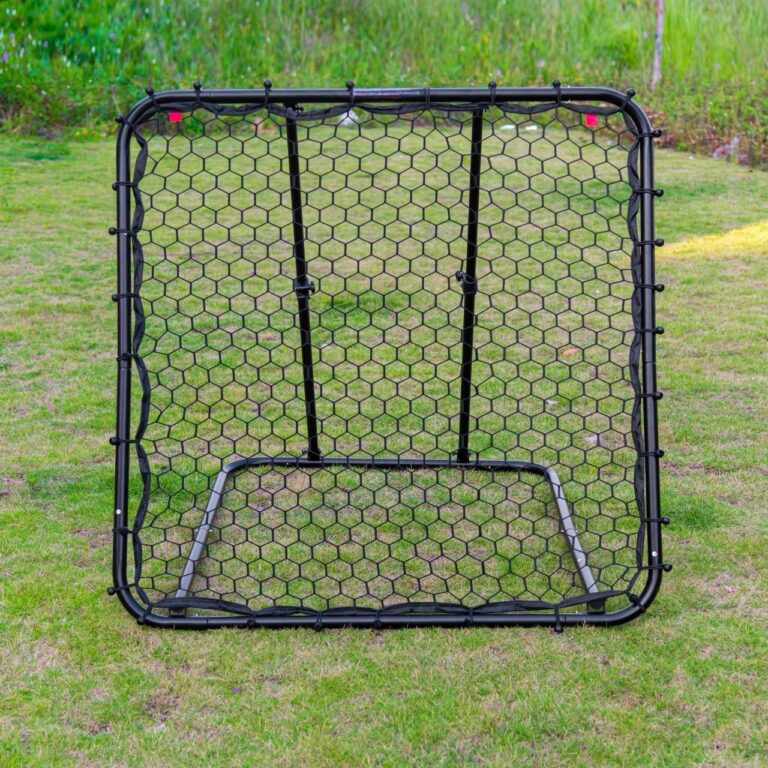
From my experience, weak sports net suppliers don’t fail loudly at the start. They fail quietly in the field. The golf hitting cage sags after a few months. The soccer rebounder starts twisting because the frame tolerance is sloppy. The pickleball base develops rattle because the tubing gauge wasn’t what you thought you bought. Customers don’t use the phrase “process drift,” of course. They just ask for refunds.
Documentation and Customs Exposure
And the paperwork risk? Bigger now. Less forgiving too.
In a 2024 update, U.S. Customs and Border Protection said that through May 1, 2024, it had stopped 8,465 shipments worth $3.32 billion for UFLPA enforcement action reviews. That number should make importers sit up. Your sports net shipment doesn’t need to look suspicious in the Hollywood sense; it just needs a messy origin trail, vague supplier declarations, or a badly documented upstream chain on yarn, packaging, steel, or subcontract assembly. That’s enough. If you don’t control traceability, you don’t control risk. Simple as that.
Europe Is Not Automatically “Safe”
But Europe isn’t some magical clean room either.
If you’re selling into the EU, yes, there’s an argument for buying closer to market. Less transit drama. Potentially cleaner accountability. And the European Commission’s GPSR notice matters because, from 13 December 2024, Regulation (EU) 2023/988 applies to consumer products, requires a responsible economic operator in the EU, and strengthens risk assessment and surveillance expectations. The same Commission said the Safety Gate network logged 3,412 alerts and 4,287 follow-up actions in 2023, with chemicals, injuries, choking, and environmental risks among the most notified issues. That’s not a sleepy regulatory backdrop. That’s active enforcement pressure.
Still, here’s the ugly truth: Europe often gives buyers emotional comfort more than structural safety. If the supplier is a distributor masquerading as a manufacturer, your “European sourcing” may still sit on top of imported netting, outsourced welding, or third-party finishing. Different invoice. Same blind spot.
Cost Pressure in Europe
And then there’s cost. Which people love to hand-wave until procurement has to sign the PO.
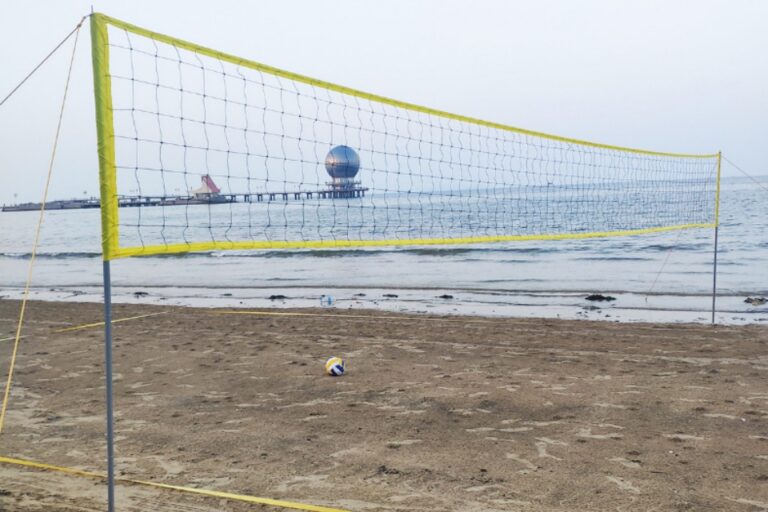
Eurostat reported that EU hourly labour costs in industry rose 5.3% year over year in the third quarter of 2024. So when a European quote for a football target trainer, a lacquered steel hockey frame, or a portable volleyball set comes in well above a Chinese offer, that’s not supplier greed by default. It’s labor, overhead, energy, compliance handling, and often a lower tolerance for razor-thin batch economics.
What Buyers Should Really Be Asking
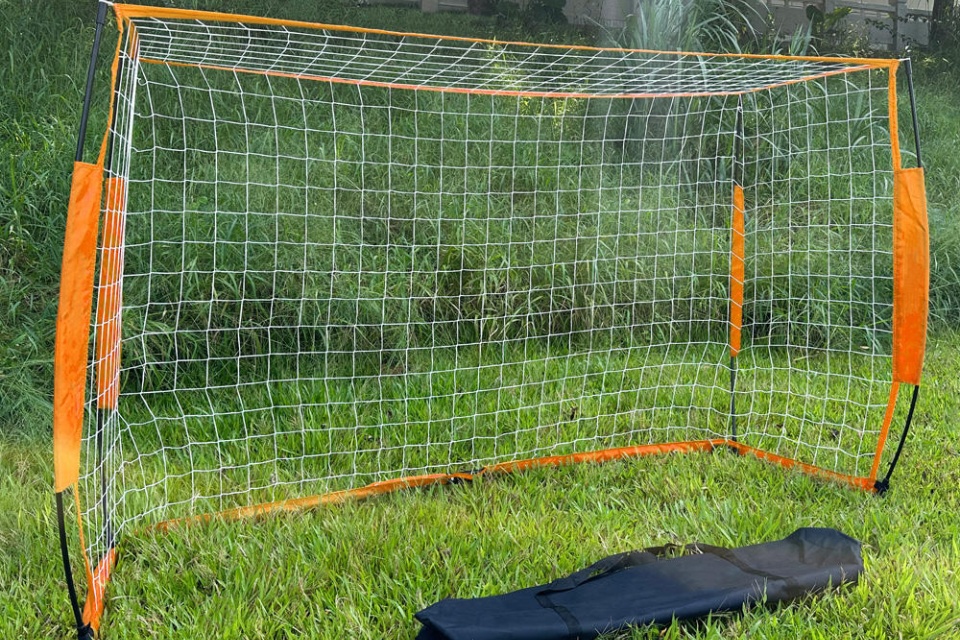
This is why I don’t let buyers get away with simplistic questions. “China or Europe?” isn’t a sourcing question. It’s cocktail-party chatter. The real questions are uglier and better: Who owns the tooling? Who signs off on in-line QC? Who’s actually extruding, knitting, welding, coating, and packing? What’s the acceptable AQL? What are the backup freight lanes? Who’s holding legal exposure if a retailer flags non-compliance or a customs officer wants origin proof?
Those answers matter. The rest is noise.
How to Evaluate Sports Net Manufacturers Properly
Look for Proof, Not Marketing
If I’m looking at sports net manufacturers, I want receipts—not vibes. Show me twine spec, mesh size, resin type, UV additive package, steel wall thickness, weld treatment, coating process, and packaging logic. Tell me whether the net is nylon 6, nylon 6,6, HDPE, or PP. Show me what changes between sample and production. Better yet, show me what doesn’t change.
Transparency Beats Geography
That’s why supplier transparency is a bigger signal than geography. A company that’s willing to expose its OEMおよびソーシング・サービス, walk buyers through a real 工場見学, and prove it actually builds across categories like ゴルフネット, ネットシステム, そして multi-sports net assemblies gets my attention faster than a polished middleman tossing around words like “premium” and “global standards.”
Because “premium” is not a spec. Never was.
China vs Europe Risk Comparison
Let me put it more bluntly. China usually wins when the program is OEM-heavy, spec-flexible, and cost-led. Europe usually wins when the end market is the EU, freight volatility would kill you, or compliance chain simplicity matters more than squeezing every penny out of unit cost. But if the supplier can’t document the process, neither option is safe. It just fails in different ways.
Here’s the comparison buyers actually need.
| Risk Area | China Suppliers | Europe Suppliers | My Read |
|---|---|---|---|
| Unit cost | Usually lower ex-works pricing | Usually higher factory pricing | China often wins on sticker price |
| Freight exposure | Higher exposure to ocean disruption and long lead times | Lower for EU/UK destinations | Europe wins on route stability for EU buyers |
| QC variance | Wider spread between top factories and weak ones | Usually narrower, not guaranteed | Audit discipline matters more than region |
| OEM flexibility | Strong on customization, mixed on consistency | Often slower or pricier on custom work | China usually wins on speed and range |
| Compliance chain | More origin and documentation scrutiny | Clearer EU-market accountability | Europe wins for EU regulatory simplicity |
| Hidden subcontracting | Common behind trading companies | Common behind brand/distributor layers | Always ask who actually makes the product |
| MOQ pressure | Often negotiable, but can shift after sampling | Can be rigid on smaller runs | Depends on the factory, not the brochure |
| 最良の使用例 | Cost-led, OEM-heavy, high-volume programs | EU-focused, compliance-heavy, replenishment programs | Match region to market, not emotion |
The Hard Truth Most Buyers Learn Too Late
Anecdotally—and, yes, I know anecdotes aren’t data, but they are pattern detectors—I’ve seen more buyer damage from overconfidence than from any single region. People trust the sample too much. They trust the sales rep too much. They trust the phrase “we’ve done this for years” way too much. Then they skip metallurgical details, don’t check carton compression, ignore the elastics, forget labeling rules, and act surprised when the first real complaint lands.
そんなことはするな。.
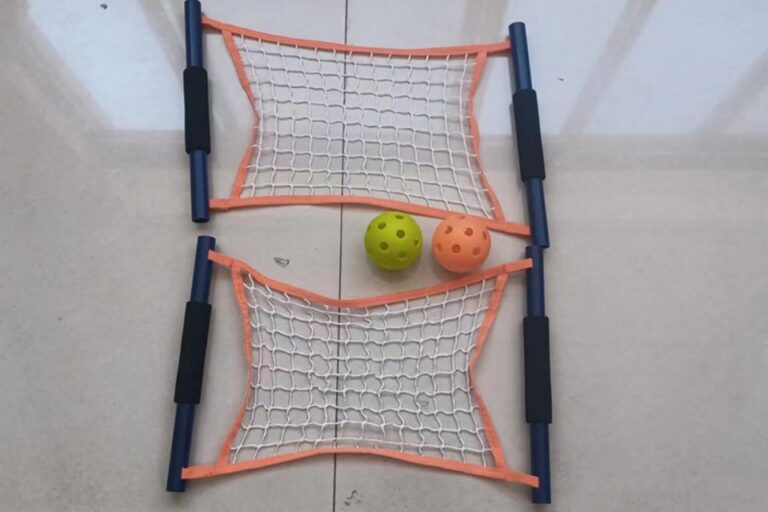
If you’re buying soccer goals, golf cages, baseball practice nets, rebounders, hockey frames, or portable pickleball systems at scale, the shortlist should be built around process evidence. Not accent. Not country bias. Not whichever quote lands first. I know that sounds harsh. It’s still true.
よくある質問
Is sourcing sports nets from China always riskier than Europe?
The biggest risk in sourcing from China is not geography itself but the wider spread between elite factories and weak operators, which means buyers can get excellent value or painful inconsistency depending on how well they audit materials, subcontracting, documentation, and production controls before releasing volume orders. China isn’t automatically riskier; lazy qualification is.
What is the main compliance risk when importing sports nets?
The main compliance risk is importing and selling sports nets without airtight traceability, material declarations, safety documentation, labeling, and responsible-market accountability, which leaves the importer exposed when customs, a retailer, a marketplace, or an insurer asks who actually validated the product’s origin, composition, and consumer safety obligations. That pressure is no longer theoretical. (trade.ec.europa.eu)
Why can European sports net suppliers still be risky?
The main risk with European suppliers is that buyers often assume invoice origin equals manufacturing control, when in reality some sellers are distributors, assemblers, or brand operators with outsourced upstream production, making lead time, cost structure, and traceability less transparent than the marketing language suggests. Europe can reduce some risks, sure, but it doesn’t erase supplier opacity.
How do I choose the best sports net manufacturer for quality control?
The best sports net manufacturer for quality control is the one that can prove production repeatability through batch records, twine and tubing specifications, in-process inspection checkpoints, packaging controls, and corrective-action evidence, rather than relying on a polished sample, broad claims, or vague language about “premium quality.” I’d trust documentation over charm every single time.
結論
If you want to pressure-test a supplier instead of just admiring the catalog, review the full product range, を検査する。 factory background, そして チームに連絡する with your target specs, shipment destination, order volume, and compliance requirements. That’s the grown-up way to source.