Rebounder nets: tension, elasticity, and replacement cycles
Table of Contents
If you sell rebounder nets (or buy them in bulk), you’ve seen the same pattern: one batch gets great reviews, the next batch gets “the ball doesn’t pop,” “net sags,” or “bungees snapped.” Most of that drama comes down to three basics—tension, elasticity, and replacement cycles—plus how people really use these nets in backyards, clubs, schools, and training centers.
FSPORTS builds UV-resistant, high-impact sports netting for wholesale, custom, and OEM/ODM buyers, so this breakdown sticks to what matters in the field: fewer returns, better rebound feel, and smoother reorders. (The internal links below are selected from your FSPORTS.json list.)
Rebounder net tension
Think of tension as the net’s “tightness setting.” When tension is right, the ball comes back fast and clean. When tension drops, the rebound turns mushy, angles get weird, and players stop trusting the rep.
What high tension changes in rebound feel
High tension usually gives you:
- Faster return speed (ball doesn’t die in the mesh)
- More predictable angles (less “random bounce”)
- Sharper feedback (useful for touch drills, first-touch work, quick hands)
That’s why serious training rebounders lean on tight frames, strong edge binding, and consistent attachment points—because players notice the difference in one session.
Real-world tension scenarios
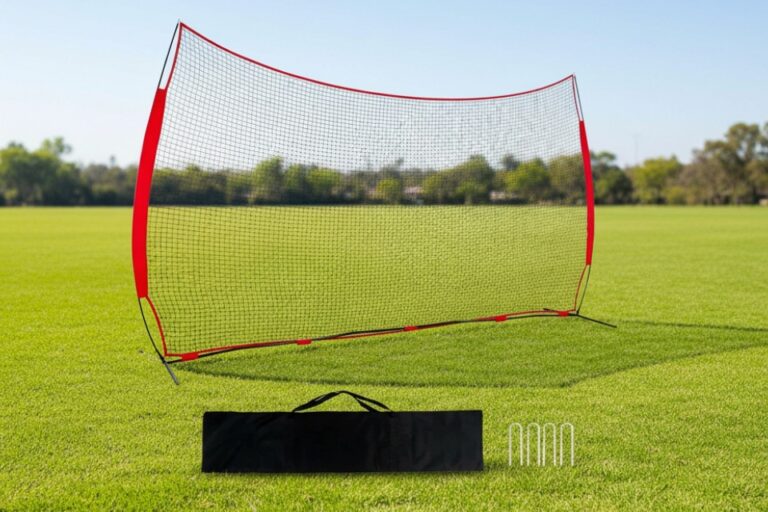
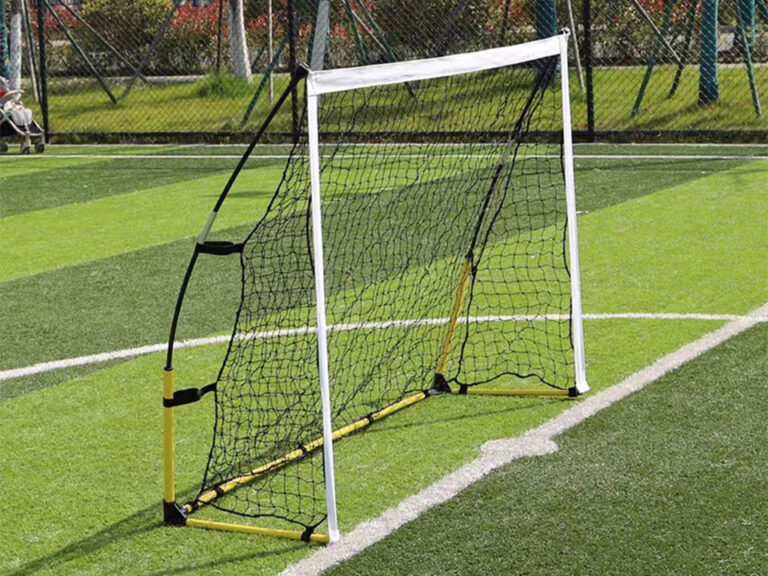
- Soccer first-touch session: A slack face makes the ball drop instead of popping back. Players start taking extra steps and the drill loses its rhythm. A firmer setup like the portable soccer rebounder net helps keep the tempo.
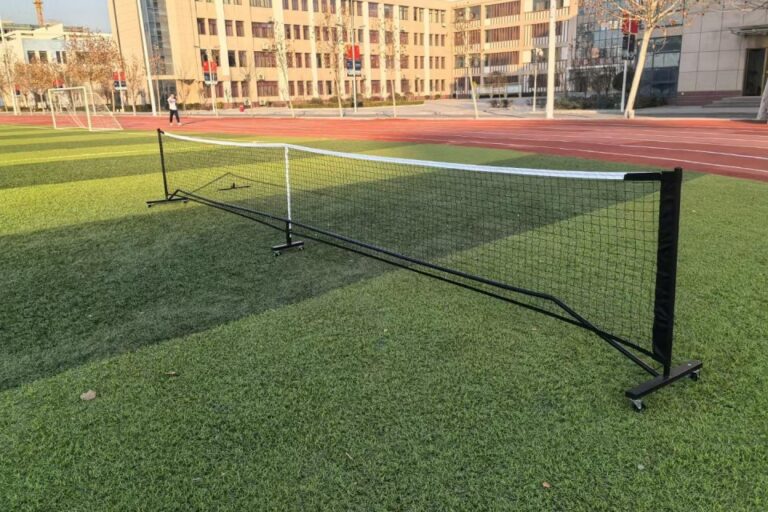
- Tennis wall-style reps: Low tension turns into “soft catch,” which feels nothing like a real rally. A purpose-built frame like the adjustable tennis rebounder net is used when you want a crisp return.
- Multi-sport training corner: Coaches don’t want to babysit setup. They want tension that holds across different ball weights and hit speeds. That’s the job of a stable kit like the portable sports rebounder net kit.
Net elasticity and rebound response
Tension is only half the story. Elasticity is how the net and its connectors stretch and snap back. It decides whether the rebound feels “lively” or “flat.”
Elasticity in netting materials
Two nets can look the same but play totally different because of:
- yarn behavior (how it stretches under load)
- knit/mesh pattern (how it spreads force)
- edge finishing (how the load transfers into the frame)
When elasticity is consistent, your rebound stays consistent. That’s what keeps a training product from feeling cheap after a few weeks.
Bungee cords, hooks, and attachment points
Most rebounder failures don’t start in the middle of the mesh. They start at the edges:
- bungee creep (bungees slowly “give up” and stay longer)
- hook wear (metal rub points chew through cord loops)
- grommet pull-out (holes widen, edges tear, tension drops fast)
If your buyers are retailers or ecom sellers, this matters because edge failures drive refunds. For replacement-driven categories, it also creates steady reorder demand—if you plan the cycle instead of getting surprised by it.
A product buyer who wants a clear “accuracy training” story often chooses a zoned face like the professional multi-target rebounder net. Targets help sell-through because customers can see the purpose in one photo.
Replacement cycles for rebounder nets
Replacement cycles aren’t just about “how long it lasts.” They’re about when performance drops enough that users complain, or safety risks go up. If you manage that timing, you reduce customer pain and protect your brand.
Common signs that trigger replacement
Use these as simple, field-friendly triggers:
- Sagging face: net looks baggy even after re-tensioning
- Slower rebound: ball returns with less speed, more “dead” feel
- Edge damage: fraying, seam splits, stretched attachment loops
- Connector issues: bungees cracked, hooks bent, knots slipping
- Color fade + stiffness outdoors: UV and weather aging often show up together
A lot of buyers ignore early signs, then everything fails at once. That’s when they call it “bad quality,” even if the net simply ran past its realistic service window.
Indoor vs outdoor replacement cycles
Indoor use is mostly mechanical wear (impact cycles). Outdoor use adds UV, heat, rain, and dirt. That means:
- Indoor training rooms often see steady performance until connectors start to creep.
- Outdoor schools and clubs often see faster aging at edges and exposed cords, even if the mesh still looks “okay.”
If you supply institutions, it helps to recommend a basic inspection routine—because they don’t want downtime mid-season.
Replacement cycles and spare parts planning
Bulk buyers win when they stock a small “spares pack” and keep users on the field:
- extra bungees
- extra hooks
- replacement net panels for high-wear sports
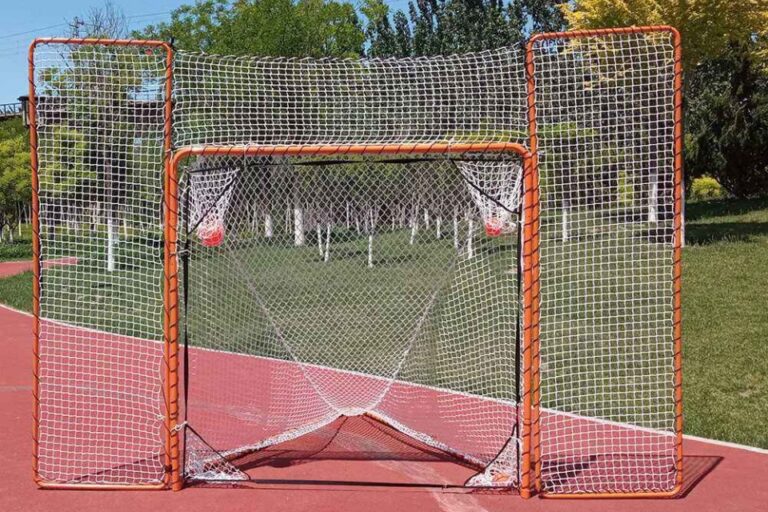
For example, teams that run contact-heavy drills often keep replacement goal nets on hand, like the high-strength replacement lacrosse goal net. Even if it’s not a rebounder face, it trains the buyer to think in cycles: play hard, replace fast-wear parts, keep frames longer.
UV resistance and outdoor durability
Outdoor nets fail in boring ways: sunlight, heat, and time. UV doesn’t always “snap” a net on day one. It slowly makes fibers less flexible, then edge zones start to fray, and suddenly the whole setup looks tired.
If your customers install nets at schools, fields, or backyard cages, they’ll ask for:
- UV resistance
- weatherproof performance
- stable rebound over time
That’s where FSPORTS leans into UV-resistant, high-impact netting and consistent production controls, because outdoor buyers care about season-to-season reliability.
Quality control checkpoints buyers actually care about
Buyers don’t want a long spec sheet. They want fewer headaches. These checkpoints reduce returns and angry emails:
- Tension consistency: does the face hold shape after repeated hits?
- Edge reinforcement: does the binding stop tearing at load points?
- Attachment uniformity: do bungees match length and stretch?
- Frame fit: does the net mount clean without forcing or twisting?
If you’re an OEM/ODM customer, you can also tune the “feel” by adjusting mesh gauge, edge build, and connector setup. That’s how you make a private-label rebounder that doesn’t feel like everyone else’s clone.
Rebounder net tension, elasticity, and replacement cycles
Here’s a practical support table you can use for training, sales pages, or buyer education. It ties the three topics to what people see in real use.
| Keyword focus | What changes | What you’ll notice in training | Why it happens | What to do next | Buyer note (B2B) |
|---|---|---|---|---|---|
| Rebounder net tension | Net face tightness | Faster return, cleaner angles | Tighter face stores/returns energy better | Re-tension evenly; check edge mounts | Fewer “dead rebound” complaints |
| Net elasticity | Stretch + snap-back | “Pop” feel vs soft catch | Materials + knit + connectors shape the rebound curve | Match netting + bungee spec to sport | Better reviews, higher repeat orders |
| Bungee cords and attachment points | Connector creep/wear | Face starts sagging, rebound drifts | Bungees lengthen, hooks wear loops | Replace connectors before the mesh fails | Cheaper fix, saves the SKU rating |
| UV resistance | Fiber aging outdoors | Fade, stiffness, edge fray | Sun/heat weaken polymers over time | Use UV-resistant netting; store when possible | Lower warranty pressure |
| Replacement cycles | Service window timing | Performance drops before total failure | Small damage adds up | Plan inspections + spares | Stable reorders, fewer emergency shipments |
Rebounder nets for different sports and training uses
Different sports punish nets in different ways. Stocking the right mix reduces churn and boosts sell-through.
- Lacrosse: hard shots and sharp angles stress the face and edges. A dedicated trainer like the professional lacrosse rebounder net fits programs that care about repeatable reps.
- Pickleball: lighter ball, lots of quick touches. Target zones help skill drills and make the product easier to sell online, like the adjustable pickleball rebounder net with 5 target zones.
- Golf training corners: even when it’s not a rebounder, the same tension/elasticity thinking applies to impact handling and frame stability. Buyers often bundle rebounders with cages or practice nets from the broader FSPORTS products catalog.
OEM/ODM and bulk wholesale for rebounder nets
If you’re a retailer, distributor, or brand owner, rebounders can be great business—when you control the pain points:
- fewer returns (edge failures, weak rebound feel)
- fewer “missing parts” tickets (hooks/bungees)
- cleaner assembly (less confusion, fewer bad reviews)
- stable supply for reorders (same feel every batch)
FSPORTS supports customization, bulk wholesale, and OEM/ODM, so you can tune rebound feel, durability, packaging, and accessory sets for your channel—pro shops, stores, ecom, drop-ship, or institutional bids.
If you want a clean starting point, browse the FSPORTS homepage and build a rebounder line from there.