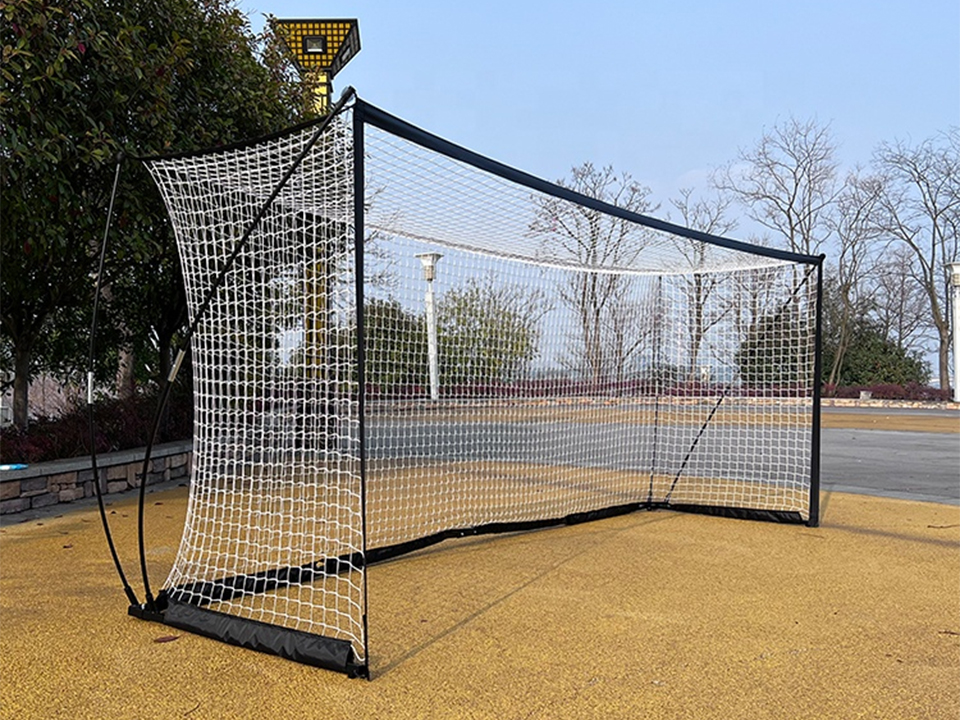
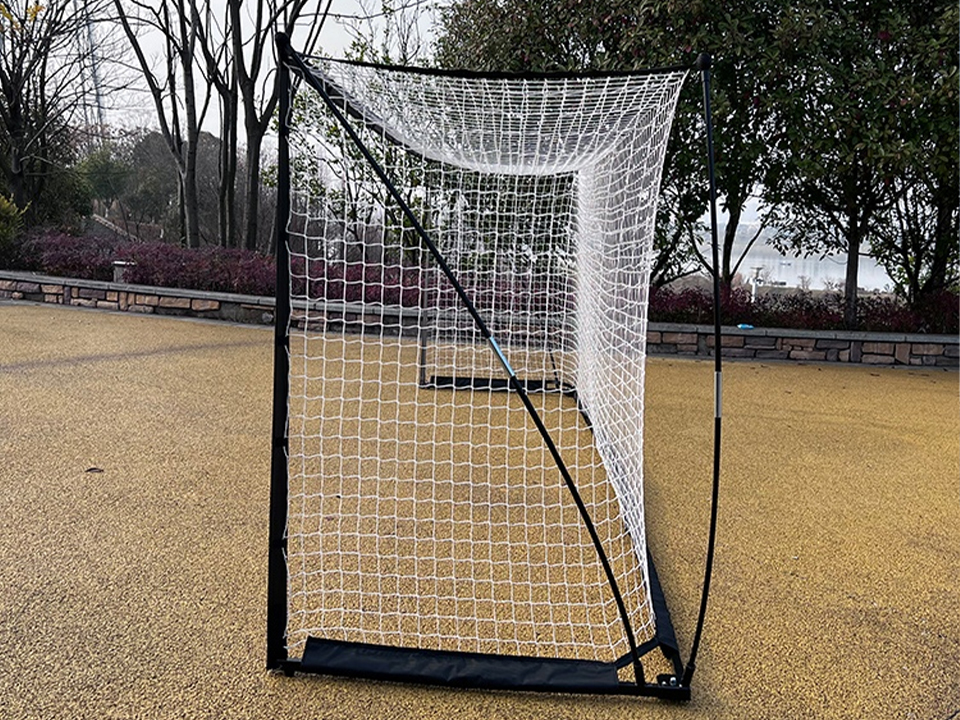
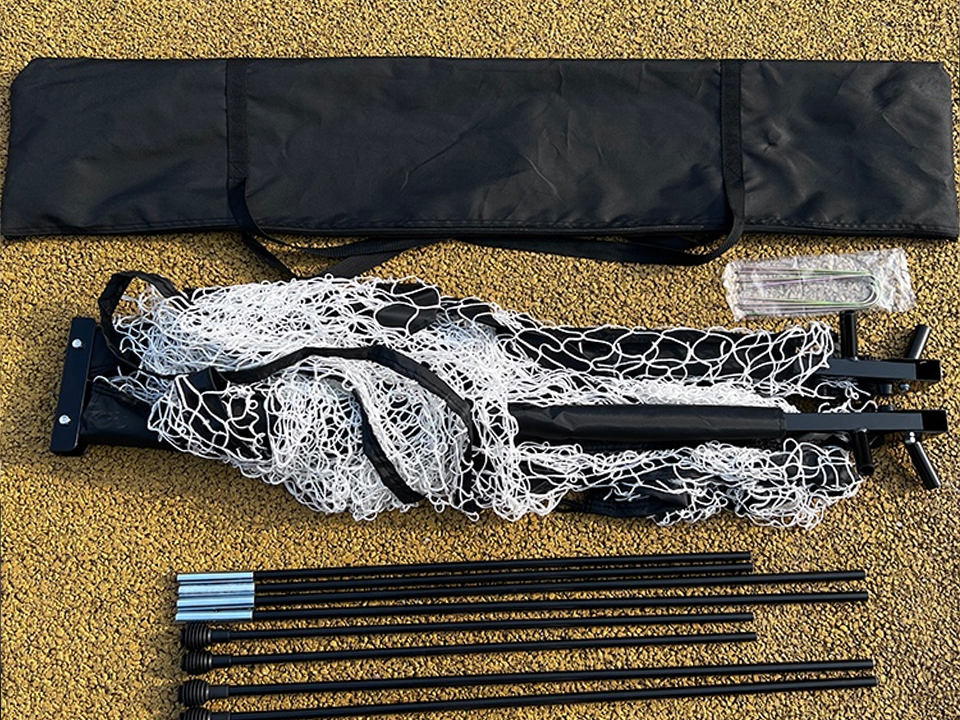
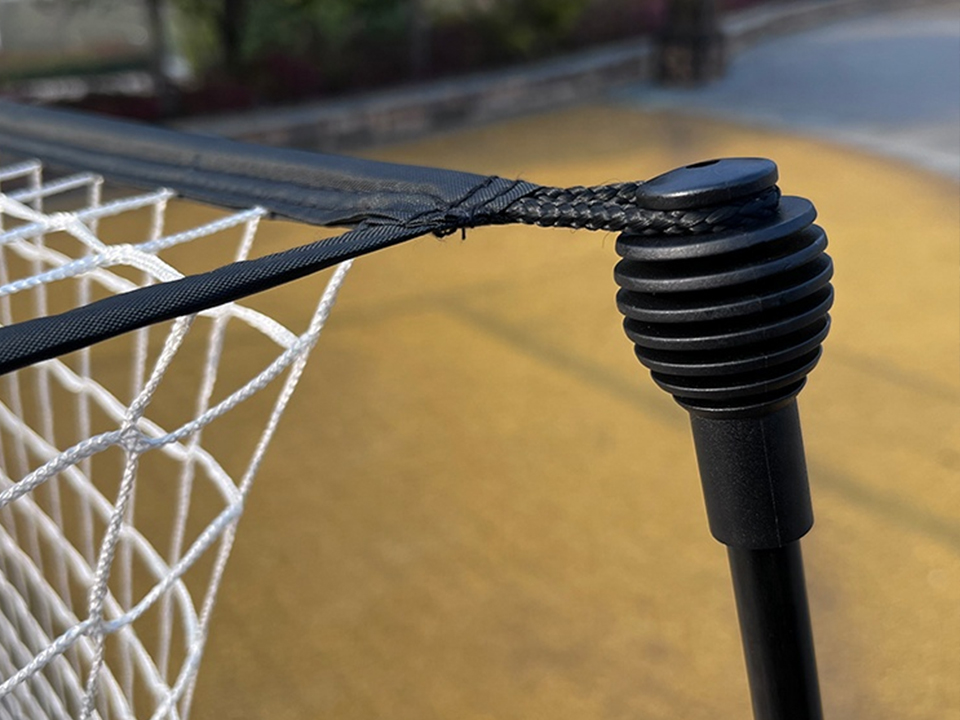
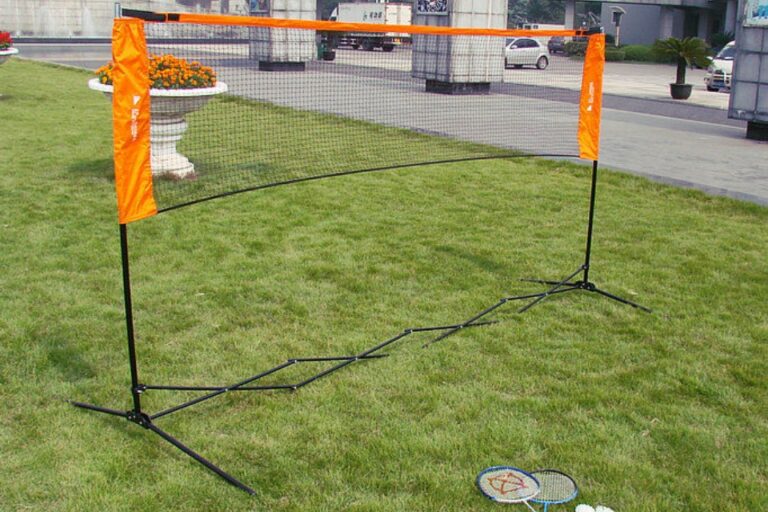
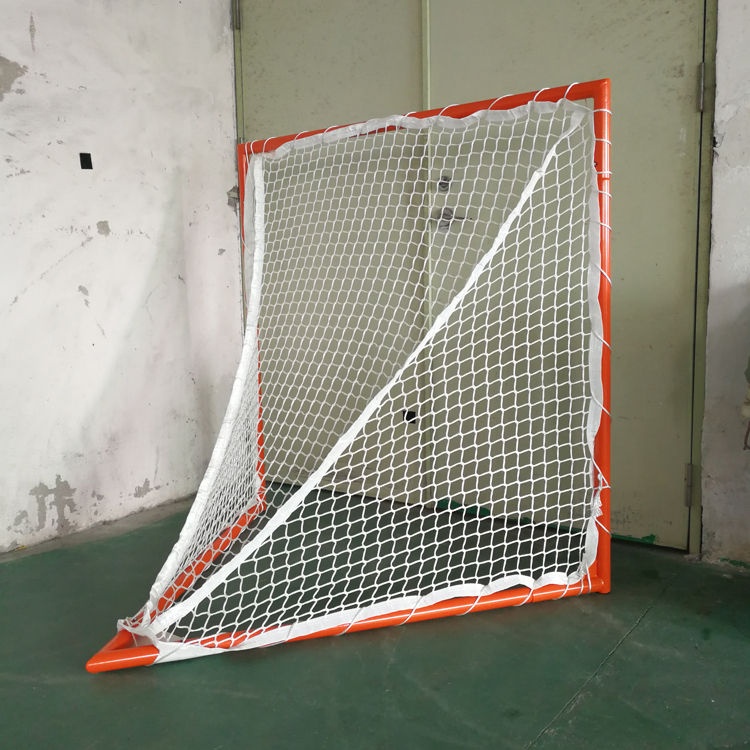
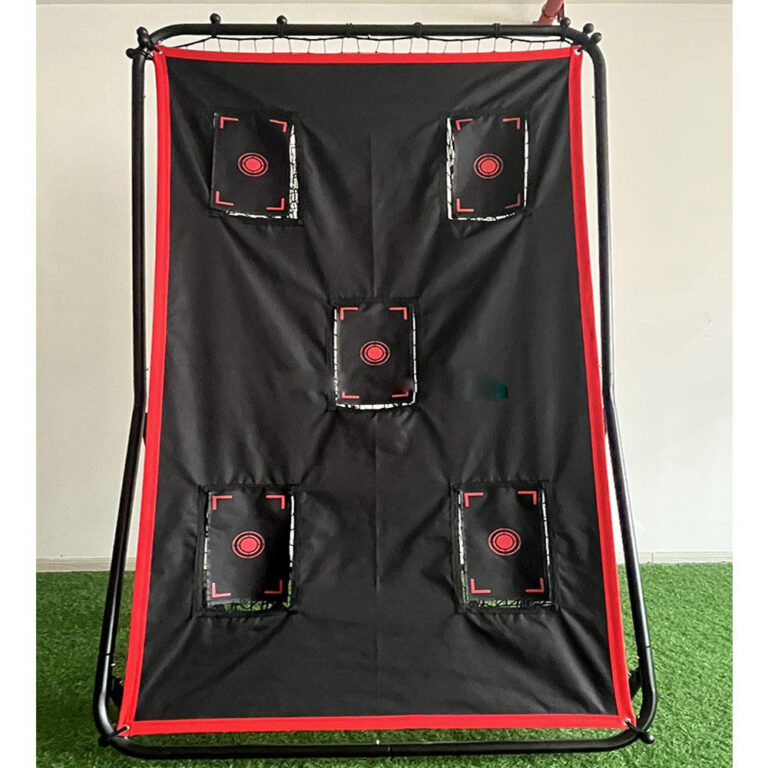
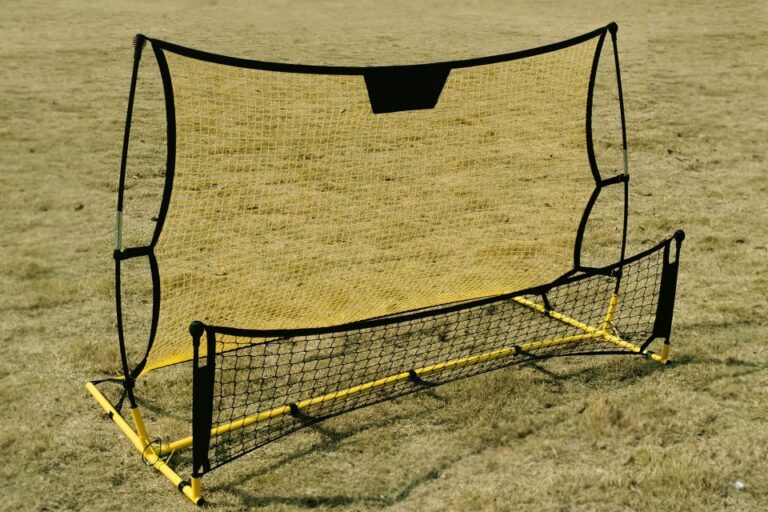
Начните свой проект по производству спортивных сеток по схеме OEM/ODM
Расскажите нам, что вы хотите разработать. Компания FSPORTS реализует проекты по производству спортивных сеток по схемам OEM/ODM, под частной торговой маркой и по индивидуальному заказу на основе вашего существующего продукта, чертежа, образца, фотографии или требований к применению.
Сообщите нам тип изделия, размеры, планируемый объем заказа, пункт назначения, а также все известные требования к сетке, материалу, каркасу, фурнитуре, логотипу или упаковке. Если ваши технические требования пока не полностью сформированы, пришлите нам то, что у вас есть, и мы сможем уточнить остальные детали перед составлением коммерческого предложения.
Какой самый безопасный способ крепления переносных футбольных ворот для предотвращения их опрокидывания?
Переносные футбольные ворота быстро устанавливаются. Они также создают одну из самых больших угроз безопасности на поле: опрокидывание. Если ворота не закреплены, ребенок может забраться на раму, ветер может подхватить сетку или вратарь может столкнуться с ней. Тогда вся конструкция может перевернуться за долю секунды.
Это не исправить “осторожностью”. Это можно исправить с помощью правильного метода крепления для вашей поверхности, а также простой процедуры проверки, которую ваш персонал будет выполнять.
Переносные футбольные ворота с риском опрокидывания
Чаще всего опрокидывание происходит в неловкие моменты: на разминке, во время перерывов на воду, после тренировки или когда поле остается без присмотра. Именно тогда дети обращаются с перекладиной как с оборудованием для игровой площадки. Если на вашей площадке используются открывающиеся ворота, складные ворота или любые другие конструкции типа “перенеси и храни”, относитесь к креплению как к части конструкции, а не как к необязательному дополнению.
Вот практическое правило: Если вы можете перемещать ворота, то должны закреплять их каждый раз, когда используете их.
Самый надежный метод крепления: полупостоянные анкеры с бетоном
Если вы контролируете площадку (школы, клубы, академии, парки с выделенным полем), то наиболее безопасной будет установка полупостоянная анкерная система:
Бетонные фундаменты и анкерные гнезда
Установите заземляющие гильзы / анкерные муфты Установите их в бетон (или одобренные основания для анкеров), а затем прикрепите раму ворот к этим точкам с помощью номинального оборудования. Этот подход выигрывает, потому что устраняет самую большую переменную: состояние почвы. Глина, песок, влажный грунт, сухой грунт - бетону все равно.
Где ставить якоря: за воротами
Размещение якоря имеет значение. Опрокидывание обычно происходит при вращении вперед. Ставьте якоря там, где они противостоят этому движению “шарнира” вперед - обычно за воротами, привязанные к задним точкам рамы.
Почему это самый безопасный выбор по умолчанию
Он обеспечивает стабильную стойкость в любое время года.
Это уменьшает импровизацию персонала (“Мы бросили на него два мешка, все должно быть в порядке”).
Легче стандартизировать СОП и пройти аудит безопасности.
Если вы управляете несколькими объектами, это также самый простой метод документирования для проверки EHS, страхования и реестра рисков.
Варианты крепления для травы: шнековые анкеры и колышки для земли
Не на каждой площадке можно заливать бетон. Для временных полей на натуральной траве у вас все еще есть надежные варианты.
Шнековые анкеры для мягких или песчаных грунтов
Используйте спиральные шнековые анкеры когда земля мягкая, песчаная или рыхлая. В таких условиях они вгрызаются глубже и лучше сопротивляются выдергиванию, чем простые колышки. Кроме того, ваша бригада сможет быстро затянуть их с помощью базового набора инструментов.
Колышки для прочного дерна
Используйте колья (колья/колышки, предназначенные для крепления ворот) когда почва станет достаточно твердой, чтобы выдержать забивной анкер. Забивайте их глубоко и держите крепление плотно, чтобы рама не “гуляла” во время ударов.
Количество анкоров: не угадывайте - стандартизируйте
Вместо того чтобы гадать на месте, составьте простую матрицу в вашем СОПе: размер ворот + тип поверхности + ожидаемые нагрузки (ветер, возрастная группа, интенсивность) = минимальная установка якоря. Главное - последовательность. Если ваша установка меняется каждую сессию, ваш риск возрастает.
Варианты анкеровки для кортов с твердым и дерновым покрытием: мешки с песком и противовесы
Искусственные газоны, бетон и полы в помещениях не позволяют использовать анкеры. Поэтому противовесы заходите.
Мешочки с песком и блоки с грузом
Используйте мешочки с песком или блоки с грузом предназначенные для спортивного инвентаря, размещаются там, где они противостоят вращению вперед. Не бросайте сумку впереди, “потому что так безопаснее”. Поместите груз так, чтобы он препятствовал движению ворот вперед, и закрепите его, чтобы он не соскользнул.
Опасности, связанные с поездками: сохраняйте возможность играть
Противовесы могут создать новую проблему: спотыкание игроков. Держите сумки плотно к задней раме, используйте низкопрофильные места и избегайте свободных ремней на тротуарах. Безопасные ворота не помогут, если они приводят к травмам лодыжек.
Проверка реальности ветровой нагрузки
Сетка может действовать как парус. Если ваша площадка открыта (прибрежные парки, открытые школьные площадки), относитесь к ветру как к реальной нагрузке. Если ворота кажутся “легкими”, когда вы их трясете, значит, они недостаточно закреплены.
Не используйте сетчатые колышки в качестве якорей для ворот
Этот случай часто встречается в полевых условиях: кто-то хватает сетчатые колышки и называет его закрепленным.
Колышки для сетки предназначены для сетки. Они не предназначены для удержания вращающейся под нагрузкой рамы. Если ваши ворота могут опрокинуться, колышки для сетки вас не спасут. Соберите комплект с настоящими анкерами, предназначенными для удержания оборудования.
Проверка стабильности перед использованием и техническое обслуживание
Анкерное крепление не работает по скучным причинам: ослабление фурнитуры, изношенность ремней, отсутствие штифтов и “мы исправим это позже”.”
Тест на встряску“, который пройдут ваши сотрудники
До первого удара по мячу:
Возьмите раму и толкать сзади.
Потрясите углы.
Если он качается, поднимается, скользит или скрипит, значит, он еще не готов.
Это займет 20 секунд. Включите это в свою предсессионную рутину, как судья проверяет шипы.
Ритм обслуживания
Подтягивайте фурнитуру по графику (еженедельно в сезон).
Замените изношенные ремни и крючки, пока они не вышли из строя.
Отслеживайте комплекты якорей, как инвентарь. Отсутствие якорей должно останавливать сессию, а не “мы все сделаем”.”
Хранение и присмотр, когда цели не используются
Много серьезных инцидентов происходит, когда голы остаются без дела после тренировки. Уменьшите этот риск с помощью одной политики: Никогда не оставляйте без присмотра незакрепленные ворота.
Если есть возможность, сделайте одну из них:
Переместите переносные ворота на склад
Зафиксируйте цели
Привязка целей к фиксированной структуре
Снимите сети, если к вашему участку есть постоянный доступ общественности
Это базовая защита от убытков. Он также защищает ваше оборудование от кражи и погодных воздействий.
Сравнительная таблица методов анкеровки
Способ крепления
Лучшая поверхность
Что она делает хорошо
Осторожно,
Источник, используемый в полевых политиках
Бетонные фундаменты + анкерные гнезда
Постоянное травяное поле
Высочайшая стабильность, повторяемость установки
Требуется установка и планирование
Руководство по безопасности переносных ворот CPSC США; руководства по безопасности футбольных ассоциаций штатов; СОПы по охране труда на предприятиях.
Анкеры для шнеков
Мягкая/рыхлая трава
Сильное сопротивление вытягиванию
Должен быть правильный момент затяжки; требуется достаточное количество единиц
Руководство по безопасности переносных ворот CPSC США
Вбитые колья
Твердая трава
Быстрая настройка, простое оборудование
Удерживающая способность падает во влажной/рыхлой почве
Руководство по безопасности переносных ворот CPSC США
Мешки для песка / блоки с грузом
Газон / крытый / жесткий корт
Работает там, где нельзя пробить землю.
Риск опрокидывания, риск скольжения, необходим достаточный вес
Национальные регуляторы безопасности; руководства для футбольных ассоциаций
“Только ”чистые колышки"
Любой
Ничего существенного для опрокидывания
Ложное чувство безопасности
Руководство по безопасности переносных ворот CPSC США
Реальные примеры использования, которые вы узнаете
Тренировка молодежного клуба в общественном парке
Вы готовитесь, проводите тренировки, заканчиваете, а родители болтают, пока дети возились. Это и есть опасное окно. Используйте шнеки или колья на траве, а спуск с травы рассматривайте как часть занятия, а не как последнюю мысль.
Школьная физкультура с выезжающими воротами
Выдвижные цели кажутся безобидными, потому что они легкие. Именно поэтому они двигаются. Каждый раз закрепляйте их или утяжеляйте. А по окончании занятий уберите их с поля.
Крытый футзал или тренировочный центр на газоне
Нельзя ставить подпорки. Используйте мешки с песком или утяжелители и следите за порядком, чтобы спортсмены не зацепили ремни. Разработайте для персонала повторяющуюся процедуру “сброса площадки”.
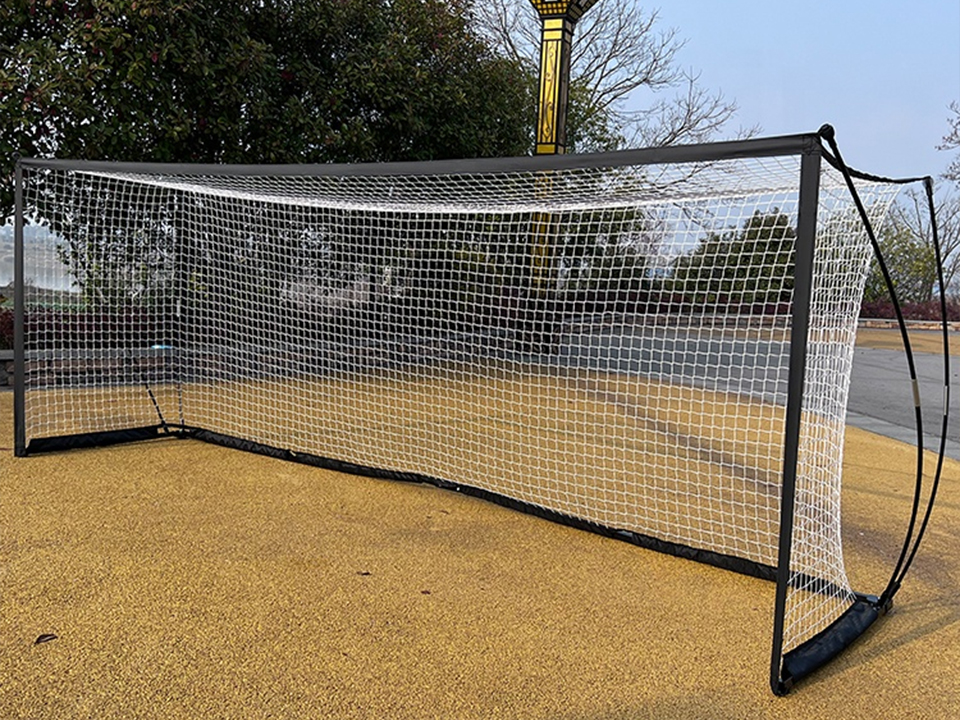
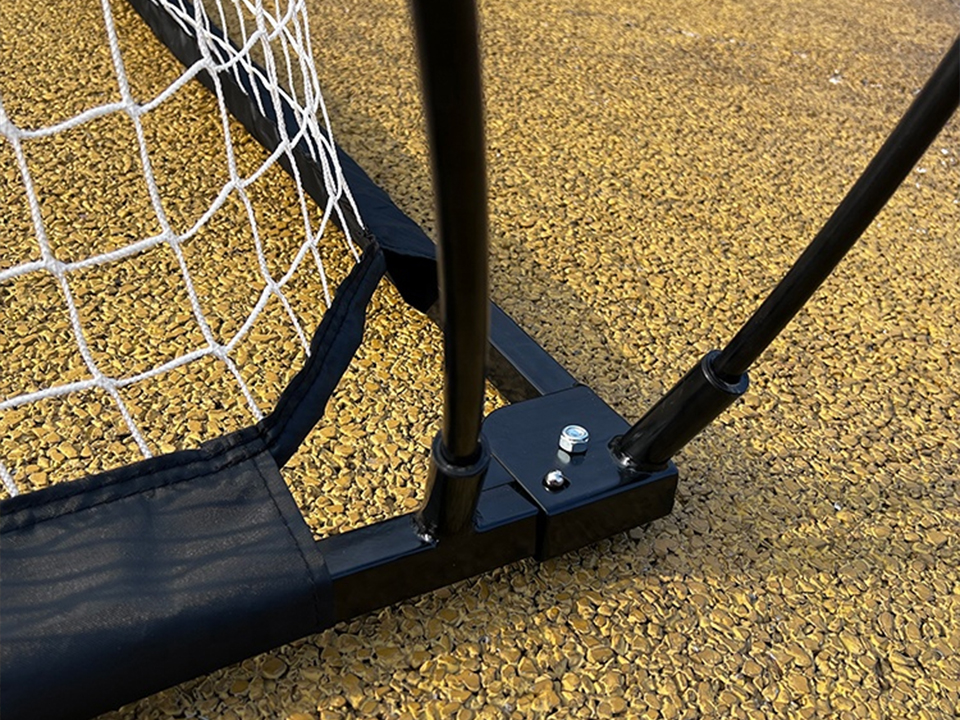
Высокое качество оптовая открытый складной футбол футбол цель
Как FSPORTS сочетается с более безопасными портативными воротами
Если вы продаете спортивное оборудование, проводите тренировки или управляете полями, вам уже знакома эта головная боль: клиенты хотят портативные установки, но при этом им необходимо соблюдать правила безопасности и сократить количество сообщений об инцидентах.
FSPORTS производит тренировочное снаряжение и сетки с долговечностью, которую ожидают покупатели - устойчивые к ультрафиолету, ударопрочные материалы, а также варианты изготовления на заказ для оптовых партий и OEM/ODM программ. Это важно, потому что крепление - это только одна сторона уравнения. Другая сторона - это снаряжение, которое держит форму, выдерживает нагрузку мяча и сохраняет свои точки крепления в целости и сохранности в течение долгого времени.
Вот несколько соответствующих категорий товаров, которые можно привязать к более безопасной системе обучения (только внутренние ссылки, взятые из списка вашего сайта):
Для покупателей B2B чистая подача проста: Продавайте “безопасную установку”, а не только раму. Создайте комплекты, включающие ворота, сетки и план крепления, соответствующий поверхности. Это сократит количество возвратов, уменьшит количество жалоб и поможет персоналу вашего клиента проводить занятия, не импровизируя на поле.
В итоге: выберите один безопасный метод для каждой поверхности и закрепите его в своих СОП.
Если вы можете установить: бетонные фундаменты + анкерные гнезда это самый безопасный долгосрочный метод.
Если вы на траве: используйте шнеки или колья, Подбирается к почве.
Если вы играете на газоне/твердом корте: используйте мешочки с песком или блоки с грузом, расположенный так, чтобы остановить вращение вперед.
Никогда не полагайтесь на сетчатые колышки.
Проводите быструю проверку устойчивости каждую сессию и храните цели в безопасном месте, когда за ними никто не наблюдает.
Если хотите, я могу сделать две версии для вашего сайта: одна написана для руководители клубов и школ, и один, написанный для розничные/оптовые торговцы которые нуждаются в более узком угле закупок для оптовых и OEM/ODM запросов.