Начните свой проект по производству спортивных сеток по схеме OEM/ODM
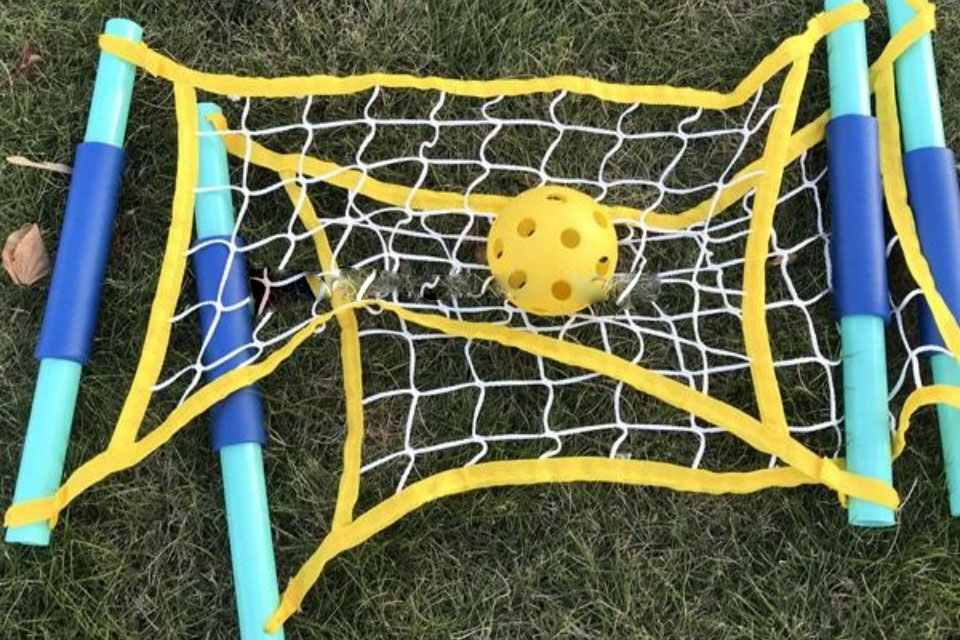
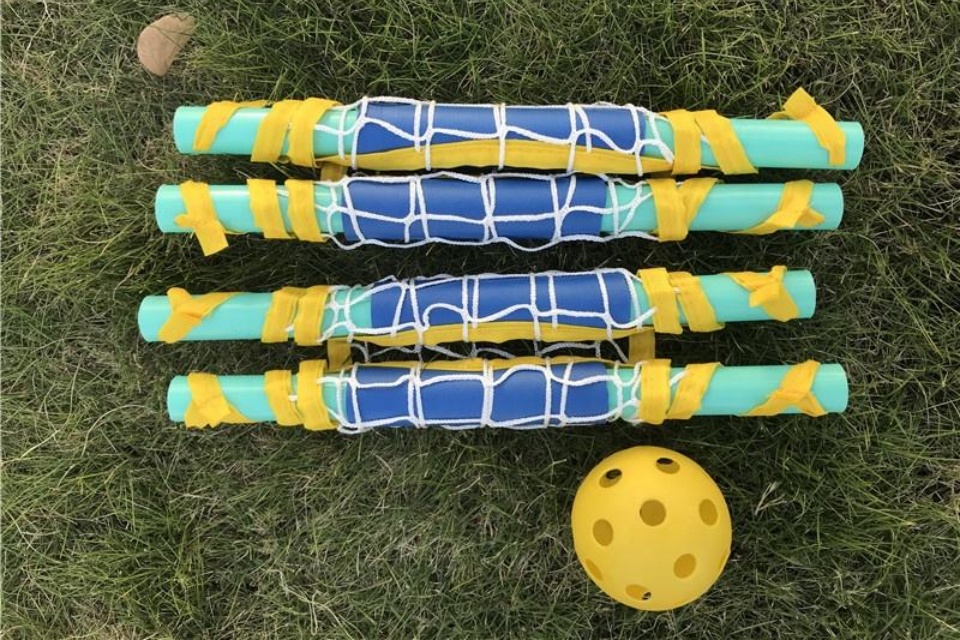
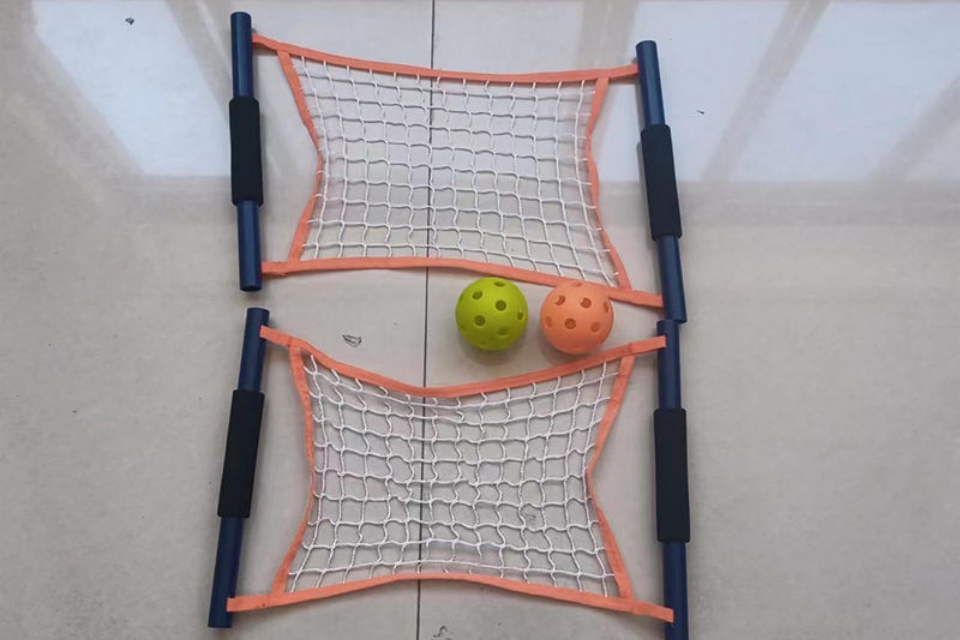
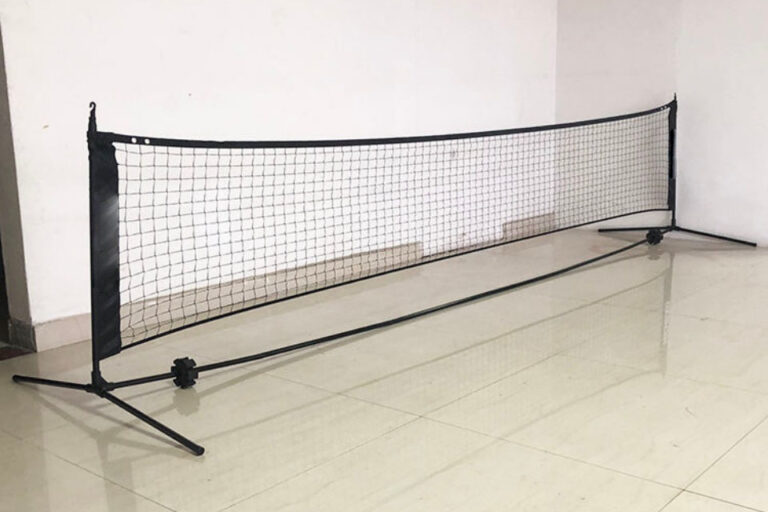
Расскажите нам, что вы хотите разработать. Компания FSPORTS реализует проекты по производству спортивных сеток по схемам OEM/ODM, под частной торговой маркой и по индивидуальному заказу на основе вашего существующего продукта, чертежа, образца, фотографии или требований к применению.
Сообщите нам тип изделия, размеры, планируемый объем заказа, пункт назначения, а также все известные требования к сетке, материалу, каркасу, фурнитуре, логотипу или упаковке. Если ваши технические требования пока не полностью сформированы, пришлите нам то, что у вас есть, и мы сможем уточнить остальные детали перед составлением коммерческого предложения.
Экологические показатели: факторы температуры, веса и эластичности
Why Most Buyers Misread Netting Performance
Я уже видел этот фильм.
A buyer gets fixated on mesh count, twine gauge, and per-unit price, the sales rep starts tossing around “heavy-duty” like it’s a magic spell, nobody wants to talk about creep, UV package, rebound profile, or frame load, and six months later the install looks tired, bellied-out, and weirdly older than the invoice says it should. Happens a lot.
Then comes the pretending.
But environmental performance isn’t the pretty phrase on the spec sheet. It’s what the net does when summer heat sits on it for ten hours, when the border rope starts carrying more than it should, when the wind keeps tugging the same corner, and when the polymer stops behaving like the lab sample everyone fell in love with. That’s the real test. Not the catalog glam shot.
And I frankly believe this is where the industry gets slippery.
Most people buying netting—especially for outdoor jobs—still shop like it’s a static product. It isn’t. It’s a loaded system. Material, tension, span, frame, anchors, sunlight, moisture, ball speed, recovery rate. Miss one variable and the whole package starts talking back. Usually with sag first.
Эта часть имеет значение.
So when I talk about outdoor netting material selection, I’m not talking about aesthetics or whatever sounds rugged in a sales deck. I’m talking about what survives the field without turning sloppy, dangerous, or expensive to babysit.
Climate Pressure Is Reshaping Environmental Performance
And the field is getting rougher, not kinder. According to NOAA’s 2024 global climate report, 2024 was the warmest year on record at 1.29°C above the 20th-century average, and Reuters reported that June through August 2024 became the hottest boreal summer ever measured. People can spin that however they want. A net can’t. More heat means more stress on tensioned polymers, more drift in behavior, more service-life surprises.
That’s not theory.
It’s also why I roll my eyes when someone asks, “Will it last outside?” That question is too soft to be useful. Sure, almost anything will “last” for a while. The better question is this: will it still hold its shape, kill energy properly, stay safe on rebound, and avoid turning the frame into a warranty time bomb after months of heat, UV, humidity, and impact cycles?
Different question. Better question.
Temperature, Weight, and Elasticity: The Three Variables That Actually Matter
Temperature Changes More Than Buyers Think
Temperature comes first because it changes everything else. Not all at once, maybe. But enough. On hot days, some nets stretch more, creep more, and start looking lazier at mid-span even before anyone admits the tension is wandering. On cold days, you can get the opposite feel—stiffer response, meaner energy return, more bite in the borders and hardware. And once the install starts seesawing between those conditions, the “perfect spec” from a mild-weather showroom starts looking pretty fragile.
I’ve watched installers chase the symptom instead of the cause. Retension here. Reclip there. Blame the attachment points. Blame the crew. Blame “usage.” But a lot of the time the real culprit was thermal behavior that nobody priced into the decision.
And yes, there’s actual lab evidence backing up what people in the trade already know. NIST’s 2024 research on UV, humidity, and temperature-driven polymer degradation looked at PET under UV radiation, dry versus saturated humidity, and temperatures of 30°C, 40°C, and 50°C, and found materially different chemical degradation patterns, including higher carboxylic acid formation under saturated humidity and 50°C conditions. That’s a mouthful, sure. But here’s the plain version: once sun, heat, and moisture stack up, polymer behavior shifts. Sometimes quietly. Sometimes fast.
That stack-up is brutal.
From my experience, buyers underestimate that compound effect because they still think in single-variable terms. “Is it UV resistant?” Fine. “Is it heavy-duty?” Fine. “Is it for outdoor use?” Fine. But real installs don’t get hit by one variable at a time. They get the whole cocktail—solar load, wet-dry cycling, thermal expansion, repeated impact, frame movement, salt air if you’re near the coast, maybe freeze-thaw if you’re unlucky.
That’s why how temperature affects material elasticity isn’t a side note. It’s the whole conversation.
Weight Is Often Misunderstood
Now, weight. This one gets abused constantly.
I’ve lost count of how many times a buyer has pointed to the heaviest option in the lineup and said some version of “that must be the strongest,” as if extra mass automatically solves fatigue, rebound control, abrasion, wind load, and span stability all in one heroic move. It doesn’t. Sometimes it just gives you a heavier problem.
Here’s the ugly truth: material weight and performance are related, but they are not twins.
A heavier net can absolutely help in the right application. No argument there. More meat in the system can improve wear life under repeated abrasion and hard impact, and in some perimeter or containment jobs you do want that extra substance. But the bill comes due somewhere else—dead load, handling pain, post stress, anchor demand, and long-span sag. So when people talk about lightweight vs heavy-duty netting like it’s a simple preference call, I know they’re skipping the engineering.
And that’s how installs go sideways.
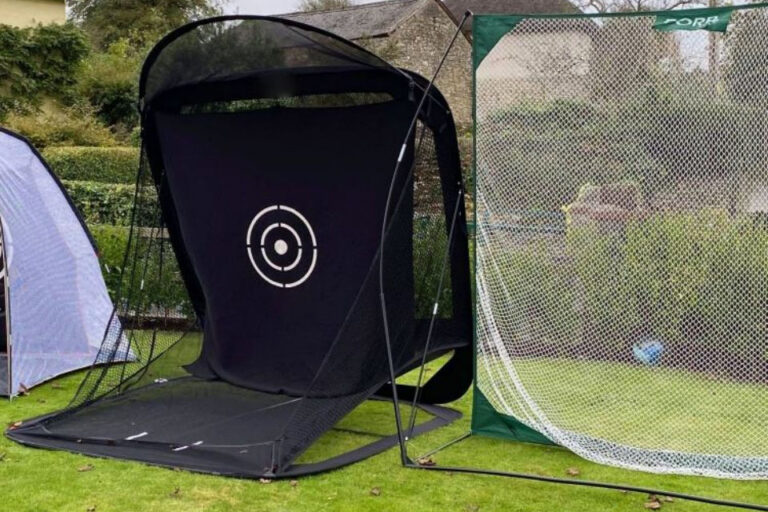
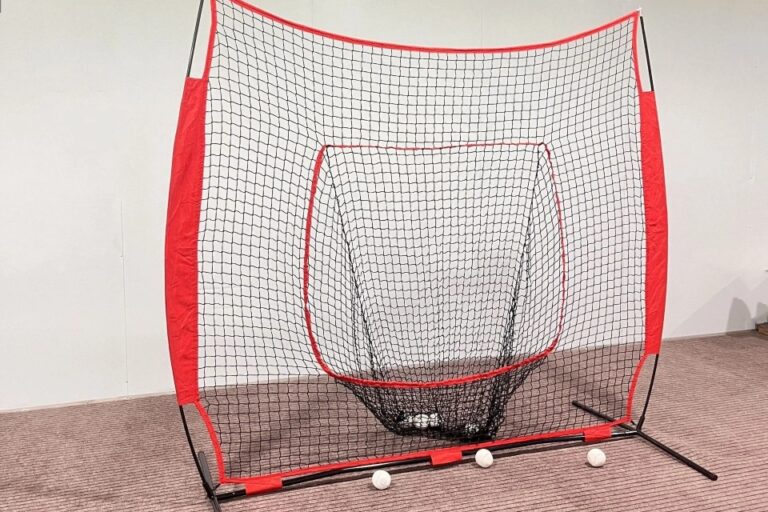
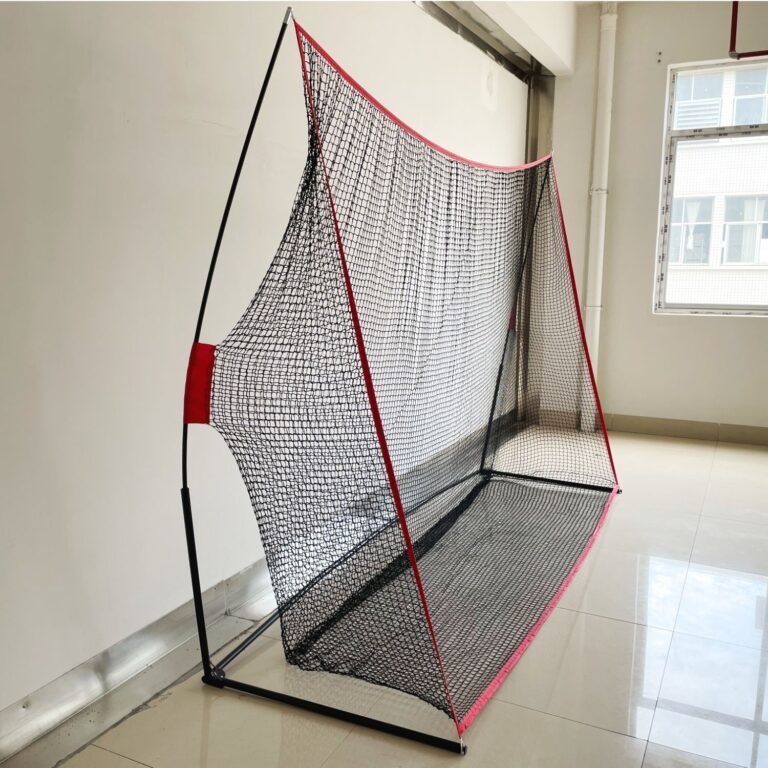
I’ve seen it in golf net systems for indoor and outdoor use. I’ve seen it in baseball net installations. The net gets upgraded, the post package stays cheap, the hardware stays basic, nobody recalculates the real-world load path, and then a few weeks later the whole thing starts hanging like a tired curtain while everyone searches for a “product defect” that doesn’t exist.
Not a defect. A mismatch.
And the slangy, shop-floor version of that problem is simple enough: the mesh is writing checks the frame can’t cash.
Elasticity Decides Real-World Feel and Recovery
Elasticity is the sneaky variable. The one buyers skip because it’s harder to picture. But it may be the most important of the three.
Too little give and the ball comes off hot, the corners get hammered, the lacing points start taking abuse, and the user feels it immediately even if they can’t explain what’s wrong. Too much give and you get bagging, lazy recovery, ugly pockets, and that mushy feel operators hate because nothing comes off the net the same way twice. You want controlled elongation. Not trampoline nonsense. Not brick-wall nonsense either.
That middle band is where good product lives.
And I don’t think enough people talk about recovery after repeated impact. Not just first-hit stretch. Not brochure stretch. Real recovery. After the fiftieth hit. After the three-hundredth hit. After a hot day. After a wet morning. After the frame has flexed a little and the edge finish has started doing some of the load-sharing it wasn’t supposed to do. That’s where cheap netting gets exposed.
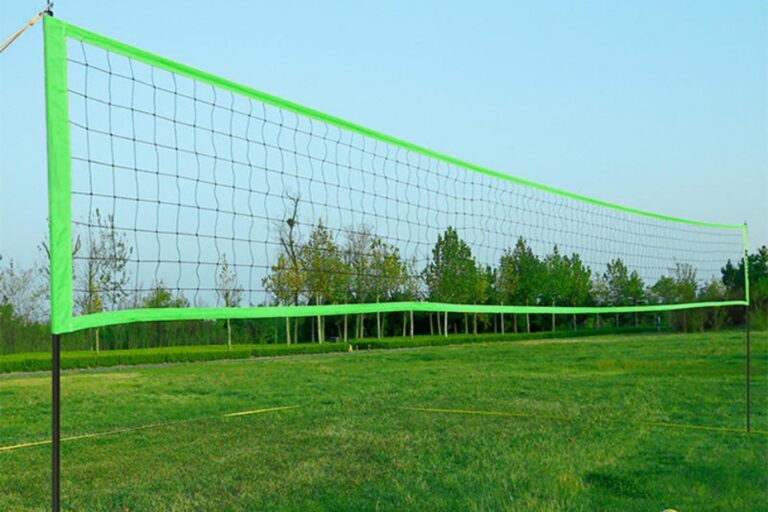
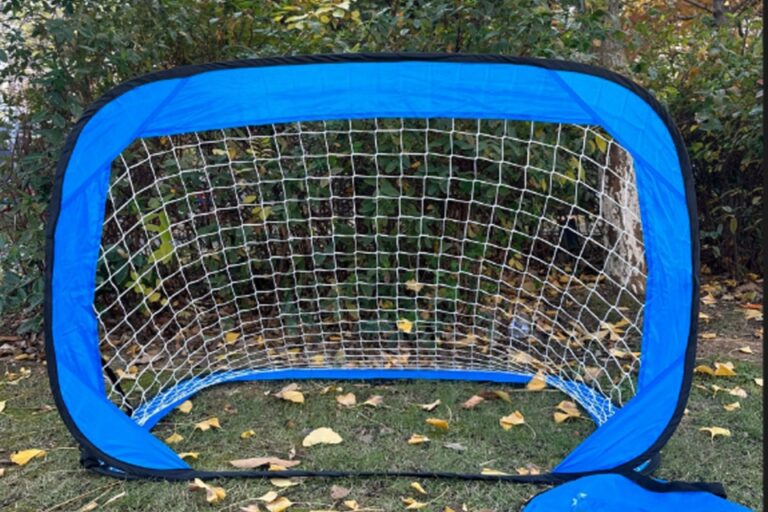
Which is why мультиспортивные сетчатые системы can be trickier than they look. One setup may take tennis balls, soccer strikes, baseball line drives, golf shots—different energy profiles, different impact points, different user expectations. If the elasticity window is wrong, the whole thing feels off. Not broken, exactly. Just wrong. And wrong is enough.
UV and Extreme Weather Are No Longer Background Issues
UV keeps showing up because it should. The 2024 UNEP Environmental Effects Assessment Panel update said solar UV radiation decreases the durability of plastic materials and contributes to degradation, fragmentation, and micro- and nanoplastic formation. That sentence should make every outdoor buyer pause for a second. Because once UV starts chewing on the material package, you’re not just talking about looks or minor stiffness changes. You’re talking about durability decay baked into the environment.
No escape there.
But weather isn’t a background nuisance anymore anyway. NOAA’s U.S. climate summary said 2024 brought 27 separate billion-dollar weather and climate disasters in the United States, with Hurricane Helene alone estimated at $78.7 billion in damage, and Reuters reported that Typhoon Yagi damaged factories and infrastructure in northern Vietnam, with industrial park operators saying at least 80% of factories in one major zone were damaged. Outdoor installs live inside that new volatility—heat spikes, wind events, moisture surges, ugly storm cycles, faster degradation windows.
Best Netting Material for Extreme Weather? It Depends on System Fit
So when somebody asks me for the best netting material for extreme weather, I don’t give them the pat answer they want. I ask annoying questions. Where is it going? What’s the span? What’s the strike velocity? Is containment more important than rebound? How often will it be hit? What’s the frame made of? Are you trying to buy five honest years or three fictional ones?
Because there is no magic yarn. There’s only fit.
And that’s exactly where custom netting services stop being optional and start being the adult move. A decent supplier can ship a product. A serious one can help match cord weight, elasticity profile, edge finishing, frame behavior, and climate exposure so the system works like a system. Big difference. Expensive difference too, if you get it wrong.
What smart buyers compare before they buy
Фактор
What usually happens in the field
Best spec bias
Common buying mistake
High heat and full sun
More stretch, more creep, faster UV fatigue, visible sag over time
Low elasticity rebounds harder; overly soft nets pouch and lose control
Controlled elongation with good recovery
Treating “soft” and “elastic” as the same thing
Coastal or humid climates
Moisture, salt, UV, and temperature cycling compound wear
Weather-oriented material package and faster inspection cadence
Assuming one material spec works everywhere
What I’d Actually Spec in the Field
I’ll say it plainly. If I were speccing a permanent outdoor install in a hot, bright, windy location, I’d bias toward UV-minded material, realistic tensioning, shorter unsupported spans where possible, and a frame package that’s probably a little beefier than the budget committee wants. For high-impact training, I’d push for elasticity that bleeds off energy without going mushy. For commodity jobs? I’d still rather be conservative than clever.
Because clever fails loudly.
And a lot of this comes down to honesty. Not brochure honesty. Jobsite honesty. If you want a net to live outside, act like weather is part of the product, because it is. If you want the system to look right in year two, stop buying for delivery day. Buy for exposure, for tension drift, for UV fatigue, for the ugly little realities nobody likes talking about in the sales process.
That’s the whole game. Mostly.
Вопросы и ответы
What is environmental performance in outdoor netting?
Environmental performance in outdoor netting is the material’s ability to maintain strength, shape, elasticity, and safe impact behavior when exposed to real-world variables such as heat, cold, UV radiation, humidity, wind, and repeated load over time, rather than only performing well in factory or showroom conditions.
Put differently, it’s the gap between what the net claims and what it actually does once weather, tension, and use start grinding on it. That gap is where good specs earn their keep.
How does temperature affect material elasticity?
Temperature affects material elasticity by changing a polymer’s stiffness, elongation, recovery rate, and long-term tension behavior; in high heat many nets stretch and creep more under load, while in colder conditions they can lose flexibility, feel harsher on impact, and transfer more stress to knots, borders, and frame connections.
So yes, the same net can feel almost civilized in one season and badly behaved in another. Same product. Different thermal condition. Big field difference.
Is lightweight or heavy-duty netting better?
Lightweight versus heavy-duty netting is not a question of better or worse, but of matching net mass to span, impact level, wind exposure, and frame strength, because lighter nets reduce dead load and sag while heavier nets can improve wear life but also increase structural demand and installation stress.
From my experience, buyers often use “heavy-duty” as a stand-in for “safe.” That shortcut gets expensive fast when the frame, anchors, or geometry weren’t designed for the extra load.
What is the best netting material for extreme weather?
The best netting material for extreme weather is the one whose UV resistance, elasticity, weight, and support system are matched to the site’s actual heat, moisture, wind, and impact conditions, because no single polymer wins every climate, span size, and sport-specific application at once.
I know that answer isn’t sexy. But it’s honest. Real-world netting specs are systems decisions, not one-word material picks.
Why does elasticity matter in sports netting?
Elasticity matters in sports netting because it controls how impact energy is absorbed and redistributed, which directly affects rebound speed, player safety, noise, frame stress, pocketing, and long-term shape retention, making it one of the main variables behind both performance quality and service life.
A net can look tough and still perform terribly if the rebound profile is wrong. And once that happens, everything downstream—the frame, fittings, user experience—starts taking unnecessary punishment.
Заключение
If you’re sorting options right now, don’t buy the label. Buy the behavior. And if you want someone to look at the actual site conditions instead of feeding you canned copy, свяжитесь с командой FSports and spec the system like it’s going to live outside for real.