Как выбрать поставщика сетки: 10 вопросов, которые должен задать каждый покупатель B2B
Оглавление
Если вы покупаете сетку для перепродажи, проектов или OEM-комплектов, вы уже знаете, что это такое: несовместимые сетки, неожиданные разрывы, смещение цвета, пропущенные сроки поставки и отговорки типа “в образце все выглядело хорошо”.
Надежный поставщик поможет вам избежать всего этого. Вам просто нужно заранее задать правильные вопросы - до того, как вы определитесь с техническими характеристиками, MOQ и сроками выполнения заказа.
FSPORTS производит спортивные сетки в Китае для покупателей B2B, которым необходимо Устойчивые к ультрафиолетовому излучению, ударопрочные сетки стандартных размеров или по индивидуальному заказу, плюс OEM/ODM и оптовая торговля навалом поддержка. Вы можете ознакомиться с ассортиментом продукции на сайте Главная страница FSPORTS и главный продукция концентратор.
Контрольный список поставщиков сетки для покупателей B2B
Используйте эту таблицу в качестве основы для RFQ/RFP. С ее помощью разговор будет вестись о спецификациях и процессе, а не только о цене.
| Вопрос | Что вы на самом деле пытаетесь контролировать | Что собирать (доказательства, а не обещания) |
|---|---|---|
| 1 | Пригодность к использованию (подходящая сеть для работы) | Краткая информация об использовании, фотографии установки, целевые показатели |
| 2 | Соответствие возможностей (магазин действительно может его изготовить) | Ведомость производственных возможностей, перечень процессов, аналогичные SKU |
| 3 | Выбор материала | Технические характеристики материала, сведения об УФ-обработке, подробности о пряже/ткани |
| 4 | Размер и конструкция сетки | Допуск на раскрытие сетки, тип узла, образец с методом измерения |
| 5 | Устойчивость к ультрафиолетовому излучению и атмосферным воздействиям | Подход к УФ-стабилизации, план старения, рекомендации по использованию на открытом воздухе |
| 6 | Контроль качества и прослеживаемость | План контроля качества, контроль партий, шаблон записей о проверках |
| 7 | Входной контроль и AQL | Предложение уровня AQL, контрольный список, каталог дефектов |
| 8 | Готовность к упаковке и транспортировке | Спецификация упаковки, план размещения коробок, варианты маркировки/штрих-кода |
| 9 | Время выполнения заказа и OTD | План по пропускной способности, целевой показатель OTD, план по увеличению производительности в пиковый сезон |
| 10 | OEM/ODM и послепродажное обслуживание | Поток художественных работ/брендинга, контроль изменений, процесс RMA/CAPA |
Теперь давайте превратим их в 10 вопросов, которые вы должны задать во время звонка.
Вопрос 1: Требования к применению неттинга
Спрашивайте: “Где будет жить эта сеть и что она остановит?”
Барьерная сетка для поля для гольфа имеет другой профиль риска, чем дворовый тренажер. Та же история со стойками для стадионов, клетками для битья или крытыми тренажерами. Если поставщик не может рассказать о вашем сценарии использования, он просто угадывает технические характеристики.
Практичный способ подставить его:
- Каков тип снаряда (размер шара, скорость, форма удара)?
- В помещении или на улице?
- Есть ли требования по соблюдению техники безопасности у вашего заказчика (школы, клубы, учреждения)?
- Это стационарная установка или переносной комплект?
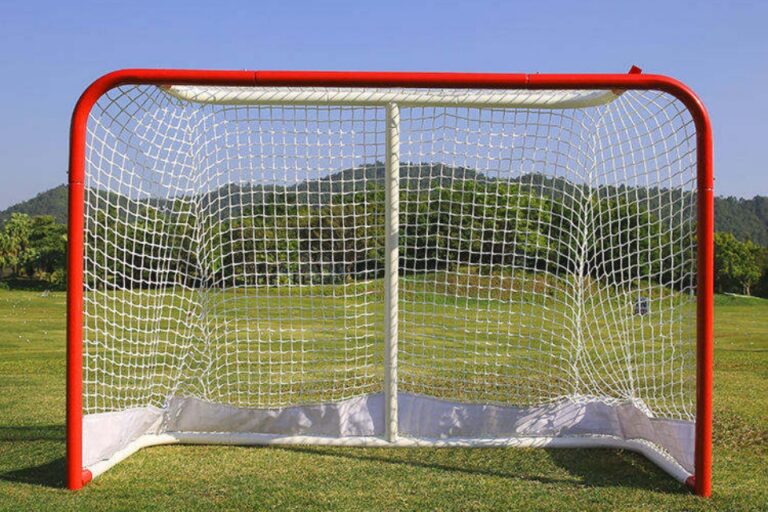
Например, если вы подбираете источник для полной концепции клетки, покажите ссылку, например сетка для гольфа и убедитесь, что поставщик может соответствовать размерам, компоновке корпуса и требованиям по удержанию. Вот соответствующий тип продукта, на который можно указать при согласовании спецификации: Профессиональная сетка для гольфа.
Вопрос 2: Производственные возможности сетки
Спрашивайте: “Какие продукты вы используете каждую неделю?”
Поставщики сеток часто говорят: “Мы можем сделать все”. Ваша задача - выяснить, что они делают неоднократно со стабильным выходом.
Ищите сигналы о реальных возможностях:
- Они могут показать семейство продуктов, которое соответствует вашему.
- Они говорят в терминах процесса (пряжа, узелки, окантовка, интеграция фурнитуры).
- Они понимают, как рамы, крюки, тарзанки или панели меняют точки отказа.
Если вы продаете комплекты, вам нужен поставщик, которому удобно отгружать полные комплекты, а не только свободные сетки. Используйте конкретную ссылку, например прочная нейлоновая сетка для гольфа с крючками и резинками чтобы проверить, могут ли они чисто управлять интеграцией аппаратного обеспечения и сети.
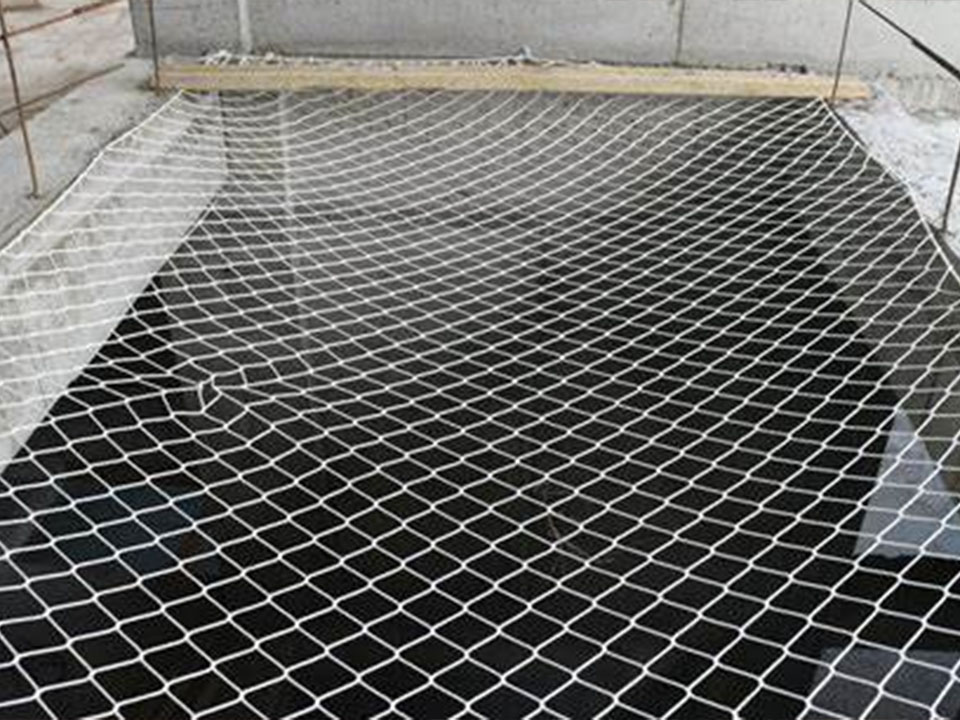
Вопрос 3: Выбор материала сетки (ПНД, нейлон, полиэстер)
Спрашивайте: “Какой материал вы рекомендуете для данного случая использования, и какие компромиссы мне следует ожидать?”
Материалы - это не просто флажок. Они определяют, как поведет себя сетка после нескольких месяцев воздействия и погодных условий:
- Нейлон: прочный и эластичный, отлично подходит для многократных ударов, но необходимо контролировать влажность и отделку.
- HDPE: устойчив к воздействию ультрафиолетовых лучей.
- Полиэстер: стабильность, хороший контроль размеров при различных видах сборки.
Вам не нужна лекция. Вам нужна четкая рекомендация плюс запасной вариант. Если поставщик не может объяснить компромиссы простым языком, возможно, он копирует спецификацию.
Вопрос 4: Размер ячеек, конструкция сетки и тип узла
Спрашивайте: “Какое отверстие сетки мы должны зафиксировать, и как вы контролируете согласованность между партиями продукции?”
Большинство покупателей теряют здесь деньги. Сетка, которая дрейфует, вызывает:
- возвращается (“шарики проскакивают”),
- головная боль при установке (“он не подходит к раме”),
- и жалобы на безопасность.
Нажимайте:
- Допуск на раскрытие сетки (как и где они его измеряют).
- Тип конструкции (узелковая или безузелковая, способ окантовки).
- Зоны усиления (углы, верхняя полоса, точки напряжения).
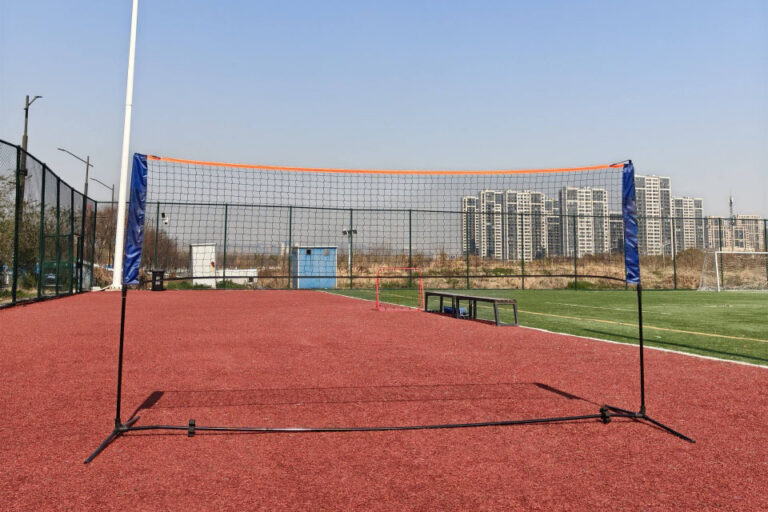
Если вы продаете товары для тренировок, ощущение сетки и поведение при отскоке тоже имеют значение. Лучше всего обсудить этот вопрос с тренером по производительности, например с регулируемая сетка для ребаундера для тенниса который подчеркивает необходимость отскока и натяжения.
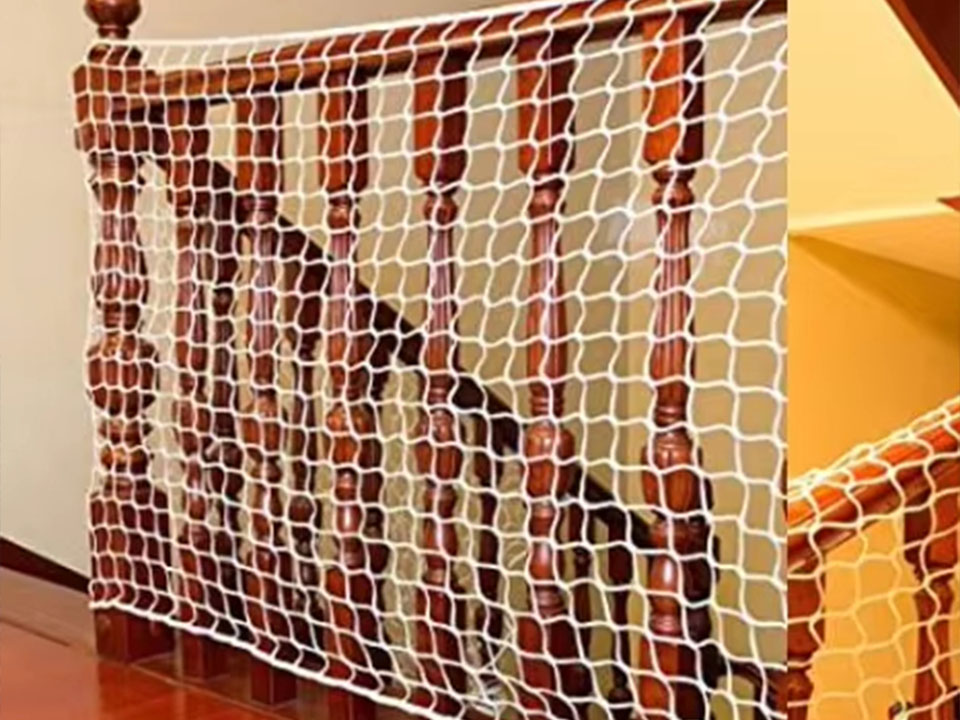
Вопрос 5: Устойчивость к ультрафиолетовому излучению и долговечность на открытом воздухе
Спрашивайте: “Как обеспечить устойчивость сетки к ультрафиолетовому излучению и что рассказать покупателю о сроке службы на открытом воздухе?”
Наружная сетка выходит из строя предсказуемым образом: выцветание, охрупчивание и потеря прочности на разрыв. Вы не можете остановить физику, но вы можете контролировать материалы и процесс.
Что нужно запросить:
- Подход к УФ-стабилизации (добавки, покрытия, спецификация пряжи).
- Руководство по сценариям воздействия (полное солнце, прибрежная зона, мороз/оттепель).
- Заметки по уходу, которые вы можете передать конечным клиентам.
Если ваши покупатели включают в себя диапазоны и объекты, этот вопрос защитит вашу репутацию. Он также поддерживает более высокодоходные SKU, поскольку вы можете продавать производительность, а не только товарную сетку.
Вопрос 6: Контроль качества сетки и прослеживаемость партий
Спрашивайте: “Покажите мне, как вы контролируете качество продукции и как вы отслеживаете жалобу до производственной партии”.”
Покупатели B2B не просто хотят “проверить качество”. Им нужна повторяемость.
Настоящая система контроля качества обычно включает в себя:
- Проверка поступающих материалов (пряжа/ткань, аксессуары).
- Контроль в процессе производства (сетка, узлы, кромка, строчка).
- Окончательная проверка (размеры, внешний вид, упаковка).
Прослеживаемость имеет значение, когда дистрибьютор звонит с проблемой на месторождении. Если поставщик не может изолировать партии, послепродажное обслуживание превращается в хаос.
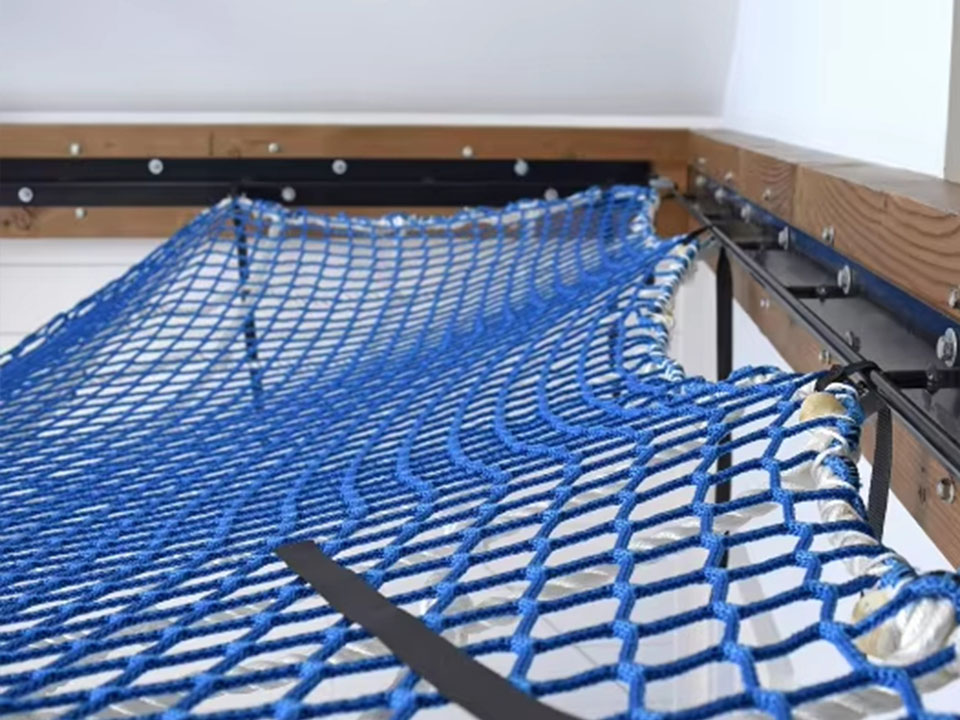
Вопрос 7: Входной контроль и AQL для сетки
Спрашивайте: “Каково ваше предложение по AQL, и какие дефекты вы считаете критическими?”
Вам не нужно вечно проверять каждую деталь. Вам нужен план, соответствующий риску.
Сделайте его практичным:
- Составьте каталог дефектов: порванные нити, неправильная сетка, распущенные узлы, некачественная строчка, отсутствие фурнитуры.
- Установите план отбора проб для массовых партий.
- Согласуйте “критические” и "основные" и "незначительные" дефекты.
Именно здесь вы используете отраслевой оперативный язык: AQL, IQC, OQC, и простой таксономия дефектов. Ваши оптовые клиенты поймут это, а ваша внутренняя команда скажет вам спасибо.
Вопрос 8: Готовность к упаковке, маркировке и транспортировке
Спрашивайте: “Как вы упакуете его для вашего канала - розничная торговля, электронная торговля или оптовая паллета?”
Упаковка - это скрытый убийца маржи. Слабая упаковка приводит к:
- транзитные повреждения,
- грязные склады,
- и переделывать при выполнении.
Если вы занимаетесь электронной коммерцией или сотрудничаете с партнерами по дропшиппингу, спросите об этом:
- опции штрихкода/этикетки,
- подход к защите картонной упаковки,
- и упаковки, соответствующие вашей системе SKU.
Вопрос 9: Время ожидания, планирование мощностей и OTD
Спрашивайте: “Каково ваше реальное время выполнения заказа в пик сезона, и как вы поддерживаете стабильность OTD?”
OTD (своевременная доставка) - это рычаг вашего денежного потока. Когда он срывается, ваши покупатели пропускают установку, ваш план инвентаризации рушится, а ваша служба поддержки клиентов принимает удар на себя.
Надежный поставщик должен предложить:
- план обеспечения пропускной способности для выполнения дополнительных заказов,
- четкие границы для персонализации,
- и регулярное обновление (не радиомолчание).
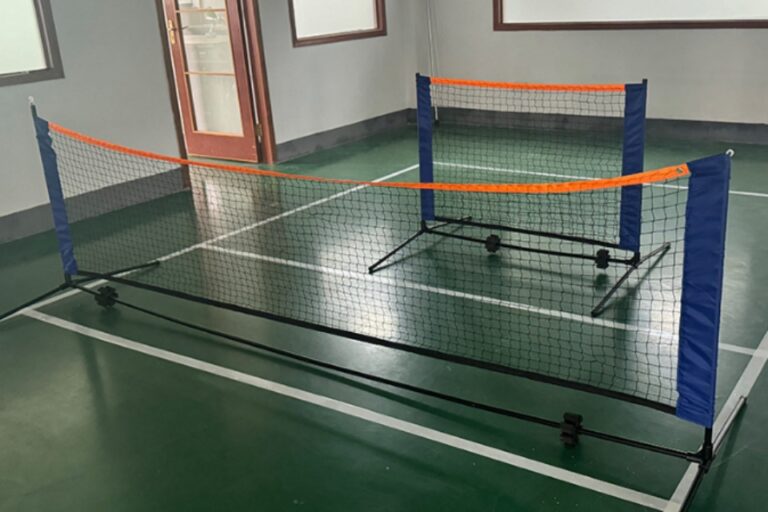
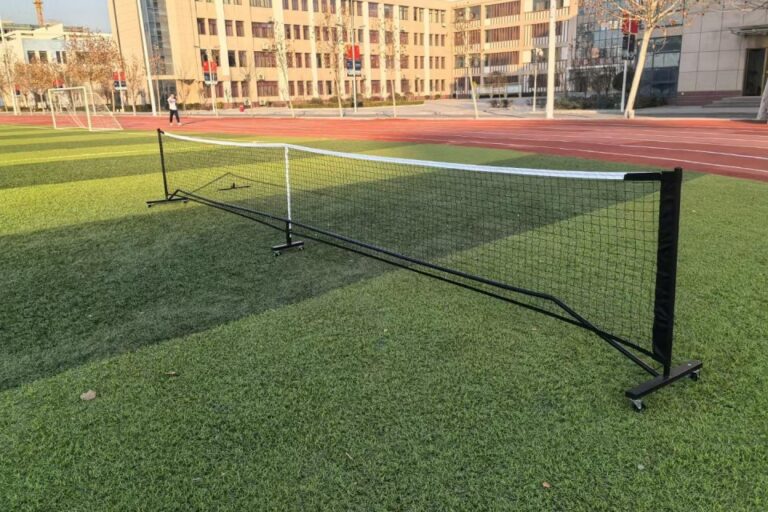
Если вы продаете быстро меняющиеся портативные комплекты, это имеет еще большее значение. В качестве примера семейства продуктов можно привести Система сетки для пиклбола со стальной рамой, где кадр и сетка должны быть выровнены.
Вопрос 10: OEM/ODM сетка, изготовление на заказ и процесс послепродажного обслуживания
Спрашивайте: “Как запустить OEM/ODM, не испортив контроль версий?”
OEM/ODM - это место, где деньги зарабатываются или теряются.
Вам нужен поставщик, который сможет справиться с задачей:
- брендинг (этикетки, цвета, упаковка),
- контроль изменений в спецификации (rev A, rev B),
- и чистый цикл послепродажного обслуживания (RMA, 8D, CAPA).
Если вы поддерживаете институциональных покупателей (клубы, школы, учебные центры), процесс послепродажного обслуживания становится частью ваших обещаний относительно продукта.
Таблица показателей поставщиков, которую можно использовать внутри компании
Когда вы сравниваете поставщиков, оценивайте их как покупатель, а не как покупательница.
| Категория | Как выглядит “хорошо” | Как выглядит “рискованный” |
|---|---|---|
| Специальная дисциплина | Они запрашивают подробности использования и подтверждают допуски | Они быстро цитируют, высказывая туманные предположения. |
| Последовательность | Контроль сетки и размеров лотов | “Образец выглядит хорошо”, но нет элементов управления |
| Контроль качества + прослеживаемость | Отслеживание партий и четкий поток проверок | Отсутствие записей, отсутствие схемы устранения причин |
| Производительность OTD | Четкое время ожидания + обновления + план наращивания | Нечеткие сроки, изменения в последнюю минуту |
| Выполнение OEM/ODM | Контроль изменений, работа с иллюстрациями, стабильная упаковка | Случайные правки, смешанные версии в поставках |
Реальные сценарии использования спортивных сеток (чтобы ваш RFQ не остался абстрактным)
Если вы хотите ускорить согласование, привяжите свой RFQ к реальным SKU, которые уже производит ваш поставщик.
- Укрытия и клетки для гольфа: ссылка a сетка для гольфа когда вам нужны высокоэффективная фиксация и стабильный размер корпуса.
- Установка барьеров для гольфа: используйте нейлоновая заградительная сетка с крючками и тарзанками в качестве косвенного показателя интеграции аксессуаров и контроля над выходом из упаковки.
- Переносные системы для пиклбола: указывают на Система сетки для пиклбола со стальной рамой для проверки допустимости рамы, качества сборки и защиты коробки.
- Задние стопы: поднять сверхпрочная сетка для лакросса стиль, когда вам нужно покрытие большой площади и стабильные концепции обрамления.
- Инструкторы по сдаче и точности: ссылка a 5 мишеней для тренировки точности передачи футбольных мячей чтобы проверить выравнивание печати/цели, сшивание и отскок.
- Тренировка с ребаундером: используйте регулируемая сетка для ребаундера для тенниса чтобы рассказать о натяжении, стабильности угла и зонах повторного удара.
Где FSPORTS подходит для поставок сетки B2B
Если вы покупаете товары для перепродажи, распространения или OEM-комплектов, вам нужен поставщик, способный работать с нестандартные размеры, оптовая торговля, и OEM/ODM не превращая каждый заказ в пожарную тревогу.
Начните с Главная страница FSPORTS и главный Каталог спортивных сеток чтобы составить план SKU.
Затем используйте эти ссылки на продукты, когда вам нужно быстро согласовать спецификации при оценке поставщиков:
- Профессиональная сетка для гольфа
- прочная нейлоновая сетка для гольфа с крючками и резинками
- регулируемая система сетки для пиклбола со стальной рамой
- Сверхпрочная сетка для лакросса с устойчивой стальной рамой
- Профессиональный 5-ти мишенный футбольный тренажер точности передачи сетки
- регулируемая сетка для тенниса для тренировок в помещении и на открытом воздухе
Если хотите, я также могу сделать из этого шаблона RFQ, который вы можете отправить поставщикам (те же 10 вопросов, плюс заполняемый лист спецификаций и контрольный список AQL), чтобы ваша команда могла сравнить предложения в сравнении.