Planning Your Sports Facility: Permitting, Architects & Expansion Strategy
Why Sports Facility Projects Go Sideways
Hard truth first.
I’ve watched owners obsess over renderings, branded wall wraps, and a sexy entry sequence while the real killers—stormwater comments, utility conflicts, ADA circulation, parking ratios, and bad future-proofing assumptions—sat quietly in the background, waiting to torch the schedule the second the first jurisdictional review letter hit. It happens. A lot.
And the market doesn’t care that your pro forma felt “reasonable” six months ago. Demand moves. Participation shifts. One local craze, one school partnership, one tournament operator sniffing around your zip code—and suddenly your neat little program stack is undersized before the slab is even poured. According to the 2024 U.S. Trends in Team Sports Report, team sports participation rose by roughly 8 million people from 2022 to 2023, an 11% jump, while the 2024 State of Pickleball Report said pickleball grew 51.8% from 2022 to 2023 and 223.5% over three years. That’s not noise. That’s a programming warning siren.
So no, I don’t buy the old line—“we’ll expand later.” I frankly believe that sentence has wrecked more sports projects than bad concrete, because “later” usually means redesign, change orders, permit amendments, and an owner acting surprised that a building locked into the wrong bay spacing and service capacity can’t magically become something else.
Оглавление
Permitting Comes Before Design Confidence
Permitting first. Always.
But let’s be specific, because people throw around “permitting” like it’s a paperwork stack some junior PM can chase after lunch. It isn’t. It’s site fit, use compatibility, curb cuts, drainage, traffic counts, photometrics, neighborhood blowback, and whether the AHJ thinks your use intensity is honest or a little too cute. That’s the fight. The drawings come after.
I’ve seen this movie: owner buys land because it’s cheap, assumes the entitlement path will sort itself out, then learns the site has lousy ingress-egress, touchy neighbors, weak utility service, and runoff constraints that force design contortions nobody priced during DD. Cheap site. Expensive lesson.
Accessibility Is Not a Late-Stage Fix
And don’t treat accessibility like a punch-list item. That move gets people burned. The U.S. Access Board’s sports facilities guidance makes it plain that accessibility needs to be built in early, not smeared on after the design has already hardened and the room for correction is gone. That’s the theory. The field reality? Teams still try to value-engineer the wrong things.
Then the bill comes due.
In October 2024, the DOJ announced a settlement with the Chicago Cubs over alleged ADA violations at Wrigley Field, tied to wheelchair sightlines, premium seating integration, circulation paths, and parking/shuttle compliance; in September 2024, DOJ also said New Canaan, Connecticut would make major ADA changes to town facilities, including accessible seating, parking, and routes at sports fields and athletic facilities. That’s not a cosmetic miss. That’s core planning failure—caught late, publicly, and expensively.
Choosing the Right Sports Facility Architect
Pick the architect like you mean it.
Here’s the ugly truth: a lot of owners hire on taste. They fall for glossy elevations, nice mood boards, and polished meeting manners, then act shocked when the consultant stack starts tripping over itself because nobody really pinned down operations, turnover windows, storage pressure, safety clearances, or how the building is supposed to make money on a rainy Tuesday in November.
From my experience, the best sports facility architects are a little irritating early on. Good. I want that. I want the architect who asks annoying questions about court conversions, sideline runoff, divider curtain logic, MEP spare capacity, gear storage, coach circulation, athlete flow, acoustics, and whether the facility is meant for league play, private training, camp programming, rentals, or tournament churn. If they’re not bugging you, they’re probably not thinking hard enough.
What Serious Planning Actually Looks Like
That’s why Penn State’s Beaver Stadium renovation approval matters to me. Not because every owner is building at that scale—obviously not—but because the planning logic is serious: phased work over three offseasons, safety and accessibility upgrades already underway, winterization for year-round use, and a total project cost capped at $700 million with financing tied to athletics revenue rather than tuition dollars. That is grown-up project thinking. Boring, disciplined, grown-up thinking.
Budget Risk Hides in the Early Assumptions
Budgets flatter you.
Or they lie—same difference. Early numbers look clean because the ugly stuff hasn’t shown up yet: unknown utilities, bad soils, drainage upgrades, electrical service realities, weird retaining conditions, off-site improvements, and all the junk living under the ground that nobody wants to pay to verify before they fall in love with the concept.
And this is where I get opinionated. Owners who skip pre-design due diligence to “save money” are usually just moving pain downstream and adding zeros to it. Spend for borings. Spend for utility locates. Spend for traffic and stormwater workups. Spend for real code review. Otherwise, you’re not saving cash—you’re gambling with variance.
When Cost Escalation Hits
The receipts are ugly. The University of Tennessee said in October 2024 that the renovation budget for Lindsey Nelson Stadium rose by $9.3 million to $105.1 million because previously unknown underground soil and utility conditions were identified during construction. In Northern Ireland, the story got uglier: Reuters reported in September 2024 that Casement Park’s projected cost had risen from £180 million when the Euro 2028 bid was awarded in October 2023 to potentially more than £400 million, helping kill the prospect of redevelopment in time for the tournament. Nobody likes hearing that. It’s still true.
Expansion Strategy Starts Before Opening Day
Expansion is not “more courts later.”
That phrase sounds practical, but most of the time it’s shorthand for “we didn’t want to think about shell-and-core logic, spare amperage, circulation width, drainage, structure, storage, and phasing while we still had a chance.” Expansion strategy is mostly invisible stuff. Not sexy stuff. Invisible stuff.
I’ve walked facilities that technically had enough square footage and still felt jammed, because the original team undercooked setup zones, coach traffic, maintenance access, equipment storage, and conversion time between programs. On paper, the place looked efficient. In operation, it was a choke point.
What Smart Expansion Really Means
That’s why Reuters’ February 2024 report on Team USA’s Athletica training center near Paris caught my eye: the 27 million euro renovation added high-tech recovery spaces, about 100 bedrooms, and tripled the volume of the main building after pandemic-related delays. See the pattern? Smart expansion isn’t just slapping on another rectangle. It’s support systems, athlete flow, recovery, and operational elasticity—built before opening, not begged for afterward. reuters.com
Equipment Planning Should Not Be an Afterthought
And yes, equipment belongs in early planning. Not late procurement. Early.
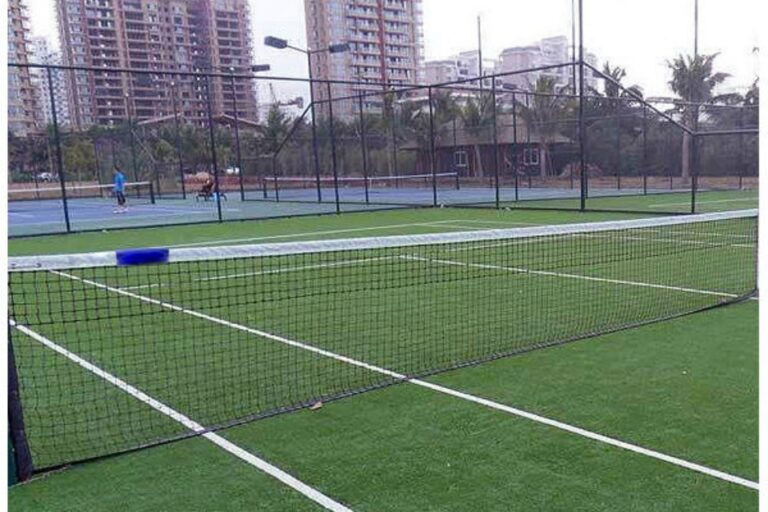
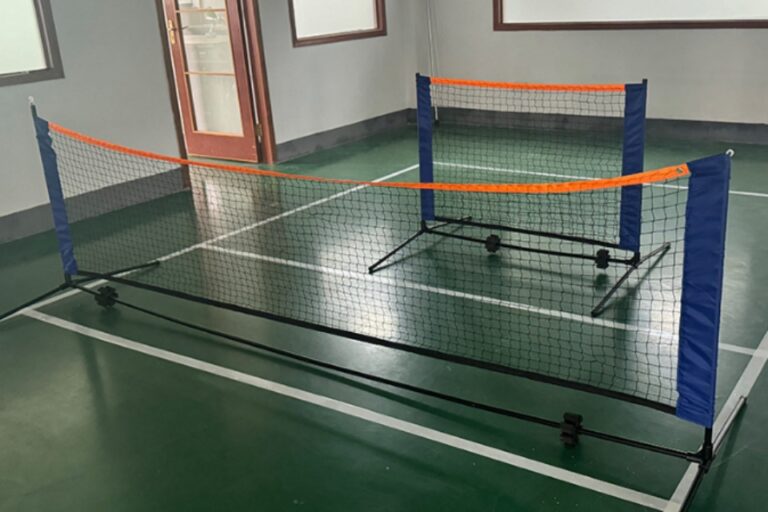
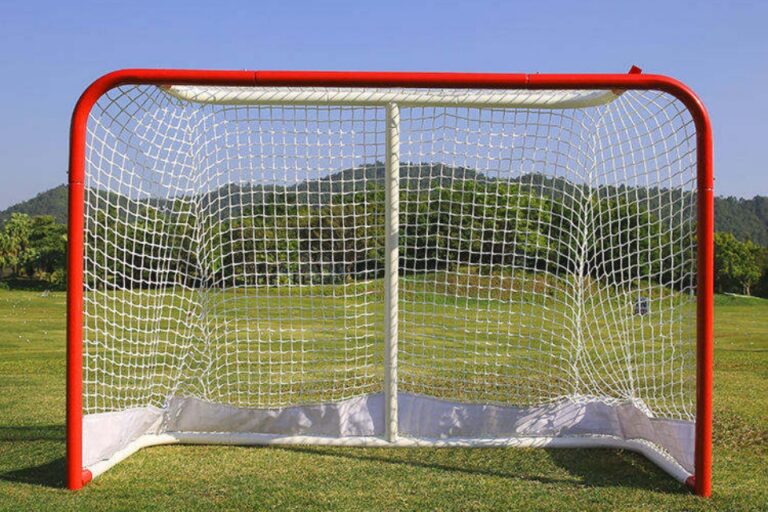
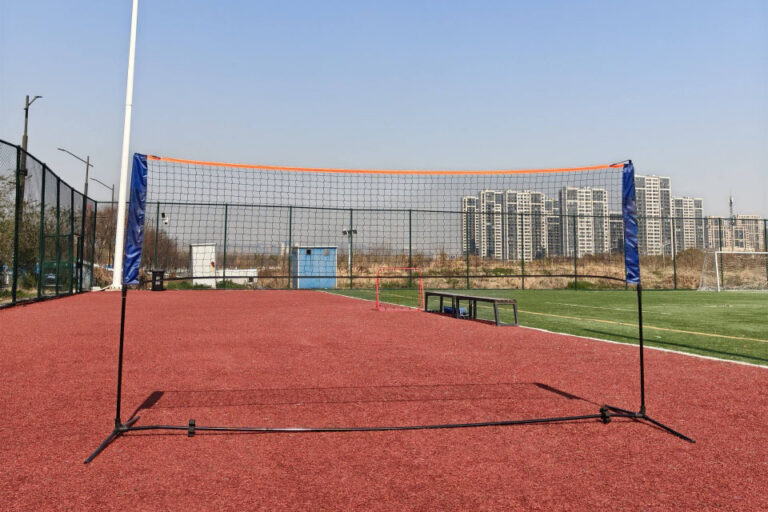
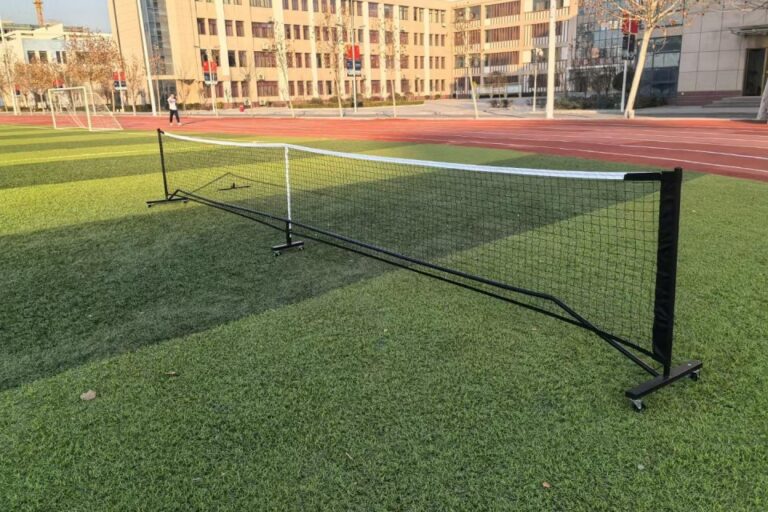
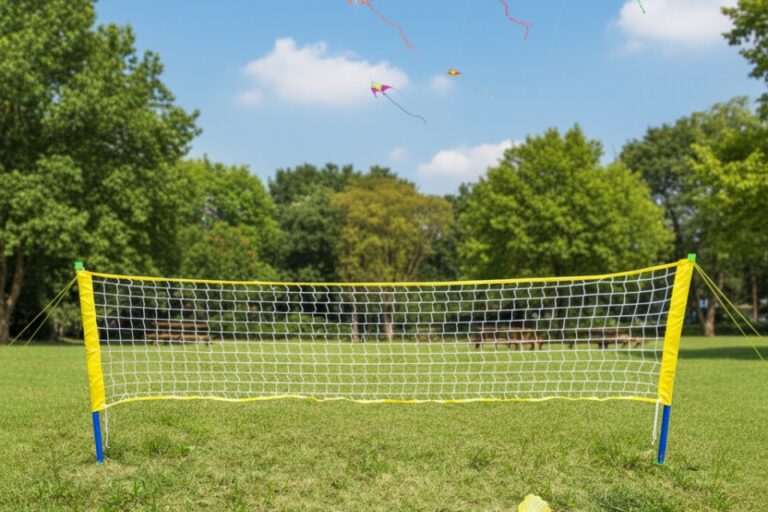
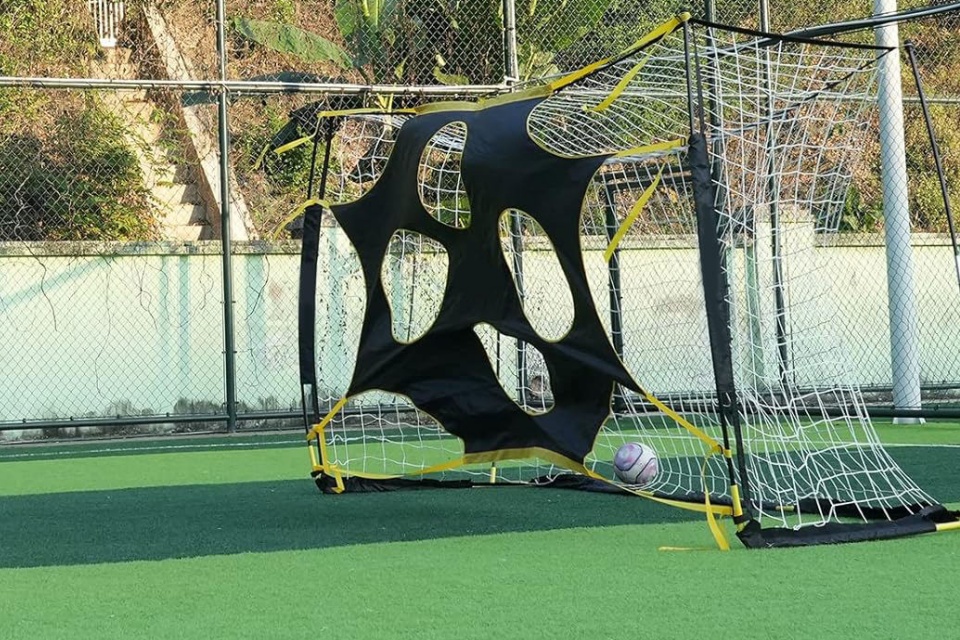
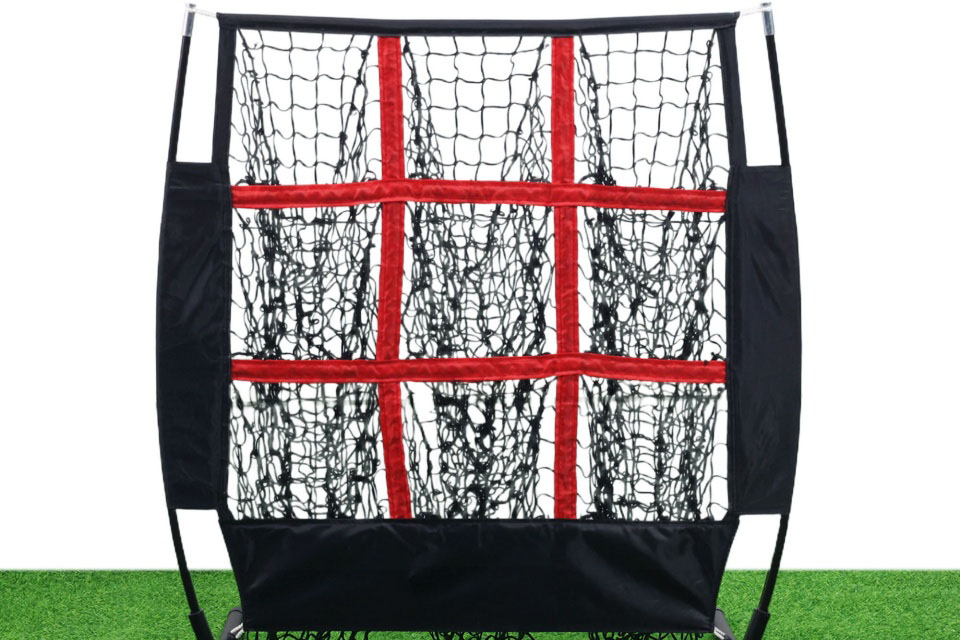
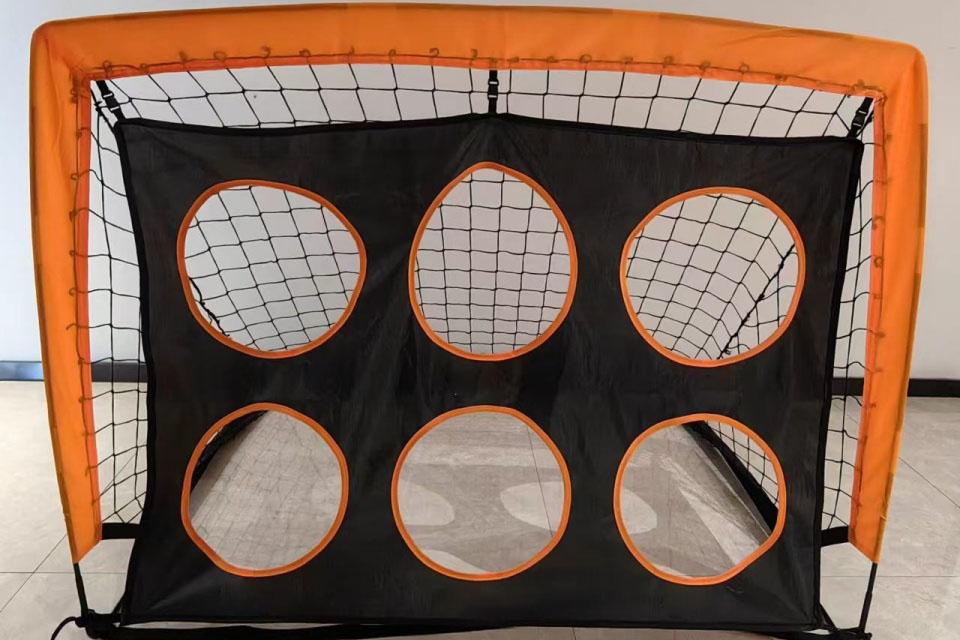
I know that irritates some architects and some owners because it muddies the nice clean sequence they want to pretend exists. But the gear absolutely affects the box. Clearances. Anchoring. Storage. Safety offsets. Changeover speed. Staff burden. Wall protection. Even the revenue mix, in some cases. If you’re designing flexible training zones or convertible courts, your team should already know whether you need мультиспортивные сетчатые системы, regulation pickleball net systems, soccer goal configurations, или golf training cage nets before the finish schedule is getting all the attention.
Otherwise, what happens? Somebody drops equipment decisions into the process after the room dimensions are basically locked, and then everyone starts doing gymnastics—shrinking clear zones, compromising storage, fudging circulation, or ordering products that technically fit but make the staff hate their lives. Smooth opening. Messy operations.
Why Preconstruction Coordination Matters
And if the facility needs custom dimensions, odd attachment logic, or tougher wear specs because you’re expecting real volume rather than “brochure traffic,” that coordination belongs in preconstruction through sports netting and equipment services. Not in a last-minute panic chain the week before turnover. I’ve seen that scramble. It’s embarrassing.
Key Planning Decisions at a Glance
| Decision Area | Cheap Assumption | Smarter Move | What It Protects |
|---|---|---|---|
| Site selection | “We can solve permitting later” | Run zoning, drainage, traffic, utility, and neighborhood-impact checks before concept design | Schedule and entitlement risk |
| Architect selection | “Any good commercial architect can do sports” | Hire a team that can coordinate operations, code, circulation, phasing, and sport-specific requirements | Redesign risk and user experience |
| Budgeting | “We’ll refine costs after schematic design” | Price geotech, utilities, stormwater, accessibility, and phasing early | Change orders and scope cuts |
| Expansion strategy | “We’ll add more courts someday” | Oversize utilities, circulation, storage, and structural logic now | Future flexibility |
| Equipment planning | “We’ll source products near the end” | Lock performance specs and clearances during design development | Layout accuracy and safe operations |
| Revenue model | “Usage alone will justify the build” | Plan premium programming, tournaments, clinics, rentals, and year-round conversions | Payback and operating resilience |
Operational Reality Matters More Than Brochure Logic
But the table only tells half the story.
The real separator—the thing I think too many people miss—is whether the owner is honest about the operating model. Tournament-first facilities don’t want the same thing as membership-first facilities. School-heavy use doesn’t behave like private performance training. A building set up for pickleball monetization, football skill work, golf bays, and youth camps is going to need a different adjacencies strategy, different storage logic, different staffing assumptions, and a different turnover cadence than a plain-vanilla rec center. Sounds obvious. It often isn’t.
So here’s my bias, plain and simple: build the boring guts first. Accessible routes. Utility headroom. Storage. Drainage. Lighting logic. Serviceability. Acoustics. Clean changeover paths. Those aren’t glamorous line items, but they’re the pieces that keep a facility from becoming a money pit by year five.
And if you think you may add courts, training lanes, simulator zones, or extra programming later, write that into the brief now. Reserve site room. Protect utility runs. Don’t fake the structural grid. Don’t bury your future phase under today’s convenience. That’s how projects get stranded—by small “temporary” decisions that become permanent the second the ribbon gets cut.
Вопросы и ответы
What is sports facility planning?
Sports facility planning is the early-stage process of defining a facility’s program, site fit, permitting path, architecture, engineering, compliance, equipment, operating model, and future expansion so the project functions legally, financially, and operationally before construction starts rather than being patched together through redesign, change orders, and post-opening fixes.
That’s the formal answer. My version? It’s where you decide whether this building is actually a business tool—or just an expensive box with turf in it. If that sounds harsh, good. It should.
How long does sports facility permitting take?
Sports facility permitting usually takes several months because land-use approvals, civil review, fire review, ADA coordination, traffic questions, drainage review, lighting impacts, and utility confirmations often move on separate tracks, and once hearings or zoning relief get involved, a realistic window can stretch to 6 to 18 months.
Can it move faster? Sometimes. Usually only when the site is clean, the use is straightforward, the neighbors aren’t hostile, and the team isn’t trying to sneak a high-intensity program into a site that was never a natural fit.
How do I choose the best sports facility architect?
The best sports facility architect is the team that can show built experience, consultant coordination discipline, code fluency, ADA understanding, phasing logic, equipment integration, and a clear grasp of your revenue model, user mix, and operational tempo—not just a portfolio full of handsome images and polished presentations.
I’d ask blunt questions. What sports have you planned for? How do you handle conversions? Where do you usually see owners under-budget? How do you coordinate storage and equipment early? If the answers feel fluffy, keep walking.
When should I plan for future expansion?
Future expansion should be planned during programming and schematic design because that is when utility capacity, structural loading, storage, drainage, circulation, ceiling height, and site geometry can still be shaped cheaply, before the building hardens into a layout that makes every later addition slower, costlier, and more disruptive.
This is where a lot of teams kid themselves. They say, “We’ll deal with phase two later,” but what they really mean is they’re about to make phase two wildly inefficient. Don’t do that. Leave yourself a runway.
What gets missed most in sports facility development?
The items most often missed in sports facility development are accessible routes, storage capacity, equipment clearances, drainage, utility upgrades, acoustics, maintenance access, changeover space, and the operating friction that appears when multiple user groups, staff routines, and revenue models are forced into one layout without honest planning.
I’d add one more thing—ranking your money-makers. Tournaments, lessons, rentals, leagues, camps, drop-in play, school partnerships: they don’t all deserve equal design priority. Pick the winners early, or the building winds up pleasing nobody particularly well.
Next Step
If you’re serious about sports facility planning, don’t start with finishes and don’t get hypnotized by pretty renderings. Start with site fit, entitlement risk, operating math, and the stuff nobody brags about in kickoff meetings. Then line up the building, permit path, and equipment strategy around that reality. When you’re ready to turn that plan into actual specs, custom layouts, or durable systems, start with FSports product support, look at the company’s manufacturing capability, или contact the team directly.