Public Sector & Education Procurement: Government Bidding & Rules
Why Public Procurement Feels So Different
I once watched a decent vendor torch a school bid because the rep swaggered through the pre-bid call, nodded at every requirement like none of it mattered, and then slipped in a proposal with fuzzy freight language, a soft lead-time promise, and a buried exception on anchoring that procurement caught in about six minutes flat. That was that.
Bid over.
But that’s the part people on the outside never get. Government procurement isn’t a vibes contest. It’s not a “who had the nicest demo” contest either. It’s a file-building exercise for people who know their work may get pried open later by a board member, an auditor, a competing bidder, legal counsel, or some citizen with a records request and too much coffee. Under 2 CFR 200.318, recipients and subrecipients using federal funds need documented procurement procedures, written conflict standards, contractor oversight, and records showing why a supplier was selected or rejected. And the 2024 OMB final guidance keeps the pressure where it belongs: full and open competition, real documentation, and no cute move where the firm that helped draft the specs also gets to waltz into the same competition like nothing happened.
Это важно.
Оглавление
Why Education Procurement Is Even Harder
And schools? Honestly, schools are where weak vendors go to get humbled. Education procurement has layers on layers: grant conditions, state statute, local purchasing rules, board politics, facilities people, risk management people, and sometimes a business office that has seen enough nonsense to spot a shaky submittal from across the room. The USDA’s 2023 Child Nutrition Program Integrity rule laid it out clearly enough for anyone paying attention: the federal micro-purchase threshold was $10,000, the simplified acquisition threshold was $250,000, and state or local entities could still set lower thresholds. So when a vendor says, “Well, federal says we’re under the cap,” procurement’s answer may be, “Great, but local policy says otherwise.” That’s how deals stall.

The Biggest Myths About Government Procurement
I frankly believe half the garbage advice online about public sector procurement comes from people who’ve never sat near a bid tab. They keep repeating the same cartoon version of events: public buyers only care about price, low bid always wins, compliance is just paperwork, relationships can smooth the rest out. No. Not cleanly, anyway. The same federal framework says awards go to responsible contractors and allows the buyer to weigh integrity, public-policy compliance, past performance, and technical and financial capacity. Once the buy climbs above the simplified acquisition threshold, there also has to be a cost or price analysis and an independent estimate before bids or proposals come in. That’s not decorative language. That’s the spine of the deal.
How Supplier Evaluation Really Works
Buyers Aren’t Just Comparing Prices
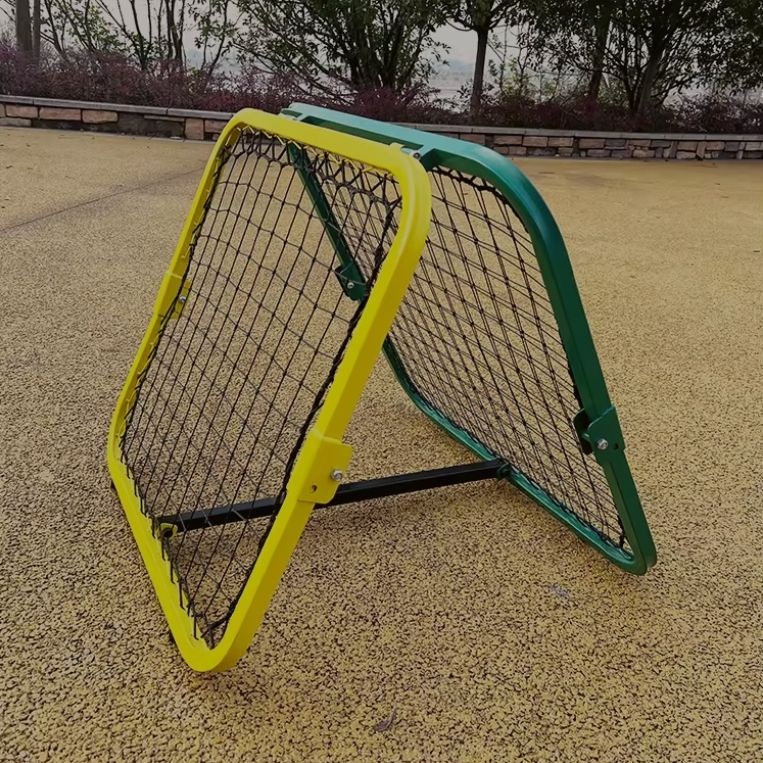
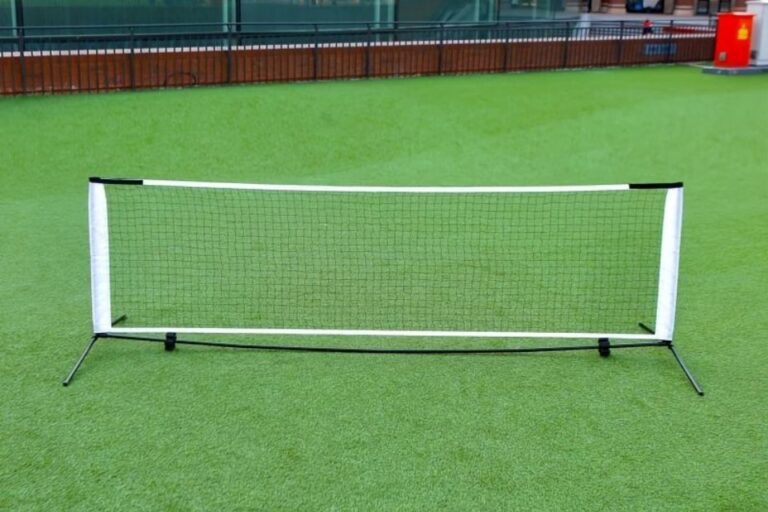
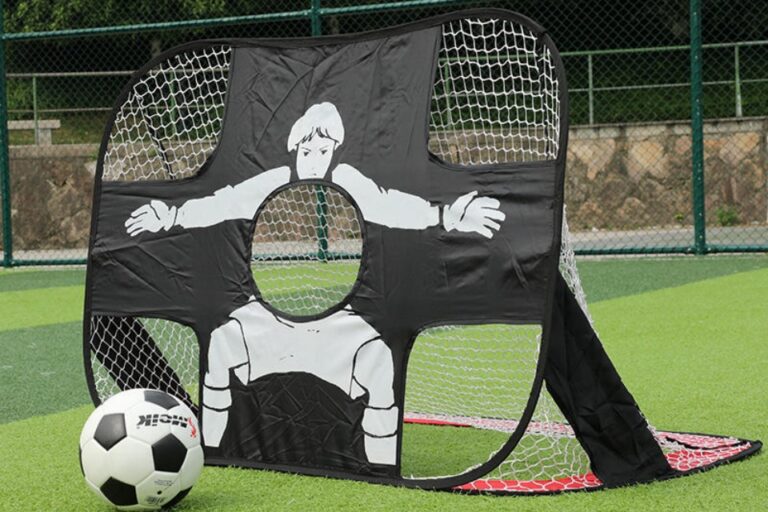
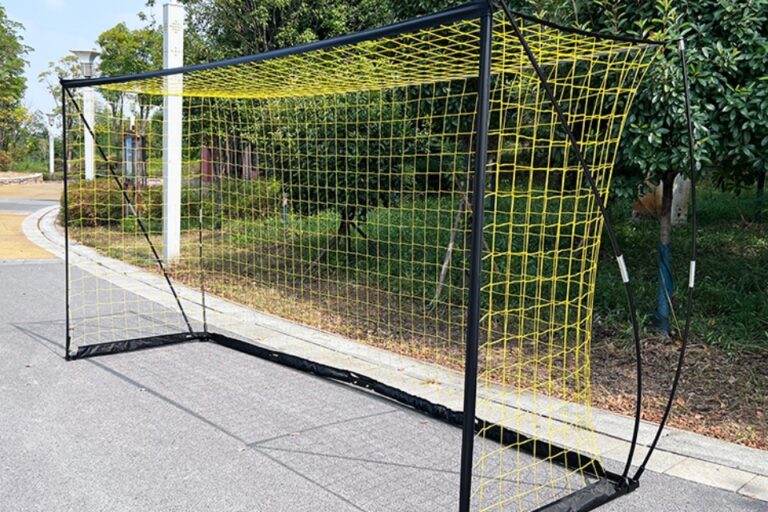
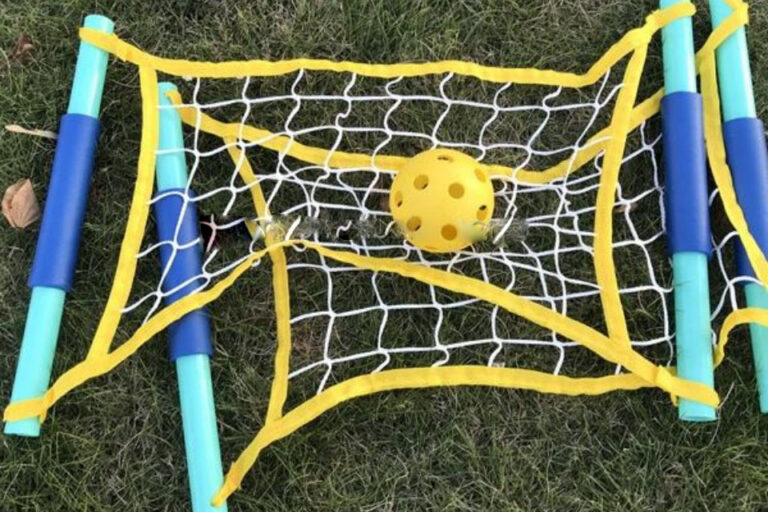
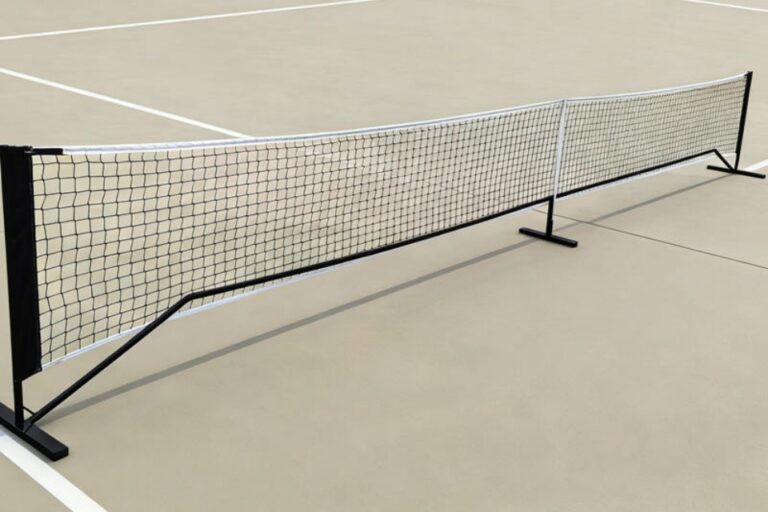
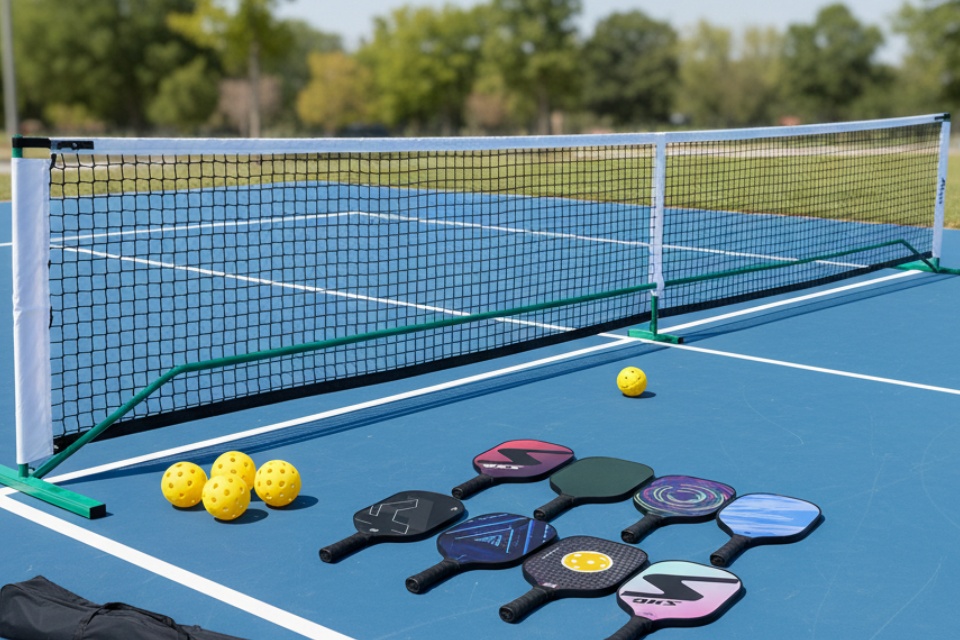
And here’s the ugly truth. Supplier evaluation in public sector procurement is often just a disciplined way of asking one brutal question: “Will this vendor create problems after award?” Buyers looking at regulation soccer goals, переносные системы сетки для пиклбола, или бейсбольные тренировочные сетки aren’t only comparing price tags. They’re scanning for future pain—unclear install assumptions, vague durability claims, sloppy spec crosswalks, warranty mush, oddball substitutions, fake-short lead times, and all the other junk that later turns into a board memo nobody wants to write. That’s why a transparent factory tour for institutional buyers and visible sports equipment manufacturing services can hit harder than five paragraphs of marketing fluff. Procurement people trust receipts.
Обычно.
The Government Bidding Process Is Not One-Size-Fits-All
Sealed Bids vs. Competitive Proposals
Yet the biggest misunderstanding sits right at the center of the government bidding process: vendors act like every public purchase works the same. It doesn’t. Sealed bids are one lane. Competitive proposals are another. In sealed bidding, the buyer usually has clear specs, publishes notice, opens bids publicly where required, and awards to the lowest responsive and responsible bidder. In competitive proposals, the buyer has to publish evaluation factors and their relative importance, solicit multiple qualified sources, and make the award to the responsible offeror whose proposal is most advantageous considering price and other factors. Same building. Different physics.
Why Public Procurement Timelines Stretch
The Delay Usually Isn’t Random
And timing? Don’t get me started.
I’ve heard more than one sales rep say, “If they really wanted this, they could award next week,” which sounds bold until you remember what a real public file has to survive: notice period, questions, addenda, internal review, technical scoring, pricing review, budget confirmation, insurance review, maybe legal, maybe facilities, maybe board approval, then that quiet pause where everyone wonders whether the file is protest-proof or whether they’re about to spend two months defending a lazy award. Public buyers don’t drag their feet for sport. They drag the file through checkpoints because shortcuts have a way of becoming headlines.
Bid Protests and Why Buyers Document Everything
GAO Protest Data Tells the Story
And there’s a reason for that paranoia—if you want to call it paranoia. The GAO’s FY 2024 Bid Protest Annual Report logged 1,803 cases filed, a 16 percent sustain rate, and a 52 percent effectiveness rate, while also saying GAO issued final decisions within 100 days for all protests filed in fiscal year 2024. Those aren’t abstract numbers. They tell you why procurement people over-document, over-explain, and over-save emails. A disappointed bidder with a lawyer doesn’t care how “obvious” the winner seemed in the room.
The Sports Equipment Bid-Rigging Case Everyone Should Pay Attention To
What the 2024 DOJ Case Changed
But the sports-equipment world has an even nastier cautionary tale. In a May 13, 2024 DOJ case involving sports equipment sales to public schools, a former sales employee pleaded guilty in connection with bid-rigging and wire-fraud conspiracies, and the Department of Justice said at least 100 schools were victims. Read that once—really read it—and suddenly every suspicious courtesy quote, every “just send me something so I can show competition,” every strange pattern of complementary bids stops looking harmless. It looks radioactive. Because it is.
That case changed the room.
What Strong Vendors Do Differently
Bid Hygiene Matters More Than Sales Polish
So when a district seems stiff about quote collection, public notice, scoring sheets, conflict rules, or sole-source claims, I don’t read that as bureaucracy run amok. I read it as institutional memory. Somebody has been burned before. Maybe by a vendor. Maybe by a weak internal process. Maybe by both. And once that happens, the buyer starts looking for vendors who make the award easier to defend, not vendors who make the sales process feel easier.
From my experience, the vendors who do well in education procurement aren’t always the flashiest operators. They’re the ones with bid hygiene. Good bid hygiene. Boringly good, almost. They map their response to the spec. They flag exceptions instead of hiding them. They break out freight and accessories instead of playing shell games. They talk in calendar dates, not “fast turnaround.” They know the difference between a compliant equal and a nonconforming substitute. They don’t make procurement reverse-engineer the offer.
That last part matters more than vendors think.
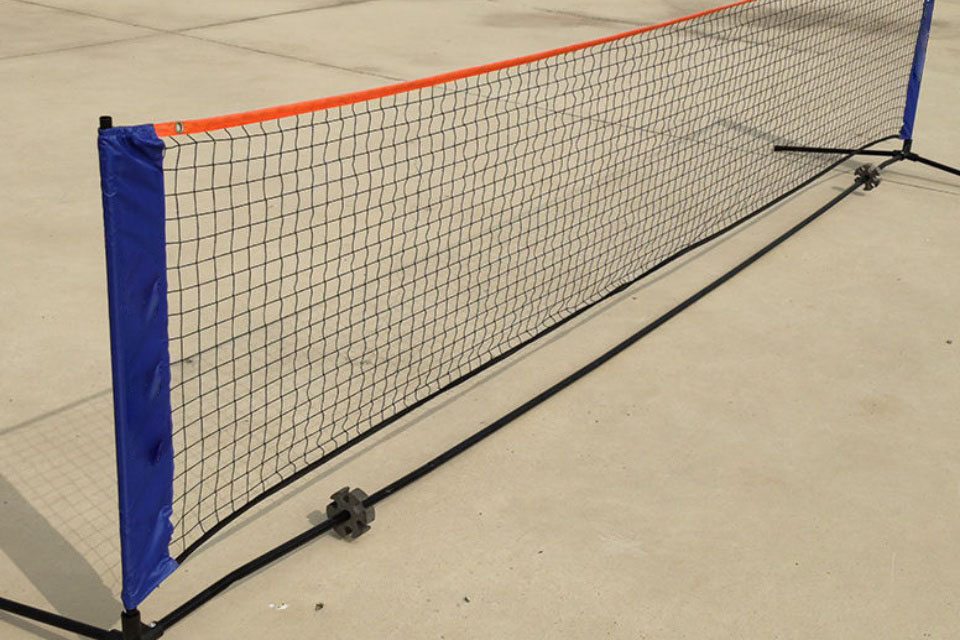
If the district is sourcing equipment for PE, rec use, or flexible athletic setups, a buyer may get more value from a page on мультиспортивные тренировочные сетки than from a random stack of disconnected product sheets. If trust is thin—and in public buying, trust often starts thin—a straight path to a human via a contact point for bid support does more for the file than another “innovative solutions” slogan ever will. Buyers want less friction. Less ambiguity. Less cleanup.
Public Procurement Isn’t Always Fair, But It Does Have Teeth
And no, I’m not pretending the rulebook makes everything fair in some beautiful textbook sense. Sometimes incumbents still have an edge. Sometimes spec-writing gets too cozy. Sometimes the committee likes a brand before the process even starts. That happens. Still, the process itself has teeth. Enough teeth that a sloppy or cute vendor can get clipped fast, especially if the paperwork smells off or the response doesn’t line up cleanly with the procurement method in play.
Procurement Methods at a Glance
Comparison Table
Here’s the stripped-down map buyers are usually working from.
| Procurement method | Typical trigger | What the buyer must do | What the supplier should expect |
|---|---|---|---|
| Micro-purchase | At or below the entity’s documented micro-purchase threshold | Confirm price reasonableness and, where practicable, distribute buys equitably among qualified suppliers | Fast purchase, little formal competition, but still documentation |
| Simplified acquisition | Above micro-purchase level and up to the entity’s simplified acquisition threshold | Obtain price or rate quotations from an adequate number of qualified sources | Shorter cycle than a formal bid, but quotes still matter |
| Sealed bids | Formal purchase where specs are clear and award can be made mainly on price | Publicly solicit bids, open them as required, and award to the lowest responsive and responsible bidder | Tight compliance response, little room for vague value claims |
| Competitive proposals | Formal purchase where sealed bidding is not the right fit | Publish evaluation factors, use written technical evaluations, and score price plus other factors | Detailed technical package, references, delivery plan, warranty, service model |
| Noncompetitive procurement | Single source, emergency, written approval, or inadequate competition | Document the exception, justify the method, and preserve the file | Heavy scrutiny, not a shortcut you can assume |
Questions Smart Suppliers Should Ask Early
But here’s where suppliers still trip. They don’t ask the smart questions early. They don’t ask what threshold controls the purchase. They don’t ask whether federal funds are in the stack. They don’t ask whether evaluated price includes delivery, install, anchors, parts, or accessories. They don’t ask whether this is sealed bid territory or an RFP with weighted factors. Then, later, they act shocked when the file moves in a direction they never bothered to understand.
That shock is expensive.
And yes, thresholds are not just trivia for procurement nerds. The school-program guidance already linked above says the federal micro-purchase threshold was $10,000 and the simplified acquisition threshold was $250,000, while also making clear that state and local entities may impose lower thresholds and that all procurement transactions must ensure free and open competition. So a vendor working off one number—just one—can misread the whole deal from day one.
Вопросы и ответы
What is government procurement?
Government procurement is the formal process public agencies use to buy goods and services through documented procedures, open competition, written evaluation, and auditable contract records so public spending can survive protests, audits, fraud review, and records scrutiny without collapsing under legal or administrative challenge. In plain English, it’s purchasing with a paper trail and consequences. See 2 CFR 200.318.
How does government bidding work for schools and municipalities?
Government bidding for schools and municipalities is the public solicitation and award process used when purchases exceed applicable thresholds, requiring buyers to publish specifications or proposal documents, seek competition, evaluate responses using stated rules, document the award basis, and maintain a file that can withstand challenge, review, or board oversight later. In reality, the method depends on the money, the funding source, and the local rule stack—which is why one district’s quick quote is another district’s full-blown RFP. See 2 CFR 200.318 и USDA’s 2023 Child Nutrition Program Integrity rule.
What are competitive bidding requirements?
Competitive bidding requirements are the legal and procedural rules that require a public buyer to seek fair competition, avoid conflicts of interest, use the correct procurement method for the dollar amount and purchase type, disclose evaluation rules where required, and preserve records explaining why one responsive, responsible offeror won. Less formally, it means the buyer has to be able to defend the deal after the dust settles. The baseline standards appear in 2 CFR 200.318 и 2024 OMB final guidance.
How are suppliers evaluated in public sector procurement?
Supplier evaluation in public sector procurement is the documented comparison of vendors against published criteria such as responsiveness, price, technical compliance, capacity, integrity, delivery ability, policy compliance, and past performance, using the method stated in the solicitation rather than a new one invented after proposals are opened. Put differently, buyers score what they said they’d score—and ambiguous offers tend to die early. The governing principles are reflected in the 2024 OMB final guidance.
Can a school district buy without a formal bid?
A school district can buy without a formal bid only when the purchase falls within an authorized micro-purchase threshold, qualifies for a simplified purchase process, fits a documented sole-source or emergency exception, or is otherwise permitted under the federal, state, and local rules controlling that spend. That doesn’t mean the buyer gets to wing it. It means the shortcut itself has to be documented well enough to survive review later. See 2 CFR 200.318 и USDA’s 2023 Child Nutrition Program Integrity rule.
Заключение
Public buyers remember everything. The rep who buried freight. The vendor who tried to ghost-write the spec. The bidder whose “competition” looked a little too coordinated. The company that swore a four-week lead time and then vanished into backorder hell. So if you’re selling into schools, municipalities, parks departments, or campus rec programs, don’t lead with polish. Lead with a clean file: spec match, clear pricing, real capacity, sane lead times, and documentation that doesn’t force procurement to guess. Start where institutional buyers actually validate a supplier—your sports equipment manufacturing services, your factory tour for institutional buyers, and a direct procurement inquiry.