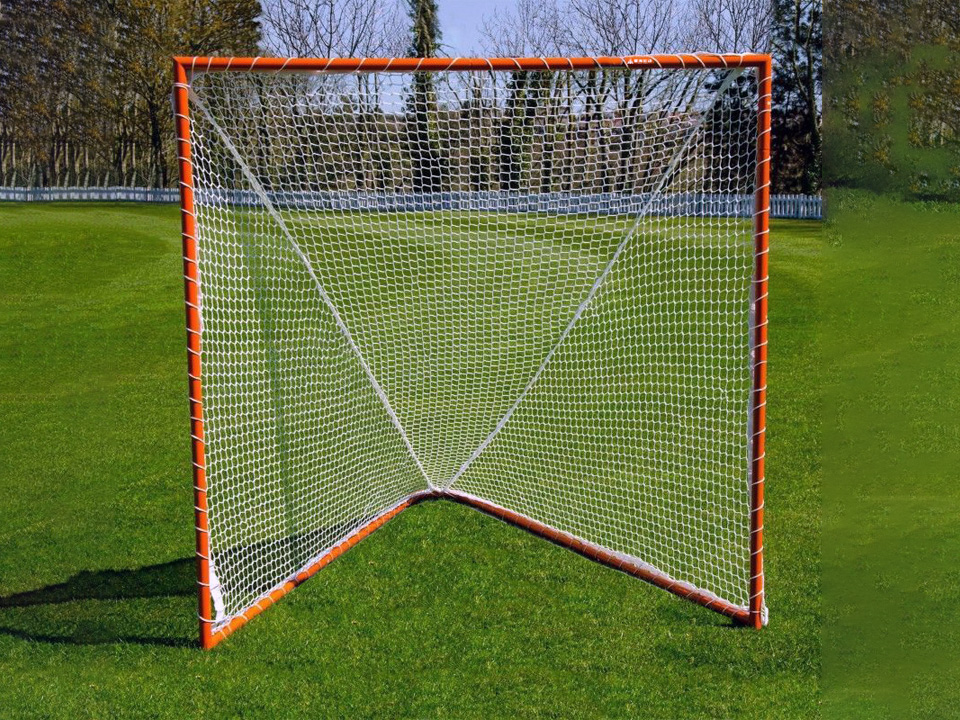
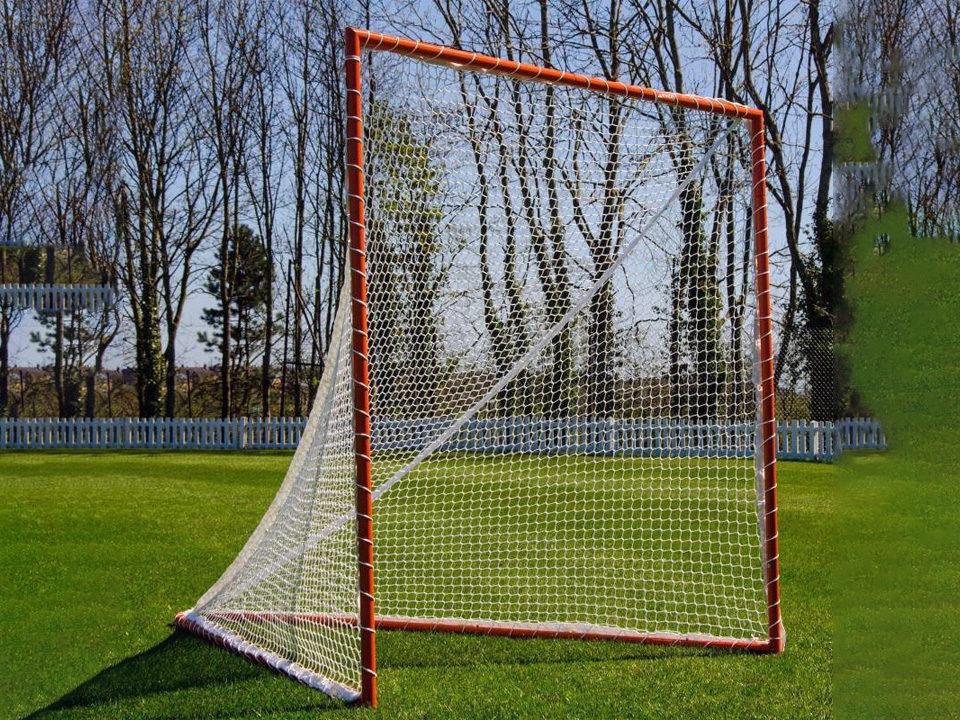
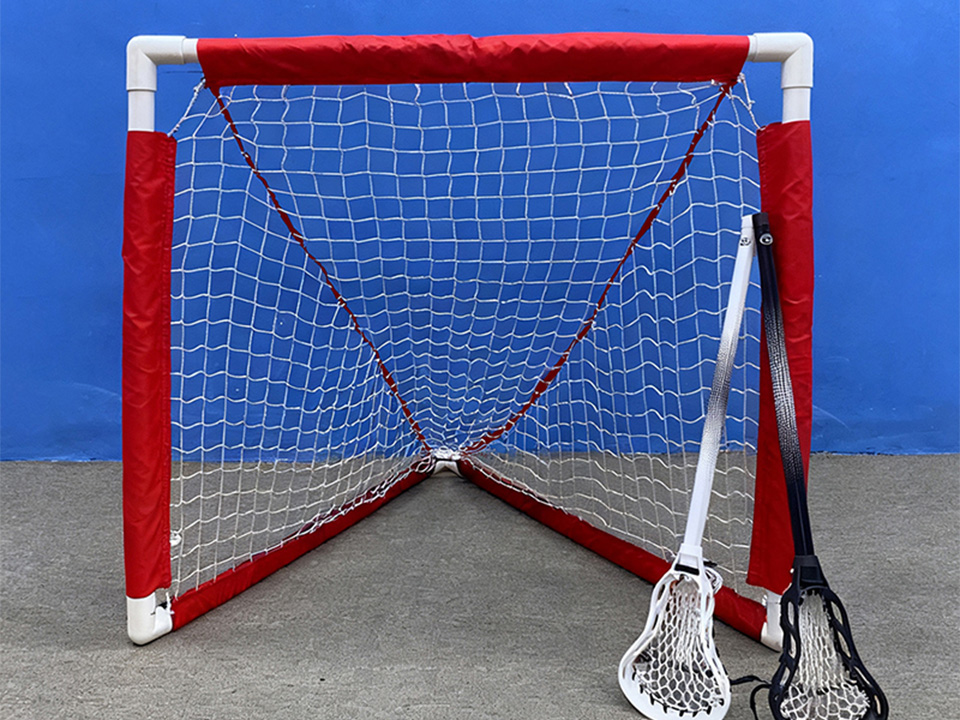
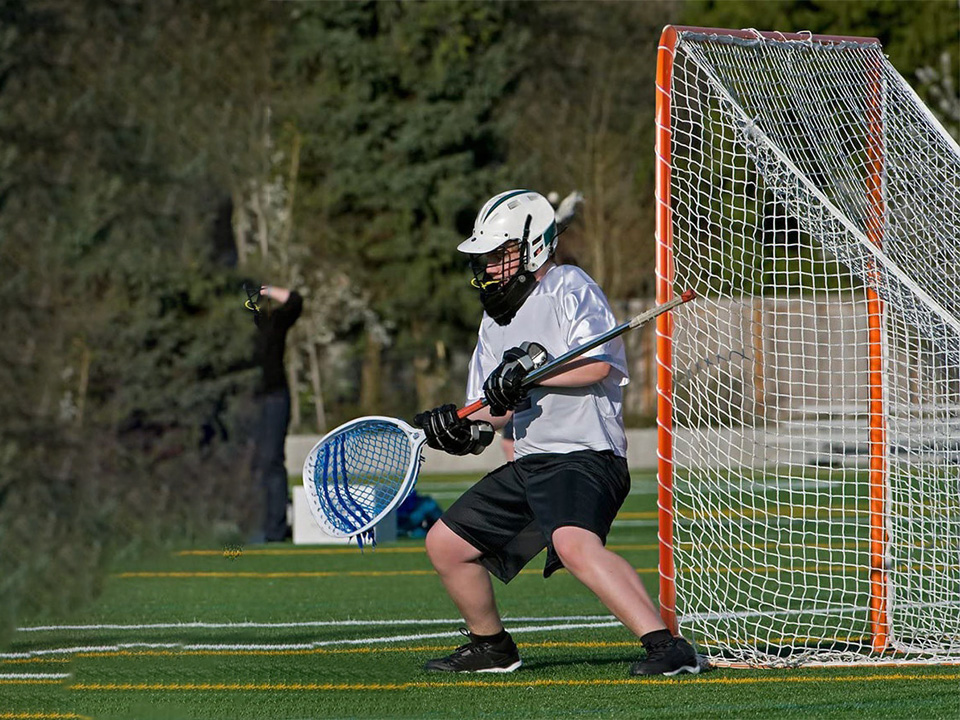
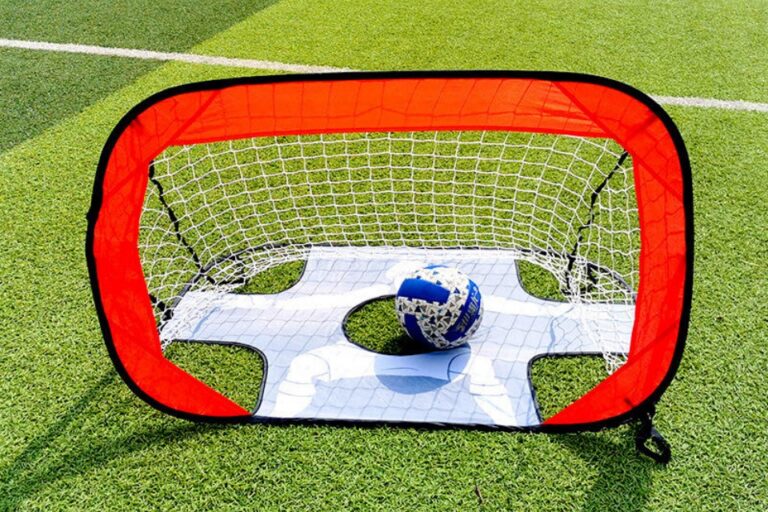
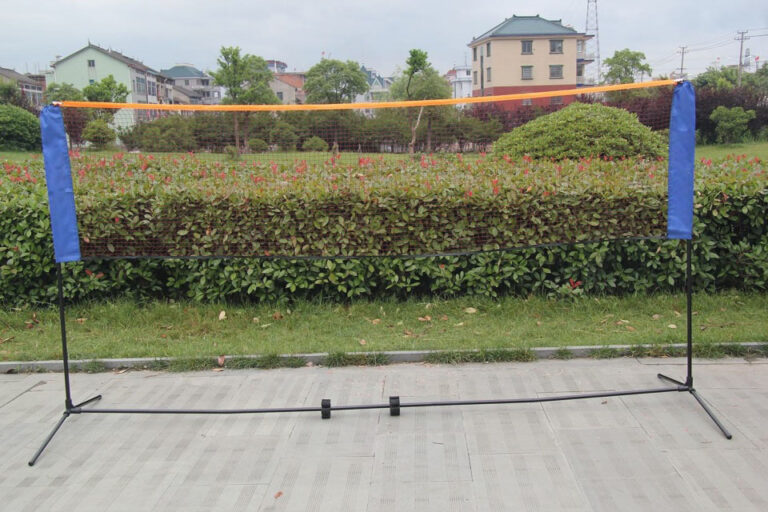
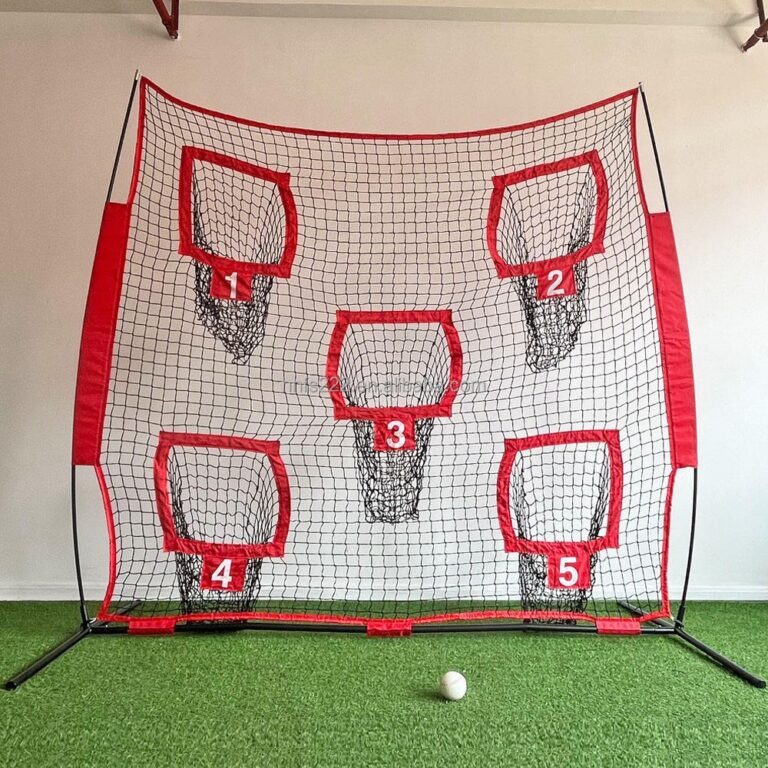
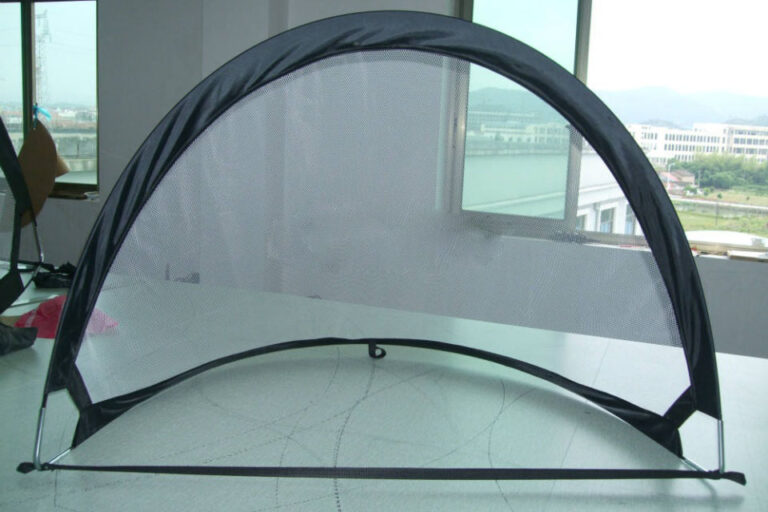
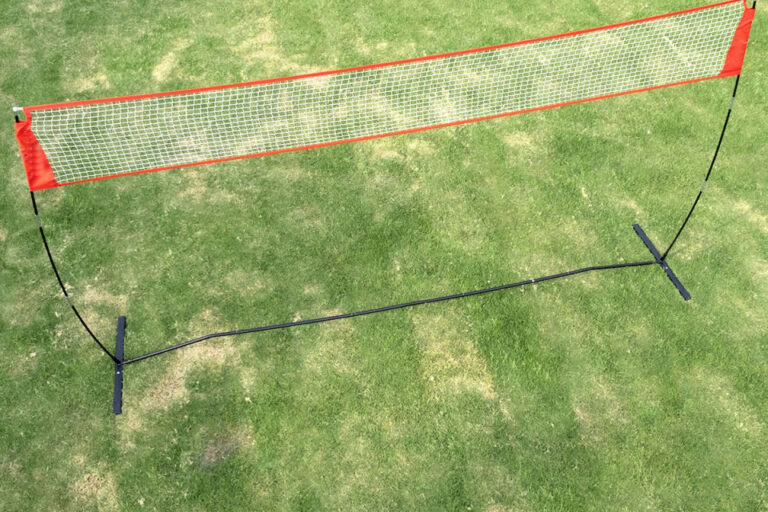
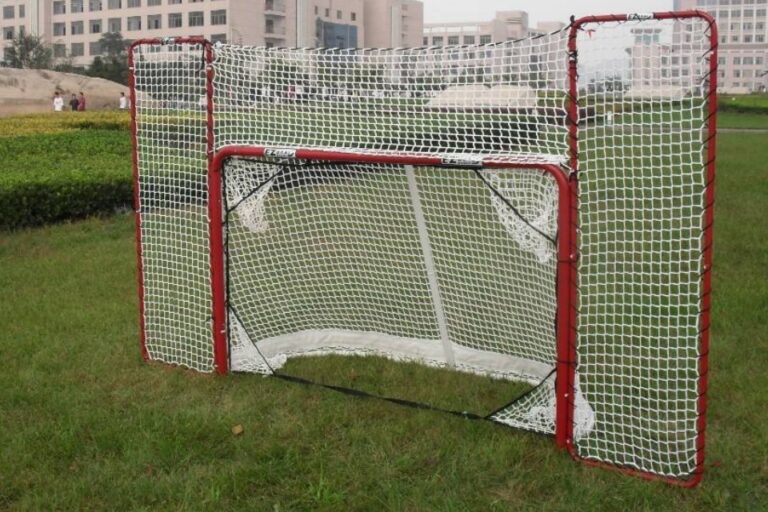
Tell us what you want to develop. FSPORTS supports OEM/ODM, private label, and custom sports netting projects based on your existing product, drawing, sample, photo, or application requirement.
Share the product type, dimensions, target quantity, destination, and any known mesh, material, frame, hardware, logo, or packaging requirements. If your specification is not complete yet, send what you have and we can review the remaining details before quotation.
Why Sports Net Accessories Are Always Missing In Projects
You know that feeling when the net finally shows up on site… and nobody can actually install it? Poles are there, slab is done, deadline is close, and the team is hunting for turnbuckles, hooks, sandbags, and ties.
Let’s talk about why sports net accessories keep falling out of projects, and how you can stop losing time and margin on something that looks “small” on paper but hurts the whole job in real life.
At FSPORTS, we see this every week from retailers, OEM buyers, and project contractors coming back for “extra hardware” after the first shipment. You’re not alone.
What Are Sports Net Accessories in Sports Netting Projects?
Before we fix the problem, we need the same language.
Sports net accessories are all the bits that turn a loose net into a working system:
Rental kits, event setups, training gear for clubs
Once you see the system like this, it gets clearer why things go missing. There are many moving pieces, and most of them never become a clear line item.
Why Sports Net Accessories Are Missing in Sports Netting Projects
Sports Net Accessories Treated as Extras in Sports Netting Projects
On the commercial side, the pattern is simple:
RFQ says “20 m sports barrier netting” or “one golf cage”.
The quote covers mesh area and basic structure.
Accessories get lumped into “others” or left out to keep the price attractive.
In value engineering sessions, people cut everything that “doesn’t show” in final photos. Accessories are small on the spreadsheet, but they carry the whole load on site.
Result: the BOQ looks lean, the bid wins, and then the site team spends days chasing missing fittings and doing last-minute purchase orders.
Sports Netting Drawings Show Nets, Not Sports Net Hardware
Designers usually draw where netting goes, not how it hangs.
The plan marks “ball stop net” behind a football goal.
The elevation shows height and span.
Nobody specifies tensioning, anchoring, or frame connection details.
The installer then improvises with whatever is left in the truck. That’s when you see nets tied to fence wire, duct-taped to beams, or hanging too low because there’s no proper tension hardware.
Custom Sports Netting Design Comes Late in the Process
Another reason: net design often comes in after the main contract is signed.
You know the flow:
Main build is priced and awarded.
Later, someone remembers they need netting for golf, soccer, or pickleball.
A supplier gets a rushed RFQ: “We need a cage here, something like 3x3x3 m, can you just make it work?”
Because the structure, slab, and lights are already locked, the supplier has to “shoehorn” a net system into a fixed space. That means extra brackets, custom anchors, extra bungees, maybe sandbags to solve base issues.
If these add-ons never go back into the main BOQ, they stay in email threads and get forgotten until the final punch list.
Maintenance Plans Ignore Sports Net Accessories and Hardware
Even when the first install is fine, maintenance kills the accessories budget.
Most maintenance plans say things like:
“Replace netting every X years”
“Inspect nets for damage”
They rarely say:
“Replace corroded turnbuckles”
“Swap cracked clips and ties”
“Renew sandbags or base weights”
So what happens? The club buys a fresh net but tries to reuse tired hardware. The system looks new from a distance, but the fittings are already at end of life. One storm, one overload, and things fail.
This also hurts retailers and distributors. When end users keep reusing wrong or worn fittings, they blame “the net” when something goes wrong, even if the mesh is fine.
When Sports Net Accessories Drop Out: Project Flow in Real Life
Here’s how it usually plays out across a job:
Project stage
What normally happens with nets and accessories
Typical pain on your side
Simple fix you can build into your process
Early design
Net area drawn, no hardware specified
Incomplete scope, risk of scope creep
Ask for “net + frame + hardware” spec from day one
Tender / RFQ
Only net area priced, accessories left vague
Quote looks cheap but margin is thin
Make accessories a clear line item in the offer
Procurement
Buyer compares only area price between suppliers
You get squeezed on unit price
Package systems (cage sets, full kits) instead of bare mesh
Installation
Site team opens boxes and finds missing bits
Extra runs to hardware store, delays, stress
Deliver labelled kits with matched accessories for each setup
Handover & maintenance
Client knows they must “check nets” but not “check fittings”
More complaints later, repeat calls for “spares”
Offer simple accessory refresh kits tied to each net system
If you sell or source sports netting, you’ve probably seen every row in this table on at least one job.
How to Keep Sports Net Accessories in the Project Scope with FSPORTS
The good news: you don’t need to redesign your whole business to fix this. You just need to treat nets as systems, not as fabric.
Bundle Nets, Frames, and Accessories from One Sports Netting Manufacturer
Working with one manufacturer that can supply net + frame + hardware in a single package removes a lot of risk.
FSPORTS focuses on that full-system thinking:
UV-resistant, high-impact mesh
Steel frames sized for the load
Matching hooks, bungees, anchors, and bags where needed
OEM / ODM support so your brand still sits on the box
If you’re selling B2B, this reduces returns and “missing parts” tickets. For OEM clients, it keeps your brand reputation clean because the end user gets everything they need in one hit.
You can also browse the wider range in the FSPORTS product catalog to match different sports and price points.
Use Ready-to-Go Sports Net Systems for Different Sports
Instead of piecing things together per project, you can standardize by sport:
In short, sports net accessories go missing because they hide in the gaps: between drawing and BOQ, between RFQ and purchase order, between install and maintenance.
When you treat nets as full systems, work with a manufacturer like FSPORTS that designs around real-world use, and make accessories visible in your scope, you stop firefighting on site and start handing over netting projects that just work.