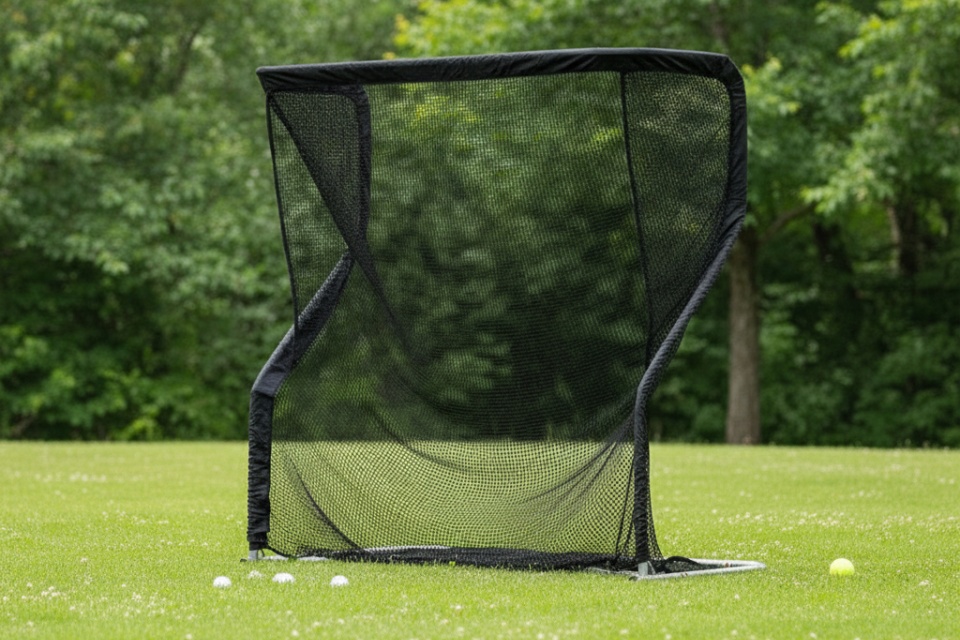
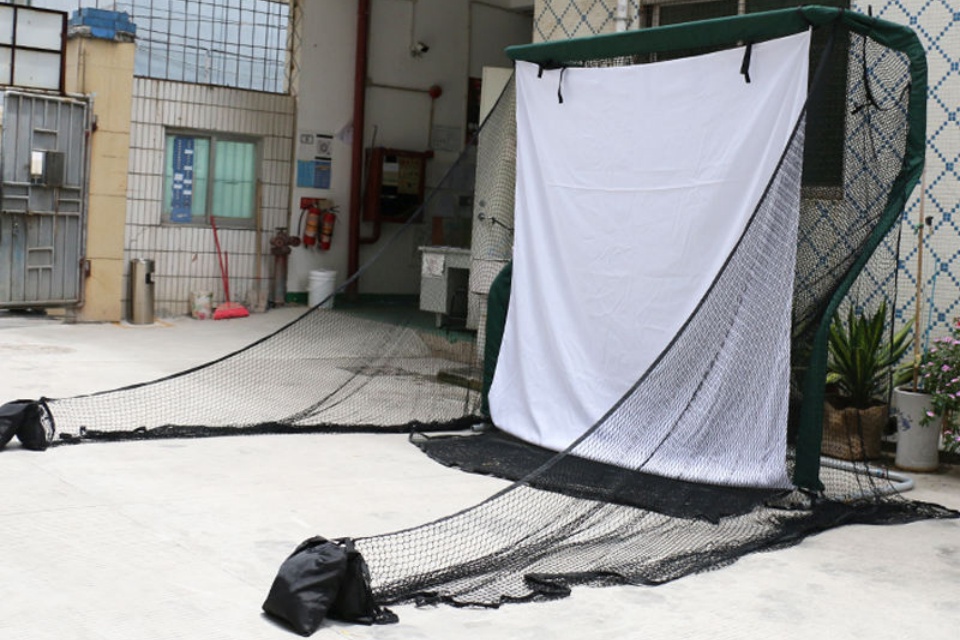
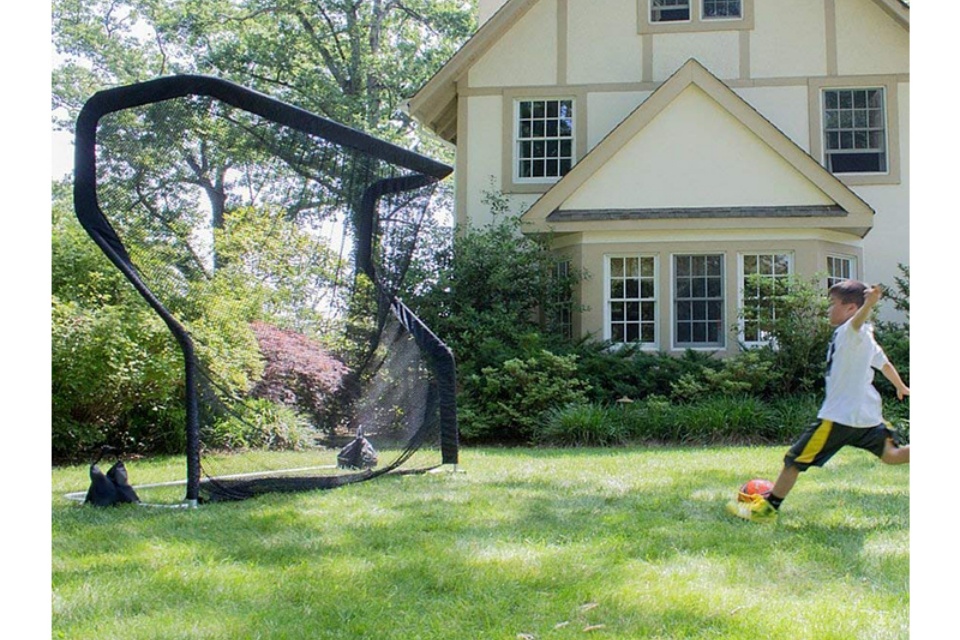
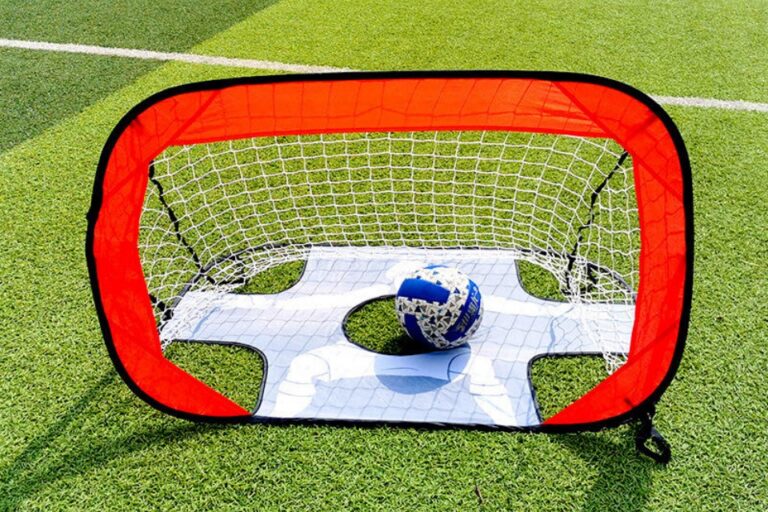
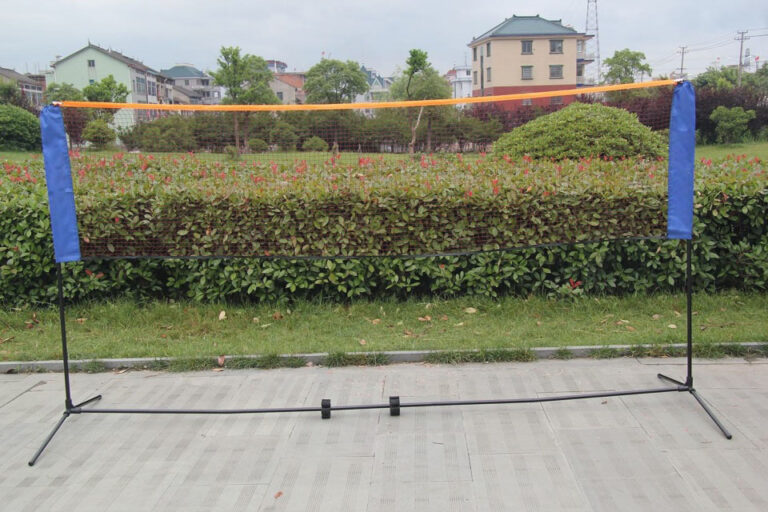
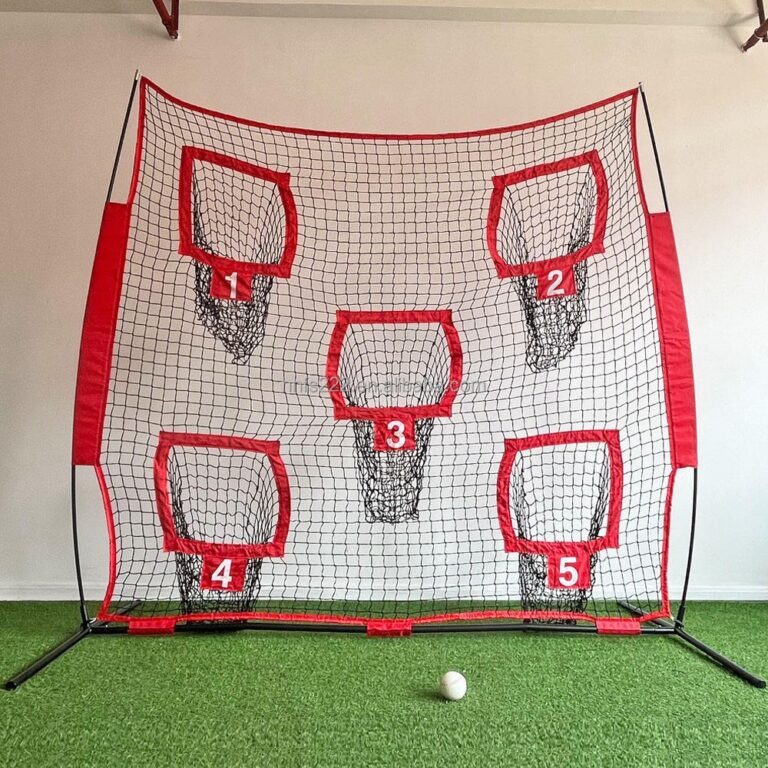
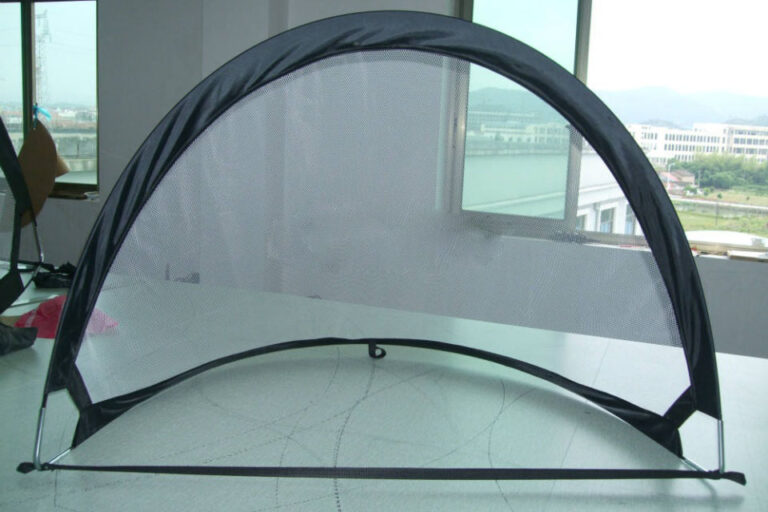
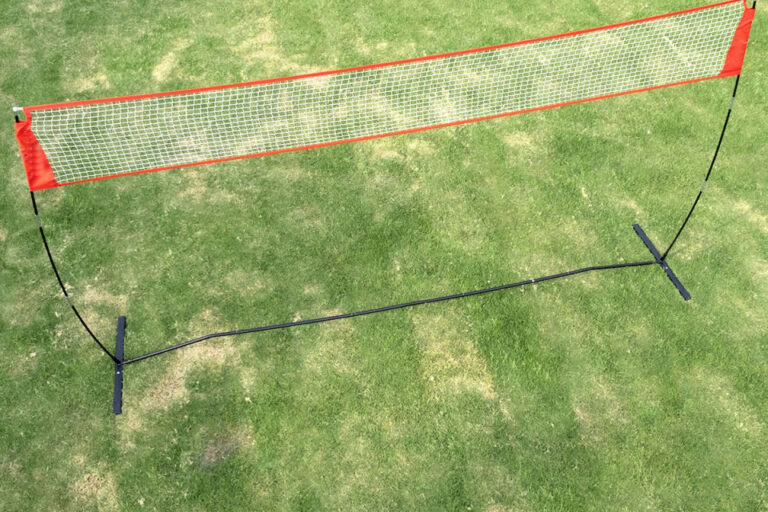
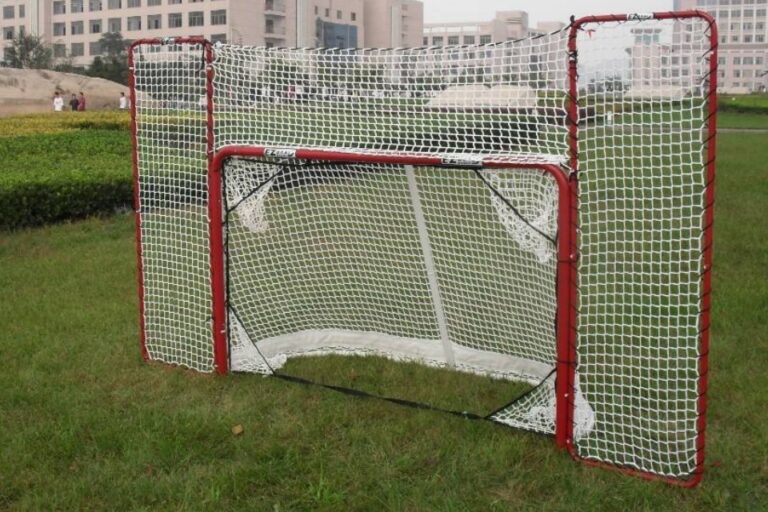
Tell us what you want to develop. FSPORTS supports OEM/ODM, private label, and custom sports netting projects based on your existing product, drawing, sample, photo, or application requirement.
Share the product type, dimensions, target quantity, destination, and any known mesh, material, frame, hardware, logo, or packaging requirements. If your specification is not complete yet, send what you have and we can review the remaining details before quotation.
Astm, Iso 9001 & Cpsia Standards: Equipment Certification Checklist
Trust is expensive. I’ve sat in too many supplier calls where “We’re ISO” is said like it’s a magic spell, and where “ASTM compliant” is written on a spec sheet with no standard number, no test method, no lab name, and conveniently—no dates, no batch IDs, no traceability—because the entire claim collapses the second a buyer asks for the underlying evidence trail. So what are you actually buying: compliance, or vibes?
The hard truth buyers don’t say out loud
Certification doesn’t equal compliance. It signals a pathway to compliance—sometimes. And it’s routinely misused as a sales shield.
CPSIA is law. If your product is a “children’s product” (≤12), you’re in third-party testing territory and you need a Children’s Product Certificate (CPC) built on results from a CPSC-accepted lab, not a friendly “in-house” report. The CPSC is explicit: CPCs are required, they must cite applicable rules, and they’re based on third-party test results. That’s not optional. It’s in the business guidance. CPSC CPC requirements
ISO 9001 is different. ISO doesn’t certify anyone; independent certification bodies do. ISO even reminds people of that and points you to the survey mechanics and the accredited chain behind certificates. ISO’s explanation of the ISO Survey and certification reality
ASTM sits in the “voluntary consensus standard” bucket—often treated as mandatory by contract language, retailer requirements, or because regulators incorporate versions by reference in rules. The CPSC itself describes how voluntary standards bodies like ASTM exist and how these standards get used in product safety practice. CPSC overview of voluntary standards (ASTM, UL, etc.)
What “equipment certification requirements” really mean in procurement
If you buy equipment (including sports gear, nets, goals, training aids, or accessories), you’re usually managing three risk classes at once:
Quality system risk (ISO 9001): Can the factory reproduce the same thing next month, with the same tolerances, materials, and controls?
Safety/legal risk (CPSIA/CPSC rules): Are you exposed to lead limits, coatings limits, mechanical hazards, labeling, traceability, reporting duties, and forced recalls?
Performance/spec risk (ASTM): Does the product meet a defined testable performance spec—or are you approving marketing copy?
If you want a practical buyer workflow, treat this like an evidence stack: certificate → scope → accreditation chain → test reports → batch traceability → incoming inspection plan → change control.
And yes, I’m biased toward skepticism. I’ve seen “ISO 9001” on a PDF that was literally edited in Microsoft Word. That happens. UKAS (the UK accreditation body) openly says counterfeit certificates exist and that false claims circulate. UKAS on counterfeit certificates and false claims
Real-world consequences (2023–2024): the receipts buyers ignore
This isn’t theoretical risk.
$16.025 million civil penalty (Nov 18, 2024): Bestar agreed to a penalty after allegations it failed to immediately report wall bed hazards; one death was reported. That’s what “we’ll handle it internally” can turn into. CPSC: Bestar civil penalty
346,000 units recalled (July 20, 2023): CUPKIN stainless steel children’s cups were recalled for lead levels exceeding the federal lead content ban. Massive unit count, simple chemical issue, ugly outcome. CPSC: CUPKIN recall
Lead limits are not vibes: CPSIA’s lead trajectory is codified—down to 100 ppm total lead content for accessible components (with feasibility carve-outs), and the CPSC flags >100 ppm as a banned hazardous substance for accessible parts. CPSC: Total lead content guidance and the underlying statute language is plain about the 100 ppm endpoint. 15 U.S.C. § 1278a (Cornell LII)
If you’re buying anything that could land in “children’s product” territory (schools, clubs, youth programs, family retail), your compliance posture should be stronger than your marketing.
The “Certification Documentation Checklist” buyers should demand (and actually verify)
1) ISO 9001 certification checklist (what to request)
Ask for:
ISO 9001 certificate PDF and the scope statement (sites, processes, exclusions).
Certification body name + certificate number + issue/expiry dates.
Most recent surveillance audit date (not just the certificate date).
A one-page summary of nonconformities from the last audit (factories hate this request; that’s why it works).
What I look for:
Scope mismatch: “Manufacture of textile products” when you’re buying welded frames + coated metals + injection molded parts.
Site mismatch: certificate covers HQ office, not the plant.
Unaccredited certification: a “certification” logo that isn’t tied to an accreditation body.
How to verify ISO 9001 certificate authenticity (fast):
Use IAF CertSearch to validate the three-link chain: certificate validity, certification body accreditation, and accreditation body legitimacy. IAF CertSearch
If you source from the UK ecosystem, UKAS CertCheck exists for verifying accredited claims. UKAS CertCheck
If you don’t do this, you’re basically trusting a PDF.
2) CPSIA compliance checklist (what certifications are required for CPSIA compliance)
If it’s a children’s product subject to a CPSC rule, you’re typically in this zone:
Children’s Product Certificate (CPC): must cite applicable rules and be based on third-party test results from a CPSC-accepted lab. The CPSC lists required CPC elements and is explicit about third-party testing and English-language documentation. CPSC: Children’s Product Certificate
Third-party lab evidence: test reports tied to the specific model/SKU and material set, with dates and lab identifiers. CPSC reinforces that nearly all children’s products require third-party testing and that labs are “accepted” for specific rules. CPSC: Third-party testing guidance
Lead compliance proof: for many categories, buyers should explicitly check the 100 ppm total lead content threshold for accessible components. CPSC: Total lead content
Also: paint/coatings matter. CPSC states 16 CFR part 1303 bans paints/surface coatings at 0.009% lead by weight (90 ppm). CPSC: Lead in paint
3) ASTM compliance checklist (stop accepting “ASTM compliant” as a sentence)
ASTM compliance only means something when all of this is true:
The supplier names the exact ASTM standard (example format: ASTM Fxxxx-yy).
The supplier provides a test report that cites the standard, method, conditioning, sample size, and results.
The report is traceable to your SKU/material spec and production batch or a validated “family” rule.
CPSC itself frames ASTM as one of several voluntary standards organizations used to develop consensus safety standards. That context matters because many suppliers exploit the word “ASTM” as branding rather than proof. CPSC: Voluntary standards overview
The buyer’s verification sequence (what I do, in order)
Identify product classification: children’s vs general use, intended age, sales channel.
Match standard to product: which ASTM standard, which CPSC rules, which ISO scope.
Run a red-flag audit: date inconsistencies, scope mismatch, edited PDFs, missing lab IDs.
Short sentence. If your supplier can’t produce a clean evidence chain—certificate scope, accreditation, lab acceptance, and test reports tied to the SKU and date—then you’re not “saving time,” you’re just deferring pain until the first incident, the first retailer compliance audit, or the first customs hold. Still comfortable?
Quick comparison table (what each standard actually buys you)
Standard/Regime
What it proves (when valid)
Who issues it
Must-have documents
Buyer verification steps
Classic red flags
ASTM (product spec)
Product meets a named testable spec/method
Test lab (report), supplier claims
Test report naming exact ASTM standard + results + sample details
No CPC; “in-house lab” for children’s rules; stale reports
Where this fits on FSportsNet (internal proof beats promises)
If you’re sourcing sports equipment or netting, don’t ask for “a certificate.” Ask for a compliance pack tied to the product family you’re buying.
Start with a product family so the evidence is scoped: browse the broader catalog via the sports equipment products collection at FSportsNet Products and narrow by application like outdoor sports netting systems at Outdoor Net Category.
For a concrete example SKU, pull a single item and request documentation against that bill of materials—like this professional golf hitting cage net for indoor/outdoor use: Golf Hitting Cage Net.
If you’re qualifying a supplier, I want to see process reality: equipment, stitching/knots, frame welding, incoming material checks—so I’d point procurement teams to a factory production and QA walkthrough via Factory Tour.
If you need OEM/ODM, packaging, labeling, or documentation handling baked into your PO, keep it explicit in the scope: Services.
And when you’re ready to run the certification documentation checklist against a specific order, make the request formal and traceable: Contact FSportsNet.
FAQs
What is an ISO 9001 certification checklist?
An ISO 9001 certification checklist is a buyer-side verification script that confirms a supplier’s ISO 9001 certificate is current, scoped to the right site and processes, issued by an accredited certification body, and supported by recent audit activity—rather than being a generic PDF with no accreditation chain or relevance to your SKU. I verify through IAF CertSearch because it’s built to confirm the certificate + certification body + accreditation body relationship in one place.
What is a CPSIA compliance checklist?
A CPSIA compliance checklist is a document and testing audit trail that proves a children’s product complies with applicable CPSC-enforced rules, including mandatory third-party testing (when required) and a valid Children’s Product Certificate (CPC) that cites the relevant rules and ties to specific test reports, dates, and labs. The CPSC lays out CPC requirements and the third-party testing basis directly in its guidance. CPSC CPC page
What does “ASTM compliant” actually mean for equipment?
“ASTM compliant” means the product has been tested against a specific ASTM standard and met its defined criteria, with a test report that names the standard designation, test methods, conditioning, sample set, and results—otherwise it’s just marketing shorthand that cannot be audited or enforced in procurement. If your supplier can’t name the exact ASTM standard version, you don’t have a compliance claim—you have a slogan. The CPSC explains ASTM’s role as a voluntary standards organization in the broader standards ecosystem. CPSC voluntary standards overview
How do I verify ISO 9001 certificate authenticity without calling ten people?
You verify ISO 9001 certificate authenticity by validating the accreditation chain—certificate status, certification body accreditation scope, and the legitimacy of the accreditation body—using an independent database rather than trusting the supplier’s PDF, logo, or email signature block as evidence of validity. In practice, I use IAF CertSearch and, for UK-linked claims, I cross-check with UKAS CertCheck.
What documents should I request for product safety compliance verification under CPSIA?
For product safety compliance verification under CPSIA, request a CPC (for children’s products), the underlying third-party test reports from a CPSC-accepted laboratory, material and coating compliance evidence (including lead thresholds), and traceability identifiers linking reports to the exact SKU/material configuration shipped. CPSC details CPC elements and reinforces third-party testing expectations for children’s products. CPSC third-party testing guidance
Conclusion
If you’re buying equipment at scale, stop accepting “certified” as an adjective. Put the evidence pack into your RFQ: ISO scope + accreditation verification, ASTM standard numbers + lab reports, CPSIA CPC + CPSC-accepted lab results + batch traceability. Then anchor it to real products from the FSportsNet products catalog and request a documentation bundle through Contact FSportsNet.