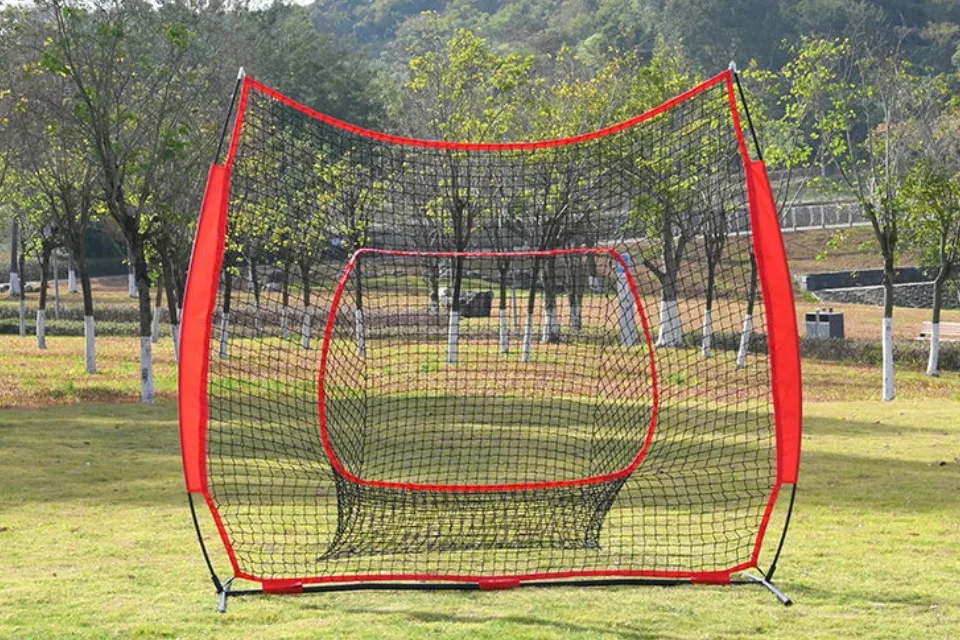
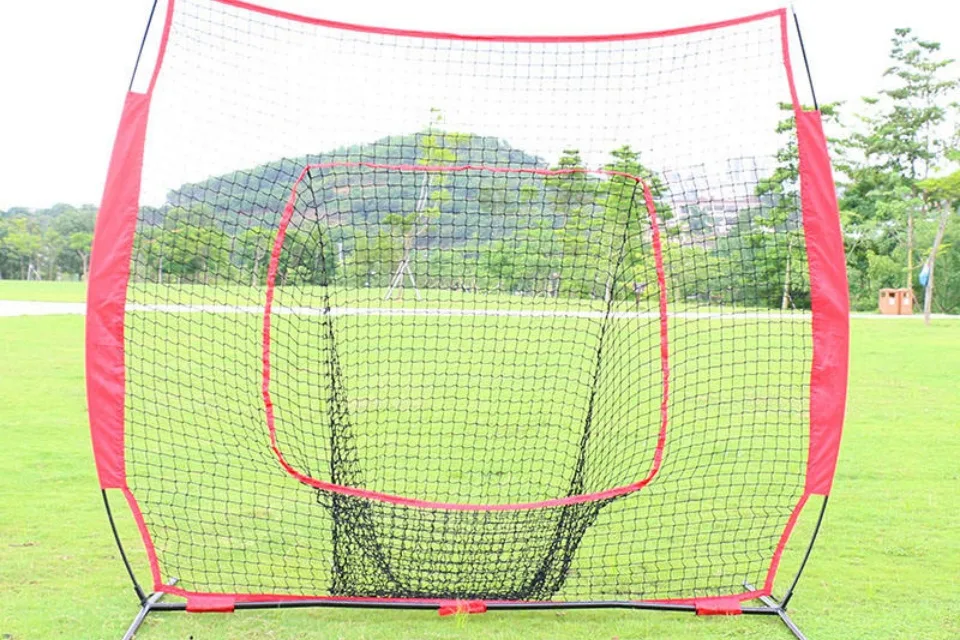
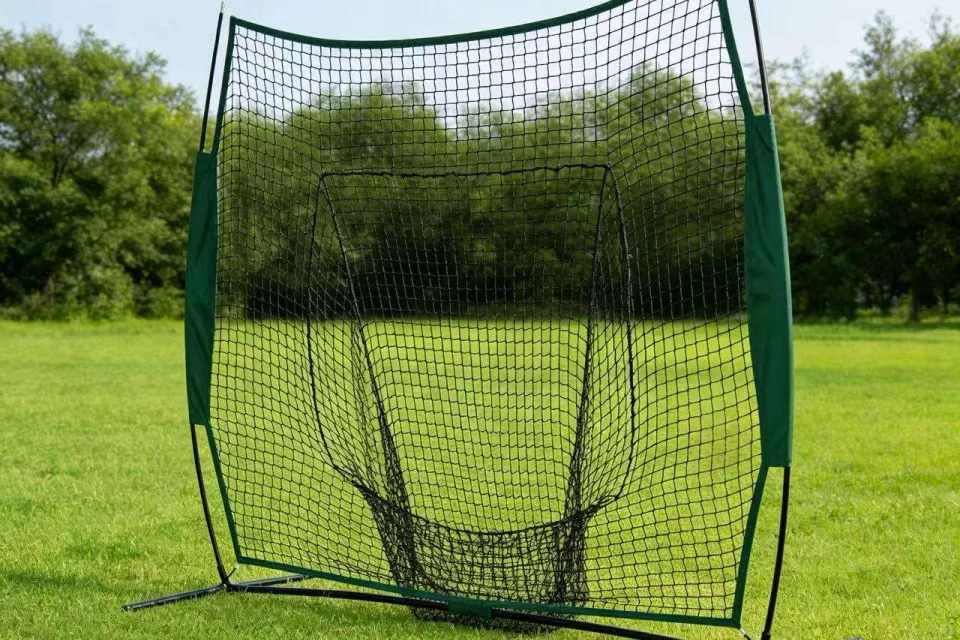
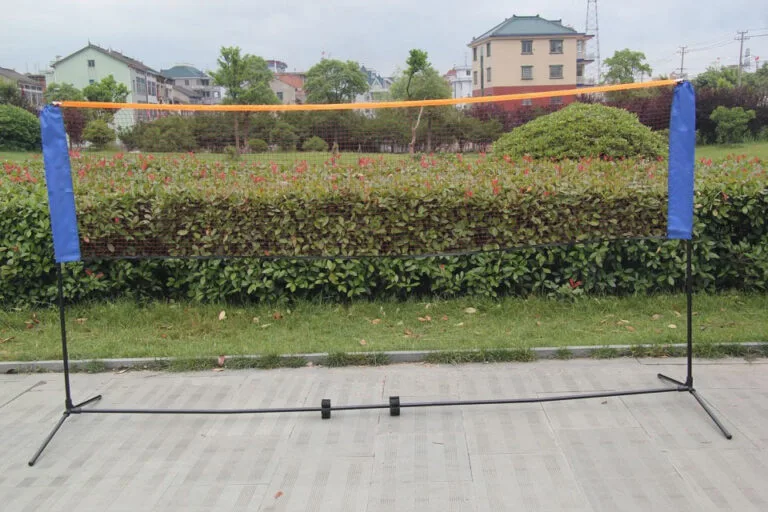
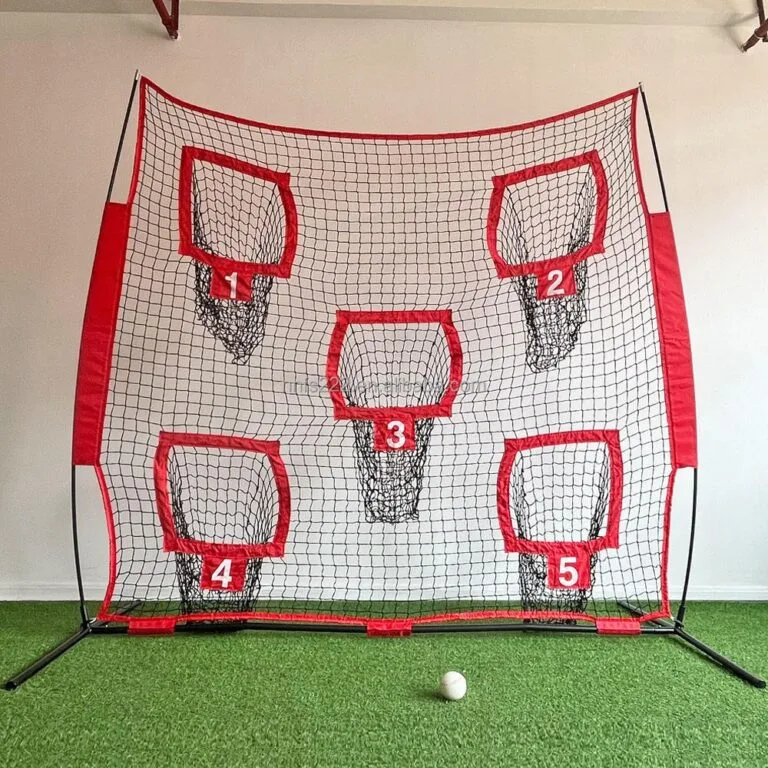
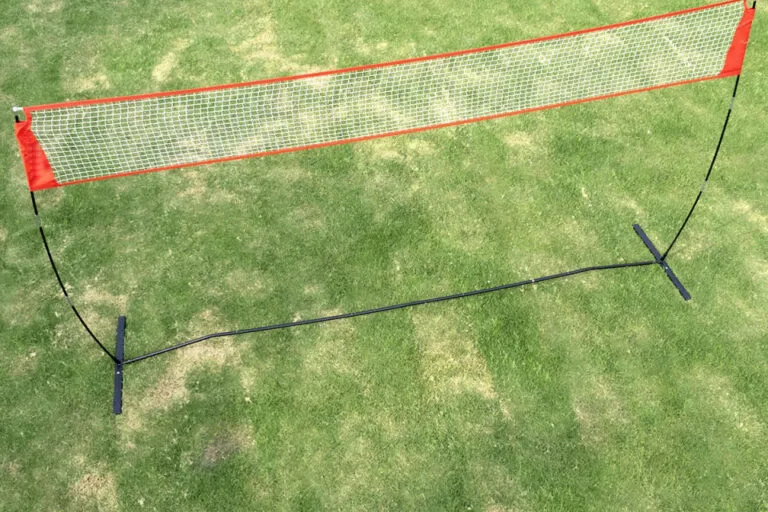
Tell us what you want to develop. FSPORTS supports OEM/ODM, private label, and custom sports netting projects based on your existing product, drawing, sample, photo, or application requirement.
Share the product type, dimensions, target quantity, destination, and any known mesh, material, frame, hardware, logo, or packaging requirements. If your specification is not complete yet, send what you have and we can review the remaining details before quotation.
Choosing Between Braided Vs Knotted Polyethylene Netting For Sports
Most buyers guess.
I know that sounds harsh, but I’ve been around enough quoting cycles, sample checks, and last-minute spec changes to know what usually happens: somebody asks for “heavy-duty PE netting,” three suppliers throw around the same recycled phrases, a purchaser zeroes in on the lowest landed cost, and nobody bothers to ask how that mesh is going to look after six months of UV, ball strikes, hanger friction, wind whip, and plain old neglect. That’s the real test. Not the catalog blurb.
That’s the fight.
And no, braided vs knotted netting isn’t some nerdy side argument for factory people and sourcing managers. It decides how the install ages, how often it gets patched, how ugly it looks when it starts to go, and whether the buyer feels smart or stupid twelve months later.
Why This Debate Actually Matters
But let’s not kid ourselves. The market isn’t moving because people suddenly became netting scholars. It’s moving because more people are playing, more facilities are getting hammered, and more operators are trying to stretch one spec across multiple use cases without admitting that a batting lane, a golf bay divider, and a perimeter barrier do not live the same life. According to the 2024 SFIA Topline Participation Report, 242 million Americans participated in at least one activity in 2023, inactivity fell to 21.2%, and pickleball grew 51.8% year over year. Then the money side piled on: the 2024 SFIA Manufacturers’ Sales by Category Report said U.S. sporting-goods industry sales hit $121.66 billion in 2023, with football product sales up 11.9%, baseball/softball up 10%, and volleyball up 9.3%. That’s not soft demand. That’s hard usage. (sfia.org)
More traffic. More abuse.
I frankly believe most buyers compare the wrong line items.
They compare cost per panel, maybe cost per square meter if they’re feeling disciplined, but they ignore the expensive stuff hiding underneath—replacement labor, shutdown hassle, edge finishing, UV fatigue, rub points on cable interfaces, and the political problem of a public-facing installation that starts looking ragged way earlier than expected. That’s where the real money leaks out.
My Core View on Braided Vs Knotted Netting
From my experience, braided polyethylene netting usually earns its keep when the panel is permanent, visible, and a pain to replace. Knotted polyethylene netting usually makes more sense when the install is budget-sensitive, modular, or easy to swap. Simple rule. Messy reality.
Because one bad call here doesn’t just cost money. It creates maintenance noise. And buyers hate noise.
Want my blunt version?
A knot is a stress point. A braid is a surface strategy.
That’s oversimplified, sure—but not by much.
Now, do I think knotted PE netting is some second-rate option that only belongs in cheap practice gear? No. I don’t. That’s sales talk from people who want a universal premium answer because it makes quoting easier. A well-made knotted panel can absolutely be the right call for secondary barriers, removable lanes, training targets, seasonal setups, or applications where the mesh is accessible and replacement isn’t a whole production. But once the panel becomes structural to the user experience—meaning it’s always visible, always under load, always in the line of sight—I get a lot less relaxed about going cheap.
And let’s talk liability for a second, because the industry loves pretending that netting is just a durability question. It isn’t. Reuters reported on the lawsuit over extending MLB protective netting farther down the foul lines, and even though the case was dismissed for lack of standing, the judge still acknowledged that injuries from foul balls at today’s game speeds are more severe than they used to be. The 2024 Journal of Legal Aspects of Sport study went further on golf: it reviewed 1,561 golf negligence lawsuits, narrowed the analysis to 133 cases, found 85 may have been preventable with proper buffer zones, and noted that golf courses prevailed only 47.5% of the time when they were sued. That matters. A lot. (reuters.com)
Weak containment specs don’t stay “procurement issues” for long.
They become evidence.
So when somebody asks me about braided vs knotted netting for sports, I don’t start with brochure language. I start with use case, sightline, abuse pattern, edge finish, and who’s going to own the replacement headache when the panel starts to fuzz, sag, or look blown out at the tie-off points. That’s the real conversation.
How I’d Judge It by Sport
Golf: Where I Usually Lean Braided
Golf first. Always.
Because golf is brutal on bad decisions—especially the kind that looked fine in a PDF.
If the net is part of a perimeter barrier, a bay divider, or a full cage that sits outdoors and stares at clients all year, I lean braided more often than not. Not because “braided” sounds premium. That’s fluff. I lean that way because braided construction usually gives a cleaner face, fewer obvious snag points, better visual consistency across larger spans, and less of that tired-looking surface wear you start seeing when a panel has been rubbing, flexing, and taking stray impact for months. Buyers checking golf net systems or broader outdoor sports netting shouldn’t just ask what the mesh is made of. They should ask the annoying questions—what’s the border rope build, how’s the selvedge handled, what’s the hang behavior after weathering, what kind of finish work is actually leaving the plant? If the supplier gets fuzzy, go look at the factory tour. Seriously. That usually tells you more than the spec sheet.
Baseball and Softball: Don’t Use One Spec for Everything
Baseball and softball? Different story. Or rather—different zones.
This is where a lot of buyers get lazy and try to force one answer across the whole site. Bad move. For backstops, batting-cage surrounds, and visible containment areas that get repetitive impact plus abrasion at the perimeter hardware, I’m usually much more pro-braided. Not because knotted can’t catch a ball. Of course it can. But repeated abuse exposes weak-looking construction fast, and public-facing baseball installs age in plain sight. Nobody misses a tired cage panel.
But secondary drill stations, target nets, replaceable practice lanes, or smaller setups where access is easy? That’s where knotted can be a smart spend. No drama. No fake guilt about not choosing the pricier option. Buyers looking at baseball barrier netting or broader baseball net solutions really need to think in zones: permanent zones, temporary zones, high-abuse zones, clean-view zones. Same site. Different logic.
That’s how adults buy netting.
Court Sports: Appearance Matters More Than People Admit
Then there’s the court side—tennis, pickleball, badminton, volleyball. Different energy profile. Different buyer psychology too.
Here’s the thing most people don’t say out loud: appearance matters a lot more than buyers admit. Once a net sits inside a shared-use court environment, a school setup, or a recreation venue where people are constantly seeing, moving, and judging the equipment, visual cleanliness stops being vanity and starts becoming operations. A saggy panel. A rough edge. A tired-looking mesh line. It makes the whole setup feel cheap, even if the panel still technically “works.”
That’s why I tend to favor cleaner-finish builds for shared-use courts and flexible multi-sport net setups where the gear gets handled constantly. The best polyethylene netting for sports isn’t the one with the loudest product title or the puffed-up sales copy. It’s the one that hangs right, wears honestly, and doesn’t start looking shabby after routine handling.
That’s the difference.
Football, Soccer, Lacrosse, and Hockey: Maintenance Changes the Answer
Now for the messy category—football, soccer, lacrosse, hockey. I ask one question first, and it’s not elegant: is this panel going to be maintained, or ignored?
Because that changes everything.
If it’s going to sit outside, eat weather, take repeated shots, and get checked only when someone complains, I spec with more caution. If it’s accessible, monitored, and likely to be replaced on a real schedule, I can live with a tougher value-oriented decision. Too many people do the opposite. They cheap out on neglected installs and overspend on the easy-replacement stuff. Backwards. Completely backwards.
Braided Vs Knotted Netting Comparison Table
Buying factor
Braided polyethylene netting
Knotted polyethylene netting
My blunt read
Visual finish
Cleaner, smoother, more uniform
More utilitarian, knots are visible
Braided wins where appearance matters
Abrasion handling
Usually better in repeated rub zones
More exposed at knot points
Braided is safer for exposed barriers
Upfront cost
Higher
Lower
Knotted wins budget bids
Replacement economics
Better when long life offsets labor
Better when panels are easy to replace
Depends on access and labor cost
Permanent outdoor use
Strong fit for high-visibility installs
Can work well if duty cycle is moderate
Don’t underspec UV-exposed barriers
Golf and baseball perimeters
Often preferred
Situational
I lean braided
Training goals and secondary zones
Sometimes overbuilt
Often sufficient
I lean knotted
Buyer mistake
Paying premium everywhere
Buying cheap where failure is public
Both errors are common
What Most Buyers Miss
But here’s the ugly truth again: braided vs knotted is only half the job. Sometimes it’s not even half.
I’ve seen decent PE mesh ruined by terrible finishing—weak border ropes, sloppy corners, rushed stitching, cheap clips, abrasive hardware, ugly hanging intervals, bad tensioning, or spans that were clearly installed by somebody eyeballing it and hoping for the best. That’s where outsiders get fooled. They think the “material choice” failed, when really the make-up failed. The trim package failed. The install failed. The edge treatment failed.
And once the edges go, the argument is over.
That’s why I don’t trust product titles. Never have. I want the working spec: mesh size, twine diameter, UV package, border build, span length, hang height, impact pattern, indoor or outdoor exposure, permanent or seasonal duty, and whether the panel is supposed to absorb repetitive hits or just stop the occasional miss. Same label. Totally different life expectancy.
So yes, I still use a rule of thumb. Because rules of thumb are useful when they’re honest.
If the net is permanent, public-facing, and expensive to replace, braided polyethylene netting usually makes more sense.
If the net is replaceable, budget-sensitive, and tucked into a lower-visibility role, knotted polyethylene netting usually makes more sense.
And if the panel is standing between an errant ball and a person, car, wall, or lawsuit—don’t get cute with the spec.
FAQs
What is the difference between braided and knotted polyethylene netting?
Braided polyethylene netting is PE mesh made from interwoven strands that create a smoother, more uniform twine profile, while knotted polyethylene netting is built with fixed knots at each mesh intersection, usually making it more utilitarian in appearance and more attractive on upfront cost. That’s the technical definition. My field version is simpler: braided usually looks better and stays presentable longer; knotted usually saves money where replacement is easier and the panel isn’t under a microscope.
Is knotted polyethylene netting a bad choice for sports?
Knotted polyethylene netting is a cost-efficient PE net construction that can work very well for sports applications where the panel is modular, easy to replace, lower in visibility, or used in secondary practice environments rather than premium perimeter containment or highly exposed public-facing barrier systems. So no, it’s not “bad.” It’s just easy to misuse when buyers treat every zone like it needs the same spec.
Which is better for baseball, golf, and multi-sport facilities?
The best polyethylene netting for sports depends on impact frequency, exposure, installation permanence, appearance requirements, and replacement labor, because golf perimeters, baseball backstops, and multi-sport dividers don’t experience the same loading, abrasion patterns, maintenance schedules, or visual scrutiny over time. My bias is pretty clear: braided for exposed, permanent containment; knotted for replaceable practice zones.
How do I choose sports netting for an outdoor facility?
Outdoor sports netting should be UV-stabilized PE sized to the ball type, span length, duty cycle, and containment risk of the installation, with enough twine mass, correct mesh size, and properly finished edges to survive weather, repeated impact, and the very human habit of delayed maintenance. And yes—price the replacement labor before you obsess over the panel price. That’s where people fool themselves.
Is braided netting always stronger than knotted netting?
Braided netting is not automatically stronger than knotted netting in every application, because field performance depends on the full build—twine diameter, mesh geometry, border finishing, UV treatment, installation method, and the exact abuse pattern the net will see over months or years of sports use. I don’t blindly trust either label. I trust the spec, the finishing, and whether the supplier sounds like they’ve actually dealt with field failures instead of just listing features.
Final Buying Advice
If you’re making a live buying decision, skip the fluffy RFQ. Compare the real service life, replacement hassle, appearance standard, and exposure risk for the exact application, then review the products, inspect the build standards through the factory tour, and contact the team with your sport, mesh size, span, and install height. That’s how serious buyers source durable sports netting.