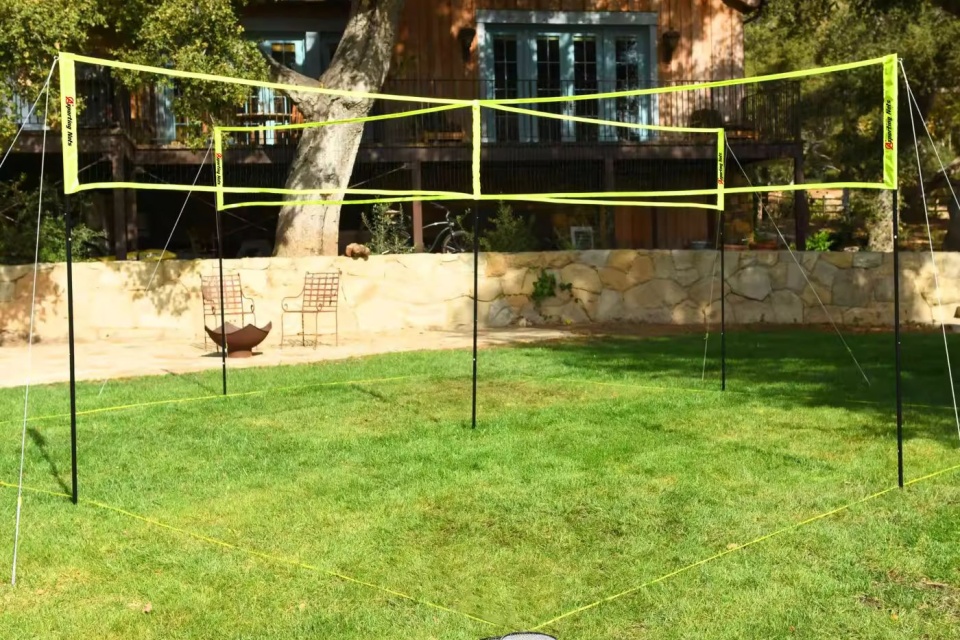
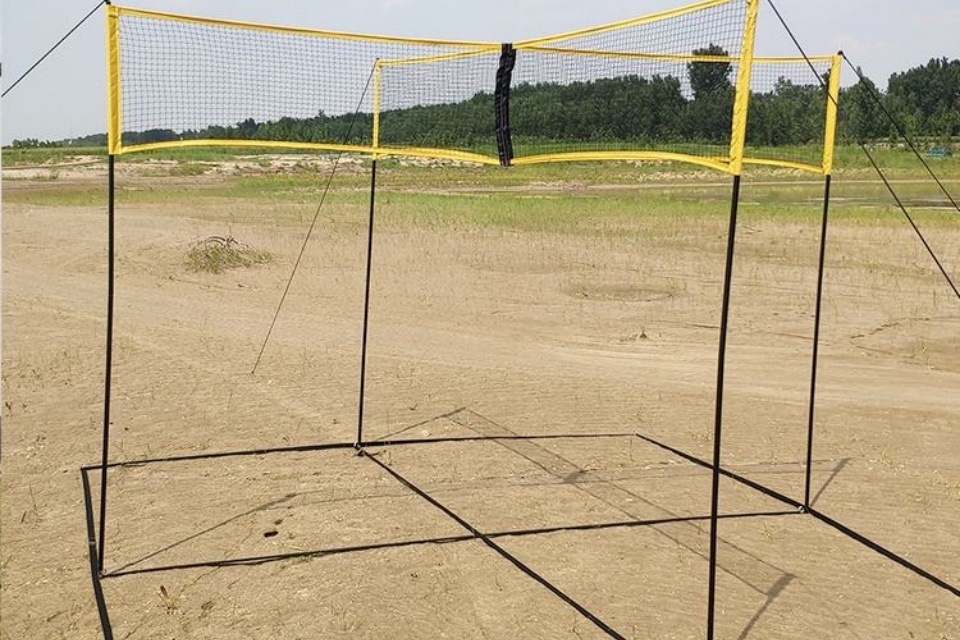
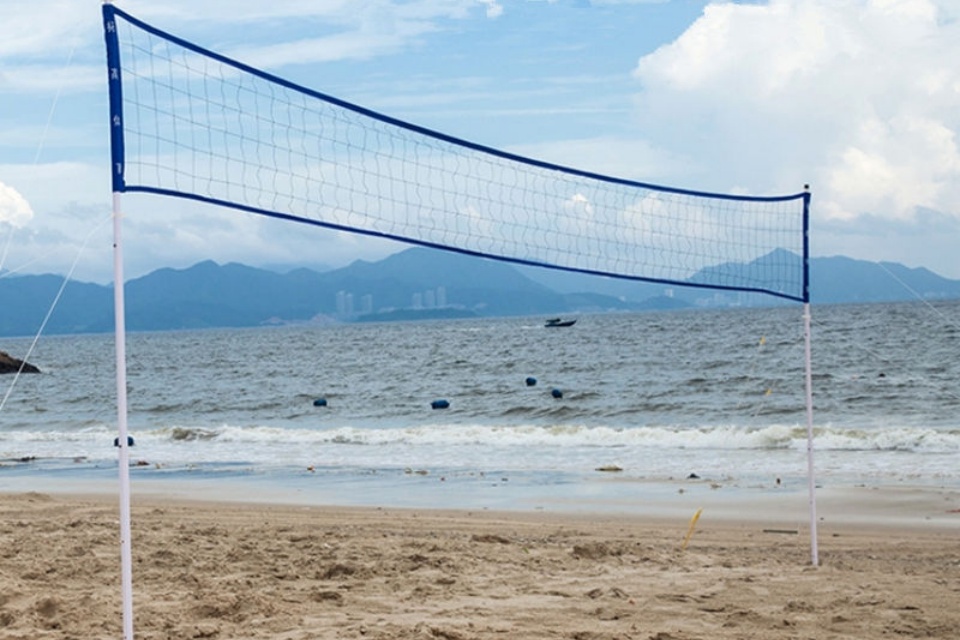
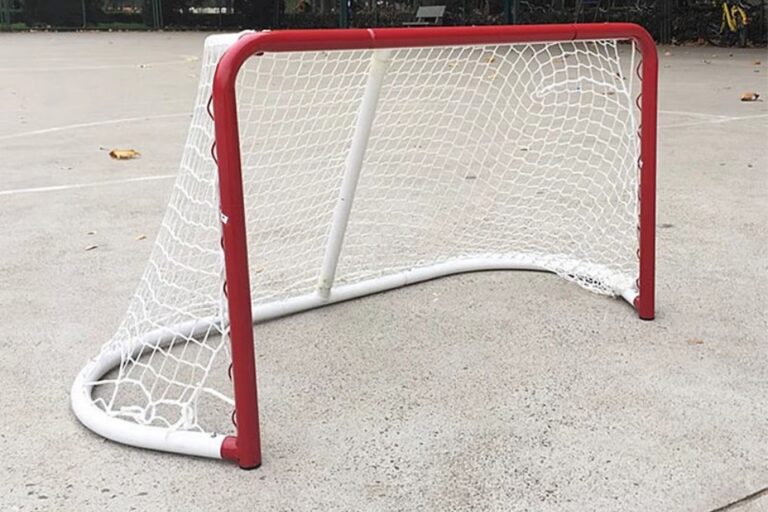
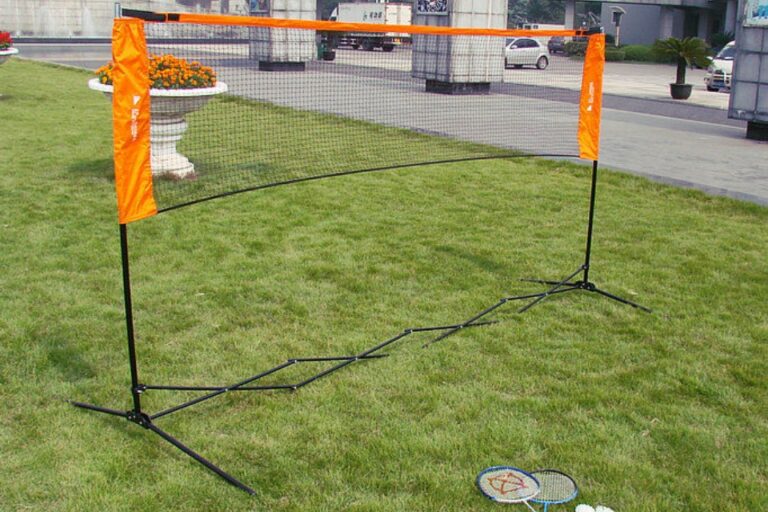
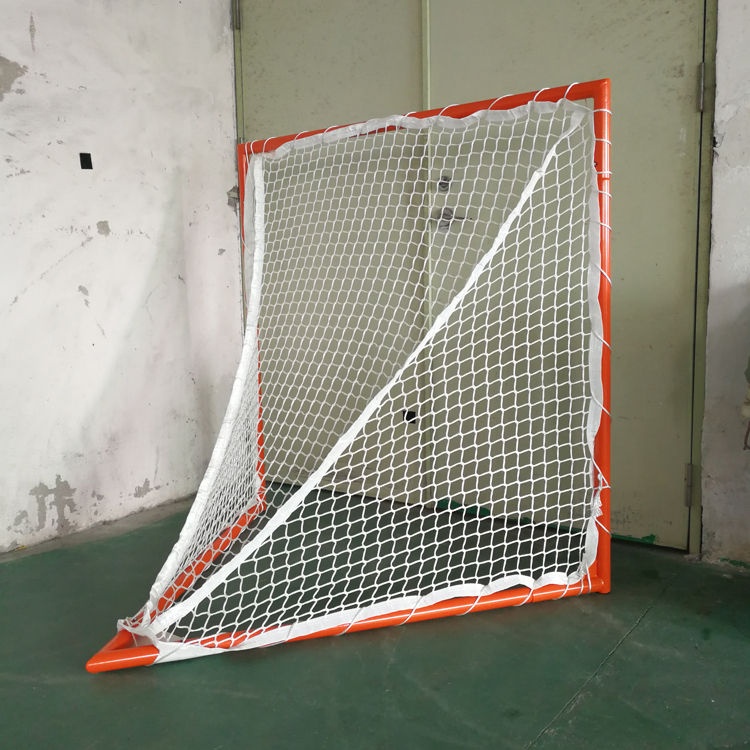
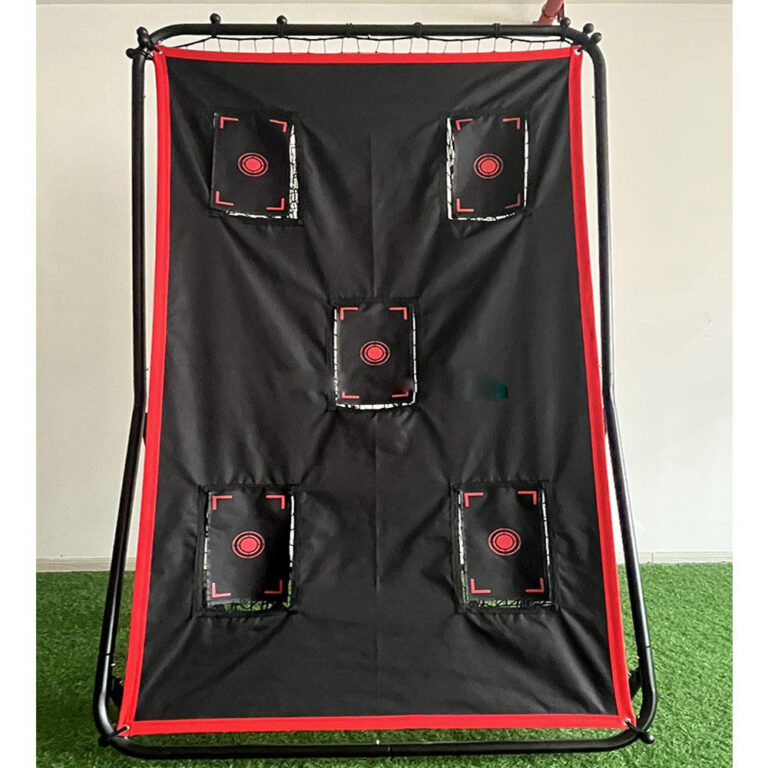
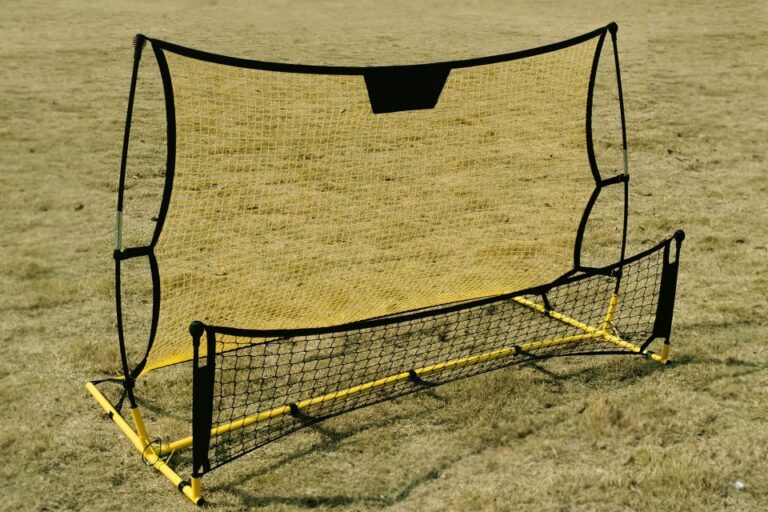
Tell us what you want to develop. FSPORTS supports OEM/ODM, private label, and custom sports netting projects based on your existing product, drawing, sample, photo, or application requirement.
Share the product type, dimensions, target quantity, destination, and any known mesh, material, frame, hardware, logo, or packaging requirements. If your specification is not complete yet, send what you have and we can review the remaining details before quotation.
Building a Batting Cage, Golf Range & Pickleball Facility: Step-By-Step
Why Mixed-Sport Facility Planning Fails Early
I’ve sat in those meetings—the ones where somebody waves around a pretty rendering, talks about “synergy,” and acts like a batting cage, a golf range, and a pickleball complex can all be dropped onto one parcel with the same logic, the same vendor stack, and the same install crew, as if ball speed, acoustic blowback, drainage pitch, and net deflection are all interchangeable. They aren’t. Not even close.
That’s the trap.
And I frankly believe most mixed-sport projects get into trouble before the first post hole is drilled. Not because demand is weak. Because the planning is lazy. Somebody hears “sports facility construction” and imagines one neat category. It’s not one category. It’s three separate headaches with different failure points, different wear patterns, and very different legal exposure.
The market, though? Very real. Very hot. According to SFIA’s 2024 Topline Participation Report, pickleball grew 51.8% from 2022 to 2023 and 223.5% in three years; NGF’s 2024 state-of-industry snapshot says 26.6 million Americans played on-course golf in 2023 and total golf participation reached 45 million; and MLB’s March 2024 participation report says U.S. baseball participation reached nearly 16.7 million. So yes, the customer base exists. The ugly truth is that demand covers up dumb design for maybe six months—then operations expose everything.
Start With the Ball, Not the Building
I don’t start with the clubhouse. Never have.
I start with the ball. Where it goes when struck clean. Where it goes when mishit. What happens when a 14-year-old pulls everything glove side, when a slicer flares it right, when a beginner pickleball player backs up two steps too far and drifts into the runoff. That’s the real brief. Not the brochure language.
But operators still do this backwards. They’ll ask about finish colors before they ask about clear span, and they’ll spend more time choosing a logo wall than figuring out whether their maintenance crew can actually retrieve baseballs, clean court grit, and reset range inventory without crossing live player traffic. You’d be amazed. Or maybe you wouldn’t.
Batting Cage Construction: Clearance, Containment, and Workflow
Batting cages first, because this is where false confidence shows up fastest. People love to talk about batting cage dimensions as if there’s one magic number, one tidy spec sheet, one turnkey answer. There isn’t. From my experience, a serious lane usually lives in the range of 12 to 14 feet wide, 12 to 14 feet high, and roughly 55 to 70 feet long, depending on whether you’re building for youth instruction, machine work, private lessons, or team reps where coaches and hitters both need breathing room. Go too tight and the whole thing feels cheap—claustrophobic, noisy, and honestly kind of embarrassing.
Why Batting Cage Dimensions Are Often Misunderstood
And don’t cheap out on netting. Just don’t.
That’s where owners fool themselves. They look at a piece of mesh and see a commodity. I look at it and see replacement cycles, UV degradation, knot integrity, edge finishing, impact frequency, and how ugly the lane will look after nine months of abuse if the spec was written by someone who has never stood inside a busy cage during weekend volume. For permanent batting cage construction, I’d start with baseball net systems and make the frame, hardware, and pad logic conform to the actual ball load—not the other way around.
Common Batting Cage Build Mistakes
Here’s the ugly truth: most cage mistakes aren’t dramatic. They’re cumulative. A post ends up where a coach naturally stands. Lighting gets aimed like a storage unit instead of a training bay. Ball collection turns into a staff-time leak because nobody planned the retrieval route. One mistake? Manageable. Three? Margin killer.
Golf Driving Range Design: Ballistics, Containment, and Revenue
Golf is different. Expensive different.
A golf range is basically ballistics with customer service layered on top, and if that sounds blunt, good—it should. I’ve seen developers price a range like it’s fencing plus mats, which is a wonderful way to walk straight into containment problems, shallow landing depth, bad stall drainage, side-net blowouts, and the kind of retrofit invoice that makes everyone start speaking in passive voice. “Issues emerged.” No. Somebody guessed wrong.
Why Average Shot Distance Is the Wrong Design Metric
And that happens because average distance gets confused with design distance. That’s amateur hour. Golf driving range design should be shaped around bad misses and optimistic swings, not polite averages from a deck. If the parcel can’t support that, fine—build a compact range and admit it. Then make it sharper: premium stalls, good tech, lesson revenue, fitting bays, maybe a protected professional golf hitting cage setup, and perimeter golf netting systems that are actually engineered for dispersion instead of wishful thinking.
How Smart Operators Monetize a Golf Range
That’s where good operators separate themselves. Quietly. They don’t just sell buckets. They sell instruction time, simulator overflow, club fitting, hospitality, and weather-resistant training inventory. A range that only sells balls is leaving money on the tee line.
Pickleball Facility Design: Small Court, Big Risk
Now pickleball. This one fools people in a different way.
It looks simple. Small court. Lower upfront cost. Familiar surfacing language. But the simplicity is deceptive, because pickleball’s build risk often lives outside the fence—in neighborhood reaction, sound bounce, and how quickly a “fun amenity” becomes a zoning problem if you planted it too close to houses or failed to think through acoustic behavior. That’s not theory. That’s where real projects get bloodied.
Official Pickleball Court Dimensions and Surface Standards
The specs themselves are easy enough. USA Pickleball construction guidance says the actual playing lines are 20 by 44 feet, the minimum recommended playing surface is 30 by 60 feet, and the preferred size is 34 by 64 feet, with north-south orientation preferred to reduce sun issues; the same guidance says asphalt or concrete are acceptable bases and recommends 100% acrylic coatings for surfacing. Clean. Clear. Useful.
Still not enough.
The Real Problem: Noise, Runoff, and Adjacency
Because the line striping is the easy part. Here’s what people miss: runoff, slope, puddling, queue space, sightlines, fencing position, wind, glare, and the sound signature when repeated paddle impact starts bouncing toward nearby homes. Temple University researchers working on a live mitigation approach reported in 2024 that they were testing an absorptive acrylic barrier after widespread complaints, and their lab work showed 90% sound absorption when waves hit the panel perpendicularly. Meanwhile, a July 11, 2024 letter included in Kittery council materials warned that litigation had already been successfully brought in some places for failure to mitigate pickleball noise. Read that twice. It means the court isn’t the whole project—the perimeter is part of the product.
What the Best Pickleball Court Construction Checklist Actually Includes
So when somebody asks me for the best pickleball court construction checklist, I don’t start with the net height. I start with acoustic setback, base prep, drainage fall, coating performance, lighting spill, and whether the operator plans to run open play, leagues, clinics, or private bookings at the same time. Then I look at pickleball net systems. Sequence matters.
Infrastructure Decisions That Quietly Make or Break the Project
And then there’s infrastructure—the boring stuff, the stuff that doesn’t get posted to Instagram, the stuff that actually saves the job.
Drainage wins projects. Quietly. Bad drainage ruins them the same way. Water sitting on acrylic means surface degradation, slippery patches, angry customers, and warranty arguments nobody enjoys. Lighting can do the same. I’ve seen batting tunnels lit so poorly hitters couldn’t track spin, golf bays with shadow pockets near impact, and pickleball courts where glare turned a simple return into guesswork. All preventable. All expensive once built.
Why Sports Netting Installation Is Not “Just Installation”
Sports netting installation is another place where people get cute and regret it. The net is not “just the net.” It’s mesh size, cable tension, UV resistance, hardware corrosion, edge reinforcement, post spacing, anchor logic, and replacement planning. Baseball impact loads don’t behave like golf shank containment. Portable dividers aren’t permanent barriers. Everybody nods when you say that. Then half the market still buys wrong.
Which is why, from my experience, it’s smarter to involve sports net installation services early—before procurement turns into a Frankenstein pile of mismatched components ordered by three different people from four different spec assumptions. You want one install sequence. One owner of final fit. One scope.
Revenue Has Geometry: Build the Business Model Into the Layout
Then the business model has to get baked into the floorplan. Not added later. Baked in.
I know that sounds obvious, but it’s not how many of these facilities are planned. Too many layouts assume the sport usage will somehow generate the right commerce automatically. That’s fantasy. Batting cages need flow for memberships, machine rentals, camps, team blocks, and private instruction. Golf ranges need room for fittings, lessons, tech integration, and premium-bay monetization. Pickleball needs queue logic, reservation flow, league handling, event flexibility, and enough dead space so players aren’t stacking on top of each other between games.
Revenue has geometry. That’s the phrase I keep coming back to.
And yes, some operators hate hearing that, because it means the lounge might have to shrink, the circulation path might get redrawn, and the sexy concept render might lose to a maintenance corridor. But the ugly operational rectangle usually beats the pretty architectural curve. Every time.
Facility Type
Practical Starting Spec
Non-Negotiable Risk
Rookie Mistake
Smart Upsell
Batting cage
12-14 ft width, 12-14 ft height, 55-70 ft length per lane
Repeated impact containment
Ignoring coach access and ball retrieval
Team rentals, machine packages, lessons
Golf range
Tee drainage, deeper-than-expected landing area, strong side containment
Ball flight beyond average-user assumptions
Treating perimeter netting like simple fencing
Fitting bays, lesson tee, simulator add-on
Pickleball court
20×44 lines, 30×60 minimum, 34×64 preferred
Noise and proximity conflict
Building close to homes without acoustic plan
Reservations, clinics, leagues, lights
Final Build Warning Before You Break Ground
One more thing. This matters.
If you’re building all three—batting, golf, pickleball—don’t let one vendor force a one-size-fits-all mentality onto the project. That’s where weird compromises start creeping in. The batting cage gets undersized. The golf edge net gets underbuilt. The pickleball court gets sited in the wrong corner because it “fit the leftover space.” Leftover space is usually expensive space. Remember that.
FAQs
What is the minimum space needed for a batting cage, golf range, and pickleball court?
A practical minimum starts with one batting-cage lane sized for real swing clearance, one pickleball court built on a 20-by-44-foot playing area with at least a 30-by-60-foot envelope, and a golf range sized by the longest realistic ball-flight risk rather than by your cheapest available parcel.
That’s the clean answer. The messier answer is that golf has no mercy for undersized optimism, and batting cages feel wrong fast when you squeeze width or height. For pickleball, the official size piece is settled by USA Pickleball: 20 by 44 feet for lines, 30 by 60 feet minimum recommended, 34 by 64 feet preferred. (usapickleball.org)
What netting should I use for a batting cage or golf range?
The right netting is a sport-specific impact barrier chosen by ball speed, exposure, span length, UV load, and replacement cycle, which usually means heavier containment for baseball, taller and wider edge protection for golf, and hardware that holds tension without bending the structure out of shape.
I’ll say it more bluntly: generic mesh is where budget projects pretend to save money. For batting lanes, start with purpose-built baseball net systems. For golf, use golf netting systems sized to real miss patterns, not to brochure-center shots.
Is asphalt or concrete better for pickleball courts?
A pickleball base is the structural pavement under the coating system, and USA Pickleball accepts either asphalt or concrete provided the slope, drainage, finish quality, and resurfacing compatibility are handled correctly before the acrylic layers and striping are applied.
Neither material saves you from sloppy prep. That’s the part people skip over. USA Pickleball also recommends 100% acrylic coatings for the final playing surface, which is why the substrate decision has to be tied to long-term resurfacing, crack control, and water management—not just first-pass bid price. (usapickleball.org)
Do I need permits, setbacks, and acoustic review for these facilities?
A sports facility permit package is the combined zoning, structural, civil, electrical, accessibility, and sometimes acoustical approval path needed before installation, and projects near homes, drainage systems, parking limits, or tall perimeter netting should assume far more review than the first sales conversation implies.
And yes, pickleball is the one people underestimate. Temple’s 2024 work on sound mitigation and the Kittery 2024 council materials point to the same ugly lesson: if your adjacency risk is real, acoustic planning belongs in preconstruction—not after the complaint letters start. (research.temple.edu)
How do I build a batting cage or golf range without expensive rework?
The shortest answer is to design around misses, maintenance, and movement before you design around branding, because most rework comes from bad clearance, weak drainage, poor lighting angles, underbuilt netting hardware, and layouts that ignore how staff actually retrieve balls and move users safely through the site.
That’s not glamorous, but it’s real. I’d lock the use-case drawings, operating flow, and replacement assumptions before placing major orders. It feels slower in week one. Usually. By month six, it’s the reason the job didn’t drift into change-order hell.