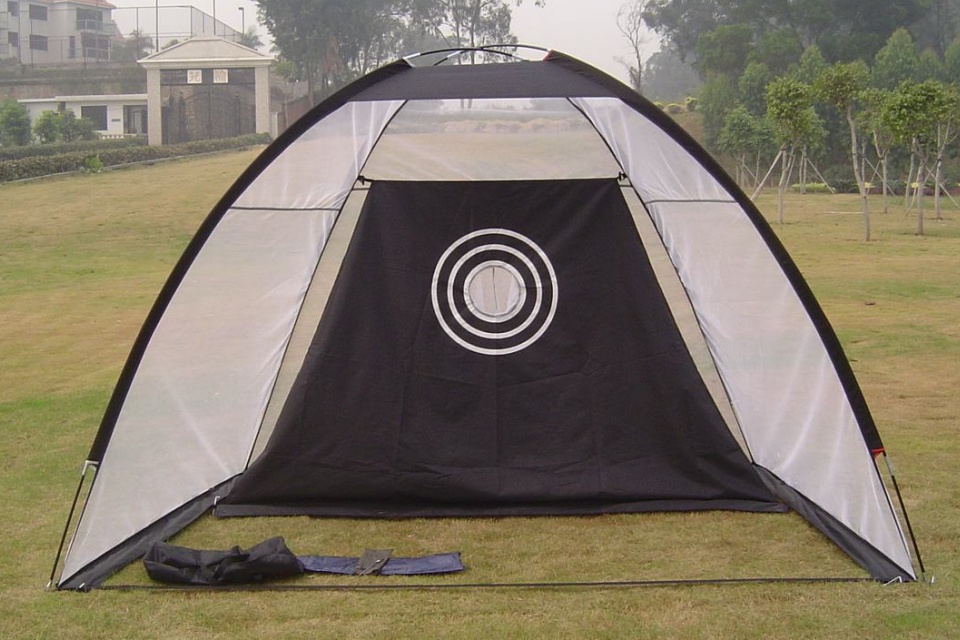
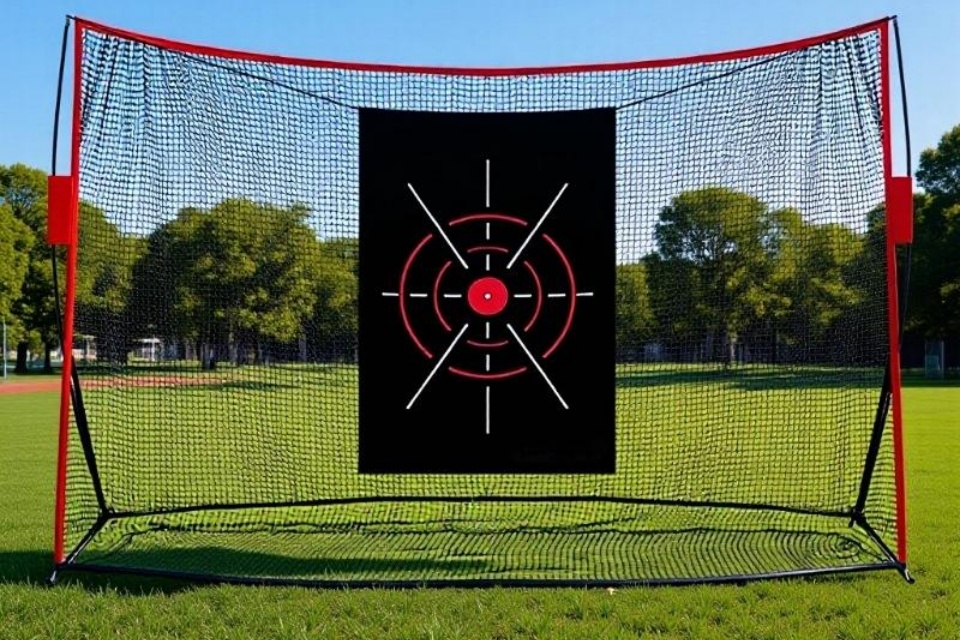
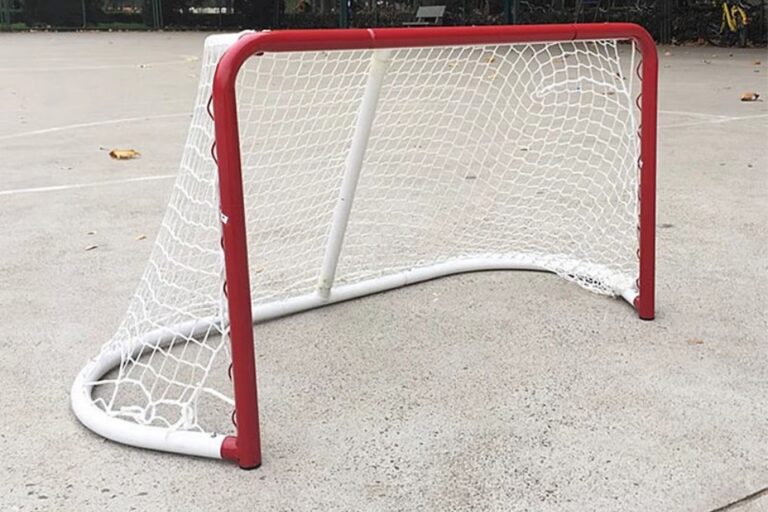
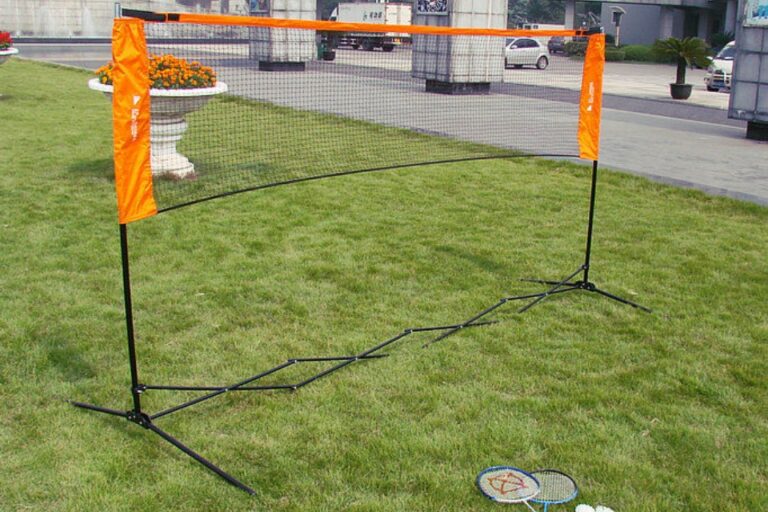
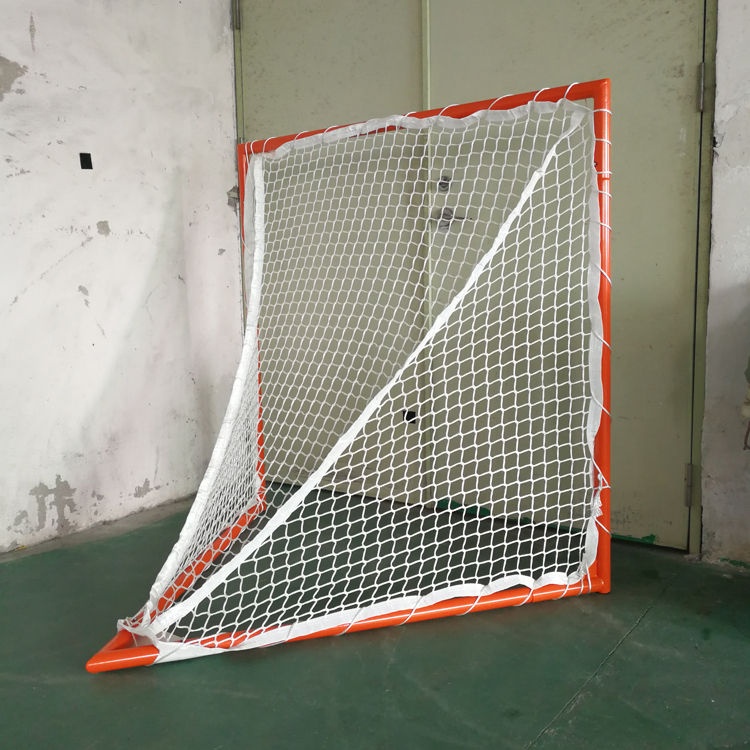
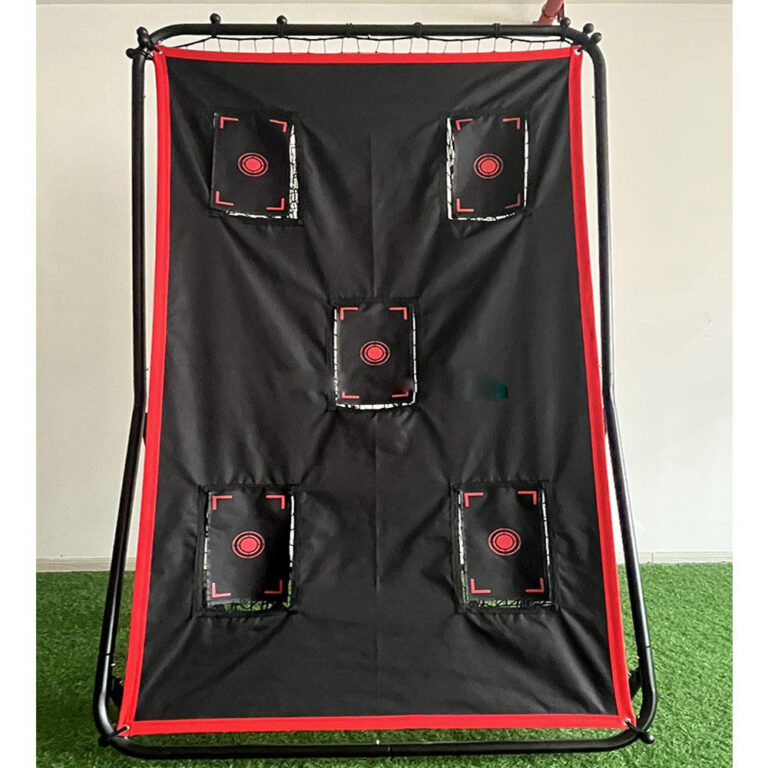
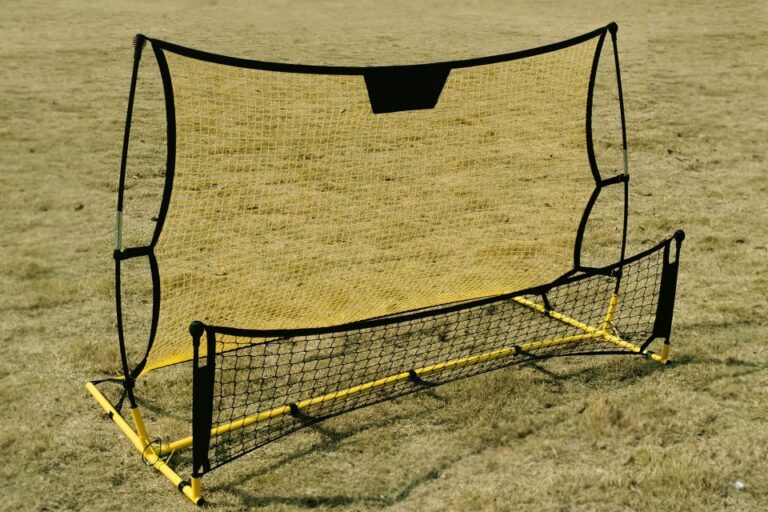
Tell us what you want to develop. FSPORTS supports OEM/ODM, private label, and custom sports netting projects based on your existing product, drawing, sample, photo, or application requirement.
Share the product type, dimensions, target quantity, destination, and any known mesh, material, frame, hardware, logo, or packaging requirements. If your specification is not complete yet, send what you have and we can review the remaining details before quotation.
How To Get Volume Discounts When Ordering Sports Netting In Bulk
Why Most Buyers Overpay for Sports Netting
Most buyers overpay.
I have watched purchasing teams ask for “best bulk price” on sports netting, then act surprised when three quotes come back with fake discounts, fuzzy specs, padded freight, and lead times that somehow get longer after the deposit clears, because the truth is ugly: factories do not reward vague demand, they reward clean demand. Why would they?
A real volume discount is not a favor. It is a transfer of efficiency. When your order reduces setup changes, yarn swaps, labor touches, packaging complexity, or freight waste, the supplier has room to cut price without bleeding margin. When it does not, the “discount” is often theater dressed up as procurement.
That matters even more now because the underlying demand picture is not soft. The NCAA says its data covers more than 500,000 student-athletes across member schools, and the growth in court and training sports has kept equipment demand stubbornly active; in pickleball alone, the 2024 SFIA and Pickleheads report said participation grew 51.8% from 2022 to 2023 and 223.5% over three years. Suppliers see that demand coming long before buyers do, which means they price confidence, not just quantity. According to the NCAA’s Sports Sponsorship and Participation Data and the SFIA/Pickleheads 2024 State of Pickleball Report, sports participation and facility pressure were still climbing into 2024. (ncaa.org)
And freight bites.
Reuters reported that the spot rate to ship a standard 40-foot container from Shanghai to New York hit $9,387 on July 11, 2024, after jumping to nearly $10,000, largely because vessels were rerouted around Africa instead of using the Suez Canal. That single number should kill the fantasy that “bulk” automatically means “cheap,” because in wholesale sports netting, the landed cost can wreck a good factory price in one email. See Reuters’ report on container shipping rates. (reuters.com)
So here is the hard truth I use: you do not get volume discounts by asking for them. You get them by making yourself cheaper to serve.
The Real Reasons Bulk Orders Fail to Get Better Pricing
Mistake 1: Treating All Sports Netting Like a Commodity
The first mistake is treating all sports netting like one commodity. It is not. A buyer sourcing baseball netting for cages and backstops should not send the same RFQ used for golf netting and hitting cage systems, and neither of those should be mashed together with pickleball net systems unless the supplier can quote them as one production family. Different sports mean different mesh expectations, edge finishing, frame compatibility, packaging, and replacement cycles.
Mistake 2: Negotiating on Unit Count Alone
The second mistake is negotiating on unit count alone. I do not care whether the order is 100 sets, 1,000 panels, or 20,000 square meters unless I also know the material, twine thickness, mesh opening, dimensions, border rope, UV treatment, color, hardware pack, carton count, labeling, and delivery window. Leave any of those loose and your supplier will “win back” the discount in substitutions, oversimplified QA, or freight.
Mistake 3: Choosing the Wrong Supplier Tier
The third mistake is chasing wholesale sports netting from the wrong tier of seller. A distributor with domestic stock can absolutely beat a factory on speed, claims handling, and true landed cost for smaller repeat buys. But once the order gets planned, consolidated, and spec-locked, direct factory pricing usually starts to matter more. That is why I like buyers to inspect the supplier’s process, not the homepage. A factory tour tells you more about your future discount than a polished PDF ever will.
The Legal and Commercial Reality Behind Volume Discounts
There is also a legal line here, and serious buyers should understand it. The FTC’s antitrust guidance says price differences can be defended when they are tied to actual cost differences in manufacture, sale, or delivery, including volume discounts; but in December 2024, the FTC also sued Southern Glazer’s, alleging discounts and rebates that went beyond real cost efficiencies and disadvantaged smaller buyers. Translation: discounts are fine, secret favoritism dressed up as efficiency is not. Read the FTC’s Robinson-Patman guidance and the 2024 enforcement action against Southern Glazer’s. (ftc.gov)
That legal point matters in practice because smart buyers do one thing vendors hate: they ask the supplier to show the quantity break logic. Not the final price. The logic. Where do setup savings begin? At what volume do carton efficiencies change? When does pallet density improve? When does ocean freight beat LCL? When does standard packaging replace custom retail packing? Ask those questions and the fake discounts start shaking apart.
How to Evaluate Sports Netting Volume Discounts
Here is the framework I use when reviewing bulk sports netting quotes:
Pricing lever
What the supplier is really pricing
Buyer move that improves discount odds
Hidden risk
Higher order volume
Longer production runs, fewer setup changes
Quote in 3 clear tiers: trial, target, annual commitment
Tier pricing with no written spec lock
Standardized specs
Less waste, fewer material swaps
Keep mesh, color, rope, and hardware consistent across SKUs
Supplier downgrades material quietly
Packaging simplification
Fewer labor touches and lower carton cost
Accept master-carton packing where retail presentation is unnecessary
Damage risk if packaging is too light
Freight consolidation
Better pallet/container utilization
Combine shipments by ship window, not by panic
Delays from waiting to fill a container
Repeat scheduling
Better line planning and raw-material buying
Offer forecasted replenishment instead of random POs
Forecasts with no purchase discipline
Fewer custom changes
Lower QA and rework burden
Freeze drawings and approvals before deposit
Endless revisions erase discount
What Actually Gets You the Best Bulk Sports Netting Prices
That is where most negotiation guides go soft. I will not. The best bulk sports netting prices usually come from boring discipline, not aggressive haggling. A factory would rather shave margin for a buyer who sends one clean RFQ covering 5,000 units across fixed specs than for a louder buyer who demands 12% off while changing dimensions every other day.
And yes, sport category matters. Outdoor sports netting and sports barrier netting are freight-heavy and installation-sensitive, so panel size and packaging can move the final cost more than small changes in factory price. Training products tied to steel frames or bundled accessories are different again, because the net may be only one line item in a larger BOM. That is why the safest path is using a supplier’s custom production services to quote the netting as a manufacturing job, not as a vague catalog request.
My Playbook for Ordering Sports Netting in Bulk
My preferred playbook is simple. First, split the quote into three commercial layers: ex-works price, packaging cost, and freight assumption. Second, force quantity breaks at the exact points where buying behavior changes, such as 100, 300, and 1,000 units, or 2,000, 5,000, and 10,000 square meters. Third, ask for one alternate quote using standard colors, standard labels, and consolidated shipping. That single comparison exposes whether the vendor has real cost room or is just tossing out a cosmetic discount.
Want an insider tell? Watch how fast the supplier answers spec questions. A good bulk netting supplier will ask about UV exposure, installation type, frame compatibility, and replacement cycle before talking price. A weak one jumps straight to discount language because that is all they have.
The Hidden Cost of Cheap Wholesale Sports Netting
I also think buyers underrate failure cost. One bad bulk order wipes out six “good” negotiations. Net stretch, edge failure, wrong mesh opening, incomplete hardware packs, bad stitching, mislabeled cartons, late ETD, customs issues, wet cartons on arrival; none of that shows up in the first quote comparison, but all of it murders the savings story later. Cheap wholesale sports netting is expensive when it comes back.
So my advice is blunt. Price the whole system. Not just the net. For golf, that may include return panels and target sheets. For baseball, that may mean cage dimensions, hanging method, and perimeter clearance. For court products, the frame, wheel kit, and carry bag can distort the apparent netting price. Buyers who separate “net cost” from “project cost” usually fool themselves.
A Smarter Way to Source Sports Netting
There is a better way. Review the supplier’s full product range to see which families already run at scale, then send a clean RFQ through the contact page with fixed specs, annual forecast tiers, and one request for standardized packaging. That is how you get discounts on sports netting that survive the invoice.
FAQs
What is a volume discount in sports netting?
A volume discount in sports netting is a lower per-unit, per-panel, or per-square-meter price a supplier offers when a larger order reduces its production, handling, packaging, or delivery cost enough to create measurable operating savings that can be passed back to the buyer.
In plain English, it is not a coupon. It is efficiency converted into margin relief. Ask the supplier which cost bucket improved and by how much.
How do I get discounts on sports netting without sacrificing quality?
Getting discounts on sports netting without sacrificing quality means fixing the specification first, then negotiating the commercial variables around it, so the supplier can lower setup, packaging, and freight cost without quietly changing the material, twine, mesh, finishing, hardware, or quality-control process.
I would rather save 6% cleanly than “save” 12% and spend it later on claims, replacements, and delay emails. Lock the spec before you chase the price.
Are wholesale sports netting prices from factories always better than distributors?
Wholesale sports netting prices from factories are only better when the order size, forecast stability, freight plan, and quality-control process are strong enough to offset the speed, domestic stock, warranty handling, and smaller minimums that a distributor may package into a higher but sometimes safer landed cost.
That is why I compare landed cost, lead time, and defect exposure together. Factory-direct is not automatically smarter. It is just a different risk profile.
What should I include when I order sports netting in bulk?
Ordering sports netting in bulk requires a written RFQ that specifies material, twine size, mesh opening, finished dimensions, edge treatment, UV treatment, color, accessories, packaging method, labeling, inspection standard, ship window, destination, and the exact quantity tiers you want priced for comparison.
Miss two or three of those fields and your quote is already compromised. Suppliers price ambiguity aggressively because ambiguity protects their margin.
Ready to Price Bulk Sports Netting the Right Way?
Start with the categories that match the job, tighten the spec, and force quote breaks that reflect real buying volume. Then verify the production side through the supplier’s process pages and send a detailed inquiry through the contact team. That is how serious buyers get sports netting volume discounts that still look good after freight, inspection, and delivery.