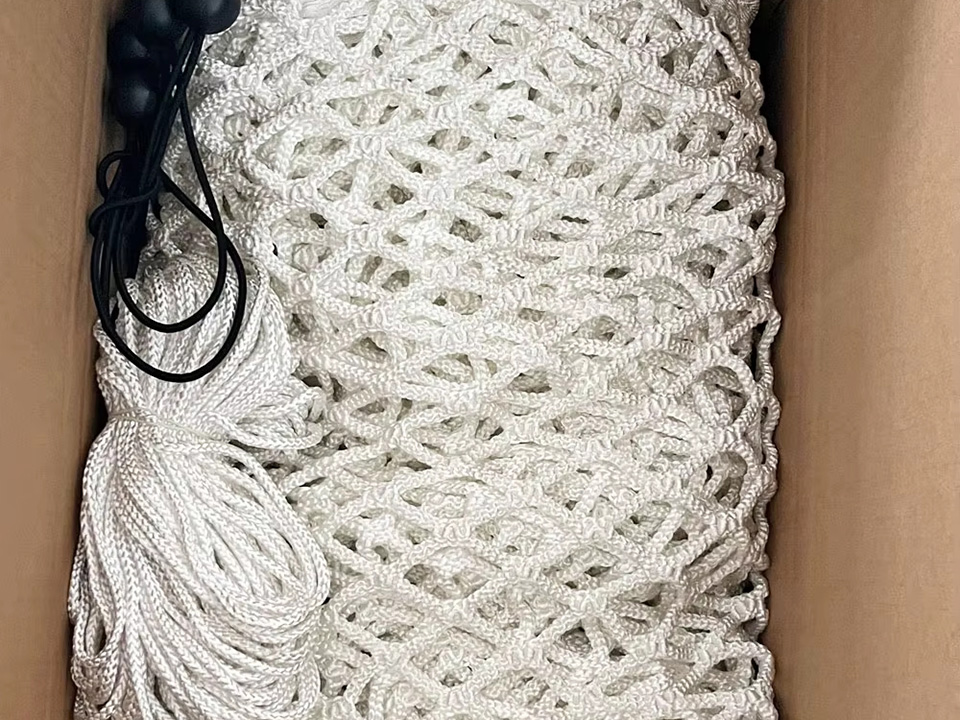
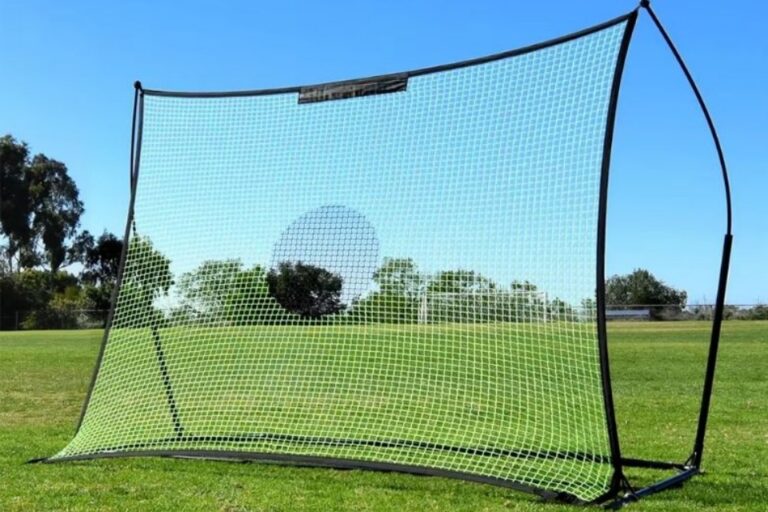
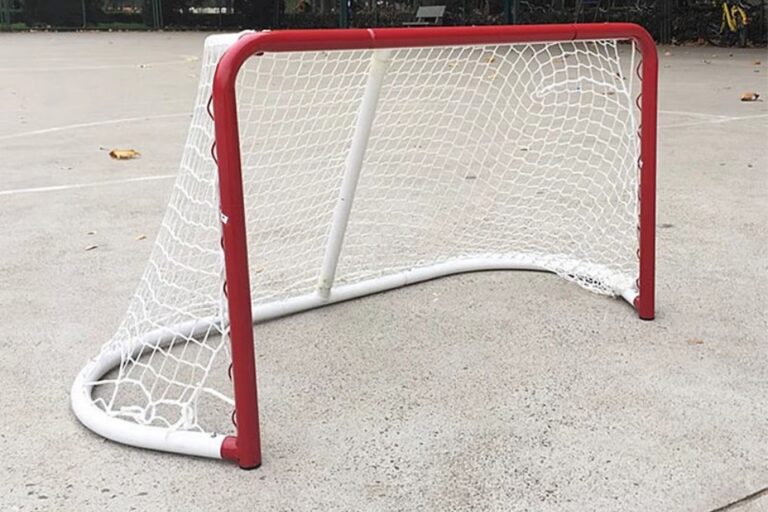
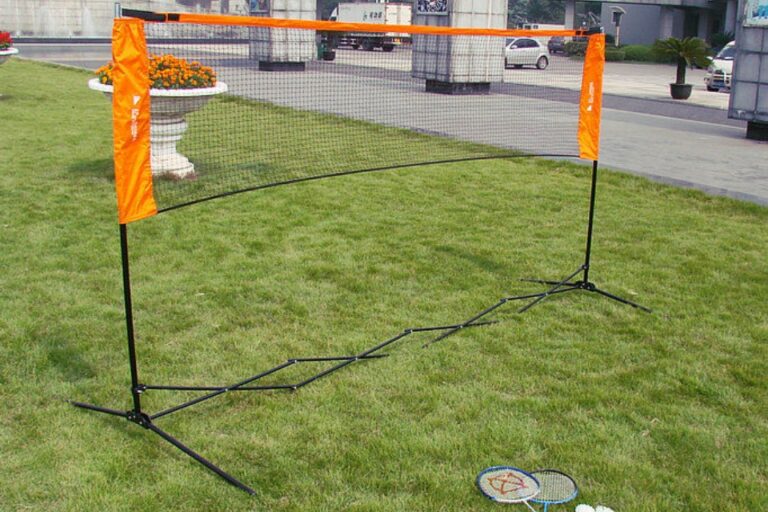
أخبرنا بما تريد تطويره. تدعم FSPORTS مشاريع تصنيع المعدات الأصلية (OEM) وتصنيع التصميم الأصلي (ODM)، والعلامات التجارية الخاصة، ومشاريع الشبكات الرياضية المخصصة بناءً على منتجك الحالي أو الرسم الهندسي أو العينة أو الصورة أو متطلبات الاستخدام.
يرجى إطلاعنا على نوع المنتج، والأبعاد، والكمية المطلوبة، والوجهة، وأي متطلبات معروفة تتعلق بالشبكة، أو المادة، أو الإطار، أو المكونات المعدنية، أو الشعار، أو التغليف. إذا لم تكن المواصفات كاملة بعد، فيرجى إرسال ما لديك وسنقوم بمراجعة التفاصيل المتبقية قبل تقديم عرض الأسعار.
كيفية التعرف على موردي الشباك الرياضية الموثوق بهم
الانضباط في المواصفات، والإثبات، والاستفادة - لأنك في هذا المجال، أنت لا تشتري “شبكة”، بل تشتري كيمياء البوليمر (PA6 مقابل HDPE)، والتحكم في العملية (ضبط الحرارة، والعقد، والخياطة)، واستعداد المورد لتناول العيوب عندما تصل الحاوية وأنت تحدق في إيداع 30% الذي انتهى بالفعل.
الحقيقة غير المريحة حول الموردين “الموثوق بهم”
معظم حالات فشل الموردين ليست دراماتيكية. إنها مملة. إنها بدائل هادئة: 210D/12 يصبح 210D/9, خيوط بقطر 3.0 مم تصبح بقطر 2.6 مم, البولي إيثيلين عالي الكثافة المثبت بالأشعة فوق البنفسجية يصبح “HDPE-ish”, ، وفجأة تصبح “شبكة إيقاف الكرة” الخاصة بك عبارة عن ستارة سباغيتي باهتة بعد موسم واحد.
وإليك الجزء الذي يكره الناس سماعه: إذا لم تقم بتأمين المواصفات وعملية التحقق، فسيقوم المصنع بتحسين الخاصة بهم الاقتصاد، وليس أدائك. ولمَ لا؟
ابدأ بالشبكة وليس بالشعار
إذا كنت تقوم بفحص موردي الشباك الرياضية، فقم بإجبار المحادثة على سمات قابلة للقياس - أرقام، وليس صفات.
يجب أن يجيب المورد الذي يستحق وقتك على هذه الأسئلة دون مراوغة:
المادة: النايلون (PA6/ PA66)، البولي إيثيلين عالي الكثافة، البولي إيثيلين عالي الكثافة، البولي إيثيلين عالي الكثافة
البناء: معقود مقابل بدون عقدة (راشيل)، حبل محيط مضفور، نوع ربط الحافة
حجم الخيوط والخيوط: على سبيل المثال, 210D/12, 400D/24, أو Ø3.0-4.0 مم (حسب الرياضة والتأثير)
شبكة: على سبيل المثال, 25 مم، 45 مم، 100 مم (وقياس تحت الشد)
حزمة الأشعة فوق البنفسجية: وجود مثبت HALS + العمر المتوقع في الهواء الطلق (لا تقبل “معالج بالأشعة فوق البنفسجية” كمواصفات)
كسر القوة: الهدف كيلو نيوتن لكل خيط أو لكل لوح؛ لا معنى لمصطلح “شديد التحمل”
سلوك الحريق (التركيبات الداخلية): تطلب العديد من الأماكن NFPA 701 الوثائق أو ما يعادلها من اختبار النسيج
إذا كنت تريد خط أساس عملي لكيفية قراءة صفحات المنتجات الحقيقية، قارن الطريقة التي يقدم بها البائع بناء فعليًا مثل هذا شبكة قفص ضرب الغولف الاحترافية للاستخدام الداخلي/خارجي-بخلاف القائمة العامة التي لا تنص أبدًا على بيانات البرمة أو الشبكة. ستشعر بالفرق على الفور.
قائمة التحقق من تقييم الموردين التي يستخدمها المشترون بالفعل
جملة قصيرة. تتفوق المستندات على الوعود، لأن شهادة واحدة مزورة ودفعة واحدة من الراتنج المعاد تدويره يمكن أن تمحو هامش الربح والجدول الزمني وثقة عميلك، وسيظل المورد يبدو مهذبًا بينما يلقي باللوم على “الشحن” و“الرطوبة” و“زاوية التركيب”.”
1) إثبات أنهم المصنع (أو التعامل معهم كوسيط)
يمكن أن يكون الوسطاء على ما يرام. السماسرة الذين يتظاهرون بأنهم مصانع سموم.
اسأل عن:
رخصة العمل + العنوان المسجل (طابقه مع موقع المصنع في الفواتير)
بيانات الامتثال للمواد (REACH / RoHS عند الاقتضاء)
بالنسبة للمنشآت التجارية الداخلية: وثائق اختبار الحرائق (غالباً ما تكون NFPA 701 الطلبات في الولايات المتحدة)
وأريد أرقام الشهادات التي يمكنني التحقق منها - بالإضافة إلى النطاق. إذا كان نطاق الشهادة “للتجارة” وليس للتصنيع، توقف عن التظاهر.
3) اطلب بيانات الاختبار التي يمكنك تدقيقها
المورد الموثوق يسلّمك تقارير الاختبار كما لو كانت طبيعية.
الحد الأدنى للطلب:
تحمل حجم الشبكة (طريقة القياس المذكورة)
قوة الكسر / الشد (تم تدوين الطريقة وتكييف العينة)
الشيخوخة بالأشعة فوق البنفسجية نهج (حتى ملاحظات الشيخوخة المتسارعة الأساسية تتفوق على التلويح باليد)
تتبع الدفعات: كيفية وضع العلامات على اللفائف/الألواح والاحتفاظ بالسجلات
إذا كنت تشتري شبكات الصدمات - أقفاص الغولف أو حاويات أجهزة المحاكاة أو أجهزة الارتداد عالية السرعة - فإن وضع الفشل يكون قاسياً: انفجار الدرز أو تمزق اللوحة أو انفصال حبل الحافة. انظر إلى أمثلة بناء الحواف مثل شبكة حاجز جولف متينة من النايلون مزودة بخطافات وأربطة مطاطية واسأل ما هي مواصفات الحبل المحيط؟ كيف يتم خياطته؟ أي خيط؟
4) أخذ العينات غير المسرحية
عينة واحدة تثبت عينة واحدة. هذا كل ما في الأمر.
افعل ذلك بدلاً من ذلك:
“عينة ذهبية” موقعة ومصورة مع القياسات الرئيسية
خطة فحص ما قبل الشحن (AQL أو على الأقل فئات العيوب)
سحب عشوائي من مجموعة الإنتاج، وليس من رفوف المعرض
ورقة تحمل مكتوبة: شبكة ±، خيوط ±، أبعاد اللوحة ±
إذا كانوا يقاومون التفاوتات، فإنهم يخبرونك أنهم يخططون للانحراف.
5) الشروط التجارية التي تترتب عليها عواقب
لا يمكنك “مراقبة جودة” عقد لا يعاقب على العيوب.
هيكل مناسب للمشتري:
الإيداع: 20-30%
الرصيد: مقابل تصريح الفحص + مستندات الشحن
لغة الضمان: تعريف الهدف العيوب (تباين الشبكة، وفشل قوة الكسر، وفشل التماس)
أيضاً: حدد العبوة. فالشبكة المسحوقة أو المبللة أو المعرضة للأشعة فوق البنفسجية أثناء التخزين تعتبر شبكة معيبة حتى لو كان البوليمر سليماً.
واقع منطقة التوريد: التكلفة، والوقت المستغرق، والجودة، والتعرض للتعريفة الجمركية
هذا هو المكان الذي يفوز فيه المشترون الأذكياء بهدوء.
موقع التوريد ليس فقط تكلفة العمالة؛ بل موثوقية الميناء، وإمدادات الراتنج، ومخاطر الامتثال، وما إذا كنت ستواجه ارتفاعًا في الرسوم الجمركية أو احتجازًا قسريًا للعمالة يؤدي إلى تجميد مخزونك.
إليك مقارنة صريحة كنت سأضعها أمام مسؤول المشتريات:
المنطقة
المهلة الزمنية النموذجية (الإنتاج + المحيط)
اتجاه التكلفة
اتساق الجودة
التعريفة الجمركية/التعرض للامتثال (الاستيراد إلى الولايات المتحدة/الاتحاد الأوروبي)
الأفضل لـ
الصين
35-60 يوماً
منخفضة-متوسطة
انتشار واسع (حسب المصنع)
ارتفاع حالة عدم اليقين في الرسوم الجمركية؛ ارتفاع التدقيق في العمل القسري في بعض الفئات
مصانع كبيرة الحجم، ومصانع ناضجة، ووحدات تخزين معقدة
فيتنام
35-65 يوماً
منتصف
التحسين
انخفاض مخاطر التعريفة الجمركية مقابل الصين في بعض الحالات؛ تأرجح القدرات
برامج متوسطة الحجم ومستقرة
الهند
40-70 يوماً
منتصف
متفاوتة
مخاطر المعاملات الورقية؛ تقلبات العبور الأطول
شبكات أكثر بساطة وحساسية للأسعار
المكسيك
10-25 يوماً (إلى الولايات المتحدة)
متوسط-عالي
التحسين
مخاطر أقل في المحيطات؛ يعتمد ملف التعريفة الجمركية على التصنيف وقواعد المنشأ
السرعة إلى الولايات المتحدة، التجديد
الولايات المتحدة الأمريكية
7-21 يوماً
عالية
تحكم قوي
أقل تعرض للواردات؛ أعلى تكلفة للوحدة
المشاريع التي تحتاج إلى مواصفات ضيقة وتغييرات سريعة
الاتحاد الأوروبي / تركيا
15-40 يومًا (الاتحاد الأوروبي)
عالية
قوي
توقعات الامتثال القوية
التركيبات المنظمة، المشترون المؤسسيون
هل تريد مثالاً على كيفية اختلاف المنتجات حسب الرياضة والكثافة؟ تفحص كتالوجاً واسعاً مثل منتجات الشباك الرياضية ولاحظ كيف أن “شبكات التدريب المحمولة” و“شبكات التدريب المحمولة” و"الشباك الحاجزة/الدفاعية" تتطلب بطبيعة الحال مواد ودرزات وإطارات مختلفة.
قائمة العلامات الحمراء (الأشياء التي تحرق المشترين)
ثلاث كلمات. صورة الشهادة فقط. إذا لم يعطوا أرقام الشهادة، ونطاقها، وتفاصيل الجهة المصدرة لها، فافترض أنها زخرفة.
إشارات حمراء أخرى:
يستخدم الاقتباس الصفات فقط: “ممتاز”، “شديد التحمل”، “درجة تجارية”
لن يحددوا منكر/طبقة أو قطر الخيوط
لا يستطيعون تفسير التثبيت بالأشعة فوق البنفسجية غير “المعالجة بالأشعة فوق البنفسجية”
يدفعونك نحو الخاصة بهم عينة بدلاً من ورقة التحمل الخاصة بك
يرفضون تجولاً بسيطاً حياً في المصنع
لا تعرض صفحات المنتجات الخاصة بهم مواصفات ذات مغزى (قارن ذلك بشيء ذي مواصفات مثل نظام شبكة كرة مخلل داخلية قابلة للتعديل مع إطار فولاذي حيث تكون ميزات الإطار وقابلية الاستخدام واضحة - واسأل ما هو مفقود في جانب مواد الشبكة)
ونعم، أحكم على الموردين بناءً على كيفية تعاملهم مع سؤال سيناريو المشكلة: “إذا فشل التماس بعد 90 يومًا، ماذا يحدث؟” لا يتخذ الموردون الصادقون موقفًا دفاعيًا. بل يصبحون محددين.
مرجع سريع: ما يجب أن تطلبه قبل الدفع
ما تطلبه
ما الذي يخبرك به
كيف تبدو كلمة “جيد”
ورقة المواصفات الكاملة (المواد، والشبكة، والخيوط، والأشعة فوق البنفسجية)
سواء كانوا يتاجرون في الحقائق
الأرقام + التفاوتات وليس التسويق
تقارير الاختبار (قوة الشد/الكسر، طريقة الشبكة)
ما إذا كانت الجودة قابلة للقياس
الطريقة المذكورة، القرعة المشار إليها
إثبات المصنع (فيديو مباشر + قائمة الماكينات)
سواء كانوا يصنعون
قدرة إنتاج واضحة
خطة تتبع الدفعات
ما إذا كان يمكن عزل العيوب
معرفات البكرة/اللوحة + الاحتفاظ
مصطلحات الفحص + تعريفات العيوب
سواء كان لديك نفوذ
قواعد النجاح/الرسوب الموضوعية
التعبئة والتغليف + خطة الرطوبة
ما إذا كان شحن المنتجات المدمرة للشحن
مغلفة وملصقة ومحمية
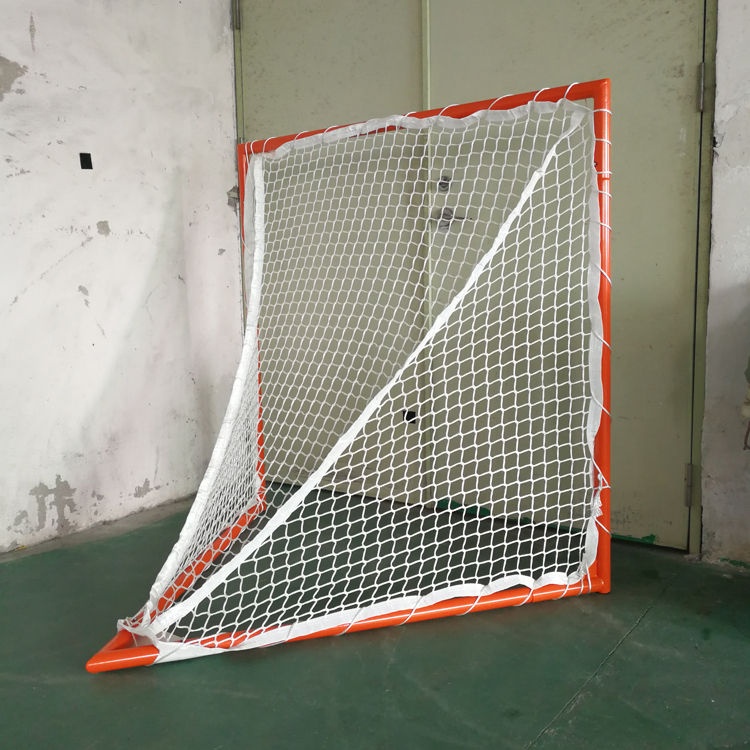
إذا كنت تشتري أهدافًا ومعدات من نوع المرتدات، تحقق أيضًا من تكامل الإطار والشبكة؛ فالكثير من “أعطال الشبكة” هي في الواقع تآكل حافة الإطار. انظر إلى حالة استخدام قوية وواضحة مثل هدف لاكروس احترافي بالحجم الكامل مع شبكة بإطار فولاذي واسأل المورد أين يحدث التآكل أولاً، وكيف يمكن الوقاية منه؟ إذا لم يتمكنوا من الإجابة، فهم لم يتعلموا من العوائد.
الأسئلة الشائعة
ما الذي يجعل مورد الشباك الرياضية “موثوقاً”؟
موردو الشباك الرياضية الموثوق بهم هم المصنعون أو الموزعون الذين يمكنهم أن يثبتوا - باستخدام سجلات إنتاج يمكن تتبعها، واختبارات معملية قابلة للتكرار، وشروط تجارية قابلة للتنفيذ - أن الشبكة التي وافقت عليها (المادة، وقطر الخيوط، وحجم الشبكة، وحزمة الأشعة فوق البنفسجية، ونمط الخياطة) هي الشبكة التي ستحصل عليها، دفعة بعد دفعة، وليس فقط في عينة واحدة. بعد هذا الخط الأساسي، أبحث عن سلوكين: أنهم يتطوعون بالتسامح، ويقبلون بوابات الفحص دون أن يتصرفوا بإهانة.
ما هي الشهادات المهمة بالفعل لتقييم موردي الشباك الرياضية؟
إن شهادات موردي الشباك الرياضية المهمة هي تلك التي ترتبط بمراقبة العمليات والامتثال القانوني ومتطلبات الاستخدام النهائي - الأكثر شيوعًا ISO 9001 لأنظمة الجودة الموثقة، والشهادات البيئية إذا كان المشتري يطلبها، ووثائق الامتثال للمواد/الحرائق المحددة (مثل طلبات NFPA 701 للتركيبات الداخلية) المرتبطة مباشرةً بالشبكة التي تشتريها. إذا كانت الشهادة لا تتطابق مع نطاق التصنيع أو فئة المنتج، فإن ذلك يعد تشتيتًا للانتباه.
كيف يمكنني التحقق من أن المورد لا يقوم بتبديل المواد (النايلون مقابل البولي إيثيلين عالي الكثافة مقابل البولي إيثيلين عالي الكثافة مقابل البولي إيثيلين عالي الكثافة)؟
إن التحقق من سلامة المواد يعني التأكد من نوع البوليمر وبنيته من خلال مزيج من مواصفات الخيوط/الخيوط المعلنة، وفحوصات الكتلة لكل مساحة، وأخذ عينات مضبوطة من دفعات الإنتاج، وطرق مختبرية خارجية أو داخلية يمكنها التفريق بين سلوك الألياف تحت الحرارة والحرق ومقاطع الشد، بحيث لا يمكن أن يصل عرض أسعار “النايلون” بهدوء على أنه HDPE أرخص من البولي إيثيلين عالي الكثافة. عمليًا: قفل منكر/طبقة (أو خيوط Ø)، وطلب معرّفات الدفعة، واختبار البضائع المستلمة على الفور مقابل العينة الذهبية.
ما هي أكبر العلامات الحمراء عند اختيار أفضل موردي الشباك الرياضية؟
تتمثل أكبر العلامات الحمراء في الاقتباسات الغامضة والادعاءات التي لا يمكن التحقق منها - عدم ذكر قطر المنكر/الطبقة أو قطر الخيوط، و“المعالجة بالأشعة فوق البنفسجية” دون تفاصيل المثبت أو توقعات الأداء، والشهادات التي تظهر كصور دون أرقام أو نطاق، ورفض إثبات المصنع المباشر، والرفض على شروط الفحص - لأن كل واحدة منها تتنبأ بنفس النتيجة: انحراف المواصفات بين العينة والشحن. إذا لم يتمكنوا من التحدث عن التفاوتات المسموح بها، فلن يتمكنوا من التحكم في الإنتاج.
من أين يجب أن أحصل على المعاوضة الرياضية لتحقيق التوازن بين التكلفة والوقت المستغرق ومخاطر التعريفة الجمركية؟
إن أفضل قرار للتوريد يوازن بين تكلفة الوحدة مقابل التأخيرات والرسوم المرجحة بالاحتمالات من خلال مقارنة المناطق على استقرار الإنتاج ووقت العبور والتدقيق في الامتثال ومخاطر التصنيف - بحيث لا “توفر” 121 تيرابايت في تكلفة التسليم على ظهر السفينة (فوب) بينما تخسر 6 أسابيع بسبب الازدحام أو الحجز الجمركي الذي يدمر الجدول الزمني للتركيب والتدفق النقدي. إذا كانت السرعة مهمة، فغالبًا ما تتفوق السرعة على التوريد القريب من المصانع الرخيصة. إذا كان الاتساق مهمًا، فإن المصانع الناضجة تتفوق على عروض الأسعار المتفائلة.
هل تريد أبسط خطوة تالية؟ أرسل أفضل 3 عروض أسعار (مع المواصفات) وسأوضح لك بالضبط أين تكمن المخاطر الخفية عادةً: المواد أو اللحامات أو حزمة الأشعة فوق البنفسجية أو شروط العقد.