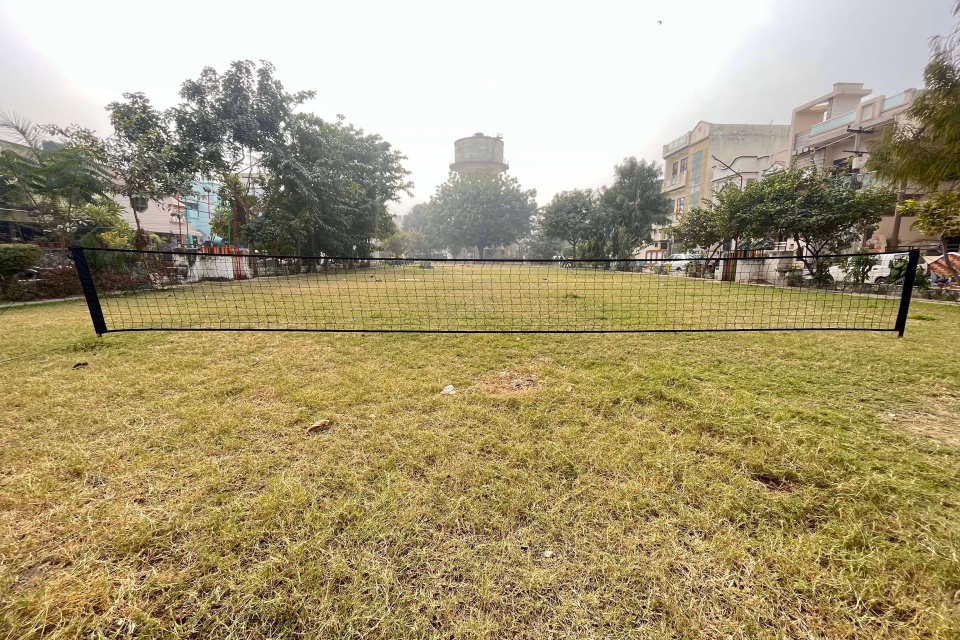
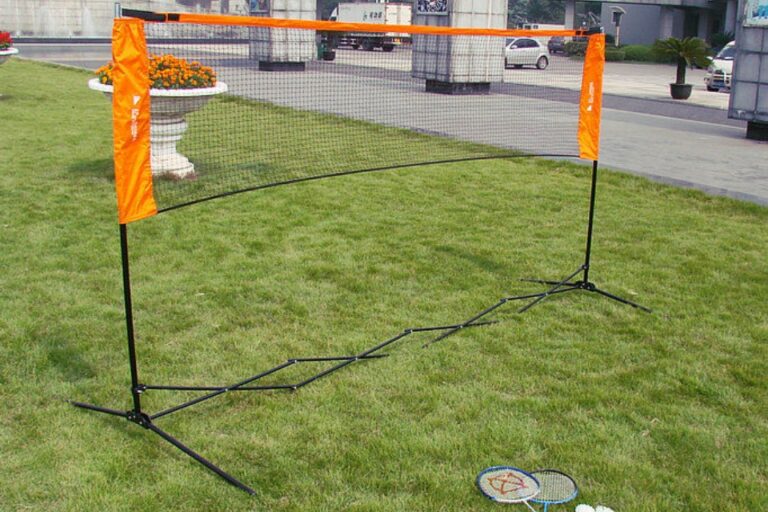
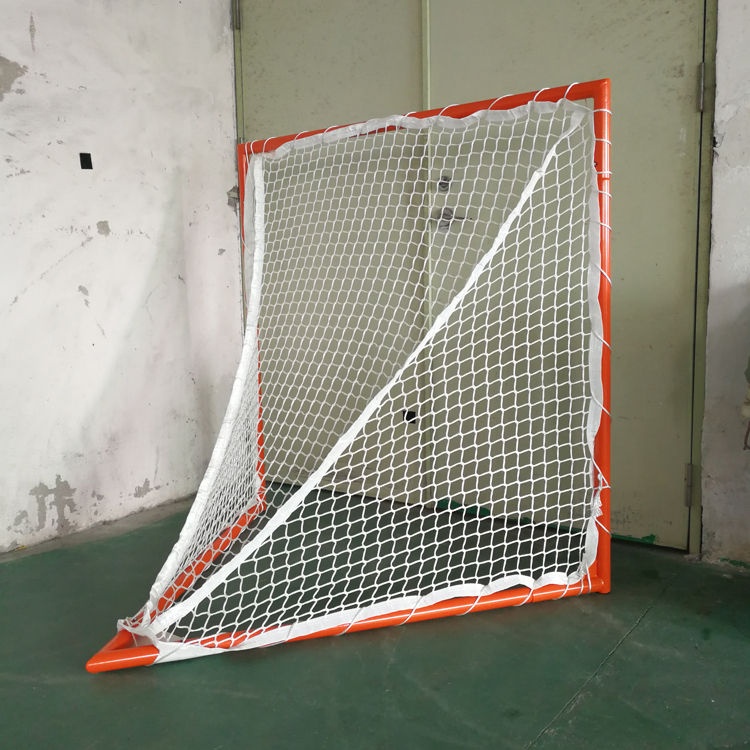
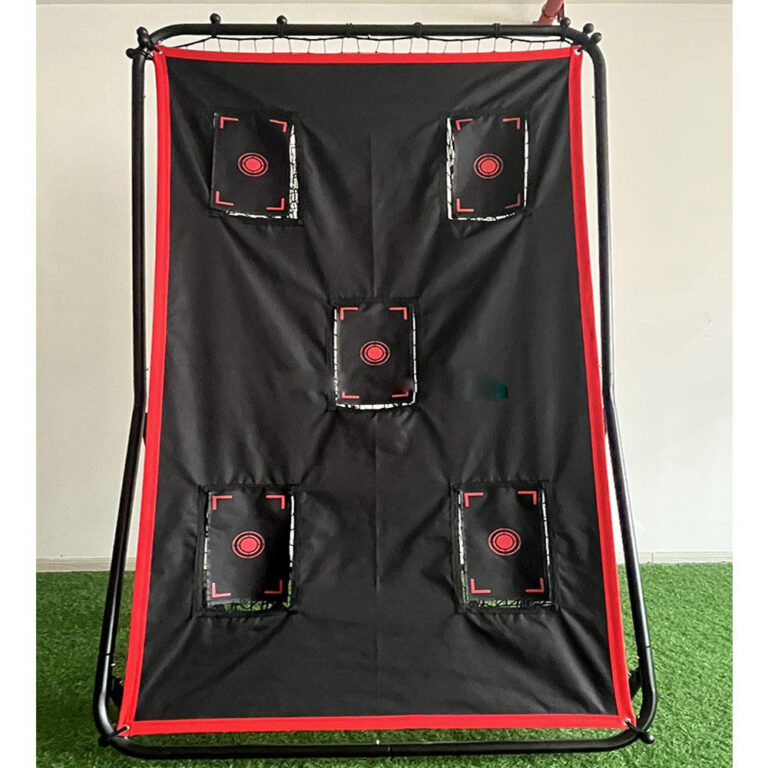
أخبرنا بما تريد تطويره. تدعم FSPORTS مشاريع تصنيع المعدات الأصلية (OEM) وتصنيع التصميم الأصلي (ODM)، والعلامات التجارية الخاصة، ومشاريع الشبكات الرياضية المخصصة بناءً على منتجك الحالي أو الرسم الهندسي أو العينة أو الصورة أو متطلبات الاستخدام.
يرجى إطلاعنا على نوع المنتج، والأبعاد، والكمية المطلوبة، والوجهة، وأي متطلبات معروفة تتعلق بالشبكة، أو المادة، أو الإطار، أو المكونات المعدنية، أو الشعار، أو التغليف. إذا لم تكن المواصفات كاملة بعد، فيرجى إرسال ما لديك وسنقوم بمراجعة التفاصيل المتبقية قبل تقديم عرض الأسعار.
كيفية التحقق من الطاقة الإنتاجية للمورد فيما يتعلق بطلبات شبكات الملاعب الرياضية
Why Most Buyers Misread Factory Capacity
معظم المشترين يعتمدون على التخمين.
I’ve watched importers nod through supplier presentations, accept a monthly output figure that sounds neat, then act surprised when a “50,000-unit capacity” factory starts missing dates, splitting orders into ghost workshops, or pushing night-shift overtime just to hold the illusion together.
And then they call it bad luck?
That’s not luck. That’s lazy verification.
The hard truth is simple: supplier production capacity is not a brochure number. It is a chain of constraints. For sports netting, that chain usually runs through yarn supply, net knitting or knotting, cutting, overlock sewing, sleeve and webbing attachment, bartacking, steel-frame coordination for combo products, packaging, and loading discipline. A factory that can make 7×7 baseball practice nets is not automatically built to push 22-foot pickleball systems, heavy golf cage nets, and frame-packed multi-SKU orders at the same pace. If you source across multiple categories like شبكات البيسبول, شبكات الغولف, و أنظمة الشبكات الرياضية المتعددة, one single “monthly capacity” claim is usually nonsense.
I’ll say it plainly. A real sports netting supplier audit should feel a little uncomfortable for the supplier. If the seller only wants to show you a showroom, a sample wall, and one polished conference room, you’re not auditing production. You’re buying theater.
What Real Capacity Verification Actually Looks Like
I trust records.
Not speeches, not drone footage, not a salesperson saying “we have 200 workers.” In Reuters’ June 2024 reporting on Dior’s Italian supplier case, prosecutors alleged workers slept at the workplace to maintain 24-hour manpower supply, which is exactly the kind of hidden overload buyers miss when they measure capacity by finished cartons alone.
That case was ugly. It was also useful.
Because it exposed the mistake buyers keep making: they verify output after the fact, not production conditions during the run. An order shipped on time can still be a bad capacity signal if it required illegal overtime, subcontract spillover, or temporary labor stuffing. That is not stable capacity. That is emergency behavior.
So here is my rule: capacity must be proven at three levels at once. First, the factory must show installed capacity. Second, it must show normal operating capacity. Third, it must show peak-season capacity without breaking labor, safety, or subcontracting controls. If any one of those three collapses, your “confirmed lead time” is fantasy.
Start With the Math, Not the Sales Pitch
Take the supplier’s claimed daily output and force it down to process level. If a plant says it can deliver 8,000 sports nets per week, I want the breakdown by knitting machine, cutting station, sewing line, bartack station, inspection table, and packing headcount. I also want SKU mix. A 210D/48-ply nylon replacement net with a simple rectangular cut is one thing; a 3.0 mm braided polyester golf cage net with sleeves, rope borders, and reinforced corners is another. Add steel tubes, powder coating, or molded connectors, and the bottleneck may not even be the netting line anymore.
This is where experienced buyers pull ahead. They stop asking, “What’s your capacity?” and start asking, “What is your constraint this month?” A serious factory can answer that in one sentence. A weak one will ramble.
The Documents That Expose the Truth
Ask for the Ugly Files
Then ask for the ugly files.
I want the last 90 days of production schedules, time cards, defect logs, shipment dates, and the purchase records for yarn, webbing, ropes, and packaging. I also want machine lists with model counts and actual operating status, not just asset registers. A good جولة في المصنع helps, sure, but the paper trail matters more than the walk-through. If their knitting floor looks busy and their input purchases do not match claimed output, someone is borrowing capacity from another site you have not seen.
There is good evidence for this skepticism. In the Better Factories Cambodia 2024 report, the program said its compliance review drew from 381 garment-factory assessments in 2024. It also found the biggest working-time failure was overtime control: 224 factories, or 58.8%, were non-compliant with limiting overtime to two hours per day, and assessors noted that excessive overtime often showed up during peak production periods. That matters because time logs expose the difference between real capacity and panic capacity. (betterwork.org)
Compare Payroll Logic to Output Logic
Here’s the insider move buyers skip: compare payroll logic to output logic. If a supplier claims it can push 10,000 net units a week, but the operator count, time logs, and line balance only support 6,500 units unless workers stretch shifts or weekends, you have your answer. Not the answer they want. The answer you need.
The Hidden Risk: Subcontracting and Overflow Production
And don’t stop at the direct supplier.
Most failed capacity assessments die in subcontracting. In Reuters’ December 2024 investigation into luxury supply-chain audits, a subcontractor tied to Dior passed two 2023 audits, yet court documents later described it as “de facto non-existent,” and Reuters reported that announced inspections often gave suppliers time to clear premises and prep staff answers. That is why I dislike audit decks built around scheduled visits and supplier-submitted files. They reward cleanliness on audit day, not control on production day. (reuters.com)
So what do I check instead?
I check whether the supplier can map every overflow path. If your order volume spikes, where does excess work go? Is it internal line balancing, a sister factory, or an outside workshop? Are those sites approved? Are they using the same yarn specification, mesh size, UV treatment, and tensile standards? If the supplier cannot answer that cleanly, the production capacity claim is inflated by hidden subcontracting.
Product Complexity Changes the Capacity Equation
For sports netting, I also separate soft-goods capacity from mixed-product capacity. A factory making standalone barrier netting is not the same as one shipping frame-based kits with base tubes, fiberglass rods, hook sets, bungees, carry bags, and instruction inserts. If you source broader equipment bundles through a supplier’s manufacturing services, ask for process maps by product family, not one blended number covering everything from rebounders to replacement nets.
A Fast Capacity Verification Framework
Here is the comparison I use when I want the truth fast:
What the supplier claims
What you should request
What a red flag looks like
ما يعنيه عادةً
“We can do 50,000 units per month”
Weekly production plan by SKU, line, and process
One total number with no SKU split
Sales is quoting from the top down
“We have enough workers”
Headcount by department, shift, and attendance logs
No line-level staffing detail
Labor is temporary, borrowed, or overstated
“Lead time is 30 days”
Last 10 shipment records with PO date, ex-factory date, loading date
Only one or two cherry-picked shipments
On-time history is weak
“Quality is stable”
Defect logs, rework rate, final inspection pass rate
Ask for utility logic too. A factory running net looms, cutting, sewing, heat transfer, and packaging at claimed output should have electricity consumption, compressed-air use, and material flow that roughly match the story. I am not saying you need forensic accounting on every PO. I am saying that when the yarn receipts, payroll size, and shipment history all point one way and the sales deck points another, believe the boring documents.
Compliance Risk Is Now a Border Risk
The legal side is getting sharper too. On the official CBP forced labor enforcement page, U.S. Customs and Border Protection reports 4,850 shipments stopped in FY2024 with a value of $1.75 billion across forced-labor enforcement actions. And in Reuters’ September 2024 legal analysis on global supply-chain enforcement, the authors noted rising UFLPA enforcement and broader scrutiny of upstream inputs, not just the country shipping the finished goods. If your supplier capacity depends on opaque sub-tier material sourcing, that is no longer a paperwork issue. It is a border-risk issue. (cbp.gov)
What Buyers Should Ask Before Placing the Order
This is why I push buyers to ask one unfashionable question: “Show me your boring month.” Not your best month. Not your trade-show month. Not the month when you ran one hero order with every supervisor on the floor. Show me the month with normal absenteeism, normal machine downtime, normal defect rates, and normal shipment flow. That is the number I price against.
And yes, I would rather work with a factory that says, “Our real safe capacity is 18,000 units, and above that we need 10 extra days,” than one promising 30,000 units with a perfect smile. Honest limits are bankable. Inflated capacity is expensive.
The Three-Lane Test for Verifying Capacity
If you want a practical benchmark, I’d divide supplier verification into three lanes. Lane one is documentary proof: PO history, raw-material purchasing, payroll, output logs. Lane two is floor proof: machine count, WIP flow, labor balance, inspection discipline. Lane three is overflow proof: subcontract map, sister sites, and material traceability. Miss one lane and you do not know the factory. You know its sales script.
That’s the whole point of how to verify supplier capacity for sports netting: you are not testing confidence. You are testing repeatability.
الأسئلة الشائعة
What is a supplier production capacity audit?
A supplier production capacity audit is a documented test of whether a factory’s machines, labor hours, line balance, raw-material flow, subcontracting control, and shipment history can truly support your required quantity, spec, and ship date without hiding overflow production at another workshop. After that definition, the practical rule is simple: if the supplier cannot connect machine hours to shipped units, the claimed capacity is not verified.
How do I verify supplier production capacity for sports netting orders?
To verify supplier production capacity for sports netting orders, compare the supplier’s claimed weekly output against process-level records for knitting, cutting, sewing, reinforcement, packaging, labor attendance, raw-material purchases, and recent shipment history, then test whether those numbers still work during peak-season demand without emergency overtime or hidden subcontracting. I would also split the review by SKU family, because golf cages, baseball nets, pickleball systems, and replacement netting do not consume labor the same way.
What documents should I ask for in a sports netting supplier audit?
The best documents for a sports netting supplier audit are the last 60 to 90 days of production plans, time cards, payroll summaries, yarn and accessory purchase records, machine lists, defect and rework logs, subcontractor declarations, and shipment records showing PO dates, ex-factory dates, and actual loading dates. If the supplier stalls on two or three of those, assume the bottleneck is larger than they admit.
What is the biggest red flag in manufacturing capacity verification?
The biggest red flag in manufacturing capacity verification is a supplier who gives one large monthly output number but cannot break it into line-level capacity, SKU mix, normal staffing, and overflow handling, especially when recent shipment records or worker-hour data do not support the claim. In my experience, that is where late deliveries and surprise outsourcing usually begin.
Final Step Before You Commit
If you want to pressure-test a factory before you place a bulk order, start with the supplier’s جولة في المصنع, then compare those visuals against the product complexity across golf net و شبكة البيسبول lines, and finish by sending the hard questions through the صفحة الاتصال. That sequence filters out a lot of polished nonsense, fast.