المقاسات المخصصة لشبكات المرمى: تجنب مشاكل الملاءمة والإرجاع
جدول المحتويات
لا تزال شبكة المرمى التي “تكاد تكون مناسبة” تمثل مشكلة. فهي تتدلى أو تسحب بإحكام شديد أو تستقر بشكل ملتوٍ على الإطار. عندها ستجد نفسك عالقًا في أسوأ مجموعة: التأخير في التركيب، والزبائن الغاضبين، وطلبات الإرجاع التي لا يمكنك حلها بشكل نظيف.
يعمل التحجيم المخصص على إصلاح ذلك، ولكن فقط إذا قمت بتشغيله كمهمة مواصفات. فكر قياسات جاهزة للطلب, صور واضحة، وصور واضحة، وعدم التخمين.
إذا كنت تقوم بالتوريد للنوادي أو المدارس أو المتنزهات أو تجار التجزئة أو الموزعين أو علامة تجارية للمعدات الأصلية، فسيساعدك هذا الدليل على تقليل أخطاء الملاءمة ومنع ظهور مشكلات الإرجاع في صندوق الوارد الخاص بك.
كمرجع، FSPORTS هي مورد مصنع يركز على الشباك المقاومة للأشعة فوق البنفسجية وعالية التأثير بأحجام قياسية ومصممة حسب الطلب، وهي مصممة للطلبات بالجملة وبرامج تصنيع المعدات الأصلية/التصنيع حسب الطلب. ابدأ هنا إذا كنت ترغب في رؤية المجموعة الكاملة: صفحة FSPORTS الرئيسية و جميع المنتجات.
شباك المرمى المخصصة غالباً ما تكون غير قابلة للإرجاع
عادةً ما تُصنع الشباك المخصصة وفقاً لأبعادك. هذا رائع عندما تكون المواصفات صحيحة. يكون الأمر صعباً عندما تكون المواصفات غير واضحة.
إليك الجزء الذي لا يقوله المشترون بصوت عالٍ: العديد من “المرتجعات” ليست مرتجعات. إنها تتحول إلى رسائل بريد إلكتروني ذهاباً وإياباً وصور التثبيت وألعاب اللوم. ينتهي الأمر بالكثير من الفرق بأكل الشبكة لأنها صُنعت تماماً كما طُلبت.
نصيحة للمشتريات: التعامل مع التحجيم كخطوة “تجميد المواصفات”. لا توجد قياسات معتمدة، لا توجد فتحة إنتاج.
سيناريو العالم الواقعي:
- توجد في إحدى المناطق التعليمية ثلاثة ملاعب لكرة القدم.
- إطاران متطابقان. أحد الإطارين الأقدمين له عمق إرجاع مختلف.
- يعيد المشتري طلب “نفس الحجم الصافي” حسب الذاكرة.
- طاقم التركيب يحاربها. الشبكة تبدو خاطئة. الجميع يخسر الوقت.
قياس عرض شبكة الهدف، والارتفاع، والعمق العلوي، والعمق السفلي
العرض والارتفاع وحدهما لن يحمياك. العمق يقود إلى الملاءمة.
استخدم هذه القائمة المرجعية المكونة من أربعة أرقام في كل مرة:
| كلمة القياس الرئيسية | ما تقيسه | ملاحظة ميدانية سريعة | خطأ شائع |
|---|---|---|---|
| العرض | من العمود الأيسر إلى العمود الأيمن | قياس الفتحة الواضحة | القياس خارج الوظائف |
| الارتفاع | من الأرض إلى العارضة | القياس من سطح اللعب | القياس من حافة الرصيف أو الشفة العشبية |
| العمق الأعلى | عودة العارضة العرضية إلى أعلى الظهر | تحقق من شكل الدعم العلوي | التخمين لأن “تبدو قياسية” |
| العمق السفلي | الجريان الأرضي عند أعمق نقطة | قم بقياس مكان وضع الشبكة | نسخ قيمة العمق العلوي |
سير العمل السريع الذي يعمل: التقط 3 صور (من الأمام والجانب والزاوية العلوية) واكتب الأرقام الأربعة على الصور. فهذا يمنع الأبعاد “المفترضة” ويسرّع عملية الاقتباس.
القياس الداخلي مقابل القياس الخارجي لإطارات المرمى
للإطارات سمك وانحناءات زوايا ولحامات ومواضع خطاف أو قناة مختلفة. لذا يمكن لشخصين قياس “نفس الهدف” ومع ذلك يحصلان على رقمين مختلفين.
اختر طريقة معينة وحافظ على اتساقها بين فريقك وعاملي التركيب والمورد.
قاعدة عملية تستخدمها العديد من الأطقم الميدانية:
- التدبير العرض والارتفاع على فتحة واضحة
- التدبير العمق العلوي والسفلي على الملف الشخصي للرجوع حيث توجد الشبكة بالفعل
إذا كنت تدير مواقع متعددة، فإن الاتساق يتفوق على الكمال. فهو يحافظ على نظافة جداول المواصفات الخاصة بك، كما يحافظ على نظافة أوراق المواصفات الخاصة بك، وعلى إمكانية التنبؤ بإعادة ترتيبها.
طابق نمط الشبكة مع شكل إطار المرمى: مربع، قياسي، مستقيم الظهر
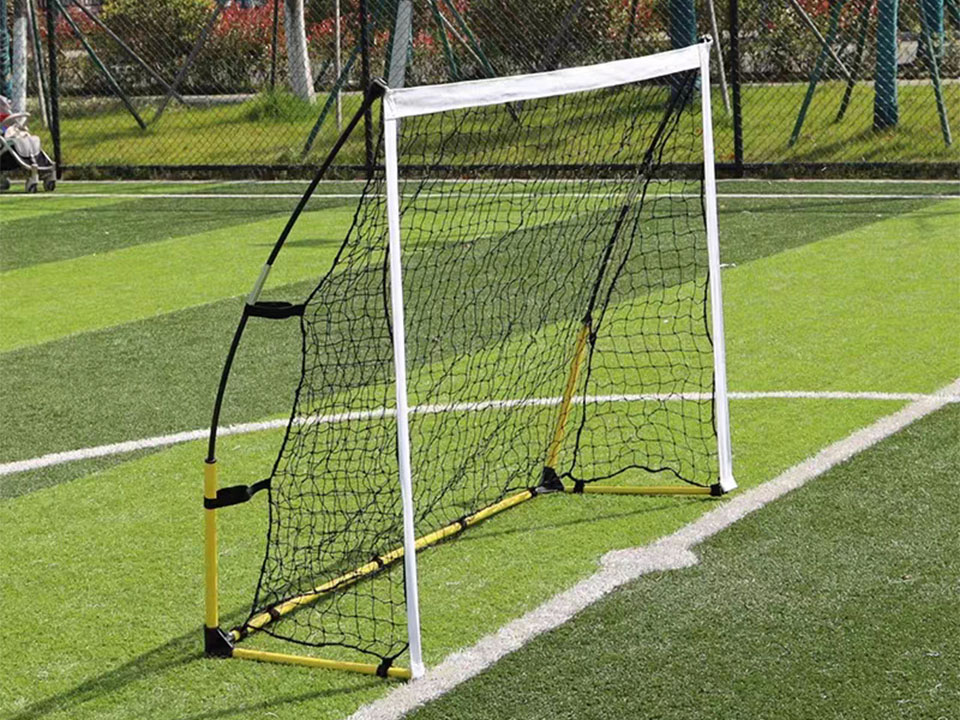
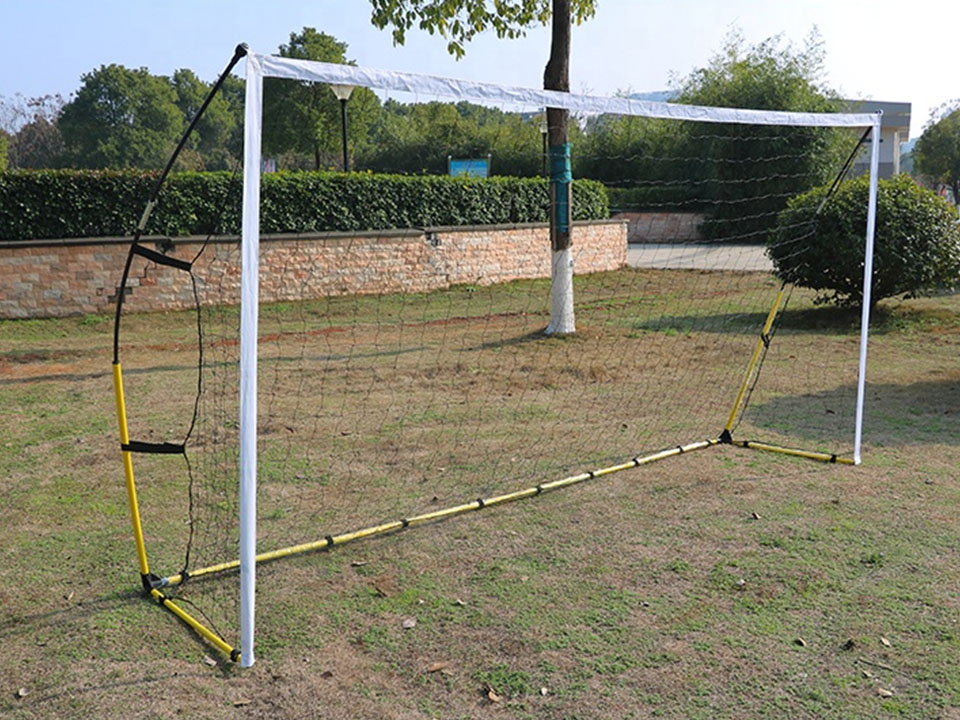
يمكن أن تكون الشبكة بالحجم الصحيح ومع ذلك تكون ذات نمط خاطئ. يحدد شكل الإطار كيفية “ضبط” الشبكة بمجرد ربطها.
| الكلمة الرئيسية لشكل إطار الهدف | ما يعنيه ذلك بعبارات واضحة | مكان ظهوره | ما الخطأ الذي يحدث في حالة عدم التطابق |
|---|---|---|---|
| الصندوق | ظهر مستقيم مع حجم صندوقي | ملاعب التدريب، بعض الإطارات المحمولة | الزوايا الملتوية والشد غير المتساوي |
| قياسي | دعامات ظهر بزاوية مائلة | أهداف المباراة/التدريب الأكثر شيوعاً | تبدو العودة إلى الوراء قصيرة أو خارج الزاوية |
| ظهر مستقيم | خط خلفي مسطح، بزاوية صغيرة | إعدادات مدمجة أو داخلية | جيوب التجميع السفلي أو الجيوب المترهلة |
إذا كنت تقوم بالتوريد لتجار التجزئة أو تجار الجملة، فهذا هو المحرك الخفي للمرتجعات. لا يقول العملاء “عدم تطابق النمط”. بل يقولون “إنه غير مناسب”.”
بالنسبة لإعدادات كرة القدم التي تحتاج إلى معدات جاهزة للعوامل الجوية، يمكنك توجيه المشترين إلى مرجع على غرار الإطار والشبكة مثل هدف كرة قدم محمول شديد التحمل مع إطار شبكي مقاوم للعوامل الجوية.
اترك بدل التراخي والشد المسموح به
لا يجب أن تكون الشبكة مثل الطبل. إذا كانت ضيقة جداً فإنها تضغط على الدرزات ونقاط الربط. إذا كانت فضفاضة أكثر من اللازم فإنها تتدلى أو تتدلى أو تبدو قذرة.
كيف يبدو “التراخي الجيد”:
- تقوم الشبكة بلف الإطار دون إجباره على ذلك
- الزوايا نظيفة وغير مشدودة
- لا ينتفخ الجزء السفلي للأمام بعد عدة طلقات
تسلسل سهل التركيب:
- تعيين الخط العلوي
- تربيع الجوانب
- قم بإنهاء الجزء السفلي والزوايا
يقلل هذا الترتيب من السحب القطري ويحافظ على تمركز الشبكة.
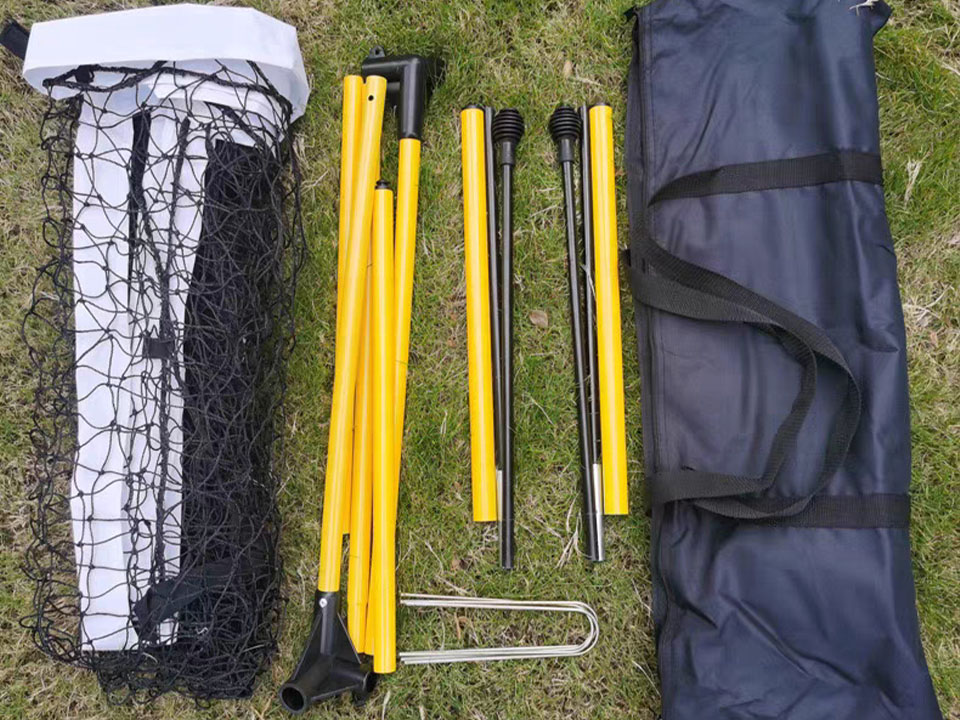
طريقة التثبيت تغير الملاءمة: قناة الأخدود، والأربطة، والمشابك، وأسلاك البنجي
التثبيت ليس مجرد أجهزة. فهو يغير مكان الشد، مما يغير من كيفية استقرار الشبكة.
الطرق الشائعة التي ستراها في البرية:
- الأخدود/القناة:: مظهر نظيف، وتوتر قابل للتكرار، وتثبيت أسرع
- ربطات العنق/المشابك:: مرن للإطارات الفردية وسهل الإصلاح الميداني
- حبال بنجي:: مقايضات سريعة لمعدات التدريب عالية الاستخدام
إذا كان عملاؤك يستبدلون الشباك في كثير من الأحيان، يمكن أن توفر الشباك المثبتة الوقت وتقلل من أخطاء التركيب. ومن الأمثلة الجيدة في سياق التدريب شبكة مرمى لاكروس بديلة عالية القوة مع حبال بنجي.
بالنسبة لإعدادات أهداف اللاكروس الكاملة، يمكن أن تساعد هذه أيضاً المشترين على توحيد المعايير بين الفرق:
- شبكة لاكروس قابلة للطي 6 × 6 مع هدف لاكروس بإطار فولاذي
- هدف لاكروس فولاذي متين مع إطار شبكي مقاوم للعوامل الجوية
- شبكة مرمى لاكروس احترافية بالحجم الكامل بإطار فولاذي أحمر اللون
تستغرق الشباك المخصصة وقتاً أطول من شبكات المخزون
غالباً ما يحتاج التحجيم المخصص إلى بعض الخطوات الإضافية: تأكيد المواصفات، واختيار الشبكة، وتشطيب الحواف وجدولة الإنتاج. وهذا أمر طبيعي. وهو أيضًا سبب رغبتك في تجنب “روليت القياس”.”
إذا كنت تتعامل مع عمليات الشراء بالجملة أو توريد المعدات الأصلية/التصنيع حسب الطلب، فإن النهج النظيف هو
- حافظ على بعض الأحجام القياسية عالية السرعة في التحرك
- استخدام تصميمات مخصصة لإطارات غير قياسية حقاً
- قفل المواصفات المكررة حتى لا تتم إعادة الطلبات من الصفر
هذا هو المكان الذي تساعد فيه برامج المصنع. تحصل على مواصفات ثابتة ومراقبة جودة متسقة ودورات إعادة ترتيب أنظف.
تجنب الخطافات غير الآمنة والأجهزة الحادة
في بعض الأحيان تكون الشبكة جيدة، ولكن المشكلة تكمن في أجهزة الإطار. الخطافات الحادة والحواف الخشنة تمضغ الشباك بسرعة.
كيف يبدو ذلك
- الاهتراء في الزوايا
- حواف ممزقة
- خطوط الأربطة المكسورة
- الشكاوى التي تبدو مثل “الجودة الرديئة” حتى عندما تكون الشبكة صلبة
إذا كنت تريد عددًا أقل من عمليات الاسترجاع، ادفع بمشابك أكثر أمانًا: مشابك مستديرة أو نقاط ربط محمية أو أربطة ذات حجم مناسب للحمولة.
اتبع معايير السلامة في المرمى
السلامة لا تتعلق فقط بالحديث عن الامتثال. إنه يتعلق بالحفاظ على الإطار صحيحاً.
يغير العمود المثني أو العمود المنحني أو الالتواء في الخلف من العمق ونقاط الشد. ثم “تفشل الشبكة في الملاءمة” حتى لو كانت القياسات صحيحة في الموسم الماضي.
عادة بسيطة تمنع المفاجآت:
- افحص الإطارات قبل طلب استبدال الشباك
- إصلاح الانحناءات ونقاط الربط الخشنة أولاً
- توحيد طريقة التثبيت القياسية عبر المواقع
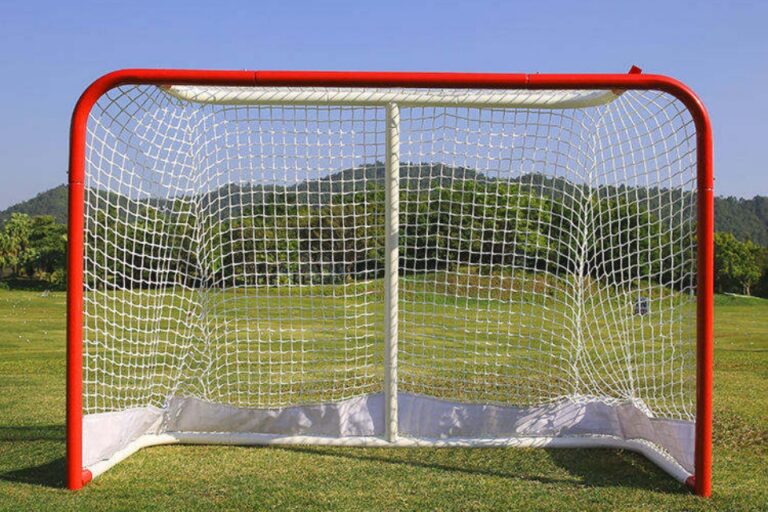
بالنسبة لرياضات التصويب عالية التأثير مثل الهوكي، تساعد الإطارات الصلبة والشبكات المتينة في تقليل مشاكل التآكل اليومية. أحد الأمثلة على ذلك هدف هوكي فولاذي احترافي 72 × 48 مع إطار شبكي متين.
جدول مخاطر الملاءمة: ما الذي يسبب العوائد وكيفية إيقافها
صُمم هذا الجدول للمشترين والقائمين بالتركيب الذين يريدون عدداً أقل من رسائل “غير ملائم”.
| ملاءمة وإرجاع الزناد | ما ستراه في الموقع | السبب الجذري المحتمل | إصلاح يعمل بالفعل |
|---|---|---|---|
| “لن تصل الشبكة إلى الخلف” | الزوايا تسحب للأمام والخط العلوي ممتد أكثر من اللازم | عمق علوي/سُفلي خاطئ | قياس كلا العمقين وتأكيد شكل الإطار |
| “شبكة معلقة مثل الستارة” | جيوب كبيرة متدلية ومظهر فوضوي | الكثير من التراخي الزائد + ترتيب تثبيت ضعيف | شد من الأعلى ← الجوانب ← الجوانب ← الأسفل |
| “تمزق الزوايا مبكراً” | الاهتراء في الزوايا ونقاط الربط | شد زائد + خطافات حادة | إضافة بدل شد وتنظيف الأجهزة |
| “موقع مناسب، وآخر غير مناسب” | نتائج متباينة في مختلف المواقع | أنماط أهداف مختلطة تحت وحدة SKU واحدة | تقسيم وحدات حفظ المخزون حسب شكل الإطار وعمقه |
| “التثبيت يستغرق وقتاً طويلاً” | مشابك قتال الطاقم والأربطة | افتراضات المرفقات الخاطئة | تأكد من الأخدود مقابل الأربطة مقابل البنجي قبل أمر الشراء |
أين تناسب FSPORTS المشترين بالجملة ومشتري صانعي المعدات الأصلية/صانعي المعدات الأصلية
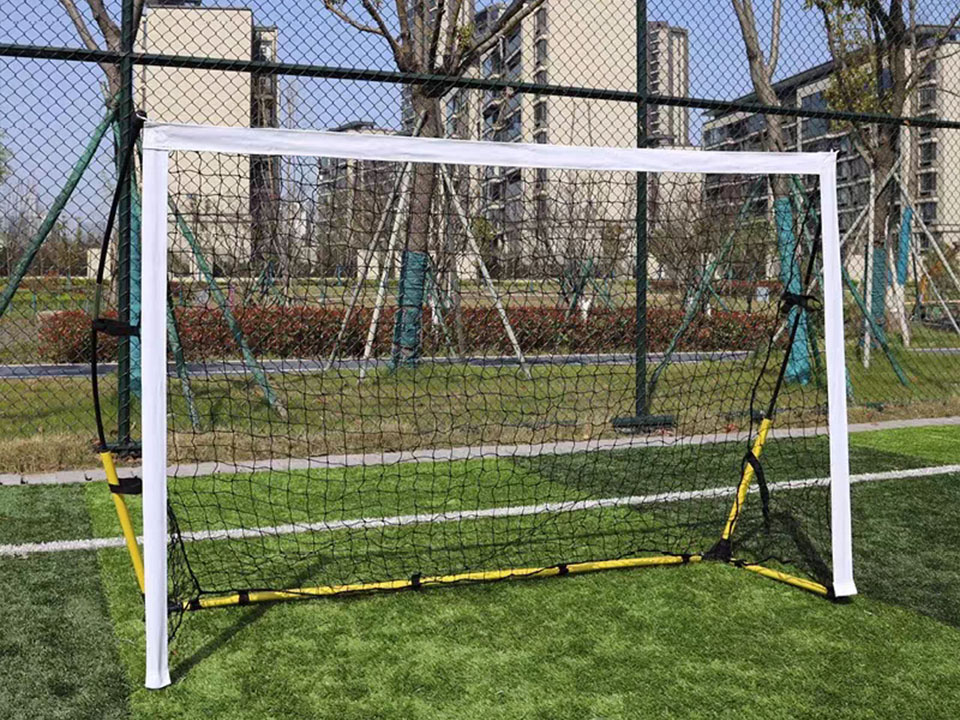
إذا كنت تبيع لتجار التجزئة أو تورد لنوادي التجزئة أو تدير خط توزيع، فأنت لا تريد مشاكل في الميل الأخير. أنت تريد مواصفات قابلة للتكرار، ومراقبة جودة مستقرة، ومورّد يفهم سير العمل بالجملة.
تدعم FSPORTS التحجيم القياسي والمصنوع حسب الطلب مع تصنيع المصنع لبرامج البيع بالجملة والشراء بالجملة وتصنيع المعدات الأصلية/التصنيع حسب الطلب. عندما تكون مستعدًا لدمج وحدات حفظ المخزون أو إنشاء مواصفات العلامة الخاصة، ابدأ بـ صفحة FSPORTS الرئيسية, ثم قم بتعيين الكتالوج الخاص بك من خلال جميع المنتجات.
إذا أردت، شارك القياسات الأربعة (العرض والارتفاع والعمق العلوي والعمق السفلي) بالإضافة إلى صورة جانبية واحدة. سأقوم بتنسيقها في مذكرة مواصفات نظيفة يمكنك إعادة استخدامها في عروض الأسعار وإعادة الطلبات وتصنيع المعدات الأصلية.