Teilen Sie uns mit, was Sie entwickeln möchten. FSPORTS unterstützt OEM-/ODM-Projekte, Eigenmarken sowie maßgeschneiderte Sportnetzprojekte auf der Grundlage Ihrer bestehenden Produkte, Zeichnungen, Muster, Fotos oder Anwendungsanforderungen.
Teilen Sie uns bitte die Produktart, die Abmessungen, die gewünschte Stückzahl, den Bestimmungsort sowie alle bekannten Anforderungen hinsichtlich Maschenweite, Material, Rahmen, Beschlägen, Logo oder Verpackung mit. Falls Ihre Spezifikation noch nicht vollständig ist, senden Sie uns bitte die Ihnen vorliegenden Informationen zu; wir werden die restlichen Details dann vor der Angebotserstellung prüfen.
Warum Tennisnetze zuerst an der mittleren Lasche verschleißen
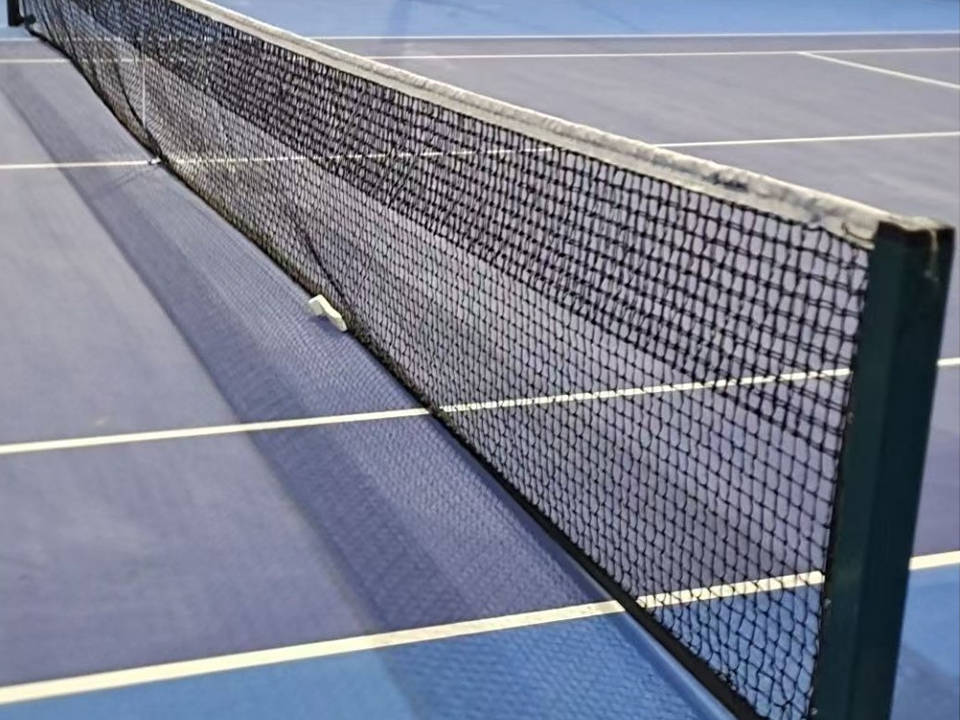
Wenn Sie einen belebten Tennisclub betreten, werden Sie dasselbe feststellen. Der Platz sieht gut aus, die Pfosten sind solide, die Linien sind klar. Aber das Netz? Direkt unter dem Mittelgurt, Das Stirnband ist schmutzig, ausgefranst und reißt manchmal sogar auf.
Wenn Sie Sportplätze betreiben, Netze verkaufen oder die Lagerbestände von Einzelhändlern verwalten, bereitet Ihnen dieser kleine abgenutzte Fleck täglich Kopfschmerzen. Lassen Sie uns aufschlüsseln warum Tennisnetze zuerst an der mittleren Lasche verschleißen, und wie eine kluge Produktauswahl und Wartung die Lebensdauer jedes von Ihnen installierten oder verkauften Systems verlängern kann.
Tennisnetz-Mittelband-Verschleiß erklärt
Der mittlere Riemen ist nicht nur Dekoration. Er verschließt die Nettohöhe bei 0,914 m in der Mitte und hält sich Spiel für Spiel an die Regeln.
Gleichzeitig schafft sie eine Stress-Hotzone:
Der Gurt zieht das Netz in der Mitte nach unten.
Das Kopfband und das Kabel halten diese Spannung von oben.
Die Bälle fliegen den ganzen Tag über genau diese Bahn.
Sie erhalten also konstanter Stoß + konstante Spannung + konstante Reibung alle direkt auf der Mittellinie gestapelt.
Höhe des Tennisnetzes und Spannung des Mittelstreifens
Aus technischer Sicht funktioniert das System folgendermaßen:
Die Stahlseil oder Schnur hält das Netz zwischen den Pfosten.
Die Mittelgurt zieht das Netz auf die richtige Höhe herunter.
Das Gerichtspersonal ändert den Gurt ständig, um den Stangentest zu bestehen.
Wenn der Gurt zu eng ist, werden das Kopfband und die Nähte in diesem mittleren Bereich zusätzlich belastet. Über Monate und Jahreszeiten hinweg kommt es zu einer Ermüdung der Fasern. Normalerweise versagt das Netz nicht zuerst an den Pfosten. Das schwache Glied zeigt sich direkt unter dem Gurt.
Spieleraufprallzone um das Tennisnetzzentrum
Die meisten Punkte fliegen nicht über die Pfosten. Sie reisen tief und durch die Mitte:
Flache Aufschläge zum Abschneiden des Bandes
Aggressive Renditen
Schwere Topspin-Bodenschläge, die spät über das Netz fallen
Diese Ansammlung von Verkehr bedeutet:
Mehr Ballgeschwindigkeit beim Auftreffen auf dieselben Gitterlinien
Mehr Schock direkt in den Kopfbügel und das Kabel
Mehr Mikrobewegung zwischen Riemen und Kopfband
Während also das gesamte Netz im Freien bei gleichem Wetter lebt, ist die der mittlere Gurtbereich wird unter Beschuss genommen durch Spiel und durch Hardware.
Hauptgründe für das Versagen von Tennisnetzen an der mittleren Lasche
Hier ist eine einfache Möglichkeit, dies Ihrem Team, Ihrem Clubvorstand oder Ihren B2B-Einkäufern zu erklären.
Grund
Was passiert im Center Strap?
Was Sie auf dem Platz sehen
Warum es für B2B-Einkäufer wichtig ist
Stoßbelastung durch Bälle
Die Bälle treffen immer wieder mit hoher Geschwindigkeit auf das obere Band in der Nähe der Schlaufe.
Das Stirnband sieht in der Mitte durchgebrannt aus, das Band ist abgenutzt und laut, die Nähte lösen sich.
Kürzere Produktlebensdauer, mehr Garantieanfragen, mehr Austauschzyklen.
Geballte Spannung
Der Gurt zieht das Netz nach unten; die mittleren Maschen und Nähte sorgen für zusätzliche Spannung.
Das Netz hängt auf einer Seite des Gurtes durch, das mittlere Gitter sieht gedehnt aus.
Es ist schwieriger, die Netze “spielbereit” zu halten, und das Platzpersonal hat mehr Zeit.
Reibriemen vs. Kopfband
Der Riemen reibt jedes Mal am Kopfband, wenn sich das Netz bewegt oder jemand die Höhe verstellt.
Eine graue Rille im weißen Band, die Fasern werden unscharf und dünn.
Sichtbare Abnutzung, die “alt” aussieht, auch wenn das Netz noch nicht so alt ist.
Wetter und UV
Sonne, Regen, Staub und Hofchemikalien greifen die freiliegenden Fasern an der Oberseite an.
Verblassen, Risse, das Band fühlt sich steif an, die Mitte wird gelb oder kreidig.
Schlechte Optik für Premium-Veranstaltungsorte, zwingt die Clubs zu einem früheren Upgrade.
Menschlicher Faktor
Das Personal zieht, dreht und klemmt den Gurt genau in der Mitte wieder ein.
Schnallen verformen sich, Ösen dehnen sich, Nähte am Gurtpunkt reißen.
Mehr Wartungstickets und Notfallbehebungen vor Veranstaltungen.
Deshalb sieht es immer so aus, als würde der mittlere Gurt das Netz “abtöten”. In Wirklichkeit ist es genau dort, wo jede Spannungslinie kreuzt.
Echte Tennisnetz-Szenarien auf dem Platz
Schauen wir uns an, wie sich dies in verschiedenen Konstellationen zeigt.
Mitglieder-Club oder -Akademie Die Plätze sind hintereinander belegt. Der Cheftrainer zieht das Band immer wieder fest, damit sich die Spieler nicht über ein “loses Netz” beschweren. Das Mittelband wird eingeschnitten, und bevor die Saison endet, hat das Stirnband ein Loch direkt unter dem Band.
Städtischer Park oder Schule Die Netze bleiben das ganze Jahr über oben. Niemand überprüft wirklich die Spannung des Gurtes. Die Kinder sitzen auf dem Band, die Spieler lehnen sich auf die Mitte, manchmal heben sie sogar das Band an, um sich darunter zu quetschen. Das Netz versagt nicht an den Pfosten. Es versagt dort, wo man es am meisten anfasst.
Einzelhandel und elektronischer Handel Sie liefern ein Standardnetz an einen Verein. Sie installieren es einmal und stellen die Kabelspannung nie richtig ein. Stattdessen kurbeln sie weiter an der Mittelgurt um die Netzhöhe zu “reparieren”. Ein Jahr später erhalten Sie Fotos von einem gerissenen Kopfband und eine Beschwerde, dass das Produkt “in der Mitte versagt” hat.
Das Muster ist das gleiche: Aufprall + Spannung + Reibung + menschliche Gewohnheit = früher Tod am mittleren Gurt.
So reduzieren Sie den Verschleiß des Mittelstreifens bei Tennisnetzen
Man kann nicht verhindern, dass die Leute in die Mitte des Netzes treffen. Aber man kann bessere Hardware spezifizieren und schaffen Sie eine Wartungsroutine, die dafür sorgt, dass die Netze länger im Einsatz bleiben.
Stärkere Haarbänder und Netze wählen
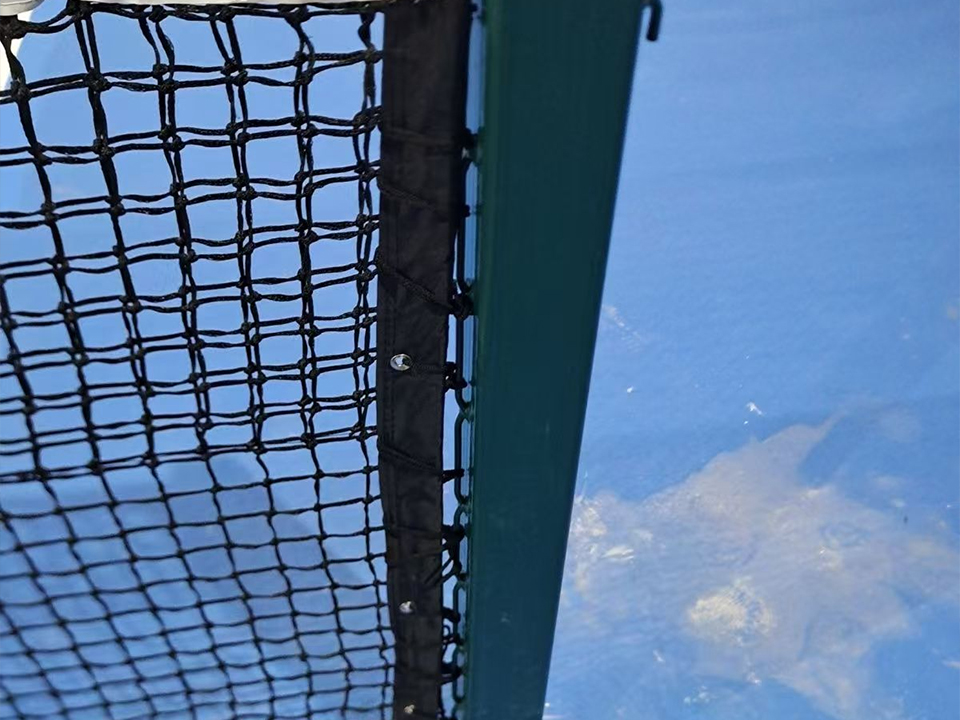
Wenn Sie feste Plätze liefern, ist ein klassisches Vollplatzsystem wie ein Standard-Tennisnetz mit Seilwinde gibt Ihnen mehr Kontrolle über die Spannung an den Pfosten. Das reduziert den Drang, das Band zu stark zu spannen.
Suchen Sie nach:
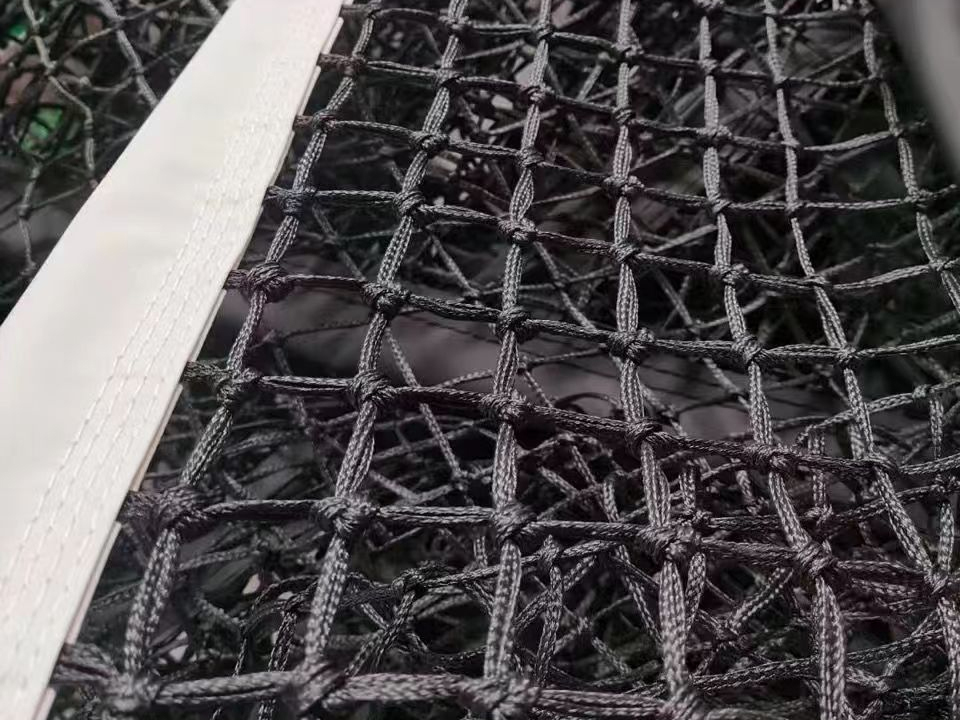
Dickes, UV-behandeltes Stirnband
Starke Nähte an der Kontaktstelle des Gurtes
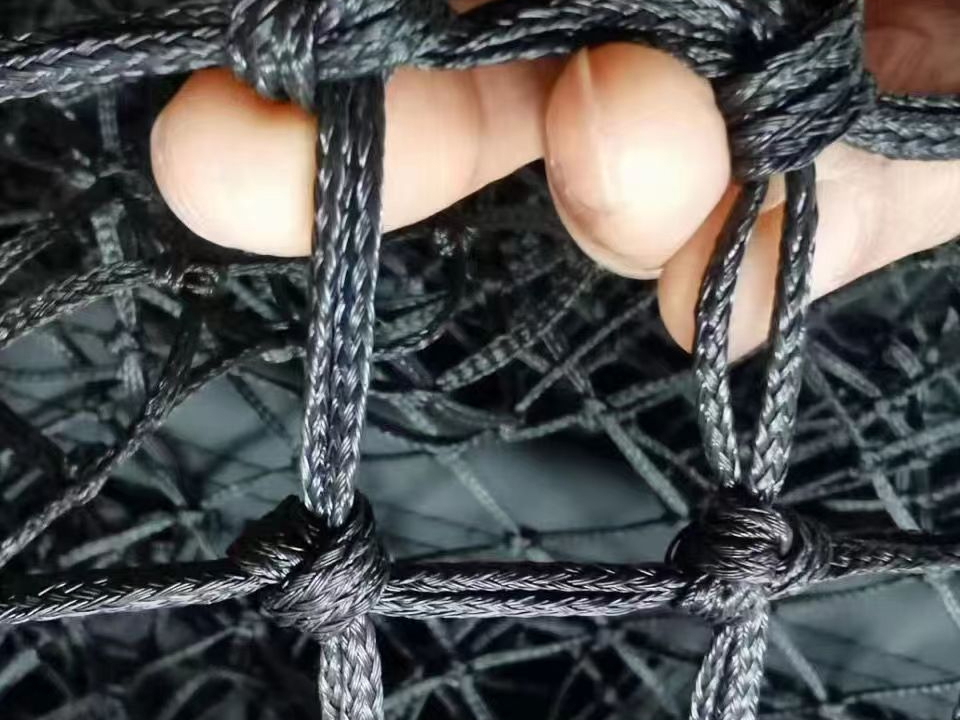
Geflochtenes Netz, das Stoßbelastungen ohne Einschneiden bewältigt
FSPORTS entwirft Netze für Tennis, Pickleball, Golfkäfige und komplette Multisportaufbauten, die alle auf UV-beständige, hochschlagfeste Fasern sowohl in Standard- als auch in kundenspezifischen Ausführungen.
Für Akademien und Ausbildungszentren mit gemischten Altersgruppen sind leichtere tragbare Systeme wie ein tragbares Tennisnetz Trainingsnetz oder tragbares, höhenverstellbares Tennisnetz-Set ermöglichen es Ihnen, den Verkehr zu verschieben, wodurch sich der Verschleiß verteilt, anstatt das ganze Jahr über ein festes Netz zu strapazieren.
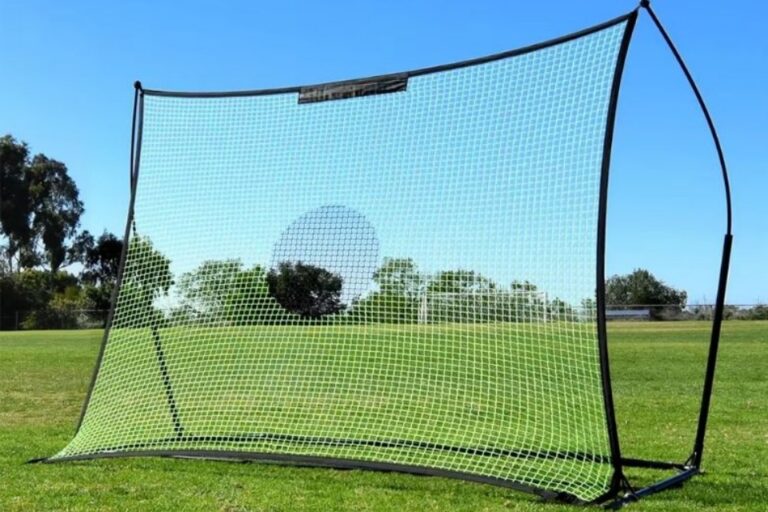
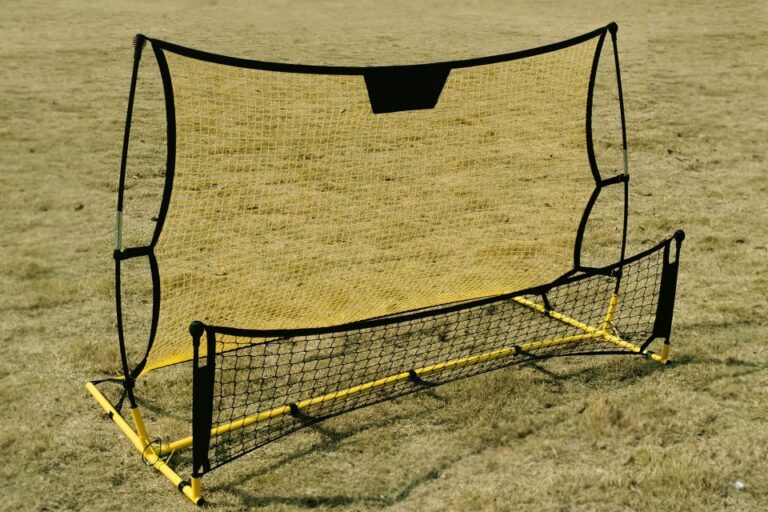
Rebounder für Übungen mit hohem Volumen verwenden
Ein Großteil der Schäden am mittleren Gurt entsteht durch Einzelspieler-Wiederholungsübungen. Aufschläge, Rückschläge, Grundlinienschläge, die alle denselben Streifen treffen.
Sie schützen den mittleren Riemen auf Ihren Turnierplätzen und sorgen trotzdem dafür, dass die Spieler Lautstärke erhalten.
Verteilung der Last auf mehrere Sportnetze
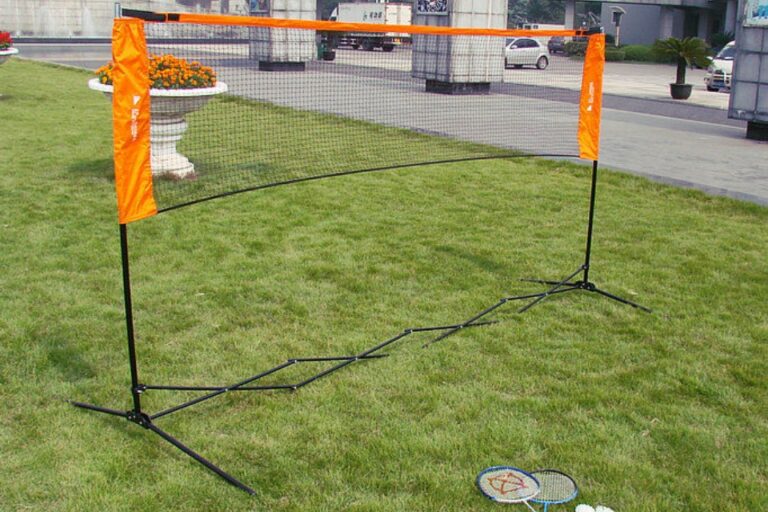
Einige Vereine und Schulen betreiben auf der gleichen Fläche Tennis, Badminton, Volleyball und Minigames. In diesen Fällen ist ein Mehrliniensystem wie ein verstellbares tragbares Badminton-Volleyball-Tennis-Netzsystem hilft beim Drehen von Formaten und Netzhöhen.
Ergebnis:
Man hämmert nicht jeden Tag die gleiche Konfiguration des Mittelriemens.
Sie verlängern die Lebensdauer Ihrer Anlagen über mehrere SKU-Familien hinweg, nicht nur über ein Tennisnetz.
Für Kinderzonen und Einfahrtstraining, ein Mini tragbares Tennisnetz für Einfahrt Kinder Fußball Tennis hält den Aufprall des Nachwuchses von Ihren großen Spielfeldern fern. Die Eltern können zu Hause sauber spielen, und Ihre Vereinsnetze bleiben frischer.
Erstellen Sie eine einfache Wartungsroutine
Für die Betreiber der Gerichte ist eine einfache Checkliste hilfreich:
Prüfen Sie die Spannung des Mittelbands wöchentlich, nicht stündlich. Korrigieren Sie zuerst die Kabelspannung.
Bürsten Sie Schmutz und Lehm von Kopfband und Riemen ab, besonders nach Regen.
Überprüfen Sie die Nähte unter dem Gurt. Wenn sie anfängt zu fusseln, protokollieren Sie ein Wartungsfenster, bevor sie reißt.
In der Nebensaison oder im strengen Winter sollten Sie die Netze fallen lassen oder auf transportable Systeme umsteigen, damit das Band nicht rund um die Uhr voll belastet ist.
Großhändler und OEM/ODM-Käufer sollten diese Punkte in ihr Produktblatt und ihr Schulungsmaterial aufnehmen. Eine klare Anleitung verringert den Missbrauch und reduziert die Reibungsverluste nach dem Kauf.
Tennisnetz Produktauswahl für B2B-Einkäufer
Wenn Sie auf der Suche sind nach:
Einzelhandelsketten und Fachgeschäfte
Online-Verkäufer und Dropship-Partner
Großhandelsunternehmen und Importeure
OEM/ODM-Projekte für Sportmarken
Die Geschichte mit dem Mittelband ist eine gute Möglichkeit, um über Wert, und nicht nur den Preis.
Sie können verschiedene Gerichte und Geschäftsmodelle mit der richtigen Ausrüstung kombinieren:
Denn FSPORTS baut Einzel- und Großaufträge, können Sie Maschenweite, Kopfbandstil, Logodruck und Verpackung auf Ihre Marke oder die Platzspezifikationen Ihres Kunden abstimmen. Das bedeutet bessere Betriebszeiten auf dem Platz, weniger Rücksendungen im Lager und eine saubere Geschichte, wenn Sie erklären, warum Ihre Netze den Mittelstreifen länger überleben als die billigen Optionen.
Nachbereitung: Der Mittelgurt ist nicht der Feind
Warum nutzen sich Tennisnetze zuerst an der mittleren Lasche ab?
Denn das ist der Ort, an dem Spiel, Hardware und Menschen treffen aufeinander. Der Aufprall von Bällen, die Spannung des Bandes, die Reibung des Kopfbandes, das Wetter und die täglichen Anpassungen kommen in einem schmalen Band zusammen.
Wenn Sie Netze in diesem Sinne entwerfen, kaufen oder pflegen, können Sie das:
Wählen Sie stärkere Materialien dort, wo sie wichtig sind.
Verlagerung von Übungen mit hohem Volumen auf Rebounder.
Drehen Sie Formate mit tragbaren und Multi-Sport-Systemen.
So bleiben Ihre Plätze länger frisch und “spielbereit”.
Der Gurt wird immer noch in der Mitte sitzen. Aber die das nächste Netz, das Sie spezifizieren, verkaufen oder installieren muss nicht erst dort scheitern.