Teilen Sie uns mit, was Sie entwickeln möchten. FSPORTS unterstützt OEM-/ODM-Projekte, Eigenmarken sowie maßgeschneiderte Sportnetzprojekte auf der Grundlage Ihrer bestehenden Produkte, Zeichnungen, Muster, Fotos oder Anwendungsanforderungen.
Teilen Sie uns bitte die Produktart, die Abmessungen, die gewünschte Stückzahl, den Bestimmungsort sowie alle bekannten Anforderungen hinsichtlich Maschenweite, Material, Rahmen, Beschlägen, Logo oder Verpackung mit. Falls Ihre Spezifikation noch nicht vollständig ist, senden Sie uns bitte die Ihnen vorliegenden Informationen zu; wir werden die restlichen Details dann vor der Angebotserstellung prüfen.
Geknotete vs. knotenlose Ballnetze: Pro, Kontra, beste Verwendungsmöglichkeiten
Wenn Sie Ballfangnetze kaufen, klingt die Frage “geknotet oder nicht geknotet” einfach. In der Praxis ist sie es aber nicht. Die eine Variante verhindert das Durchhängen des Netzes und sorgt für eine straffere Form. Das andere fühlt sich geschmeidiger an, lässt sich sauberer verarbeiten und sieht aus der Nähe oft besser aus. Wenn Sie sich für die falsche Variante entscheiden, haben Sie es mit schlaffen Tafeln, hässlichen Abnutzungsstellen oder einem Netz zu tun, das sich nach der Hälfte der Saison in eine Wartungsarbeit verwandelt.
Wenn Sie für den Einzelhandel, Stadionprojekte, Trainingseinrichtungen oder OEM-Pakete einkaufen, hilft Ihnen dieser Leitfaden dabei, das Netz auf die jeweilige Aufgabe abzustimmen - ohne zu viel darüber nachzudenken. Ich zeige auch, wo FSPORTS passt, wenn Sie Sondergrößen, Großhandel oder OEM/ODM-Produktion benötigen.
Geknotete Ballnetze vs. knotenlose Ballnetze
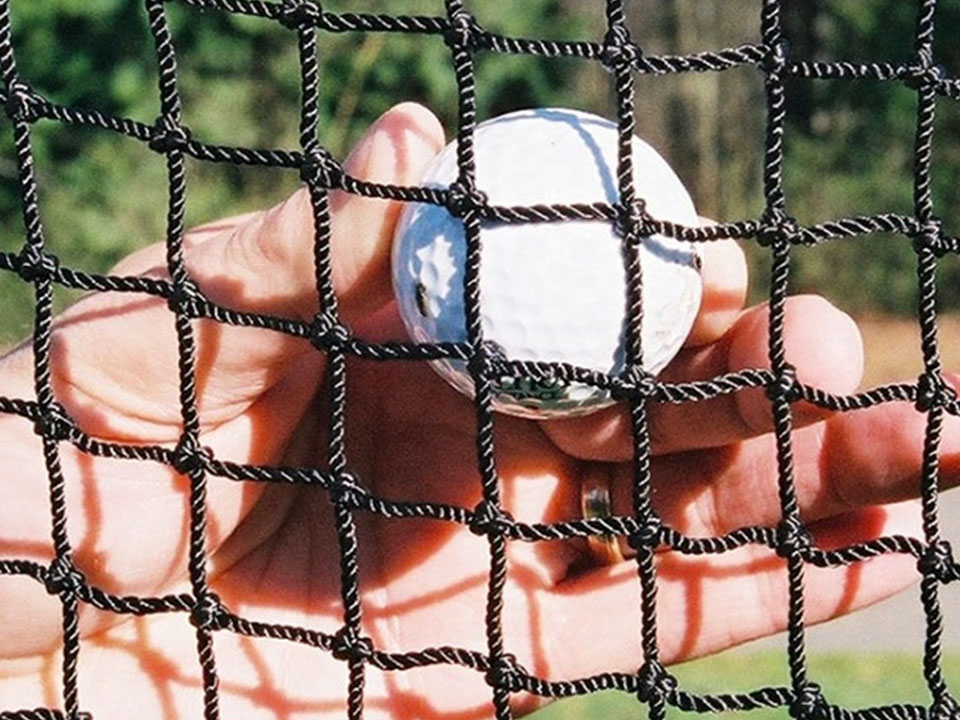
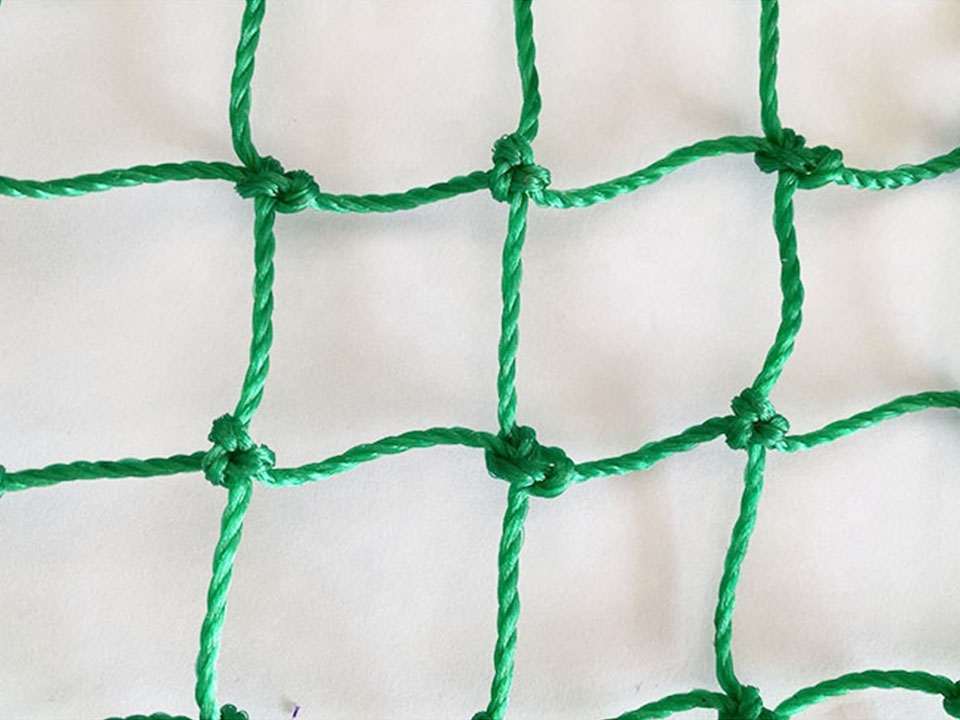
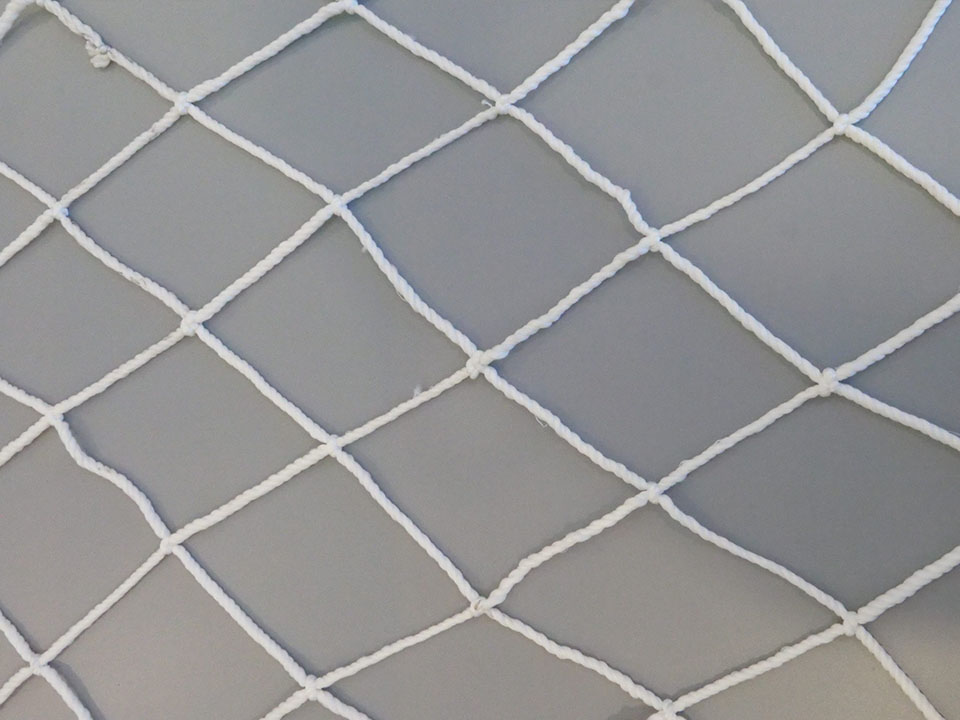
Geknotetes Netzmaterial verknotet das Garn an jeder Kreuzung. Diese Knoten wirken wie winzige “Verriegelungspunkte”, die dazu beitragen, dass das Netz unter Belastung seine Form behält.
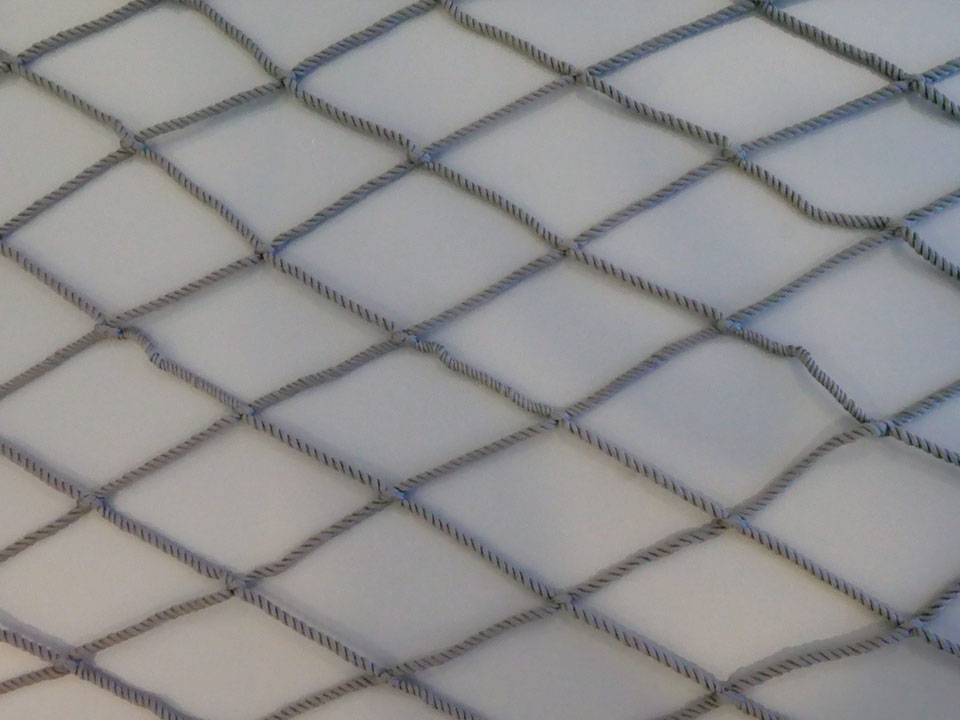
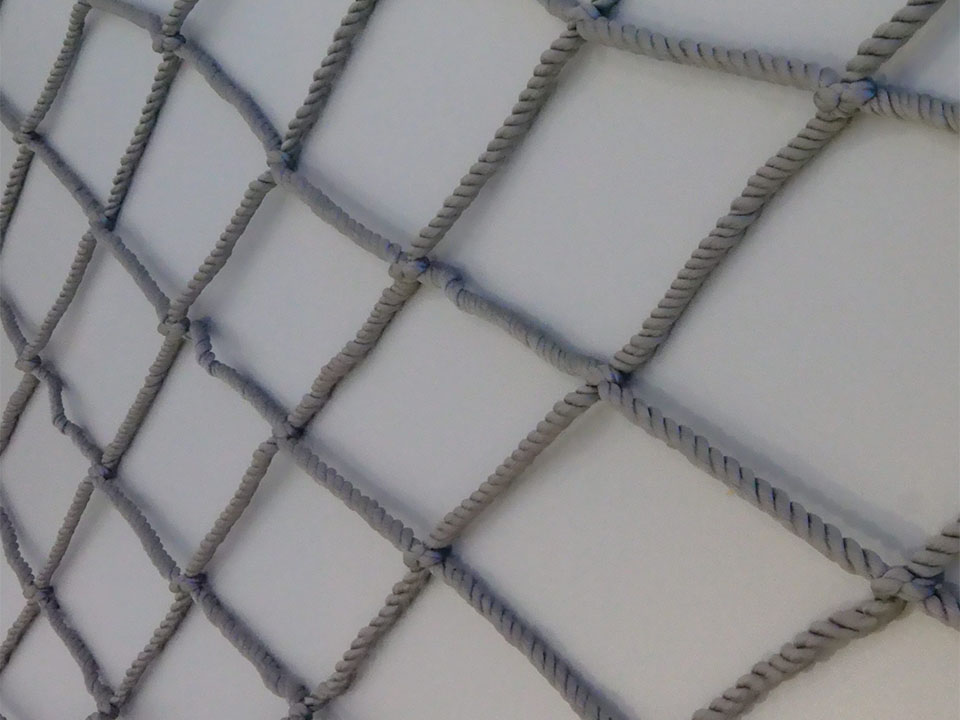
Knotenloses Netztuch Flecht- oder Zopfkreuzungen ohne Knoten. Dadurch erhalten Sie eine glattere Oberfläche und ein einheitlicheres Aussehen.
Beide können für Golf, Baseball, Fußball, Lacrosse und Multisport-Barrieresysteme verwendet werden. Die richtige Wahl hängt von Ihrem “Schmerzpunkt” ab: Sicherheitsgrenze, Rückprallkontrolle, Abrieb oder Installationsgeschwindigkeit.
Geknotete Netze Pro und Kontra
Profis
Hält die Form unter Spannung: Hervorragend geeignet, wenn Sie eine Netzleine zum Einstellen und Festhalten benötigen.
Gut für enge Sicherheitszonen: Wenn die Menschenmenge, die Autos, die Fenster oder die Nachbarn dicht beieinander sitzen, wollen Sie später keine überraschenden Durchhänger.
Einfach zu spezifizieren und zu wiederholen: Viele Käufer bevorzugen geknüpfte Konstruktionen aus Gründen der Konsistenz bei großen Projekten.
Nachteile
Knoten können Abnutzungserscheinungen sein: Äste können an Kabeln, Rahmen oder Wänden reiben und an Stellen mit hoher Reibung schneller Fusseln bilden.
Groberes Handgefühl: Wenn die Sportler oder das Personal das Netz häufig berühren, können sich verknotete Maschen härter anfühlen.
Knotenlose Netze Pro und Kontra
Profis
Glattere Oberfläche: Es ist weniger zerknittert, lässt sich bei der Installation besser handhaben und ist schonender für Hände und Uniformen.
Sauberer Blick aus der Nähe: Nützlich für überdachte Einrichtungen, Premium-Trainingsplätze und einzelhandelsfreundliche SKUs.
Keine “Knotenbeulen”: Sie vermeiden einen häufigen Punkt der Stresskonzentration.
Nachteile
Kann sich während der Einlaufphase stärker dehnen: Einige knotenlose Konstruktionen können sich nach wiederholten Schlägen oder Spannungszyklen “setzen”, was sich als Schlaffheit bemerkbar macht.
Die Reibung kann sie immer noch auffressen: Wenn das Netz ständig über eine harte Kante reibt, hilft auch eine glatte Webart nicht weiter - es muss immer noch richtig eingefasst und isoliert werden.
Geknotete vs. knotenlose Ballnetze: Hauptunterschiede
Festigkeit und Reißfestigkeit
Die meisten Käufer verwenden “Stärke” als Abkürzung, aber Sie sollten in zwei Teilen denken: Bruchfestigkeit und wie sich Schäden ausbreiten. Geknotete Netze widerstehen der Maschenverformung oft gut, weil die Knoten dazu beitragen, dass die Überschneidungen nicht wandern. Knotenlose Netze können die Last gleichmäßig über das Gewebe verteilen, was sich beim Aufprall stabil anfühlen kann - vor allem bei Trainingsaufbauten.
Stretch und Sag
Durchhängen ist das, was eine gut aussehende Anlage ruiniert. Wenn die Netzleine die Spannung nicht halten kann, hängt sie durch, und die Bälle schleichen sich unter das untere Seil oder springen in seltsame Richtungen. Ein geknotetes Netz ist in der Regel die beste Lösung, wenn man eine lange Zeit eine feste Oberfläche braucht. Knotenlose Netze können gut funktionieren, aber Sie müssen das richtige Garn auswählen und die Nachspannung nach der Einspielzeit einplanen.
Abrieb und Berührung
Wenn das Netz täglich gebürstet wird - denken Sie an Indoor-Golfplätze, Schulsporthallen oder Hinterhofanlagen - fühlt sich das knotenlose Netz glatter an. Geknotete Netze können sich rauer anfühlen, weil die Knoten abstehen.
Abnutzungspunkte
Geknotete Netze haben an jedem Knoten sichtbare “harte Stellen”. Diese Stellen können sich schneller abnutzen, wenn das Netz an einem Rahmen, einem Kabel oder einer Betonkante streift. Bei knotenlosen Netzen gibt es keine Knotenpunkte, aber sie können trotzdem ausfransen, wenn sie an Beschlägen reiben. Die Lösung ist nicht der magische Netztyp. Die Lösung ist Kantenbearbeitung, Abstandshalter und saubere Takelage.
Direkte Auswirkungen Verhalten
Bei hochfrequenten Schlägen (Golfschläge, Schlagkäfigschläge) können beide Arten funktionieren, wenn die Spezifikation dem Aufprall entspricht. Achten Sie auf Rückprallkontrolle, Maschengröße und Garndurchmesser. Entscheiden Sie dann, ob Sie mehr Wert auf eine langfristige Form (oft geknotet) oder auf eine glattere Handhabung und ein besseres Aussehen (oft knotenlos) legen.
Dauerhaftigkeit von Reibungskontakten
Wenn Ihr Netz einen Stahlrahmen, eine Mauerecke, einen Maschendraht oder ein Kabel berührt, sollten Sie Abrieb als Hauptfeind betrachten. Fügen Sie Randseile, Muffen oder Isolationspunkte hinzu. Andernfalls müssen Sie die Paneele frühzeitig austauschen, egal für welchen Stil Sie sich entscheiden.
Vergleichstabelle geknotete vs. knotenlose Ballnetze
Hier ein praktischer Blick auf den Käufer. Die Bewertungen sind typische Anhaltspunkte für einen Anwendungsfall (keine Laborwerte).
Faktor
Geknotetes Netztuch
Knotenloses Netztuch
Was es vor Ort bedeutet
Formbeständigkeit unter Spannung
★★★★★
★★★☆☆
Weniger Nachspannen im Laufe der Zeit
Risiko der Einlaufstrecke
★★☆☆☆
★★★★☆
Knotenlos kann sich mehr “setzen”.
Handgefühl / Handhabung
★★☆☆☆
★★★★★
Knotless ist reibungsloser bei der Installation
Abnutzungs-Hotspots
★★★☆☆
★★★☆☆
Beide brauchen Kantenschutz und Abstand
Aussehen in Nahaufnahme
★★★☆☆
★★★★★
Knotless sieht in Premiumbuchten sauberer aus
Beste Passform für enge Sicherheitszonen
★★★★★
★★★☆☆
Geknotet hilft, die Grenze stabil zu halten
Beste Verwendungsmöglichkeiten für geknotete Ballnetze
Netze für Stadionrückwände und Zuschauerschutznetze: Wenn die Grenze wichtig ist, ist eine stabile Spannung wichtig.
Dauerhaftes Netz für die Begrenzung: Parkplätze, Gehwege und Grundstücksgrenzen verzeihen keinen Durchhang.
Installationen im Freien bei starkem Wind: Ein Netz, das seine Form behält, reduziert ungewolltes Flattern und Schlagen.
Beste Verwendungsmöglichkeiten für knotenlose Ballnetze
Schlägerkäfige und Trainingsbahnen: Die reibungslose Handhabung hilft beim Auf- und Abbau sowie bei der Wartung.
Trennungsnetze für Innenräume: Ein sauberer Look verkauft den Raum, besonders für kommerzielle Fitnessstudios.
“Praktische” Umgebungen: Schulen, Vereine und private Einrichtungen, in denen die Menschen häufig mit dem Netz in Berührung kommen.
Für das Baseball- und Softballtraining ist eine lauffertige Option wie Softball-/Baseball-Schlagkäfignetze bietet Ihnen einen schnellen Weg von der Spezifikation zur Installation.
Ballnetz-Spezifizierungen, die wichtiger sind als die Knoten
Geknotet oder ungeknotet ist ein Kästchen. Käufer, die weniger Beschwerden erhalten, schließen diese normalerweise auch ab:
Maschenweite: Kleinere Maschen halten mehr Bälle ab, können aber mehr Wind abfangen und die Beschläge zusätzlich belasten.
Durchmesser der Schnur: Dickeres Garn erhöht die Haltbarkeit und Lebensdauer, erhöht aber das Gewicht und das Transportvolumen.
Material und UV-Beständigkeit: Netze für den Außenbereich benötigen UV-stabilisiertes Material, sonst werden sie brüchig und schwach.
Kantenbearbeitung: Seilumrandungen, Gurtband und verstärkte Ecken verhindern das Ausreißen und Versagen von Reißverschlüssen“.”
Rigging-Plan: Kabeldurchmesser, Tüllenabstände, Bungees und Abstandshalter entscheiden darüber, wie lange das Netz dicht bleibt.
Bei der Installation von Barrieren ist es oft klüger, Netz und Takelage zu bündeln. Ein Produkt wie das Robustes Nylon-Golfbarrierenetz mit Haken und Bungee-Seilen zeigt die Idee: Saubere Befestigungspunkte helfen Ihnen, die Spannung zu kontrollieren und Scheuerstellen zu reduzieren.
Szenarien für Sportbarrieren- und Rücklaufsperrennetze
Hier sind reale Szenarien, die die Entscheidung schnell vorantreiben:
Baseball-Übungsplatz in der Nähe des Zauns: Wenn das Netz den Rahmen küssen soll, fügen Sie einen Abstandshalter und eine Einfassung hinzu. Ein Paneel wie das 12 ft x 9 ft Sport Barriere Netz eignet sich für den Anwendungsfall “Stoppen des Fehlschusses”, aber die Takelage sorgt dafür, dass es scharf aussieht.
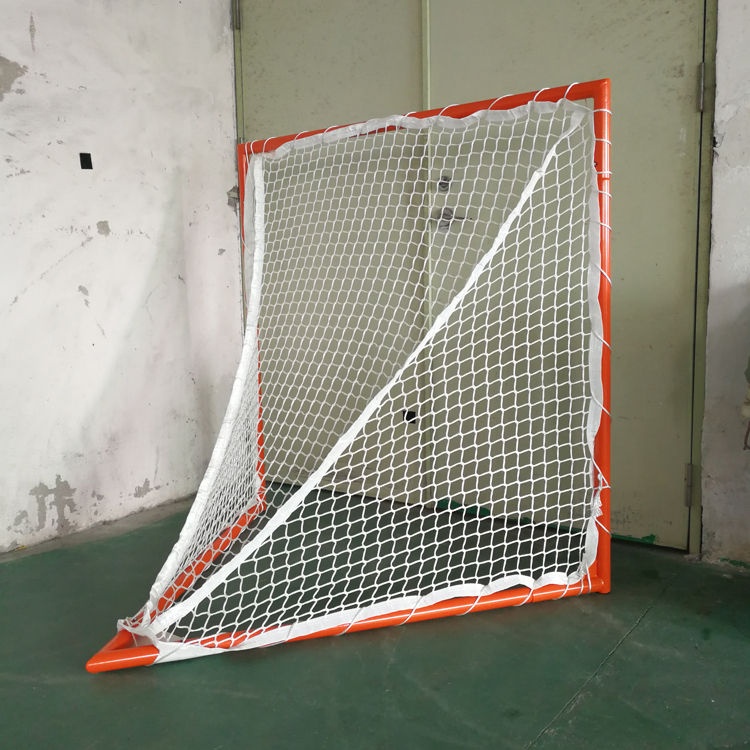
Lacrosse-Schüsse hinter dem Tor: Hochgeschwindigkeitsschläge, hohe Frequenz und ein hohes Abriebrisiko im Bereich der Pfosten. Eine spezielle Einrichtung wie die Hochbelastbares Lacrosse-Backstop-Netz entspricht dieser Realität besser als ein allgemeines Mesh-Paneel.
FSPORTS Sports Netting Hersteller für Großhandel, OEM/ODM, und Großbestellungen
Wenn Sie für den Wiederverkauf, den Vertrieb oder die Projektversorgung einkaufen, brauchen Sie mehr als nur ein “gutes Netz”. Sie brauchen wiederholbare Spezifikationen, stabile Vorlaufzeiten und eine Verpackung, die den Arbeitsablauf in Ihrem Lager nicht beeinträchtigt.
FSPORTS positioniert sich als Hersteller von Premium-Sportnetzen in China, liefert UV-beständige, hochschlagfeste Netze in Standard- und maßgeschneiderten Größen - für den Großhandel und OEM/ODM-Programme. Beginnen Sie mit dem FSPORTS Startseite oder durchsuchen Sie die vollständige Katalog für Sportnetze um Stile auf Ihren Linienplan abzubilden.
Was Käufer normalerweise bei OEM/ODM-Läufen verlangen:
Eigenmarken und barcodefähige Verpackungen
Einheitliche Maschen-/Garnspezifikation für alle Chargen
Maßgeschneiderte Größen für Käfige, Schießstände und Backstops
Hardware-Kits (Haken, Bungees, Kabel), die zum Netzaufbau passen
QS-Kontrollen, die Knoten-/Maschenfehler vor dem Versand aufspüren
Wenn Sie Ihrem Lieferanten sagen, wo das Netz eingesetzt werden soll - drinnen oder draußen in der Sonne, Kontaktpunkte mit dem Rahmen, Häufigkeit der Treffer -, erhalten Sie eine saubere Spezifikation und weniger Rücksendungen. Das ist der Unterschied zwischen “Netzen als Massenware” und Netzen, die Ihre Marke tatsächlich schützen.