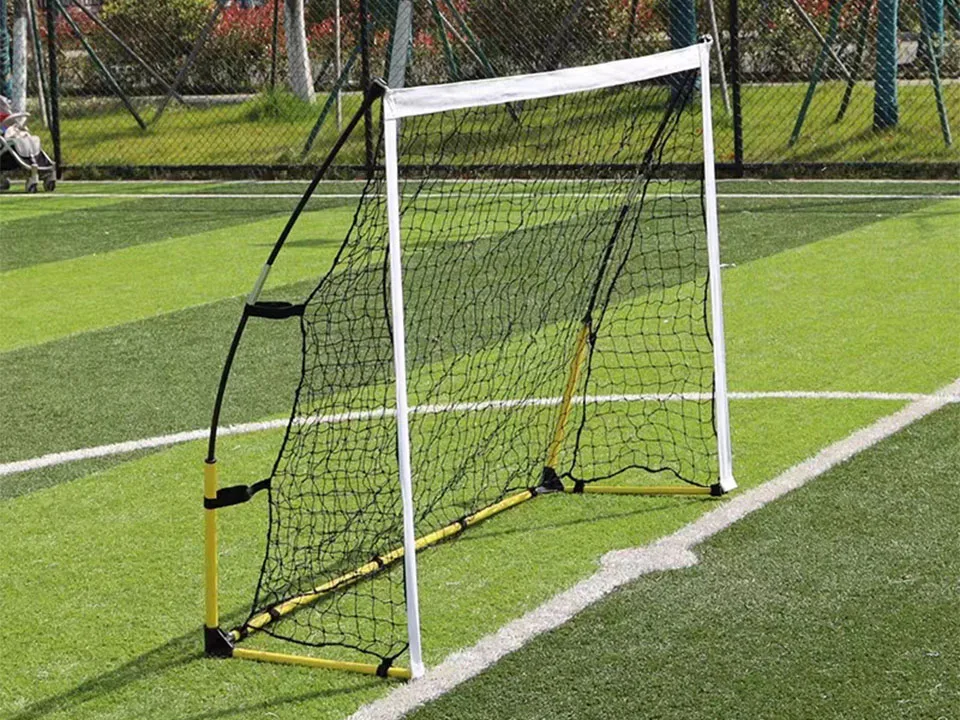
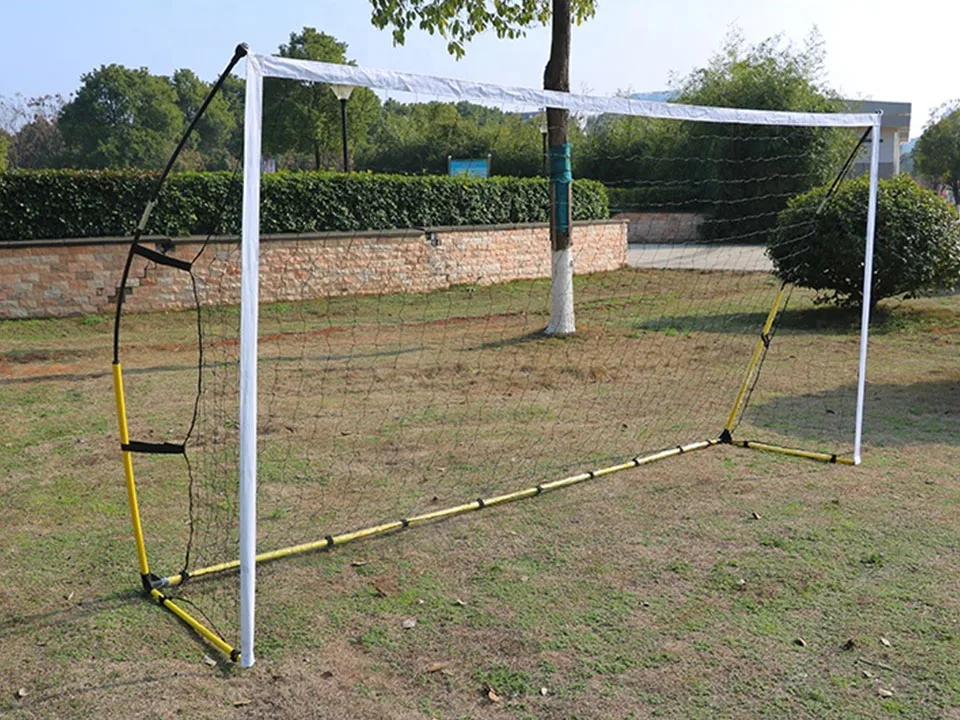
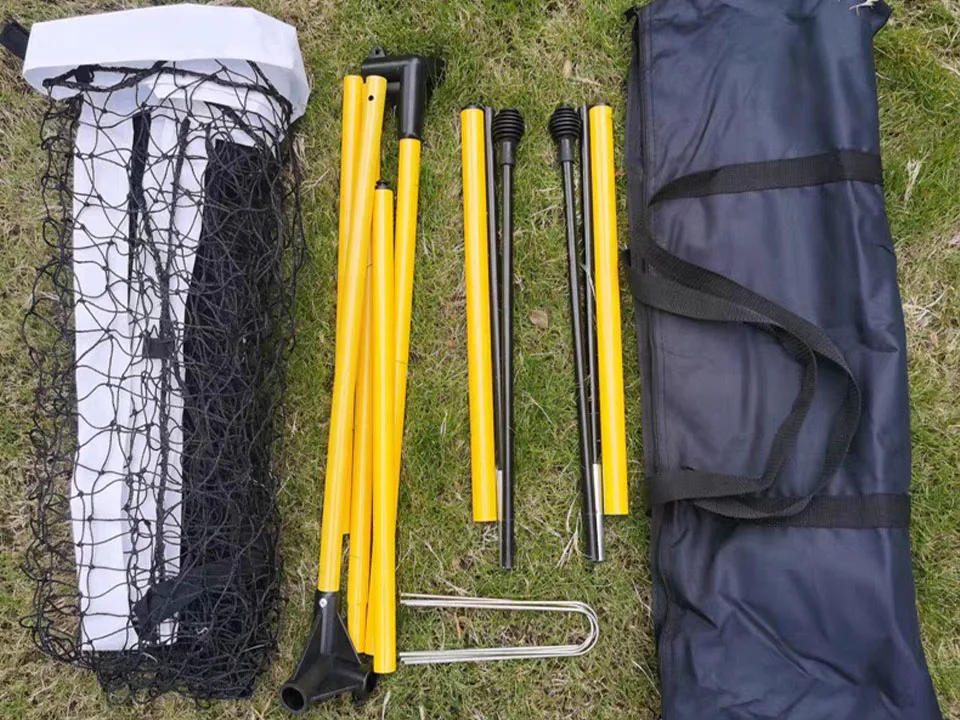
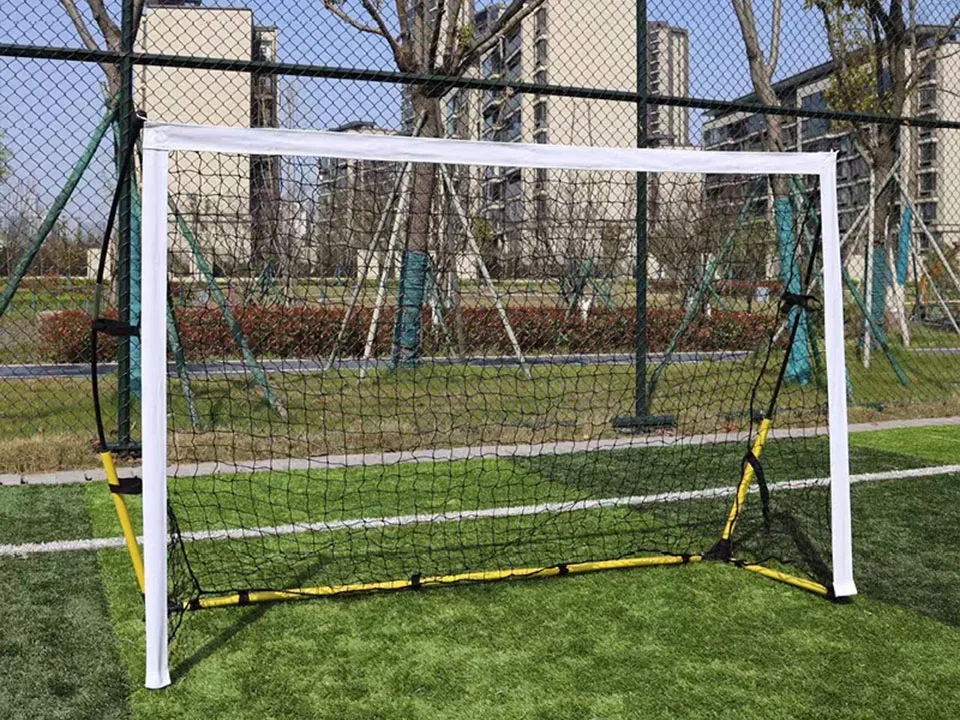
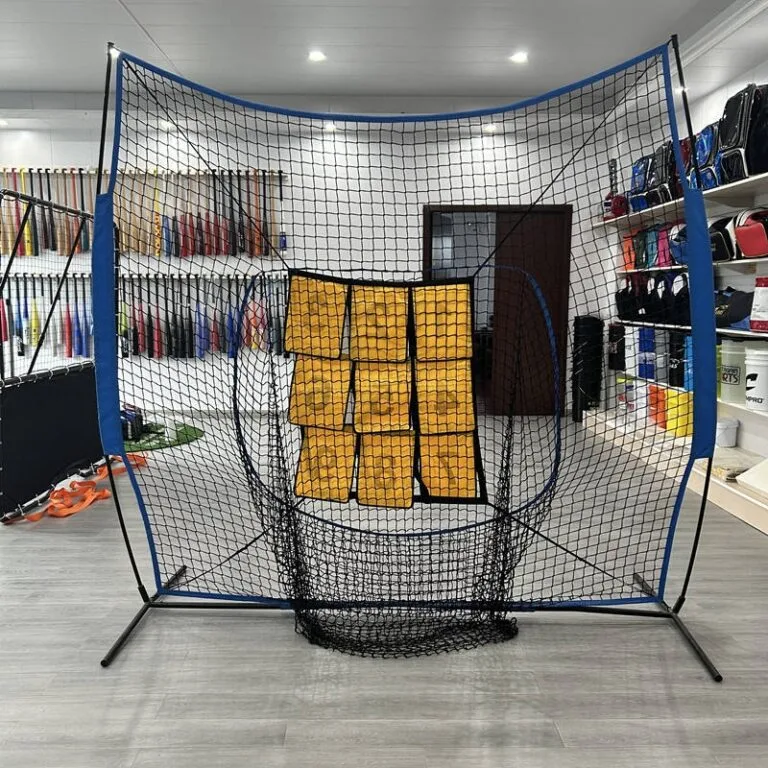
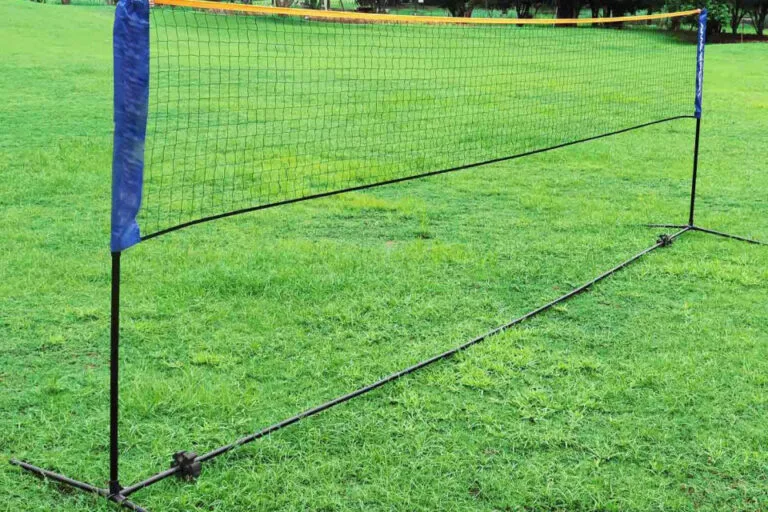
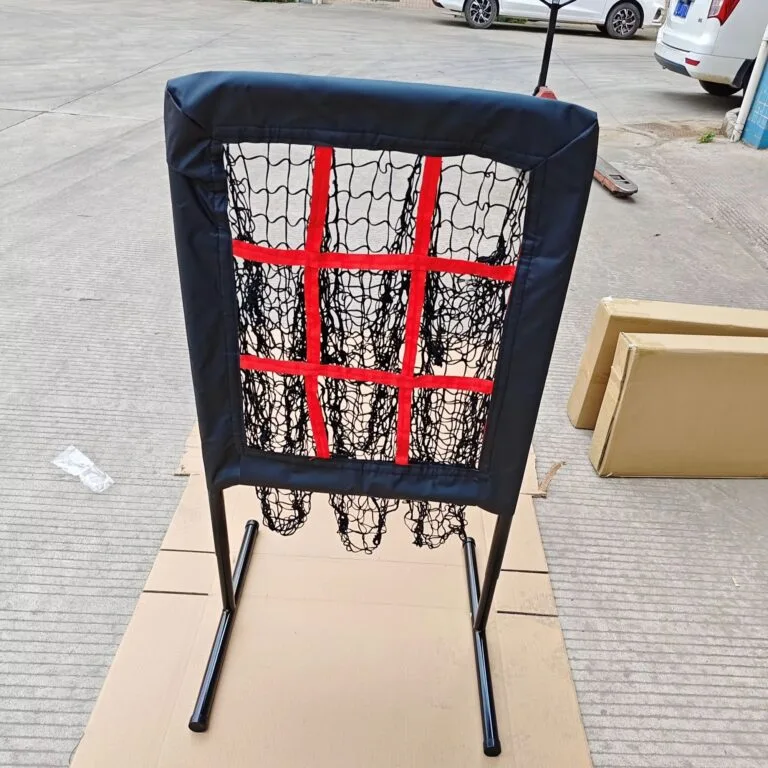
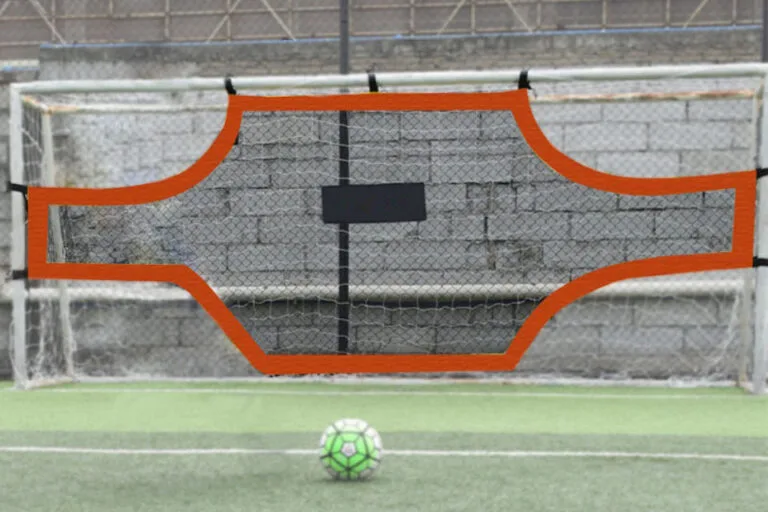
Teilen Sie uns mit, was Sie entwickeln möchten. FSPORTS unterstützt OEM-/ODM-Projekte, Eigenmarken sowie maßgeschneiderte Sportnetzprojekte auf der Grundlage Ihrer bestehenden Produkte, Zeichnungen, Muster, Fotos oder Anwendungsanforderungen.
Teilen Sie uns bitte die Produktart, die Abmessungen, die gewünschte Stückzahl, den Bestimmungsort sowie alle bekannten Anforderungen hinsichtlich Maschenweite, Material, Rahmen, Beschlägen, Logo oder Verpackung mit. Falls Ihre Spezifikation noch nicht vollständig ist, senden Sie uns bitte die Ihnen vorliegenden Informationen zu; wir werden die restlichen Details dann vor der Angebotserstellung prüfen.
Maßanfertigung von Tornetzen: Vermeidung von Passform- und Rückgabeproblemen
Auch ein Tornetz, das “fast passt”, ist ein Problem. Es hängt durch, zieht zu fest oder sitzt schief auf dem Rahmen. Dann haben Sie das Schlimmste vor sich: Verzögerungen bei der Installation, verärgerte Kunden und Rückgabeforderungen, die Sie nicht sauber lösen können.
Die benutzerdefinierte Größenanpassung behebt dieses Problem, aber nur, wenn Sie es wie einen Spezialauftrag ausführen. Denken Sie an PO-fertige Messungen, klare Fotos und kein Rätselraten.
Wenn Sie für Vereine, Schulen, Parks, Einzelhändler, Distributoren oder eine OEM-Marke einkaufen, wird Ihnen dieser Leitfaden helfen, Passformfehler zu vermeiden und Rücksendungen zu verhindern, die in Ihrem Posteingang auftauchen.
FSPORTS ist ein Werkslieferant, der sich auf UV-beständige, hochfeste Netze in Standard- und Sondergrößen spezialisiert hat, die für Großaufträge und OEM/ODM-Programme hergestellt werden. Beginnen Sie hier, wenn Sie das gesamte Sortiment sehen möchten: FSPORTS Startseite und alle Produkte.
Maßgeschneiderte Tornetze werden oft nicht zurückgenommen.
Maßgeschneiderte Netze werden in der Regel nach Ihren Maßen gefertigt. Das ist großartig, wenn die Spezifikation richtig ist. Schwierig wird es, wenn die Spezifikation unscharf ist.
Hier ist der Teil, den die Käufer nicht laut aussprechen: Viele “Rückgaben” sind keine Rückgaben. Sie verwandeln sich in Hin- und Her-E-Mails, Installationsfotos und Schuldzuweisungen. Viele Teams nehmen das Netz schließlich zurück, weil es genau wie bestellt hergestellt wurde.
Tipp für die Beschaffung: Behandeln Sie die Größenbestimmung als einen Schritt des “Einfrierens”. Keine genehmigten Messungen, kein Produktionsslot.
Szenario der realen Welt:
Ein Schulbezirk hat drei Fußballplätze.
Zwei Rahmen passen zusammen. Ein älterer Rahmen hat eine andere Rücklauftiefe.
Der Käufer bestellt “die gleiche Nettogröße” aus dem Gedächtnis nach.
Das Installationsteam kämpft dagegen an. Das Netz sieht falsch aus. Alle verlieren Zeit.
Messen Sie die Breite, Höhe, obere und untere Tiefe des Tornetzes.
Breite und Höhe allein schützen Sie nicht. Die Tiefe bestimmt die Passform.
Verwenden Sie diese vierstellige Checkliste jedes Mal:
Stichwort Messung
Was Sie messen
Kurzer Erfahrungsbericht
Häufiger Fehler
Breite
Linker Pfosten zu rechtem Pfosten
Messen Sie die lichte Öffnung
Messung außerhalb der Pfosten
Höhe
Masse an Querstange
Messung von der Spielfläche aus
Messung von einem Bordstein oder einer Rasenkante aus
Obere Tiefe
Crossbar zurück zum oberen Rücklauf
Überprüfen Sie die Form der oberen Stütze
Vermutung, weil es “normal aussieht”
Tiefe des Bodens
Bodenrücklauf an der tiefsten Stelle
Messen Sie aus, wo das Netz sitzen soll
Kopieren des oberen Tiefenwertes
Schneller Arbeitsablauf, der funktioniert: Machen Sie 3 Fotos (von vorne, von der Seite und von oben) und schreiben Sie die vier Zahlen auf die Bilder. Das verhindert “angenommene” Maße und beschleunigt die Angebotserstellung.
Innen- und Außenmessung für Torrahmen
Rahmen haben unterschiedliche Dicken, Eckbiegungen, Schweißnähte und unterschiedliche Haken- oder Kanalpositionen. So können zwei Personen das “gleiche Ziel” messen und trotzdem zwei unterschiedliche Zahlen erhalten.
Entscheiden Sie sich für eine Methode und sorgen Sie dafür, dass sie in Ihrem Team, bei Ihren Installateuren und bei Ihrem Lieferanten einheitlich angewendet wird.
Eine praktische Regel, die viele Außendienstmitarbeiter anwenden:
Maßnahme Breite und Höhe über die klare Öffnung
Maßnahme Tiefe oben und unten über die Rücklaufprofil wo sich das Netz tatsächlich befindet
Wenn Sie mehrere Standorte verwalten, ist Konsistenz besser als Perfektion. So bleiben Ihre Datenblätter sauber und Ihre Nachbestellungen vorhersehbar.
Anpassung der Netzform an die Form des Torrahmens: Kasten, Standard, gerader Rücken
Ein Netz kann die richtige Größe haben und trotzdem das falsche Muster aufweisen. Die Form des Rahmens entscheidet darüber, wie das Netz “sitzt”, wenn es einmal befestigt ist.
Stichwort Torrahmenform
Was das in einfachen Worten bedeutet
Wo es auftaucht
Was geht schief, wenn Sie nicht übereinstimmen
Box
Gerader Rücken mit kastenförmigem Volumen
Übungsgelände, einige tragbare Gestelle
Verdrehte Ecken und ungleichmäßige Spannung
Standard
Abgewinkelte Rückenstützen
Die häufigsten Spiel-/Trainingsziele
Der Rücklauf sieht kurz oder schief aus
Gerader Rücken
Flache Rückenlinie, minimaler Winkel
Kompakte oder Innenaufstellung
Bündelungen am Boden oder schlaffe Taschen
Wenn Sie Einzel- oder Großhändler beliefern, ist dies ein versteckter Rückgabegrund. Die Kunden sagen nicht “Muster passt nicht”. Sie sagen “es passt nicht”.”
Ein Netz sollte nicht wie ein Fass passen. Ist es zu eng, werden Nähte und Verankerungspunkte belastet. Ist es zu locker, sackt es aus, schleift oder sieht schlampig aus.
Wie “guter Spielraum” aussieht:
Das Netz umhüllt den Rahmen, ohne ihn zu zwingen
Ecken sitzen sauber, nicht überdehnt
Der Boden wölbt sich nach ein paar Schüssen nicht mehr nach vorne
Installateurfreundliche Reihenfolge:
Legen Sie die obere Zeile fest
Quadrieren Sie die Seiten
Den Boden und die Ecken fertigstellen
Diese Reihenfolge reduziert den Schrägzug und hält das Netz in der Mitte.
Befestigungsmethode ändert die Passform: Nutkanal, Krawatten, Clips, Bungee-Schnüre
Die Befestigung ist nicht nur eine Hardware. Sie verändert den Ort, an dem die Spannung ankommt, was wiederum den Sitz des Netzes verändert.
Übliche Methoden, die Sie in der freien Wildbahn sehen:
Maßgeschneiderte Netze brauchen länger als Standardnetze
Maßanfertigungen erfordern oft ein paar zusätzliche Schritte: Bestätigung der Spezifikationen, Auswahl der Maschen, Kantenbearbeitung und Produktionsplanung. Das ist ganz normal. Das ist auch der Grund, warum Sie “Maß-Roulette” vermeiden wollen.”
Wenn Sie Großeinkäufer oder OEM/ODM-Lieferanten sind, ist das ein sauberer Ansatz:
Halten Sie ein paar Standardgrößen mit hoher Geschwindigkeit in Bewegung
Verwendung von Sonderanfertigungen für wirklich nicht standardisierte Rahmen
Sperren von Wiederholungsmustern, damit Nachbestellungen nicht bei Null beginnen
Hier helfen Werksprogramme. Sie erhalten stabile Spezifikationen, konsistente Qualitätskontrolle und sauberere Nachbestellungszyklen.
Vermeiden Sie unsichere Haken und scharfe Gegenstände
Manchmal ist das Netz in Ordnung, aber die Rahmenbeschläge sind das Problem. Scharfe Haken und raue Kanten fressen sich schnell durch das Netz.
Wie das aussieht:
Ausfransen an den Ecken
Zerrissene Kante
Gebrochene Schnürsenkel
Beschwerden, die nach “schlechter Qualität” klingen, auch wenn das Netz solide ist
Wenn Sie weniger Rückrufe wünschen, sollten Sie sich für sicherere Befestigungen entscheiden: abgerundete Klammern, geschützte Befestigungspunkte oder für die Last dimensionierte Bungees.
Befolgen Sie die Sicherheitsstandards für Torpfosten
Bei der Sicherheit geht es nicht nur um die Einhaltung von Vorschriften. Es geht darum, den Rahmen einzuhalten.
Ein verbogener Pfosten oder ein verzogener Rücklauf verändert die Tiefe und die Spannungspunkte. Dann passt das Netz nicht mehr, auch wenn die Maße in der letzten Saison korrekt waren.
Eine einfache Gewohnheit, die Überraschungen verhindert:
Prüfen Sie die Rahmen, bevor Sie Ersatznetze bestellen
Befestigen Sie zuerst Kurven und grobe Verbindungspunkte
Standardisierung der Installationsmethode an allen Standorten
Bei Schießsportarten mit hoher Beanspruchung, wie z. B. Eishockey, tragen starre Rahmen und robuste Netzkonstruktionen dazu bei, die tägliche Abnutzung zu verringern. Ein Beispiel ist professionelles 72×48 Stahl-Hockeytor mit robustem Netzrahmen.
Fit-Risk-Tabelle: Ursachen für Renditen und wie man sie stoppen kann
Diese Tabelle ist für Käufer und Installateure gedacht, die weniger “Nicht passend”-Meldungen wünschen.
Einbau und Rückgabe des Auslösers
Was Sie vor Ort sehen werden
Wahrscheinliche Grundursache
Eine Lösung, die tatsächlich funktioniert
“Das Netz reicht nicht bis zur Rückseite”
Ecken ziehen nach vorne, obere Linie überdehnt
Falsche Tiefe oben/unten
Messen Sie beide Tiefen und bestätigen Sie die Rahmenform
“Das Netz hängt wie ein Vorhang”
Große durchhängende Taschen, unordentliches Aussehen
Zu viel Lose + schlechte Einbaureihenfolge
Spannung oben → Seiten → unten
“Ecken reißen früh ein”
Ausfransen an Ecken und Verbindungspunkten
Überspannung + scharfe Haken
Spannungszugabe hinzufügen und Hardware bereinigen
“Eine Seite passt, eine andere nicht”
Uneinheitliche Ergebnisse an den verschiedenen Standorten
Gemischte Torstile unter einer SKU
Aufteilung der SKUs nach Rahmenform und Tiefe
“Installation dauert ewig”
Crew Kampfclips und Schnürung
Falsche Annahmen über die Befestigung
Bestätigen Sie Nut vs Bindungen vs Bungee vor PO
Wo FSPORTS für Großhändler und OEM/ODM-Käufer passt
Wenn Sie an Einzelhändler verkaufen, Clubs beliefern oder eine Vertriebslinie betreiben, wollen Sie auf der letzten Meile kein Drama. Sie wollen wiederholbare Spezifikationen, eine stabile Qualitätskontrolle und einen Lieferanten, der die Arbeitsabläufe in großen Mengen versteht.
FSPORTS unterstützt Standard- und Maßanfertigungen mit Werksfertigung für Großhandel, Großeinkauf und OEM/ODM-Programme. Wenn Sie bereit sind, SKUs zu konsolidieren oder Eigenmarkenspezifikationen zu erstellen, beginnen Sie mit FSPORTS Startseite, und ordnen Sie dann Ihren Katalog über alle Produkte.
Wenn Sie möchten, teilen Sie uns die vier Maße (Breite, Höhe, obere Tiefe, untere Tiefe) sowie ein Seitenfoto mit. Ich werde es in eine saubere Spezifikationsnotiz formatieren, die Sie für Angebote, Nachbestellungen und OEM-Bauten wiederverwenden können.