Teilen Sie uns mit, was Sie entwickeln möchten. FSPORTS unterstützt OEM-/ODM-Projekte, Eigenmarken sowie maßgeschneiderte Sportnetzprojekte auf der Grundlage Ihrer bestehenden Produkte, Zeichnungen, Muster, Fotos oder Anwendungsanforderungen.
Teilen Sie uns bitte die Produktart, die Abmessungen, die gewünschte Stückzahl, den Bestimmungsort sowie alle bekannten Anforderungen hinsichtlich Maschenweite, Material, Rahmen, Beschlägen, Logo oder Verpackung mit. Falls Ihre Spezifikation noch nicht vollständig ist, senden Sie uns bitte die Ihnen vorliegenden Informationen zu; wir werden die restlichen Details dann vor der Angebotserstellung prüfen.
Sicherheit und Einhaltung von Vorschriften in Sportanlagen: ADA, Normen und Versicherungen
Why Most Operators Misread Compliance Risk
Most operators guess. They hear “sports facility safety compliance” and picture signs on walls, an emergency binder in the front office, and maybe a waiver on an iPad, when the real exposure sits in aisle widths, seating dispersion, trip points, net-failure risk, inspection records, and policy language that gets parsed only after someone leaves in an ambulance. What did you think the lawsuit would be built from?
I’ve sat through too many facility meetings where ownership wanted a clean insurance certificate more than a clean safety system. That is backward. Insurance is a financing tool. Compliance is an operating discipline. And standards? Standards are where your excuses go to die.
ADA Compliance Is Where Many Facilities Get Exposed
The first hard truth is that ADA compliance for sports facilities is not “have a ramp, call it a day.” The DOJ’s 2010 ADA Standards for Accessible Design remain the enforceable baseline for newly constructed or altered public and commercial facilities, and the agency’s assembly-area guidance is blunt: wheelchair spaces cannot overlap required accessible routes, those routes generally need a 36-inch minimum clear width, and venues with more than 300 seats must disperse wheelchair locations rather than dump them into the worst sightline pocket in the building. (ada.gov)
Recent Enforcement Shows the Pattern
That sounds abstract until it gets expensive. In October 2024, the DOJ’s consent decree with the Chicago Cubs over Wrigley Field required remediations across the stadium, including better wheelchair sightlines and access in premium club areas. Six months earlier, the DOJ’s settlement with the University of Montana over Dahlberg Arena required more wheelchair spaces and improved courtside accessible seating for the 2024/25 basketball season. Same lesson, different building: the market still underestimates accessible seating, sightlines, and dispersion until the government or a claimant forces the issue. (Justiz.gov)
And here is the part operators hate hearing: the plaintiff does not care that your facility “felt safe.” They care whether your system was documented, maintained, and actually equivalent in use. A sports venue risk management plan that ignores accessible ticketing logic, spectator circulation, companion seating, restroom routes, and emergency egress is not a plan. It is a delay tactic.
Safety Standards Are Operational, Not Decorative
I’m equally skeptical of the equipment side of the business. People love to talk about sports facility safety standards as if the phrase itself does the work. It does not. A facility becomes safer only when the physical setup matches the activity load, user profile, and traffic pattern on the ground. I have watched operators spend big on branding and almost nothing on containment. Then they act surprised when a warm-up area bleeds into a spectator path or when a rebound surface kicks a ball into an open circulation zone.
Equipment Layout and Containment Matter More Than Operators Admit
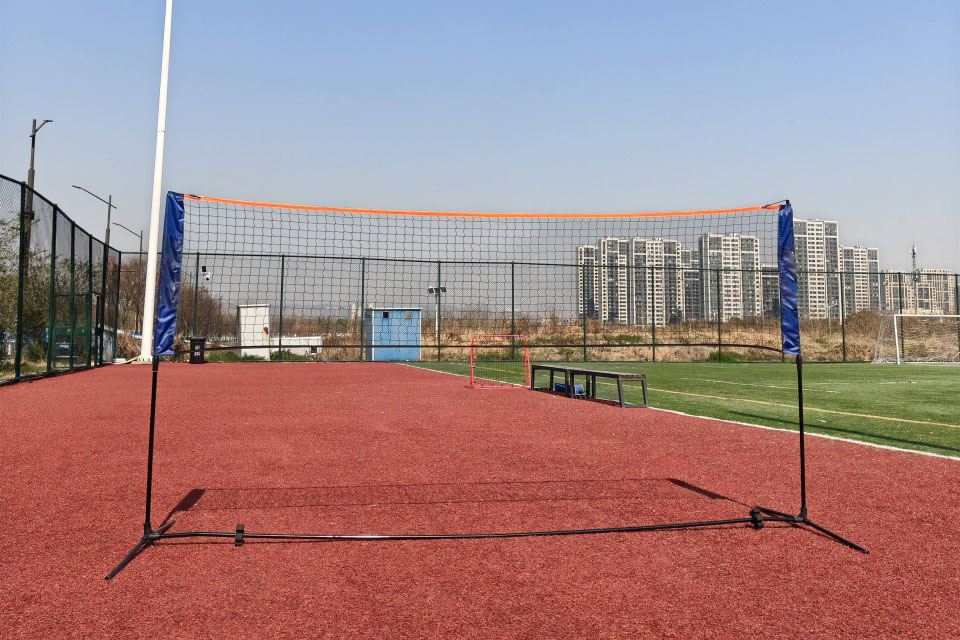
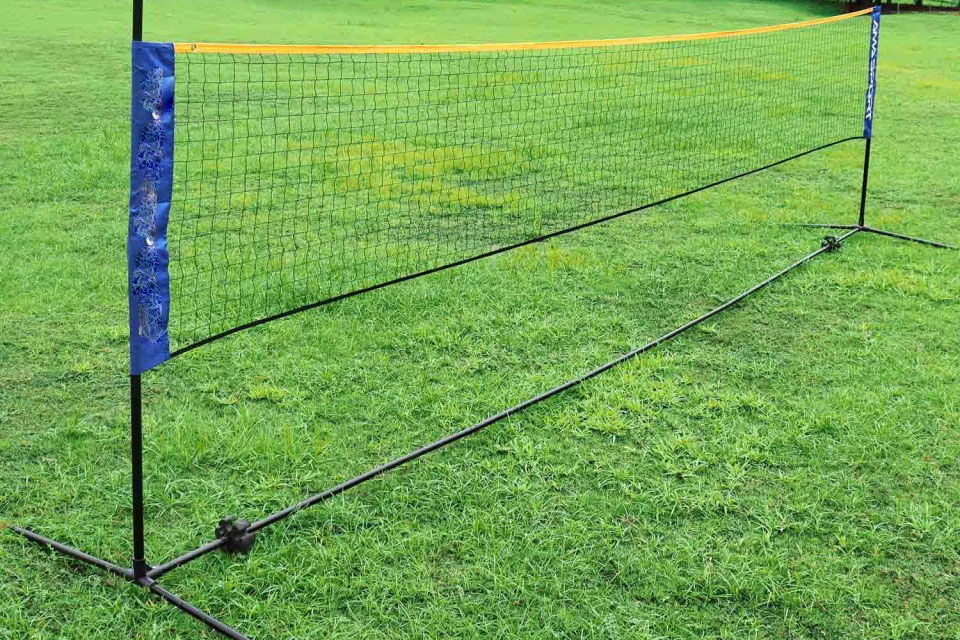
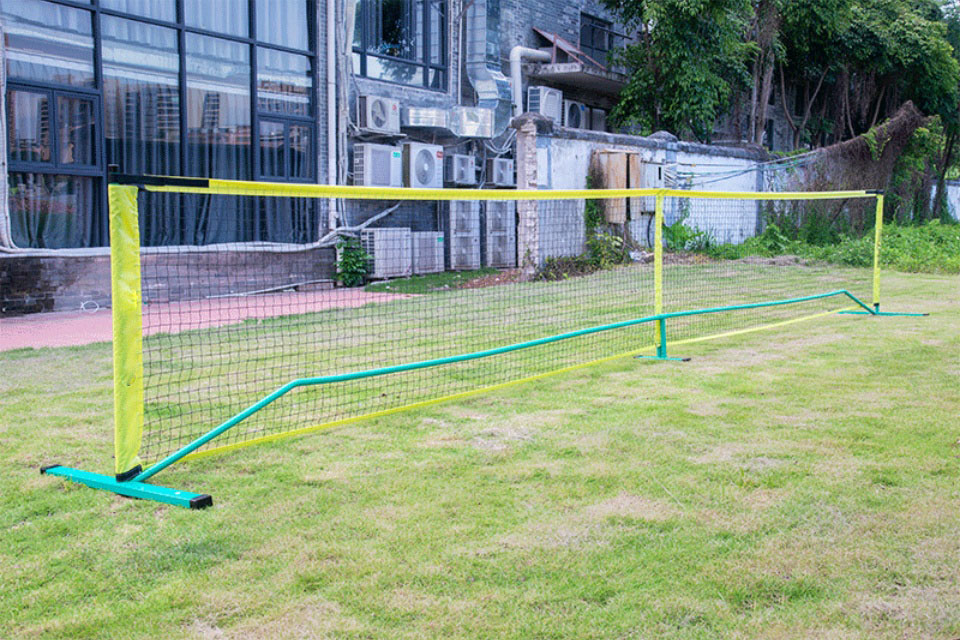
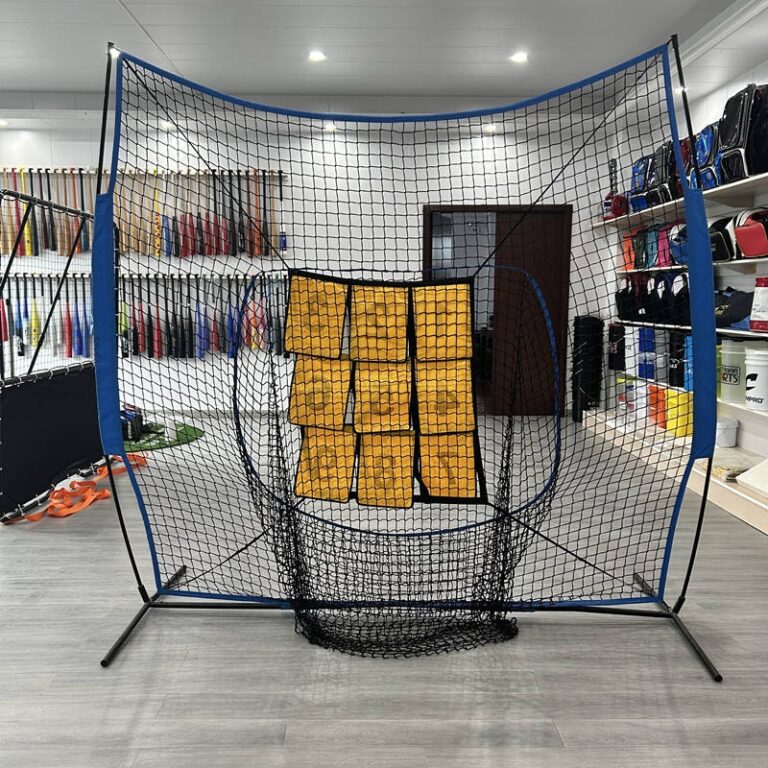
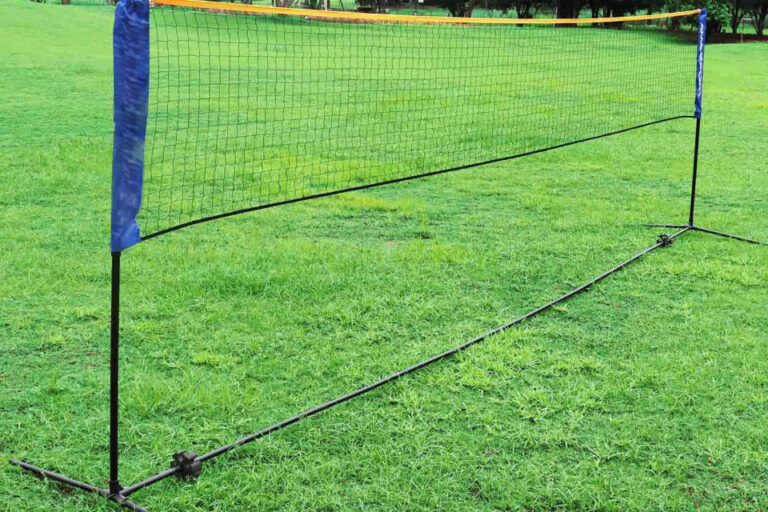
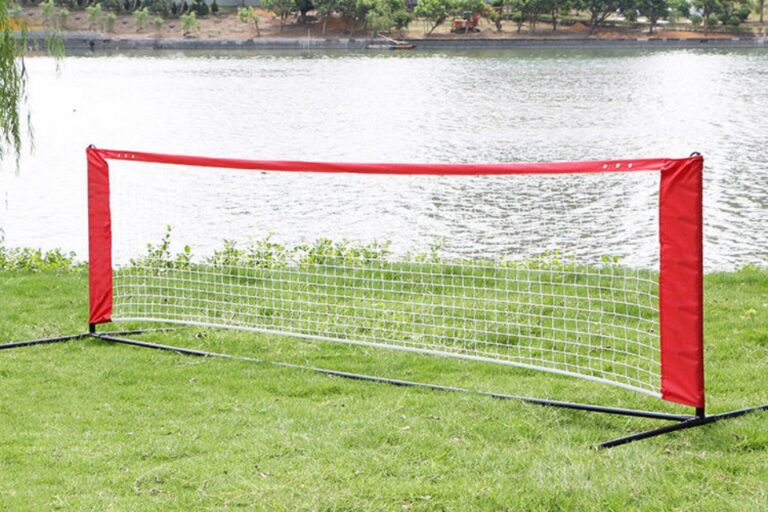
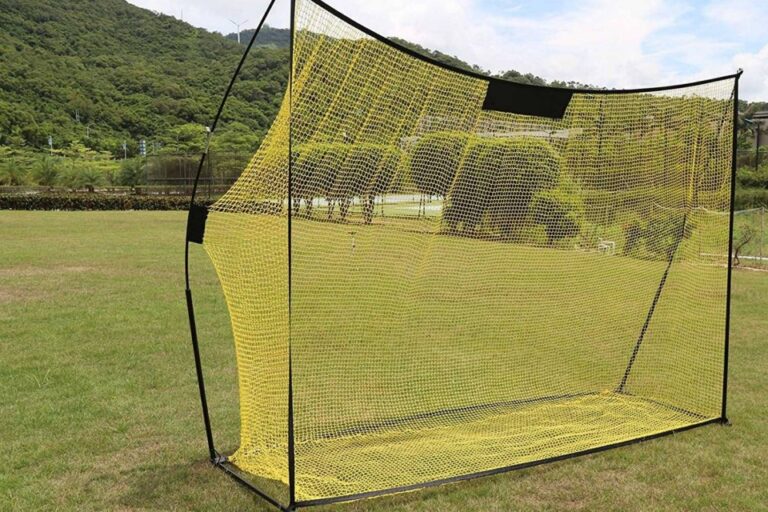
That is why product selection matters more than most owners admit. If a venue runs multiple programs in tight footprints, purpose-built multi-sport divider netting systems are a smarter control than improvised partitions. If you operate golf training lanes or simulator areas, facility-grade golf net systems und eine golf practice cage with side safety panels do more for real-world containment than the usual “we’ll just create a buffer” nonsense. And yes, even the pickleball boom has produced sloppy setups, which is why stable tragbare Pickleball-Netzsysteme belong in the conversation whenever temporary courts are being dropped into shared-use space. Operators that want actual implementation help, not just catalog pages, should look at sports netting and facility support services before they buy another cheap fix they will replace in nine months.
Numbers matter. According to the National Safety Council’s 2024 injury data, sports and recreational injuries rose 17% in 2024, and 4.4 million people were treated in emergency departments for injuries involving sports and recreational equipment; exercise and exercise equipment alone accounted for 564,845 injuries. That does not prove your facility caused anything, but it does destroy the lazy fiction that sports-related injury exposure is marginal. Volume is the story. Frequency is the story. Repetition is the story. (injuryfacts.nsc.org)
So when people ask me how to ensure ADA compliance in sports facilities, I give an answer they usually do not enjoy: stop separating accessibility, equipment layout, and insurance. They are the same operating problem viewed from three different desks. Legal sees duty. Ops sees setup. Insurance sees loss history. All three are judging the same building.
Insurance Is Not a Substitute for Compliance
The insurance section is where bad habits get expensive fast. Too many owners think a participant waiver plus general liability coverage equals safety. No. That is paperwork, not protection. In some jurisdictions, waiver language aimed at recreational facilities is far weaker than operators assume. New York’s General Obligations Law § 5-326 says agreements exempting pools, gymnasiums, places of amusement or recreation, and similar establishments from negligence liability are void and unenforceable when the operator receives a fee for use of the facility; Reuters Practical Law made the broader 2024 point clearly: some states refuse or limit enforcement of pre-injury waivers in public recreational settings. That means sports facility insurance requirements cannot be built on waiver mythology. They have to be built on the expectation that negligence allegations may get through the front door. (nysenate.gov)
The Waiver Myth Still Misleads Operators
Here is my blunt view: a waiver is often lazy management dressed up as legal sophistication. If your athletic facility compliance checklist starts with “make everyone sign the release,” you are starting in the wrong place. It should start with separation of play and pedestrian space, accessible circulation, anchoring and tension checks, impact containment, cleaning and slip control, incident logging, staff response drills, and inspection intervals that someone can prove without rummaging through a manager’s inbox.
A Practical Compliance View Before Renewal Season
This is the simple version I wish more operators used before renewal season.
A policy only helps when the wording fits the loss
Inspection culture
“We checked it”
Timestamped logs, defect escalation, vendor maintenance records
If it is not documented, it is basically folklore
The first two rows are not theoretical. They track exactly where DOJ guidance and 2024 settlements focused attention: sightlines, dispersion, accessible seating, and route integrity. (Justiz.gov)
But let me say the quiet part. Best practices for sports facility compliance are not mostly legal. They are operational. The legal issue shows up after the operational failure. That is why the best operators treat every near-miss like underwriting intelligence. A loose stanchion, a sagging divider, a blocked aisle, a warped threshold, a poorly staged warm-up lane—none of that looks dramatic until discovery starts.
And yes, standards can be annoying. They slow projects down. They make temporary setups less flexible. They force redesigns when everyone is already tired. I know. But the alternative is worse: retrofits under legal pressure, premium friction at renewal, and the permanent reputational stain of being the venue that only fixed access or safety after somebody complained, fell, or sued.
FAQs
What does ADA compliance for sports facilities actually mean?
ADA compliance for sports facilities means spectators, athletes, staff, and visitors with disabilities must be able to access and use the venue through compliant routes, seating, restrooms, counters, parking, and policies in a manner that is genuinely equivalent—not symbolically offered and operationally inferior. The assembly-area pieces are where many venues get exposed: dispersed wheelchair seating, companion seating, and sightlines over standing spectators are not optional extras. The DOJ standards and guidance make that plain. (ada.gov)
What insurance does a sports facility really need?
Sports facility insurance usually means a layered program that addresses bodily injury, property damage, participant exposure, employee injuries, and venue-specific operational risks, because no single waiver or general liability form can carry the whole loss profile of an active athletic site. In practice, owners should review CGL, umbrella or excess liability, property, workers’ compensation, abuse/molestation exposure where relevant, and any participant accident or event-specific coverages with counsel and broker input. My view is simple: buy coverage for the way the building is actually used, not the way it looked on the application.
Are liability waivers enough to protect a sports venue?
Liability waivers are not a substitute for safe operations because their enforceability depends on state law, venue type, payment structure, wording, and the facts of the injury, which means they can fail precisely when an owner expected them to carry the defense burden. New York is the textbook warning: its statute voids negligence waivers for many fee-based recreational facilities. That should kill the fantasy that a digital release screen can replace maintenance, training, and proper insurance wording. (nysenate.gov)
How often should a sports facility inspect nets, barriers, and temporary equipment?
Sports facilities should inspect nets, barriers, anchors, portable systems, and temporary court equipment on a documented schedule tied to usage intensity, event type, and manufacturer guidance, with pre-use checks for daily operations and formal logged inspections at defined intervals that management can prove later. I would not leave this at “monthly” and walk away. High-turnover facilities need pre-opening visual checks, post-incident checks, and a hard rule that damaged gear comes out of service immediately. That is not overkill. That is what competent risk control looks like.
Schlussfolgerung
If you’re serious about sports facility safety compliance, act like it before the claim arrives. Audit the route widths. Re-map seating. Review the waiver with state law in mind. Recheck your coverage wording. And if your containment, divider, or court systems are part of the exposure picture, use FSports Produktoptionen und Kontakt mit dem FSports-Team to build a setup you can actually defend.