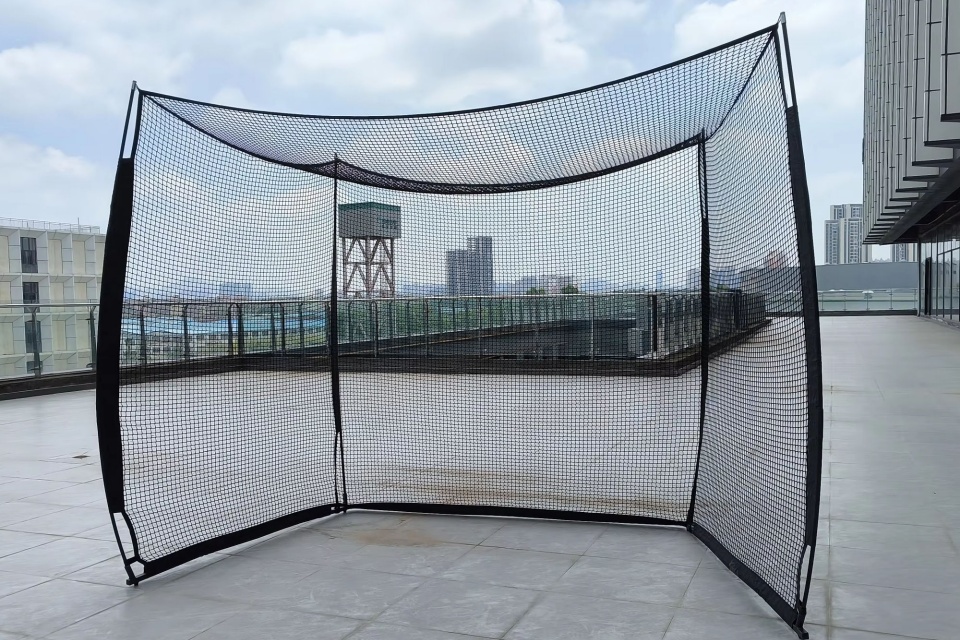
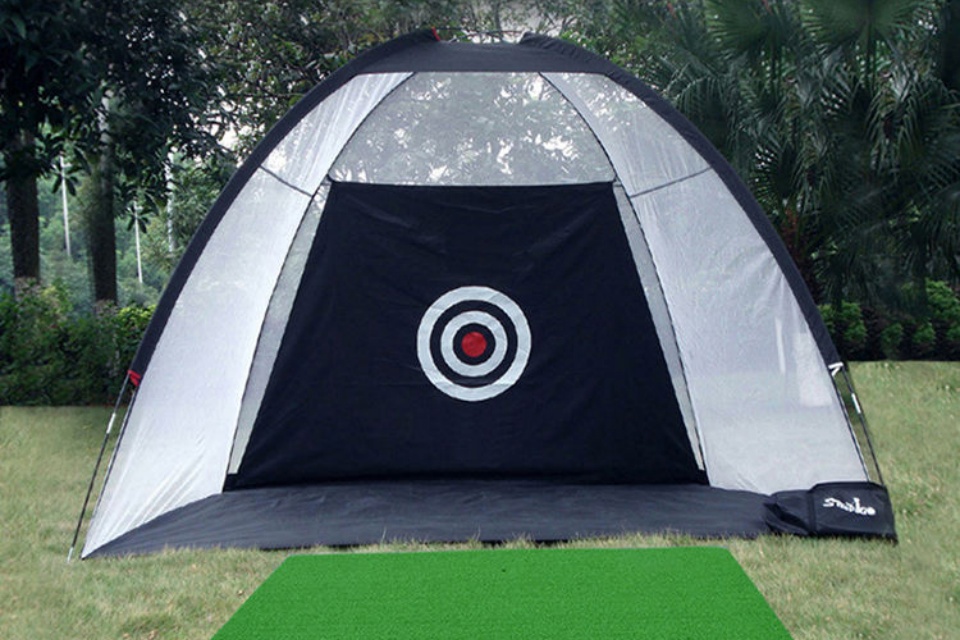
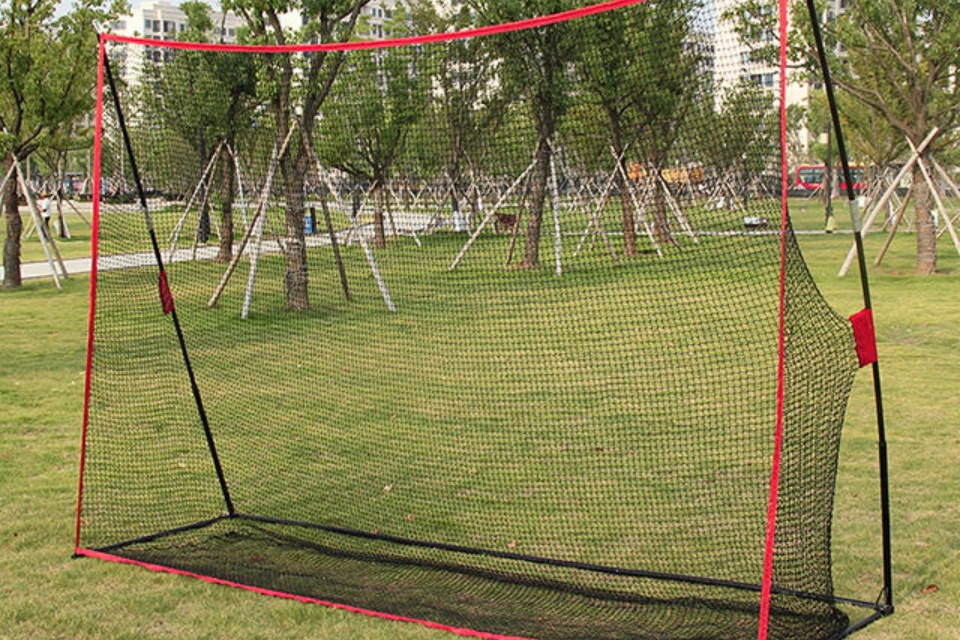
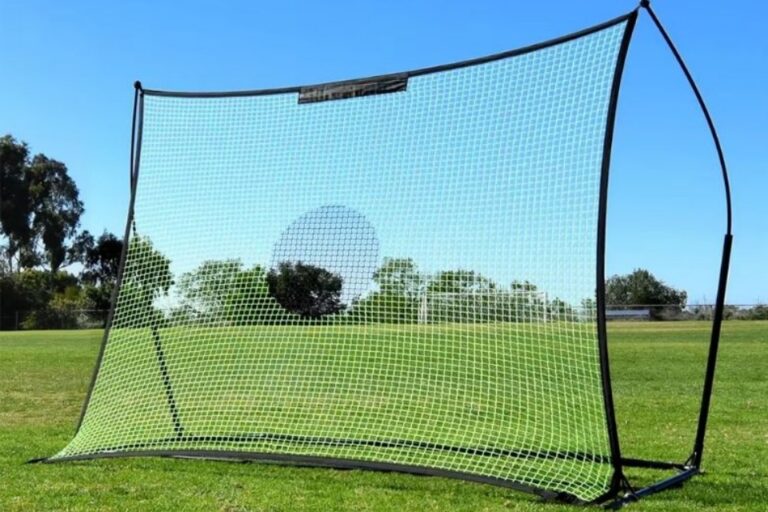
Teilen Sie uns mit, was Sie entwickeln möchten. FSPORTS unterstützt OEM-/ODM-Projekte, Eigenmarken sowie maßgeschneiderte Sportnetzprojekte auf der Grundlage Ihrer bestehenden Produkte, Zeichnungen, Muster, Fotos oder Anwendungsanforderungen.
Teilen Sie uns bitte die Produktart, die Abmessungen, die gewünschte Stückzahl, den Bestimmungsort sowie alle bekannten Anforderungen hinsichtlich Maschenweite, Material, Rahmen, Beschlägen, Logo oder Verpackung mit. Falls Ihre Spezifikation noch nicht vollständig ist, senden Sie uns bitte die Ihnen vorliegenden Informationen zu; wir werden die restlichen Details dann vor der Angebotserstellung prüfen.
So berechnen Sie die Zölle für importierte Sportnetze im Jahr 2026
How To Calculate Tariffs For Imported Sports Netting In 2026Tariffs bite hard.
I’m going to say the impolite part first: if you are trying to calculate tariffs for imported sports netting without naming the customs territory, you are not doing trade compliance, you are doing improv, so I’m using the United States as the reference market because that is where the 2026 tariff stack is especially messy and where the classification errors get expensive fast. What else would be honest? (usitc.gov)
I’ve watched this movie before. The invoice says “sports net,” the broker gets vague dimensions, nobody knows whether the item is a goal net, a batting-cage barrier, a complete sport set, or just made-up synthetic netting, and the landed-cost sheet gets approved anyway. Then CBP or the filer corrects the code, margins disappear, and everybody blames “tariffs” as if the tariff was the surprise rather than the sloppy prep.
The hard truth is simple: to calculate import tariffs, you need four things in the right order. First, the customs value. Second, the right HTS classification. Third, every Chapter 99 add-on that sits on top of the base rate. Fourth, the entry fees that people conveniently forget when they pitch a “cheap” factory quote. Under U.S. law, transaction value is generally the price actually paid or payable for the goods sold for export to the United States, plus specified additions such as packing, selling commissions, assists, certain royalties, and resale proceeds, while international freight and insurance are excluded if separately identified. (law.cornell.edu)
Start with the customs value, not the supplier’s storytelling
Three words first: price paid matters.
If your supplier quote is FOB Ningbo at $48,000 for a container of nylon barrier netting, your starting point is not “whatever the factory manager typed into WhatsApp,” it is the transaction value that fits U.S. valuation law, which means you check whether packing, assists, design work, selling commissions, or royalties belong in the dutiable base and whether international freight has been kept out of it when separately shown. That one distinction changes duty math before you even touch the tariff code. (law.cornell.edu)
I do not let this slide. If the PO, commercial invoice, and factory spec sheet do not line up, I assume the tariff number is wrong until proven otherwise.
Then answer the real question: is it sports equipment or textile netting?
This is the fork in the road.
CBP has long drawn a line between generic or protective netting and sport-specific nets. In HQ 950561, CBP quoted the Explanatory Note that heading 5608 does nicht cover sports nets such as goal nets and tennis nets. But in NY I88478, a soccer goal set from China was classified in 9506.99.2000 as soccer equipment at a free base duty rate. That is not a tiny technicality; that is the difference between “textile netting” and “sports article.” (CROSS)
Now the ugly counterexample. In HQ 963743, an importer tried to treat density polyethylene “tennis nets” as tennis equipment, but CBP found the proof too weak and classified the goods under 5608.19.2090 instead. Translation: the name on the invoice did not save them. The product evidence did not carry the claim. (Customs Mobile)
That is why I tell buyers to stop asking, “What is the HS code for sports netting?” as if there is one magic number. There isn’t. There is a decision tree.
The table is not theory. USITC’s current 2026 HTS still shows 5608.19.20.90 unter 5% general duty, while Chapter 95 sports lines continue to separate out sport-specific articles; CBP rulings show exactly how that split works in practice. (Harmonized Tariff Schedule)
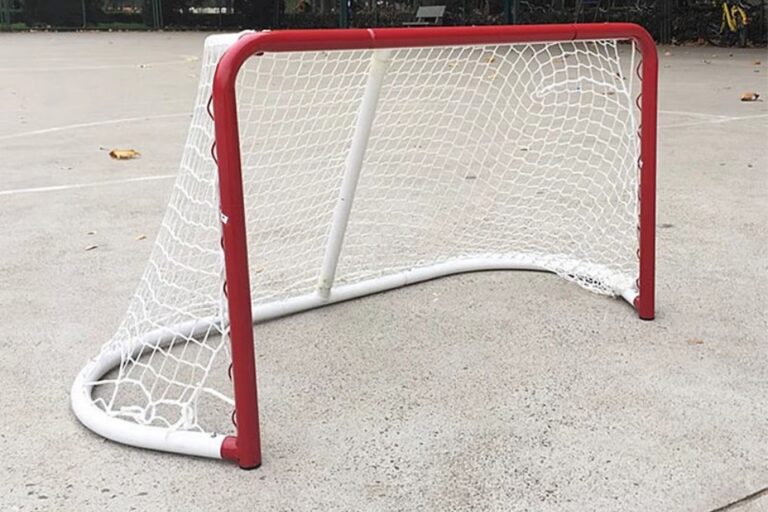
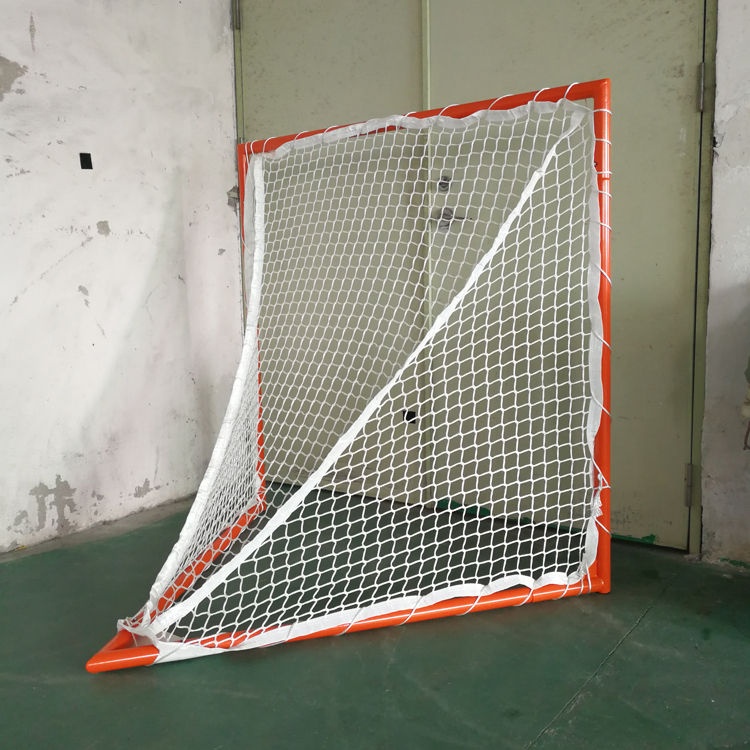
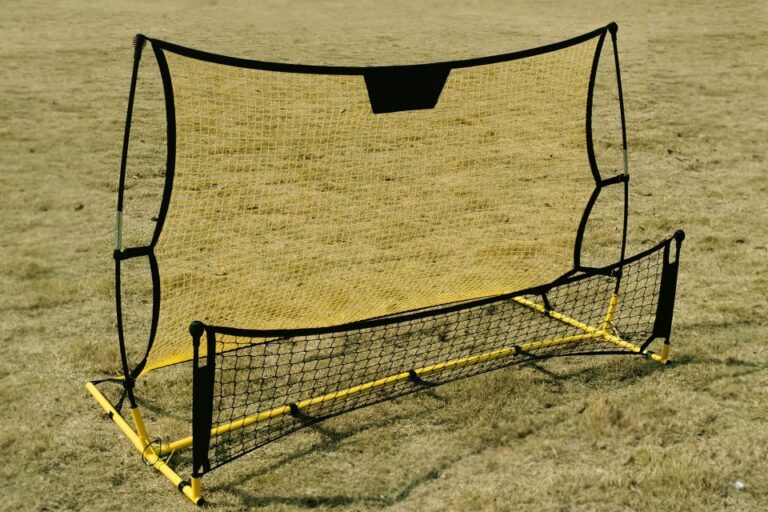
If you want a quick catalog reality check, compare true sport-specific products like Fußballtore und Volleyballnetze with broader utility products in the full Produktkatalog. The customs question is not “is there netting involved?” It is “what exactly is imported as entered?”
The 2026 tariff stack is where importers get lazy and overpay
One sentence. Base duty is not the whole bill.
As of March 30, 2026, the U.S. tariff environment still includes the 2026 HTS structure, active Section 301 China duties, a February 20, 2026 executive order ending certain IEEPA tariff actions while explicitly leaving other duties intact, and a continued suspension of duty-free de minimis treatment for all countries. On top of that, the White House announced a temporary Section 122 import surcharge, and HTS heading 9903.01.25 reflects an added 10% duty for many countries outside the listed exceptions. (usitc.gov)
So when somebody tells you the imported sports netting duty is “just 5%,” I assume they have not looked at Chapter 99. That is amateur-hour pricing.
For Chinese-origin sports-equipment lines, the picture changes again. The current USITC China tariff tables still map several Chapter 95 sports headings, including 9506.99.20, to 9903.88.15, and the change record shows 9903.88.15 unter 7.5%, which means many Chinese-origin sports net or goal-set imports can carry a 7.5% Section 301 layer even when the base duty looks light or free. That is why origin is not a footnote; origin is half the story. (Harmonized Tariff Schedule)
And low-value workarounds? Those are weaker now. The White House continued the suspension of duty-free de minimis treatment for all countries on February 20, 2026, and Reuters had already reported in September 2024 that the annual volume of de minimis packages had exploded to more than one billion, which is exactly why customs enforcement moved from sleepy to aggressive. (The White House)
Here is the math importers should actually run
Let’s use a clean example.
Assume you are importing Vietnam-origin protective golf barrier netting with a customs value of $48,000, entered as 5608.19.20.90. Base duty at 5% is $2,400. If the temporary 10% surcharge under 9903.01.25 applies to that origin and product, that adds $4,800. The U.S. MPF for a formal entry is 0.3464%, so that is $166.27 on this value, subject to the FY2026 minimum and maximum; if it arrives by ocean, HMF adds 0.125%, oder $60.00. Total estimated border charges: $7,426.27, before brokerage, inland freight, storage, exams, or any post-entry correction costs. (Harmonized Tariff Schedule)
Now compare that with a China-origin soccer goal set properly classified under 9506.99.20.00. The base duty can be free, but the China tariff table still points that sports heading to 9903.88.15, which is the 7.5% Section 301 bucket. On the same $48,000 customs value, that means $3,600 in Section 301 duty, plus $166.27 MPF, plus $60.00 HMF if ocean freight is involved. Total estimated border charges: $3,826.27. Lower than the Vietnam barrier-net example, yes. Zero-duty? Absolutely not. (Customs Mobile)
That is the insider lesson. The country with the cheaper ex-factory quote does not automatically produce the cheaper landed cost. The classification lane decides the argument.
Why skeptical buyers should care about 2024 evidence, not just tariff theory
Data matters.
CBP’s FY2024 trade fact sheet says the agency processed more than 32.5 million imported cargo containers and collected more than $88 billion in duties, taxes, and fees, which should end the fantasy that customs is some sleepy back-office ritual nobody audits. Meanwhile, USTR’s September 2024 final Section 301 action said the agency adopted most of its proposed tariff modifications after reviewing more than 1,100 public comments, and Reuters reported in May 2024 that exclusions for 352 Chinese import categories und 77 pandemic-related categories were being extended on a limited basis rather than broadly unwound. That is not a loosening cycle. That is managed pressure. (cbp.gov)
So yes, I have a strong opinion here: importers who still price sports equipment import duties off a stale spreadsheet from 2022 are volunteering to lose.
If you are evaluating suppliers, I would also look past photos and ask for construction detail, material spec, mesh size, twine composition, border rope details, packaging configuration, and whether the shipment is a net-only import or a complete sport system. Then I would verify the supplier with something tangible, like a Werksbesichtigung, before I trusted their classification language.
FAQs
What is the HS code for sports netting?
The HS code for sports netting is not one universal number; in U.S. practice it usually falls either under HTS heading 5608 for made-up textile netting or under heading 9506 for sports equipment, depending on whether the imported item is generic barrier netting or a sport-specific article. After that, the correct 10-digit subheading depends on the exact product form, use, and evidence you can support at entry. CBP rulings are full of this split, including the contrast between sport-specific soccer equipment and generic/protective netting. (Customs Mobile)
How do I calculate customs duty on sports netting?
Customs duty on sports netting is the customs value multiplied by the base HTS rate, plus any Chapter 99 surtaxes such as Section 301 or temporary import surcharges, plus import fees like MPF and, for ocean shipments, HMF. In plain English, start with transaction value, confirm the HTS code, then layer on origin-based tariff actions and fees before you call the number final. In 2026, missing Chapter 99 is the mistake I see most often. (law.cornell.edu)
Does de minimis still avoid duty in 2026?
In the United States, duty-free de minimis treatment is no longer the reliable bypass importers relied on, because the White House continued the suspension for all countries on February 20, 2026, and low-value shipments can still face the temporary import duty structure. So no, you should not build a 2026 sports netting model around the idea that small parcels will slide through duty-free. That era is not a planning assumption anymore. (The White House)
Can a supplier invoice decide the tariff code?
A supplier invoice description is not a legal tariff classification because CBP classifies the merchandise as entered, based on objective construction, function, and evidence, which is why vague labels like “sports net” often trigger reclassification and duty surprises. That is exactly what the rulings show: a soccer goal set can land as sport equipment, while poorly supported “tennis net” claims can be pushed back into textile netting. The paperwork matters, but the product facts matter more. (Customs Mobile)
The clean way to do this is boring, and that is why it works: identify the product correctly, map the HTS code before booking freight, test origin exposure, and then price landed cost with current fees instead of wishful thinking. If you want to compare actual sourcing options, review the broader Produktsortiment und Dienstleistungen, then use the Kontaktseite to get the exact construction details your broker will need before the goods leave the factory.