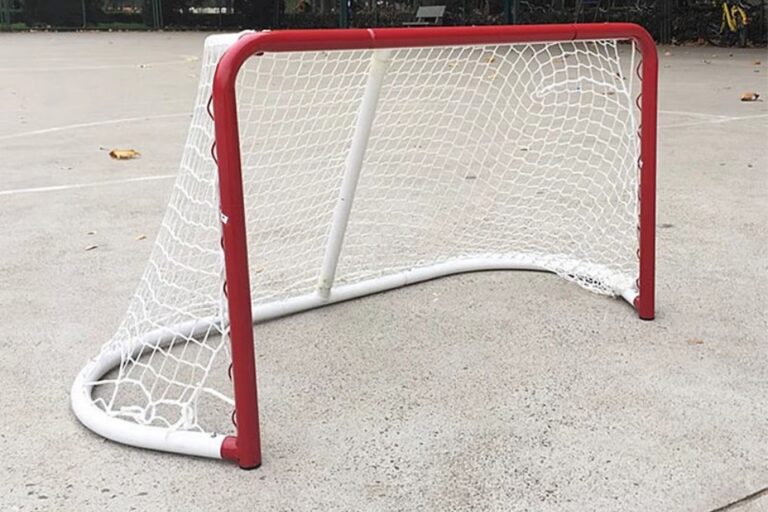
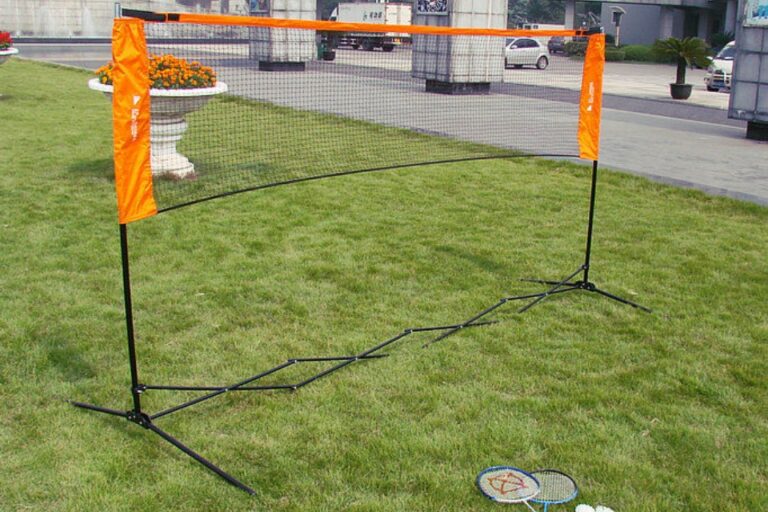
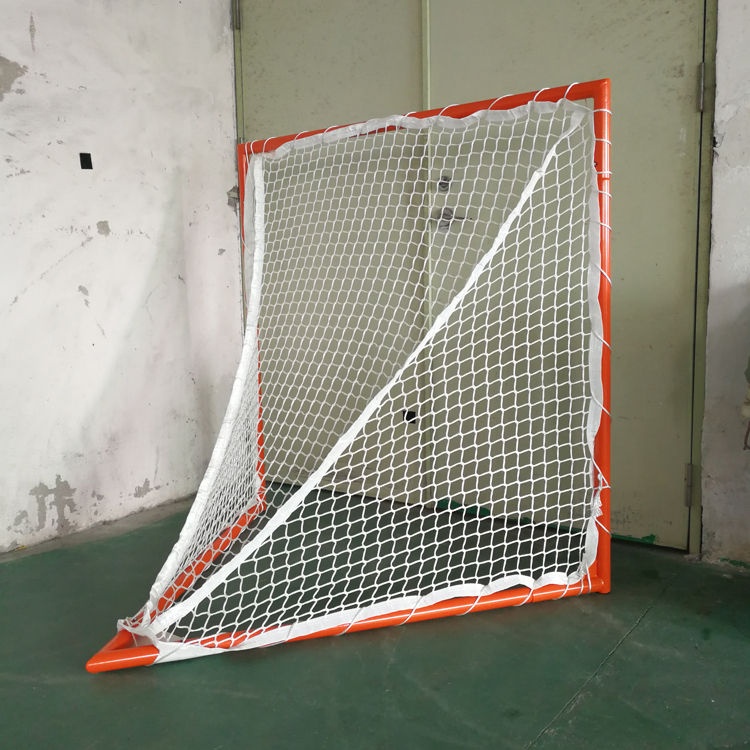
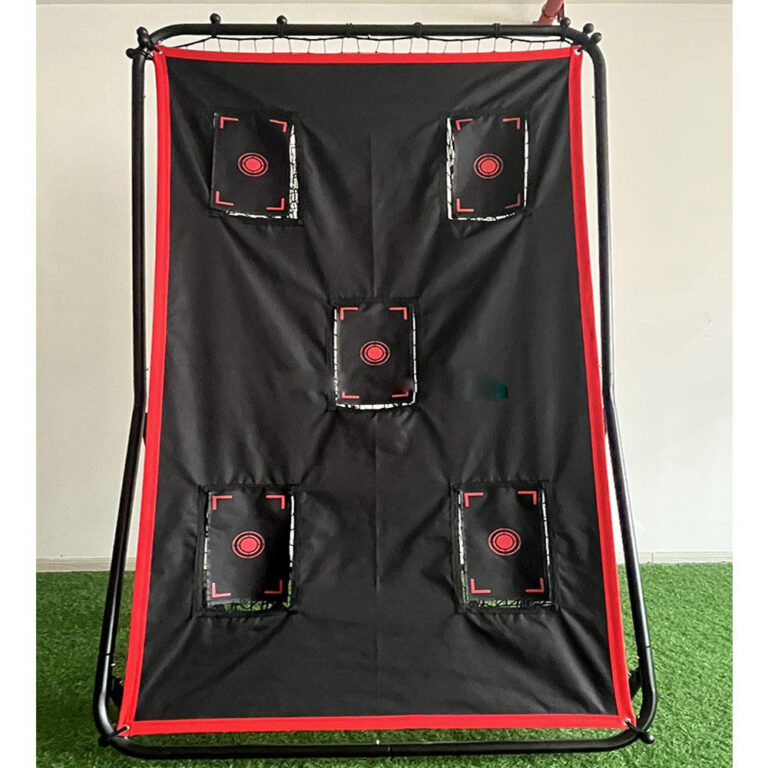
Teilen Sie uns mit, was Sie entwickeln möchten. FSPORTS unterstützt OEM-/ODM-Projekte, Eigenmarken sowie maßgeschneiderte Sportnetzprojekte auf der Grundlage Ihrer bestehenden Produkte, Zeichnungen, Muster, Fotos oder Anwendungsanforderungen.
Teilen Sie uns bitte die Produktart, die Abmessungen, die gewünschte Stückzahl, den Bestimmungsort sowie alle bekannten Anforderungen hinsichtlich Maschenweite, Material, Rahmen, Beschlägen, Logo oder Verpackung mit. Falls Ihre Spezifikation noch nicht vollständig ist, senden Sie uns bitte die Ihnen vorliegenden Informationen zu; wir werden die restlichen Details dann vor der Angebotserstellung prüfen.
Grundlagen der Produkthaftung für Sportgeräte und Netze
Das sagt immer jemand nach dem Unfall.
“Es sah gut aus.”
Dieser Satz ist mit mehr Beschwerden über mangelhafte Sportausrüstung verbunden als fast jede noch so glänzende Broschüre, die je geschrieben wurde. In der Ecke eines Trainingsraums steht ein Golfkäfig. Ein Lacrosse-Tor wird zum hundertsten Mal über den Rasen geschleift. Ein Rebounder-Netz verliert an Spannung, nur ein wenig, nicht genug, um einen durchschnittlichen Trainer in Panik zu versetzen. Dann prallt ein Ball falsch ab, ein Rahmen verschiebt sich, ein Kind wird getroffen, und plötzlich verhält sich die gesamte Lieferkette wie Fremde an einer Bushaltestelle.
Produkthaftung ist kein abstraktes Thema. Nicht hier.
Es ist die unangenehme kleine Frage, die hinter jedem Sportnetz, jedem Tor, jedem Käfig, jedem Backstop, jedem Rahmen, jedem Bungee-Seil, jeder Schweißnaht, jedem Knoten, jeder Klammer, jeder Hülse und jedem Warnhinweis steckt: Wenn die Ausrüstung versagt, wer bekommt dann die Schuld?
Meistens sind es mehr Leute als erwartet.
Der Hersteller. Der Importeur. Der Händler. Die Schule. Der Eigentümer der Anlage. Der Installateur. Der Trainer, der das Produkt weiterhin genutzt hat. Der Käufer, der “High-Performance” bestellt hat, ohne zu fragen, was das eigentlich bedeutet. Niemand mag diese Liste, aber sie entspricht der Realität.
Und genau hier, da bin ich ganz ehrlich, wird diese Branche meiner Meinung nach nachlässig: Die Leute kaufen Sportnetze immer noch so, als würden sie Vorhänge kaufen. Falsche Denkweise. Netze sind Schutzvorrichtungen. Sie sind Aufprallschutz. Sie dienen der Haftungsabsicherung. Wenn ein Produkt einen Baseball, einen Golfball, einen Lacrosse-Schuss, einen Puck oder einen unglücklichen Abpraller auffangen soll, dann ist es nicht einfach nur “Ausrüstung”. Es ist eine Sicherheitsmaßnahme, die ihren Preis hat.
Das NEISS-System der US-amerikanischen Verbraucherschutzbehörde (Consumer Product Safety Commission) erfasst Verletzungen durch Konsumgüter, die in Notaufnahmen behandelt werden, und der Datensatz für das Jahr 2023 stammt aus 96 Krankenhäusern, darunter auch Kinderkrankenhäuser. Das bedeutet, dass diese Zahlen keine theoretischen Zahlen aus einer Tabellenkalkulation sind. Es handelt sich um die Rohdaten zu den Verletzungen. Siehe den CPSC 2023: Wichtigste Erkenntnisse aus den NEISS-Daten.
Auch Sportverletzungen sind kein unbedeutender rechtlicher Randbereich. Die für 2024 erstellte Verletzungstabelle, die auf einer Analyse der NEISS-Daten der CPSC durch den National Safety Council basiert, zeigt für Basketball geschätzte 385.777 Notfallaufnahmen, für American Football 318.243, für Fußball 265.761, Baseball und Softball mit 154.757, Golf mit 72.026, Volleyball mit 65.440 und Eishockey mit 46.955. Die Statistiken des Insurance Information Institute zu Sportverletzungen erläutert es ganz nüchtern.
Große Zahlen. Große Reichweite.
Wenn also jemand fragt, ob Produkthaftung Was die Haftung für Sportausrüstung angeht, lautet meine Antwort ganz klar: Ja, insbesondere wenn die Ausrüstung mit vagen Versprechungen, unzureichenden Anleitungen, fehlenden Einsatzbeschränkungen oder Werbesprüchen verkauft wird, die eher prahlen als warnen.
Wo die rechtlichen Probleme meist ihren Anfang nehmen
Aber tun wir nicht so, als ob jede Verletzung auf ein fehlerhaftes Produkt hindeuten würde.
Sport ist körperbetont. Bälle fliegen durch die Luft. Spieler stoßen zusammen. Kinder machen dumme Kindersachen. Erwachsene machen dumme Erwachsenensachen – mit mehr Selbstvertrauen und schlechteren Knien. Ein Gericht muss in der Regel klären, ob die Verletzung auf das normale Risiko der Sportart zurückzuführen ist oder auf mangelhafte Sportausrüstung, die das Risiko unnötig erhöht hat.
Dieser Unterschied ist entscheidend.
Ein Pitcher weiß, dass ein Ball in Richtung Werferhügel zurückkommen kann. Aber was passiert, wenn ein Schläger das Geschwindigkeitsprofil verändert und die Warnung nicht mehr rechtzeitig erfolgt? In Patch gegen Hillerich & Bradsby, bestätigte der Oberste Gerichtshof von Montana ein Urteil wegen unterlassener Warnung in Höhe von $850.000 im Zusammenhang mit einem Aluminiumschläger vom Typ „Louisville Slugger CB-13“, nachdem Brandon Patch beim Werfen tödlich getroffen worden war; in der Urteilsbegründung werden Konstruktionsfehler, unterlassene Warnung und ein Reaktionszeitfenster von lediglich 0,376 Sekunden erörtert. Lesen Sie das Urteil im Fall „Patch“ auf Justia.
Dieser Fall hat immer noch Gewicht.
Nicht, weil jeder Schläger fehlerhaft ist. Darum geht es nicht. Der Punkt ist: Wenn Ausrüstung still und leise die Risikoeinschätzung verändert, kann sich der Hersteller nicht immer hinter der Aussage “Na ja, Sport ist nun mal gefährlich” verstecken. Wenn das Produkt ein Risiko birgt, das die Nutzer allein nicht angemessen einschätzen können, sind Warnhinweise wichtig. Tests sind wichtig. Dokumentation ist wichtig. Die Angaben auf dem Etikett sind wichtiger, als das Marketingteam zugeben möchte.
Wechseln Sie nun von den Schlägern zum Netz.
Ein Netz wirkt auf den ersten Blick passiv. Es hängt einfach nur da, oder? Bis es das nicht mehr tut. Bis es zu kurz ist, falsch angebracht, schlecht gespannt, durch UV-Strahlung beschädigt, nicht für die jeweilige Sportart geeignet ist oder für einen bestimmten Zweck verkauft und heimlich für einen anderen verwendet wird. Dann wird die Haftung für Sportnetze zu einer heiklen Angelegenheit.
Unter Summer J. gegen den US-Baseballverband, wurde ein 12-jähriger Zuschauer durch einen Foulball schwer verletzt, und das kalifornische Berufungsgericht gab Klagen wegen Fahrlässigkeit und Grundstückshaftung statt, einschließlich der Erörterung von Schutznetzen in als gefährlich eingestuften Bereichen und der Frage, ob zusätzliche Netze die Sicherheit erhöhen könnten, ohne den Sport zu verändern. Lesen Sie den Artikel von Summer J. auf Justia.
Sicherlich kein reiner Fall von Produktmängeln. Aber jeder, der Sportnetze verkauft oder kauft, sollte diesen Artikel dennoch bei einer Tasse Kaffee und mit einem leichten Unbehagen lesen.
Denn die Gerichte kennen sich mittlerweile mit Schutznetzen aus. Sie kennen die Sichtlinien, die Foulzonen, die Gefährdung der Zuschauer, die Ballgeschwindigkeit und die Argumente à la “Warum gab es nicht mehr Schutz?”. Ein Käufer, der Schutznetze nur als Dekoration betrachtet, hinkt bereits hinterher.
Defekte Sportausrüstung sieht auf den ersten Blick meist langweilig aus
Hier ist die bittere Wahrheit: Ein Misserfolg beginnt selten wie in einer Filmszene – aus heiterem Himmel.
Es fängt mit einem ausgefransten Netz an. Eine verbogene Ecke. Ein fehlender Pfahl. Ein Rahmenrohr, das nicht mehr bündig sitzt. Blasenbildung in der Pulverbeschichtung um eine Schweißnaht herum. Ein Netzelement, das zwei Sommer und einen nassen Winter im Freien verbracht hat. Die Tragetasche ist zerrissen, sodass Teile verloren gehen. Jemand ersetzt ein Bungee-Seil durch das Erste, was im Wartungsschrank zu finden war.
So entstehen fehlerhafte Sportgeräte.
Meiner Erfahrung nach, die ich beim Lesen von Produktspezifikationen und Einkaufsseiten von Einrichtungen gesammelt habe, ist das größte Warnsignal nicht immer das Produkt selbst. Es ist das Schweigen rund um das Produkt. Keine Angaben zur Belastung. Keine Angaben zum vorgesehenen Kugeltyp. Keine Angaben zum empfohlenen Inspektionszyklus. Keine klare Unterscheidung zwischen Nutzung im privaten Garten, in der Schule, im Verein und im gewerblichen Bereich. Nur “langlebig”, “hochwertig”, “robust” und vielleicht ein Lifestyle-Foto mit perfekter Beleuchtung.
Hilfreich? Kaum.
Ein Käufer, der einen professionelles Golfschlägernetz für den Innen- und Außenbereich Man sollte sich Gedanken über die Ballgeschwindigkeit des Spielers, die Geometrie des Gehäuses, die Ermüdung der Aufprallfläche, die Eindämmung von Shanks, die Steifigkeit des Rahmens sowie darüber machen, ob der Einsatz in der Halle wiederholtes Training im Simulatorraum oder gelegentliche Schwünge am Wochenende bedeutet. Das ist kein Überdenken. Das ist Beschaffung mit Herz.
Das Gleiche gilt für ein strapazierfähiges Golf-Absperrnetz aus Nylon mit Haken und Bungee-Seilen. Haken und Spanngurte sind Kleinteile – bis eines davon versagt. Dann werden sie zu genau den Teilen, die fotografiert, verpackt und von Leuten besprochen werden, die nach Stunden abrechnen.
Und ein Tragbares Baseball-Übungsnetz mit Zielscheibe und Tragetasche? Die Transportfähigkeit ist zwar praktisch, ja. Sie bedeutet aber auch wiederholten Aufbau, unsichere Verankerung, fehlende Teile, erschöpfte Trainer, überstürzte Trainingseinheiten und Kinder, die den Ball garantiert aus Winkeln schlagen, die in den Produktabbildungen nicht berücksichtigt wurden.
Die Haftungskette ist länger, als Käufer denken
Wer haftet für fehlerhafte Sportausrüstung?
Schlechte Frage. Zu harmlos.
Die bessere Frage lautet: Wer war an der Transportkette des Produkts von der Fabrikhalle bis zum Unfallort beteiligt?
Gegen den Hersteller können Ansprüche hinsichtlich Konstruktion, Materialauswahl, Nähte, Schweißnähte, Warnhinweise oder Qualitätskontrolle geltend gemacht werden. Der Vertreiber kann mit hineingezogen werden, da er dazu beigetragen hat, das Produkt in den Handel zu bringen. Der Einzelhändler kann genannt werden, da die Anwälte der Kläger in der Regel nicht mit einer engen Liste beginnen. Dem Monteur kann die Schuld gegeben werden, wenn Spannung, Höhe, Verankerung oder Abstände nicht den Anweisungen entsprachen. Der Eigentümer der Anlage kann aufgrund der Verkehrssicherungspflicht haftbar gemacht werden, wenn beschädigte Geräte weiterhin im Einsatz waren. Trainer und Vereine können in Diskussionen über fahrlässige Aufsicht hineingezogen werden.
Es wird schnell voll.
Der Bericht von Bloomberg Law über den Fall eines Pirates-Fans zeigt, wie sich Streitigkeiten um Schutznetze auf mehrere Parteien erstrecken können: Die Pittsburgh Pirates und die Sports & Exhibition Authority einigten sich außergerichtlich, während eine Jury den Hersteller der Schutznetze für nicht haftbar befand und der Oberste Gerichtshof von Pennsylvania ein Urteil der Vorinstanz bestätigte. Lesen Sie den Bericht von Bloomberg Law zum Fall des MLB-Netzherstellers.
Hersteller sollten sich über ein solches Ergebnis nicht allzu laut freuen. Einen Rechtsstreit zu überstehen ist nicht dasselbe wie die Kosten, den mühsamen Beweisprozess, die Gutachten, den Imageschaden oder den Magendruck zu vermeiden.
Prüfprotokolle. Produktspezifikationen. Installationsanleitungen. Warnhinweise. Rückverfolgbarkeit von Materialien. Chargenkonsistenz. Prüfvorschriften. Anleitungen zum Austausch. Das sind keine „nette-zu-haben“-Dateien, die irgendwo in einem gemeinsamen Laufwerk vergraben sind. Das sind die Dinge, die darüber entscheiden können, ob ein Unternehmen verantwortungsbewusst oder leichtsinnig wirkt.
Risikobereiche im Bereich der Produkthaftung bei Sportnetzen und -ausrüstung
Risikobereich
Was normalerweise schiefgeht
Wahrscheinliche Rechtstheorie
Kontrolle auf Käuferseite
Auslegungsfestigkeit
Verformte Rahmen, Risse im Netz, kippende Tore, fehlerhafte Winkel der Rebounder
Konstruktionsfehler, Fahrlässigkeit
Die Ausrüstung sollte auf die Altersgruppe, die Sportgeschwindigkeit, die Aufprallkraft und die Umgebung abgestimmt sein
Vor dem Gebrauch überprüfen und beschädigte Geräte aussortieren
Missbrauch
Erwachsene, die Jugendausrüstung verwenden; Golfbälle, die in ein Schutznetz geschlagen werden
Verteidigungsausgabe, Warnausgabe
Kaufen Sie sportspezifische Systeme und legen Sie Nutzungsregeln fest
“Vielseitig einsetzbar” kann ein schönes Wort für “unklar” sein”
Ich habe nichts gegen Mehrzweckausrüstung.
Tatsächlich kann gute, vielseitig einsetzbare Ausrüstung eine kluge Wahl sein. Schulen brauchen Flexibilität. Parkverwaltungen brauchen effiziente Lagerlösungen. Trainingszentren benötigen Ausrüstung, die ohne Gabelstapler und drei Helfer von einer Übung zur nächsten transportiert werden kann.
Aber – und das ist der Teil, den die Leute oft übersehen – “vielseitig einsetzbar” muss dennoch etwas Bestimmtes bedeuten.
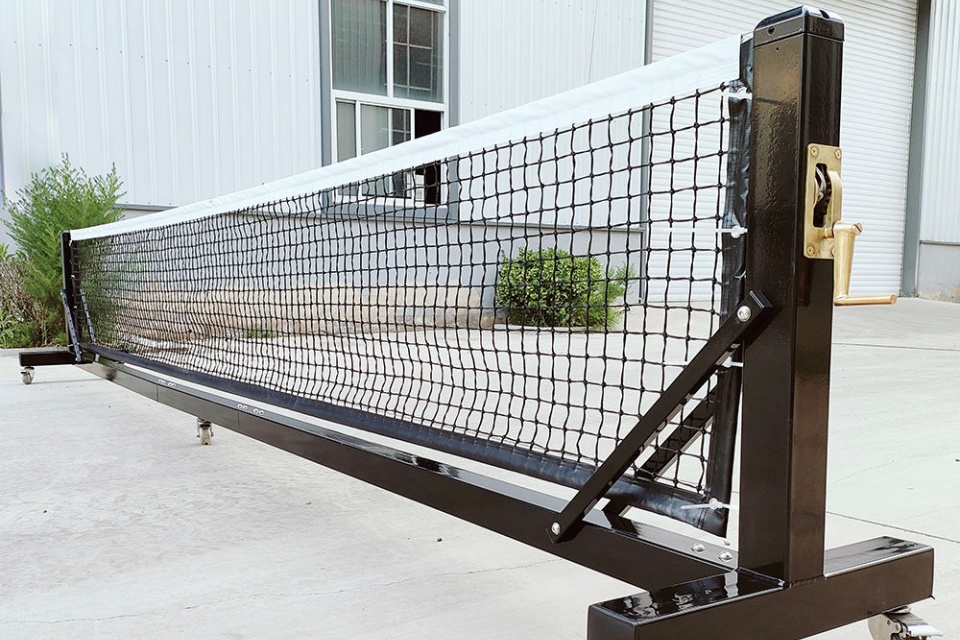
A Multisportnetz sollte dem Käufer mitteilen, für welche Sportarten, Körpergrößen, Ballarten, Nutzergruppen, Belastungsstufen und Einsatzumgebungen das Produkt vorgesehen ist. Volleyball, Badminton, Pickleball, Tennis, Touch-Übungen im Fußball, Training mit leichtem Rückprall – alles unterschiedliche Belastungen, alles unterschiedliche Beanspruchungsmuster. Ein einziges Etikett kann nicht auf magische Weise alles abdecken.
Kann ein Produkt vielseitig einsetzbar sein? Klar.
Kann es rechtlich unklar und trotzdem sicher sein? Genau da werde ich skeptisch.
Ein Netzsystem, das an einem Tag für Pickleball und am nächsten für Baseball genutzt wird, mag aus einer Entfernung von zwanzig Fuß noch in Ordnung aussehen. Wenn das Netz, der Rahmen und die Verankerung jedoch nie für die Belastungen beim Baseball ausgelegt waren, hat der Käufer eine selbstgebaute Gefahrenquelle geschaffen. Und nach einer Verletzung will niemand hören: “Wir dachten, es würde wahrscheinlich funktionieren.”
Das ist wahrscheinlich keine Spezifikation.
Das Netz ist sowohl Trainings- als auch Sicherheitsausrüstung
Das ist der Teil, den Außenstehende übersehen.
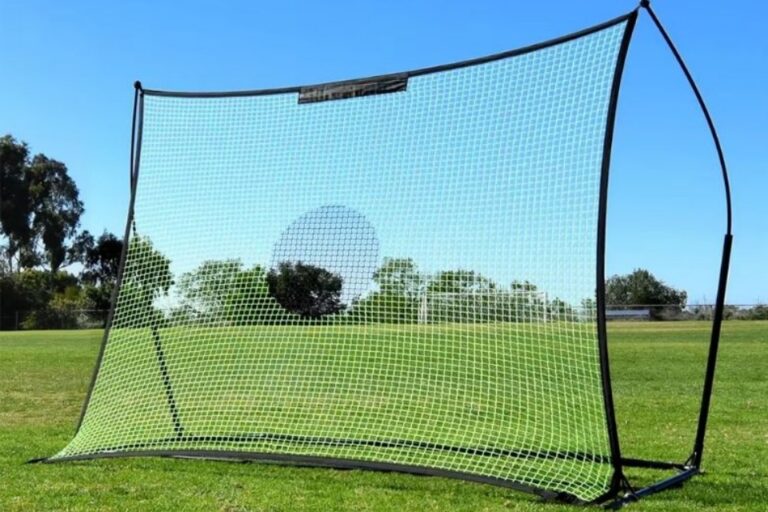
Bei Netzen gibt es widersprüchliche Anforderungen. Ein Rebounder soll den Ball zurückschleudern. Ein Schutznetz soll Stöße abfedern und auffangen. Ein Golf-Schlagkäfig muss konzentrierten Schlagzonen standhalten. Ein Fußballtornetz muss sauber in den Rahmen passen, ohne dass man darüber stolpert oder sich darin verfängt. Ein Lacrosse-Tor muss härteren Schüssen, schnellen Wiederholungen und Witterungseinflüssen standhalten. Ein Eishockeytor ist Puckaufprall, der Masse des Rahmens und Befestigungsbelastungen ausgesetzt.
Die Sachverständigen der Kläger nehmen diese Unterschiede wahr. Das tun auch die Versicherer.
Sie werden fragen, ob das Produkt dem tatsächlichen Anwendungsfall entsprach. Sie werden fragen, ob das Produkt gewerblich oder in der Freizeit genutzt wurde. Sie werden fragen, ob Kinder daran beteiligt waren. Sie werden nach UV-Belastung, Kühllagerung, Feuchtigkeit, wiederholtem Zusammenbau, Ersatzteilen fragen und ob die Warnhinweise tatsächlich für einen Menschen lesbar waren, der nicht gerade in einer juristischen Bibliothek steht.
Kleine Details. Große Schecks.
Die Webseite kann als Beweismittel dienen
Viele Unternehmen verfassen ihre Produktseiten immer noch so, als würde niemand sie jemals im Rahmen eines Rechtsstreits vorlegen.
Eine mutige Entscheidung.
Wenn ein Verkäufer Begriffe wie “professionell”, “gewerbegeeignet”, “allwettertauglich” oder “hochbelastbar” verwendet, können diese Angaben mit der tatsächlichen Produktkonstruktion abgeglichen werden. Was bedeutet “allwettertauglich”? Regen? UV-Strahlung? Salznebel? Frost-Tau-Wechsel? Zwölfmonatige Lagerung im Freien? Gewerblicher Einsatz im Außeneinsatz? Nutzung am Wochenende im eigenen Garten? Sagen Sie es klar und deutlich – oder lassen Sie es ganz bleiben.
Eine glaubwürdige Werksbesichtigung kann Käufern helfen, die Produktionskapazitäten besser einzuschätzen, allerdings nur, wenn es konkrete Aussagen untermauert und nicht lediglich saubere Böden und Maschinen zeigt. Ein gutes Dienstleistungen rund um Sportnetze Die Seite sollte noch mehr leisten: Sie sollte den Kunden dabei helfen, Netztyp, Rahmensystem, Sportart, Aufstellungsort und Nutzungsintensität aufeinander abzustimmen.
Ich würde mir weniger Hype und mehr Einschränkungen wünschen.
Das mag sich schlecht für den Umsatz anhören. Ist es aber nicht. Seriöse Käufer schätzen Einschränkungen, denn diese helfen ihnen, unüberlegte Käufe zu vermeiden. Ein Sportleiter an einer Schule, ein Vereinsbetreiber, ein Beschaffungsmanager oder ein Anlagenbesitzer braucht keine blumigen Beschreibungen. Sie müssen wissen, ob dieses Produkt in eine Sporthalle, auf Kunstrasen, in einen Schlagkäfig, hinter eine Golfmatte, in die Nähe von Zuschauern oder überhaupt nicht in den von ihnen vorgesehenen Einsatzbereich gehört.
Was kluge Käufer vor der Bestellung fragen sollten
Fangen Sie nicht mit dem Preis an. Fangen Sie mit dem Ausfallmodus an.
Was passiert, wenn das Netz 500 Mal pro Woche getroffen wird? Was passiert, wenn sich eine Verbindung löst? Was passiert, wenn das Produkt im Freien liegen gelassen wird? Was passiert, wenn es von einer Jugendmannschaft und einer Erwachsenenmannschaft gemeinsam genutzt wird? Was passiert, wenn die Ausrüstung täglich transportiert wird? Was passiert, wenn ein Bungee-Seil verschwindet und jemand improvisiert?
Das ist das eigentliche Verkaufsgespräch.
Bei Großbestellungen würde ich fragen:
Ist das speziell für diese Sportart konzipiert und nicht nur für eine ähnlich aussehende?
Aus welchem Material besteht das Netz – PE, Nylon, Polyester oder eine andere Mischung?
Wie groß ist die Maschenweite, wie groß ist der Seildurchmesser und für welche Art von Stoßbelastung ist das Seil vorgesehen?
Ist der Rahmen aus Stahl, Glasfaser, Aluminium oder Verbundwerkstoff?
Welche Verankerung ist auf Kunstrasen, Naturrasen, Beton oder Hallenböden erforderlich?
Ist es für den privaten Gebrauch, für Schulen, Vereine oder für gewerbliche Schulungszwecke bestimmt?
Welchen Inspektionsplan empfiehlt der Lieferant?
Was sind die Anzeichen dafür, dass ein Seil ausgedient hat: Ausfransungen, Durchhängen, Rost, Risse, Verblassen, lockere Knoten?
Sind Ersatznetze, Bungee-Seile, Hülsen, Heringe, Klammern und Rahmenteile erhältlich?
Kann der Anbieter erläutern, warum dieses Modell für den Anwendungsfall geeignet ist?
Diese letzte Frage filtert eine Menge Unsinn heraus.
Ein seriöser Anbieter wird Sie zur richtigen Kategorie führen, ganz gleich, ob das bedeutet, Baseballnetz, Golfnetze, Pickleball-Netzsysteme, oder Fußballtore. Ein schwacher Lieferant sagt einfach: “Ja, das wird funktionieren”, denn „Ja“ zu sagen geht schneller als nachzudenken.
Schnelle Antworten können teuer werden.
Der praktische Maßstab: vorhersehbare Nutzung
Das Rechtssystem verlangt keine Zauberei.
Ein Produkt muss nicht jede Verletzung verhindern. Ein Baseballnetz macht Baseball nicht ungefährlich. Ein Eishockeytor verwandelt Pucks nicht in Marshmallows. Ein Lacrosse-Rebounder macht eine schlechte Technik nicht sicher. Sport birgt nach wie vor Risiken.
Aber der vorhersehbare Verwendungszweck? Das ist der Streitpunkt.
Hätte der Hersteller vorhersehen können, dass das Produkt im Freien verwendet wird? Hätte der Verkäufer vorhersehen können, dass Kinder das Produkt benutzen würden? Hätte die Einrichtung vorhersehen können, dass ein tragbares Tor ständig bewegt werden würde? Hätte der Trainer vorhersehen können, dass eine nachlassende Netzspannung das Abprallverhalten verändert? Hätte der Käufer vorhersehen können, dass ein stoßfestes Netz nicht hinter Golfbällen stehen sollte, die mit voller Geschwindigkeit geschlagen werden?
In der Regel ja.
Deshalb beeindrucken mich Haftungsausschlüsse allein nicht. Die wirksamste Absicherung ist langweilig und praktischer Natur: das richtige Produkt, die richtige Installation, die richtigen Warnhinweise, die richtigen Inspektionsabläufe, der richtige Zeitplan für die Außerbetriebnahme und die richtige Dokumentation.
Nicht gerade glamourös. Aber es funktioniert.
Häufig gestellte Fragen
Was versteht man unter Produkthaftung bei Sportartikeln?
Die Produkthaftung bei Sportgeräten bezeichnet die rechtliche Haftung, die einem Hersteller, Verkäufer, Vertreiber, Installateur oder Anlagenbetreiber entstehen kann, wenn unsichere Ausrüstung aufgrund von Konstruktionsfehlern, Herstellungsmängeln, unzureichenden Warnhinweisen, unklaren Anweisungen oder vorhersehbarer Fehlnutzung, die hätte berücksichtigt werden müssen, bevor Spieler oder Zuschauer mit dem Produkt in Berührung kamen, zu Verletzungen führt.
Etwas weniger juristisch ausgedrückt: Wenn das Gerät auf eine Weise versagt, die normale Nutzer vernünftigerweise nicht erkennen oder vermeiden konnten, kann die Produktkette unter die Lupe genommen werden. Ein rissiger Rahmen, ein zerrissenes Netz, ein instabiles Tor, ein mangelhaftes Warnhinweisetikett, fehlende Verankerungsanweisungen oder irreführende Produktangaben können allesamt als Beweismittel herangezogen werden.
Wer haftet für fehlerhafte Sportausrüstung?
Die Haftung für mangelhafte Sportausrüstung kann beim Hersteller, beim Vertreiber, beim Einzelhändler, beim Installateur, beim Eigentümer der Anlage, bei der Sportorganisation, beim Wartungspersonal oder beim betreuenden Trainer liegen, je nachdem, wer das Produkt entworfen, verkauft, installiert, geprüft, genehmigt, vernachlässigt, repariert, verändert oder weiter verwendet hat, nachdem Risiken erkennbar geworden waren.
Niemand möchte auf dieser Liste stehen, doch Schadensersatzklagen wegen Verletzungen sind oft sehr weit gefasst. Die Anwälte der Kläger neigen dazu, mehrere Parteien zu benennen, da jede von ihnen möglicherweise auf unterschiedliche Weise mit dem Produkt in Berührung gekommen ist. Eine Partei hat es hergestellt. Eine andere hat es verkauft. Eine weitere hat es installiert. Und wieder eine andere hat es weiter im Einsatz belassen, obwohl es bereits abgenutzt aussah.
Kann eine Haftung für Sportnetze auch dann gelten, wenn das Netz nicht vollständig gerissen ist?
Eine Haftung für Sportnetze kann auch dann bestehen, wenn das Netz nicht gerissen ist, sofern es zu kurz war, falsch angebracht, zu locker gespannt, unzureichend verankert, schlecht gewartet, nicht ausreichend gekennzeichnet oder für die jeweilige Sportart, die Ballgeschwindigkeit, die Altersgruppe, die Witterungsbedingungen oder den Zuschauer-Risikobereich, in dem es eingesetzt wurde, ungeeignet war.
Ein Netz kann versagen, ohne zu reißen. Es kann eine Lücke hinterlassen. Es kann durchhängen. Es kann einen Ball in einen ungünstigen Bereich ablenken. Es kann in der falschen Höhe angebracht sein. Es kann das falsche Produkt für die jeweilige Aufprallstärke sein. Dass das Netz intakt bleibt, bedeutet nicht automatisch, dass das Sicherheitssystem funktioniert hat.
Was macht Sportbekleidung rechtlich gesehen mangelhaft?
Sportausrüstung kann einen Rechtsmangel aufweisen, wenn ihre Konstruktion eine unangemessene Gefahr darstellt, ihre Herstellung von den vorgesehenen Spezifikationen abweicht oder ihre Warnhinweise und Anleitungen nicht ausreichend auf nicht offensichtliche Risiken, Einsatzgrenzen, Verankerungsanforderungen, Inspektionsroutinen, Wartungsanforderungen oder Gefahren eingehen, die bei normaler sportlicher Nutzung auftreten können.
Deshalb reicht die Einrede “Sport ist gefährlich” nur bis zu einem gewissen Grad aus. Ein Puck ist gefährlich. Ein Tor, das sich zu leicht umkippen lässt, ist etwas anderes. Ein Golfball ist gefährlich. Ein Netz, das für den Einsatz bei Stößen verkauft wird, aber dem normalen Abschlagtraining nicht standhält, kann ein eigenständiges Produktproblem darstellen.
Wie können Einkäufer Schadensfälle im Zusammenhang mit Sportgeräten reduzieren?
Käufer können Schadensfälle durch Sportgeräte reduzieren, indem sie sportspezifische Ausrüstung wählen, die Produkte an Alter und Belastungsgrad anpassen, die Montage dokumentieren, das Personal schulen, Netze und Rahmen vor der Nutzung überprüfen, verschlissene Teile austauschen, Bedienungsanleitungen und Rechnungen aufbewahren sowie improvisierte Mehrzweckanwendungen ohne Bestätigung des Lieferanten vermeiden.
Die beste Risikokontrolle findet vor dem Kauf statt. Kaufen Sie das richtige Produkt, installieren Sie es ordnungsgemäß und führen Sie Aufzeichnungen. Nach einem Unfall klingen datierte Prüfprotokolle, Produktanleitungen, E-Mails von Lieferanten, Fotos der Installation und Aufzeichnungen über den Austausch deutlich überzeugender als die Aussage: “Wir dachten, es wäre wahrscheinlich in Ordnung.”
Schlussfolgerung
Die Produkthaftung ist nicht nur ein Problem für Anwälte.
Es ist ein Problem beim Kauf. Ein Problem mit den technischen Daten. Ein Problem mit den Warnhinweisen. Ein Problem bei der Wartung. Ein Problem der Art: “Wer hat entschieden, dass dieses Netz gut genug ist?”.
Auf dem Markt für Sportnetze gibt es zahlreiche anständige Produkte, doch “anständig” reicht nicht aus, wenn der Einsatzzweck nicht passt. Die eigentliche Frage lautet nicht: „Welches ist das günstigste Netz?“, sondern: Können Sie Ihre Produktwahl auch nach 10.000 Stößen, zwei Saisons im Freien, fehlenden Befestigungselementen, einer überstürzten Montage und einem verärgerten Anwalt, der alle Dokumente fordert, die Sie jemals in die Hand genommen haben, noch verteidigen?
Das ist der Test.
Wenn Sie Sportnetze, Tore, Rebounder oder maßgeschneiderte Trainingsgeräte beschaffen, sollten Sie nicht versuchen, ein einziges Netz für fünf verschiedene Zwecke einzusetzen, nur weil es schnell geliefert wird. Sehen Sie sich die richtige Kategorie an, vergleichen Sie die tatsächlichen Spezifikationen und lassen Sie sich hinsichtlich Sportart, Einsatzort, Alter der Nutzer und Belastungsgrad beraten. Für eine projektspezifische Auswahl wenden Sie sich bitte an den Kontaktseite für Sportnetze und stell die unangenehmen Fragen, bevor eine Verletzung sie für dich stellt.