China vs. Vietnam vs. USA: Woher Sportausrüstung beziehen?
Inhaltsübersicht
Aber lassen Sie mich mit dem Moment beginnen, der in der Regel der Auslöser für diese ganze Debatte ist: Ein Käufer ruft gestresst an und sagt, dass die Netze “gleich aussehen”, sich aber falsch anfühlen - also stelle ich eine Frage (“Was hat sich zwischen dem Muster und der Großpackung geändert?”), und das Schweigen verrät mir alles, denn sie haben nie die Garnspezifikation abgeschlossen, nie das Maschenmuster festgelegt und nie eine Pass/Fail-Zugnummer definiert. Nicht glamourös. Aber sehr real.
Das ist die hässliche Wahrheit: Beschaffung von Sportgeräten ist kein Länderwettstreit, sondern ein Kontrollwettstreit - Disziplin bei der Stücklistenerstellung, Hygiene bei der HS/HTS-Klassifizierung, Ursprungsregeln, Kartonquetschtests, Nahtkonstruktion, Konsistenz der Beschichtung und der lästige, aber notwendige Papierkram, den man erst zu respektieren lernt, wenn sich eine Sendung verzögert und der Cashflow ins Schwitzen kommt. Das kommt vor. Sehr oft.
Also: China, Vietnam, USA. Welches Land? Das hängt davon ab, was Sie verschicken, wo es landet und wie allergisch Sie auf Überraschungen reagieren.
China gibt nach wie vor das Tempo vor, weil sein Zulieferer-“Stack” dicht ist: Man kann von der Faser → Extrusion/Strickerei → Beschichtung → Nähen → Rahmenherstellung → Verpackung gehen, ohne mit Subunternehmern Roulette zu spielen, und diese Dichte ist wichtig, wenn man eher Produktfamilien als einzelne SKUs baut. Die Dichte gewinnt. Bis sie es nicht mehr tut.
Denn wenn Sie in die USA verkaufen, ist das nicht nur ein Preis für Garn und Stahl. Sie preisen auch die politische Volatilität. Abschnitt 301 wurde überprüft, diskutiert, bestätigt und angepasst - manchmal laut, manchmal leise - und wenn sich die Maschinerie in Bewegung setzt, kann sich das auch auf Ihren Bestellzyklus auswirken. Haben Sie einen Puffer? Oder nicht?
Und was ist mit der Einhaltung der Vorschriften? Die Leute reden darüber, als wäre es eine Moralpredigt. Ich spreche darüber, als wäre es eine Geiselnahme von Inventar. Die Durchsetzung von Zwangsarbeit ist ein operatives Risiko: Festnahmen bedeuten verspätete Einnahmen, verpasste Schaufenster im Einzelhandel, beschleunigte Luftfracht und Brände im Kundenservice, aus denen man sich nicht mehr herauswinden kann. Das ist Papierkram. Mit Zähnen.
Die eigentliche Entscheidung: Anpassung des Landes an den Produkttyp
China: am besten geeignet für Komplexität, Umfang und “viele Teile, die sich verhalten müssen”.”
Ehrlich gesagt glaube ich, dass China immer noch der Standard ist, wenn die SKU zu viele Fehlerpunkte hat, um schlampige Übergaben zu tolerieren - Netze, die eine gleichbleibende Knotenstärke benötigen, Ränder, die sich nicht auflösen dürfen, Beschichtungen, die nicht kreiden sollten, und Rahmen, die gerade, quadratisch und nicht vorgerostet ankommen müssen.
Drei Worte. Das Ökosystem dominiert immer noch.
Wenn Sie eine breite Palette von Produkten verkaufen, wie die FSportsNet Produktkatalog, Der Vorteil ist kein mystischer, sondern ein praktischer. Weniger Übergaben bedeuten weniger “mysteriöse Defekte”, weniger nächtliche WhatsApp-Streitigkeiten darüber, wer an einem Riss schuld ist, und weniger Produktionslücken, wenn ein Zulieferer eine Woche lang verschwindet.
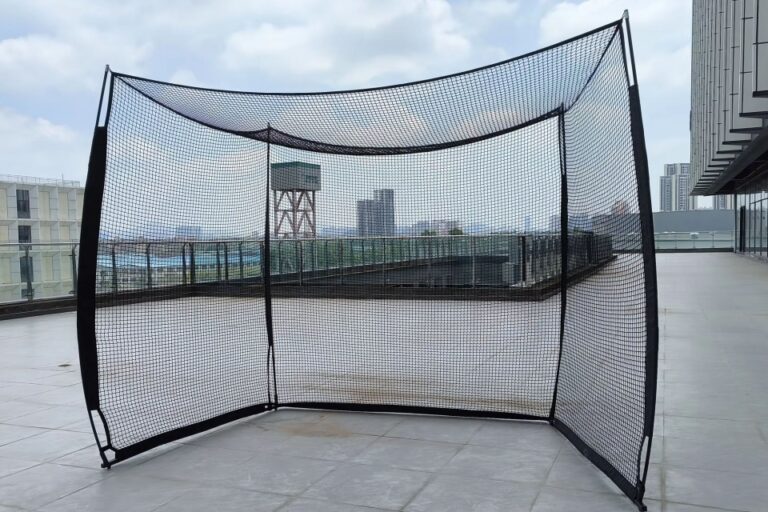
Nehmen Sie eine Profi-GolfschlägernetzDer Margenkiller sind nicht die offensichtlichen Dinge, sondern die unsichtbaren Abweichungen - Änderungen der Garnmenge, Abweichungen bei der Stichspannung, Abkürzungen beim Binden von Kanten, Verdünnung von UV-Zusätzen - kleine “Optimierungen”, die harmlos aussehen, bis die Erträge in die Höhe schießen und Ihre Bewertungen zu einem öffentlichen Prozess werden.
Aber. In China gibt es zwei Verhaltensweisen, die Sie berücksichtigen müssen: Kopiergeschwindigkeit und Spiele zitieren. Der Kostenvoranschlag ist heiß, und nachdem Sie eine Anzahlung geleistet haben, erscheint das “Upgrade” (“besseres Material, geringe Mehrkosten”) - und wenn Sie Ihr Lastenheft nicht wie einen Vertrag verfasst haben (Maschenzahl, Denier, Zugfestigkeit, UV %, Nahtkonstruktion, Stichprobenkontrolle), wird Ihre Großserie zum weniger verantwortungsvollen Cousin des Musters. Fragen Sie mich, woher ich das weiß. Tun Sie es lieber nicht.
Vietnam: am besten für arbeitsintensive Montage und “ausreichende” Wiederholbarkeit - wenn Sie die Eingaben kontrollieren
Vietnam ist jedoch nicht nur “China-lite”. Es hat echte Stärken, und ich habe gesehen, dass Vietnam China in puncto Konsistenz übertrifft, wenn das Produkt sehr montageintensiv ist, die Stückliste sauber ist und der Käufer wichtige Inputs kontrolliert, anstatt die Fabrik improvisieren zu lassen.
Es funktioniert. Normalerweise.
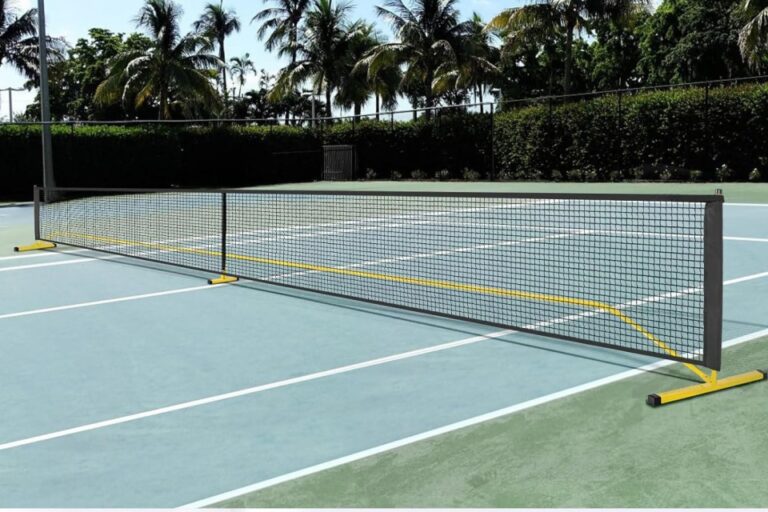
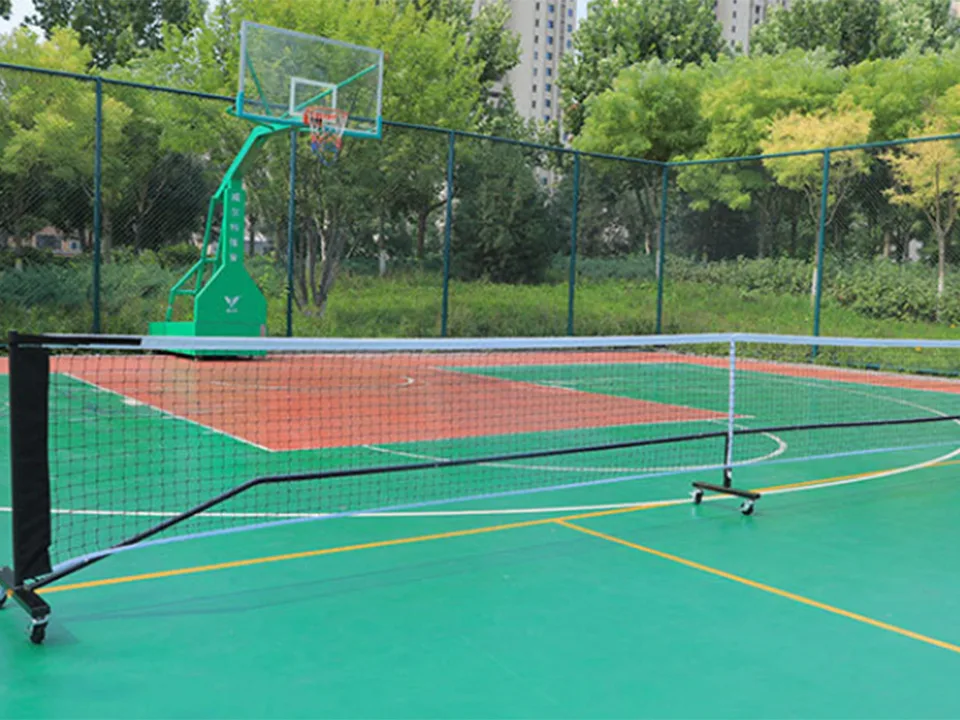
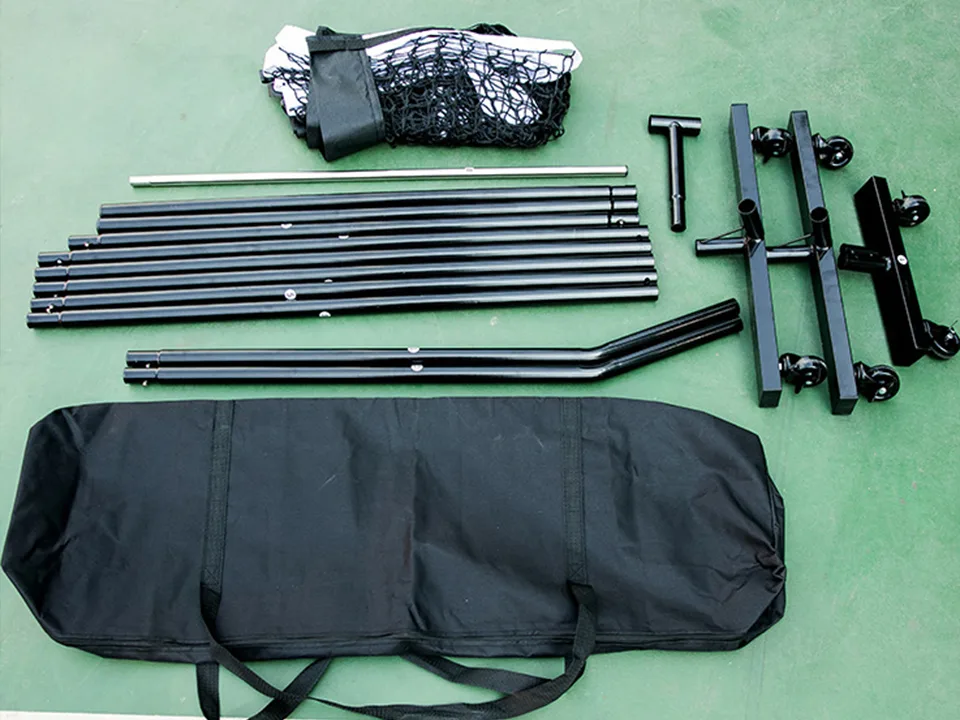
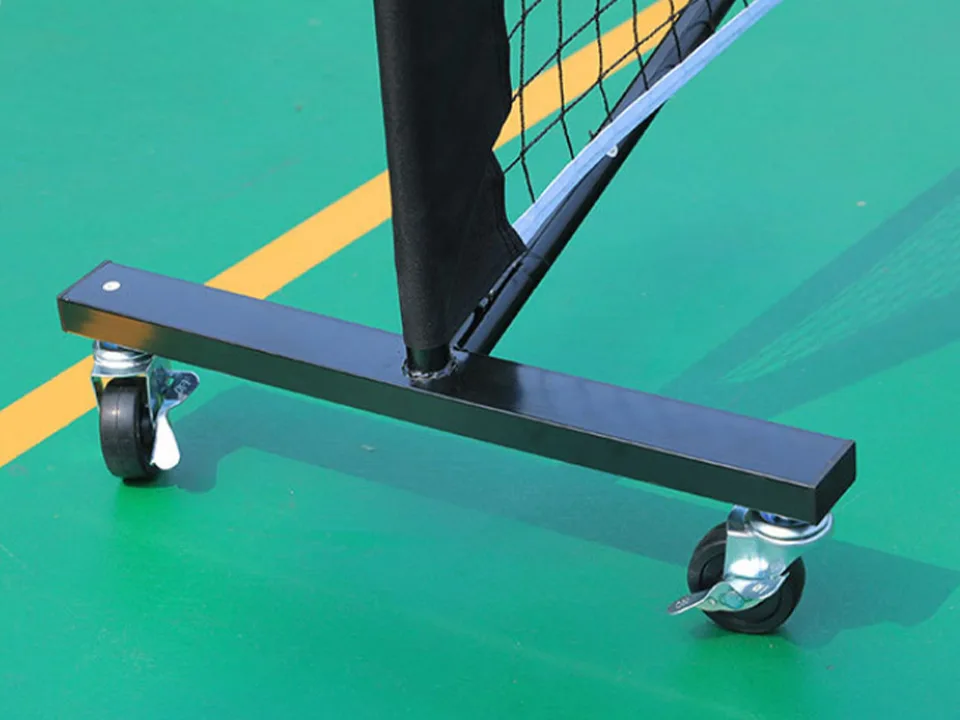
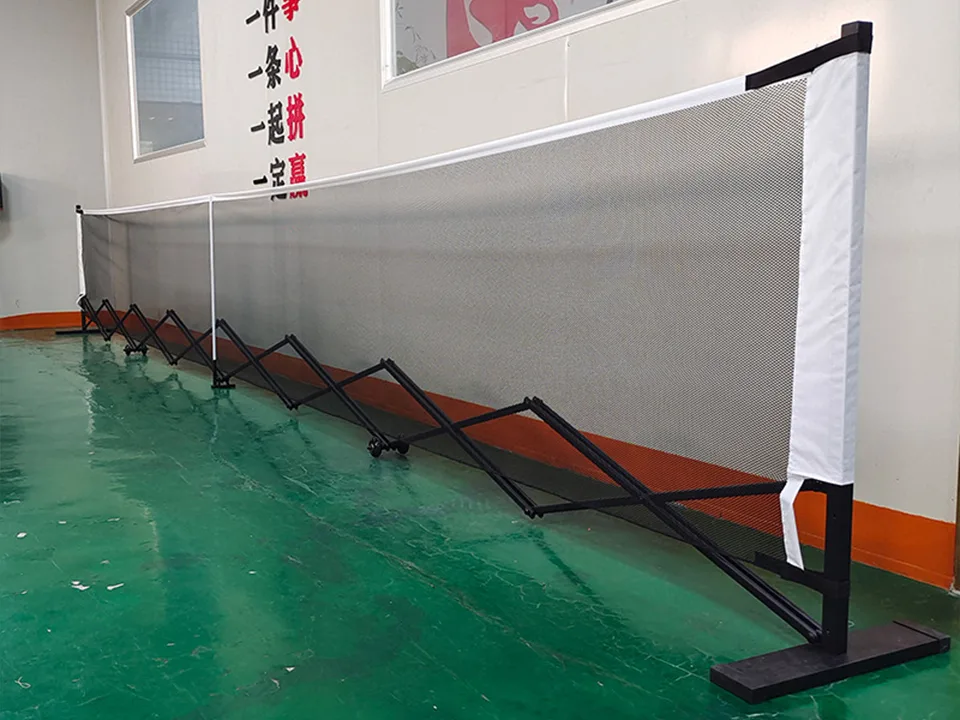
Vietnam kann eine solide Fahrspur für tragbare Systeme und einfache Konstruktionen sein - denken Sie an ein tragbares Pickleball-Netzsystem mit Stahlrahmen bei dem Sie die Rohrdicke, die Schweißnorm, die Güte der Befestigungsmittel und die Verpackungsspezifikation festlegen können, ohne die Chemie neu erfinden zu müssen.
Doch das Hauptproblem in Vietnam ist nicht die Qualifikation der Arbeiter, sondern die Abhängigkeit von vorgelagerten Unternehmen. Wenn Ihr beschichtetes Gewebe, Ihre Haken, Bungees und Spezialschläuche nicht vor Ort verfügbar sind, wird die Vorlaufzeit zu einer Geiselverhandlung: eine verspätete Lieferung und Ihr “Fließband” verwandelt sich in ein Wartezimmer.
Auch die Arbeitskosten sind nicht eingefroren. Der vietnamesische Lohnrahmen und der Druck des Arbeitsmarktes haben sich in den letzten Jahren verschoben (ja, er variiert je nach Kategorie und Durchsetzung - willkommen in der Realität), und diese Verschiebungen zeigen sich in Neuverhandlungen, der Verfügbarkeit von Überstunden und dem Fabrikumsatz. Nicht dramatisch. Nur real.
Meiner Erfahrung nach ist Vietnam der ideale Ort: mittlere Stückzahlen, geringer Arbeitsaufwand, weniger materialwissenschaftliche Variablen, weniger komplexe Werkzeuge.
USA: am besten für Geschwindigkeit, Anpassung und Reputationsisolierung - zu einem Preis, der weh tut
Also die US-Produktion. Lassen Sie uns offen sein.
Arbeit ist teuer. Punkt.
Wenn Sie Prototypen, kleine Chargen, schnellen Nachschub, kundenspezifische Anpassungen oder institutionelle Abnehmer benötigen, die Wert auf einheimische Beschaffung legen, können Sie in den USA Geld verdienen, selbst wenn die Stückkosten schmerzhaft erscheinen. Und wenn Sie des Hafenrisikos, des Risikos der Zurückhaltung, der Zollüberraschungen und der endlosen Schleife “Bitte senden Sie die Packliste erneut” überdrüssig sind, können Sie im Inland wieder aufatmen.
Aber ich werde es nicht beschönigen: Die Lohnbasis ist, was sie ist. Das Einkommensniveau im verarbeitenden Gewerbe in den USA (das in den staatlichen Arbeitsstatistiken veröffentlicht wird) übt einen echten Druck auf alles aus, was man als Ware zu verkaufen versucht. Die USA sind selten der Ort, an dem man die niedrigsten Kosten anstrebt. Hier geht es um Schnelligkeit, individuelle Anpassung und Glaubwürdigkeit.
Die Vergleichstabelle, die Käufer tatsächlich verwenden
| Faktor | China | Vietnam | USA |
|---|---|---|---|
| Am besten für | Hohe Komplexität + hohes Volumen | Arbeitsintensive Montage + mittelgroßes Volumen | Schnelligkeit + Anpassungsfähigkeit + geringe geopolitische Dramatik |
| Typische Stückkosten | Am niedrigsten in der Größenordnung (insbesondere bei Mischbauweise) | Oft wettbewerbsfähig, aber Inputkosten können Gewinne zunichte machen | Höchste, es sei denn, Sie preisen als Premium |
| Zuverlässigkeit der Vorlaufzeit | Stark, wenn stabil; schwach, wenn politische Schocks die Schifffahrt treffen | Variabel; kann sich bei der Einfuhr von Eingaben verschieben | Stark für die Erfüllung im Inland |
| Qualität der Decke | Sehr hoch (wenn die Spezifikationen durchgesetzt werden) | Mittel-hoch (abhängig von der Eingangssteuerung) | Hoch, besonders bei Sonderanfertigungen und kleinen Auflagen |
| Zollbelastung (U.S.-Einfuhren) | Höhere Volatilität; der Kontext von Abschnitt 301 ist wichtig | Allgemein als geringer wahrgenommen, aber die Prüfung der Herkunftsregeln ist wichtig | Minimale Belastung durch Einfuhrzölle |
| Compliance-Risiko (Festnahmen) | Höhere Kontrolle je nach Kategorie und Inputs | Nicht immun; Umladeverdacht besteht in der allgemeinen Handelspolitik | Geringeres Risiko der Durchsetzung von Einfuhrbestimmungen |
| IP/Kopierrisiko | Höchste | Mittel | Niedrigste |
Was ich je nach Produktlinie tun würde
Wenn ich jedoch eine Golfkäfige und Prallschutzwände, Wenn ich mich für China entscheide, überarbeite ich den Inspektionsplan und den Dokumentationspfad, denn diese SKUs sind unnachgiebig und “nahe genug” wird zu “Rückerstattungen”. A professionelles Golfsimulator-Gehäuse Aufprallschutzeinrichtung ist im Grunde eine als Produkt getarnte Prüfung der Lieferantendisziplin.
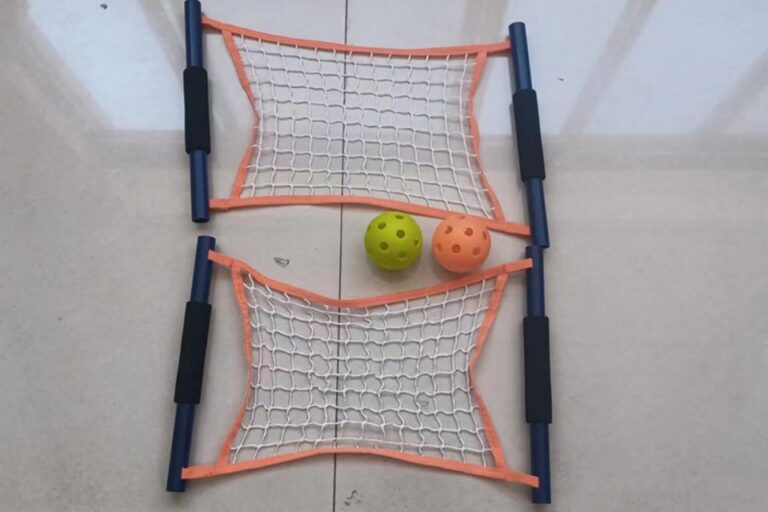
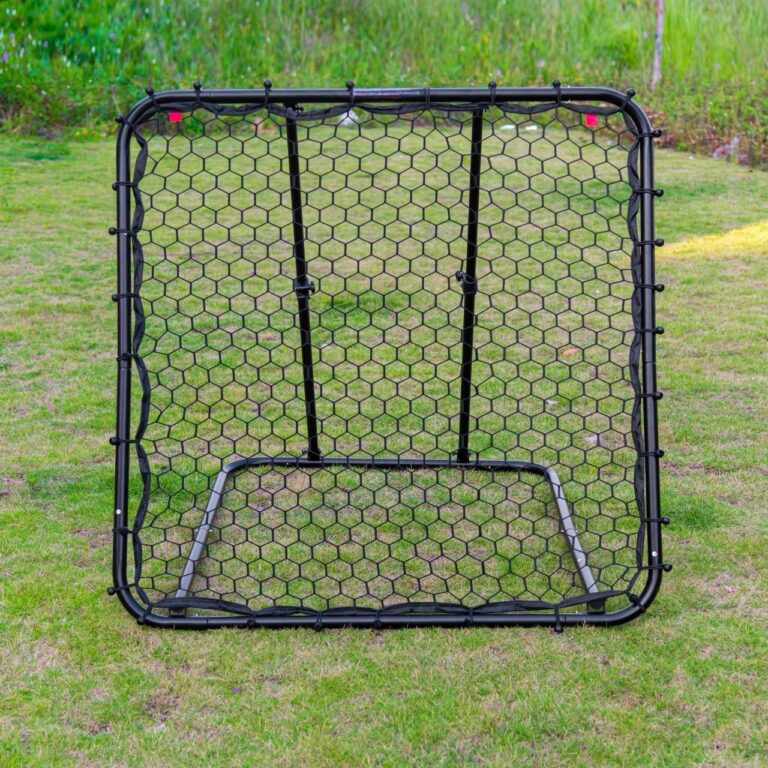
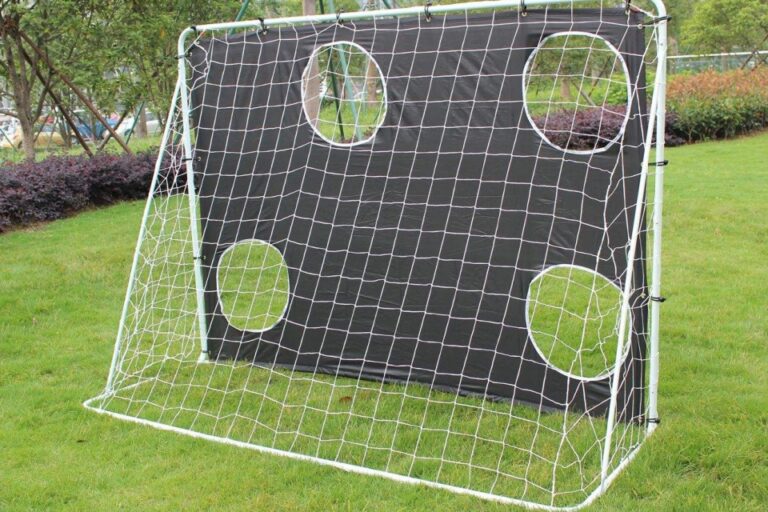
Wenn ich beschaffe mobile Systeme-Netze, Rahmen, Rebounder - ich bin offen für Vietnam, aber nur, wenn ich wie ein Idiot Fehlermetriken definiere: Schweißnahtkonsistenz, Korrosionsbeständigkeit, Beschichtungsdicke, Qualität der Befestigungsmittel und Verpackungsfalltests. A Tragbares 6 x 6 Fuß großes Pickleball-Rückprallnetz mit Zielzonen ist ein klassisches “fotogenes, aber zerbrechliches” Produkt, bei dem an allen Ecken und Enden gespart wird.
Und wenn es sich bei meinem Auftraggeber um einen Schulbezirk oder eine Gemeinde handelt und die Ausschreibung im Grunde genommen “Inlandsanteil” schreit, achte ich auf eine US-Produktion oder zumindest eine US-Endmontage, denn ein Verlust des Angebots kostet mehr als die zusätzlichen Dollar pro Einheit. Wollen Sie das Angebot gewinnen? Oder den Auftrag gewinnen?
Was Ihnen bei einem “Sportausrüstervergleich” niemand sagt”
- Materialspezifikationen schlagen Länderklischees. Nylon 6 (PA6), Nylon 6,6 (PA66), UHMWPE - Ihre Rücklaufquote entspricht der Spezifikationsdisziplin mehr als die Flaggen auf einer Landkarte.
- Zölle sind eine bewegliche Variable, keine Nebensächlichkeit. Abschnitt 301 ist nicht “Geschichte”. Er ist ein aktueller Risikofaktor, der Ihre Annahmen zu den Grundstückskosten schnell ändern kann.
- Das Risiko der Inhaftierung ist ein Cashflow-Problem. Wenn Sie in strenge Durchsetzungssysteme importieren, ist Ihre Dokumentation Teil Ihres Produkts (ja, wirklich).
- Die rechtliche Stellung ist wichtig, denn sie signalisiert Durchhaltevermögen. Handelsrechtliche Abhilfemaßnahmen werden vor Gericht ausgetragen; die Ergebnisse beeinflussen, ob Sie eine Einjahres- oder eine Fünfjahresstrategie planen.
FAQs
Ist die Beschaffung von Sportgeräten nur eine Länderwahl?
Bei der Beschaffung von Sportartikeln geht es um die Auswahl von Produktionspartnern und Logistikwegen für die Herstellung und den Import von Sportartikeln, wobei die angestrebten Kosten, die Qualität, die Vorlaufzeit und die Einhaltung von Vorschriften, einschließlich der zolltariflichen Einstufung, der Dokumentation und der Risikokontrolle in der Lieferkette, eingehalten werden müssen. Das “Land” ist nur eine Eingabe. Nein, nein. Das Land ist ein Etikett; das eigentliche Risiko liegt in den Materialien, der Streckenführung, dem Papierkram und darin, ob Ihr Lieferant Ihr Lastenheft als Gesetz oder als “Vorschlag” betrachtet.”
Was sind die größten versteckten Kosten bei der Herstellung in China, Vietnam oder den USA?
Die größten versteckten Kosten sind die Schwankungen: die finanziellen Auswirkungen inkonsistenter Materialien, sich verschiebender Vorlaufzeiten und Störungen bei der Einhaltung von Vorschriften oder Tarifen, die einen “billigen” Stückpreis in beschleunigte Fracht, Nacharbeit, Rückbuchungen oder zurückgehaltene Bestände verwandeln. Diese Kosten sind nur selten im Angebot enthalten. Chinas versteckte Kosten sind die Politik und die Abwanderung von geistigem Eigentum, Vietnams Kosten sind die Abhängigkeit von vorgelagerten Unternehmen und die Kosten der USA sind die Arbeitskosten.
Wie wirken sich die Einfuhrzölle für Sportgeräte auf meine Anlandekosten aus?
Bei den Einfuhrzöllen für Sportgeräte handelt es sich um staatliche Zölle, die bei der Einfuhr auf der Grundlage der HS/HTS-Klassifizierung, der Ursprungsregeln und der handelspolitischen Abhilfemaßnahmen erhoben werden. Diese Zölle können den deklarierten Zollwert um einen beträchtlichen Prozentsatz erhöhen und sich mit Maklergebühren, Frachtkosten und Verzögerungen bei der Einhaltung der Vorschriften verbinden. Sie sind nicht optional. Wenn Sie in die USA reisen, sollten Sie die Einstufung wie eine Verhandlung mit Konsequenzen behandeln (denn das ist sie auch).
Was ist eine realistische Vorlaufzeit für die Herstellung von Sportgeräten?
Die Durchlaufzeit ist die Gesamtzeit von der Auftragsannahme bis zur versandfertigen Ware (und oft auch bis zur Auslieferung), einschließlich Rohstoffen, Produktion, Qualitätskontrolle und Ausgangslogistik, und sie variiert je nach Produktkomplexität, Kapazität und Verfügbarkeit von Inputs. Das sind keine “Werkstage”. Bei einfachen Netzen kann es schnell gehen; bei Systemen mit gemischten Komponenten kommt es zu Ausrutschern, wenn ein Zulieferer einen Termin versäumt und alle so tun, als sei das normal.
Wie wählt man einen Sportgerätehersteller aus, ohne sich zu verbrennen?
Bei der Auswahl eines Sportartikelherstellers müssen Sie die Fähigkeiten, die Qualitätssysteme, die Beschaffung von Rohstoffen, die Einhaltung von Vorschriften und die Kommunikationsdisziplin überprüfen und dann die Spezifikationen und Prüfpunkte festlegen, damit das von Ihnen genehmigte Produkt auch das Produkt ist, das Sie in großem Umfang erhalten. Alles andere ist Glücksspiel. Beginnen Sie mit einer Helden-SKU, führen Sie eine gründliche Vorprüfung durch (nicht nur ein Foto) und “vertrauen” Sie nichts, was nicht schriftlich festgehalten ist.
CTA
Wenn Sie eine Reihe von Netzen, Käfigen, Reboundern oder tragbaren Systemen aufbauen, sollten Sie zunächst einen Drucktest durchführen. eine Produktweg - Materialien, Nähte, Rahmentoleranzen, Verpackung - und erweitern Sie dann. Durchsuchen Sie die vollständige FSportsNet Produktkatalog und wählen Sie 3 SKUs aus, auf die Sie tatsächlich Ihren Ruf setzen würden, wie die Profi-Lacrosse-Rebounder-Netz oder eine Tragbares Golfabschlagnetz mit Zielscheibe. Dann bauen Sie Ihre Beschaffungsstrategie auf die tatsächlichen Fehlermöglichkeiten auf - nicht auf das Länderkennzeichen.