Why Most Sports Facilities Still Fail Compliance
Most facilities fail.
Not on the glossy brochure stuff, either, but in the dumb little details that nobody wants to budget for until an owner, insurer, plaintiff’s lawyer, or accessibility consultant starts walking the site with a tape, a camera, and a bad attitude—route width, turning space, wheel-stop placement, sightlines, gate pressure, bench encroachment, sharp frame feet, loose anchor points, and portable gear that looked fine on paper but turns into a trip-and-block mess the second people actually show up. That’s the pattern.
And I frankly believe the sports facility world still tells itself a fairy tale here. The fairy tale says ADA compliance for sports facilities is basically a plan-review issue, maybe a checklist, maybe a sign package, maybe one ramp and a wider restroom stall if we’re feeling generous. It’s not. It’s operations. It’s circulation. It’s setup discipline. It’s whether a disabled athlete, parent, coach, official, or fan can move through the same building and use the same services without being treated like a special exception. The 2010 ADA Standards for Accessible Design lay out the baseline, and the U.S. Access Board’s sports facilities guide makes the point pretty bluntly: sports venues don’t get a pass just because they host tournaments, pack in crowds, or operate out of an older shell.
That’s the law.
Inhaltsübersicht
ADA Compliance Is Not a Paper Exercise
But here’s the ugly truth: a lot of “ADA compliant athletic facilities” are only compliant in the way a showroom kitchen is “livable.” Technically present. Functionally shaky. I’ve seen venues with a decent entry ramp and perfectly miserable spectator experience because wheelchair seating was dumped in one lousy area with weak sightlines and zero pricing parity. That’s not a small miss. That’s the whole thing. DOJ stadium guidance has been clear for years—wheelchair seating has to be integrated, dispersed, paired with companion seats, and designed with comparable views, and for new stadiums at least 1% of total seating must be wheelchair seating locations. You can read that directly in the DOJ stadium guidance. So when operators say, “We already have ADA seats,” my first thought is always the same: sure, but are they any good?
That question matters more than people think.
Where ASTM Standards Actually Fit
ASTM sits in a different lane, and a lot of buyers muddle the two. ADA is civil-rights access. ASTM is performance, testing, materials, tolerances, impact behavior, and the sort of risk-control language that becomes very interesting when somebody gets hurt and discovery starts. I don’t care how many times a catalog says “professional grade.” If the surface hits too hard, if the hardware exposes users to collision points, if the padding is junk, if the frame flexes, if the assembly instructions invite sloppy installs, then you’ve got a live problem. ASTM’s sports and recreation standards cover a lot of this space, and ASTM F355-23 deals with impact attenuation for athletics, recreation, and play. If your site also includes public play components or family recreation zones, ASTM F1487 enters the chat too. You can see the standards universe on ASTM’s sports standards and recreation standards page.
And this is where buyers get burned.
How Equipment Selection Creates Compliance Risk
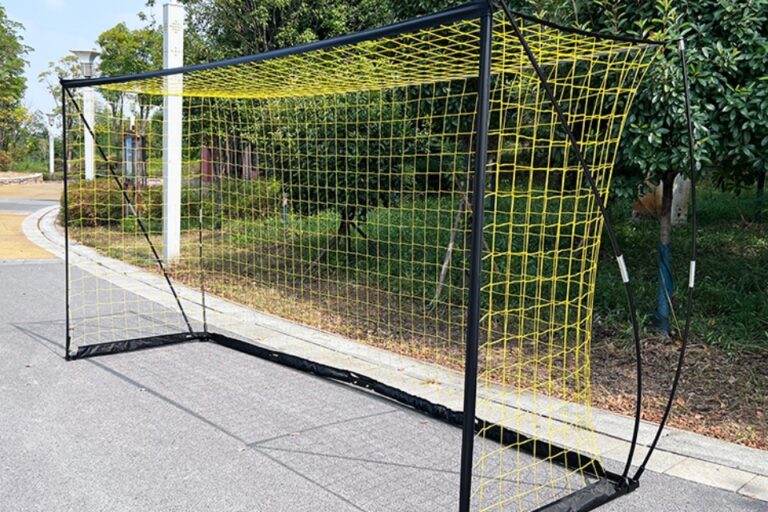
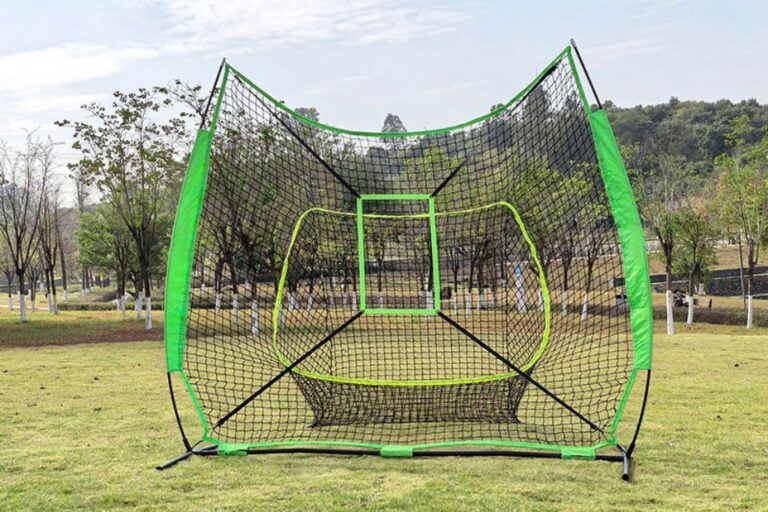
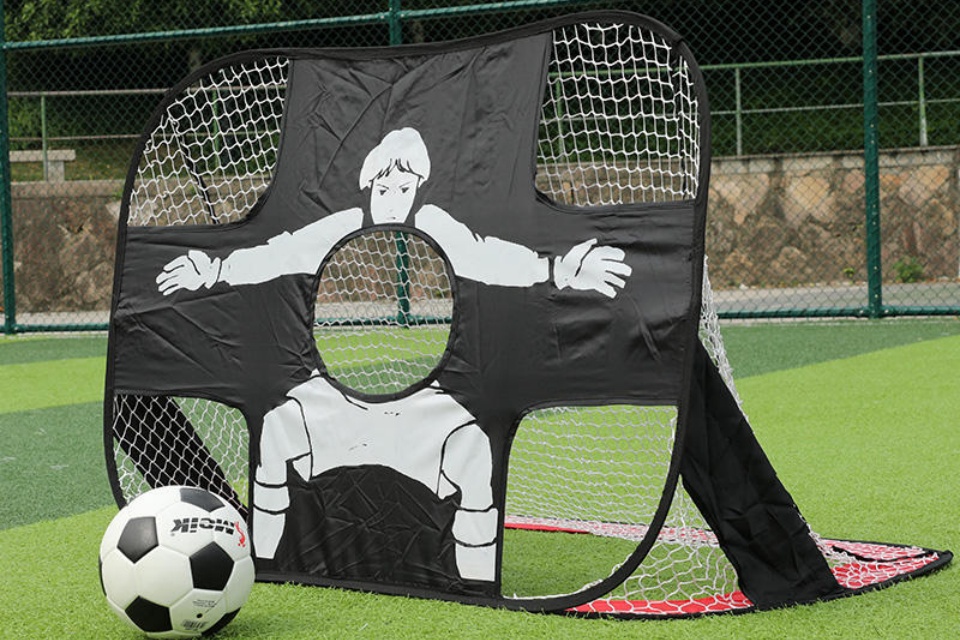
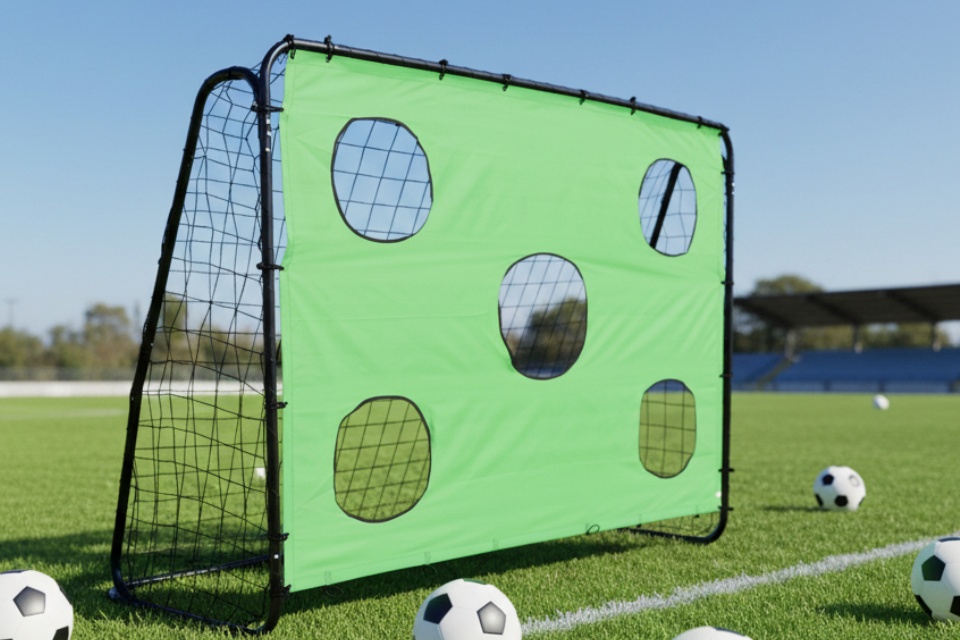
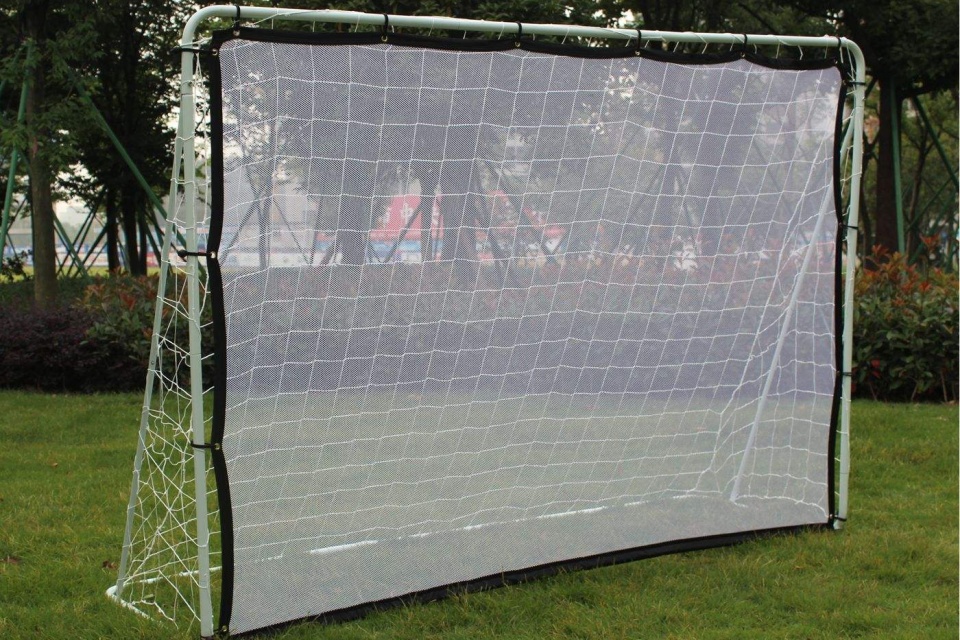
Because equipment choice doesn’t just support compliance—it can wreck it. A rebounder with a wide, stubborn base. A goal frame with rear braces sitting where a route wants to be. A barrier net support that juts into maneuvering space. A portable court system rolled out a little differently every event because the ops crew is rushing and nobody marked the footprint. I’ve seen all of it. So when I review Multisport-Netzsysteme or broader sports facility products, I don’t start with product features. I start with the failure modes. How far does it project? What happens during setup? Where does it live between games? Can staff install it the same way every time, or are we one sleepy Saturday crew away from blocking a route?
That’s how this should be done.
Barrier Netting and Route Conflicts
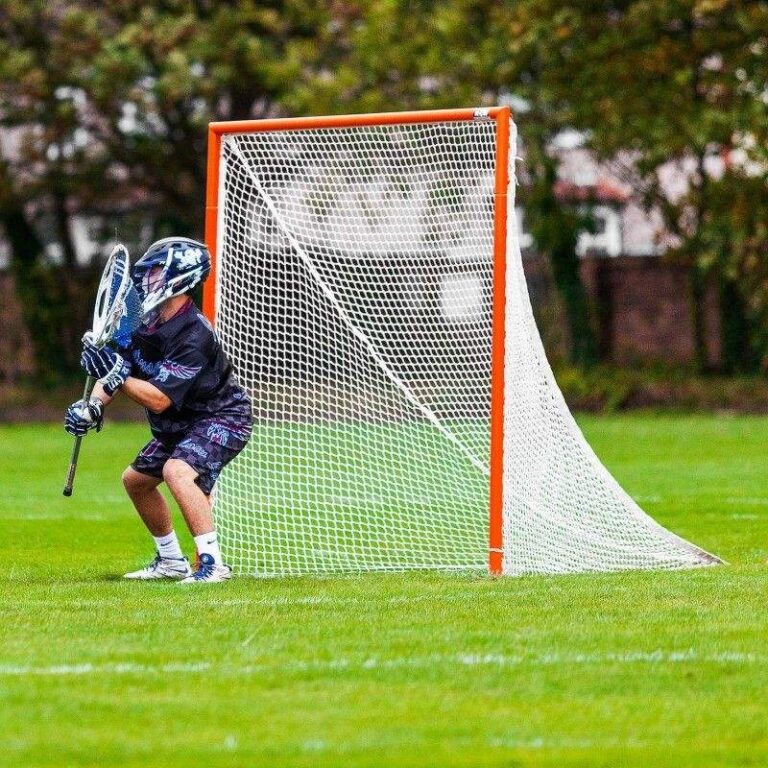
And containment systems—people underestimate those constantly. Everyone loves “safety netting” in theory, right up until the support geometry or tensioning plan creates a fresh hazard that didn’t exist before. Ball-stop systems are good tools, sometimes great tools, but only when they don’t chew up circulation, compromise egress, or turn spectator edges into awkward pinch points. That’s why I like teams that review Sportschutznetze together with path diagrams, emergency flow, and sideline use—not three weeks later, after procurement is already done and the invoice is paid.
Portable Net Systems Are a Hidden Compliance Trap
Portable court gear is even trickier.
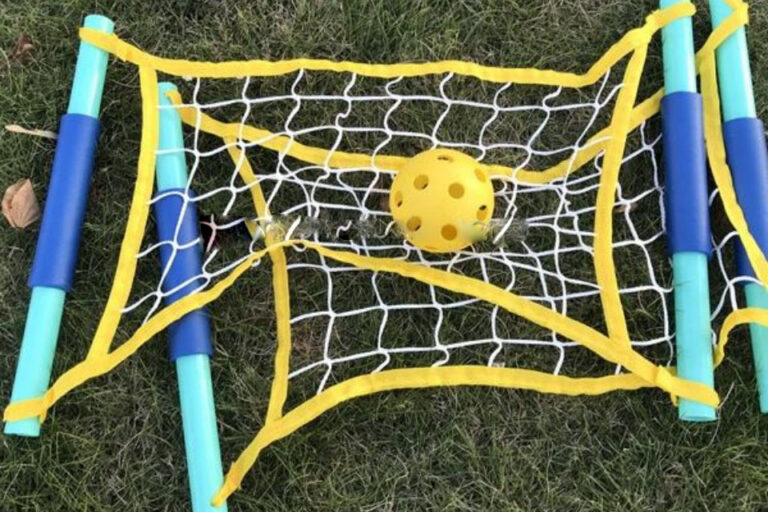
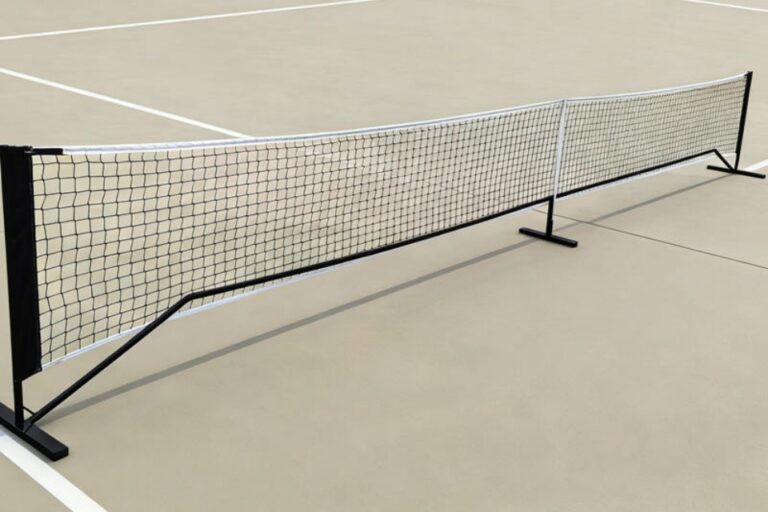
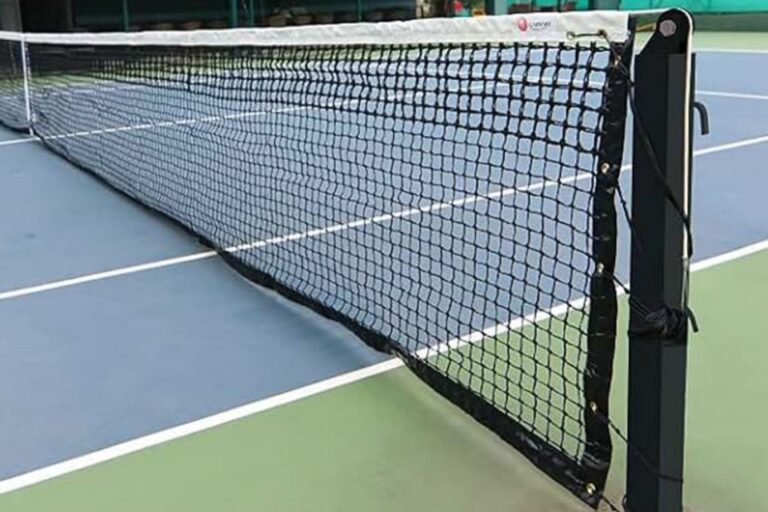
I’ve seen more route failures caused by portable setups than by fixed architecture, which sounds backward until you’ve spent time around rec centers, fieldhouses, and tournament hosts that swap configurations every few hours and assume nobody with mobility needs is going to notice the difference. They do. They always do. So if you’re evaluating tragbare Pickleball-Netzsysteme oder ein verstellbares Multisportnetz mit Rollfuß, don’t ask only about portability. Ask about caster lock integrity, base spread, stored position, assembly drift, and whether that nice little rolling frame becomes a shin-buster or wheelchair obstruction once it’s placed by real staff under real event pressure. It works. Usually.
What Recent ADA Cases Tell Us
Then the lawsuits arrive.
Or settlements, which is often the same lesson with nicer stationery. In October 2024, the Justice Department announced a settlement and proposed consent decree involving Wrigley Field and the Chicago Cubs over alleged ADA issues, with fixes tied to wheelchair spaces, companion seating, sightlines, and access in premium areas. In February 2023, federal prosecutors said the Houston Livestock Show and Rodeo and NRG Park resolved ADA violations tied to accessible seating, dining, paths, surfaces, kiosks, and elevator policy. And in April 2024, the U.S. Attorney’s Office in Montana announced a settlement with the University of Montana over access problems at the Adams Center’s Dahlberg Arena, including more wheelchair seating. Different properties. Same busted pattern. Access wasn’t failing in theory—it was failing in the built environment, right where everybody could see it.
That’s why I get irritated when owners act surprised. The warning signs are obvious. Segregated seating. Weak route planning. Temporary equipment parked in permanent circulation. Staff who “figure it out” every weekend instead of following a repeatable setup plan. Cheap systems that solve one risk while creating two more. From my experience, sports facility accessibility requirements usually don’t implode because of one giant violation. They unravel because of ten lazy choices stacked together.
A Practical Compliance Checklist for Buyers and Operators
Here’s a cleaner way to think about it.
| Facility area | What the ADA asks for | What ASTM/safety review asks for | What operators usually miss | What to check before purchase |
|---|---|---|---|---|
| Spectator seating | Integrated wheelchair and companion seating, comparable views, accessible routes | Guarding, edge conditions, slip resistance, crowd-flow risk | “ADA seats” dumped in one bad section | Sightlines over standing spectators, route continuity, seat dispersion |
| Courts and fields | Accessible routes to activity areas and supporting spaces | Surface impact behavior, anchoring, padding, fixed-object risk | Equipment feet and braces intruding into circulation | Base projection, padding, anchor placement, route width after setup |
| Portable net systems | Clear circulation during setup and play | Stability, frame rigidity, tip risk, hardware exposure | Staff set equipment differently every time | Setup template, lock points, caster control, storage position |
| Play or family zones | Program access and route continuity | ASTM F1487 safety/performance and use zones; surfacing considerations | Treating nearby play space as an afterthought | Use zones, surfacing performance, transfer access, family seating adjacency |
| Entry, concessions, restrooms | Continuous accessible route and equal service | Slip resistance, queue control, collision hazards | Queue rails, stanchions, and merch tables narrowing routes | Peak-event route width, turn space, temporary furniture plan |
That table isn’t theory. It’s punch-list reality.
And yes, I know what some operators say next: “We just need equipment that passes spec.” No—you need equipment that passes spec, survives bad setup habits, fits the circulation plan, and doesn’t create a compliance headache six months later when the venue flips from league play to camps to tournaments to community rentals. That’s a different standard entirely. If I were buying today, I’d rather work with equipment services built around custom sports installations than let a salesperson dump random SKUs into a quote and call it a compliance strategy.
Because that isn’t a strategy. It’s procurement cosplay.
Why Accessibility Usually Improves the Whole Operation
The business case is bigger than risk avoidance, too. Facilities that take accessible sports facilities seriously usually have tighter operations across the board. Better storage. Better floor discipline. Better event turnover. Fewer last-minute “move that over there” decisions that create chaos. Better insurer conversations. Less staff freelancing. Athletic facility compliance, when it’s done right, tends to clean up the whole building. Funny how that works.
So no, I don’t think this is a soft issue. I think it’s one of the few areas where sports operators can spot their own future problems in broad daylight—if they’re honest enough to look.
FAQs
What does ADA compliance for sports facilities actually mean?
ADA compliance for sports facilities means the venue must let people with disabilities enter, circulate, watch, participate, buy services, and use related spaces in a way that is genuinely comparable to everyone else, across design, construction, alterations, policies, and daily operations rather than through isolated workarounds. In plain English, it’s not just a ramp and a restroom. It’s routes, seating, counters, ticketing, locker access, parking, viewing angles, and whether the building works the same way for everyone. Start with the 2010 ADA Standards for Accessible Design and then read the U.S. Access Board’s sports facilities guide like someone who actually has to run the venue.
Are ASTM standards legally required for sports facilities?
ASTM standards are technical performance benchmarks used to evaluate materials, surfaces, equipment behavior, and safety conditions, and while they don’t replace ADA obligations, they often shape purchasing standards, inspection expectations, insurer reviews, and the expert opinions that matter when a facility incident turns into a claim. That’s why I never treat ASTM as optional fluff. It’s the nuts-and-bolts side of sports facility safety standards. The ADA tells you whether people can access the place; ASTM helps show whether the equipment and surfaces behave in a reasonably safe, testable, defensible way. The standards hub is on ASTM’s sports standards and recreation standards page.
How much wheelchair seating does a stadium need?
For new stadiums, DOJ guidance says at least 1% of total seating must be wheelchair seating locations, and those locations must be integrated with companion seating, dispersed through the venue, and designed to provide comparable views rather than second-tier or segregated sightlines. That’s the baseline, not the finish line. Price bands matter. Premium areas matter. Standing-spectator sightlines matter. The old dodge—“we have ADA seats somewhere”—doesn’t hold up when the distribution is weak. The source is the DOJ stadium guidance.
How do portable nets and goals affect ADA compliance?
Portable nets and goals affect ADA compliance when their bases, braces, casters, anchors, or storage footprints narrow accessible routes, reduce maneuvering clearance, create protruding or collision hazards, or force disabled users into worse circulation patterns than everyone else using the same facility. That’s why “portable” can be a trap word. Operators hear flexibility; I hear variability, setup drift, and staff improvisation. Before buying anything, I’d test the full footprint during setup, active play, and storage—not just the clean product photo version.
Schlussfolgerung
The hard truth? Most compliance failures are purchased before they’re installed. If you want somebody to look at your product mix, route conflicts, or setup logic before those problems get expensive, Kontakt mit dem FSports-Team with the actual layout and equipment plan—not just a shopping list.