Pon en marcha tu proyecto de redes deportivas OEM/ODM
Cuéntanos qué quieres desarrollar. FSPORTS ofrece servicios de OEM/ODM, marcas blancas y proyectos personalizados de redes deportivas basados en tu producto actual, plano, muestra, fotografía o requisitos de aplicación.
Indícanos el tipo de producto, las dimensiones, la cantidad prevista, el destino y cualquier requisito conocido relativo a la malla, el material, el armazón, los herrajes, el logotipo o el embalaje. Si aún no tienes todas las especificaciones, envíanos lo que tengas y revisaremos los detalles restantes antes de elaborarte el presupuesto.
Redes especializadas: redes de seguridad y aplicaciones específicas para cada deporte
Por qué fracasan la mayoría de las hipótesis de compensación
La mayoría de las redes mienten.
Lo digo de la forma más directa posible, porque al sector de los artículos deportivos todavía le encanta comercializar mallas “de alta resistencia” como si una carga de un mate, una pelota de béisbol lanzada con fuerza a 95 mph, una velocidad de bola de 173,6 mph en el PGA Tour y la altura reglamentaria del centro de una pista de pickleball fueran básicamente primos, cuando ni siquiera pertenecen a la misma familia. ¿Por qué los compradores siguen fingiendo que una solución genérica puede resistir todo eso? (baseballsavant.mlb.com)
Esta es la cruda realidad que he aprendido al ver cómo algunos centros se gastan más de la cuenta en el material equivocado: cuando la gente dice redes de seguridad, suelen referirse a un sistema de anotación de baloncesto en el que el mecanismo de seguridad está en el aro, no en el cable. Esa distinción es importante. Según el Datos sobre lesiones de 2024 del Consejo Nacional de Seguridad, las lesiones deportivas y recreativas aumentaron un 17% en 2024, hasta alcanzar los 4,4 millones de casos atendidos en los servicios de urgencias, y el baloncesto sigue siendo una de las actividades que con mayor frecuencia se asocian a lesiones. Johns Hopkins Medicine añade que más de 170 000 niños de entre 5 y 14 años son atendidos en urgencias por lesiones relacionadas con el baloncesto. Por eso redes de seguridad para deportes Y elegir el hardware adecuado no es una cuestión secundaria. Se trata de decisiones de diseño. (injuryfacts.nsc.org)
No me fío de los proveedores que dicen “de nivel competitivo” y se quedan ahí. ¿De nivel competitivo para qué, exactamente?
Las redes de salida en el baloncesto: lo que realmente importa
La primera prueba es el baloncesto. Las normas de equipamiento de la FIBA para 2024 exigen el uso de aros con sistema de liberación de presión para las competiciones de Nivel 1 y especifican un mecanismo de bloqueo positivo que no debe desengancharse hasta que se aplique una carga estática vertical de entre 82 kg y 105 kg; tras la liberación, el aro debe girar entre un mínimo de 10 grados y un máximo de 30 grados, para luego volver a su posición inicial automáticamente, con una absorción de energía de rebote y soporte comprendida entre 35% y 50%. La FIBA también especifica una red de canasta blanca de entre 400 mm y 450 mm de longitud. Las normas masculinas de la NCAA establecen que se requieren aros móviles y que los aros de competición deben cumplir el mismo rango de elasticidad de rebote de 35% a 50%. Así que sí, canastas de baloncesto desmontables eso importa, pero lo que realmente influye en la seguridad es el conjunto formado por el aro y la red, no solo la cuerda que cuelga por debajo. (assets.fiba.basketball)
Por eso distingo desde el principio entre “juego decorativo”, “lúdico” y “de competición”. Si estás clasificando una amplia catálogo de productos sports net, no des por sentado que la diferencia entre los productos radica únicamente en el tamaño. En el ámbito de las redes especializadas, el tamaño es lo más sencillo. La trayectoria de la carga, el comportamiento de rebote, el método de fijación, la exposición a la intemperie y la conformidad con el reglamento son lo que realmente importa.
Redes específicas para cada deporte según su aplicación
Béisbol y sóftbol: el impacto lo cambia todo
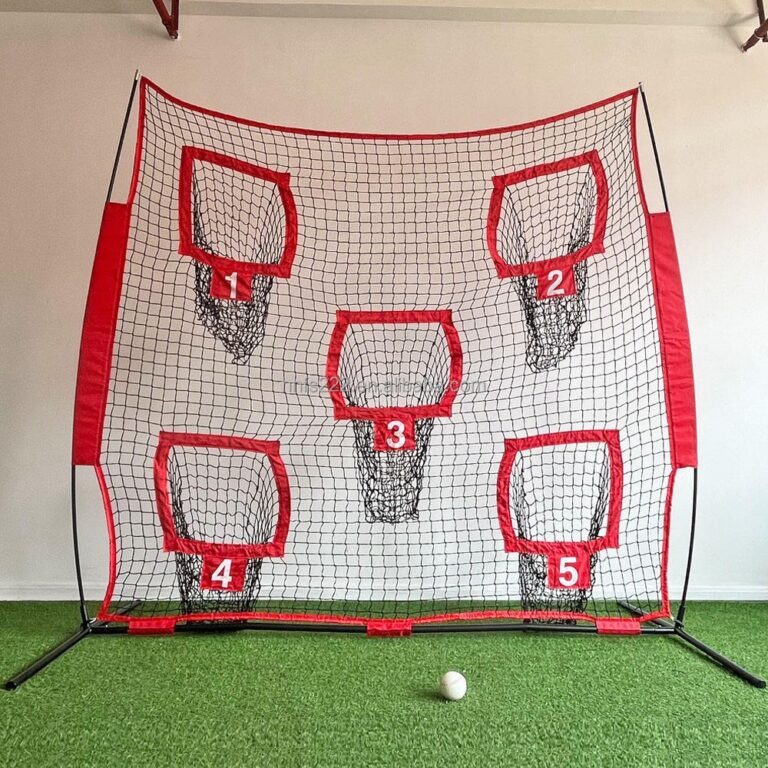
La regla de compensación estándar tampoco funciona en el béisbol y el sóftbol, aunque de una forma diferente. MLB Statcast define una bola bateada con fuerza como aquella que alcanza una velocidad de 95 mph o más, lo que significa que cualquier comprador que trate los paneles de la valla de protección, las jaulas de bateo o los separadores de campo como si fueran mallas genéricas ya va por detrás de lo que dicta la física. Para esos trabajos, yo empezaría con productos diseñados específicamente para ese fin sistemas de redes de béisbol y planteaba preguntas incómodas sobre el tamaño de las mallas, la profundidad de suspensión, el rebote, la construcción de los nudos, la resistencia a la abrasión y la exposición a los rayos UV antes incluso de preguntar por el precio. Las redes baratas no resultan baratas una vez que las pelotas empiezan a dejar huella en ellas. (baseballsavant.mlb.com)
Golf: la velocidad de la bola no es un detalle sin importancia
El golf es aún menos indulgente. El Informe sobre la distancia de la USGA de 2024 señala que la velocidad media de la cabeza del palo en el PGA Tour ha aumentado 3,5 mph y la velocidad de la bola 8,2 mph entre 2007 y 2024, situándose en 115,9 mph de velocidad de la cabeza del palo y 173,6 mph de velocidad de la bola en 2024. A continuación, Reuters informó en diciembre de 2023 que las pruebas revisadas para las pelotas de élite pasarán a una velocidad de la cabeza del palo de 125 mph, lo que equivale a una velocidad de la pelota de 183 mph, a partir de 2028. Así que cuando veo a alguien diseñar una jaula de golf como si fuera una valla de jardín, sé exactamente lo que va a pasar: tensión en el marco, desgaste de la malla, fallos en los paneles laterales y un cliente que culpa a la red de una mala decisión de compra. Para ese tipo de aplicaciones, utilice redes de entrenamiento de golf y de impacto en lugar de dar por sentado que todas las redes son redes de impacto. (usga.org)
Pickleball y tenis: aspecto similar, características diferentes
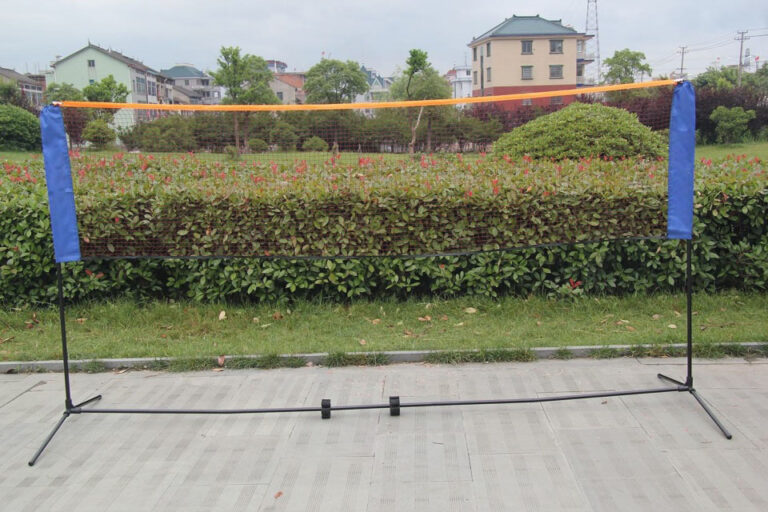
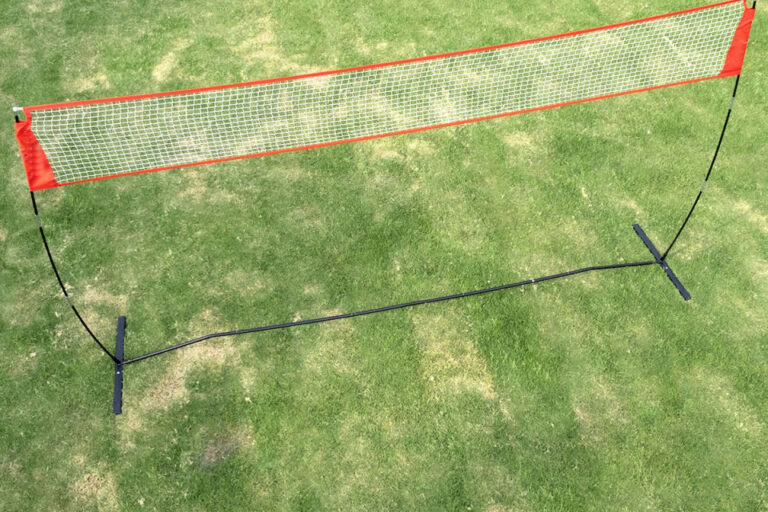
Los deportes de pista plantean un problema diferente. El público tiende a meterlos todos en el mismo saco porque todos “tienen una red”, lo cual es como decir que tanto un turismo como una carretilla elevadora tienen ruedas, así que, ¿cuál es la diferencia? La situación actual Reglamento de pickleball de EE. UU. establece una altura neta de 36 pulgadas en las bandas y de 34 pulgadas en el centro, mientras que la Reglamento de tenis de la ITF Requieren una red de tenis de 3 pies y medio en los postes y de 3 pies en el centro. No se trata de una cuestión estética. Influye en la altura de paso de la pelota, el comportamiento de la cinta, las exigencias de la correa central y la tensión del marco. Los compradores que necesiten sistemas portátiles deberían considerar los modelos específicos para este fin sistemas de redes de pickleball, correcto sistemas de redes de tenis, o, si el tribunal realmente tiene que desempeñar varias funciones, un sistema verdaderamente adaptable sistema de red multideporte. “Ya está bastante bien” es lo que dice la gente justo antes de que los deportistas se quejen. (usapickleball.org)
Lacrosse y hockey: la geometría también importa
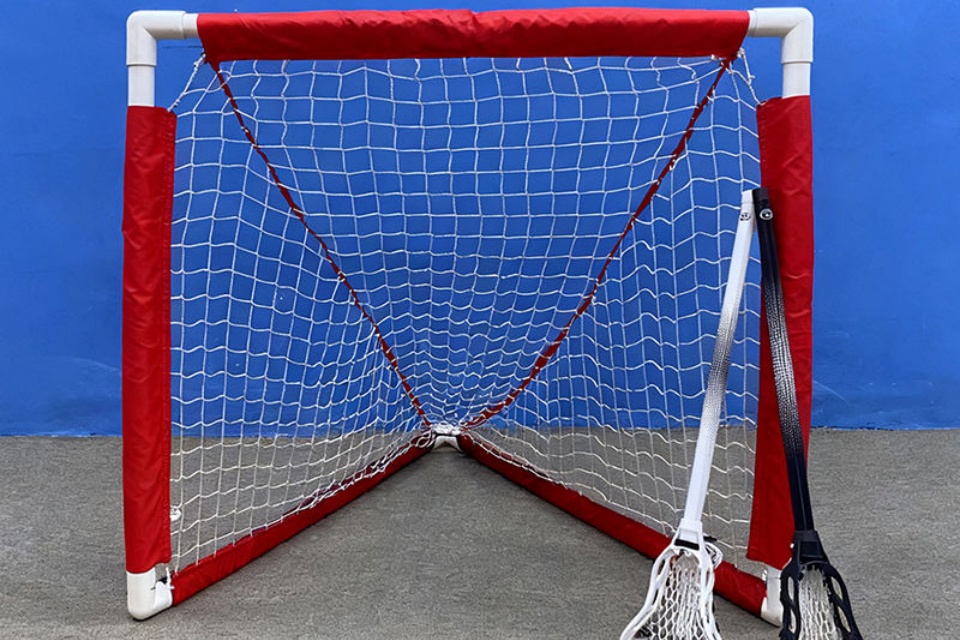
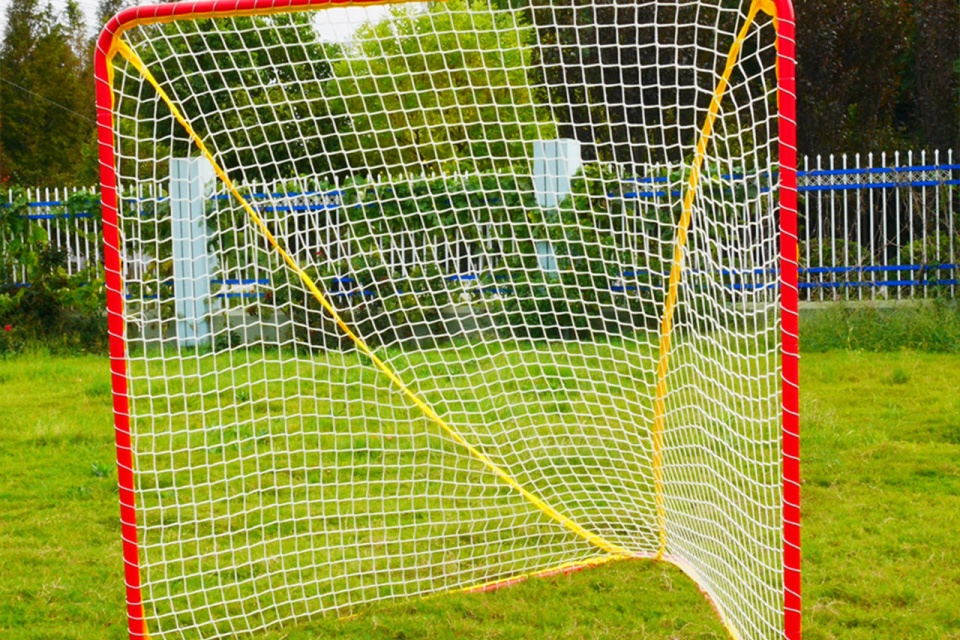
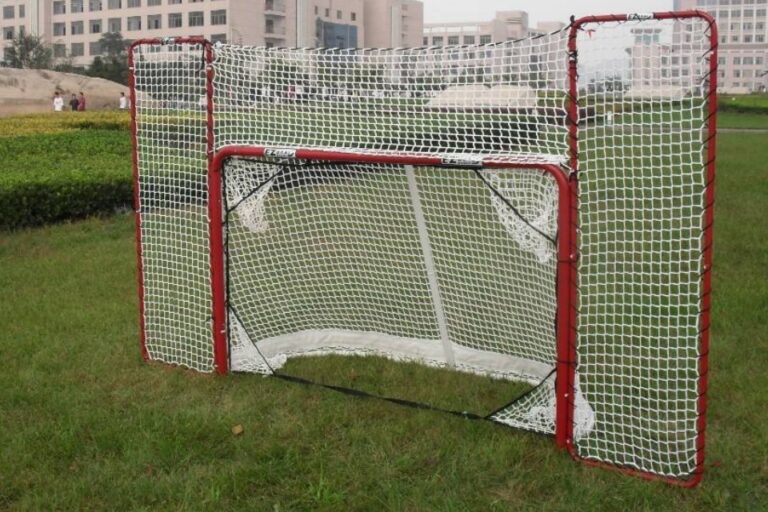
El lacrosse y el hockey también castigan la falta de atención. Las reglas del «Sixes» de World Lacrosse para 2024 exigen que cada portería cuente con una red piramidal de cordón, fijada a los postes, al travesaño y a la barra metálica plana, con una malla que no supere los 3,80 cm. Eso significa que redes específicas para cada deporte No se trata solo de resistencia, sino también de geometría y de cómo se comporta el producto a la hora de contener la pelota. Si la forma no es la adecuada, el producto puede parecer robusto y, aun así, no funcionar correctamente. Por eso siempre mantendría redes y sistemas para porterías de lacrosse en su propia categoría, sin que se mezclen en una vaga categoría denominada “otras redes”. (worldlacrosse.sport)
Cómo decidir cuándo la compensación estándar no es suficiente
Lo que la mayoría de los proveedores no dirán abiertamente es lo siguiente: las redes especiales son, en realidad, un proceso de filtrado. Se filtra en función de la fuerza, las normas, el entorno, la frecuencia de uso y cómo se manifiesta el fallo en ese deporte. En el baloncesto, un fallo puede suponer una lesión para el jugador o que el material se deforme. En el golf, puede significar un paso peligroso de la bola o que se rompa un panel. En el béisbol, puede implicar un rebote impredecible o una contención inadecuada. En el tenis y el pickleball, a menudo significa que la red está técnicamente “ahí”, pero que no funciona correctamente. Por eso aplicaciones de redes deportivas Las especificaciones deben basarse primero en el deporte y, en segundo lugar, en la familia de productos, y no al revés.
Tabla comparativa: Cuándo falla la compensación estándar
Deporte o caso de uso
Lo que realmente funciona
Por qué fallan las redes estándar
Baloncesto de competición
Aro desmontable y red reglamentaria
Los aros fijos o mal ajustados no gestionan adecuadamente la carga de mate ni el rebote.
Béisbol y sóftbol
Redes de protección, jaulas, redes de seguridad
Los impactos y rebotes repetidos a alta velocidad exigen algo más que una malla genérica
Entrenamiento de golf o uso del simulador
Redes de protección, jaulas, paneles con montantes laterales, mallas
La velocidad de la pelota es demasiado alta para la red de protección.
Pickleball
Redes de pickleball específicas o de ajuste preciso
Una altura incorrecta de la línea central o lateral altera el desarrollo real del juego
Tenis
Geometría adecuada de la red y los postes de tenis
“Los marcos ”multiusos» suelen carecer de tensión y de regulación de altura
Lacrosse
Red de cordón con forma específica para porterías
La geometría y los límites de la malla son tan importantes como la resistencia del material
Las cifras basadas en las normas que figuran en esa tabla proceden de las normas de equipamiento de baloncesto de la FIBA y la NCAA, de USA Pickleball, de las reglas de tenis de la ITF, de World Lacrosse, de Statcast de la MLB y de los datos sobre distancias de la USGA para 2024. (assets.fiba.basketball)
Úsalo en cuanto el deporte cuente con un reglamento, un patrón de lesiones significativo, un entorno de impactos repetidos o un modo de fallo que vaya más allá del desgaste superficial. Eso significa casi de inmediato en el baloncesto, el béisbol, el golf, el tenis, el pickleball, el lacrosse, el hockey y los entornos de entrenamiento polivalentes de competición. Y sí, sé que algunos compradores siguen queriendo un único producto que sirva para todo. He visto cómo acaba eso. Normalmente acaba con un pedido de sustitución.
Preguntas frecuentes
¿Qué son las redes de salida en el baloncesto de competición?
Una canasta desmontable, en términos técnicos, es una canasta de baloncesto que utiliza un sistema de anillo móvil o de liberación de presión que se flexiona bajo la carga de un mate, absorbe parte de la fuerza, vuelve a su posición reglamentaria y reduce el riesgo de lesiones y la tensión en los componentes que pueden provocar las canastas de aro fijo durante los partidos de competición. (assets.fiba.basketball)
La mayoría de los compradores utilizan la expresión “red de seguridad” como forma abreviada, pero el mecanismo de seguridad se encuentra en el aro. Yo nunca elegiría solo el cordón y daría por hecho que el trabajo está hecho.
¿En qué se diferencian las canastas de baloncesto desmontables de los aros estándar?
Las canastas de baloncesto con sistema de liberación se utilizan con sistemas de aro diseñados para flexionarse bajo una carga vertical controlada, absorber parte de la fuerza de los mates o del juego agresivo y volver a la posición reglamentaria, mientras que las configuraciones estándar con aro fijo carecen de esa liberación controlada y pueden transmitir más tensión a los herrajes, los tableros y los jugadores. (assets.fiba.basketball)
Eso es lo que se les escapa a los compradores ocasionales. La red visible puede parecer corriente, pero su montaje no lo es en absoluto.
¿Cuándo conviene utilizar redes especiales en lugar de redes estándar?
Se deben utilizar redes especiales siempre que el deporte, el nivel de juego, la velocidad del balón, el patrón de contacto de los jugadores, la geometría del marco o las normas vigentes planteen exigencias de rendimiento que las redes genéricas no puedan satisfacer de forma constante, segura o conforme a la normativa a lo largo del tiempo en condiciones reales de uso. (baseballsavant.mlb.com)
Esto incluye canchas de baloncesto de competición, vallas de béisbol, jaulas de impacto para golf, redes específicas para pickleball y tenis, y redes de portería con formas específicas para lacrosse o hockey. “Universal” se utiliza principalmente como adjetivo comercial.
¿Es obligatorio utilizar canastas de baloncesto con sistema de desenganche para las competiciones?
En muchos entornos de baloncesto de alto nivel, la respuesta es, en la práctica, sí, ya que la normativa vigente sobre equipamiento de élite exige aros móviles o con sistema de liberación de presión que presenten un comportamiento definido de absorción de energía, una flexión hacia abajo controlada y un retorno automático, que es precisamente lo que los compradores tienen en mente cuando solicitan las mejores redes desmontables para el juego competitivo. (assets.fiba.basketball)
La FIBA exige el uso de aros con sistema de liberación de presión para los productos de Nivel 1 y algunos de Nivel 2 homologados, mientras que el reglamento masculino de la NCAA establece que es obligatorio el uso de aros móviles. No se trata de una estrategia de marketing. Es una cuestión de lógica en cuanto al equipamiento.
¿Cuál es la diferencia entre las redes de pickleball, las de tenis y las redes polideportivas?
Las redes de pickleball, tenis y multideporte difieren en cuanto a la altura reglamentaria, la distancia entre los postes, la tensión central y el comportamiento previsto de la pelota, lo que significa que un marco que resulte adecuado para un uso ocasional y polivalente puede no ser el adecuado para competiciones oficiales, entrenamientos de calidad o una respuesta repetible en los golpes. (usapickleball.org)
En el pickleball, la anchura es de 36 pulgadas en las líneas laterales y de 34 pulgadas en el centro. En el tenis, la anchura es de 3 pies y medio en los postes y de 3 pies en el centro. Esa diferencia es pequeña sobre el papel, pero se nota claramente durante el juego.
¿Cuál es el mayor error que cometen los compradores a la hora de adquirir redes específicas para deportes?
El mayor error es comprar en función del nombre del producto en lugar de tener en cuenta la resistencia, las normas y los modos de fallo, lo que lleva a considerar que las redes de protección, las redes de impacto, las redes de portería y los conjuntos desmontables son intercambiables, incluso cuando las cargas, las dimensiones y los requisitos de seguridad de cada deporte no son en absoluto comparables. (usga.org)
Esto lo veo constantemente. La gente compara precios antes que comparar los casos de uso y luego se sorprende cuando el sistema instalado no rinde lo esperado.
Conclusión
Si tienes pensado redes especiales En el caso de una instalación, un club o una línea de productos, empieza por el deporte, el nivel de juego, el tipo de instalación, la exposición y el fallo que no te puedes permitir. A continuación, revisa soluciones personalizadas de mallas especiales o contactar con el equipo antes de que alguien te venda una red “estándar” para un trabajo que, evidentemente, no es estándar.