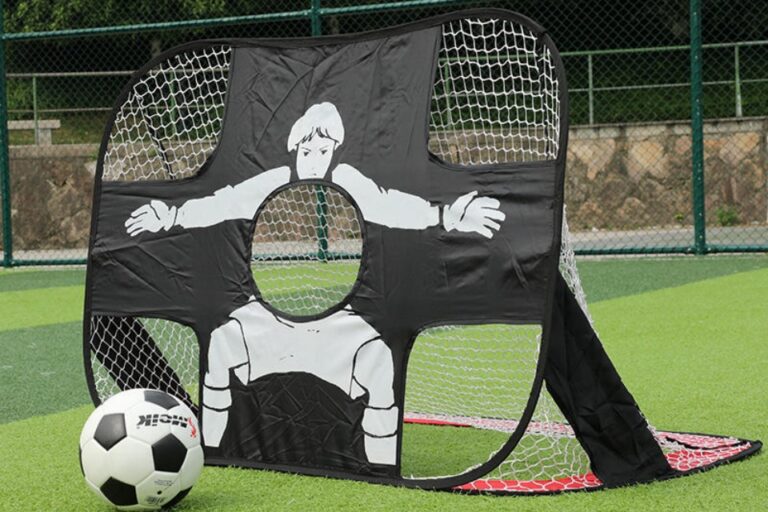
Safety Standards & ADA Compliance For Sports Facilities
Most sports facilities do not get in trouble because they ignored one giant rule. They get in trouble because small design and equipment choices stack up into obvious ADA and safety failures.

Most sports facilities do not get in trouble because they ignored one giant rule. They get in trouble because small design and equipment choices stack up into obvious ADA and safety failures.
Continuous mesh looks cleaner and removes seam-related weak points, but replacement can hurt. Modular panels are easier to service, yet every seam, clip line, and junction becomes a future maintenance decision.
Most venue operators do not have a compliance system. They have a pile of forms, a waiver nobody has stress-tested, and equipment choices that quietly increase liability. This piece explains where ADA rules, safety standards, and insurance actually collide in sports facilities—and where the expensive mistakes keep happening.
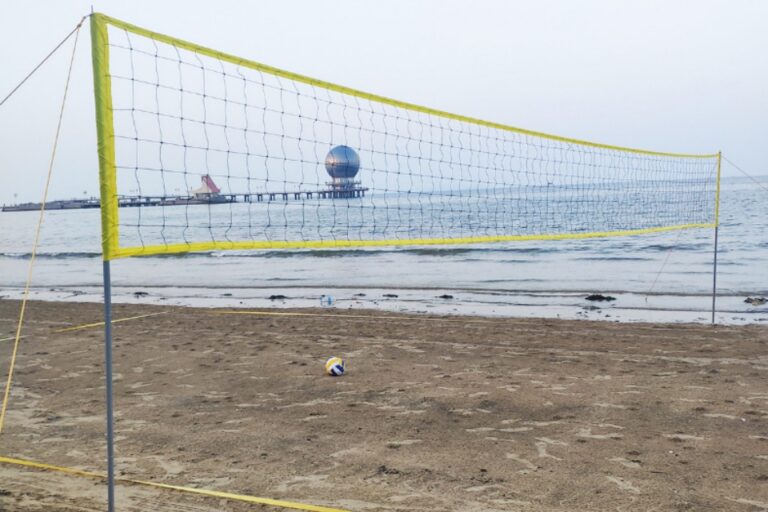
Most buyers do not fail because they pick the wrong price. They fail because they trust the wrong proof, and reliable sports netting suppliers know how to prove quality before the first container ships.
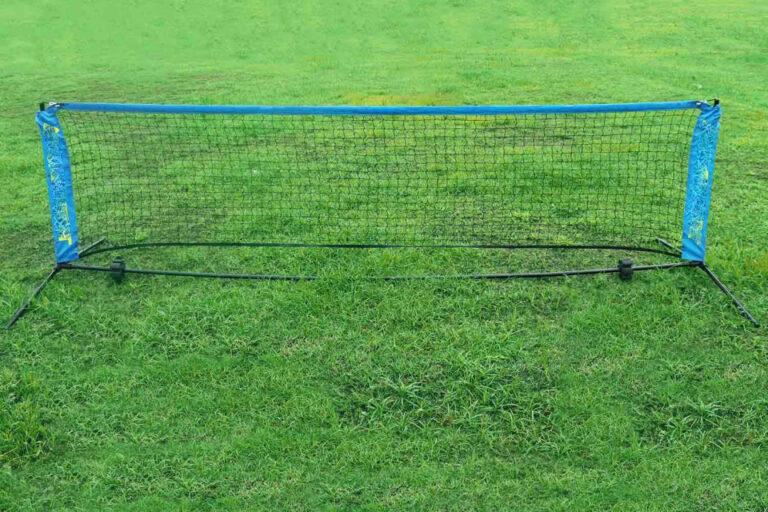
Customs is a paperwork filter before it is a logistics process. This guide breaks down the import documentation stack, the real customs timeline, and why “Form 4664” needs a fact-check before anyone files it.
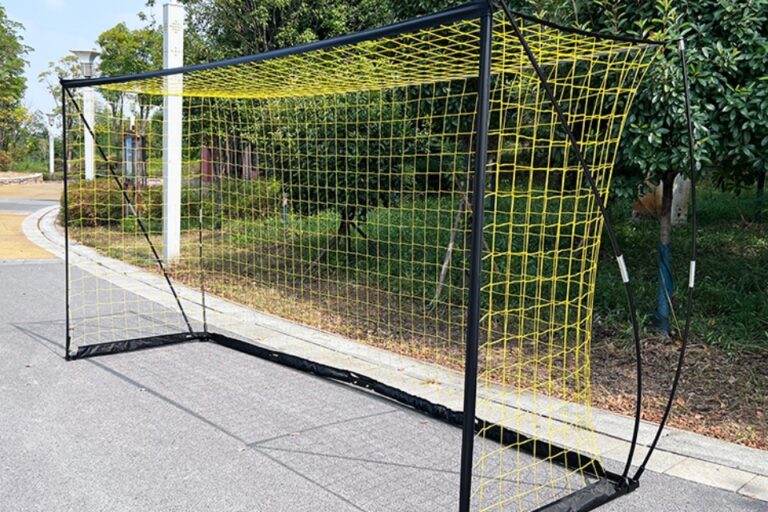
Black and white are the safe defaults because they are easy to source, easy to replace, and hard to mess up. Custom colors can look fantastic, but only when the buyer understands where color belongs, what it costs, and how fast the schedule can slip.
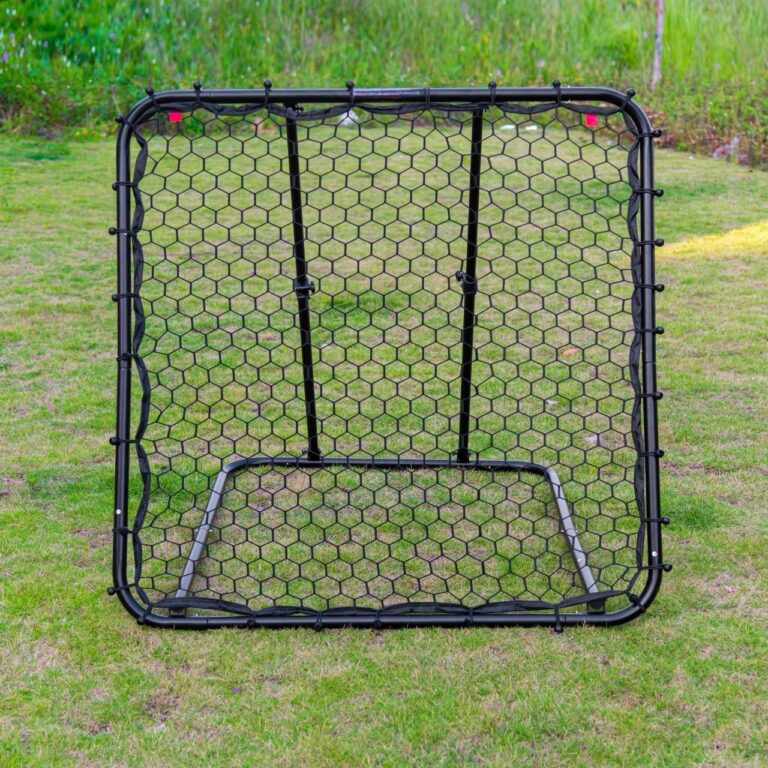
Permanent netting usually wins when your layout never moves and your risk profile stays high every day. Modular netting earns its keep when reconfiguration speed, staffing reality, and multi-use scheduling matter more than brute permanence.
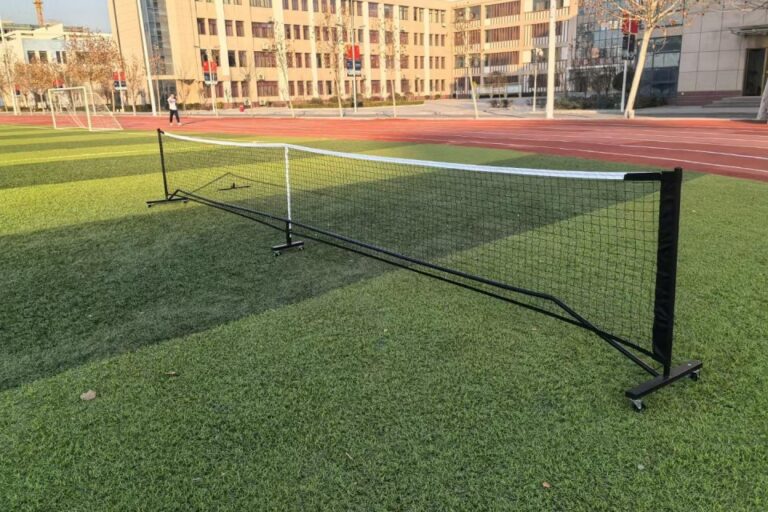
Most supplier strategies fail for one boring reason: buyers confuse low unit cost with low risk. This piece shows when backup suppliers save margin, when long-term contracts make sense, and when both become expensive theater.
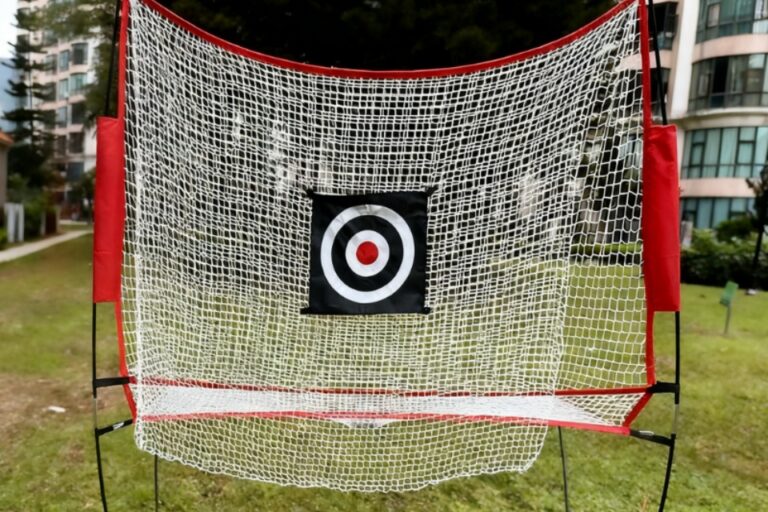
Nearshoring sports equipment is not a slogan. It is a tariff, freight, and working-capital decision that rewards buyers who understand origin rules and punishes buyers who only compare ex-works quotes.
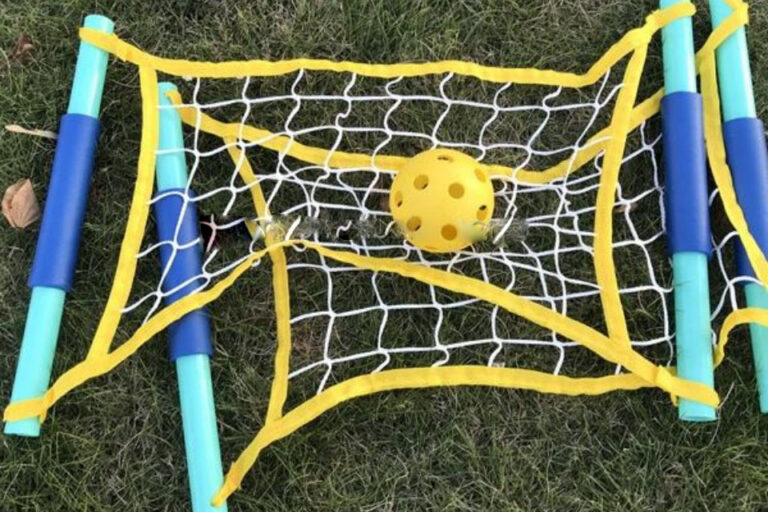
Most buyers pick netting by size, price, or twine thickness and miss the variables that actually decide service life. Temperature swings, material weight, and elasticity change how outdoor nets stretch, sag, absorb impact, and fail.
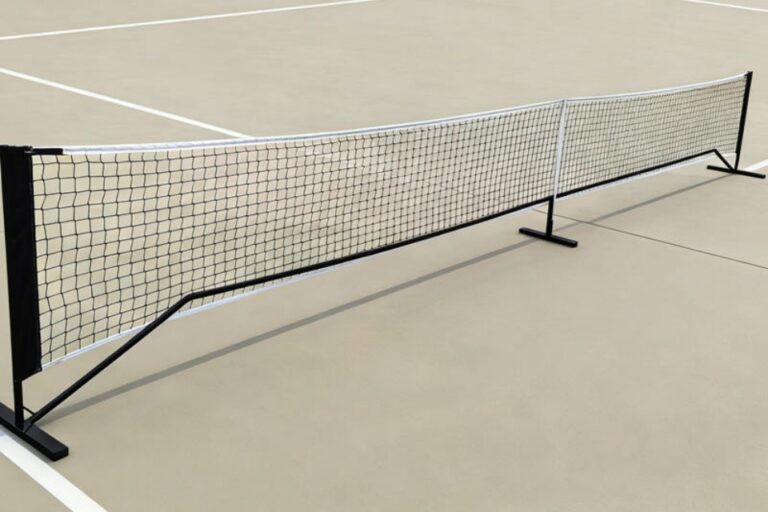
Most sizing mistakes are not math mistakes. They are procurement mistakes disguised as optimism, and this guide shows you how to stop making them. We break down the real inputs behind sports netting estimates, show where buyers get burned, and give you a practical model you can use before you place a PO.
Section 301 and Section 232 are not interchangeable, and treating them that way is how importers lose margin without noticing until the quarter closes. This guide explains the difference, shows the 2024 evidence, and lays out practical rate hedging moves that actually matter.