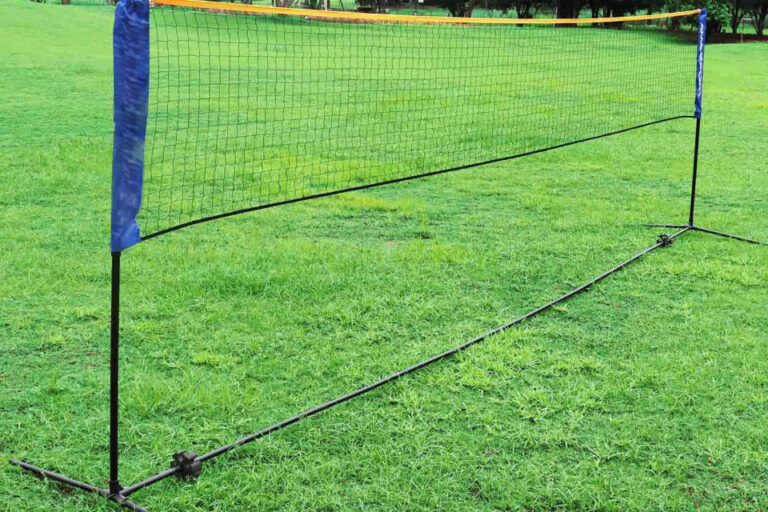
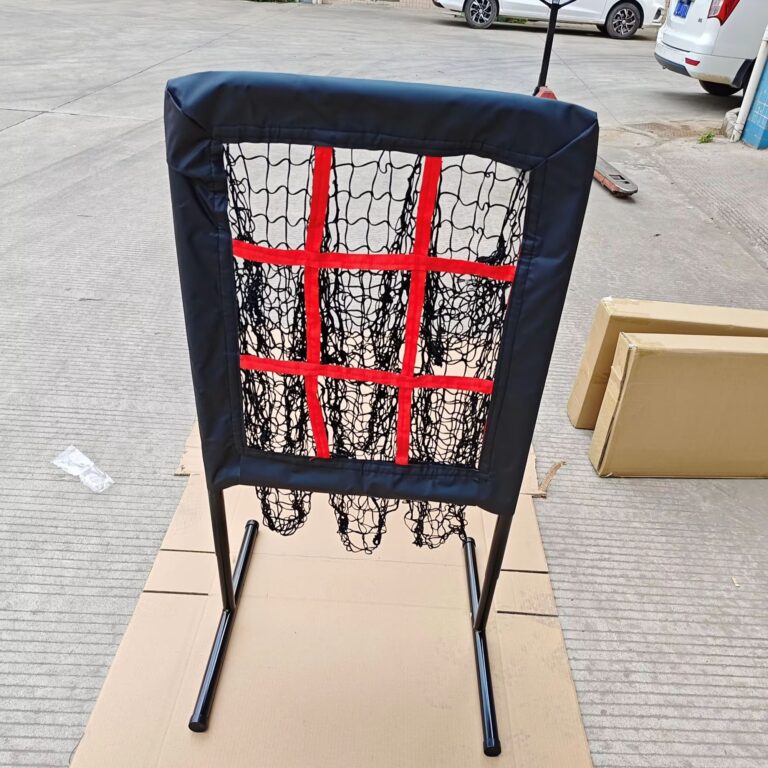
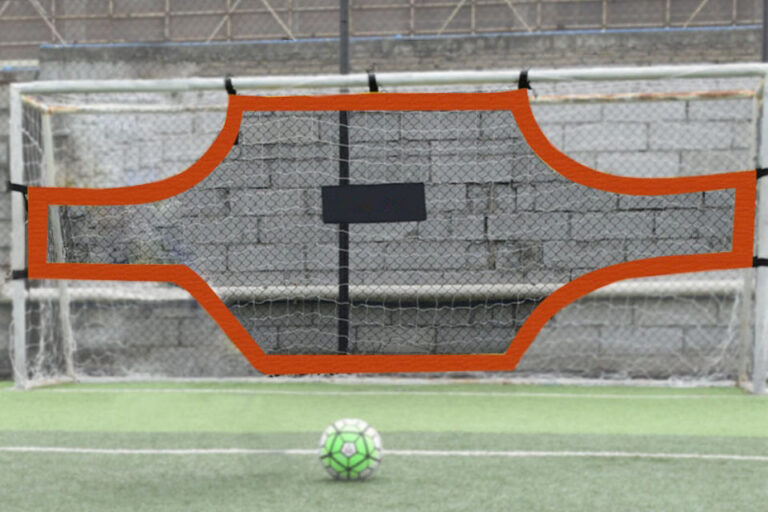
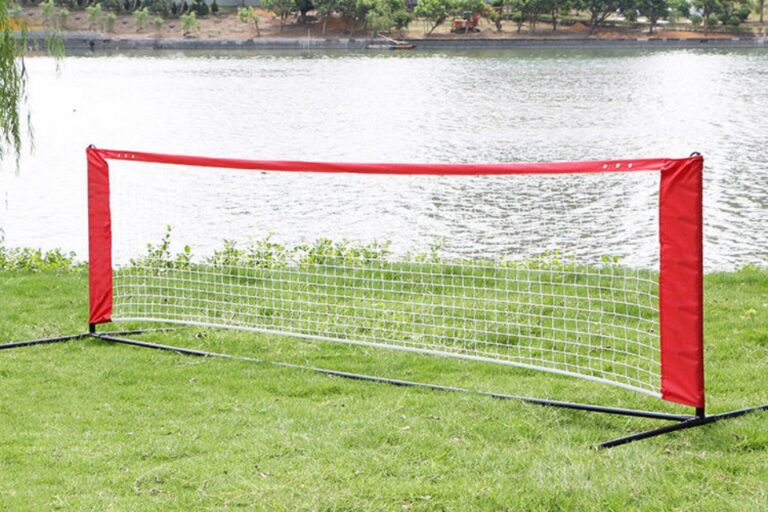
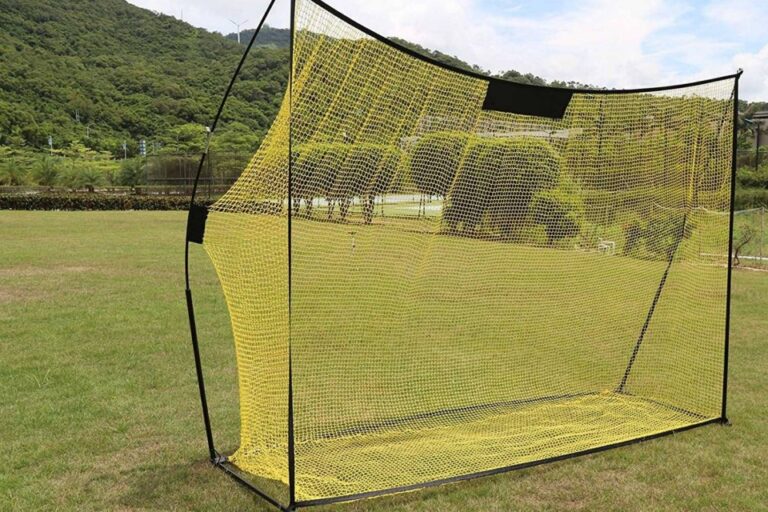
Dites-nous ce que vous souhaitez développer. FSPORTS prend en charge les projets OEM/ODM, les marques de distributeur et les projets de filets de sport sur mesure, à partir de votre produit existant, d'un plan, d'un échantillon, d'une photo ou de vos exigences d'application.
Veuillez nous communiquer le type de produit, ses dimensions, la quantité souhaitée, la destination, ainsi que toutes les exigences connues concernant la maille, le matériau, l'armature, la quincaillerie, le logo ou l'emballage. Si votre cahier des charges n'est pas encore complet, envoyez-nous les informations dont vous disposez ; nous pourrons examiner les détails restants avant de vous établir un devis.
Normes ASTM, ISO 9001 et CPSIA : Liste de contrôle pour la certification des équipements
Mais soyons honnêtes : la plupart des discours sur la “certification” des équipements ne sont qu'un écran de vente - des acronymes dont on se souvient à moitié, un joli PDF avec un tampon et un fournisseur qui jure que c'est “la même chose que la dernière fois”, jusqu'à ce que le conteneur atterrisse et qu'un responsable de la conformité commence à poser des questions grossières auxquelles vous ne pouvez pas répondre sans fouiller dans les fils de courriels et les rapports de laboratoire poussiéreux. Cela fonctionne. En général.
J'ai vu des équipes passer plus de temps à se demander s'il fallait indiquer “certifié ASTM” sur la page d'un produit qu'à vérifier l'authenticité de ce produit. réel révision, le réel et le réel des tests liés à l'UGS. Puis ils s'étonnent lorsque quelque chose ne va pas. Pourquoi ?
Voici l'horrible vérité : les auditeurs aiment les classeurs, les services d'approvisionnement aiment les badges et les usines aiment les expéditions - aucun de ces groupes n'est récompensé pour vous avoir dit que votre preuve est fragile jusqu'au jour où vous vous rendez compte qu'elle n'est pas fiable et qu'elle ne l'est pas. besoin Il n'y a pas d'autre solution. Ce jour-là a l'habitude d'arriver à 16 h 58 un vendredi.
Pourtant, le monde réel ne se préoccupe pas de votre classeur.
En décembre 2024, la Commission américaine de sécurité des produits de consommation (U.S. Consumer Product Safety Commission) a averti les consommateurs de ne plus utiliser certains buts de football portables 4×8 en raison d'un risque d'empalement, un décès ayant été signalé. (cpsc.gov) Ce n'est pas du “théâtre de conformité”. Il s'agit d'un produit à l'état sauvage, qui échoue d'une manière que personne ne peut imaginer.
Donc... C'est l'heure de la check-list. Pas une liste de contrôle des vibrations. Une liste de preuves.
La partie que tout le monde confond : ASTM, ISO 9001, CPSIA ne sont pas interchangeables.
Cependant, les gens les mélangent comme s'il s'agissait d'un méga-standard - un certificat pour les dominer tous - alors qu'il s'agit en réalité de trois machines distinctes avec des carburants différents, des résultats différents et des façons différentes de faire exploser votre semaine.
L'ASTM d'abord. Les gens disent “certifié ASTM” comme s'il s'agissait d'un titre unique que l'on peut acheter et stratifier. En général, ce n'est pas le cas. L'ASTM International publie principalement des normes ; elle ne fait généralement pas de certification. pas ne certifie pas les produits comme l'imaginent les équipes chargées des achats. Leur propre FAQ tente de dissiper cette idée fausse et renvoie à des programmes de certification gérés par d'autres organismes (comme le Safety Equipment Institute). (astm.org)
ISO 9001 ensuite. Il s'agit d'un système de gestion de la qualité - contrôles des processus, contrôle des documents, audits internes - et non d'un badge de sécurité des produits. L'Organisation internationale de normalisation est très directe sur ce qu'est ISO 9001 (et sur ce qu'elle n'est pas). (iso.org)
Et la CPSIA ? C'est là que la machinerie juridique américaine se met en branle. C'est le territoire de l'application de la loi - tests, mécanismes de certification et sanctions si vous faites semblant, si vous ne faites rien ou si vous continuez à vendre alors que vous auriez dû le signaler. (cpsc.gov)
Trois seaux. Un dossier par UGS.
Liste de contrôle pour la certification de l'équipement (les éléments dont vous avez réellement besoin dans le dossier)
Pourtant, je vois encore des marques faire les choses à l'envers : elles cherchent à obtenir un certificat premier, puis de tenter de le justifier après coup. C'est ainsi que l'on se retrouve avec des rapports de laboratoire qui ne correspondent pas au modèle, ou des usines “certifiées ISO” qui sous-traitent discrètement des matériaux parce que personne n'a verrouillé la nomenclature.
Faites-le de manière ennuyeuse. La méthode sûre. La méthode qui permet de survivre à un audit au cours duquel la personne en face est payée pour être méfiante.
1) Classer le produit comme le ferait un régulateur
Âge de l'utilisateur prévu : le produit est-il destiné aux enfants (≤12) ? Si c'est le cas, vous risquez de tomber sous le coup de la CPSIA.
Profil de risque : impact, enchevêtrement, basculement, points tranchants, points de pincement, inflammabilité, exposition aux produits chimiques.
Spécificités de la nomenclature : polymères (nylon 6/6 ou “nylon”), métaux (acier au carbone ou inoxydable), revêtements, encres, crochets, élastiques, adhésifs.
D'après mon expérience, c'est sur les “petites pièces” que l'on se fait griller - le matériel, les cordons, les revêtements - parce que ce sont les pièces les plus faciles à échanger par les usines lorsqu'elles sont dans l'embarras. Et c'est précisément sur elles que les auditeurs se penchent.
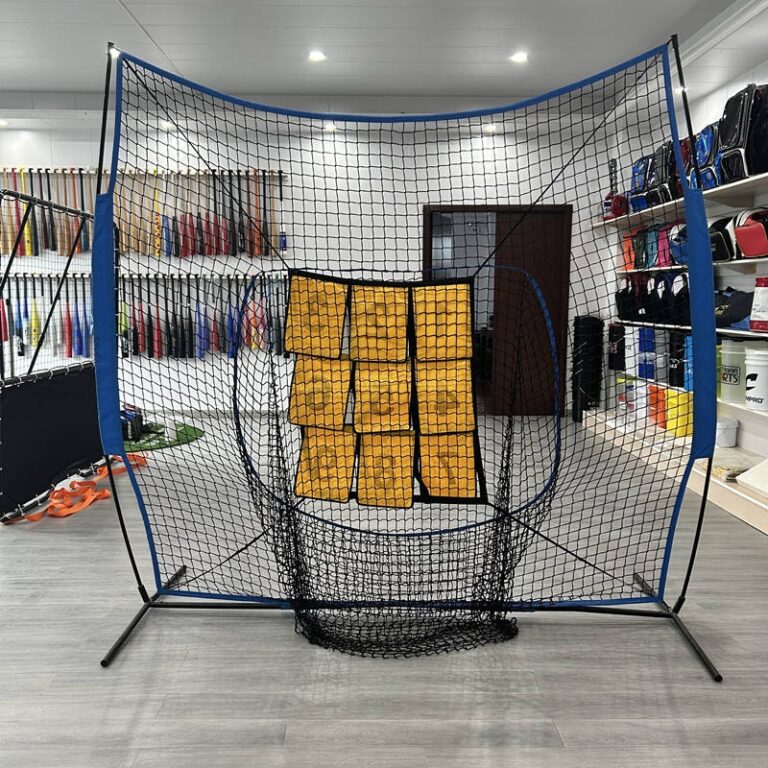
Si vous vendez quelque chose qui sent la formation en arrière-cour - par exemple un filet de golf portable avec feuille de cible et retour-Les acheteurs supposeront que vous avez pensé aux doigts, aux cordons, aux revêtements, aux ancrages. L'avez-vous fait ? Ou avez-vous simplement copié la fiche technique d'un concurrent ?
2) Conformité aux normes ASTM : choisir la ou les bonnes normes, puis faire correspondre les preuves aux clauses.
C'est là que les gens deviennent paresseux. L'ASTM n'est pas une norme unique, mais des milliers. (astm.org) Votre travail consiste à identifier ce qui s'applique (par type d'équipement), puis à documenter la conformité au moyen de méthodes d'essai et d'ingénierie contrôlée.
Pour les buts de football portables, l'exemple le plus souvent cité est l'ASTM F2950 (sécurité/performance des buts de football). (blog.ansi.org) Et si vous pensez que cela n'est que théorique, revenez à l'avertissement de la CPSC de décembre 2024 - les pointes métalliques exposées et les mécanismes de blessure réels sont l'objet de la spécification. (cpsc.gov)
Ensemble minimal de preuves (non négociable si vous êtes sérieux) :
Liste des normes ASTM applicables + dates de révision (et pourquoi vous les avez choisies)
Rapports de laboratoire (ou validation interne si votre acheteur le permet) liés à :
numéro de modèle
révision
lot de matériaux là où c'est important
Dessins + tolérances (oui, même si le marketing déteste les dessins)
Emballage/IFU correspondant à un assemblage et un ancrage sûrs (pas de diagrammes fantaisistes)
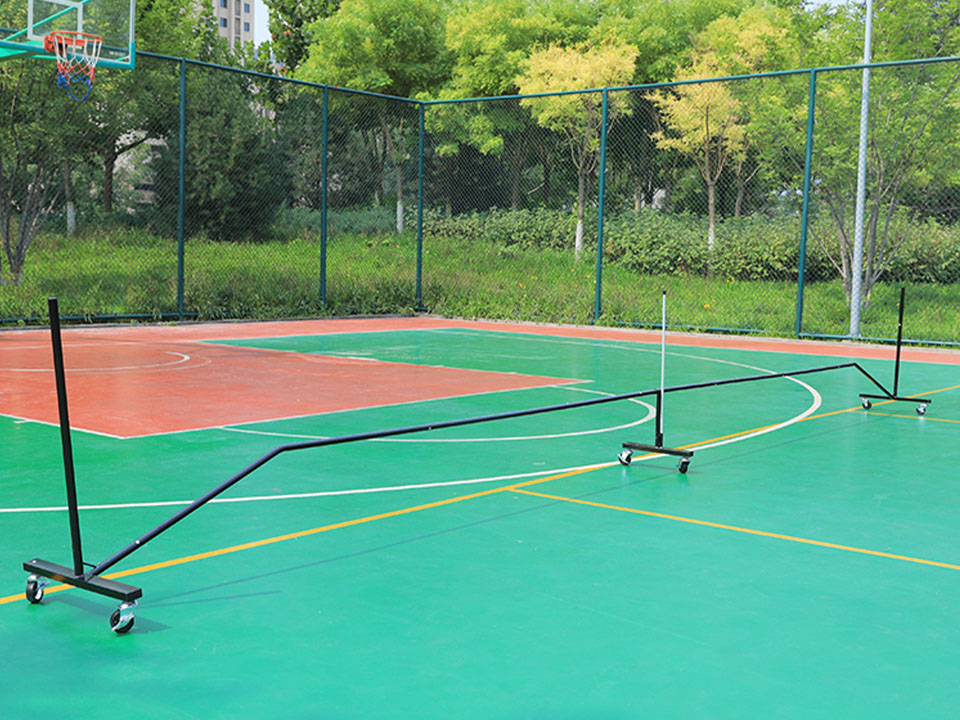
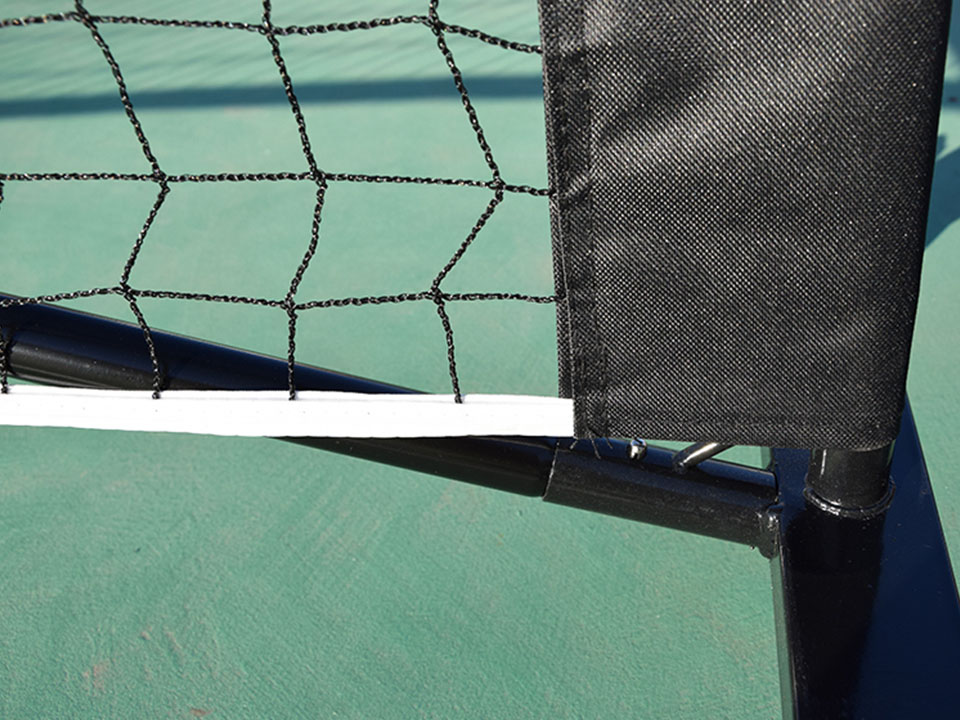
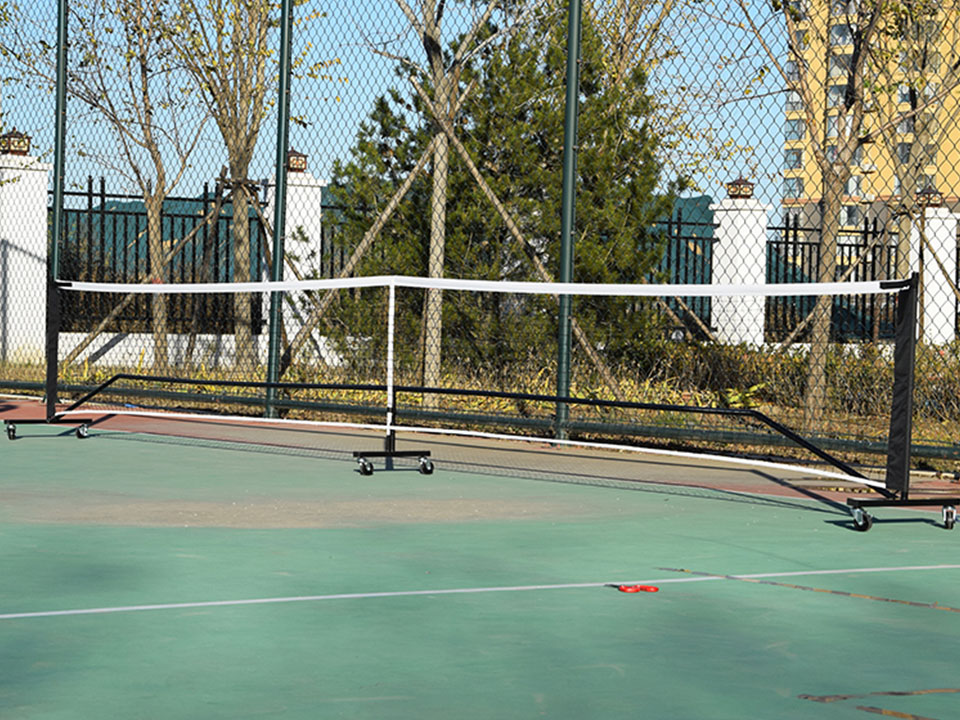
Et si vous vendez un produit avec un cadre en acier et une bande supérieure tendue - comme un système de filet de pickleball intérieur réglable avec cadre en acier-Votre risque n'est pas “les produits chimiques d'abord”. Il s'agit des points de pincement, de la stabilité, de l'assemblage, de la fatigue du matériel. Risque différent. Preuve différente.
3) ISO 9001 : traitez-la comme une crédibilité de processus et non comme un label de sécurité.
Mais c'est avec l'ISO 9001 que je vois le plus d'autosatisfaction : les entreprises brandissent le certificat comme s'il signifiait que le produit est sûr. Non. Cela signifie que l'organisation affirme pouvoir mettre en œuvre un processus contrôlé. C'est tout. (iso.org)
Je pense franchement que la norme ISO 9001 est à la limite de l'inutilité, à moins que vous ne puissiez la démontrer :
Nomenclature contrôlée + historique des révisions des dessins
les critères d'inspection à l'arrivée (et les enregistrements, et non pas “nous avons regardé à l'œil”)
traitement des non-conformités (registres MRB, dispositions, instructions de reprise)
registres d'étalonnage des outils de mesure
le contrôle des modifications (ECR/ECO) lié aux lots de production
En effet, dans le domaine de la fabrication d'équipements, le changement “toujours le même” - nouveau fournisseur de crochets, revêtement différent, spécifications de cordon modifiées - rien ne change dans la liste, mais la conformité vient de basculer en dessous de vous.
Et si vous souhaitez que la navigation soit conviviale pour les acheteurs, faites en sorte qu'ils puissent facilement parcourir votre catalogue par l'intermédiaire de systèmes de filets de sport et matériel d'entraînement-en étayant chaque ligne de produits par des preuves au niveau du modèle, et pas seulement par des photos et des adjectifs.
4) CPSIA : s'il s'agit d'un produit pour enfants, il faut des tests en laboratoire et des certificats correspondant à ce qui a été expédié.
Pourtant, c'est dans le cadre de la CPSIA que les conséquences cessent d'être théoriques. Et la paperasserie devient rapidement spécifique.
Commencez par ce que la loi et la Commission attendent :
Tests effectués par des tiersLa loi fédérale exige que les produits pour enfants soient testés par un laboratoire agréé par la CPSC en ce qui concerne les exigences de sécurité applicables aux produits pour enfants. Plus de 600 laboratoires dans le monde. (cpsc.gov)
Plomb: produits pour enfants avec >100 ppm de plomb dans un composant accessible sont considérées comme des substances dangereuses interdites en vertu de l'article 101 de la CPSIA. (cpsc.gov)
Phtalates (pour les catégories pertinentes telles que les jouets/articles de puériculture) : les limites sont les suivantes >0,1% pour les phtalates spécifiés, y compris le DEHP, le DBP, le BBP, le DINP (et d'autres). (cpsc.gov)
Étiquettes de suivi: Les directives de la CPSIA sur les étiquettes de suivi existent parce que l'efficacité des rappels dépend de la traçabilité. (cpsc.gov)
CertificatsLa loi sur la protection de l'environnement (LPE) prévoit que le fait de ne pas fournir de CPC (ou d'en délivrer un faux ou trompeur) constitue une infraction passible de poursuites civiles (et potentiellement pénales). (cpsc.gov)
Maintenant, la partie qui préoccupe soudainement les dirigeants : l'application de la loi.
En novembre 2024, la CPSC a annoncé une $16,025 millions d'euros règlement de sanctions civiles concernant des lits muraux et des allégations de manquement à l'obligation de signaler les dangers ; les détails ont également été publiés par les voies officielles. (cpsc.gov) En novembre 2023, le ministère américain de la justice a annoncé la condamnation de deux dirigeants d'entreprise dans le cadre d'une toute première poursuite pénale pour défaut de déclaration en vertu de la loi sur la sécurité des produits de consommation (Consumer Product Safety Act). (justice.gov)
Une catégorie de produits différente de celle des filets, bien sûr. Mais la règle du jeu est la même : “Nous ne savions pas” ne fait pas bon ménage avec un régulateur qui lit vos courriels.
Et si vous commercialisez quelque chose qui s'adresse explicitement aux enfants - par exemple un filet de pickleball portable de 5 pieds pour l'entraînement des enfants-Déterminez si vous vous trouvez sur le territoire des produits pour enfants. Ne soyez pas vague. L'imprécision coûte cher.
La comparaison qui intéresse les acheteurs
Je ne prétends pas que toutes les entreprises ont besoin de services de conformité de niveau doctoral. Mais si vous vendez des équipements physiques avec des cadres, des cordons et des revêtements, vous devez savoir dans quel seau vous vous trouvez - conformité aux spécifications ASTM, crédibilité des processus ISO, conformité à la loi CPSIA - et vous avez besoin des reçus lorsque quelqu'un vous demande “Montrez-moi”.”
Le cadre
Ce qu'il est vraiment
Ce que vous devez montrer
Là où les équipes se trompent
Un “gotcha” typique dans le domaine de l'équipement
ASTM (normes sélectionnées)
Spécifications consensuelles volontaires qui deviennent souvent des exigences de l'acheteur/du contrat
Sélection correcte des normes + preuves de test/validation en fonction des exigences
Revendication de la mention “certifié ASTM” sans tests liés à l'UGS/révision
Stabilité, basculement, pointes tranchantes, arrachement des attaches, risques liés aux cordons.
ISO 9001:2015
Exigences du système de gestion de la qualité
Contrôle des processus : contrôle des documents, CAPA, traçabilité, audits
Penser que l'ISO remplace les essais de produits
Des changements techniques silencieux qui ne sont jamais enregistrés
CPSIA (enfants)
Exigences légales américaines pour les produits pour enfants
Tests de laboratoire effectués par des tiers, CPC, informations sur l'étiquette de suivi, restrictions matérielles
Utilisation des COA des fournisseurs au lieu des tests de laboratoire acceptés par le CPSC
Plomb dans les revêtements/le matériel ; phtalates dans les composants souples ; traçabilité manquante
FAQ (conçues pour les moteurs de réponse, pas pour les réunions de comité)
Qu'est-ce qu'une liste de contrôle pour la certification des équipements ?
Une liste de contrôle de certification des équipements est un ensemble de preuves documentées et spécifiques à un modèle - rapports d'essai, dessins contrôlés, nomenclatures, certificats et enregistrements de traçabilité - qui prouve qu'une UGS d'équipement particulière répond à des normes définies ou à des exigences légales (par exemple, les spécifications de performance/sécurité de l'ASTM, les contrôles de processus de l'ISO 9001, les règles de la CPSIA pour les produits destinés aux enfants) et correspond à ce qui est réellement expédié.
Parce que les services d'approvisionnement posent des questions après la commande. Et les auditeurs demandent quand vous êtes occupé.
Quelles sont les exigences de certification ASTM pour les équipements ?
Les “exigences de certification” de l'ASTM signifient généralement la démonstration de la conformité à une ou plusieurs normes ASTM spécifiques par le biais de tests/validations cartographiés et d'une documentation contrôlée, parce que l'ASTM publie des normes et que la conformité est prouvée par des preuves, et non par un certificat général universel, à moins que vous n'utilisiez un programme de certification formel d'une tierce partie lié à un système spécifique. (astm.org)
Choisissez d'abord la norme. Ensuite, prouvez chaque clause que vous revendiquez.
Que comprend une liste de contrôle pour la certification ISO 9001 ?
Une liste de contrôle pour la certification ISO 9001 est une liste de préparation au SMQ couvrant les processus documentés, le contrôle des documents, les audits internes, les actions correctives, l'étalonnage, les contrôles des fournisseurs et les mécanismes de traçabilité nécessaires pour démontrer que votre organisation peut produire de manière cohérente des résultats conformes aux exigences de la norme ISO 9001:2015. (iso.org)
Si votre processus d'ECO se résume à “nous nous en souviendrons”, vous n'êtes pas prêt.
Quelles sont les exigences en matière de certification des équipements CPSIA ?
La certification CPSIA pour les produits pour enfants applicables exige des tests effectués par une tierce partie dans un laboratoire agréé par la CPSC pour les règles pertinentes, la délivrance d'un certificat de produit pour enfants (Children's Product Certificate - CPC) qui identifie précisément le produit et les tests, des informations de suivi conformes sur l'étiquette lorsque cela est possible, et le respect des limites matérielles, telles que les restrictions relatives à la teneur en plomb. (cpsc.gov)
Et oui, c'est précisément là que la plupart des gens trébuchent.
Comment éviter de se faire griller par des “certificats” qui ne correspondent pas à l'envoi ?
Pour éviter les erreurs de certificat, il faut contrôler les révisions et la traçabilité afin que le certificat, le rapport d'essai et l'unité produite partagent les mêmes identifiants de modèle, les mêmes matériaux et les mêmes dates de fabrication, tandis que le contrôle des modifications apportées par le fournisseur empêche les substitutions silencieuses (crochets, élastiques, revêtements, colorants) qui peuvent faire basculer le statut de conformité sans changer l'appellation commerciale.
Ma règle de base : si vous ne pouvez pas l'associer à un lot, il ne s'agit pas d'une preuve.
CTA
Mais n'attendez pas qu'on vous fasse peur pour prendre des mesures disciplinaires.
Si vous vendez des filets, des buts, des cages ou des rebondisseurs, la conformité ne peut pas être un élément secondaire collé à la liste d'emballage. Commencez par vos UGS réelles, créez un dossier de preuves par ligne de produits et facilitez le libre-service pour les acheteurs.