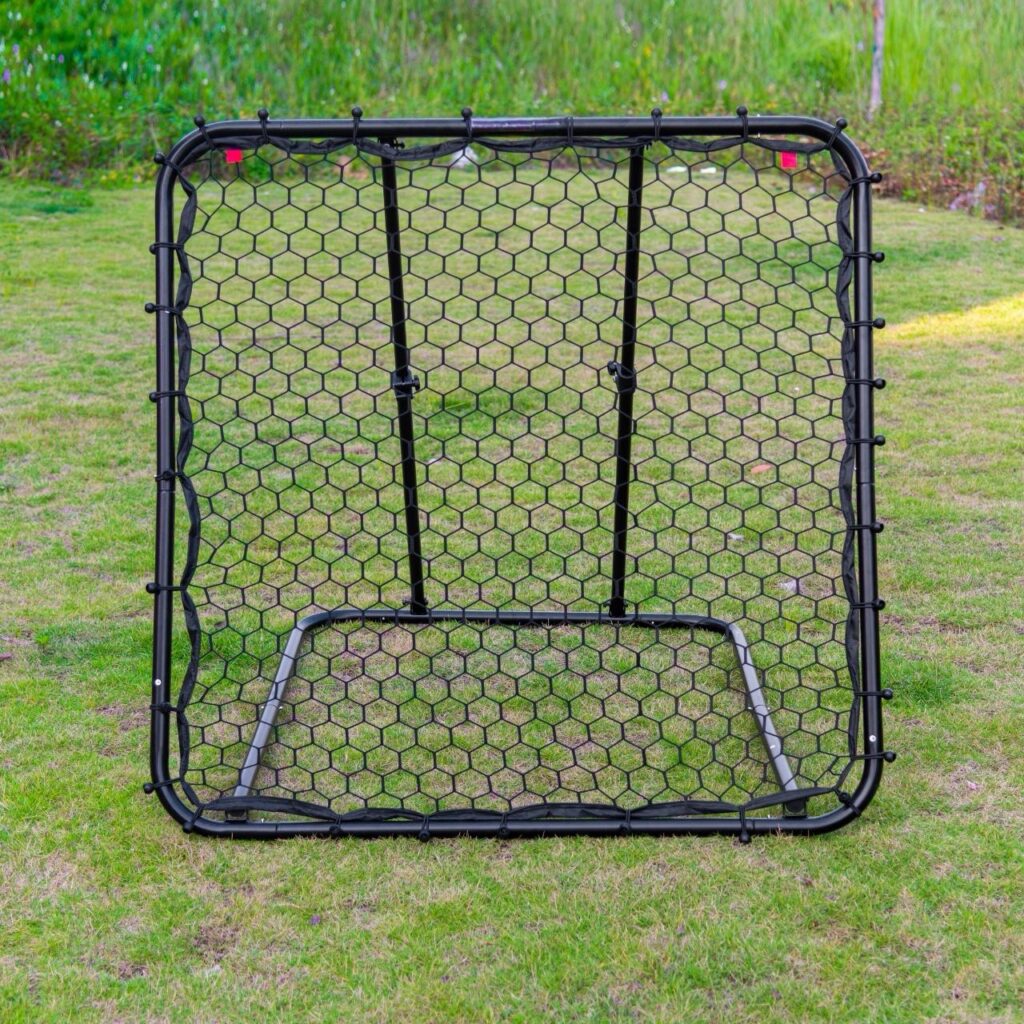
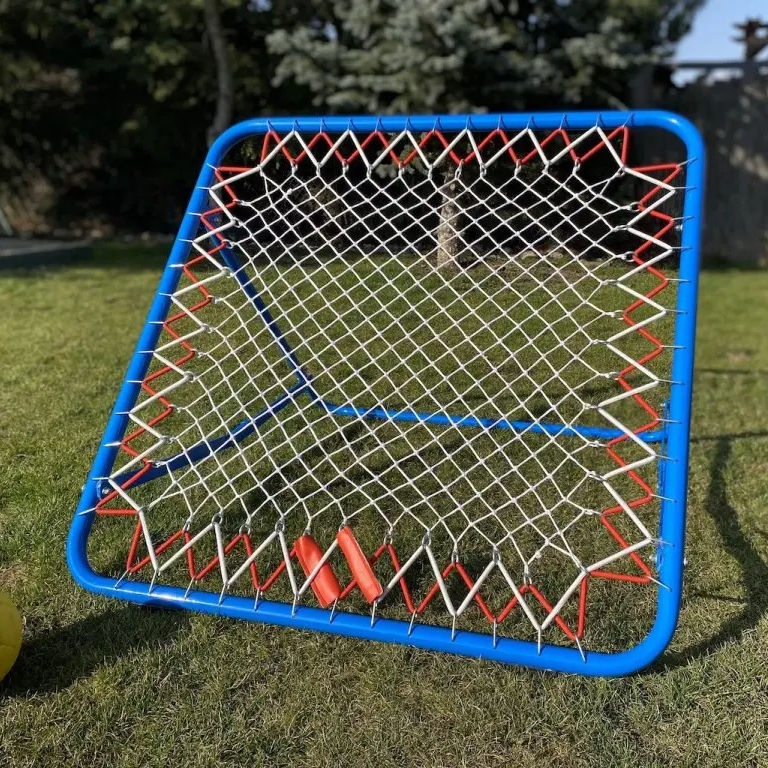
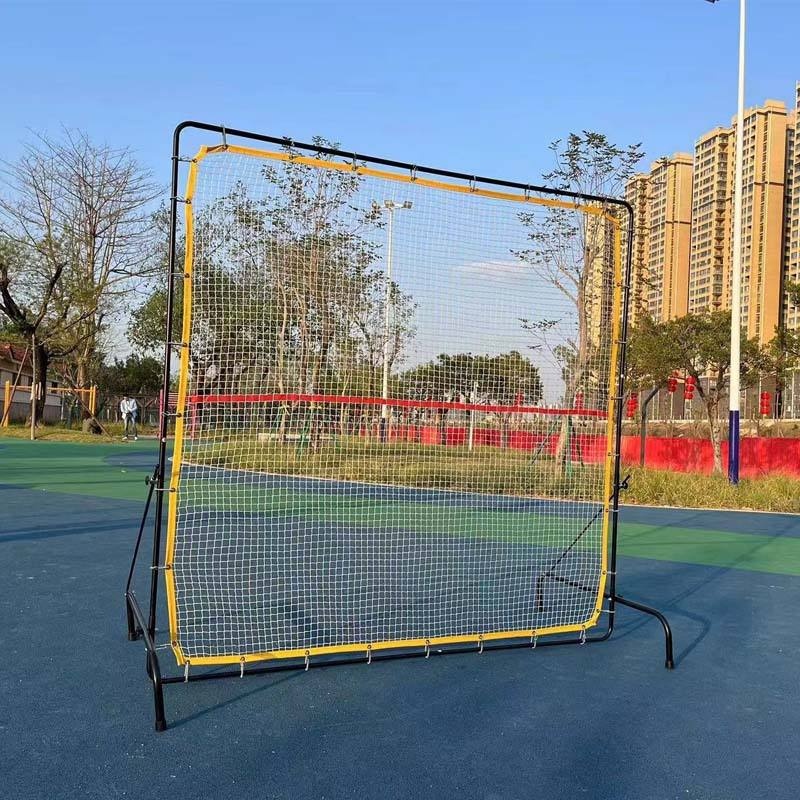
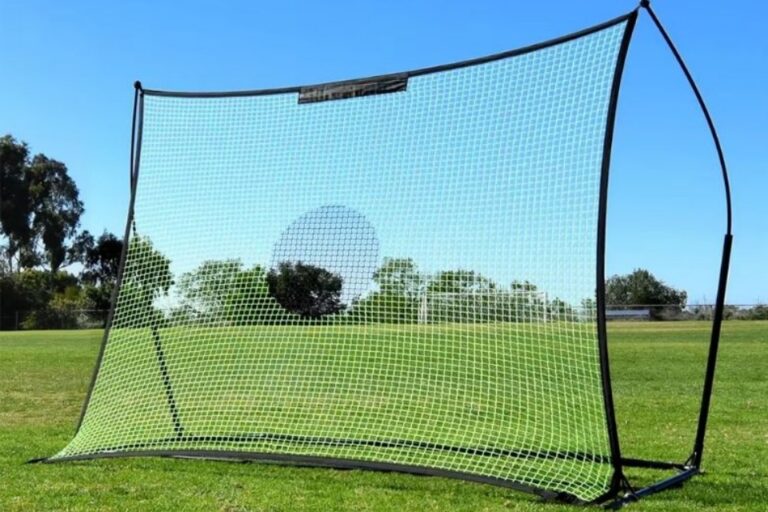
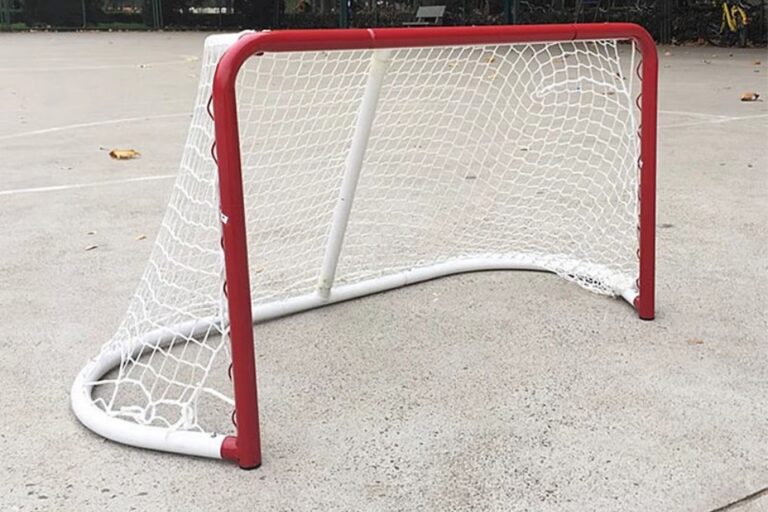
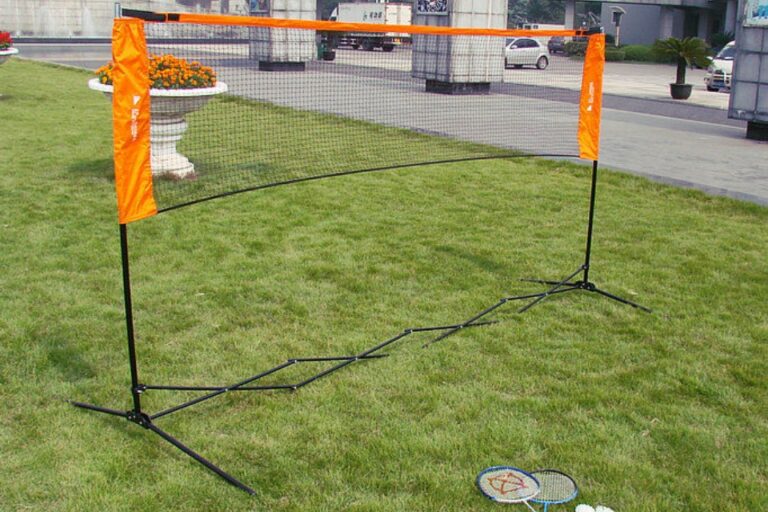
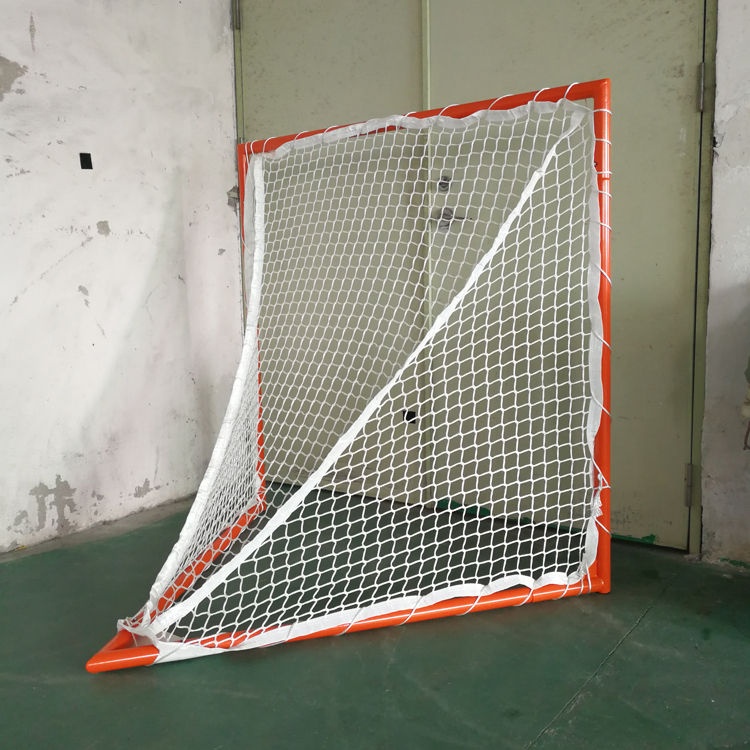
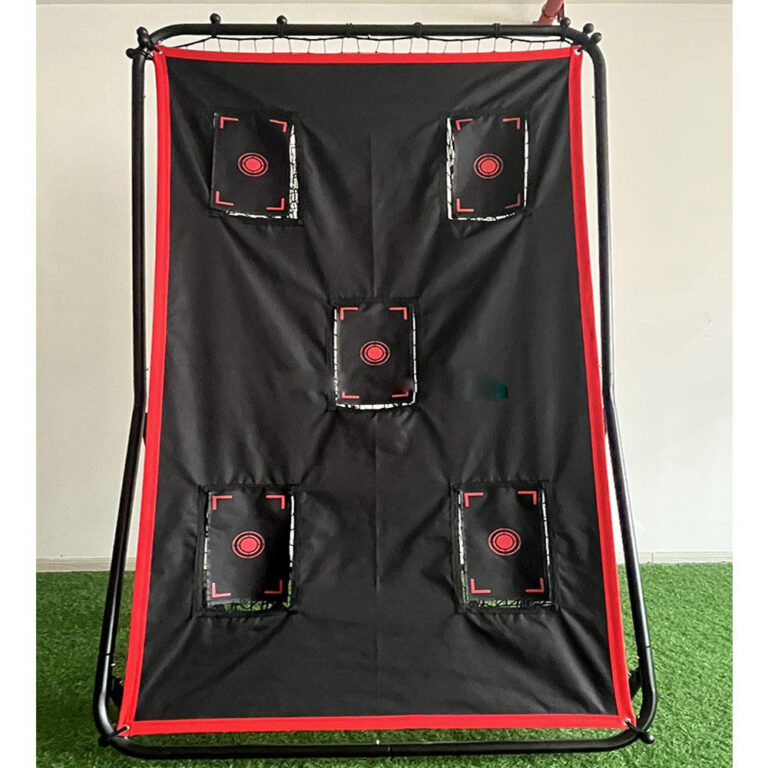
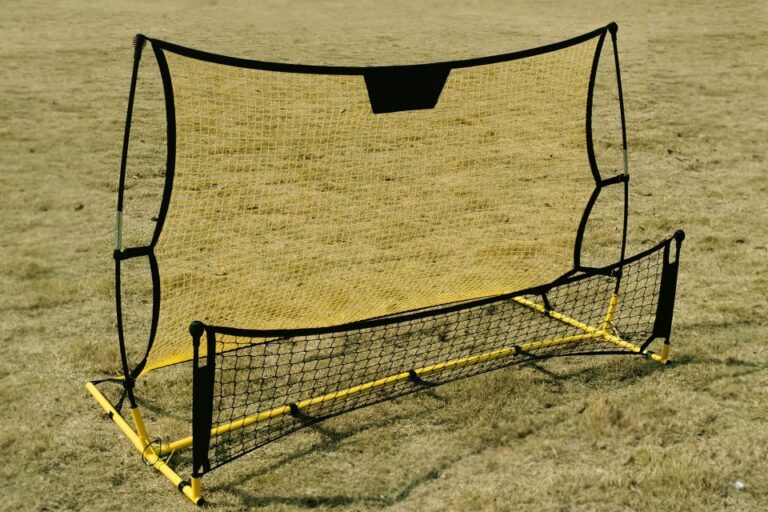
Dites-nous ce que vous souhaitez développer. FSPORTS prend en charge les projets OEM/ODM, les marques de distributeur et les projets de filets de sport sur mesure, à partir de votre produit existant, d'un plan, d'un échantillon, d'une photo ou de vos exigences d'application.
Veuillez nous communiquer le type de produit, ses dimensions, la quantité souhaitée, la destination, ainsi que toutes les exigences connues concernant la maille, le matériau, l'armature, la quincaillerie, le logo ou l'emballage. Si votre cahier des charges n'est pas encore complet, envoyez-nous les informations dont vous disposez ; nous pourrons examiner les détails restants avant de vous établir un devis.
Filets permanents ou modulaires : installation, coût et flexibilité
Pourquoi la plupart des acheteurs se font une fausse idée des systèmes de filets
La plupart des acheteurs se trompent sur ce point, et pas qu’un peu, car ils se concentrent sur le poids du filet, le type de nœuds et la taille des panneaux, tout en négligeant les éléments qui, en réalité, font exploser le budget par la suite : le forage, les points d’ancrage, le cheminement des câbles, la location des engins de levage, les heures de travail de l’équipe, la main-d’œuvre nécessaire au réaménagement, et l’inévitable “ solution provisoire ” qui devient définitive après deux saisons des pluies. Ça arrive. Souvent.
Je pense sincèrement que le secteur des filets a habitué les acheteurs à poser la mauvaise question dès le départ. Ils demandent : “ Lequel est le plus résistant ? ” C’est légitime. Mais ce n’est pas judicieux. La meilleure question est plus dérangeante : combien ce système va-t-il vous coûter après que votre personnel l’aura manipulé 800 fois, traîné sur une dalle, fixé au mauvais endroit et laissé mal tendu parce que tout le monde était déjà en retard pour la réservation suivante ?
C'est là que ça se passe. Juste là.
Quand il est plus judicieux d'opter pour un filet permanent
Je fais confiance aux filets permanents lorsque l’emplacement est figé, que la trajectoire de la balle est prévisible et que le responsable du terrain n’envisage pas secrètement trois changements d’agencement avant l’été. Des couloirs de golf fixes. Filets de protection. Barrières périphériques. Cages de frappe. Ces installations justifient généralement l’utilisation de filets de sécurité permanents, car une fois que les poteaux, la géométrie des travées et les fixations sont réglés, le système ne nécessite plus aucune intervention humaine. Si c’est votre configuration, je commencerais par Options de filets d'extérieur ou ceux-ci systèmes de filets de golf avant de payer un supplément pour une mobilité dont vous ne profiterez jamais vraiment.
Pourquoi les filets modulaires séduisent-ils les établissements polyvalents ?
Mais « modulaire » ? C'est une tout autre histoire.
Les filets modulables s'avèrent être la solution idéale lorsque le bâtiment traverse une crise d'identité — et une solution rentable, qui plus est. Des courts partagés. Des aménagements saisonniers. Des zones d'entraînement qui passent du tennis au badminton puis au pickleball avant même l'heure du déjeuner. Dans ces espaces, un système de filets multisports ou un filet multisport réglable avec base roulante et roulettes C'est plus pratique qu'une installation fixe qui nécessite des outils, des échelles et un petit coup de pouce du destin chaque fois que l'on souhaite changer l'agencement. Des réaménagements plus rapides. Moins de casse-tête.
Le coût ne se limite pas au prix d'achat
Voici la triste vérité : dans ce domaine, le “ moins cher ” relève souvent d’un faux calcul. Les filets permanents s’avèrent souvent plus coûteux dès le départ, car vous payez les poteaux, les ancrages, les fixations structurelles, la finition des bords, le matériel d’accès et le temps de travail de l’équipe – des éléments dont personne ne se souvient une fois la facture classée. Les filets modulaires peuvent sembler plus économiques au premier abord, certes, mais ensuite, les dépenses s’accumulent : pieds supplémentaires, attaches de rechange, roulettes défectueuses, remplacements de panneaux, cadres tordus, main-d’œuvre pour les déplacer, main-d’œuvre pour les stocker, main-d’œuvre pour réparer ce qui a été endommagé lors du déplacement. La mort par les accessoires.
J'ai vu des acheteurs réaliser une économie de 15% sur leurs achats, puis la perdre en six mois parce que le système ne correspondait pas au fonctionnement réel de l'atelier. Ce n'est pas un problème lié au produit. C'est le résultat d'un mauvais travail de définition des spécifications.
Et oui, le secteur de la construction dans son ensemble nous a déjà donné une indication importante à ce sujet. Une année 2024 Note d'information du ministère américain de l'Énergie a souligné que les approches modulaires peuvent réduire les coûts totaux d’un projet jusqu’à 20% et raccourcir les délais de 20% à 50% lorsque le cas d’utilisation s’y prête ; ce même rapport met également en avant la part croissante du modulaire en Amérique du Nord, ce qui me laisse penser que les acheteurs sont prêts à payer pour la rapidité et la reproductibilité — et non pour de la magie. Cela ne signifie pas pour autant que le netting modulaire soit automatiquement la solution la moins coûteuse. Cela signifie simplement que le temps coûte cher aujourd’hui. Plus cher que beaucoup ne veulent bien l’admettre.
Les problèmes d'installation que les acheteurs sous-estiment
Et puis, il y a l'installation. Les gens aiment bien faire croire que l'installation d'un filet est simple : il suffit d'accrocher le panneau, de tendre le câble, et le tour est joué. Non. Loin de là. La géométrie a son importance. Les conditions aux bords ont leur importance. La hauteur de chute a son importance. Le dégagement a son importance. Cette logique ressort clairement dans les directives de l'OSHA norme relative au filet de sécurité, qui traite de la protection contre les chutes sur les chantiers plutôt que de la sécurité dans le sport, mais la leçon s'applique parfaitement : le placement et la projection ne sont pas des choix purement esthétiques. Un mauvais positionnement expose à un risque. Point final.
Les points faibles habituels des systèmes de filets
Les points de rupture ne se trouvent généralement pas non plus là où la photo de la brochure veut attirer votre regard. Ni au milieu de la maille, ni dans ce joli rectangle bien net. C’est dans les coins. La ligne de fermeture éclair. L’ouverture de la porte. La découpe pour l’appareil photo. La modification de fortune. La jonction câble-corde qui semblait “ correcte ” jusqu’à ce qu’elle subisse 10 000 chocs successifs. C’est pourquoi j’accorde plus d’importance à l’ensemble des pièces de fixation périphériques qu’aux spécifications techniques séduisantes que le commercial ne cesse de répéter.
Les risques juridiques et de blessures sont bien réels
Vous voulez un exemple qui en jette ? Regardez Correa c. Ville de New York, où le litige portait sur une balle hors-jeu qui aurait traversé une ouverture pratiquée dans le filet de protection/filet d'arrêt à l'intention d'une caméra de télévision. Ce simple détail en dit long sur ce secteur d'activité. Les ouvertures sont le lieu où la confiance vient mourir. Chaque interruption sur mesure dans un système de barrières est un sujet de responsabilité civile déguisé sous le prétexte d'un “ besoin des installations ”.
Et le risque de blessure n'est ni abstrait, ni exagéré, ni “ éventuel ”. Une analyse menée à Cambridge sur cambridge.org On estime à 0,42–0,55 le nombre de blessures causées par des balles perdues par match de la MLB, suffisamment graves pour nécessiter des premiers secours ; les traumatismes à la tête et au visage sont fréquents et présentent un risque plus élevé de transport en ambulance ou de prise en charge hospitalière que les autres blessures survenant dans l’enceinte du stade. Ce n’est pas ce qu’on appelle “ l’expérience des supporters ”. C’est un transfert de risque, avec des points de suture à la clé.
Comment je choisirais entre un filet fixe et un filet modulaire
Alors, filet fixe ou modulaire ? Je vais être clair. Si la zone à protéger est stable, très fréquentée et ne tolère aucune erreur, j’opterais sans hésiter pour une installation permanente. En revanche, si votre budget dépend de la rapidité de transformation de l’espace, de la possibilité de pratiquer plusieurs sports dans un même espace ou de modifier la circulation sans avoir recours à un entrepreneur, les filets de barrière modulaires sont tout à fait justifiés. C’est aussi simple que ça.
Il y a tout de même des nuances. C'est toujours le cas.
Les matériaux ont leur importance, mais le comportement en a encore plus
Les caractéristiques techniques des matériaux ont bien sûr leur importance, mais je suis moins impressionné par les vantardises issues des fiches techniques que la plupart des vendeurs. Nylon 6,6, polyester, PEHD, traitement anti-UV, mailles sans nœuds, bordure tressée, acier thermolaqué, sangles élastiques, mousquetons, cosses de câble… Tout cela est pertinent. Mais d’après mon expérience, les défaillances des systèmes de filets tiennent moins à la composition chimique qu’à la manière dont ils sont utilisés. Qui les manipule ? À quelle fréquence ? Avec quelle force les tire-t-on ? Les range-t-on lorsqu’ils sont mouillés ? Quelqu’un vérifie-t-il les zones d’usure avant qu’elles ne se transforment en trous ?.
C'est pourquoi la mise en place d'une barrière fixe autour des zones où les balles de golf tombent régulièrement pourrait justifier la mise en place d'une mesure telle que Filet de protection en nylon durable pour terrain de golf, avec crochets et cordes élastiques, alors qu’une cloison de séparation dans un établissement à usage mixte ne devrait probablement pas être considérée comme une installation du type “ on l’installe et on n’y pense plus ”. Des missions différentes. Des modes d’usure différents. Des calculs différents.
La flexibilité n'a de valeur que si le personnel en fait bon usage
Et permettez-moi de dire tout haut ce que l'on pense tout bas : le meilleur système de filets en termes de flexibilité n'est pas toujours le meilleur en termes de discipline. Un système modulaire vous offre certes plus d'options, mais il donne aussi à votre équipe davantage d'occasions d'improviser. Certaines équipes s'en sortent très bien. D'autres, ce n'est que le chaos en maillots à logo. Déterminez à quelle catégorie vous appartenez avant d'acheter.
Tableau comparatif : filets permanents vs filets modulaires
Facteur de décision
Filet permanent
Filets modulaires
Ce que je demanderais avant d'acheter
Modèle d'installation
Poteaux ancrés, câbles, ancrages structurels, installation plus longue
Cadres modulaires, panneaux amovibles, montage plus rapide
Achetez-vous une zone fixe ou une limite mobile ?
Profil des dépenses initiales
Coût plus élevé lorsque des travaux de fondations et d'ascenseur sont nécessaires
Plus faible à petite échelle, souvent plus élevé par zone protégée à grande échelle
Quel est le coût réel par pied carré de surface couverte, hors main-d'œuvre ?
Coût de reconfiguration
Haut
Faible à modéré
À quelle fréquence la mise en page sera-t-elle modifiée chaque mois ?
Charge de travail quotidienne
Niveau bas après l'installation
Gestion continue du personnel et temps de réinitialisation
Mais qui est-ce qui fait fonctionner ce système à 6 h 30 du matin ?
Durabilité en utilisation stable
Fort
C'est bien, mais ce sont les articulations et les composants de mobilité qui s'usent en premier
La zone d'impact est-elle constante ou variable ?
Risque lié à la maintenance
Moins de symptômes, mais des conséquences plus graves en cas de négligence
Contrôles d'usure plus fréquents après les déplacements
Faites-vous preuve de rigueur dans vos contrôles ou simplement d’optimisme ?
Meilleure adéquation
Terrains de baseball, cages, barrières de sécurité, couloirs à long terme
Terrains partagés, installations saisonnières, zones d'entraînement, barrières temporaires
La flexibilité est-elle un atout ou simplement un argument de vente ?
Les erreurs les plus courantes lors d'un achat
Cela peut sembler un peu dur. Tant mieux. Les acheteurs ont besoin de conseils plus directs dans ce domaine.
Car voici ce qui se passe généralement : quelqu’un achète un filet fixe pour un espace dont la configuration change chaque semaine, puis se plaint de son manque de souplesse. Ou bien il achète un filet modulaire pour une installation périphérique soumise à de forts chocs, puis feint la surprise lorsque les connecteurs, les cadres et la rigueur d’installation prennent le dessus. Un choix inadapté. Des hypothèses erronées. Une leçon qui coûte cher.
Si vous vous demandez comment choisir entre un filet fixe et un filet modulaire, partez de la réalité opérationnelle, et non des descriptions idylliques des catalogues. Évaluez la fréquence à laquelle la configuration change. Comptez le nombre de personnes qui manipuleront le système. Comptez le nombre d’heures d’indisponibilité que vous pouvez tolérer. Comptez les points où une balle ne doit absolument pas s’échapper. Puis recalculez le coût de l’installation. Ce deuxième chiffre est généralement plus proche de la réalité.
FAQ
Qu'est-ce qu'un filet permanent ?
Le filet permanent est un système de filet fixe ancré à des poteaux, des câbles, des murs ou des structures en acier, destiné à assurer un confinement à long terme, la sécurité ou la protection périmétrique. Conçu pour rester installé toute l’année, il est optimisé pour offrir une géométrie durable, un contrôle prévisible des impacts et une réduction de la main-d’œuvre quotidienne dans les installations dont la configuration est stable. En clair : vous l’installez, vous le réglez, puis vous ne vous en occupez plus — ou presque. C’est là tout son intérêt.
Qu'est-ce qu'un filet modulaire ?
Le filet modulaire est un système de filets sectionnel ou portable composé de structures mobiles, de panneaux amovibles ou d’éléments reconfigurables, permettant ainsi aux opérateurs de modifier les portées, de rediriger la circulation ou de changer de discipline sportive sans avoir à remplacer l’ensemble de l’installation. Il est donc particulièrement adapté aux espaces où la flexibilité est tout aussi importante que la protection. C’est le choix idéal lorsque votre agencement évolue comme un organisme vivant, et non comme un plan figé dans le temps.
Quelle option présente le coût d'installation du filet le plus bas ?
Le coût d’installation des filets dépend de la taille du projet, des exigences d’ancrage, des tarifs de main-d’œuvre et de la stabilité de l’installation : les solutions modulaires sont souvent moins chères à petite échelle ou pour une utilisation temporaire, tandis que les filets permanents peuvent s’avérer plus économiques à long terme dans les environnements de grande envergure, fixes et à forte fréquentation, où des réinstallations répétées entraîneraient une accumulation des coûts de main-d’œuvre et des dommages. Ne vous fiez pas au montant de la commande. C'est généralement le coût sur toute la durée de vie qui permet de tirer le véritable bilan.
Comment choisir entre un filet fixe et un filet modulaire ?
Vous choisissez entre un filet permanent et un filet modulaire en adaptant le système à votre modèle d’exploitation réel — fréquence des changements, intensité des impacts, fiabilité des effectifs, envergure et tolérance en matière d’entretien — et non en achetant la fiche technique qui semble la plus résistante ou en écoutant le commercial qui parle le plus vite. Je préfère voir un acheteur faire preuve d’une honnêteté sans concession concernant son flux de travail plutôt que de s’obstiner à se focaliser sur une référence de tissu de plus qui n’aura aucune importance dans la pratique.
Quel est le meilleur système de filets en termes de flexibilité ?
Le meilleur système de filets en termes de flexibilité est une conception modulaire comprenant des cadres sectionnels, des fixations remplaçables et des fonctionnalités de mobilité permettant une réinstallation rapide, car il permet aux opérateurs de reconfigurer rapidement les zones, de s'adapter à différents sports et d'éviter les ancrages fixes ou les travaux de structure chaque fois que l'espace doit être modifié. Voilà la réponse. Mais seulement si votre équipe sait réellement tirer parti de cette flexibilité.
Conclusion
Si votre prochain projet prévoit l’installation d’une cage, d’une cloison ou d’une barrière périmétrique, ne vous contentez pas de comparer les différents types de treillis et d’en rester là. Comparez également la main-d’œuvre, les ancrages, la fréquence de réajustement, les points de sollicitation excessive et le coût d’une erreur, puis examinez attentivement Services FSports ou contacter l'équipe avant de choisir une configuration qui semble parfaite sur le papier, mais qui vous donne du fil à retordre dans la pratique.