Pourquoi les filets de tennis s'usent-ils d'abord au niveau de la courroie centrale ?
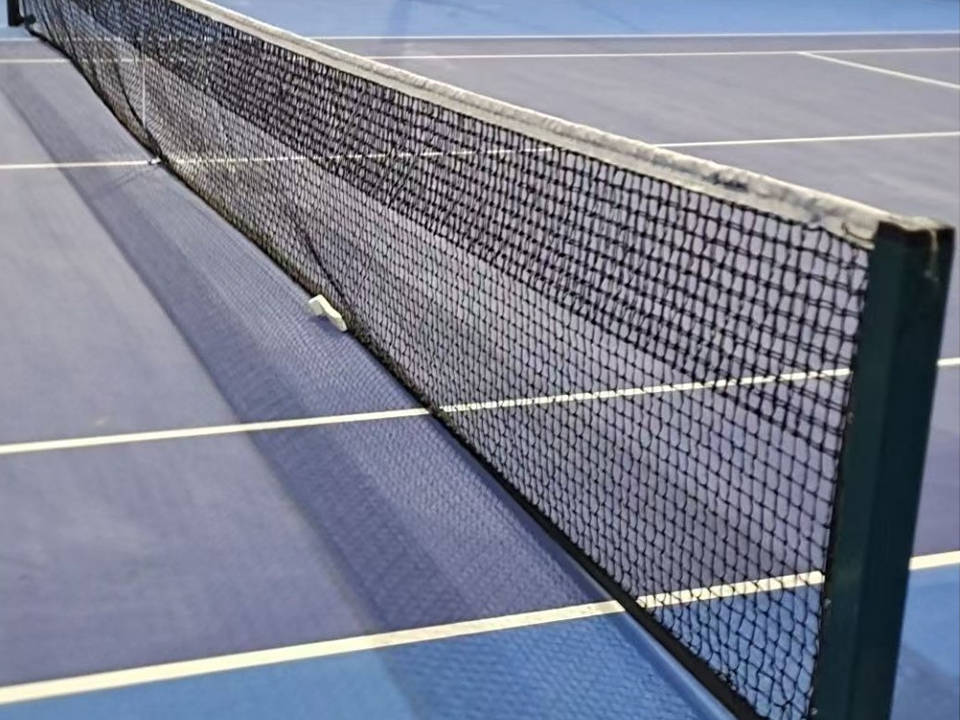
Si vous vous rendez dans un club de tennis très fréquenté, vous constaterez la même chose. Le terrain est en bon état, les poteaux sont solides, les lignes sont claires. Mais le filet ? Juste sous le sangle centrale, Le bandeau est sale, effiloché, parfois même déchiré.
Si vous dirigez des cours, vendez des filets ou gérez des stocks pour des détaillants, cette petite pièce usée est un casse-tête quotidien. Voyons ce qu'il en est pourquoi les filets de tennis s'usent d'abord au niveau de la sangle centrale, et comment des choix de produits et d'entretien plus judicieux peuvent prolonger la durée de vie de chaque système que vous installez ou vendez.
Table des matières
L'usure de la courroie centrale du filet de tennis expliquée
La sangle centrale n'est pas une simple décoration. Elle verrouille le hauteur nette de 0,914 m au centre et vous permet de respecter les règles match après match.
En même temps, il crée une zone de tension:
- La sangle tire le filet vers le bas au milieu.
- Le bandeau et le câble maintiennent cette tension par le haut.
- Les balles volent dans ce même couloir toute la journée.
Vous obtenez donc impact constant + tension constante + friction constante tous empilés sur la ligne médiane.
Hauteur du filet de tennis et tension de la sangle centrale
D'un point de vue technique, le système fonctionne comme suit :
- Le câble en acier ou un cordon maintient le filet entre les poteaux.
- Le sangle centrale tire le filet jusqu'à la bonne hauteur.
- Le personnel des tribunaux modifie constamment cette sangle pour qu'elle passe le test du bâton.
Si la sangle est trop serrée, le bandeau et les coutures de la partie centrale subissent une charge supplémentaire. Au fil des mois et des saisons, les fibres s'usent. En général, ce ne sont pas les poteaux du filet qui lâchent en premier. Le maillon faible apparaît juste sous la sangle.
Zone d'impact du joueur autour du centre du filet de tennis
La plupart des points ne survolent pas les postes. Ils voyagent bas et par le milieu:
- Les services plats coupent la bande
- Des rendements agressifs
- Frappes de fond de court lourdes et liftées qui passent tardivement au-dessus du filet.
Ce groupe de trafic signifie :
- Plus de vitesse de balle sur les mêmes lignes de la grille
- Plus de chocs directement dans le serre-tête et le câble
- Plus de micro-mouvements entre la sangle et le bandeau
Ainsi, alors que l'ensemble du réseau vit à l'extérieur dans les mêmes conditions météorologiques, les la zone de la sangle centrale est frappée de plein fouet par le jeu et par le matériel.
Principales raisons pour lesquelles les filets de tennis échouent au niveau de la sangle centrale
Voici une façon simple de l'expliquer à votre équipe, au comité de votre club ou à vos acheteurs B2B.
| Raison | Ce qui se passe au centre Strap | Ce que vous voyez à la Cour | Pourquoi c'est important pour les acheteurs B2B |
|---|---|---|---|
| Charge d'impact des billes | Les balles frappent la bande supérieure près de la sangle à grande vitesse, encore et encore. | Le bandeau a l'air brûlé au milieu, le ruban adhésif est éraflé et bruyant, les coutures se relâchent. | Durée de vie plus courte des produits, plus d'appels à la garantie, plus de cycles de remplacement. |
| Tension concentrée | La sangle tire le filet vers le bas ; les mailles centrales et les coutures exercent une tension supplémentaire. | Le filet s'affaisse d'un côté de la sangle, la grille centrale semble étirée. | Il est plus difficile de garder les filets “prêts pour le match”, et le personnel du tribunal doit consacrer plus de temps à cette tâche. |
| Sangle de friction ou bandeau | La sangle frotte sur le bandeau à chaque fois que le filet bouge ou que quelqu'un règle la hauteur. | Un sillon gris dans la bande blanche, les fibres deviennent floues et fines. | Usure visible qui donne l'impression que le filet est “vieux” même s'il ne l'est pas encore. |
| Météo et UV | Le soleil, la pluie, la poussière et les produits chimiques utilisés dans les tribunaux attaquent les fibres exposées au sommet. | Décoloration, craquelures, rigidité de la bande, jaunissement du centre ou apparition d'un aspect crayeux. | Une mauvaise image pour les salles de spectacles, qui pousse les clubs à se moderniser plus tôt. |
| Le facteur humain | Les employés tirent, tordent et reclipsent le matériel de la sangle en plein milieu. | Les boucles se déforment, les œillets s'étirent, les coutures au niveau de la sangle se cassent. | Plus de tickets de maintenance et de réparations d'urgence avant les événements. |
C'est pourquoi on a toujours l'impression que la courroie centrale “tue” le filet. En réalité, c'est juste l'endroit où chaque ligne de tension traverse.
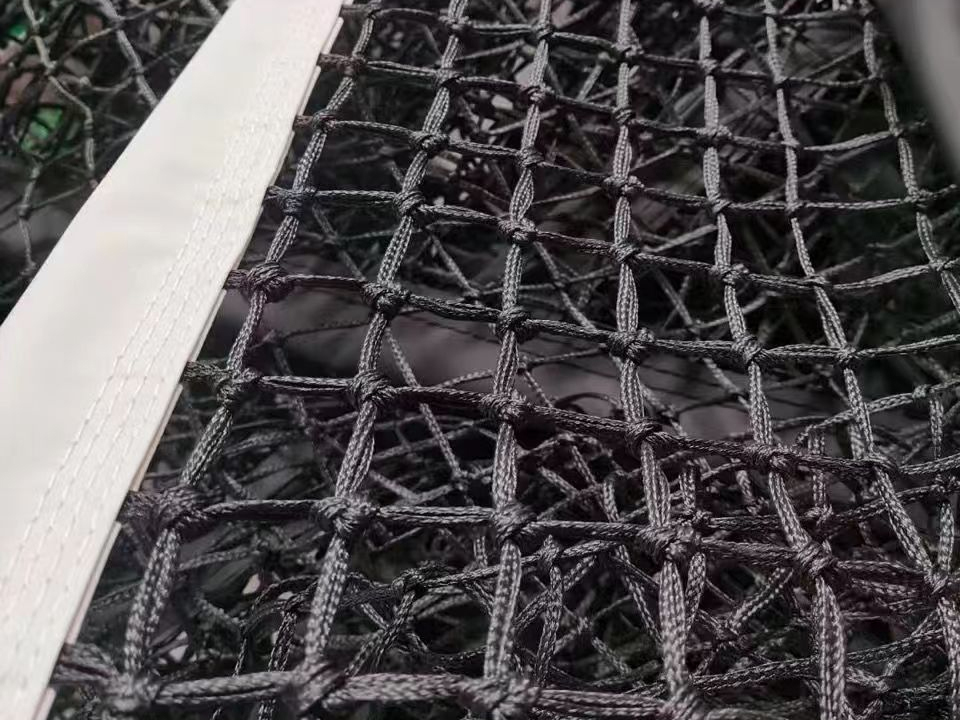
Scénarios réels de filets de tennis sur le court
Voyons ce qu'il en est dans différentes configurations.
- Club de membres ou académie Les courts sont réservés l'un après l'autre. L'entraîneur principal ne cesse de resserrer le bandeau pour éviter que les joueurs ne se plaignent d'un “filet lâche”. La bande centrale est coupée et, avant la fin de la saison, le bandeau a un trou juste sous la sangle.
- Parc municipal ou école Les filets restent en place toute l'année. Personne ne vérifie vraiment la tension des sangles. Les enfants s'assoient sur la bande, les joueurs s'appuient sur le milieu, parfois ils soulèvent même la sangle pour se glisser en dessous. Le filet ne cède pas au niveau des poteaux. Il cède là où les gens le manipulent le plus.
- Commerce de détail et commerce électronique Vous expédiez un filet standard à un club. Il l'installe une fois et ne règle jamais correctement la tension du câble. Au lieu de cela, ils continuent à tourner la manivelle. sangle centrale pour “corriger” la hauteur du filet. Un an plus tard, vous recevez des photos d'un bandeau déchiré et une plainte selon laquelle le produit “a échoué au milieu”.
Le schéma est le même : impact + tension + friction + habitude humaine = mort prématurée au niveau de la sangle centrale.
Comment réduire l'usure de la sangle centrale des filets de tennis
On ne peut pas empêcher les gens de frapper au milieu du filet. Mais on peut spécification d'un meilleur matériel et créer une routine d'entretien qui permet de maintenir les moustiquaires en jeu plus longtemps.
Choisissez des bandeaux et des filets plus résistants
Si vous fournissez des courts fixes, un système classique de courts complets comme un filet de tennis standard avec câble de treuil vous permet de mieux contrôler la tension au niveau des poteaux. Cela réduit l'envie de trop serrer la sangle.
Cherchez :
- Bandeaux épais traités aux UV
- Coutures solides au point de contact de la sangle
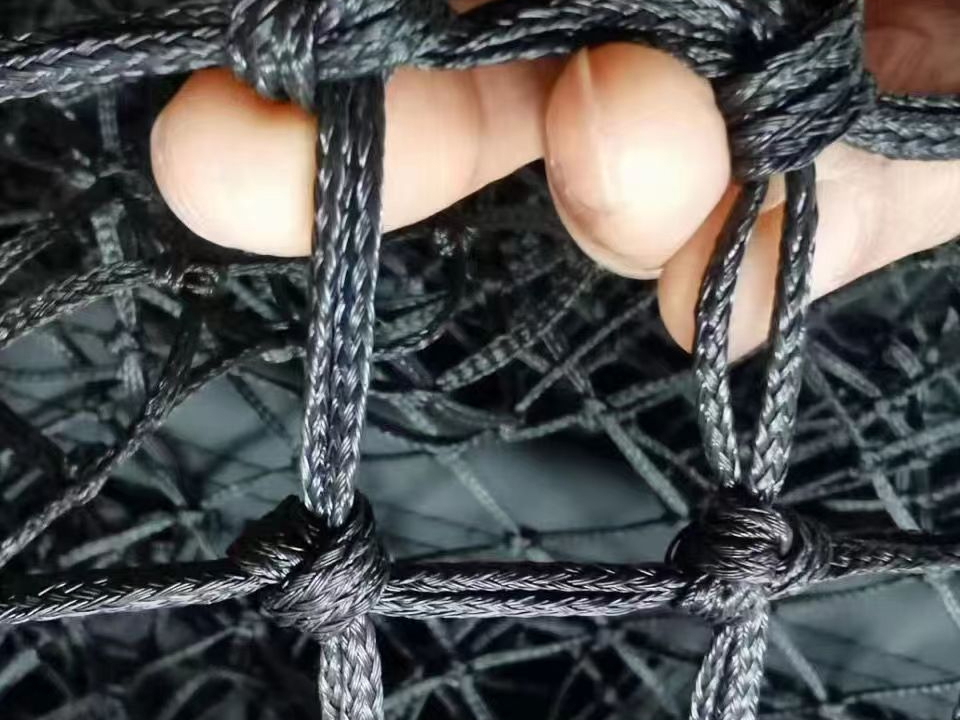
- Filet tressé qui supporte les chocs sans se couper
FSPORTS conçoit des filets pour le tennis, le pickleball, des cages de golf et des installations multisports complètes, toutes construites autour de l'idée d'un filet. Fibres résistantes aux UV et à fort impact en version standard ou personnalisée.
Pour les académies et les centres de formation où les groupes d'âge sont mélangés, des systèmes portables plus légers tels qu'un filet de tennis portable filet d'entraînement ou filet de tennis portable réglable en hauteur vous permettent de déplacer le trafic, ce qui répartit l'usure au lieu d'utiliser un filet fixe toute l'année.
Utiliser des rebondisseurs pour les exercices à haut volume
La plupart des dommages causés par la sangle centrale sont dus à exercices de répétition en solo. Les services, les retours, les coups de fond de court, tous se fracassent sur la même bande.
Il s'agit de confier cette tâche aux rebondeurs :
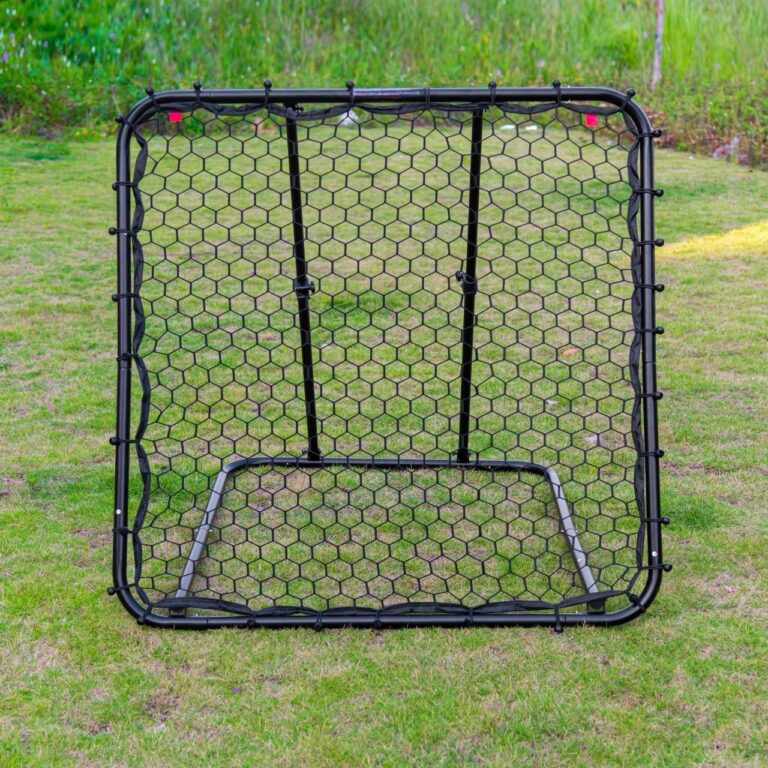
- Pour les juniors et les clubs, vous pouvez brancher un filet de rebond réglable pour le tennis juste à côté de la cour principale.
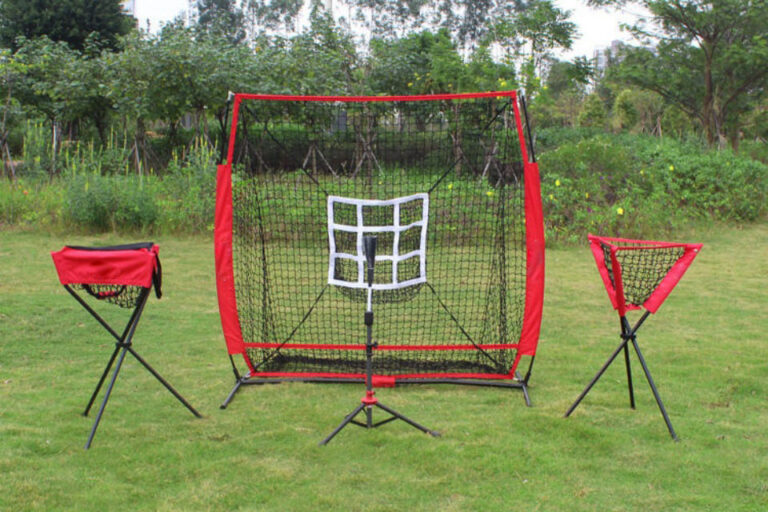
- Pour les académies professionnelles, un filet de rebond professionnel 12×6 pour le tennis peut gérer des milliers de répétitions sans ralentir le filet principal.
Vous protégez la sangle centrale de vos courts de démonstration tout en permettant aux joueurs d'obtenir du volume.
Répartir la charge sur les filets multisports
Certains clubs et écoles organisent le tennis, le badminton, le volley-ball et les mini-jeux sur la même surface. Dans ce cas, un système multi-lignes tel qu'un filet portable réglable pour badminton, volley-ball et tennis facilite la rotation des formats et des hauteurs de filet.
Résultat :
- On ne martèle pas la même configuration de sangle centrale tous les jours.
- Vous prolongez la durée de vie des actifs de plusieurs familles d'UGS, et non d'un seul filet de tennis.
Pour les zones réservées aux enfants et l'entraînement à la conduite, un mini filet de tennis portable pour l'allée enfants soccer tennis éloigne l'impact des juniors de vos courts de taille normale. Les parents bénéficient d'une installation propre à la maison et les filets de votre club restent plus frais.
Mettre en place une routine d'entretien simple
Pour les opérateurs judiciaires, une liste de contrôle de base suffit :
- Vérifier la tension de la sangle centrale chaque semaine, et non chaque heure. Réglez d'abord la tension du câble.
- Brossez la saleté et l'argile sur le bandeau et la sangle, surtout après la pluie.
- Inspectez les coutures sous la sangle. Si elle commence à s'effilocher, enregistrez une fenêtre d'entretien avant qu'elle ne se déchire.
- Hors saison ou en cas d'hiver rigoureux, laisser tomber les filets ou passer à des systèmes transportables afin que la sangle ne soit pas soumise à une charge maximale 24 heures sur 24 et 7 jours sur 7.
Pour les grossistes et les acheteurs OEM/ODM, ajoutez ces points à votre fiche produit et à votre matériel de formation. Des conseils clairs réduisent les erreurs d'utilisation et les frictions après-vente.
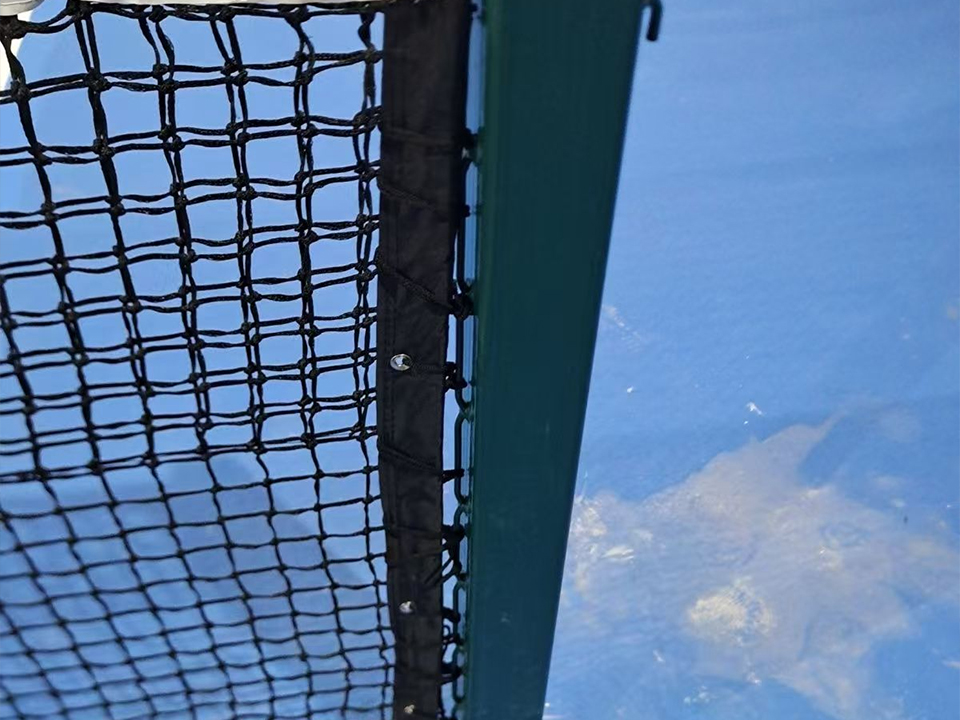
Filets de tennis : choix de produits pour les acheteurs B2B
Si vous cherchez à vous approvisionner en :
- Chaînes de magasins et pro-shops
- Vendeurs en ligne et partenaires de livraison directe
- Distributeurs en gros et importateurs
- Projets OEM/ODM pour les marques de sport
l'histoire de la sangle centrale est un excellent moyen de parler de valeur, et pas seulement le prix.
Vous pouvez adapter les différents tribunaux et modèles d'entreprise à l'équipement approprié :
- Courts de club et d'école de taille normale → systèmes robustes comme le filet de tennis standard avec câble de treuil.
- Coaching mobile et cliniques itinérantes → filets flexibles tels que le filet de tennis portable filet d'entraînement ou filet de tennis portable réglable en hauteur.
- Couloirs d'entraînement étroits ou exercices sur les murs → rebondisseurs comme le filet de rebond réglable pour le tennis et filet de rebond professionnel 12×6 pour le tennis.
Parce que FSPORTS construit les commandes personnalisées et les commandes en vrac, Avec les filets de la gamme "Filets", vous pouvez aligner l'épaisseur des mailles, le style du bandeau, l'impression du logo et l'emballage sur votre marque ou sur les spécifications du terrain de votre client. Cela signifie un meilleur temps de fonctionnement sur le terrain, moins de retours dans l'entrepôt et une histoire plus claire lorsque vous expliquez pourquoi vos filets survivent à la sangle centrale plus longtemps que les options bon marché.
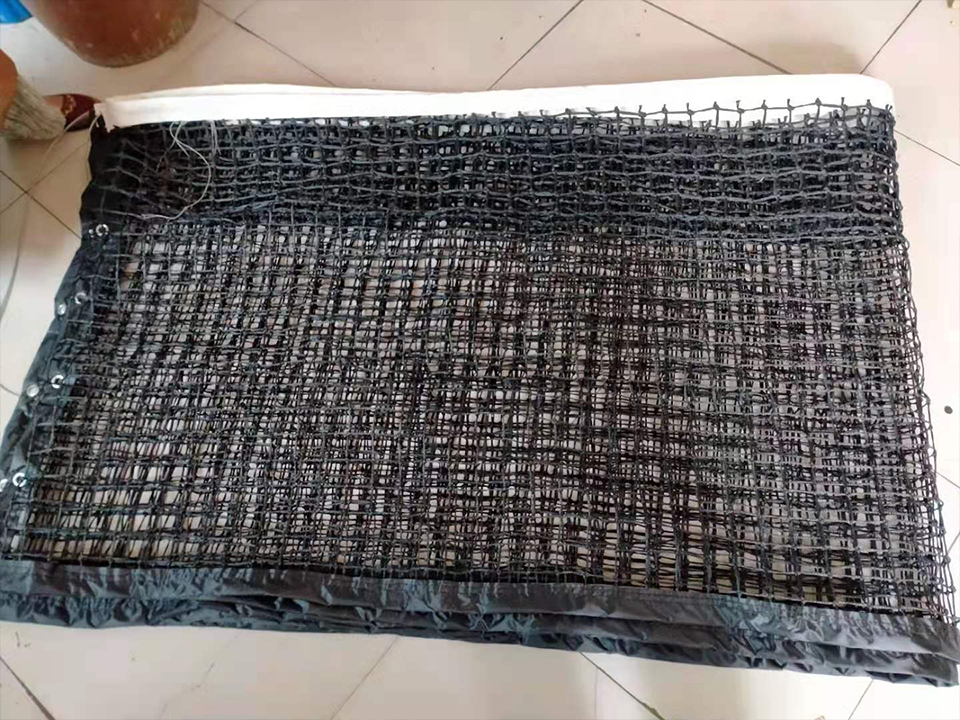
Synthèse : La sangle centrale n'est pas l'ennemi
Pourquoi les filets de tennis s'usent-ils d'abord au niveau de la sangle centrale ?
Parce que c'est là que le jeu, le matériel et les personnes se rencontrent. L'impact des balles, la tension de la sangle, le frottement du bandeau, les conditions météorologiques et les ajustements quotidiens s'empilent dans une bande étroite.
Si vous concevez, achetez ou entretenez des filets dans cette optique, vous pouvez le faire :
- Choisissez des matériaux plus résistants là où ils comptent.
- Décharger les exercices à haut volume sur les rebondeurs.
- Rotation des formats avec des systèmes portables et multisports.
- Gardez vos courts frais et prêts pour le match plus longtemps.
La sangle reste au centre. Mais le le prochain filet que vous spécifiez, vendez ou installez n'a pas besoin d'échouer d'abord.