How To Keep Soccer Goal Frames Stable In Heavy Use
Heavy-use soccer goals take a beating. One day it’s a school PE class. The next day it’s club training, then a weekend tournament. If your frames wobble, creep, or tip, you’re not just dealing with annoyance. You’re dealing with a safety and liability headache.
This guide gives you a practical, field-ops-friendly way to keep goals stable, session after session. I’ll also point out where FSPORTS fits if you’re sourcing nets or frames in bulk, running multi-site rollouts, or building an OEM/ODM line.
Table of Contents
Soccer Goal Stability in Heavy Use
A stable goal is about three things working together:
- The right anchoring or weighting
- Smart goal frame design
- Consistent inspection and storage discipline
Miss one, and your match-day setup can turn into a risk-management problem.
If you’re browsing options, start with the full lineup on the FSPORTS homepage and the broader product catalog. Those two pages help you compare frame types, training solutions, and net builds for different environments.
Anchoring Methods for Portable Soccer Goals
Always anchor or weight portable soccer goals
This is the non-negotiable. If the goal can move, you need to secure it every time. Don’t assume weight alone will save you. Heavy use increases micro-shifts in the base and loosens hardware over time.
Choose the right anchoring method for the surface
Your surface decides your playbook:
- Natural grass: ground anchors, stakes, or augers
- Artificial turf: engineered anchor points if permitted, or heavy counterweights
- Indoor or hard courts: counterweights only
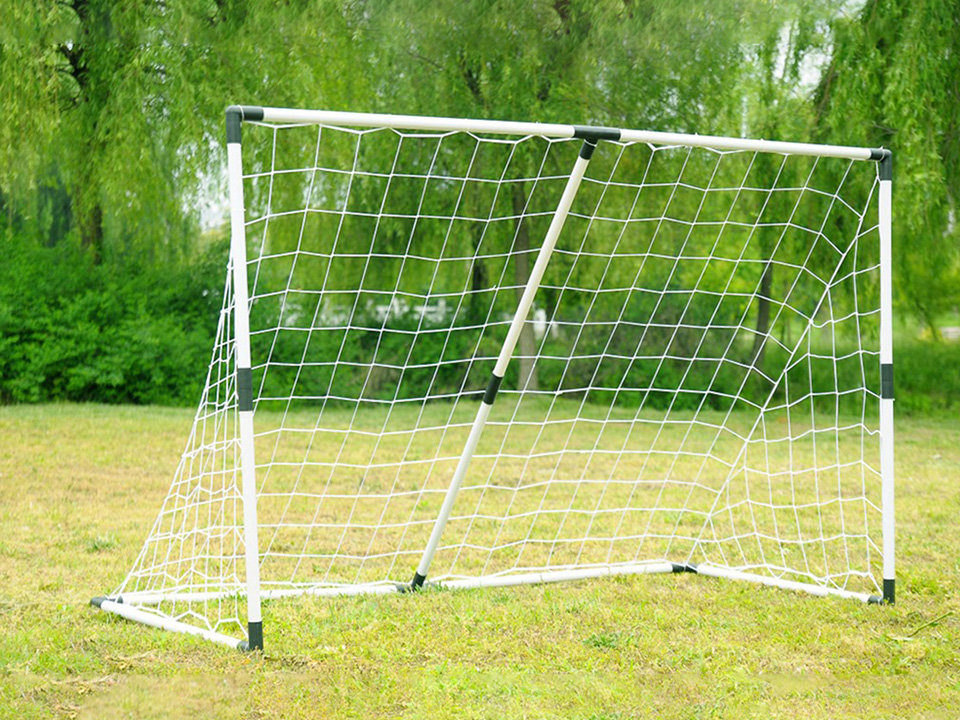
If you’re buying new setups for community fields or schools, a durable, transport-friendly option like a heavy-duty portable soccer goal with weatherproof net frame gives you a strong baseline for stability planning.
Don’t use net pegs as frame anchors
This mistake shows up everywhere. Net pegs hold the net shape. They don’t hold the frame. Treat them like accessories, not safety gear.
Counterweights and Sandbags for Soccer Goals
When you can’t penetrate the surface, weights become your main tool.
Use these rules of thumb:
- Put weight low and to the rear
- Use multiple smaller weights instead of one giant bag
- Check bag condition often. Torn bags leak weight and create slip hazards
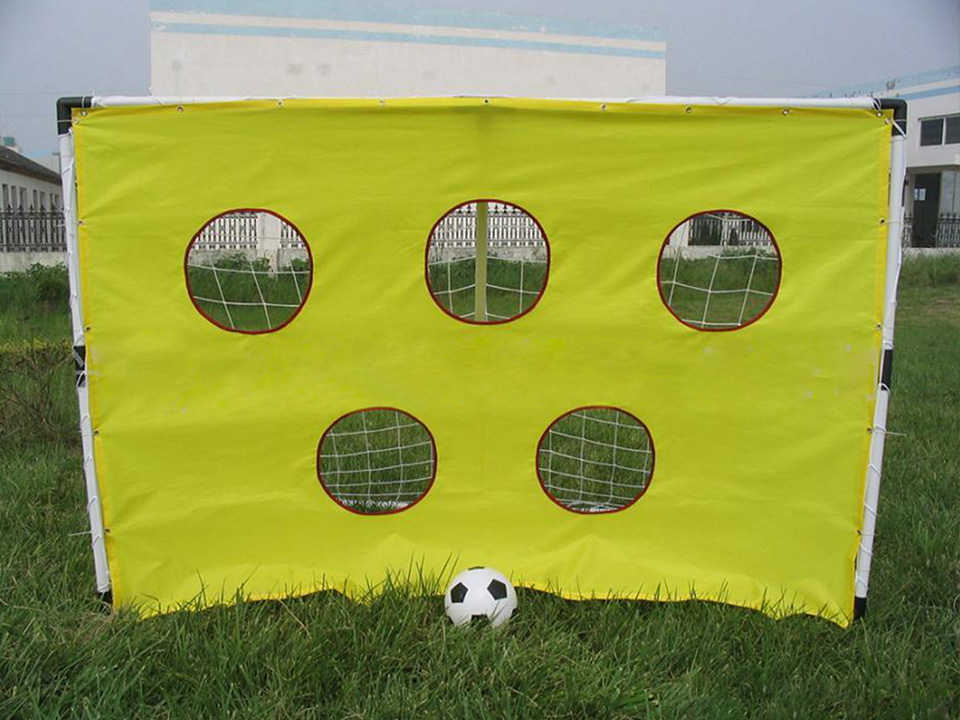
If your program mixes training and small-sided games, pairing weighted frames with training gear like an adjustable steel soccer rebounder net with target zone frame can help you keep one consistent “safe setup standard” across sessions.
Goal Frame Design for Stability
Use rear-weighted or deep-base goal frames
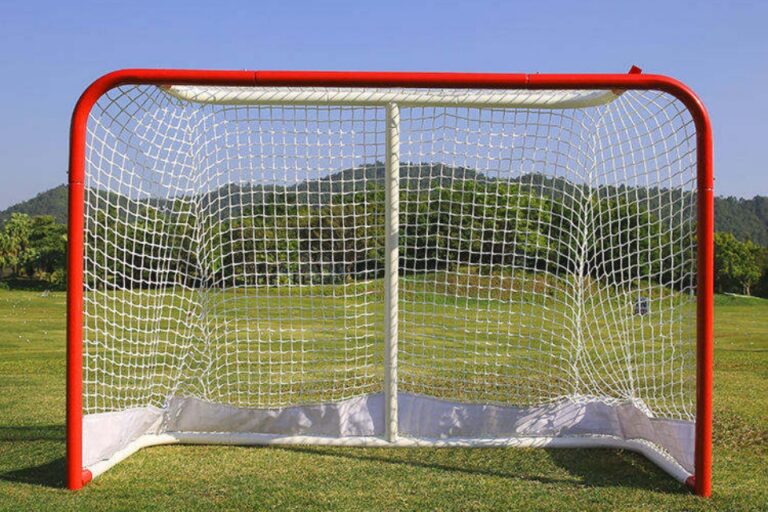
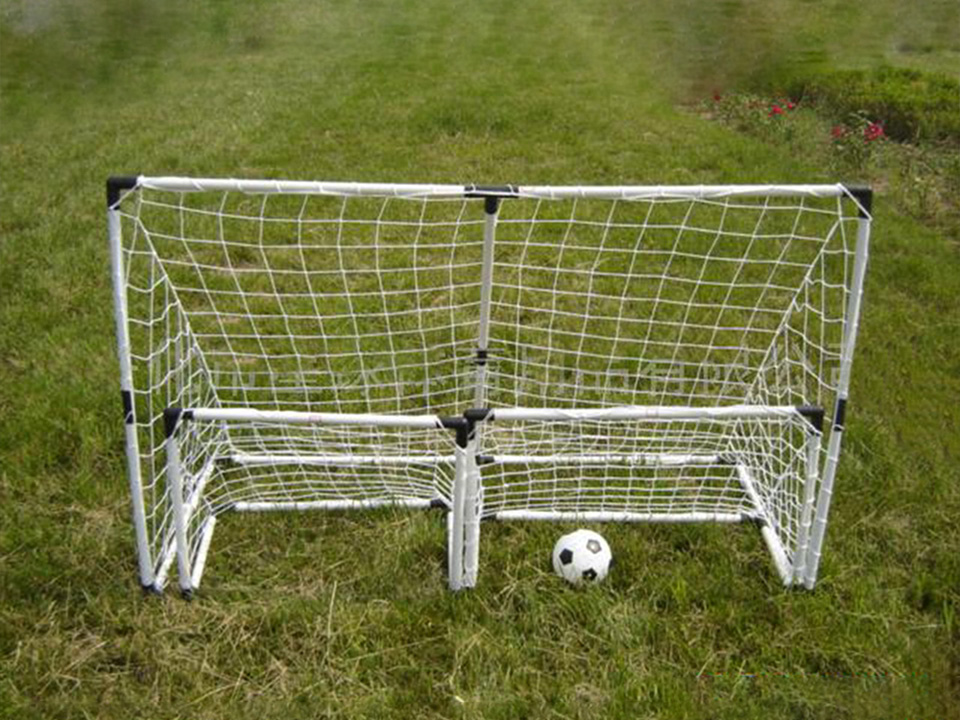
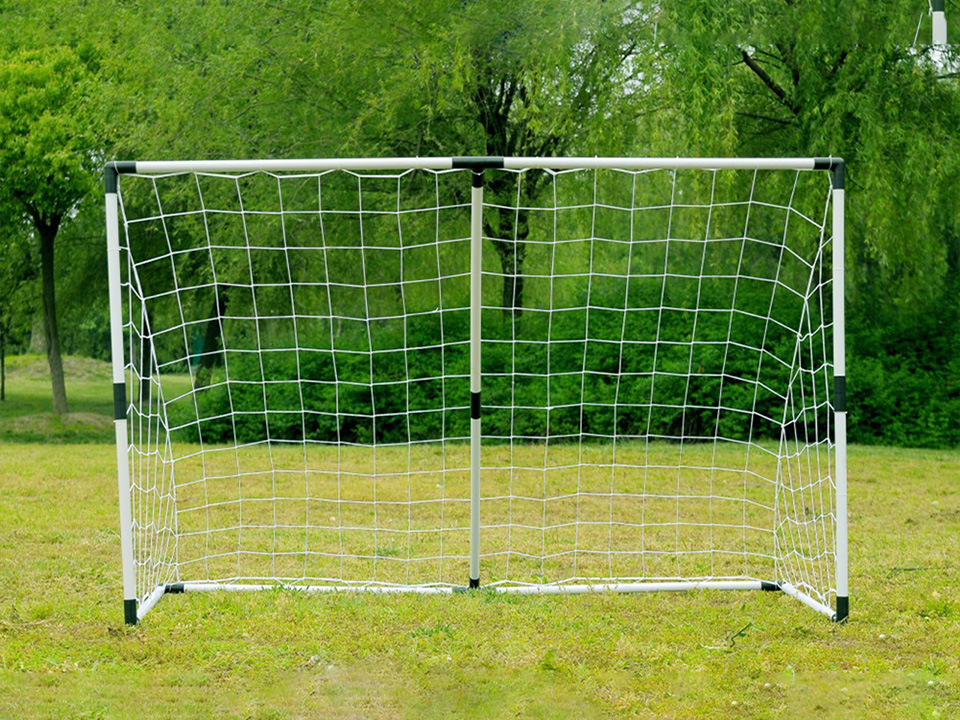
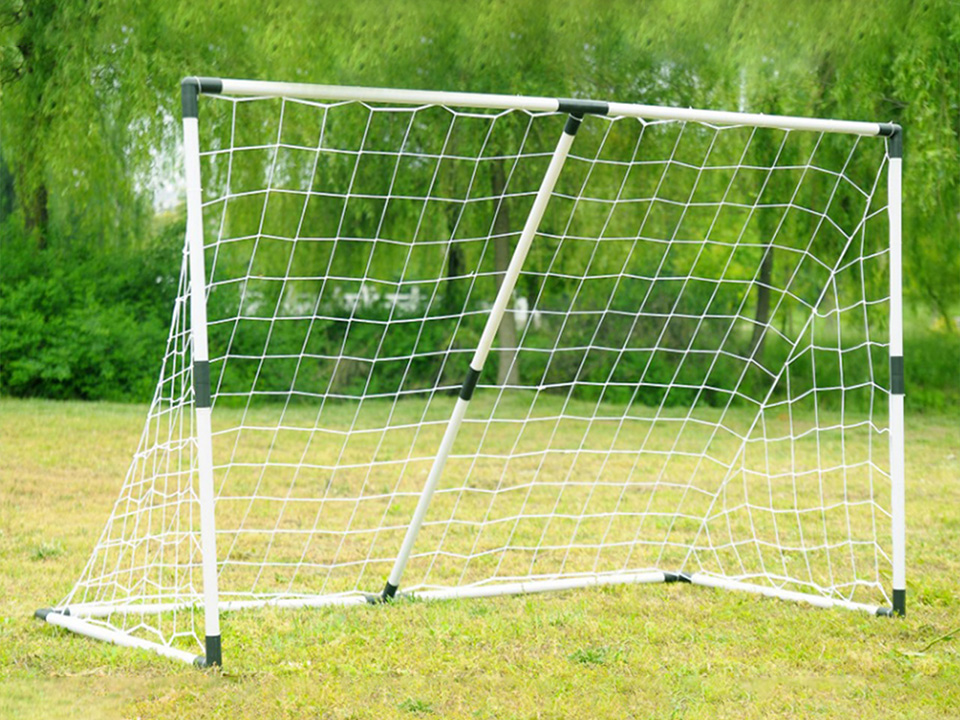
Frame geometry matters more than most people think. A deeper base and heavier rear bar reduce the forward tipping tendency. This helps even before you add anchors.
For high-traffic academies, you might also rotate in training-specific frames like a professional soccer rebound net 7x7ft angle adjustable to reduce wear on match-size goals during weekday volume.
Avoid DIY or modified frames
If a frame’s been welded, extended, or “creatively reinforced” without proper engineering, you’ve added unknown failure points. In heavy use, unknowns turn into downtime.
Soccer Goal Inspection and Maintenance
High-frequency usage means you need a simple SOP your staff can actually follow.
Pre-use checks
Do a fast scan before every session:
- Are anchors or weights in place?
- Is the base sitting flat?
- Are bolts tight?
- Do corners and joints look clean and aligned?
Scheduled checks
Add a deeper cycle:
- Weekly: hardware tightness, net attachment points
- Monthly: welds and stress points
- Seasonal: replace worn nets and evaluate frame fatigue
If you’re managing multiple sites, standardizing equipment helps. A consistent model across locations makes parts replacement and training easier.
Storage and Supervision
Ban climbing and hanging
Most serious incidents happen when goals are idle and unsupervised. If kids can access the field after hours, assume they will interact with the goal.
Lock, chain, or store when idle
When you’re done:
- Move goals to a secured storage zone
- Chain them together face-to-face
- Remove nets for long idle periods
For schools and backyard programs, lighter training sets like a foldable soccer training goal set with carry bag and cones or pop-up training soccer goals can reduce misuse risk because you can pack them away fast.
Practical Scenarios You’ll Recognize
School and community grass fields
You’re dealing with mixed age groups and inconsistent setup habits. Your best move:
- Choose frames with stable base geometry
- Use clear anchor kits
- Post a simple setup checklist
- Assign responsibility to one role per session
Club training centers with daily volume
This is where equipment fatigue shows up.
- Rotate goal usage
- Use rebounders for finishing drills to reduce full-size goal wear
- Keep a spare hardware kit and replacement nets on hand
A solo soccer net trainer and rebounder with carry bag can take pressure off your main frames during high-rep technical blocks.
Indoor turf and hard-surface courts
Your stability stack is weight-first.
- Use multi-point counterweights
- Avoid narrow-base frames
- Check for floor-level slip risk from loose sandbags
Key Stability Arguments in One Table
| Stability argument | What you should do | Why it matters in heavy use |
|---|---|---|
| Always anchor or weight portable soccer goals | Treat every session as an anchor-required setup | Frequent movement and impact increase tip risk over time |
| Choose the right anchoring method for the surface | Grass = anchors. Turf/indoor = counterweights | Wrong method looks “secure” until it fails |
| Anchor from the rear when possible | Place anchors/weights at back corners | Rear loading fights forward flip forces |
| Don’t use net pegs as frame anchors | Separate net setup from frame security | Net pegs don’t provide real frame restraint |
| Use rear-weighted or deep-base goal frames | Prioritize stable geometry in procurement | Good design reduces risk before you add hardware |
| Ban climbing and lock goals when idle | Store or secure after use | Many incidents happen outside organized play |
| Build a simple inspection SOP | Pre-use checks + scheduled maintenance | High volume accelerates loosening and wear |
Where FSPORTS Adds Business Value
If you’re a retailer, club buyer, school system, or distributor, your pain points are predictable:
- inconsistent quality across batches
- short product lifecycles under heavy use
- hard-to-manage mixed inventory
- unreliable lead times for reorders
FSPORTS is positioned to solve those with a manufacturing-first approach. The brand supports customization, bulk wholesale, and OEM/ODM, which helps you standardize a safer, more durable goal-and-net lineup across multiple sites and customer segments.
That matters for:
- B2B retailers who need stable, repeatable SKUs
- wholesalers/distributors managing regional demand
- clubs and academies rolling out uniform equipment standards
- ecommerce sellers who want fewer returns and better long-term reviews
Final Take
You keep soccer goal frames stable in heavy use by getting the basics right and making them routine:
- Anchor or weight every portable goal
- Match the method to the surface
- Choose stable frame designs
- Inspect on a simple schedule
- Secure goals when idle
Do that, and you turn stability from a constant fire drill into a clean, repeatable system. That’s better for player safety, better for field operations, and better for the long-term value of your equipment program.