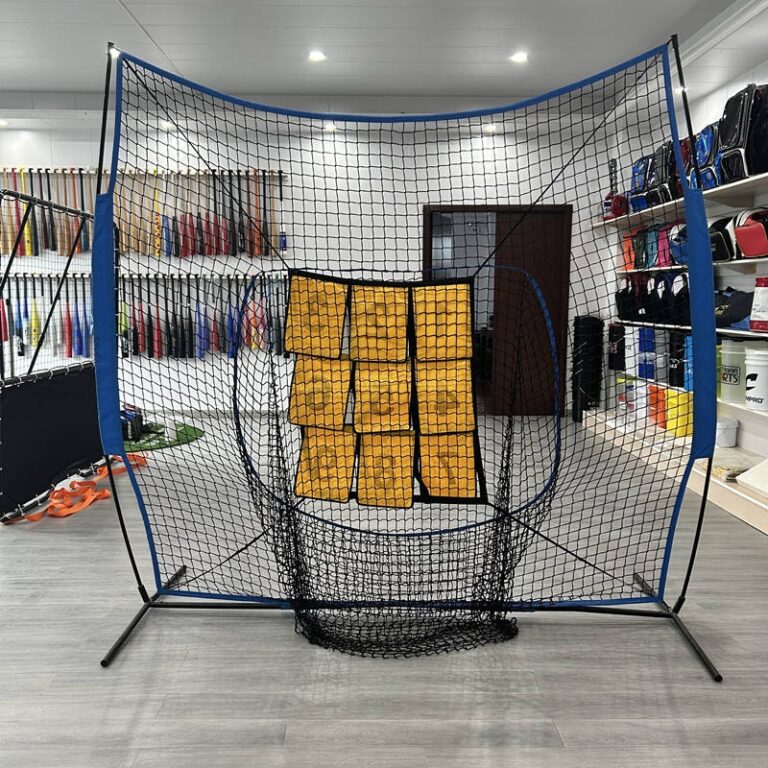
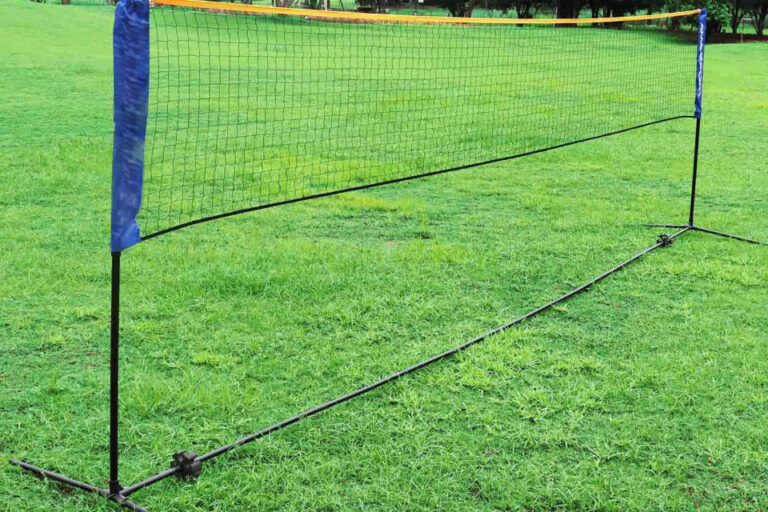
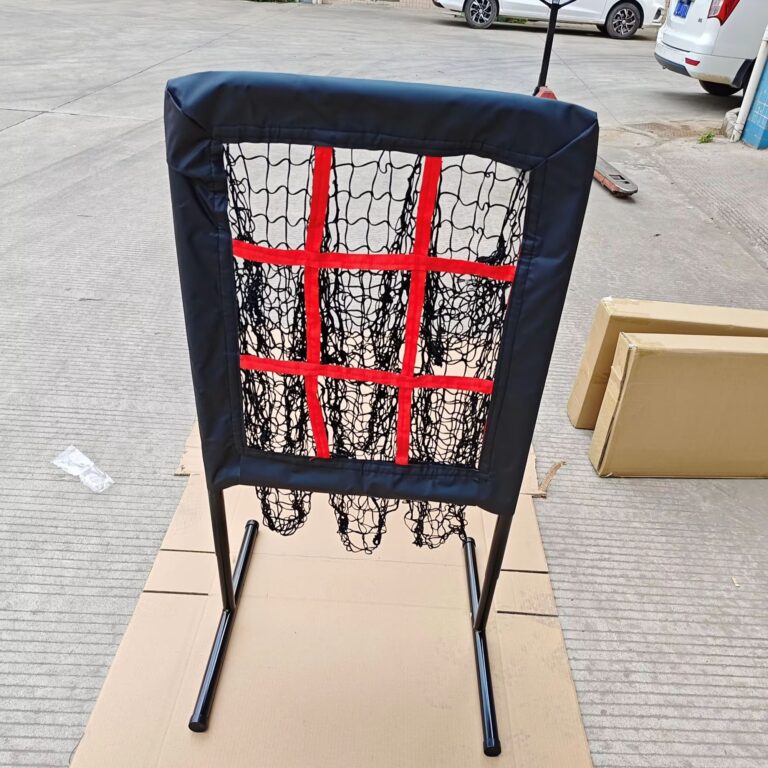
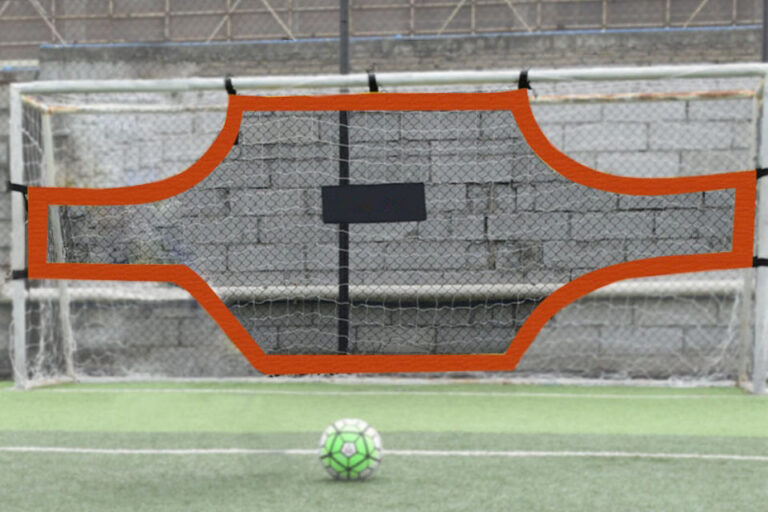
Diteci cosa desiderate realizzare. FSPORTS offre supporto per progetti OEM/ODM, a marchio privato e reti sportive personalizzate, basati su prodotti già esistenti, disegni, campioni, foto o specifiche applicative.
Indicateci il tipo di prodotto, le dimensioni, la quantità richiesta, la destinazione e qualsiasi requisito noto relativo alla rete, al materiale, al telaio, alla ferramenta, al logo o all’imballaggio. Se le vostre specifiche non sono ancora complete, inviateci ciò che avete a disposizione e provvederemo a esaminare i dettagli rimanenti prima di formulare il preventivo.
Regolamento della rete da tennis ITF: Altezza, dimensioni e standard ufficiali
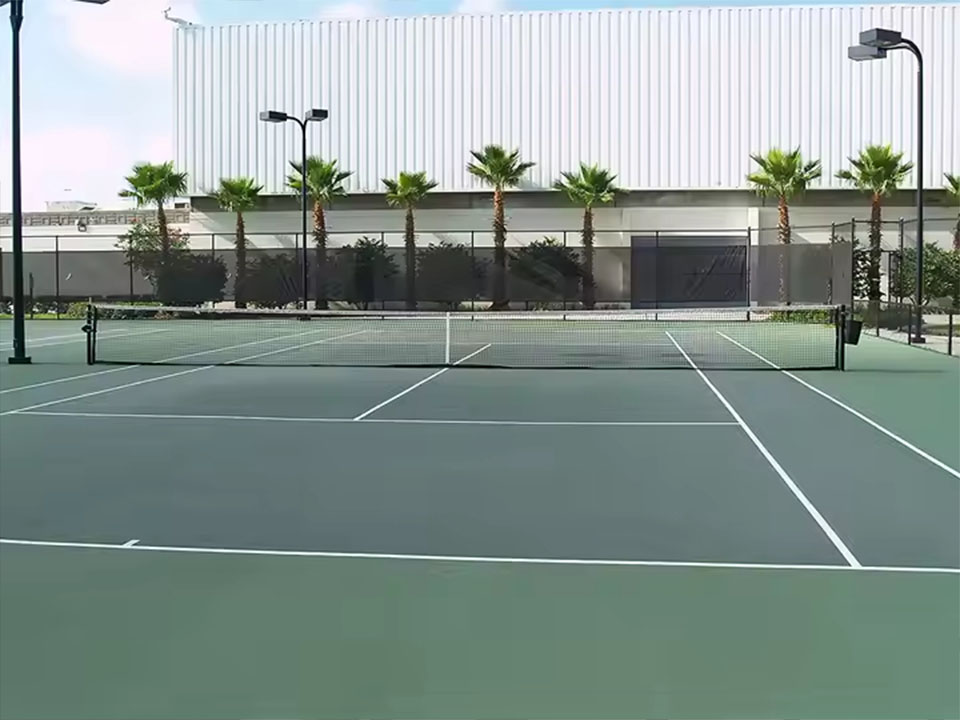
Se vi è mai capitato di entrare in campo e pensare: “Perché questa rete è strana oggi?”, non ve lo state immaginando. Una rete anche solo leggermente fuori specifica cambia la distanza tra le palle, i ritiri e le chiamate di linea. Ecco perché i circoli, le scuole, gli appaltatori e gli organizzatori dei tornei si basano sulle norme ITF per le reti da tennis.
Questa guida illustra gli standard ufficiali in un linguaggio semplice e vi mostra come verificarli rapidamente in situazioni reali, come i campi da gioco a scomparsa, le installazioni stagionali all'aperto e i club ad alta frequentazione. Vi indicherò anche le opzioni di rete più importanti da SPORT -un produttore di reti sportive di prima qualità in Cina, specializzato in reti resistenti ai raggi UV e ad alto impatto per ordini all'ingrosso, OEM/ODM e acquirenti all'ingrosso.
Altezza della rete da tennis ITF
Altezza netta al centro: 3 ft (0,914 m)
Standard ufficiale: La rete deve misurare 3 ft (0,914 m) al centro esatto, tenuto fermo da una cinghia centrale. Suggerimento sul campo: Non guardate a occhio. Utilizzate un metro a nastro e controllate il punto in cui si trova la cinghia. Se il centro è alto, vedrete più floater trasformarsi in tiri “sicuri”. Se è basso, si otterranno brutti dribbling con il nastro e discussioni.
Scenario comune: Dopo la pioggia o il vento forte, la tensione cambia e il centro si insinua. Un rapido controllo a metà campo vi eviterà il dramma di metà partita.
Altezza netta ai pali: 1,07 m (3 ft 6 in)
Standard ufficiale: Ad ogni palo della rete, l'altezza della rete è 1,07 m (3 ft 6 in). Perché è importante: Questo è il “net dip” incorporato che fa sì che il tennis giochi come il tennis. Se l'altezza del palo è sbagliata, l'intero profilo della rete si sposta di lato, anche se il centro sembra a posto.
Dimensioni della cinghia e della banda della rete da tennis
Larghezza della cinghia centrale: 5 cm max.
Standard ufficiale: La cinghia centrale non può superare 5 cm in larghezza. Perché agli acquirenti interessa: Le cinghie troppo larghe hanno un aspetto sciatto, si consumano in modo irregolare e possono impigliarsi nelle impostazioni veloci. Per i club che hanno tempi di consegna stretti, questo diventa un problema di manutenzione ricorrente.
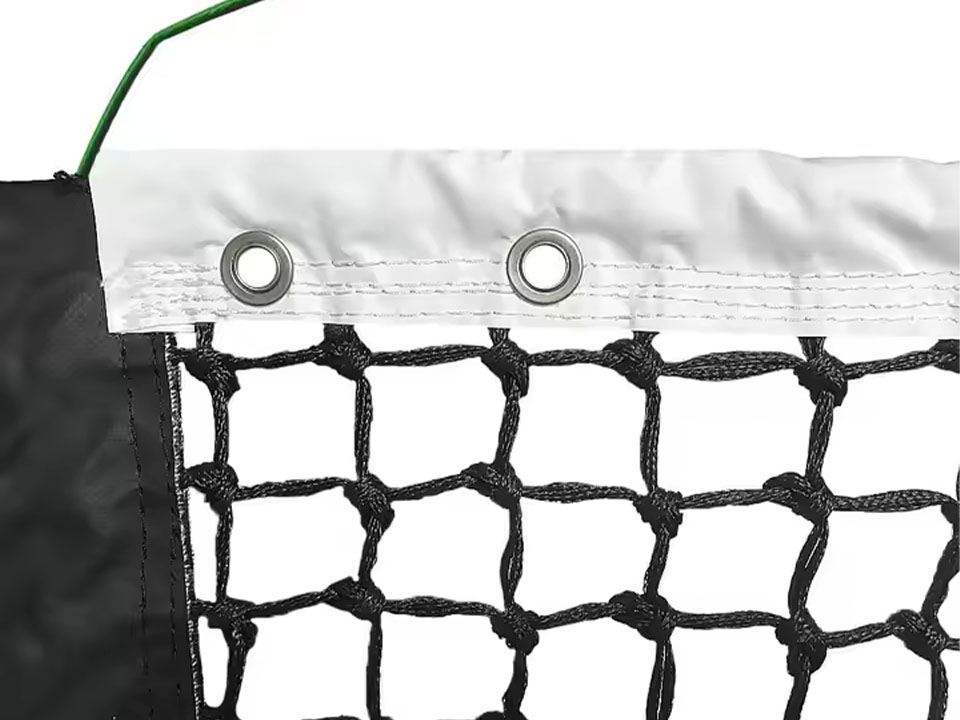
Profondità della banda netta: 2-2,5 pollici (5-6,35 cm)
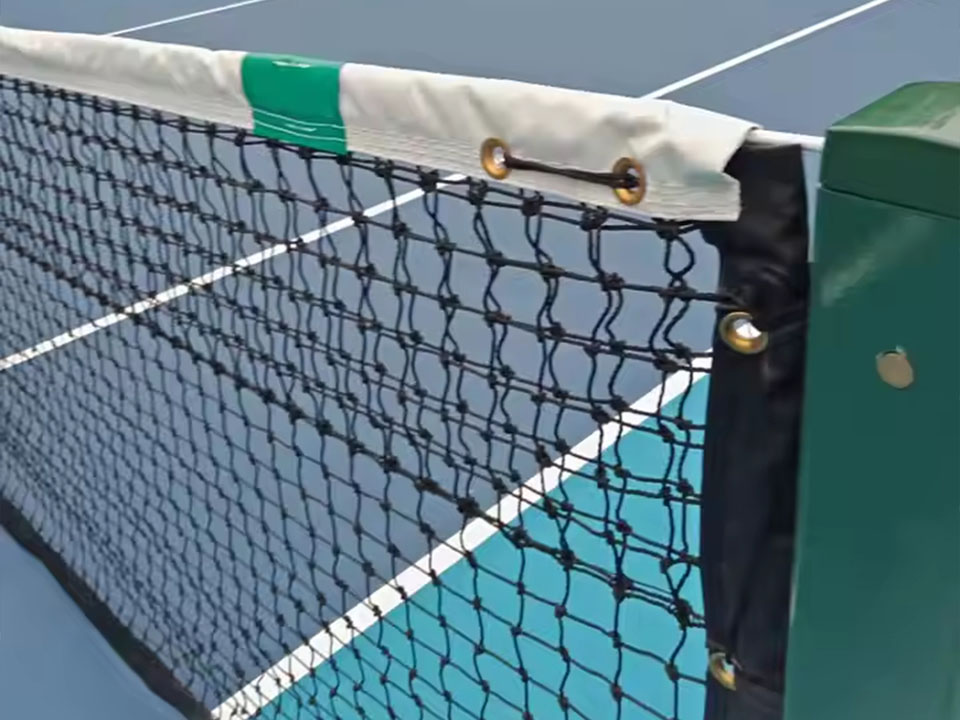
Standard ufficiale: La banda bianca superiore deve essere 5-6,35 cm (2-2,5 pollici) profondo. Angolo pratico: Questa fascia non è solo una decorazione. Protegge l'area superiore del cavo e offre ai giocatori un riferimento visivo pulito. Se è troppo sottile, si sfilaccia più velocemente. Se è troppo spessa, può distorcere la posizione della rete.
Colore del cinturino e della fascia: completamente bianco
Standard ufficiale: Sia il cinturino che la fascia superiore devono essere completamente bianco. Nota operativa: Un bianco omogeneo aiuta la visibilità in condizioni di illuminazione mista, soprattutto in ambienti interni dove le ombre possono alterare la percezione.
Diametro del cavo della rete da tennis e requisiti delle maglie
Diametro del cavo: 1/3 in (0,8 cm) max.
Standard ufficiale: Il cavo della testina (o il cavo) deve essere non più di 1/3 di pollice (0,8 cm) di diametro. Discorso dell'installatore: Un cavo sovradimensionato sembra “forte”, ma può creare punti di tensione, rigonfiare il nastro e rendere la rete bitorzoluta. È la classica deriva delle specifiche.
Dimensione della maglia: la palla non può passare
Standard ufficiale: La maglia deve essere abbastanza stretta da permettere alla palla di non può passare attraverso le aperture. Punto dolente del mondo reale: La rete a buon mercato si allunga con il tempo. Basta che una palla colpita duramente attraversi la rete e si è in territorio di rimborso se si è un rivenditore, o di reclamo se si gestisce una struttura.
Pali della rete da tennis e posizionamento dei bastoni da singolare
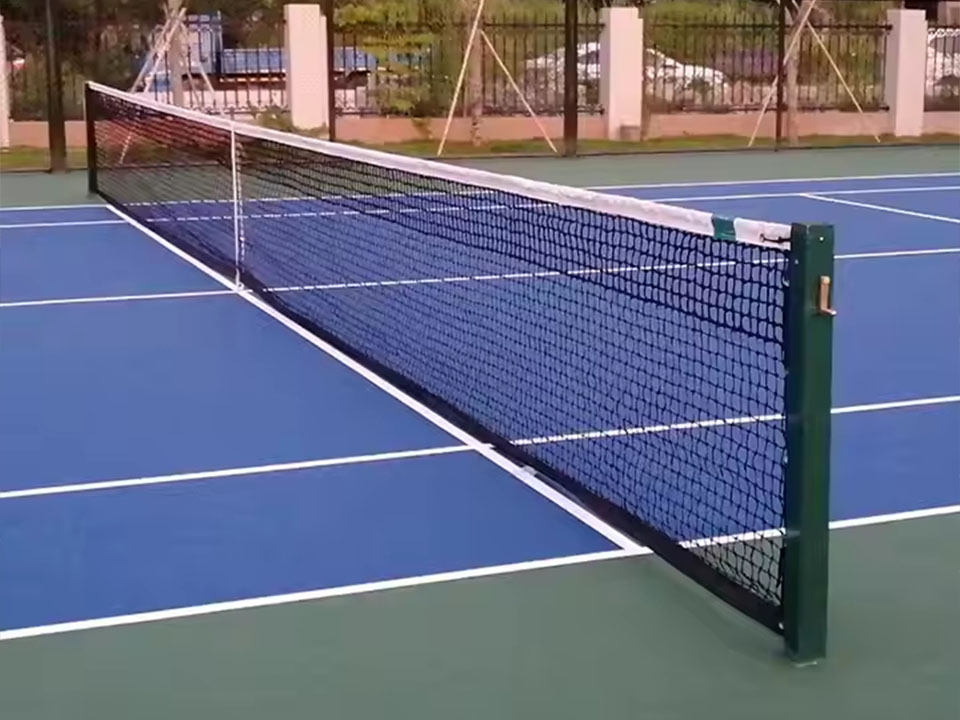
Posizione dei pali della rete del doppio: 3 ft (0,914 m) fuori dalla linea laterale del doppio
Standard ufficiale: Ciascuna postazione doppia si trova 3 ft (0,914 m) al di fuori della linea laterale del raddoppio. Perché è importante: Blocca l'apertura corretta della rete e mantiene l'altezza della rete laterale costante.
Posizione dei pali della rete di singolare: 3 ft (0,914 m) fuori dalla linea laterale del singolare
Standard ufficiale: Per i veri post singoli, ogni post si trova 3 ft (0,914 m) al di fuori della linea laterale dei singoli. Nota sugli appalti: Se state facendo un'offerta per un progetto scolastico, chiarite se vogliono postazioni singole dedicate o un sistema doppio più bastoni. Questo cambia l'elenco dell'hardware e il flusso di lavoro dell'installazione.
Bastoni da singolare: 1,07 m (3 ft 6 in) di altezza a 3 ft fuori dalla linea laterale del singolo
Standard ufficiale: Quando si utilizza una rete da doppio per il singolo, si aggiungono due bastoni da singolo:
altezza 1,07 m (3 ft 6 in)
posizionato 3 ft (0,914 m) al di fuori della linea laterale dei singoli
Spunto di impostazione veloce: Se si vedono linee di singolare ma non bastoni, il campo sarà “largo” a rete. Questo è un indizio inequivocabile.
Limiti di dimensione dei pali della rete e dei bastoni singoli: 15 cm al massimo e 7,5 cm al massimo.
Standard ufficiale:
posti netti: fino a 15 cm (6 in) quadrato/diametro
bastoncini singoli: fino a 3 pollici (7,5 cm) quadrato/diametro
Perché è importante: Le dimensioni eccessive della ferramenta possono interferire con il gioco, aumentare i punti di usura e rendere difficile l'imballaggio e lo stoccaggio dei programmi mobili.
Altezza del palo/asta sopra il cavo: 1 in (2,5 cm) max
Standard ufficiale: La parte superiore dei pali/astine non deve estendersi più di 1 pollice (2,5 cm) sopra il cavo di rete. Angolo pratico: Questo è uno di quei controlli “piccolo dettaglio, grande credibilità”. Lo staff del torneo lo nota. Anche i giocatori esperti lo notano.
Pubblicità sulla rete da tennis
Restrizioni pubblicitarie su rete, strap, post
Regola empirica del quadro ITF: Le reti, le cinghie e i pali di solito rimangono puliti per il gioco sanzionato, a meno che le regole specifiche dell'evento non permettano il branding. Perché dovrebbe interessarvi: Se fornite a club o eventi, tenete la versione “pronta per la partita” separata dalle versioni promozionali. In questo modo si evitano gli scambi dell'ultimo minuto che rovinano il vostro programma.
Scheda informativa sul regolamento della rete da tennis ITF
Voce specifica
Standard ufficiale
Come controllare il tribunale
Perché è importante
Fonte
Altezza netta al centro
3 ft / 0,914 m
Metro a nastro al centro della cinghia
Un discreto gioco di palla e un'azione consistente
Regole del tennis ITF, regola 1
Altezza della rete ai pali
3 ft 6 in / 1,07 m
Metro a nastro vicino a ciascun palo
Profilo corretto della rete (nessuna rete “piatta”)
Regole del tennis ITF, regola 1
Larghezza della cinghia centrale
≤ 2 in / 5 cm
Misurare la larghezza della cinghia
Impedisce una vestibilità irregolare e un'usura non uniforme
Regole del tennis ITF, regola 1
Profondità netta della banda
2-2,5 pollici / 5-6,35 cm
Misurare la fascia superiore
Durata + obiettivo visivo pulito
Regole del tennis ITF, regola 1
Colore del cinturino e della fascia
Completamente bianco
Controllo visivo
Visibilità + aspetto coerente
Regole del tennis ITF, regola 1
Diametro del cavo
≤ 1/3 in / 0,8 cm
Calibro o scheda tecnica
Tensione corretta, meno rigonfiamenti
Regole del tennis ITF, regola 1
Requisiti della maglia
La palla non può passare attraverso
Test visivo + test della palla
Sicurezza e prevenzione delle controversie
Regole del tennis ITF, regola 1
Raddoppia l'offset dei pali
3 ft / 0,914 m
Misura dalla linea laterale dei doppi
Corretta apertura della rete
Regole del tennis ITF, regola 1
Bastoncini singoli (se usati)
Alto 3 piedi e 6 pollici, posizionato 3 piedi fuori dalla linea dei singoli
Misurare l'altezza e il posizionamento
Mantiene la larghezza della rete dei singoli
Regole del tennis ITF, regola 1
Lista di controllo della conformità delle reti da tennis per club, scuole e appaltatori
Ecco una procedura rapida che funziona sia per i campi permanenti che per le costruzioni temporanee:
Misurare prima l'altezza centrale (3 ft / 0,914 m).
Misurare l'altezza di entrambi i pali (3 ft 6 in / 1,07 m).
Confermare il formato giusto: pali per il singolare contro rete per il doppio + bastoni per il singolare.
Scansione della fascia superiore e della cinghia: dimensioni corrette, bianco pulito, senza strappi.
Controllare il percorso dei cavi: tensione uniforme, nessuna piega, nessun cordone sovradimensionato.
Eseguire un controllo di sanità mentale delle maglieNon ci sono caselle che possono essere attraversate da una pallina.
Se state acquistando reti per un programma, vorrete una coerenza tra i vari lotti. Per questo è importante un produttore in grado di mantenere le specifiche per tutto il volume, soprattutto per i distributori e i venditori online che odiano i resi e le richieste di risarcimento “non conformi alla descrizione”.
Dove si inserisce FSPORTS per i progetti di reti da tennis sfuse
Se vi rifornite di reti per la vendita al dettaglio, per le installazioni dei club o per le gare d'appalto delle scuole, di solito avete bisogno di tre cose: specifiche stabili, controllo qualità ripetibile e produzione flessibile (dimensioni, imballaggi ed etichettatura personalizzati). Partendo dalle catalogo reti sportive , e poi restringere il campo in base al caso d'uso:
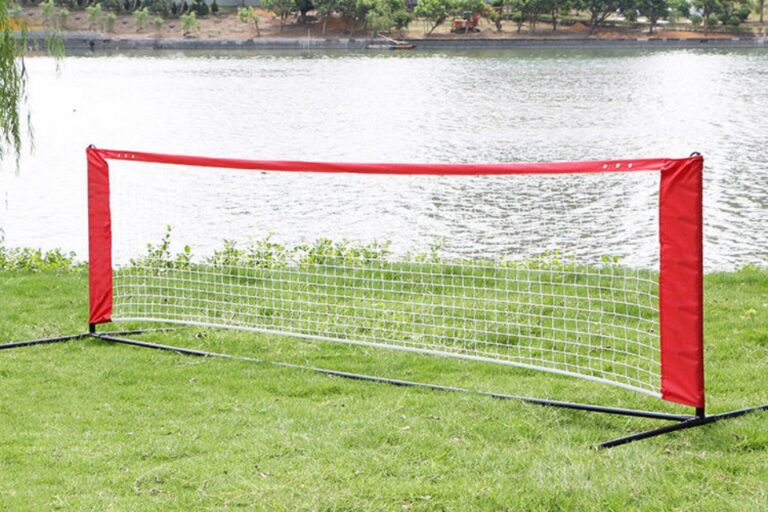
Per gli allenamenti che non necessitano di un campo da gioco completo, un rete regolabile per rimbalzi da tennis gioca bene nei club e nelle accademie di formazione.
Per le strutture che gestiscono programmi misti, un rete multisport ad altezza regolabile vi aiuta a coprire tennis, badminton e molto altro ancora senza dover tenere una dozzina di sistemi separati.
Se legate le regole della rete da tennis ITF alle vostre specifiche di acquisto, riducete i chargeback, tagliate i callback delle installazioni e mantenete pulite le recensioni dei vostri clienti. Queste sono le cose noiose che proteggono tranquillamente il vostro margine, esattamente ciò che interessa agli acquirenti B2B.