Categoria: Ultime tendenze
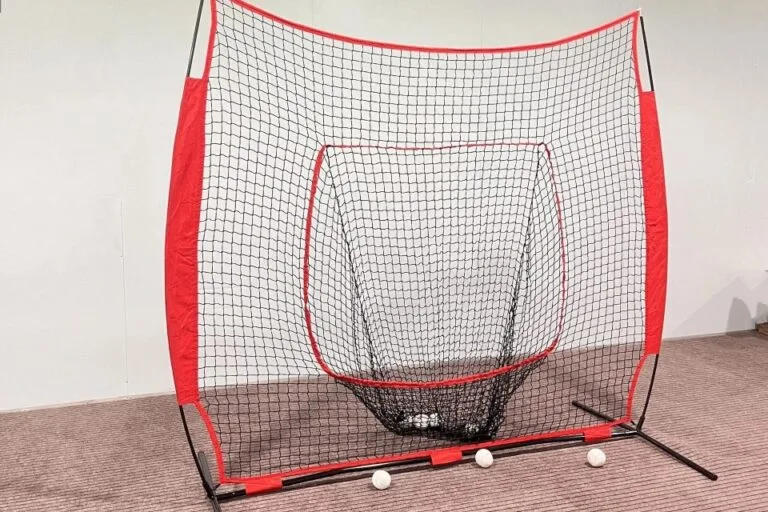
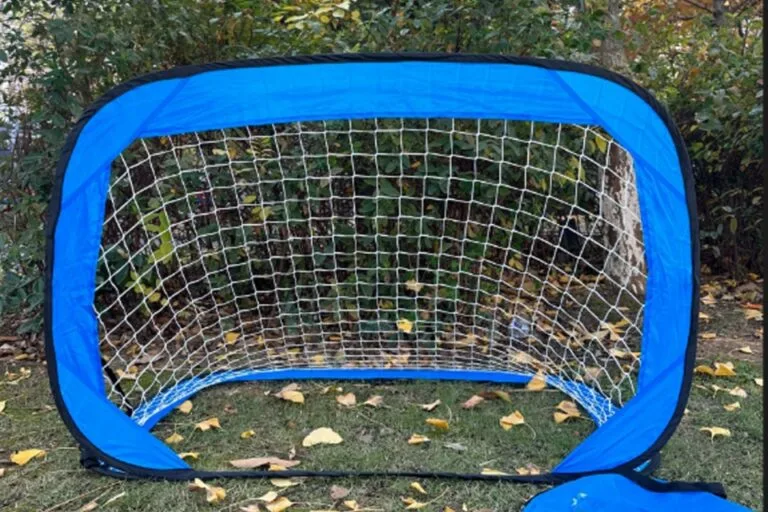
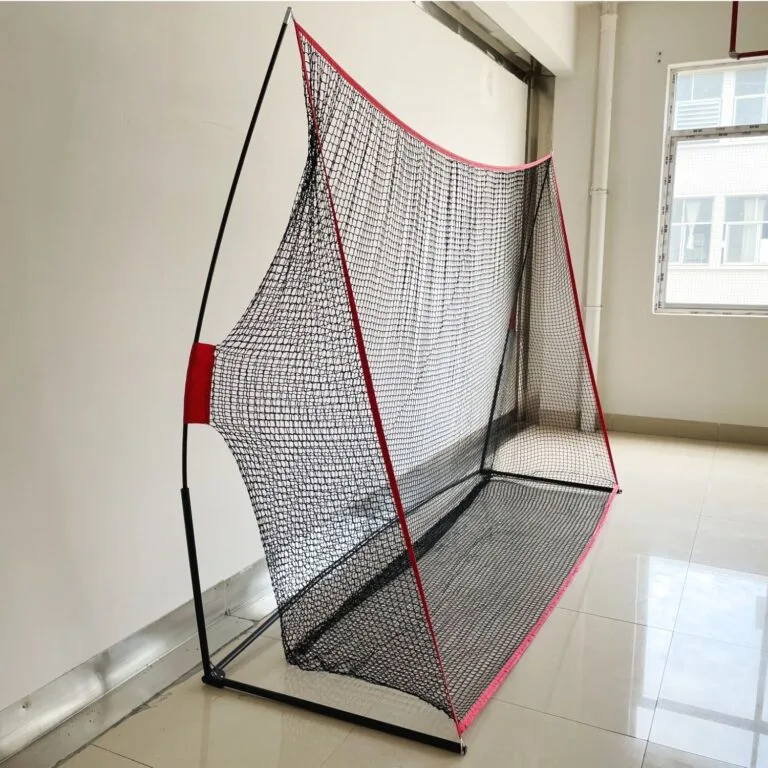
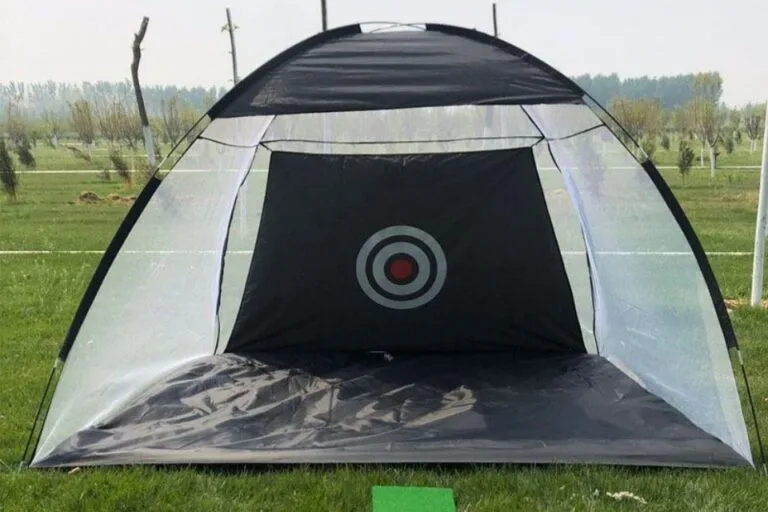
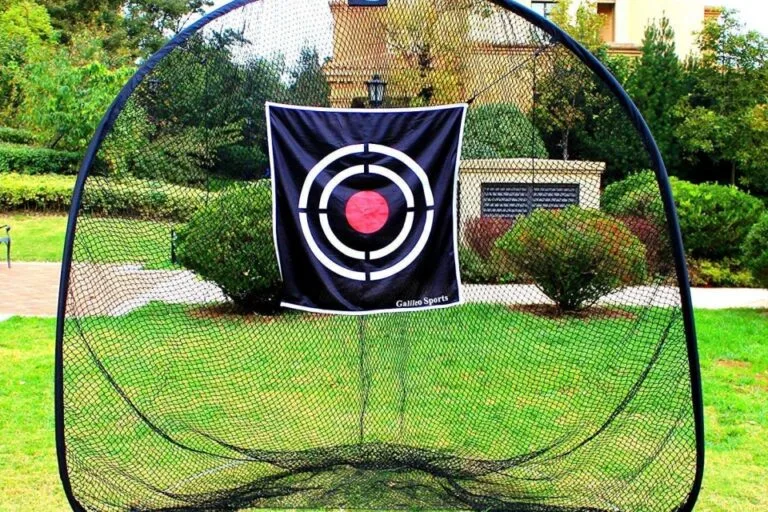
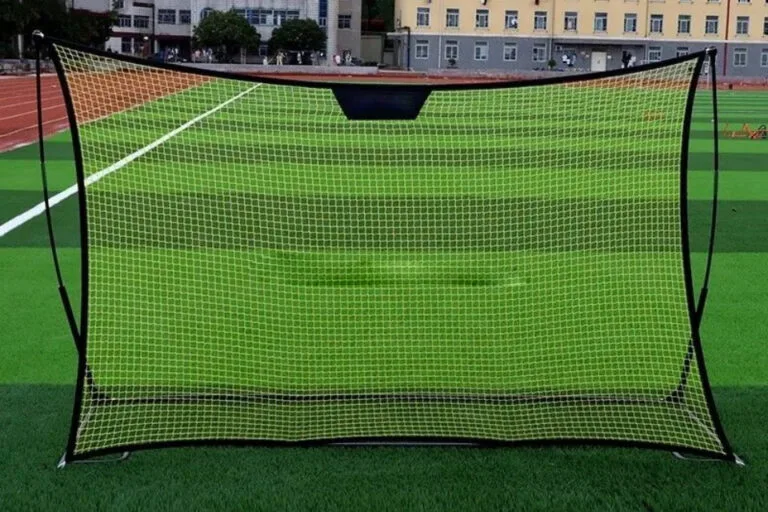
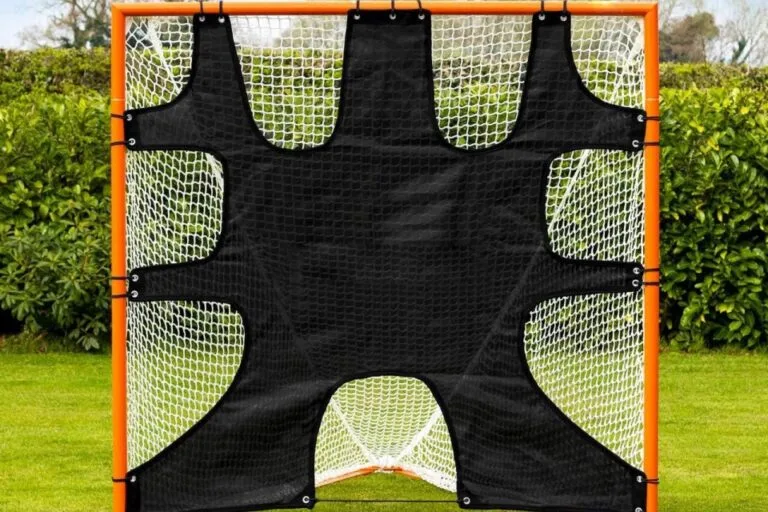
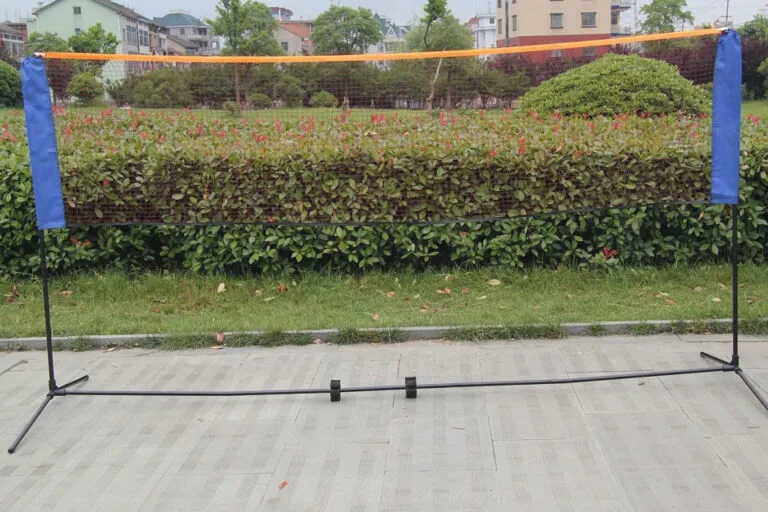
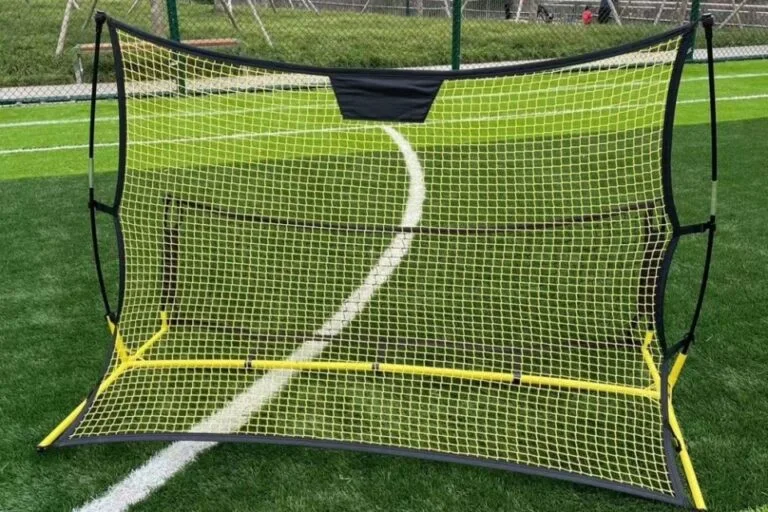
Le ultime tendenze delle reti sportive: Trattamenti UV, materiali ecologici, porte portatili, ausili intelligenti per l'allenamento e miglioramenti del design che danno vita ad attrezzature più sicure e durature.
Certification Timelines & Updates: Staying Current With Astm Standards

Most companies do not fail on product quality first. They fail on document control, revision tracking, and the lazy assumption that last year’s ASTM file is still good enough.
Public Sector & Education Procurement: Government Bidding & Rules

Schools and municipalities do not buy like private companies. This guide explains the government bidding process, the public sector procurement rules behind supplier evaluation, and the timing issues that quietly kill otherwise good deals.
Product Liability & Warranties: Standard Coverage & Legal Protection

Most buyers treat warranty language like a comfort blanket. It is not. This guide explains where standard coverage stops, where product liability starts, and how real defect claims are won or lost.
ESG & Sustainability In Sports Equipment: Certifications & Supply Chain Transparency

ESG in sports equipment is no longer a branding exercise. This guide explains which certifications matter, which ones get overused, and how serious buyers verify supplier claims before placing an order.
Safety Standards & ADA Compliance For Sports Facilities

Most sports facilities do not get in trouble because they ignored one giant rule. They get in trouble because small design and equipment choices stack up into obvious ADA and safety failures.
Customization & Color: Custom Dyes, Black, White & Visual Options

Black and white are the safe defaults because they are easy to source, easy to replace, and hard to mess up. Custom colors can look fantastic, but only when the buyer understands where color belongs, what it costs, and how fast the schedule can slip.
Environmental Performance: Temperature, Weight & Elasticity Factors

Most buyers pick netting by size, price, or twine thickness and miss the variables that actually decide service life. Temperature swings, material weight, and elasticity change how outdoor nets stretch, sag, absorb impact, and fail.
Facility Sizing Calculator & Guide

Most sizing mistakes are not math mistakes. They are procurement mistakes disguised as optimism, and this guide shows you how to stop making them. We break down the real inputs behind sports netting estimates, show where buyers get burned, and give you a practical model you can use before you place a PO.
Tariff Types Explained: Section 301, Section 232 & Rate Hedging

Section 301 and Section 232 are not interchangeable, and treating them that way is how importers lose margin without noticing until the quarter closes. This guide explains the difference, shows the 2024 evidence, and lays out practical rate hedging moves that actually matter.
Riduzione delle tariffe: Codici Hs, accordi di libero scambio e restituzione dei dazi doganali

La maggior parte degli importatori non viene schiacciata dalle tariffe perché le tariffe sono “ingiuste”. Vengono schiacciati perché la classificazione è approssimativa, le pratiche di origine sono scarse e il drawback viene trattato come denaro gratuito.
Due Diligence dei fornitori: Campioni, audit e verifica della certificazione

La maggior parte dei fallimenti dei fornitori non sono eventi misteriosi. Si tratta di fallimenti che gli acquirenti hanno ignorato prima della firma del PO. Questa guida mostra come verificare i campioni, controllare la reale capacità della fabbrica e confermare le certificazioni prima di impegnare denaro serio.
Calcolatore dell'impatto tariffario 2026: Il vero costo delle attrezzature sportive importate

La maggior parte degli importatori non perde margine sul prezzo di fabbrica quotato. Lo perdono per la pigra codifica HTS, per la mancata esposizione alla Sezione 301 e per l'orribile mucchio di tasse che si frappongono tra l'ingresso in dogana e la consegna finale.